Two days in Rome is not enough. Let’s get that out of the way, because every guide pretends otherwise and then hands you a list of nine things per day.
What two days is enough for: the ancient core, the Baroque centre, one great meal a day, and one evening that you’ll actually remember.
The trick is picking a lane and not sprinting. Here’s the version that works.
The Rule That Makes This Work
Rome splits neatly into two halves that are each a comfortable day on foot.
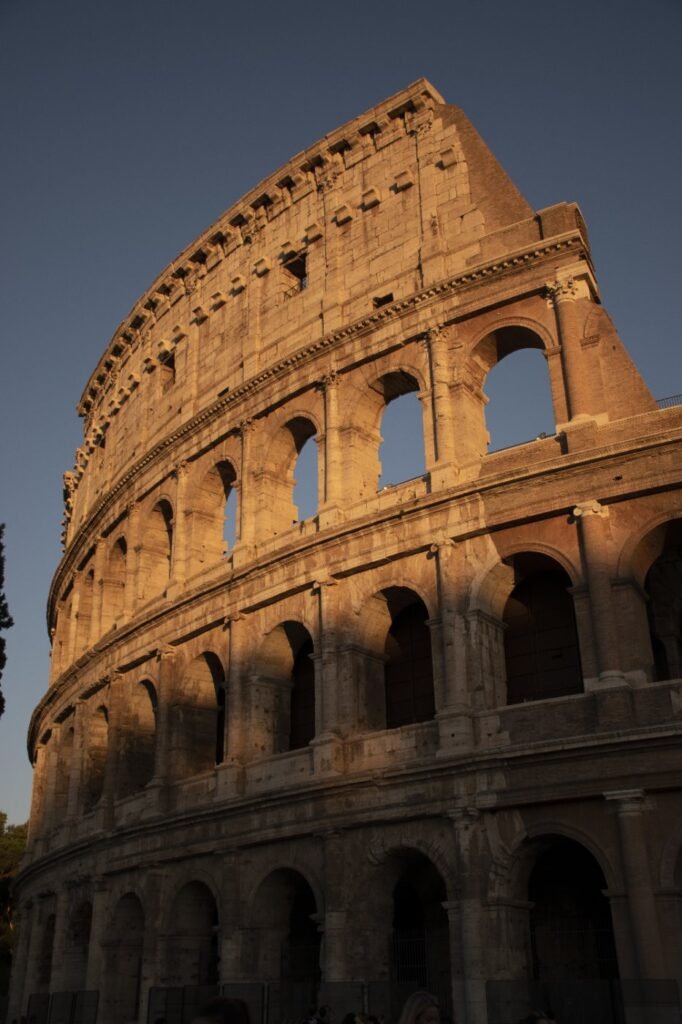
Day one is ancient Rome: Colosseum, Forum, Palatine, Capitoline. All within a few hundred metres of each other.
Day two is Baroque and papal Rome: Pantheon, Navona, Trevi, Spanish Steps, and the Vatican if you want it.
Do not mix them. The single biggest waste of a short Rome trip is crossing the city three times a day because your list is in the wrong order.
Day 1, Morning: The Colosseum and Forum
Book a timed entry ticket well in advance, and get the combined ticket that covers the Colosseum, Forum and Palatine Hill, valid across 24 hours.
Go at opening, around 8:30am. The difference between 8:30 and 11am here is roughly an hour of queueing and about ten degrees.
The Colosseum takes an hour. The arena floor add-on is worth it if you can get it, since standing where the floor was changes the scale entirely.
Then walk straight into the Forum, which is where I’d spend the longer half. It’s a field of ruins that makes very little sense without context, so either take a guide or download an audio one. Without either you’re looking at broken columns.
Climb Palatine Hill above it. Fewer people, gardens, and the view down over the whole Forum.
Day 1, Afternoon: Capitoline and the Views
Come out at the western end and go up the Cordonata steps to Piazza del Campidoglio, designed by Michelangelo.
The Capitoline Museums are the oldest public museums in the world and hold the she-wolf, the bronze Marcus Aurelius and a hall of emperor busts. Two hours if you want them, skippable if you’re flagging.
The terrace behind the palazzo gives you the best free view over the Forum, and almost nobody finds it.
Then wander down through the Jewish Ghetto, which is one of the most atmospheric parts of the city and where you should eat. Carciofi alla giudia, deep-fried artichokes, are the local dish and they’re excellent.
▶ Watch This Before You Go
Day 1, Evening: Trastevere
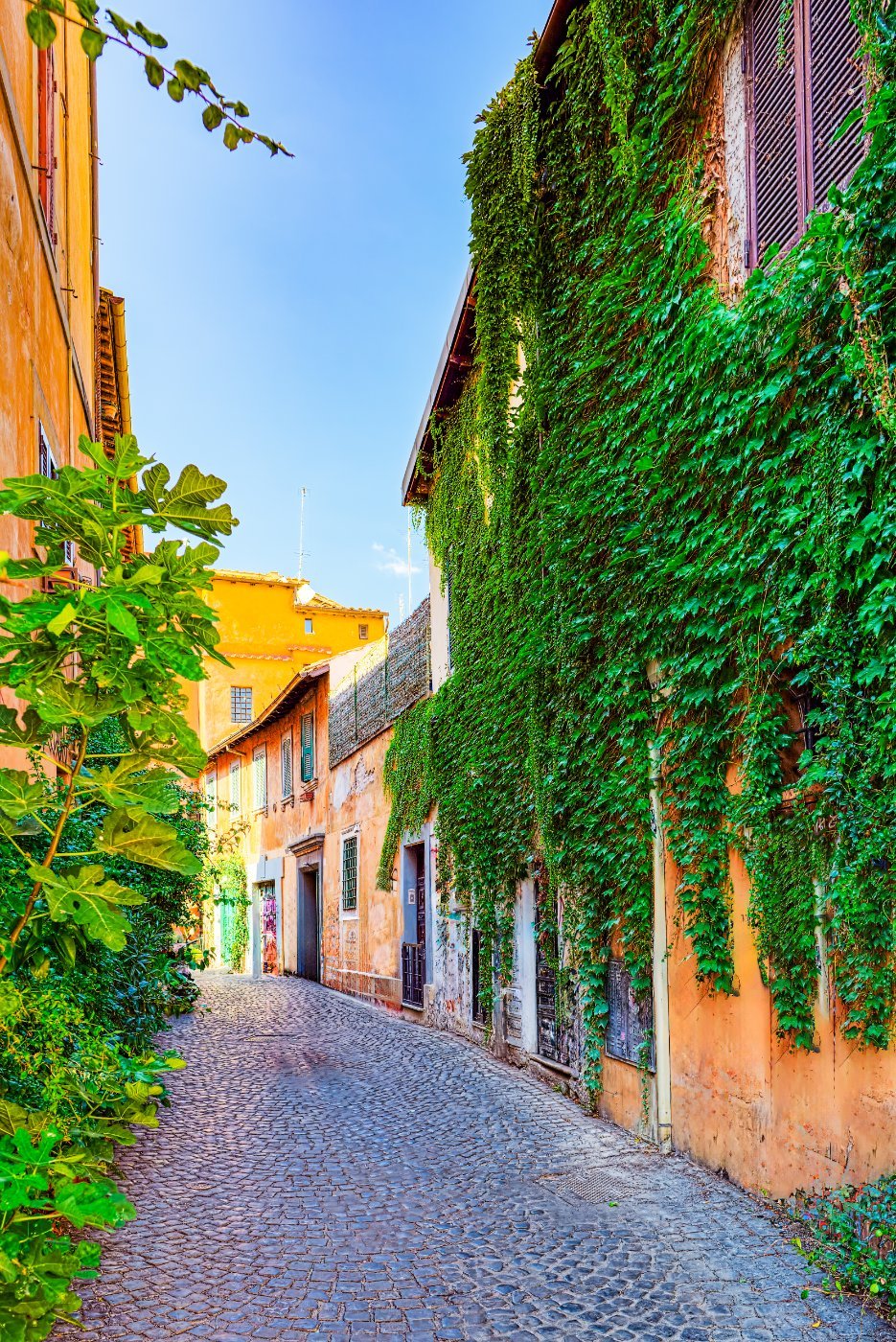
Cross the river as it gets dark. Trastevere is a knot of narrow cobbled lanes with ivy on the walls, and it fills up with people in the evening in a way that feels like a neighbourhood rather than an attraction.
Eat late by British standards, around 8:30 or 9. Sit outside. Order cacio e pepe or amatriciana, which are the Roman pastas, and don’t order a cappuccino afterwards unless you want to.
Santa Maria in Trastevere has 12th century gold mosaics on the facade that light up at night, and the square in front is where everyone sits on the fountain steps.
If you have energy, walk up to the Gianicolo terrace for the whole city laid out below you.
Day 2, Morning: The Vatican, or Not
This is the decision that shapes your second day, and it’s genuinely optional.
If you go: book the earliest possible entry, months ahead. The Vatican Museums are a one-way three kilometre march to the Sistine Chapel and take three to four hours minimum. St Peter’s Basilica is free and separate, with its own security queue.
If you skip it: you free up half a day and you’ll see far more of the actual city. Plenty of people on a two-day trip make that trade and don’t regret it.
My honest advice for 48 hours: skip the museums, do St Peter’s early, climb the dome for the view, and spend the rest of the day in the centre.
Day 2, Midday: The Baroque Walk
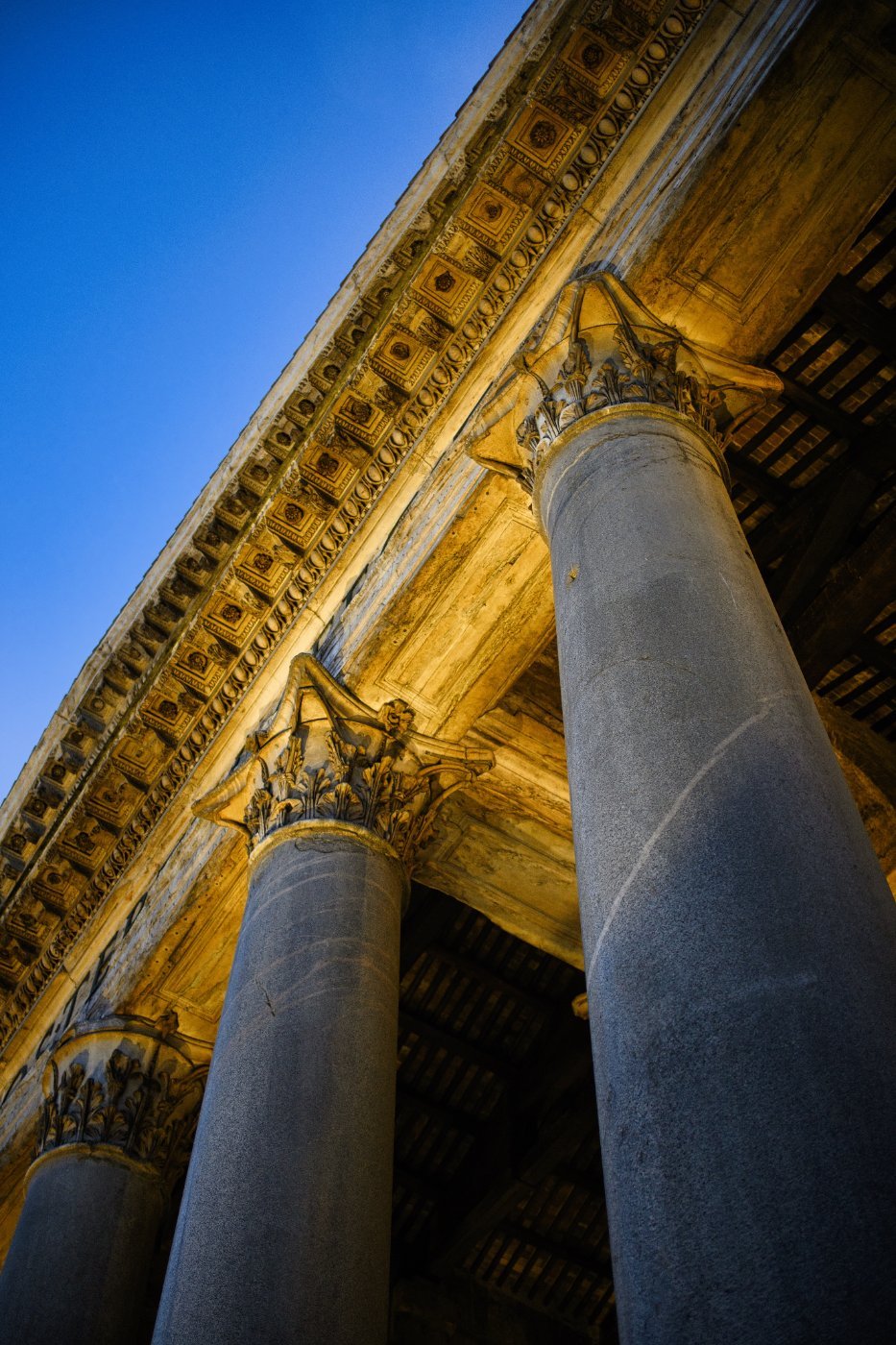
This is the best two hours in Rome and it costs nothing.
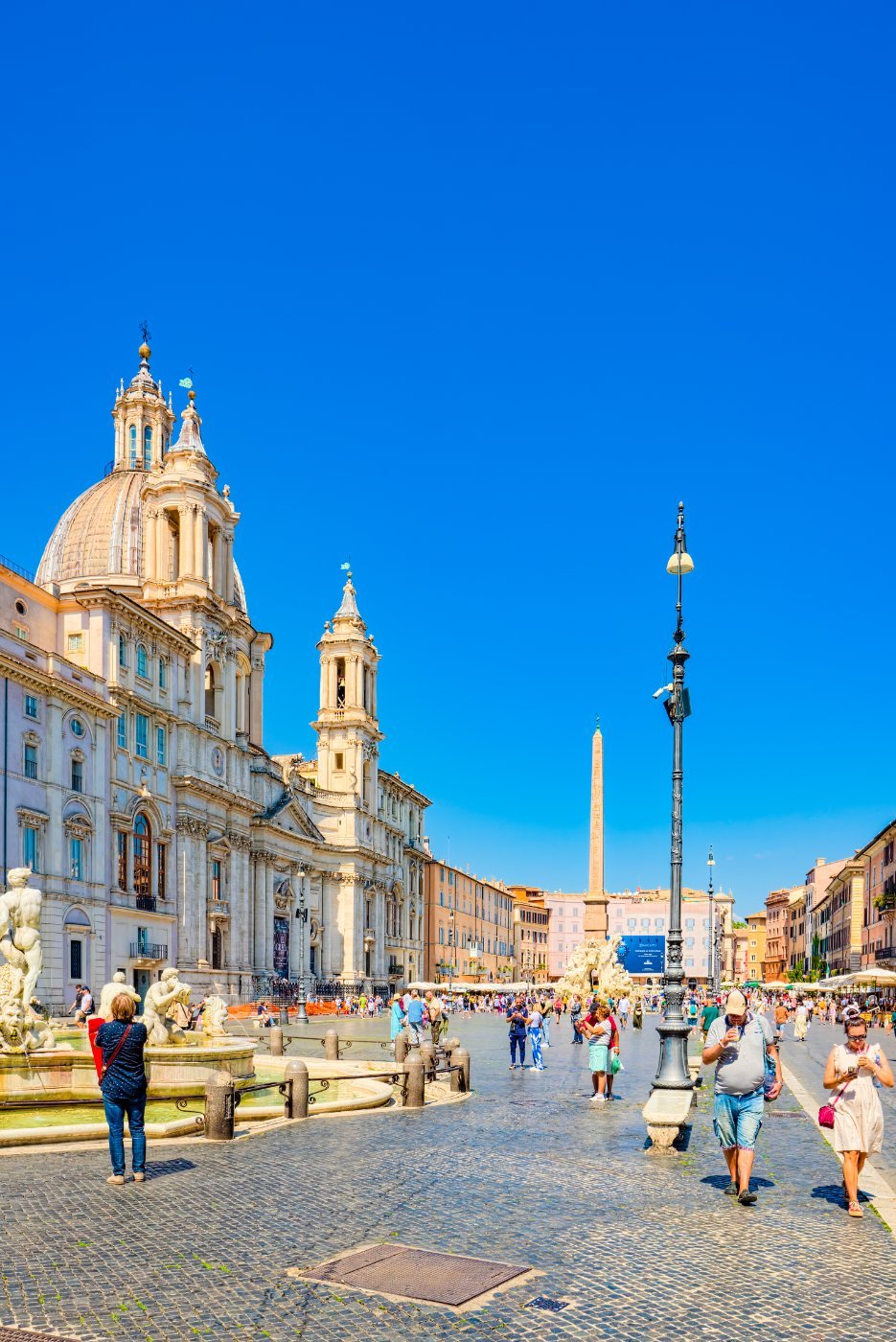
Start at Piazza Navona, built on the shape of a Roman stadium, with Bernini’s Fountain of the Four Rivers in the middle. Then five minutes to the Pantheon, which is nearly 1,900 years old, free to enter with a small ticket now, and still has the largest unreinforced concrete dome on earth. Stand under the oculus.
Then the Trevi Fountain, which is always packed and worth it anyway. Go at 7am or 11pm if you want it to yourself.
Then the Spanish Steps, which are honestly the least interesting of the four and are on the way to the shops.
Gelato between each. That’s not a joke, it’s the correct pace.
Day 2, Afternoon: Pick One
Borghese Gallery if you like art. Bernini sculptures that look like they’re breathing, in a villa in a park. Timed entry, book ahead, two hours.
Castel Sant’Angelo if you like ramparts and views, with a spiral ramp built for Hadrian’s tomb and a terrace over the river.
Or the Appian Way, out of the centre, where you can walk or cycle on original Roman paving between catacombs and pine trees.
One of those. Not all three 🙂
Practical Things That Save Time
Stay central. Monti, Trastevere, Campo de’ Fiori or near the Pantheon. On a two-day trip, twenty minutes each way on a bus is a real chunk of your holiday.
Walk. Rome’s centre is about two miles across and the metro barely serves it, because they can’t dig without hitting ruins.
Drink from the nasoni, the little cast iron street fountains. The water is cold, clean and free, and there are 2,500 of them.
Watch your bag on the 64 bus and around Termini. That’s where the pickpocketing happens.
Common Questions
Is 2 days enough for Rome? For the highlights, yes, if you split the city into ancient and Baroque halves and don’t try to add the Vatican Museums as well.
Should I skip the Vatican on a short trip? Consider it. The museums eat half a day. St Peter’s alone is quicker and free.
Do I need to book the Colosseum ahead? Yes, and increasingly far ahead. Timed entry sells out in high season.
Where should I stay for 2 days? Monti for atmosphere and proximity to the Colosseum, or near the Pantheon for the Baroque half.
What’s the one thing not to miss? The Pantheon, and standing directly under the oculus. It’s free, it takes ten minutes, and it’s nearly two thousand years old.