
New Orleans offers so much more than the crowded, tourist-focused stretch of Bourbon Street that dominates most first impressions of the city. The genuinely interesting side of New Orleans lives in its neighborhoods, food scene, and music culture beyond that single famous corridor.
Here’s a complete guide to experiencing New Orleans beyond Bourbon Street’s tourist trap reputation.
None of this means skipping Bourbon Street entirely. It just means not letting it define your entire trip.
Explore the Garden District’s Architecture
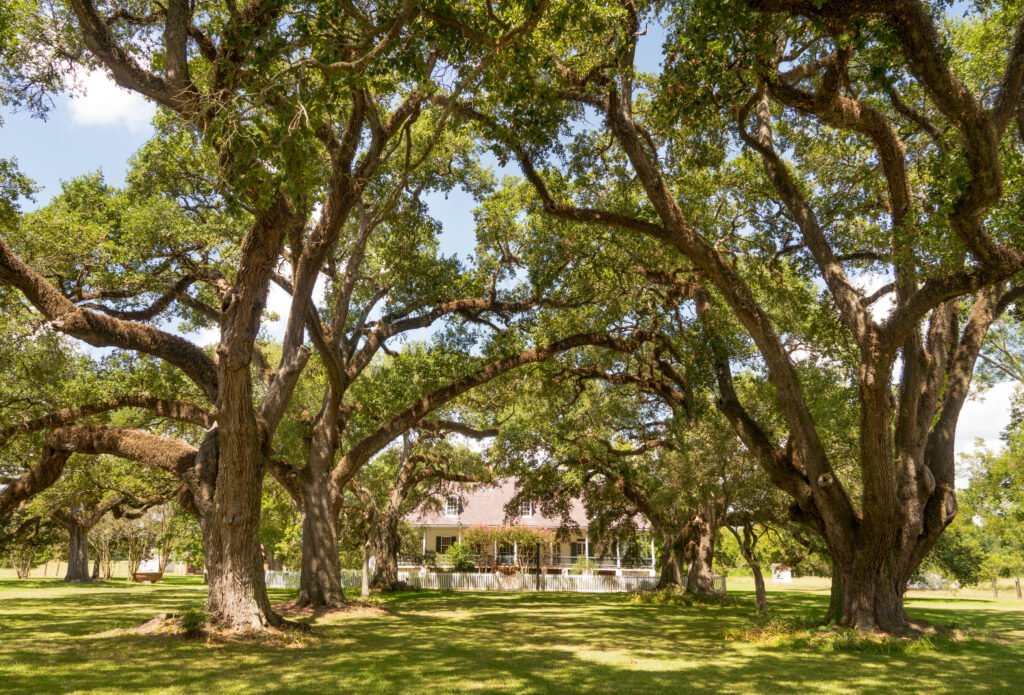
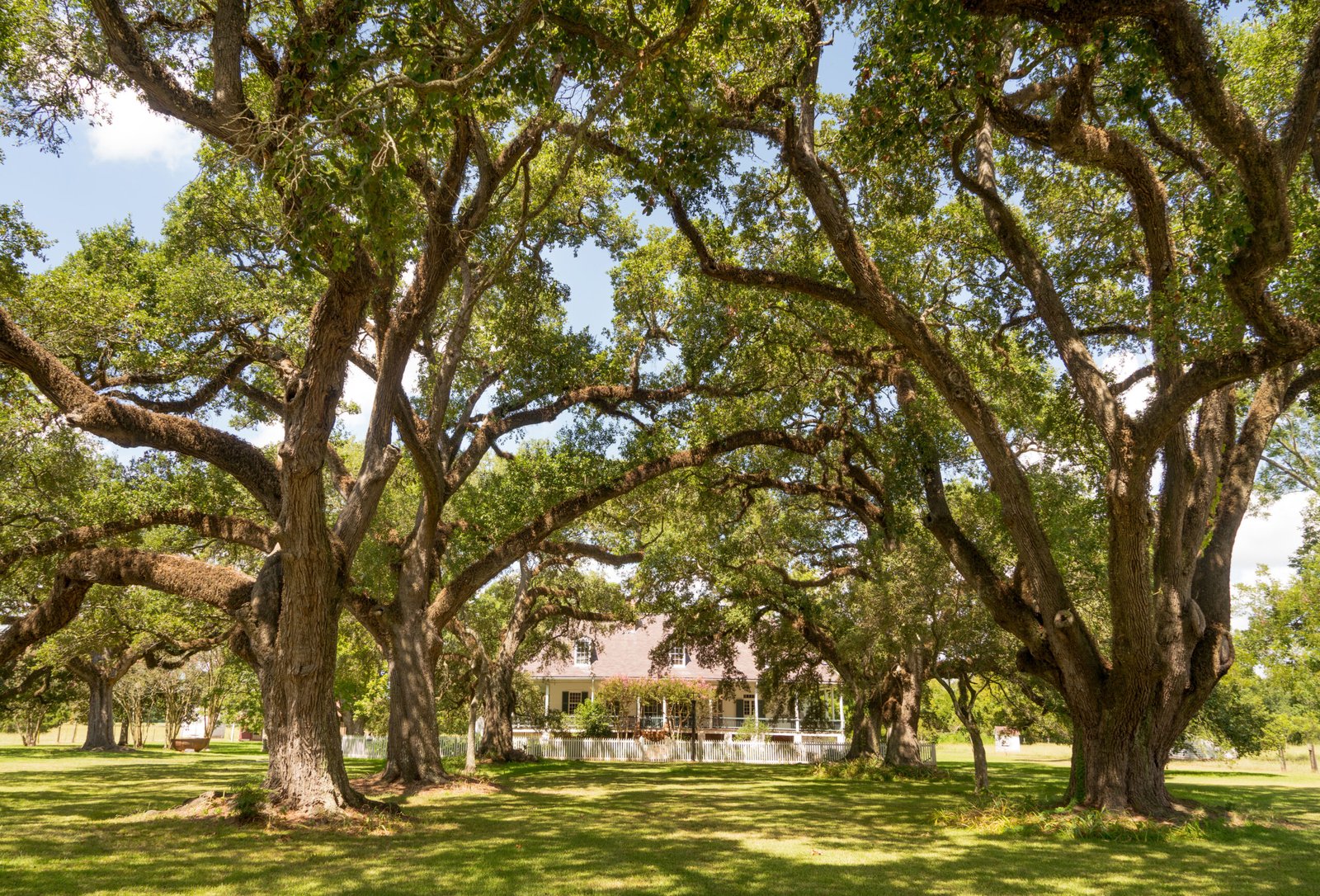
The Garden District, filled with stunning antebellum mansions and moss-draped oak trees, delivers a completely different visual experience from the French Quarter’s more crowded streets. Walking tours through this historic neighborhood reveal architectural details and history that most visitors focused on Bourbon Street entirely miss.
Is a guided tour worth the cost here, or does self-guided walking work just as well? Genuinely, self-guided walking works well for architecture appreciation, though guided tours add valuable historical context about specific homes and residents.
Visit Frenchmen Street for Authentic Music
Frenchmen Street, just outside the French Quarter’s tourist core, delivers genuinely excellent live music without Bourbon Street’s rowdy, tourist-focused atmosphere. Local musicians perform here nightly, often in smaller, more intimate venues that showcase New Orleans’ jazz heritage far better than the bigger Bourbon Street clubs.
Real talk, Frenchmen Street consistently ranks as locals’ preferred alternative to Bourbon Street, and spending an evening here reveals why so clearly.

Explore the City’s Cemeteries
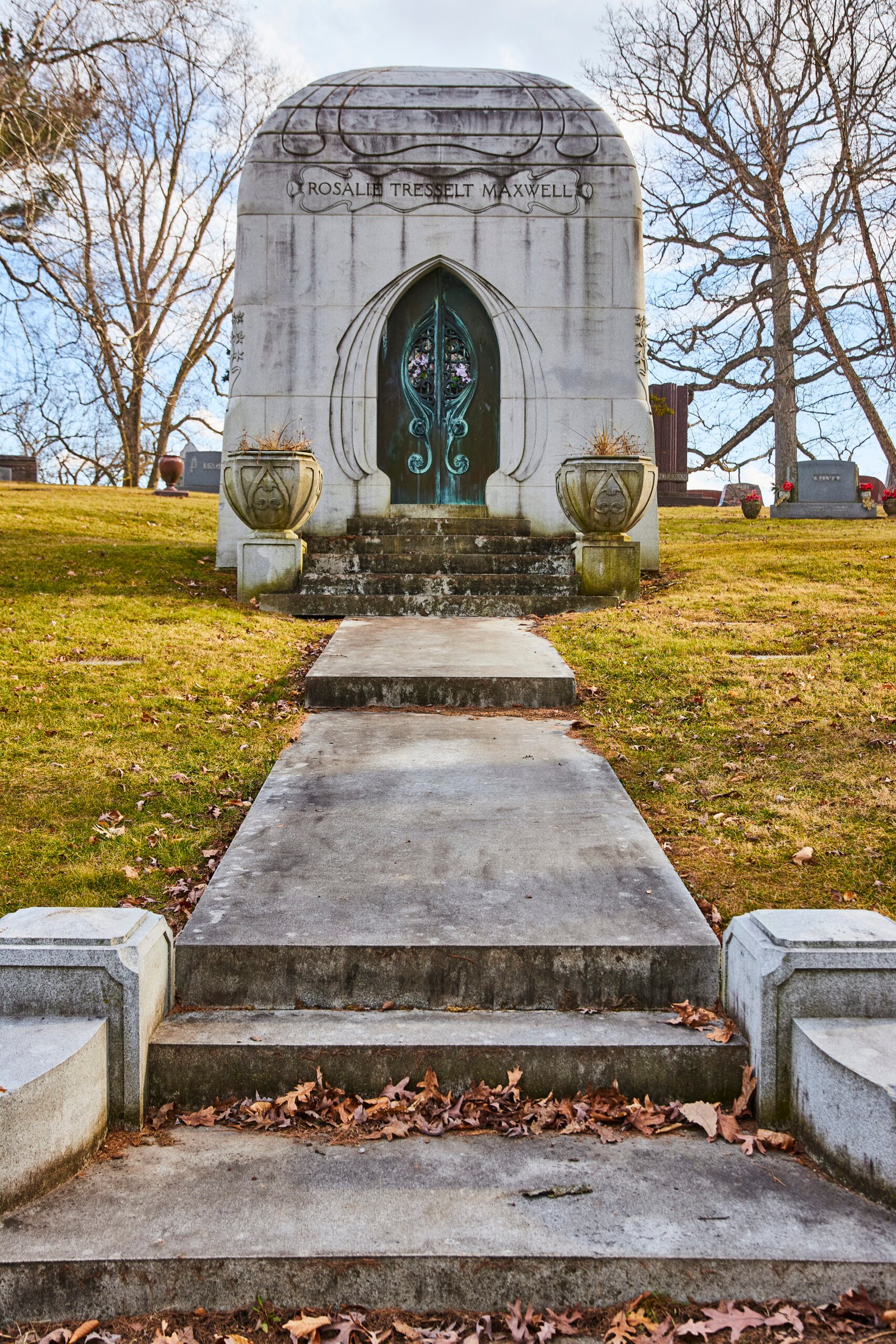
New Orleans’ above-ground cemeteries, necessary given the city’s high water table, create a genuinely unique and photogenic aspect of local culture and history. Saint Louis Cemetery Number One, one of the oldest and most famous, offers guided tours covering the city’s distinctive burial traditions and notable historical figures.
A few practical things worth knowing about visiting these cemeteries:
- Guided tours are required at Saint Louis Cemetery Number One, since unaccompanied visits aren’t permitted anymore
- Lafayette Cemetery Number One in the Garden District allows independent visits and photography
- Early morning visits avoid both heat and crowds at the more popular cemetery locations
- Respectful behavior matters enormously, since these remain active burial sites for local families
- Sun protection proves essential, given minimal shade throughout most cemetery grounds
Take a Swamp Tour
Louisiana’s swamps, home to alligators and unique ecosystems just outside the city, deliver a genuinely different New Orleans experience than anything downtown offers. Airboat or pontoon tours, departing from various points outside the city, showcase wildlife and landscapes that feel worlds away from the French Quarter’s urban energy.
IMO this excursion ranks among New Orleans’ most underrated day trips, delivering genuine natural beauty that most visitors never even consider adding to their itinerary. 😅

Discover the Bywater and Marigny Neighborhoods
The Bywater and Marigny neighborhoods, just downriver from the French Quarter, showcase New Orleans’ artistic, laid-back side through colorful houses, murals, and genuinely excellent local restaurants. Wandering these residential streets reveals a side of the city that feels lived-in rather than performed for tourists.
Is this area safe for casual daytime wandering? Generally yes during daylight hours, though standard urban travel awareness applies as it would in any city neighborhood.
Eat at Local Restaurants Away from Tourist Zones
Restaurants directly in the French Quarter’s tourist core often charge premium prices for mediocre versions of New Orleans classics like gumbo and jambalaya. Restaurants in neighborhoods like Mid-City or Uptown consistently deliver better food at more reasonable prices than anything immediately surrounding Bourbon Street.
Real talk, some of New Orleans’ most celebrated restaurants sit well outside the main tourist zone, rewarding visitors willing to venture a bit further for genuinely excellent food.
Visit the National WWII Museum
The National WWII Museum, consistently ranked among the country’s best history museums, delivers a genuinely world-class experience unrelated to New Orleans’ typical party reputation. Allocating a full half-day here rewards visitors with an immersive, thoughtfully curated experience covering the war’s full scope.
Is this museum worth prioritizing if history isn’t usually your main travel interest? Genuinely, yes, since the museum’s storytelling and exhibit design engage even visitors who don’t consider themselves history enthusiasts.
Explore City Park and Its Museums
City Park, significantly larger than New York’s Central Park, houses the New Orleans Museum of Art, a sculpture garden, and beautiful walking paths through ancient oak trees. The sculpture garden specifically offers a genuinely peaceful, art-filled outdoor experience distinct from the city’s busier tourist attractions.
This sprawling green space provides welcome contrast to the French Quarter’s density, especially valuable during a multi-day visit that needs pacing variety.
Take a Streetcar Ride
New Orleans’ historic streetcars, particularly the St. Charles Avenue line, offer both practical transportation and a genuinely scenic way to see the Garden District and Uptown areas. Riding the full route, rather than just a short hop, delivers extended views of the city’s beautiful residential architecture along the way.
Is the streetcar worth riding purely for the experience, even without a specific destination? Absolutely, since this remains one of the most affordable and enjoyable ways to see significant portions of the city.
Experience a Second Line Parade
Second line parades, spontaneous neighborhood celebrations featuring brass bands and dancing, represent authentic New Orleans culture that most tourists never witness. Checking local event calendars before your trip sometimes reveals scheduled second lines you can genuinely join or observe.
Real talk, stumbling into an actual second line parade delivers a more memorable New Orleans experience than almost any planned tourist activity you could book.
What’s Actually Worth Doing on Bourbon Street
Bourbon Street itself isn’t entirely without merit, and a brief visit for people-watching and the general atmosphere makes sense as part of a broader itinerary. Visiting during daytime offers a considerably calmer experience than the rowdy nighttime scene most people associate with the street.
Keeping your Bourbon Street time limited, rather than centering your entire trip around it, leaves room for New Orleans’ genuinely richer offerings elsewhere.
Take a Day Trip to a Plantation
Several historic plantations, located within an hour or two of the city, offer a genuinely important and sobering counterpoint to New Orleans’ party reputation, focusing on the region’s complex history. Plantations that center enslaved people’s experiences in their tours, rather than glossing over this history, deliver a more honest and educational visit than those focused purely on architecture.
Is this a heavy addition to an otherwise lighthearted trip? It is genuinely heavier content, but most visitors find it adds meaningful depth and context to understanding the broader region and city.
Best Time of Year to Visit
Spring and fall deliver New Orleans’ most comfortable weather, avoiding both summer’s brutal heat and humidity and hurricane season’s unpredictability. Winter remains mild and increasingly popular, though it lacks some of the festival energy that spring specifically brings to the city.
Whatever season you choose, checking the local events calendar matters, since New Orleans hosts festivals virtually year-round that can meaningfully shape your visit.
What This Trip Actually Costs
Budget $130-180 per day for a comfortable mid-range trip covering hotels, museum admissions, swamp tours, and meals throughout the city, including neighborhoods beyond the French Quarter. This runs moderately compared to other major American cities, with genuine opportunities to spend less by prioritizing neighborhood restaurants over tourist-zone dining.
New Orleans rewards travelers willing to explore beyond Bourbon Street’s famous but limited offerings, revealing a city with genuinely rich architecture, food, music, and history. Wander the Garden District, catch live music on Frenchmen Street, and venture into neighborhoods like Bywater, and you’ll experience a side of New Orleans that most rushed visitors completely miss.