

Moving to Spain involves considerably more paperwork and planning than a typical vacation, and skipping steps early on tends to create real problems months into your new life abroad. Getting organized before departure genuinely determines how smoothly your first few months actually go.
Here’s a complete pre-departure checklist covering everything you need to handle before boarding your flight.
None of this needs to happen overnight. Starting several months ahead gives you enough breathing room to handle Spain’s sometimes slow bureaucratic processes.

Sort Out Your Visa Situation First
Your visa type determines almost everything else on this checklist, so confirming exactly which visa fits your situation should happen before anything else. Non-EU citizens need an approved visa before arrival, whether that’s a work visa, non-lucrative visa, digital nomad visa, or student visa depending on your specific circumstances.
Is applying for the wrong visa type a common mistake? Genuinely, yes, since the requirements and restrictions differ meaningfully between visa categories, and choosing incorrectly can derail your entire timeline.
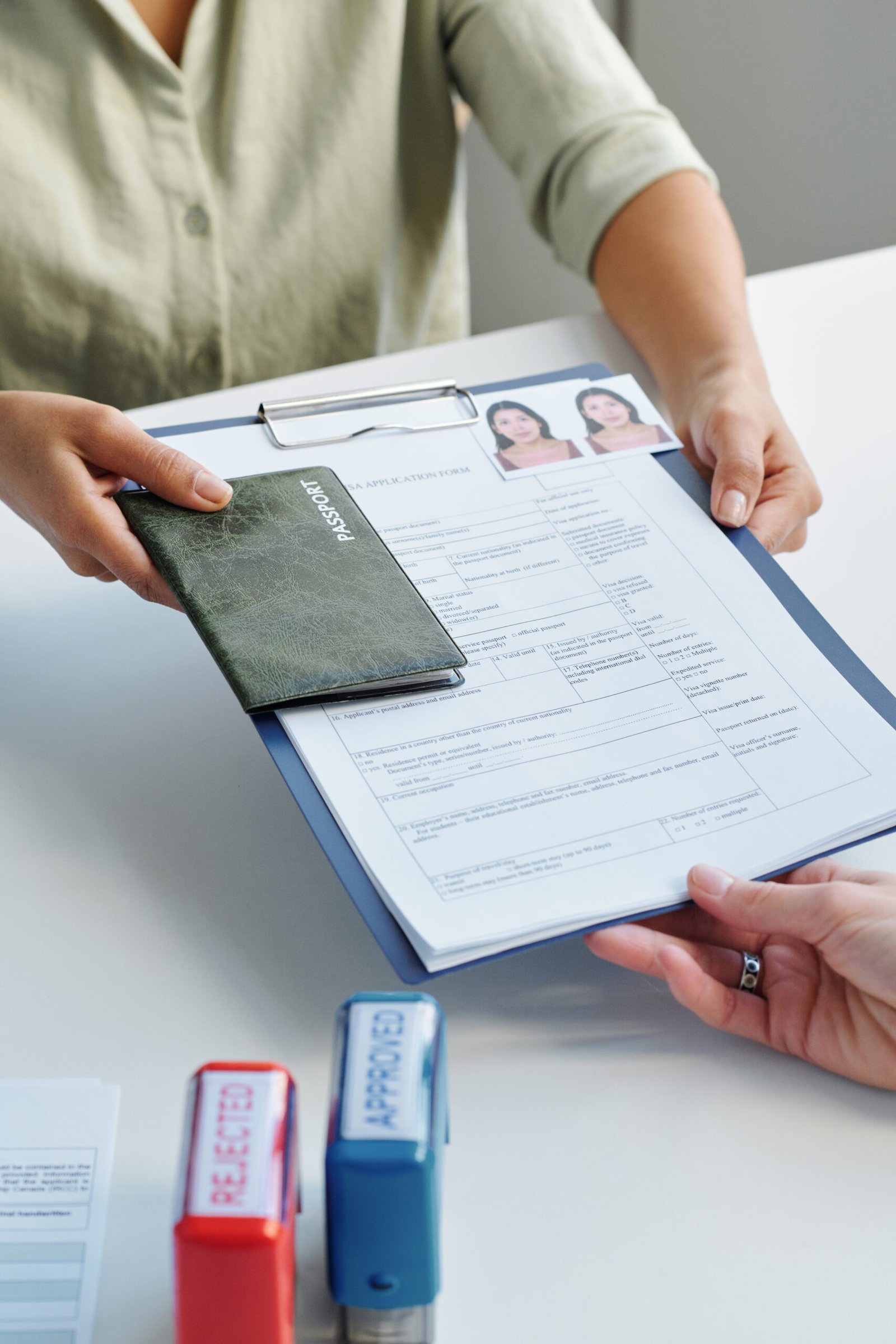
Gather and Apostille Your Documents
Spain requires official documents like birth certificates, marriage certificates, and criminal background checks to be apostilled and often translated by a certified translator. Start this process at least three months ahead, since apostille processing times vary significantly by country and some documents have limited validity windows once issued.
Real talk, underestimating apostille and translation timelines causes more visa application delays than almost any other single factor in the entire process.
Handle Your Health Insurance Requirements
Most Spanish visas require proof of comprehensive private health insurance with no copays, meeting specific coverage minimums that vary by visa type. Research Spain-specific insurance providers rather than assuming your home country’s international policy automatically qualifies, since Spanish consulates often reject policies that don’t meet their exact requirements.
A few practical things worth confirming about your health coverage before departure:
- Coverage must extend for your full intended stay, not just an initial arrival period
- No copay policies are typically required, not just comprehensive coverage generally
- Spanish-language documentation sometimes helps speed up enrollment in public healthcare later
- Private insurance often remains necessary even after qualifying for public healthcare access
- Travel insurance does not substitute for the specific health insurance visa requirements
Open a Spanish Bank Account (If Possible)
Opening a Spanish bank account before arrival isn’t always possible, but researching your options and gathering required documents ahead of time saves real hassle once you land. Some banks allow non-resident account opening remotely or through a home-country branch partnership, which can simplify your first weeks significantly.
IMO having some banking infrastructure sorted before arrival removes one major stressor from an already overwhelming first few weeks in a new country. 😅

Arrange Temporary Housing for Your Arrival
Securing permanent housing from abroad rarely works well, since most landlords want to meet tenants in person and verify documentation that’s hard to provide remotely. Book temporary accommodation for your first two to four weeks, giving yourself time to apartment hunt in person without the pressure of an immediate deadline.
Is an Airbnb or short-term rental the best option for this initial period? Generally, yes, since these offer more flexibility than a hotel while you search for something longer-term.
Register Your Address (Padron) Quickly
Once you have a fixed address, registering at your local town hall for your padron, Spain’s municipal registration, needs to happen relatively quickly after arrival. The padron unlocks access to public healthcare, school enrollment, and various other bureaucratic processes that depend on proof of local residency.
Real talk, delaying this registration creates a domino effect of delays for nearly every other administrative task you’ll need to complete afterward.
Get Your NIE (Foreigner ID Number)
Your NIE, a unique tax identification number for foreigners, becomes necessary for nearly everything from opening bank accounts to signing rental contracts to starting a job. Some visa categories allow requesting your NIE before arrival through a Spanish consulate, which can meaningfully speed up your settling-in process.
If you didn’t secure it beforehand, booking an NIE appointment as early as possible after arrival matters, since appointment availability in major cities often runs weeks out.

Plan Your Moving Logistics
Deciding what to bring, ship, sell, or store requires honest evaluation of what’s actually worth transporting internationally versus repurchasing once you arrive. Shipping furniture internationally rarely makes financial sense for most moves, given the cost and hassle compared to buying secondhand or new furniture locally.
Is it worth shipping sentimental or hard-to-replace items specifically? For those particular items, generally yes, but evaluate everything else against genuine replacement cost and shipping expense.
Handle Your Home Country Obligations
Notifying your bank, canceling or forwarding mail, ending leases, and handling any home-country tax obligations all need attention before departure to avoid complications later. Tax residency rules vary significantly by country, so consulting a tax professional familiar with both your home country and Spain prevents unexpected obligations from catching you off guard.
Real talk, many people underestimate how much home-country administrative cleanup a move like this actually requires until they’re already deep into the process.
Research Your New City or Region
Understanding your destination’s climate, cost of living, neighborhood character, and practical logistics before arrival helps you make better decisions once you’re there. Renting a temporary place in a central, well-connected neighborhood initially gives you flexibility to explore different areas before committing to a longer-term rental contract.
Is researching Spanish language basics worth the effort before you even arrive? Genuinely, yes, since even basic Spanish smooths countless daily interactions during your first disorienting weeks.
Set Up International Money Transfer Tools
Moving money between your home country and Spain efficiently matters both during your move and for ongoing expenses afterward. Comparing transfer services rather than relying solely on traditional bank wires often saves meaningful money on fees and exchange rates over time.
This becomes especially relevant if you’re maintaining any home-country financial obligations while also covering new expenses in euros.
Prepare for the Emotional Transition
Moving abroad brings genuine emotional challenges beyond the practical logistics, and preparing mentally for culture shock and homesickness matters just as much as paperwork. Building a support network, whether through expat groups, language exchanges, or local activities, helps ease the transition considerably during those first disorienting months.
Is it normal to feel overwhelmed even after careful planning? Completely, since even the most organized move still involves adjusting to an entirely new system, language, and daily rhythm.
What This Move Actually Costs Upfront
Budget for visa application fees, document translation and apostille costs, temporary accommodation, moving or shipping costs, and a financial buffer for unexpected expenses during your first months. Total upfront costs typically range from $3,000-8,000 depending heavily on your specific circumstances, visa type, and how much you’re relocating versus starting fresh.
Building in a genuine financial cushion beyond your calculated budget protects against the inevitable surprises that come with any major international move.
Moving to Spain rewards careful preparation, and working through this checklist systematically in the months before departure prevents most of the common headaches that catch unprepared movers off guard. Start your visa and document process early, secure temporary housing for your arrival, and handle your NIE and padron registration promptly once you land, and you’ll set yourself up for a genuinely smooth transition into your new Spanish life.