Rome delivers enough history and food to fill any trip, but the surrounding region hides genuinely excellent day trips that most first-time visitors never consider. Italy’s train network makes reaching these destinations remarkably simple without needing a rental car.
Here’s a complete guide to the best day trips from Rome that work perfectly by train.
None of these require complicated planning or fluent Italian. Just a train ticket, comfortable shoes, and a rough plan for the day.
Tivoli: Ancient Villas and Gardens
Tivoli, roughly an hour from Rome by regional train, houses two genuinely stunning UNESCO World Heritage sites in Villa d’Este and Hadrian’s Villa. Villa d’Este’s elaborate fountains and gardens rank among the most impressive Renaissance landscaping anywhere in Italy, delivering real visual drama at every turn.
Is one day enough to see both villas properly? Genuinely, it’s tight, so prioritizing one site thoroughly beats rushing through both if your time feels limited.
Ostia Antica: Rome’s Ancient Port
Ostia Antica offers an incredibly well-preserved ancient Roman port city, often compared favorably to Pompeii but with dramatically fewer crowds. The site sits just 30 minutes from Rome by regional train, making it one of the easiest and quickest day trips on this entire list.
Real talk, Ostia Antica genuinely surprises visitors who expected a lesser Pompeii substitute, since the extensive ruins and relative solitude create a more immersive experience than Rome’s most crowded ancient sites.
Orvieto: A Hilltop Medieval Town
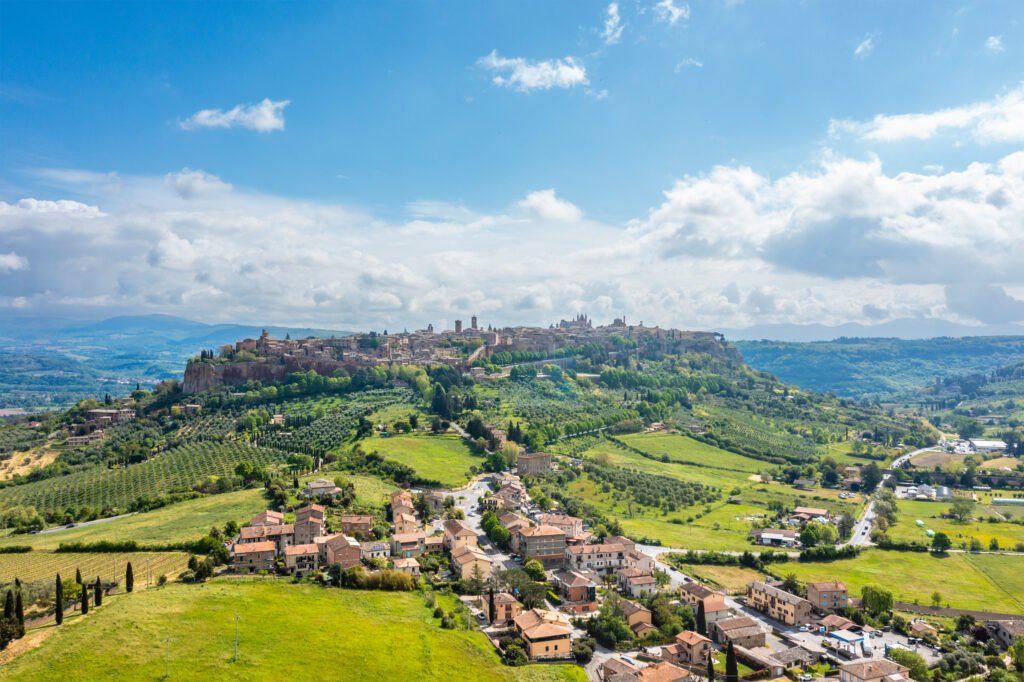
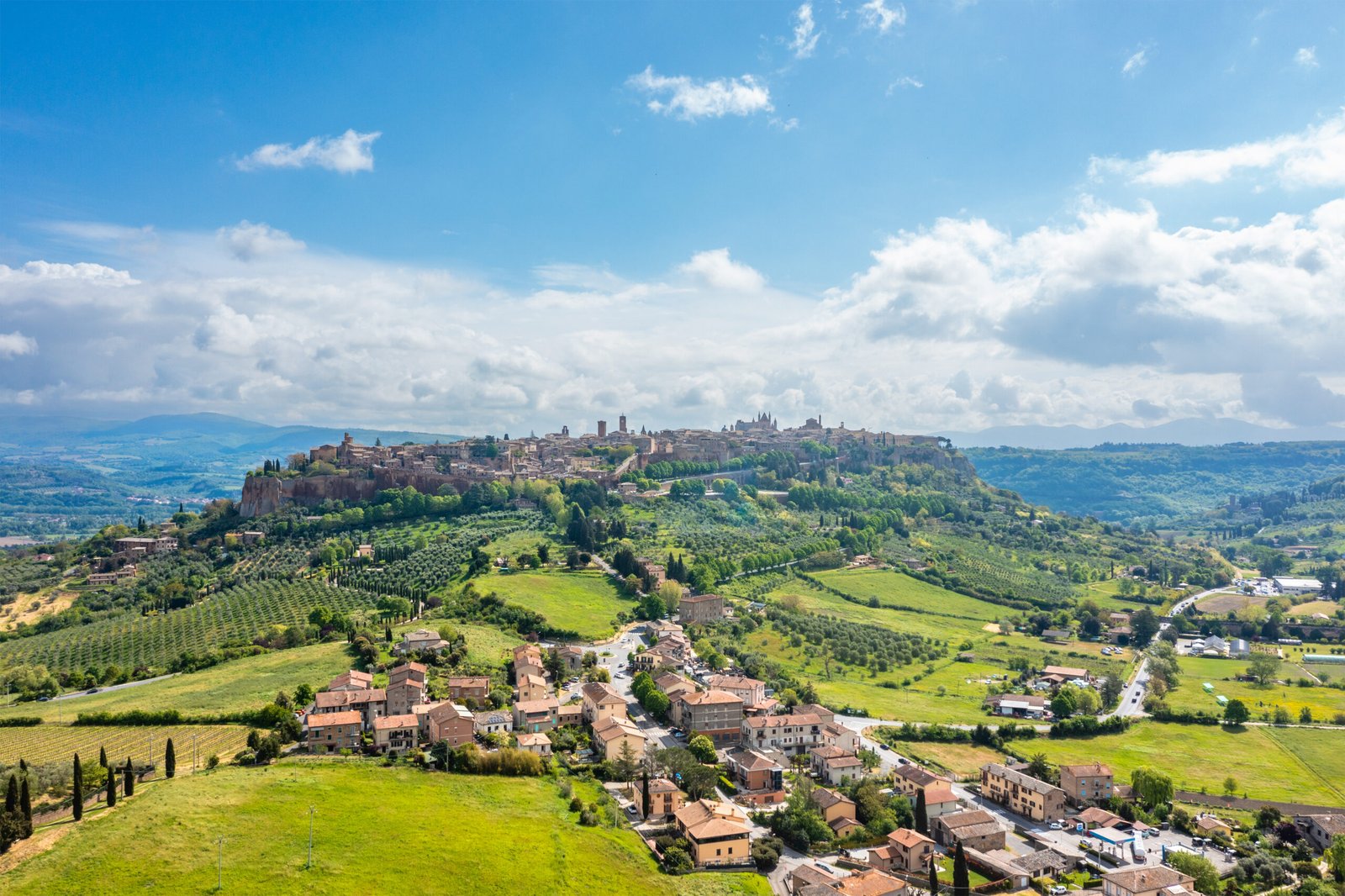
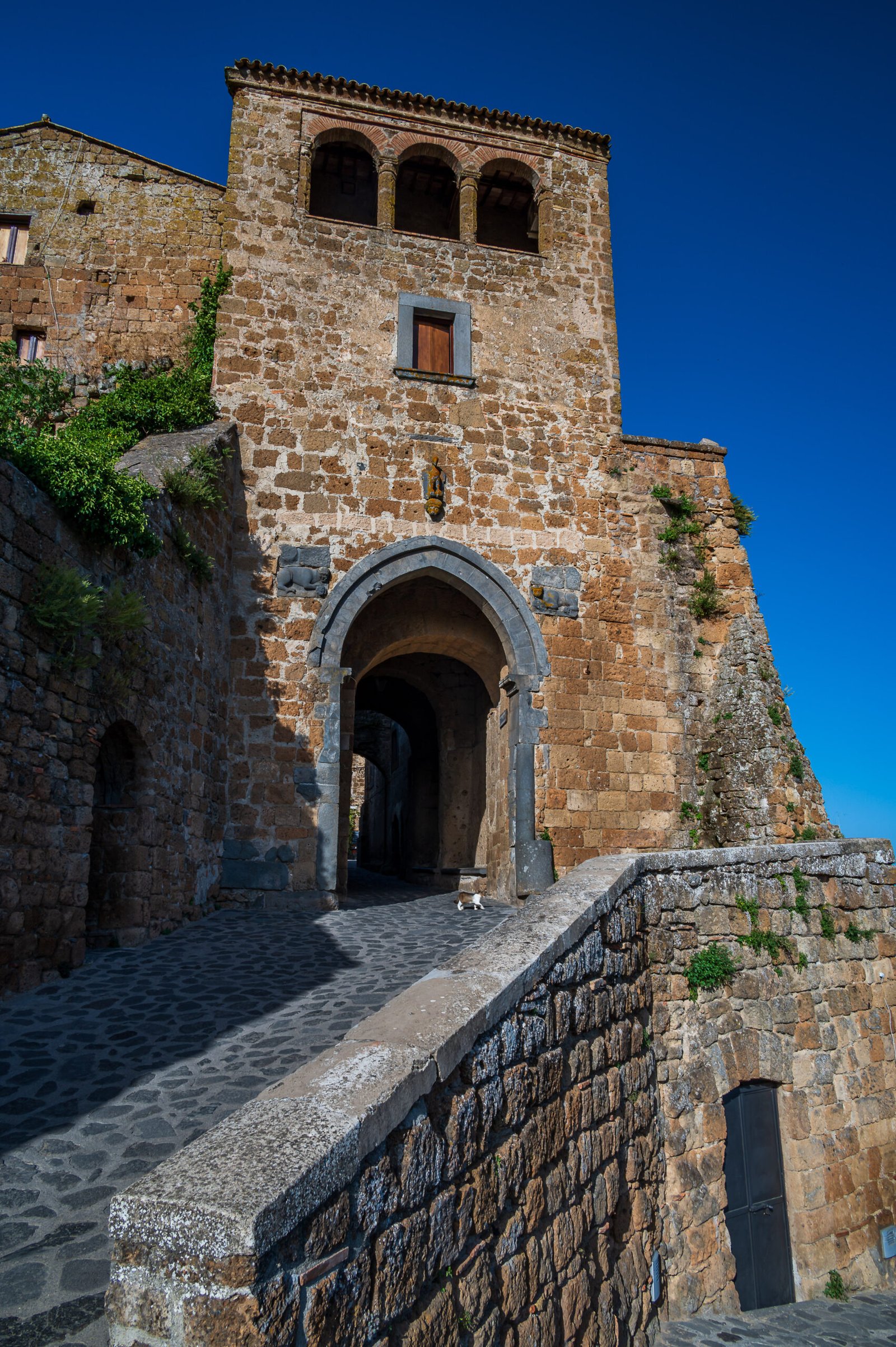
Orvieto, perched dramatically atop a volcanic plateau, delivers one of the most photogenic hilltop towns in central Italy roughly 75 minutes from Rome by train. Orvieto’s cathedral facade, covered in intricate mosaics and sculptures, ranks among Italy’s most underrated architectural gems outside the major tourist circuit.
A few practical things worth knowing before your Orvieto day trip:
- The funicular from the train station up to the town center saves a genuinely steep climb
- Underground tunnels beneath the town offer a fascinating, lesser-known Etruscan history tour
- Orvieto’s wine, a crisp regional white, pairs perfectly with a relaxed lunch overlooking the valley
- Late afternoon light makes the cathedral facade especially striking for photos
- The town closes down for a few hours midday, so plan lunch around typical Italian dining hours
Naples: Big City Energy and Incredible Food
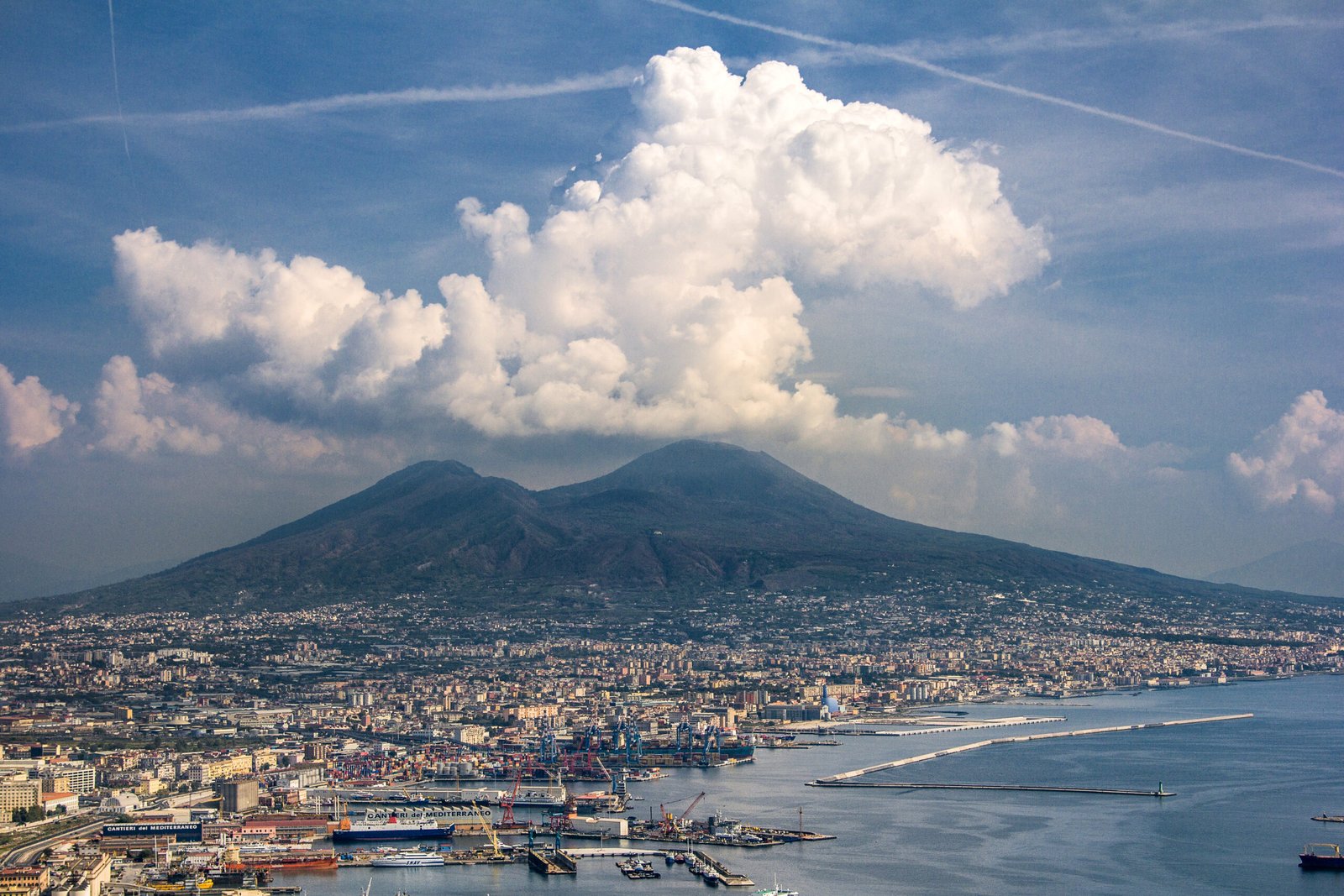
Naples, reachable in about 70 minutes by high-speed train, delivers an entirely different energy from Rome’s more polished historic center. Naples invented pizza, and eating an authentic Neapolitan pie here justifies the trip on its own, regardless of anything else you see that day.
IMO Naples gets an unfairly rough reputation compared to how genuinely rewarding the city actually is for visitors willing to embrace its chaotic, unpolished charm. 😅
Pompeii: Ancient Rome Frozen in Time
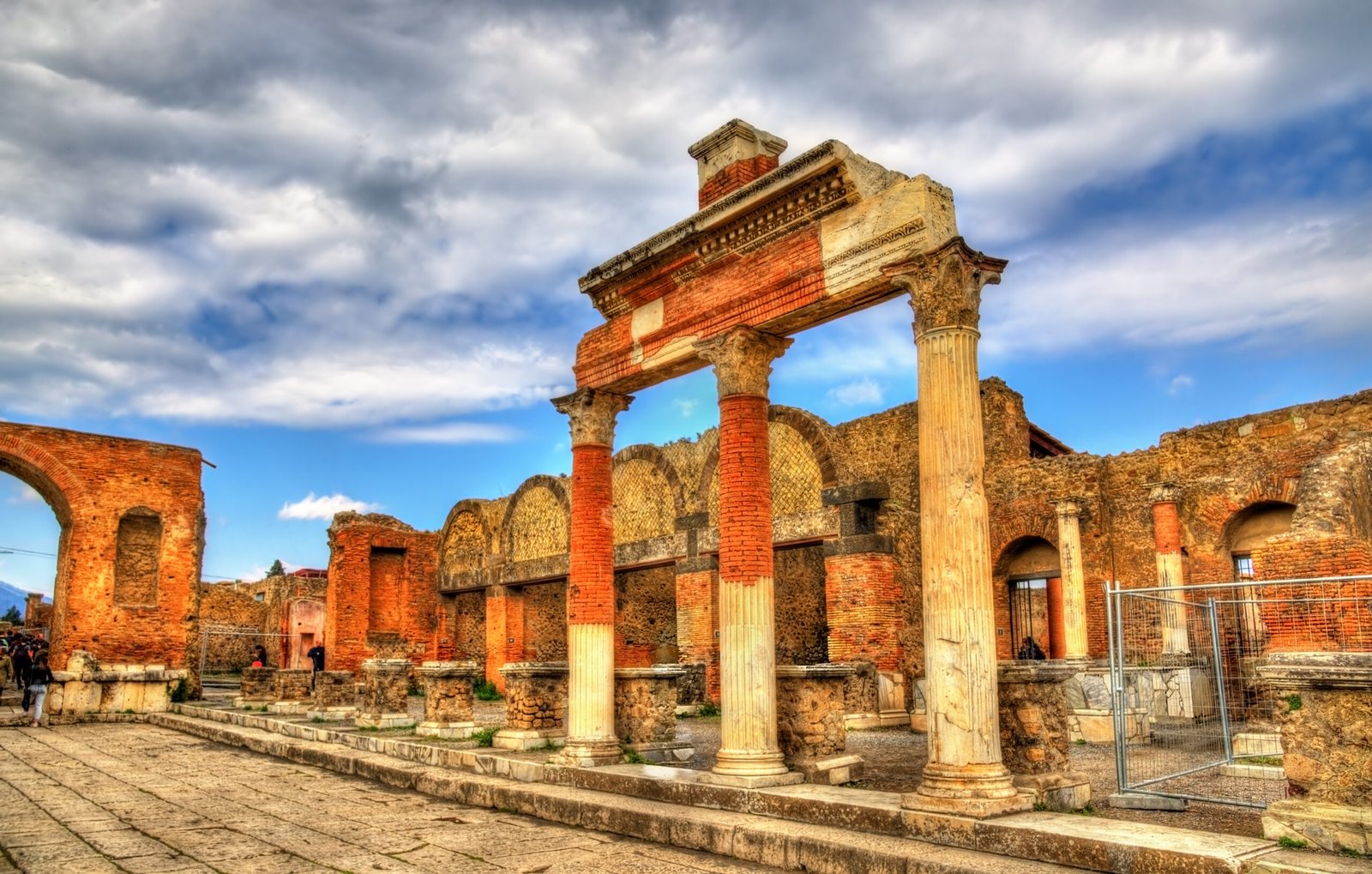
Pompeii, requiring a train to Naples followed by a shorter connection, makes for a longer but genuinely worthwhile full-day trip from Rome. The preserved ruins, frozen by volcanic ash nearly two thousand years ago, deliver a uniquely vivid window into daily ancient Roman life that no other site quite matches.
Is combining Naples and Pompeii in one day realistic? It’s ambitious but doable if you start early, though some visitors prefer splitting these into two separate trips for a more relaxed pace.
Florence: A Renaissance City Worth the Distance
Florence sits about 90 minutes from Rome via high-speed train, making it a genuinely viable, if ambitious, day trip for visitors short on time elsewhere in their itinerary. The Uffizi Gallery and Duomo anchor a jam-packed but rewarding day if you book tickets to both well ahead of your visit.
Real talk, Florence deserves more than a single day if your schedule allows it, but a well-planned day trip still delivers a genuine taste of the city’s artistic riches.
Assisi: A Peaceful Spiritual Retreat
Assisi, home to the Basilica of St. Francis, offers a genuinely peaceful counterpoint to Rome’s busier, more crowded major sites. The basilica’s frescoes, among the most important in early Renaissance art history, reward visitors regardless of religious background.
The hilltop town itself, with sweeping views over the Umbrian countryside, delivers a slower, more contemplative day than most other trips on this list.
Civita di Bagnoregio: The Dying Town
Civita di Bagnoregio, nicknamed “the dying town” for its slowly eroding hilltop perch, requires a train to Orvieto followed by a short bus or taxi connection. This tiny, almost otherworldly village feels genuinely unlike anywhere else in Italy, accessible only by a pedestrian bridge spanning a dramatic valley.
Is the extra connection worth the hassle? For photographers and anyone drawn to genuinely unique, less-touristed destinations, absolutely, since few places in Italy deliver this specific atmosphere.
What’s Not Worth the Trip
Some popular day trip suggestions, like certain coastal towns requiring multiple train changes and buses, eat up so much travel time that the destination itself barely gets a fair chance. Skip anything requiring more than roughly 90 minutes each way unless the destination genuinely justifies the extended commitment.
Booking Your Train Tickets
Italy’s train system runs on two main operators, Trenitalia and Italo, both offering regional and high-speed options at meaningfully different price points. Booking regional trains for shorter hops like Tivoli or Ostia Antica costs very little and rarely requires advance booking.
High-speed trains to Florence or Naples benefit from booking ahead, since prices increase as departure approaches and popular time slots sell out during peak season.
Packing for a Day Trip from Rome
A small daypack with water, comfortable walking shoes, and a portable charger covers most day trip needs without weighing you down. Checking the specific site’s dress code matters for religious destinations like Assisi, where covered shoulders and knees are typically required for entry.
Is bringing cash necessary for these smaller towns? Genuinely, yes, since some smaller cafes and shops outside Rome still prefer cash over card payments.
What These Day Trips Actually Cost
Budget $15-40 per person for round-trip train tickets depending on distance, with high-speed routes to Florence or Naples running higher than regional trains to closer destinations like Tivoli. Add typical costs for site entry, lunch, and any local transportation like the Orvieto funicular.
Most day trips on this list cost considerably less than a full day of sightseeing within Rome itself, given lower entry fees and fewer tourist-inflated restaurant prices.
Best Time of Year for Day Trips
Spring and fall deliver the most comfortable weather for a full day of walking and train connections without Rome’s brutal summer heat complicating things. Summer day trips remain doable but demand an early start to avoid the worst midday heat, especially in hilltop towns with limited shade.
Whatever season you choose, checking each destination’s specific opening hours matters, since some sites and smaller towns close earlier or operate on reduced schedules outside peak season.
Rome’s surrounding region rewards visitors willing to hop a train and explore beyond the city’s famous core, from ancient ruins to Renaissance hill towns to Italy’s best pizza in Naples. Pick one or two destinations that genuinely interest you, book your tickets ahead for longer routes, and you’ll come away with a richer, more complete picture of central Italy than Rome alone could ever deliver.