Rome packs thousands of years of history into a city that’s genuinely walkable enough to cover in three focused days without feeling rushed. Getting the pacing right matters more here than in almost any other European capital, since trying to see everything in one massive push leaves you exhausted rather than inspired.
Here’s the complete three-day breakdown covering everything worth your time.
Grouping your days by neighborhood rather than bouncing across the city saves genuine time and energy that you’d otherwise waste in transit.
Day 1: Ancient Rome
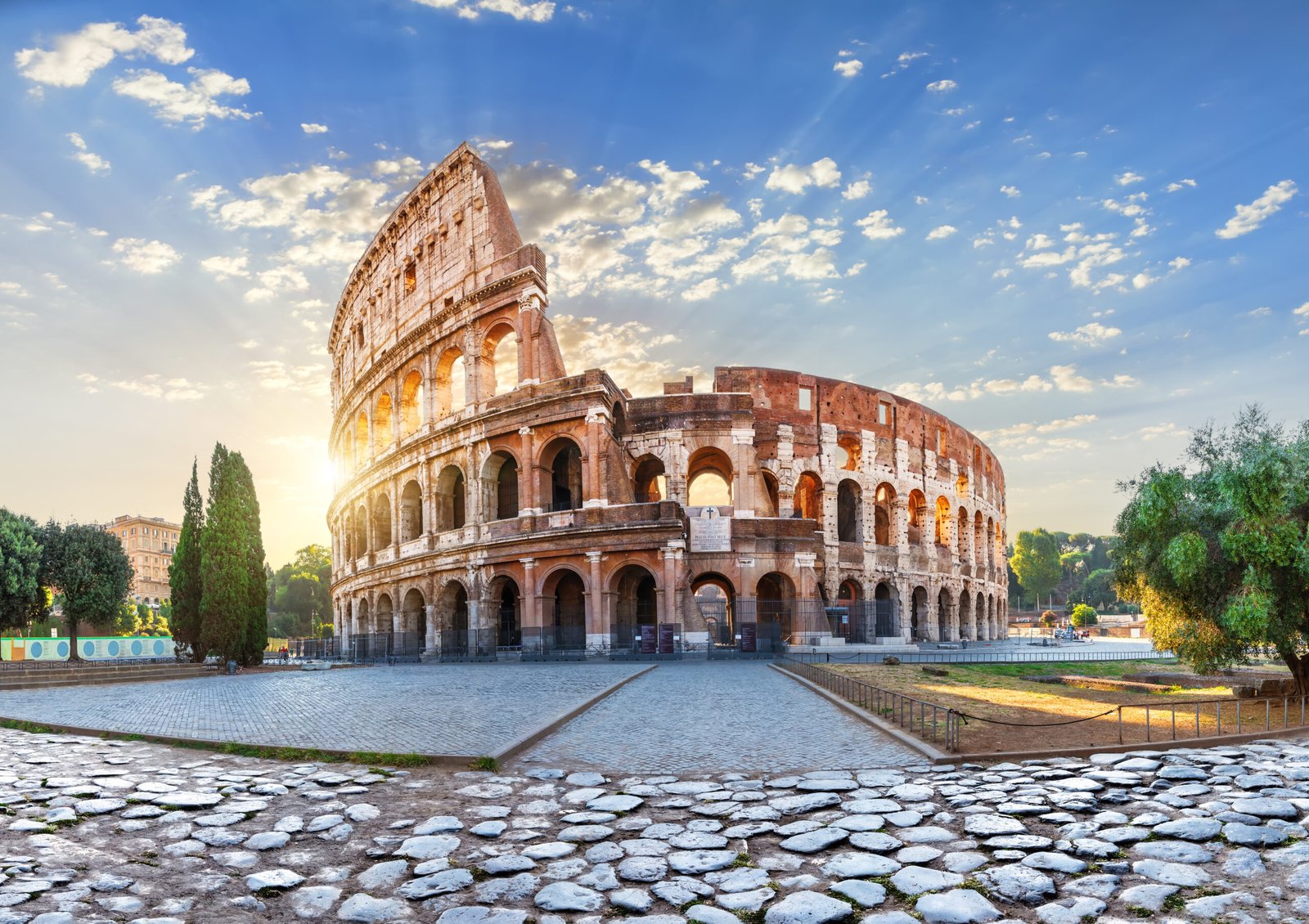
Start your first morning at the Colosseum, ideally with a pre-booked ticket or guided tour to skip the notoriously long entry lines. Arriving right at opening time genuinely transforms the experience, letting you explore before the midday crowds and heat both peak.
The Roman Forum and Palatine Hill, included with most Colosseum tickets, deserve a full morning alongside the amphitheater itself. Real talk, the Forum’s scattered ruins mean much less without some historical context, so a guide or even a solid audio guide genuinely elevates this stop.
Day 1 Afternoon: Piazza Venezia and the Pantheon
After lunch, walk toward Piazza Venezia to see the massive white Altare della Patria monument before continuing to the Pantheon. The Pantheon’s coffered dome, nearly two thousand years old and still the world’s largest unreinforced concrete dome, genuinely astonishes first-time visitors.
Entry to the Pantheon now requires a ticket, so book ahead if you want to guarantee entry without waiting. IMO this ancient temple gets less hype than the Colosseum but delivers an equally powerful sense of Roman engineering. 😅
Day 1 Evening: Trevi Fountain and Dinner
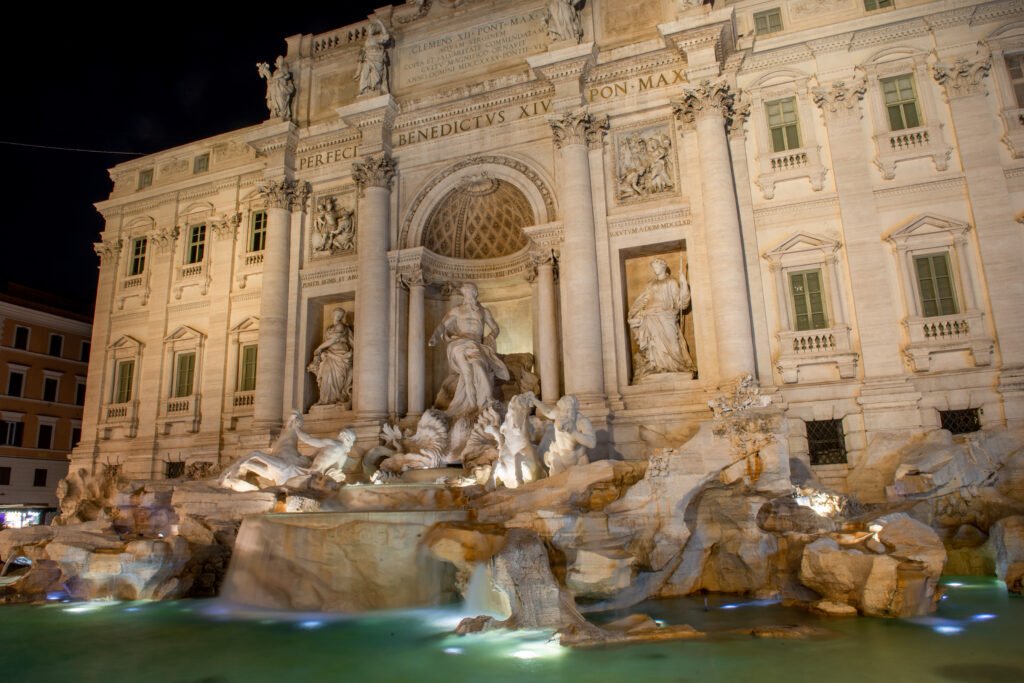
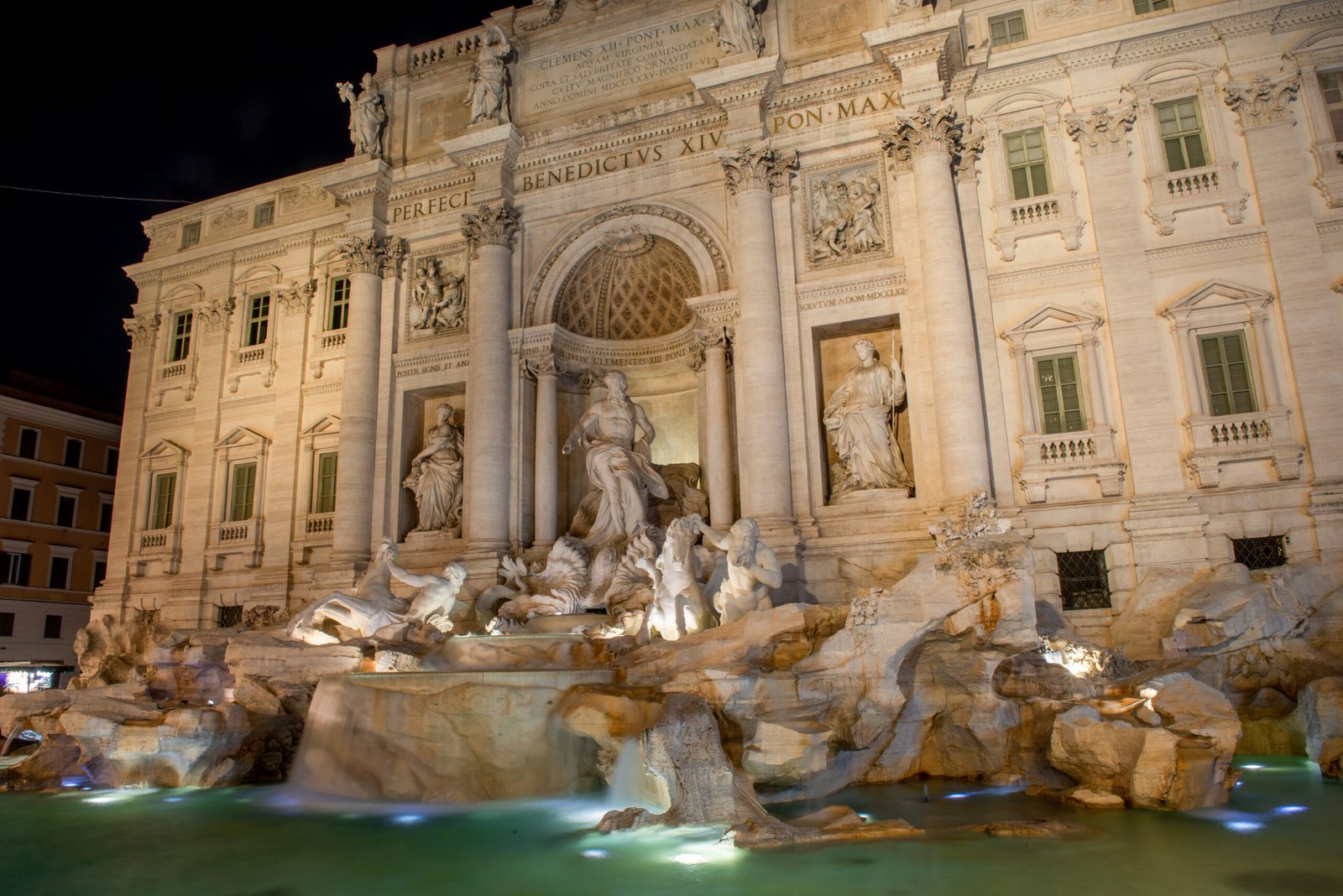
The Trevi Fountain, best visited in early evening when the lighting turns genuinely magical, sits within easy walking distance of the Pantheon. Tossing a coin over your shoulder into the fountain is touristy but still worth doing, since the tradition supposedly guarantees your return to Rome.
Find dinner in the streets just beyond the immediate tourist zone around the fountain, where prices drop and quality often improves noticeably.
Day 2: Vatican City
Vatican City demands a full day given the sheer scale of the Vatican Museums, Sistine Chapel, and St. Peter’s Basilica combined. Book skip-the-line tickets well in advance, since walk-up lines here regularly stretch for hours, especially during peak season.
Start with the Vatican Museums in the morning when you have the most energy for the extensive walk to reach the Sistine Chapel. A few practical things worth knowing before your Vatican day:
- Dress codes apply at St. Peter’s Basilica, so cover shoulders and knees regardless of weather
- Morning slots genuinely beat afternoon for both crowds and lighting inside the Sistine Chapel
- Climbing the dome at St. Peter’s rewards you with one of Rome’s best panoramic views
- Audio guides add real context to the Vatican Museums’ overwhelming collection
- Security lines move slowly, so budget extra time before your entry slot
Day 2 Afternoon: St. Peter’s Basilica
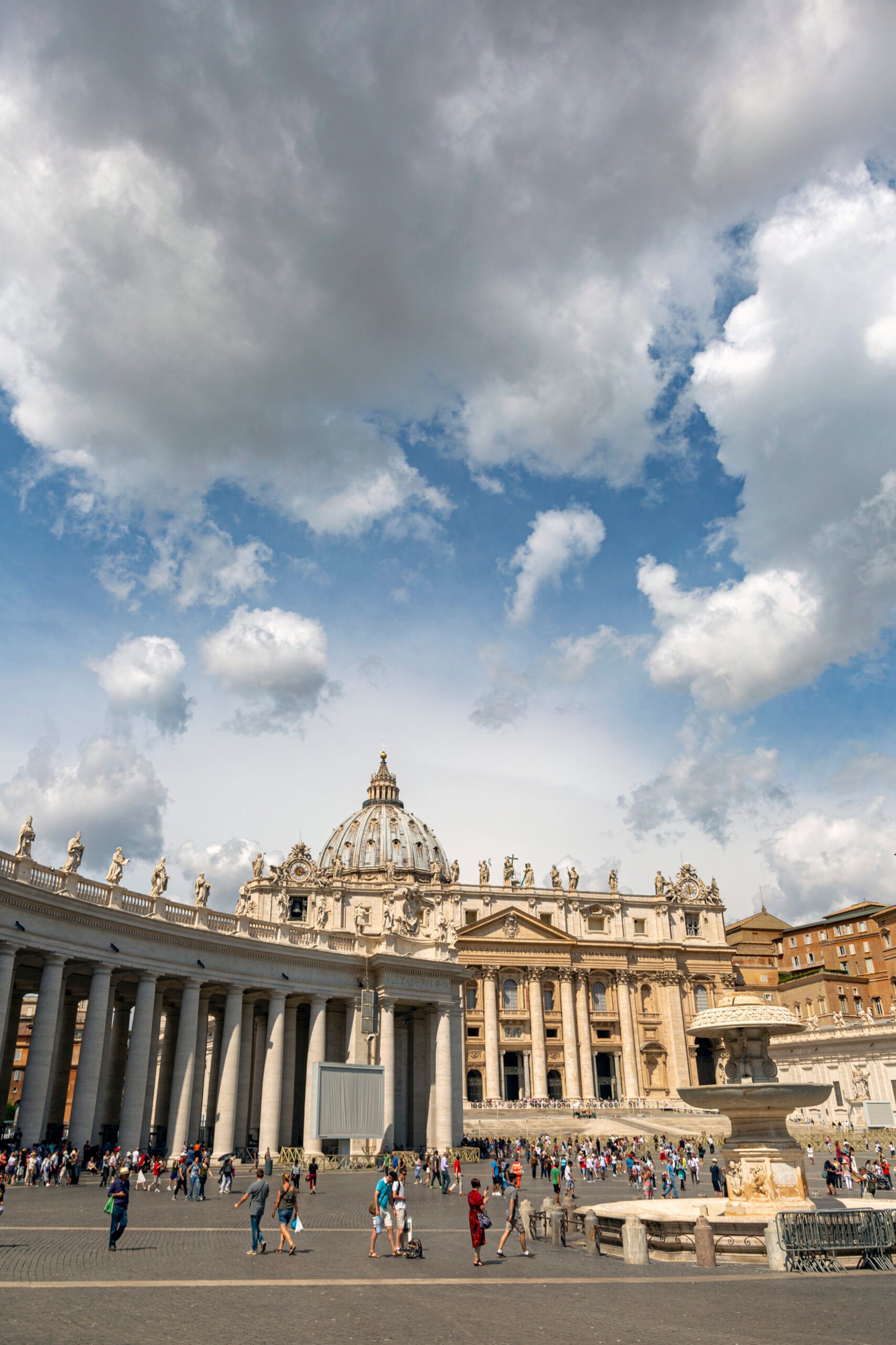
St. Peter’s Basilica itself, free to enter but often with a separate line from the museums, anchors your Vatican afternoon. Michelangelo’s Pietà, positioned just inside the entrance, ranks among the most moving sculptures you’ll see anywhere in the city.
Climbing the dome, either by stairs or a partial elevator option, delivers sweeping views over St. Peter’s Square and the wider city that genuinely justify the effort.
Day 2 Evening: Trastevere
Cross the river into Trastevere for dinner, a neighborhood with a distinctly different, more bohemian character than the historic center’s grander monuments. Trastevere’s narrow, ivy-draped streets feel genuinely different from anywhere else in Rome, and the neighborhood’s restaurants consistently deliver excellent, less touristy Roman food.
Is Trastevere worth the detour from the main historic sights? Genuinely, yes, since this neighborhood shows a more relaxed, local side of the city that the monument-heavy center doesn’t capture.
Day 3: Piazza Navona and the Spanish Steps
Your final day covers Rome’s beautiful piazzas at a more relaxed pace than the previous two packed days. Piazza Navona, built over an ancient Roman stadium, delivers gorgeous Baroque fountains and a lively, café-lined atmosphere worth a leisurely morning coffee.
The Spanish Steps, a short walk away, offer another classic Roman photo opportunity, though the surrounding shopping streets rank as fairly generic if luxury retail doesn’t interest you specifically.
Day 3 Afternoon: Borghese Gallery and Gardens
The Borghese Gallery, requiring advance timed-entry booking, houses one of Rome’s best art collections in a genuinely stunning villa setting. Bernini’s sculptures here, including his famous Apollo and Daphne, rival anything you’ll see in the Vatican Museums for pure technical mastery.
The surrounding Villa Borghese gardens offer a peaceful, green counterpoint to three days of dense urban sightseeing, worth a slow wander if your feet need the break.
Day 3 Evening: Testaccio or Monti for Dinner
Wrap up your trip in a genuine local neighborhood like Testaccio or Monti, both known for excellent, unpretentious Roman cooking away from the tourist-heavy center. Testaccio’s market and trattorias specifically deliver some of the most authentic Roman food in the entire city.
Real talk, ending your trip with a meal in a neighborhood locals actually frequent leaves a much better final impression than another tourist-zone dinner near a major monument.
What’s Overrated on a Short Trip
The Spanish Steps themselves, while photogenic, deliver a fairly brief experience that doesn’t require much time beyond a quick photo stop. Don’t reroute significant time away from the Vatican or ancient Rome just to linger here longer than necessary.
Getting Around Rome’s Historic Center
Rome’s historic center rewards walking far more than public transit, since most major sights sit within a genuinely compact, walkable core. Comfortable shoes matter enormously here, given the cobblestones and sheer distance covered on foot across three packed days.
The metro helps for longer hops, like reaching the Vatican from certain neighborhoods, but you’ll spend most of your time walking between closely clustered sights.
Packing for Three Days of Serious Walking
A single carry-on works perfectly well for a three-day Rome trip, especially since you’ll want to travel light for all the walking this itinerary demands. Comfortable, broken-in walking shoes matter more here than almost any other packing decision, given the cobblestones and sheer distance covered each day.
Is packing for church visits genuinely necessary? Yes, since St. Peter’s Basilica and other churches enforce dress codes requiring covered shoulders and knees, so bring at least one lightweight layer even in summer heat.
What This Trip Actually Costs
Budget $140-200 per day for a comfortable mid-range trip covering hotels, museum tickets, and meals in the historic center. Rome runs comparably priced to other major European capitals for equivalent hotel quality.
Advance tickets for the Colosseum, Vatican, and Borghese Gallery add up quickly, so budget an extra $20-30 per major sight to keep your daily estimate realistic.
Best Time to Visit for Three Days
April, May, September, and October hit Rome’s sweet spot between pleasant temperatures and manageable crowds. July and August bring brutal heat that makes extensive walking between sights considerably less pleasant.
Whatever season you land in, book your major sight tickets the moment your dates are confirmed, since Vatican and Colosseum slots sell out especially fast.
Rome delivers ancient history, Renaissance art, and genuinely excellent food in a package that three well-planned days can absolutely do justice to. Book your major sights ahead, group your days by neighborhood, and leave room for a slower final evening in a local trattoria, and this itinerary captures Rome’s essence without leaving you needing a vacation from your vacation.