Sicily rewards a road trip more than almost any other Italian region, simply because the island’s best sights spread out across genuinely different landscapes that don’t connect well by train. A week gives you enough time to see the highlights without feeling rushed between stops.
Here’s a full seven-day route covering the island’s best food, beaches, and ancient ruins.
Renting a car is essentially mandatory for this itinerary. Sicily’s public transit exists, but it won’t get you to half of what makes this island worth visiting.
Day 1: Arrive in Palermo
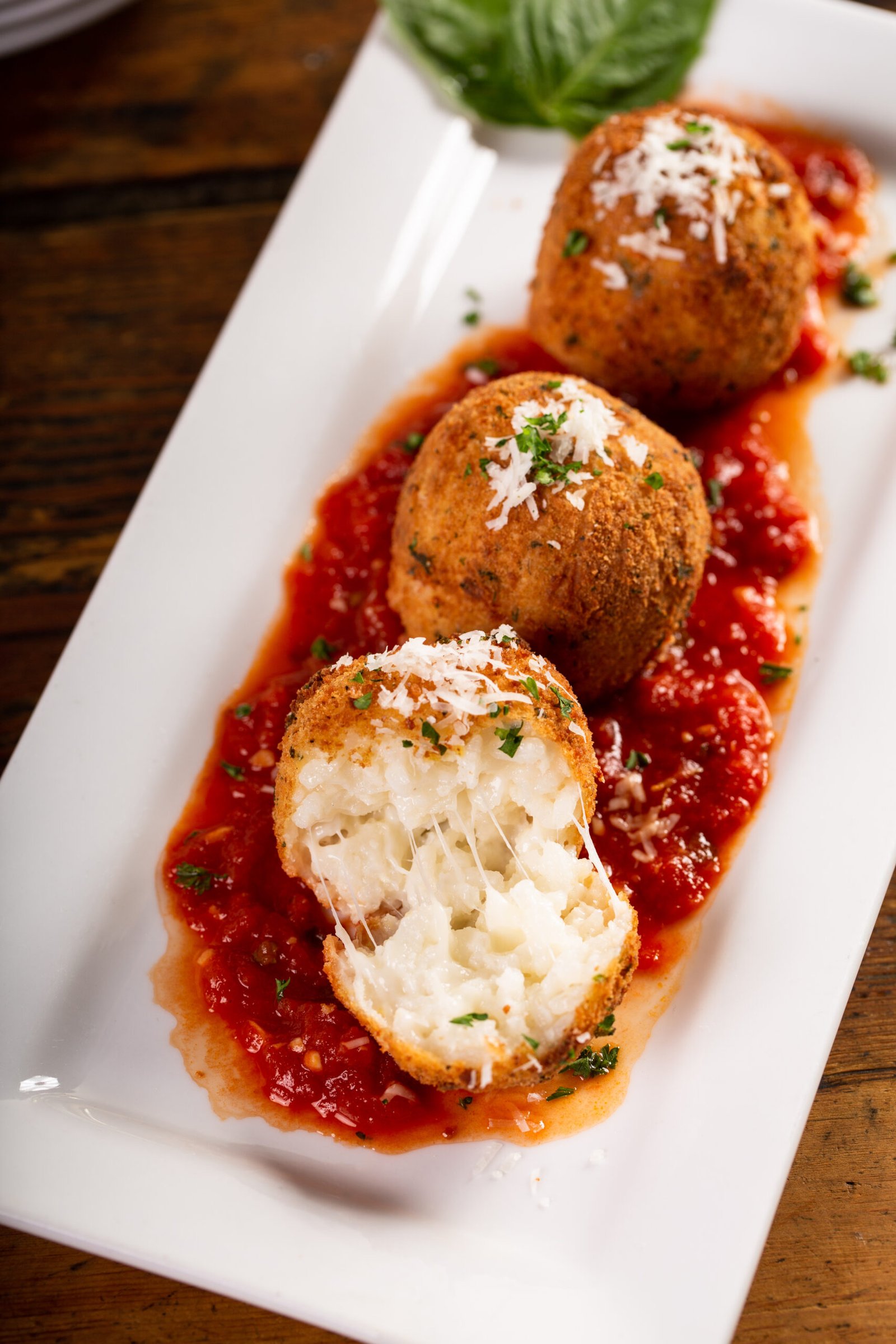
Palermo’s chaotic energy makes for a great first taste of Sicily, with a food scene that rivals anywhere else in Italy. The Ballaro and Vucciria markets deliver an overwhelming sensory introduction to Sicilian street food, from arancine to panelle.
Spend your first evening wandering the historic center, stopping wherever the food smells best. Palermo rewards exactly this kind of unstructured exploration more than a rigid sightseeing checklist.
Day 2: Palermo to Cefalù
A short drive east brings you to Cefalù, a coastal town with a genuinely stunning beach backed by dramatic cliffs. The medieval cathedral overlooking the town adds a real architectural highlight beyond just the beach itself.
Climb La Rocca, the rock formation towering over Cefalù, for a panoramic view worth the moderate hike. Spend the afternoon on the beach before continuing your route, since this town rewards at least a half-day rather than a quick drive-through.
Day 3: The Aeolian Islands Detour
A ferry from Milazzo, roughly an hour from Cefalù, reaches the Aeolian Islands, a volcanic archipelago that genuinely justifies the detour. Stromboli’s active volcano puts on a nighttime show of glowing eruptions visible from boats offshore.
Is this detour worth the extra travel time? Genuinely, yes, if you have a full week. Skip it if you’re tight on time, since the ferry logistics add real hours to an already packed itinerary.
Day 4: Taormina and Mount Etna
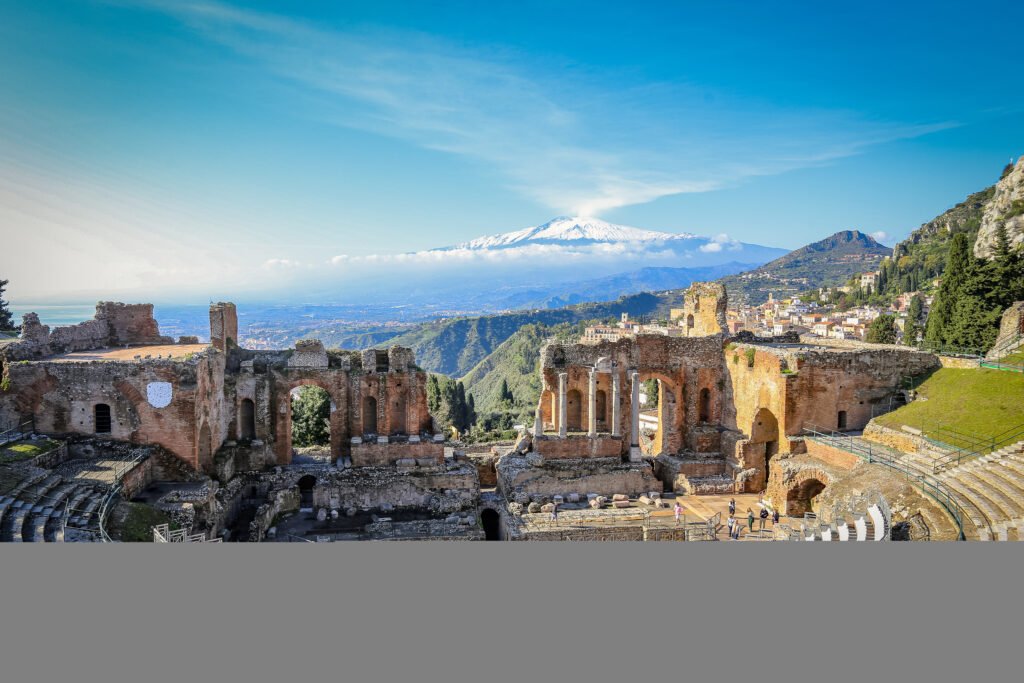
Taormina delivers some of Sicily’s best views, with a Greek theater perched dramatically overlooking the sea and Mount Etna in the distance. The town itself is genuinely upscale, with prices to match, but the views alone justify a stop.
Mount Etna, Europe’s most active volcano, sits within easy driving distance and offers guided hikes onto the lower slopes. IMO the combination of ancient theater and active volcano views makes Taormina one of the most photogenic stops on this entire route.
A few practical things to know before visiting Etna specifically:
- Guided tours are required for the higher elevations, though lower trails allow independent hiking
- Weather changes fast at altitude, so pack layers even in summer
- Cable cars cut down the hiking time significantly if you want to save your legs
- Ash and volcanic rock make sturdy shoes essential regardless of which trail you choose
- Recent activity levels vary, so check current conditions before planning your specific route
Day 5: Syracuse and Ortigia
Syracuse’s old town, Ortigia, sits on a small island connected by a short bridge, packed with Baroque architecture and a genuinely lively daily market. The Greek ruins scattered throughout the wider city add real historical depth beyond the picturesque streets.
Real talk, Ortigia at golden hour is one of the most underrated photo opportunities in all of Sicily. The narrow streets and waterfront promenade catch the light beautifully, and the crowds here run noticeably thinner than in Taormina.
Day 6: Baroque Towns of the Val di Noto
The Val di Noto region south of Syracuse holds several stunning Baroque towns, with Noto itself standing out for its uniform honey-colored architecture. Modica and Ragusa both offer similarly dramatic hilltop settings worth a stop if your schedule allows.
Modica specifically is famous for its distinctive cold-processed chocolate, made using a technique dating back to Aztec influence via Spanish colonial trade routes. Grab a bar or two before continuing your drive.
Day 7: Agrigento’s Valley of the Temples
Your final day belongs to the Valley of the Temples near Agrigento, one of the best-preserved collections of Greek temples anywhere outside Greece itself. Give yourself at least three hours to properly explore the site, ideally in the morning before the heat and crowds peak.

The Temple of Concordia, remarkably intact after roughly 2,500 years, anchors a site that genuinely rivals anything you’d see in mainland Greece. It’s a fitting final stop before heading to the airport or looping back toward Palermo.
Alternative Routes If You Have Extra Time
Extending the trip to nine or ten days lets you add the western side of the island, including Erice’s mountaintop views and the Greek ruins at Segesta and Selinunte. Trapani and its salt flats offer a genuinely different landscape from anywhere else on this route, with pink-tinted pools and traditional windmills.
Is a shorter version of this trip possible if a week feels like too much? Absolutely. Cutting the Aeolian Islands detour and combining Modica and Ragusa into a single shorter stop brings this down to a genuinely doable five-day version without losing the highlights.
Driving Tips for Sicily Specifically
Sicilian driving has a reputation for being chaotic, and honestly, that reputation holds up in the bigger cities like Palermo and Catania. Rural roads and highways run smoothly, though, and most of your driving time on this route happens outside the chaotic urban centers.
Parking in historic centers is often restricted to residents, so check your hotel’s parking situation before arriving rather than assuming you’ll find a spot nearby. Many towns require leaving your car outside the old center and walking in anyway.
What to Eat Along the Way
Sicilian food differs meaningfully from mainland Italian cuisine, shaped by centuries of Greek, Arab, and Spanish influence. Arancine, cannoli, and pasta alla Norma are non-negotiable, and each region of the island puts its own spin on the classics.
Seafood dominates the coastal towns, while inland stops like the Val di Noto lean more into hearty, rustic dishes. Save room for granita and brioche for breakfast, a genuinely Sicilian tradition worth adopting for the week.
What This Trip Actually Costs
Budget $100-150 per day for a comfortable mid-range road trip covering a rental car, gas, hotels, and meals. Sicily runs noticeably cheaper than mainland tourist hotspots like Rome or Florence for equivalent quality.
Ferry tickets to the Aeolian Islands add a real cost if you include that detour, so factor an extra $50-80 per person into your budget if that stop makes your final itinerary.
Best Time to Visit
May, June, and September hit the sweet spot between good weather and manageable crowds. July and August bring genuine heat that makes hiking Etna or wandering Baroque towns considerably less pleasant.
Whatever season you land in, book your rental car well ahead, since availability tightens considerably during peak summer months. 😅
Sicily’s variety, ancient ruins, volcanic landscapes, Baroque towns, and genuinely excellent food, makes a full week feel appropriately paced rather than rushed. Rent the car, plan your route loosely, and leave room for the unplanned stops that usually turn into the trip’s best memories.
Whatever route you settle on, resist the urge to overpack the itinerary with every single town this island has to offer. Sicily rewards travelers who slow down enough to actually taste the granita and watch the sunset, not just check another ruin off a list.