
Moving to Spain: The Complete Pre-Departure Checklist
So you’ve decided you’re actually doing it. You’re moving to Spain, and now the excitement is running headfirst into a wall of paperwork nobody warned you about.

In this guide
Here’s the good news: most of this is manageable once you know the order to tackle it in. Do these steps in sequence and you’ll land in Spain without the panic-Googling.
This isn’t a list of “nice to haves.” Skip a step and you’ll find yourself back in a government office queue in month three, redoing something you thought was already handled. Follow the order below and you avoid that entirely.
Get Your Visa Sorted First
If you’re an EU citizen, skip this section entirely – you’re free to move and work with just your passport. Everyone else needs a plan.
The non-lucrative visa works if you have savings and don’t plan to work locally. The digital nomad visa fits remote workers employed by a company outside Spain. A work visa requires a Spanish employer to sponsor you first, which is the slowest route by far.
Each one has its own income and paperwork requirements, and they change often enough that you should confirm current numbers with your nearest Spanish consulate before you commit to a timeline. Don’t book a one-way flight before that appointment is on the calendar.
Processing takes anywhere from 6 weeks to 4 months, depending on your consulate and visa type. Start the application the moment you’re serious about the move, not after you’ve already given notice at work.
Is it annoying to wait months for a stamp in your passport? Sure. But rushing this step is exactly how people end up overstaying a tourist visa by accident, which makes every future visa application harder.

The Paperwork You Actually Need
Once your visa is approved, a second wave of Spanish bureaucracy is waiting for you on arrival. This is the checklist that actually matters:
- NIE (Número de Identidad de Extranjero) – your foreigner ID number, needed for basically everything else on this list
- Empadronamiento – registering your address at the local town hall, required before you can do most other paperwork
- TIE card – your physical residency card, applied for after your visa is stamped
- Social security registration – even if you’re not working locally, some visa types require this
- Health insurance certificate – private coverage that meets Spain’s minimum requirements, unless you qualify for public healthcare
Bring physical copies of everything. IMO the biggest rookie mistake is assuming an office will accept a PDF on your phone. It won’t.
The NIE comes first, and it unlocks nearly everything else, so treat it as priority one. Book your appointment (cita previa) online the second you land, since slots at foreigner offices in big cities can book out weeks in advance.
Empadronamiento is deceptively simple. It just proves where you live, but you’ll need it for the TIE, for enrolling kids in school, and even for some gym memberships. Get it done in your first week, ngl – it saves you from doubling back later.
What This Actually Costs
Budget for setup costs beyond your visa fees. Between the NIE/TIE fees, empadronamiento (usually free, but plan for the paperwork trip), health insurance, and translator/apostille fees for documents like birth certificates, expect $300-600 in bureaucracy costs before you’ve even signed a lease.
Add a short-term rental deposit, a phone plan, and groceries for the first few weeks, and a realistic landing budget sits closer to $3,000-5,000 depending on the city. Madrid and Barcelona run higher than smaller cities like Valencia or Málaga.

Sort Your Banking Before You Land
Open a Spanish bank account as early as you can – some visa applications require proof of one already, and daily life gets a lot harder without it.
BBVA, Santander, and Sabadell all work with foreigners regularly, and most have English-speaking staff in bigger cities. Bring your NIE, passport, and proof of address to the branch. Online-only options exist too, but a real branch makes the residency paperwork smoother.
Real talk: don’t close your home bank account yet. You’ll want it open for at least a few months while direct debits and old subscriptions untangle themselves.
For moving money between countries, skip your bank’s standard transfer and use a service like Wise or Revolut instead. The exchange rate difference alone can save you hundreds over a few transfers, and the money usually lands within a day.
Housing: Book Temporary, Don’t Sign a Year Lease Yet
Book a short-term rental for your first month, not a full apartment lease. You need boots on the ground to actually judge a neighborhood before committing.

Every Spanish city has wildly different vibes block to block. What looks perfect on a listing site can turn out to be next to a nightclub that gets loud at 2am on a Tuesday. Ask anyone who’s made that mistake.
Once you’ve scouted in person, expect to need your NIE, proof of income, and often a Spanish bank guarantor or several months’ deposit to sign a real lease. Landlords here are cautious with foreign tenants who don’t have local credit history.
Spend your first weekend just walking neighborhoods at different times of day. A street that feels lovely at noon can turn into something else entirely once the bars open at midnight, and you won’t catch that from photos online.

What to Pack (And What to Buy Once You’re There)
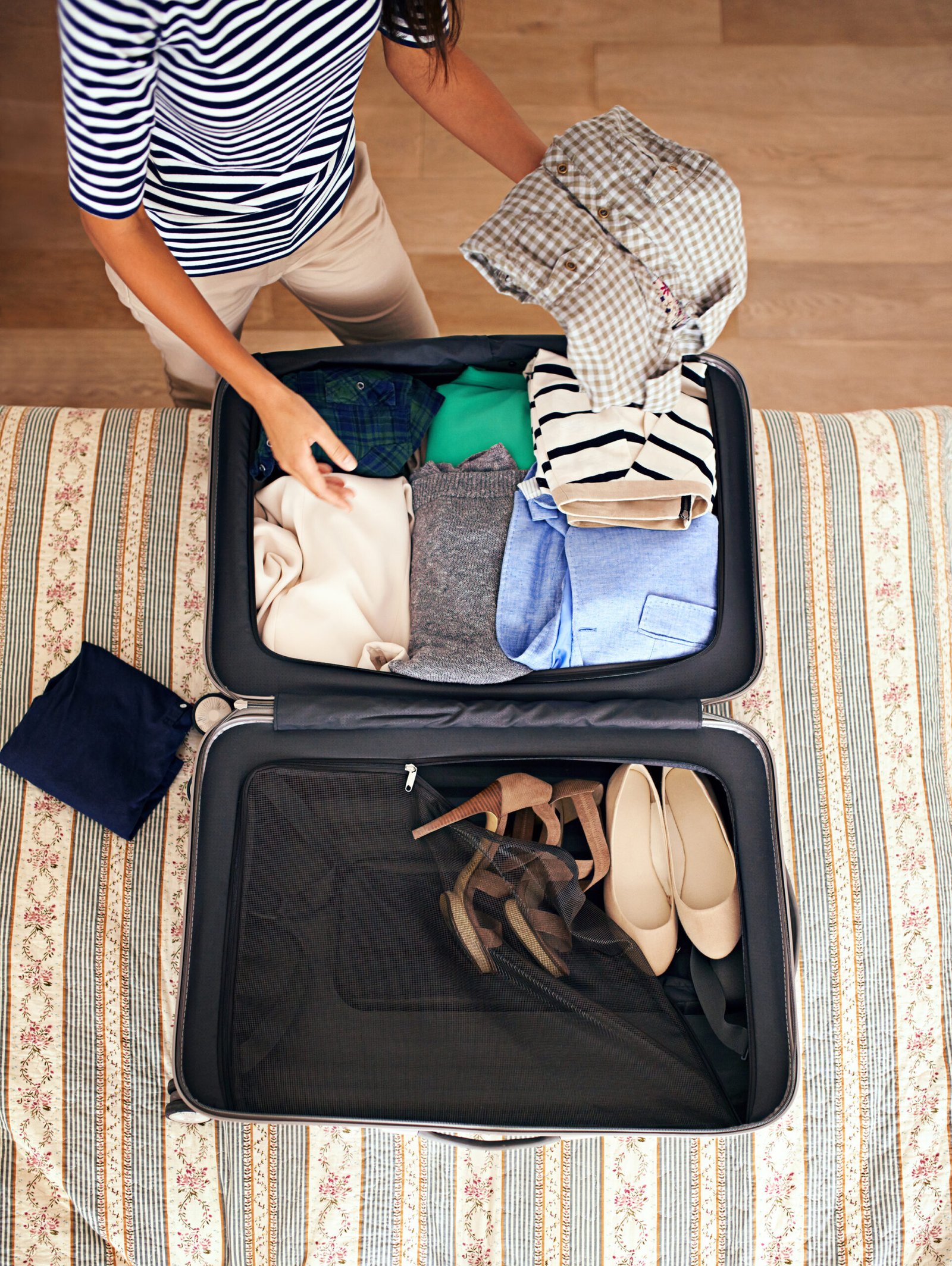
Pack less than you think you need. Spain has IKEA, Zara, and every pharmacy chain you’re used to, so household basics and clothing are easy to replace once you land.
What’s actually hard to replace: prescription medications (bring documentation and enough supply to bridge the gap), any electronics you’re picky about, and comfort items that would take weeks to ship internationally.
Adapters matter too. Spanish outlets are different from US and UK plugs, and you’ll want a universal adapter before your first night, not after.
Check the climate of your specific city before you pack a whole wardrobe. Madrid winters get genuinely cold, while the southern coast barely dips below sweater weather, and packing for “Spain” as one climate is a rookie mistake.
Your First Two Weeks: Priority Order
Landing day feels like chaos no matter how prepared you are. Sound familiar to anyone who’s done this before? It’s normal.

Here’s the order that actually works: register your address (empadronamiento) first, since almost everything else requires it. Book your NIE/TIE appointment next – these fill up fast, so do this within your first few days.
Open your bank account once you have the NIE. Get a local SIM card too, so you’re not relying on spotty wifi for appointment confirmations.
Everything else – finding your regular grocery store, figuring out the metro, discovering your new favorite café – can wait. The bureaucracy can’t.
Will you feel completely settled after two weeks? Not even close, and that’s fine. 😅
Moving abroad is equal parts thrilling and exhausting, and Spain makes both halves worth it. Get the paperwork sequence right, be patient with the process, and the rest of the move genuinely does get easier from here.