
Healthcare in Spain: What Expats Need to Know
Here’s something that surprises almost every newcomer: Spain has some of the best healthcare in the world, and it won’t cost you a fortune.
In this guide
- The System Is Genuinely Excellent
- Public Healthcare: How You Get In
- Private Healthcare: Faster and Still Cheap
- Pharmacies Do a Lot of the Work
- What to Sort Before and After You Arrive
- Public vs Private: Which to Choose
- What Healthcare Actually Costs
- Finding an English-Speaking Doctor
- Pre-Existing Conditions and Prescriptions
- Emergencies and How They Work
- Dental and Eye Care
- Healthcare for Retirees and Pensioners
- The Bottom Line
But the system has two tracks, public and private, and figuring out which one applies to you can be confusing at first. Get it right and you’re sorted for years.
Here’s what expats actually need to know about healthcare in Spain, minus the jargon.
The System Is Genuinely Excellent
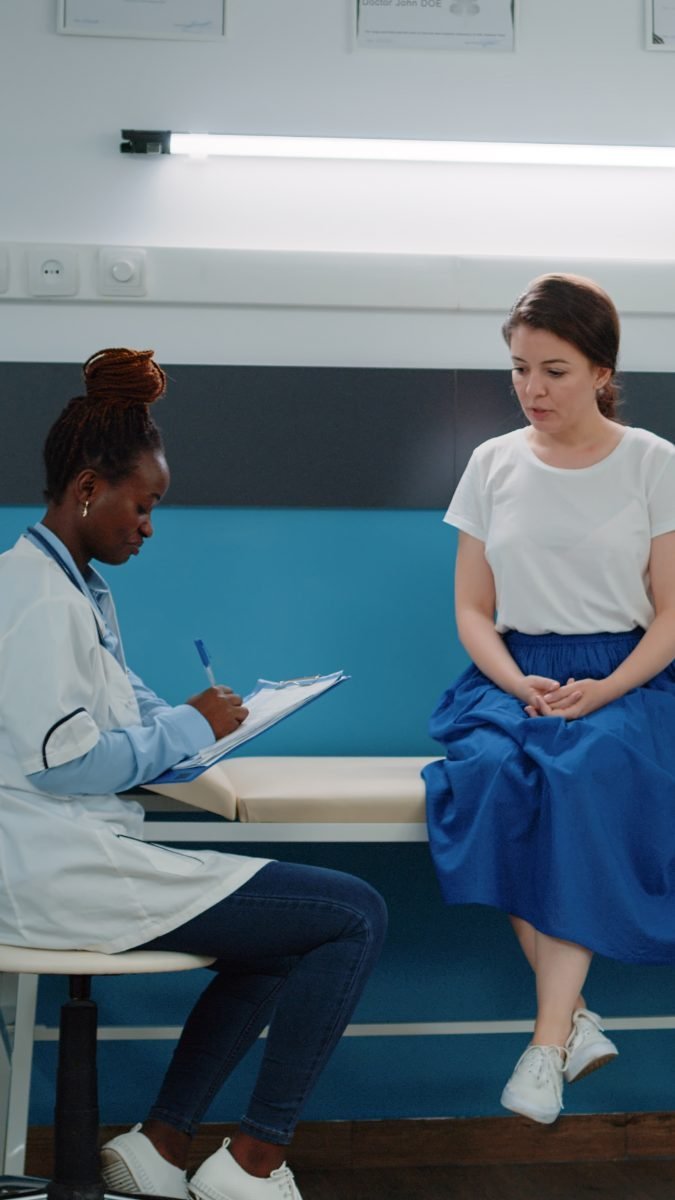
Spain consistently ranks among the top healthcare systems globally, and you feel it in practice. Doctors are well trained, hospitals are modern, and care is thorough.
The catch for newcomers is access. Whether you tap into the public system or go private depends on your residency status and how you’re working here.
Public Healthcare: How You Get In

If you work and pay social security in Spain, **public healthcare is essentially free at the point of use** and covers you and often your dependents.
Once registered, you get a health card and a local doctor. The quality is high, though popular areas can mean a wait for non-urgent appointments. Retirees and the self-employed have their own routes in, so check which applies to you.
Private Healthcare: Faster and Still Cheap

Most newcomers, especially on non-lucrative or digital nomad visas, start with private insurance. The good news? It’s a bargain by US or UK standards.
Expect to pay roughly €50 to €100 a month for solid private cover, with short waits and English-speaking doctors widely available. Many expats keep private insurance even after qualifying for public care, just for the speed.
▶ Watch This Before You Go
Pharmacies Do a Lot of the Work
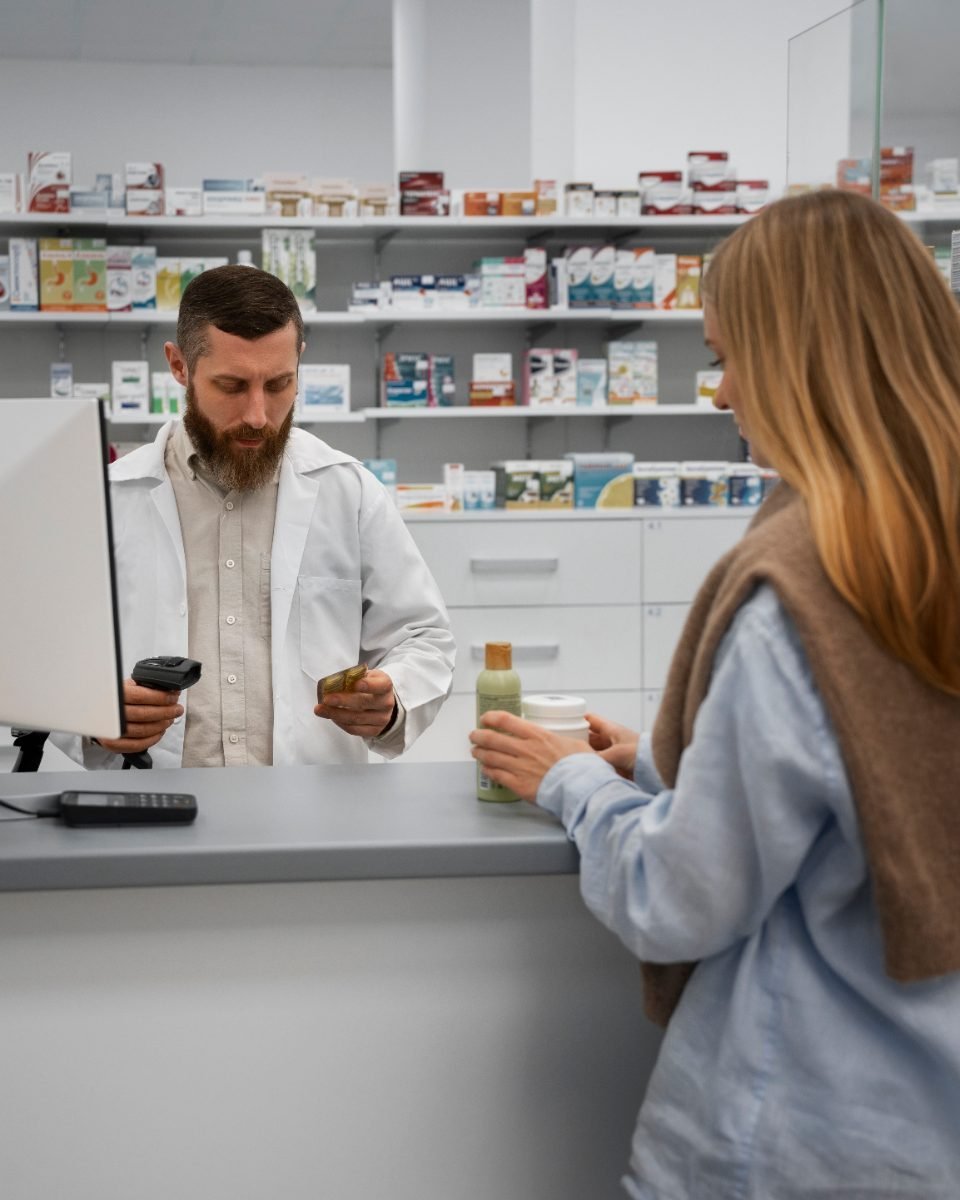
Spanish pharmacies, marked by a green cross, are a quiet superpower. Pharmacists are highly trained and can handle minor issues on the spot, no appointment needed.
Many medications are cheap, and plenty that need a prescription back home are easier to get here. For everyday stuff, the pharmacy is your first stop, not the doctor.
What to Sort Before and After You Arrive
A quick checklist to keep your healthcare drama-free:
- Get private insurance lined up before you arrive if your visa requires it
- Register for public care once you’re working and paying social security
- Bring a record of any pre-existing conditions and current medications
- Find your nearest centro de salud and pharmacy early
- Keep your health card and insurance details saved on your phone
Sort those and you’ll rarely think about it again.
Public vs Private: Which to Choose
The first real decision is which track to use, and it depends on your situation. Public healthcare is free at the point of use once you are working and paying social security, and the quality is genuinely excellent.
Private insurance, at €50 to €100 a month, buys speed, shorter waits, and easy access to English-speaking doctors, which is why many newcomers start there. Plenty of people keep both, using public for big stuff and private for convenience.
Match the choice to your visa and your patience for waiting rooms. There is no wrong answer, just the one that fits your life.
What Healthcare Actually Costs
Compared with the US in particular, the numbers feel almost too good. Public care is essentially free once you qualify, and private cover is a fraction of what comparable insurance costs back home.
Out-of-pocket extras like a specialist visit or a scan privately are modest, and prescription medicines are heavily subsidized. The financial dread that surrounds healthcare elsewhere simply is not a thing here.
That affordability is one of Spain’s quiet superpowers. It removes a stress most people did not realize they were carrying.
Finding an English-Speaking Doctor
Worried about the language barrier in a medical setting? It is easier to solve than you think. Private clinics in the big cities and expat hubs are full of English-speaking doctors, and many list languages on their profiles.
For the public system, you can bring a bilingual friend or use a translation app, and some health centers have multilingual staff. Writing down your symptoms in Spanish beforehand also helps a lot.
You will not be stuck miming a sore throat. A little planning makes appointments smooth even before your Spanish is fluent.
Pre-Existing Conditions and Prescriptions
If you take regular medication or have an ongoing condition, plan ahead before you move. Bring a record of your history and current prescriptions, ideally translated, so a local doctor can pick up where the last one left off.
Many medications are available here, often cheaper, though brand names differ, so your pharmacist and doctor will help you match them. Private insurers may have waiting periods for pre-existing conditions, so read the fine print.
Sort continuity of care early and you avoid gaps. A short conversation with a Spanish doctor usually settles it fast.
Emergencies and How They Work
In a real emergency, Spain has you covered regardless of paperwork. Dial 112 for any emergency, and public hospitals will treat urgent cases whether or not you are fully registered yet.
Emergency rooms, the urgencias, handle serious issues around the clock, while minor problems are better taken to a pharmacy or health center first. Keep your insurance details and health card saved on your phone just in case.
Knowing the number and the system removes a layer of anxiety. Help is fast, capable, and close at hand.
Dental and Eye Care
Here is a wrinkle worth budgeting for: dental and most optical care are not covered by the public system. You pay privately, though prices are reasonable compared with many countries.
Routine checkups, cleanings, and glasses are affordable, and private dental clinics are everywhere and easy to book. Some private health policies bundle in basic dental, so check before you assume.
Set aside a little for teeth and eyes and there are no surprises. The care itself is high quality and competitively priced.
Healthcare for Retirees and Pensioners
Retirees have their own routes into the system, and they are well worth understanding. EU pensioners can often access public care via an S1 form, while non-EU retirees usually rely on comprehensive private insurance, frequently a visa requirement.
Spain is a hugely popular retirement destination precisely because the care is excellent and affordable. Many older expats report better, more attentive treatment than they had back home.
Get the right cover in place before you arrive and the rest falls into line. Peace of mind on healthcare is a big part of why people retire here.
The Bottom Line

Healthcare is one of the easiest wins of moving to Spain. The quality is excellent, the cost is low, and the pharmacy handles half your worries before they start.
Pick the right track for your situation, get registered early, and then go enjoy the sunshine with one less thing to stress about. 🙌