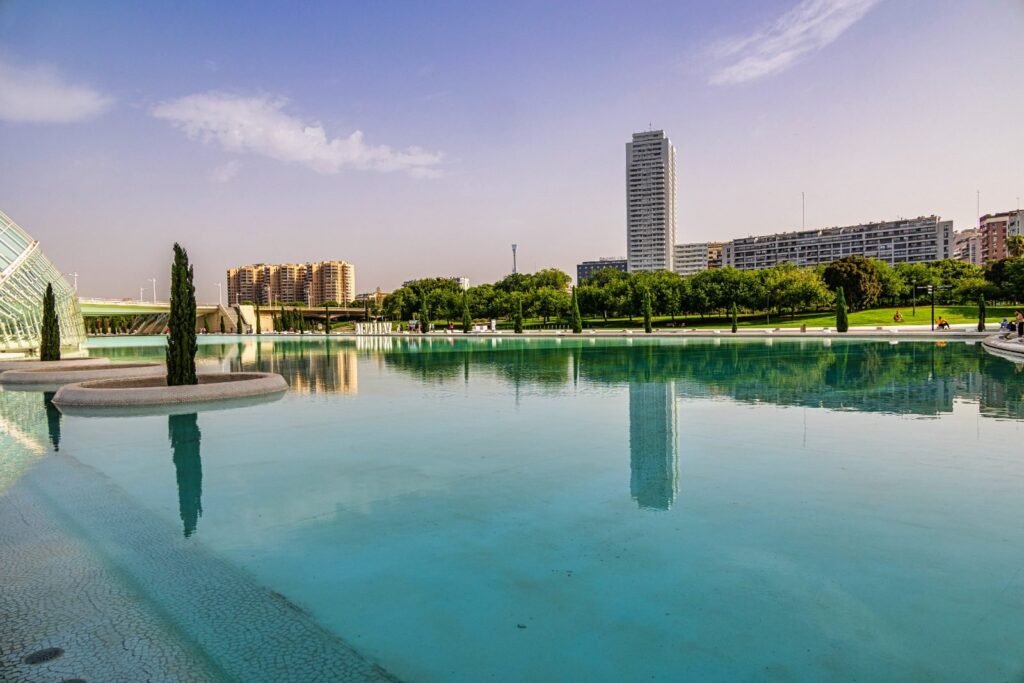

Ten years ago, if you said you were moving to Valencia, people asked if you meant Valencia as in California. Now it’s the city every digital nomad, retiree, and burnt-out remote worker won’t stop talking about.
So what happened? How did Spain’s third city quietly become the expat darling of Europe, beating out Barcelona and Lisbon in half the rankings?
I moved here expecting to like it. I did not expect to start house-hunting within a month. Here’s why Valencia is having its moment.
It’s the Whole Package, Not One Big Thing
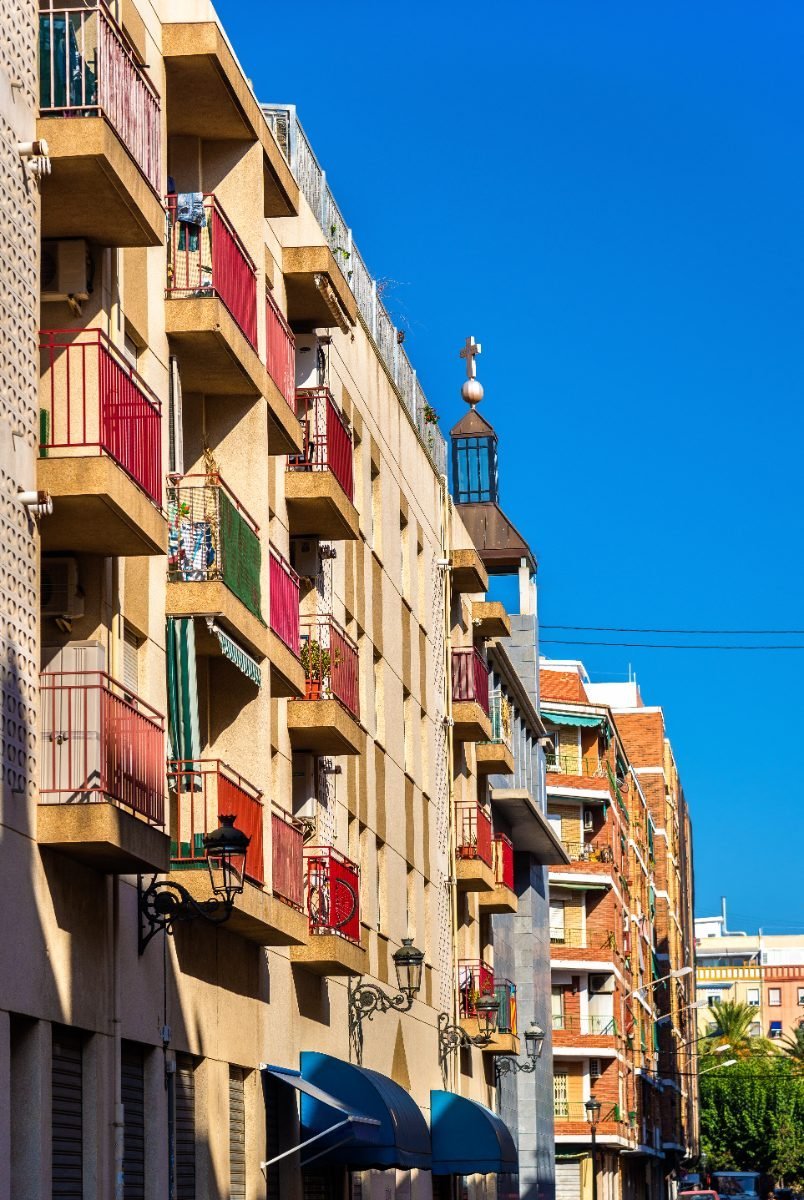
Plenty of cities do one thing well. Valencia’s trick is that it does almost everything pretty well, with no glaring weakness to ruin the vibe.
You get a real city with culture, jobs, and an airport, plus a beach, plus old-world charm, plus prices that don’t make you weep. Most places force you to pick two. Valencia hands you all of it.
That balance is the actual reason people stay. Sound too good? Stick with me.
The Weather Is Almost Unfair
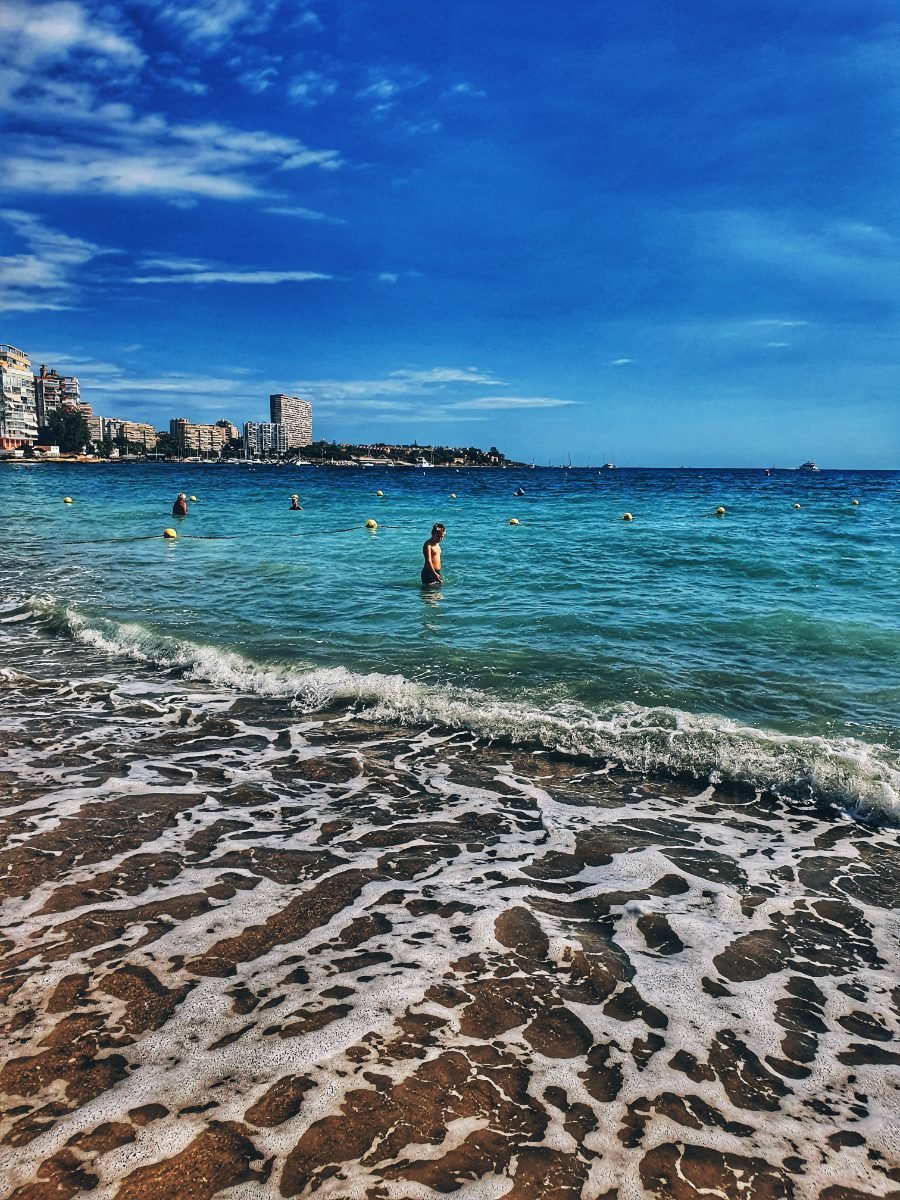
Valencia gets around 300 days of sunshine a year, with mild winters that barely require a real coat.
The beach sits a short tram ride from the center, so a Tuesday swim after work is a normal thing people just do. In February, when half of Europe is grey and miserable, you’ll be eating lunch outside in a t-shirt.
Does good weather change your whole mood? After a winter here, you’ll stop asking.
Your Money Goes Further Here

This is the one that pulls remote workers in. Valencia is noticeably cheaper than Barcelona or Madrid, and a different planet from London or New York.
A solid one-bedroom in a nice area runs €900 to €1,200, a three-course lunch is around €13, and great coffee is under €2. If you earn a Northern European or US salary and live in Valencia, the math gets very fun, very fast.
▶ Watch This Before You Go
Add fast internet and a growing stack of coworking spaces, and it’s a remote-work cheat code.
The Food Situation Is a Problem (a Good One)
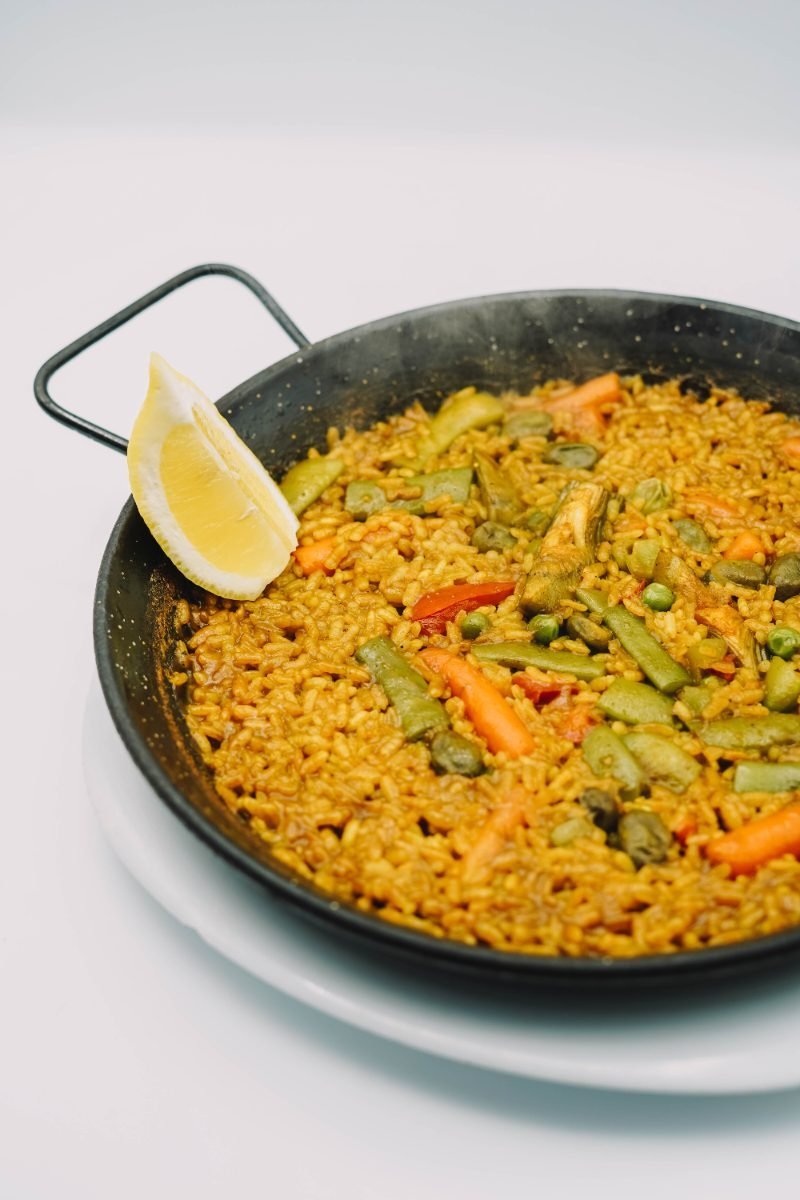
Valencia is the birthplace of paella, and locals will absolutely tell you yours is wrong if it has chorizo in it. Take the note.
Beyond the famous rice dishes, you’ve got the Mercat Central for fresh everything, horchata on hot afternoons, and tapas bars where dinner for two stays under €30. Eating well here is the default, not a splurge.
It’s Walkable, Bikeable, and Genuinely Easy
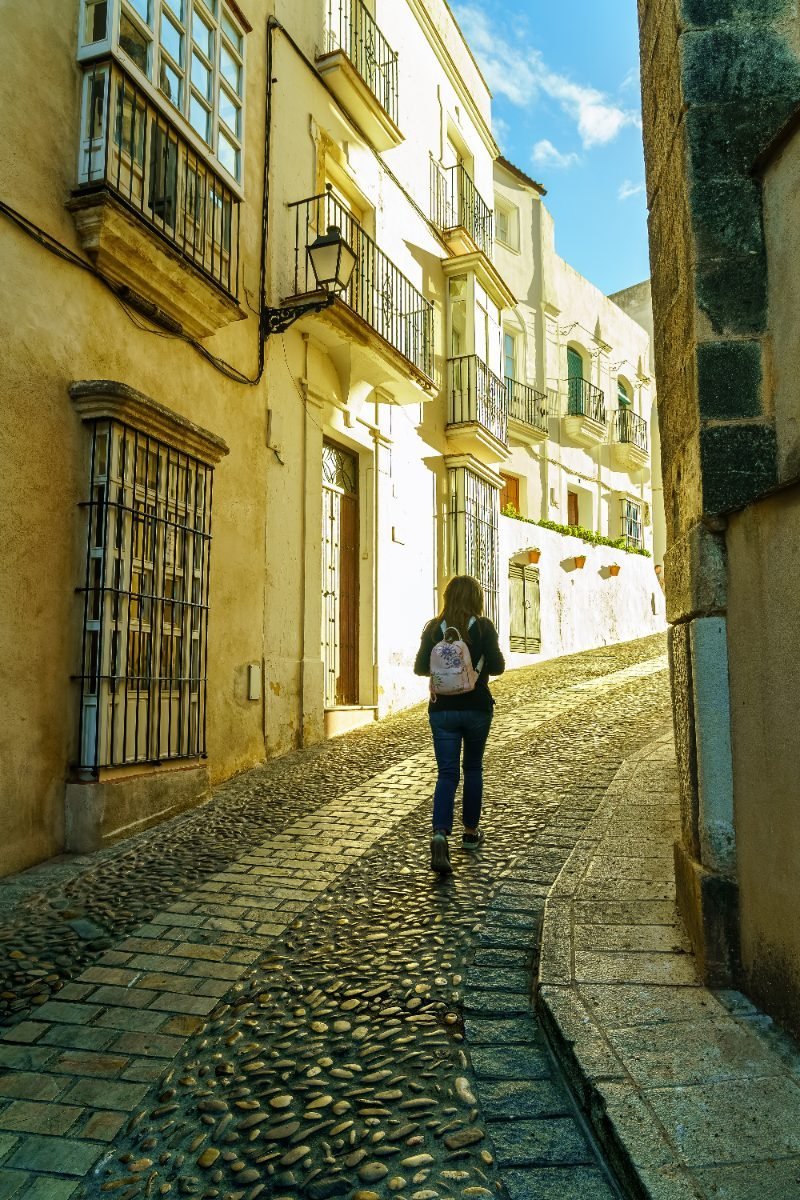
Valencia is flat, compact, and built for getting around without a car. The Turia, a former riverbed turned into a nine-kilometer park, runs right through the middle of the city like a green highway for joggers and cyclists.
Public transport is cheap and reliable, and the bike-share network is everywhere. You can sell the car, skip the gym, and accidentally get healthier just by living your normal life.
A Growing Expat and Nomad Community
You will not feel like a lonely pioneer here, and that matters more than people expect. Valencia has a large, welcoming community of expats and remote workers, with meetups, coworking spaces, and language exchanges happening every week.
That means making friends is easy, and there is always someone who has already solved whatever bureaucratic puzzle you are stuck on. The Spanish locals are warm too, especially once you make an effort with the language.
Arriving somewhere new can feel isolating. In Valencia, it rarely stays that way for long.
The Safety and Healthcare Factor
Valencia consistently ranks among the safest large cities in Spain, and you feel it walking home late or letting kids roam a plaza. Petty theft in tourist spots is the main thing to watch, and honestly that is about it.
Healthcare is another quiet win. Spain’s system is excellent, and private insurance is cheap at €50 to €100 a month, so you are well covered without the stress or the giant bills.
Feeling safe and looked after is underrated until you actually have it. Here, it is just the baseline.
The Honest Downsides
No city is perfect, and Valencia has its quirks. August is brutally hot, the bureaucracy will test your patience, and local salaries are low if you plan to work here rather than remotely.
Summer brings tourists too, and the most popular neighborhoods have crept up in price each year. None of it is a dealbreaker, but you should walk in with your eyes open.
Knowing the trade-offs upfront is what turns a risky move into a smart one. Valencia still wins for most people, quirks and all.
What Daily Life Actually Feels Like
Put the rankings aside for a second and picture the week. Mornings start slow with a cheap, excellent coffee on a sunny terrace, not a frantic commute and a sad desk lunch.
The afternoon might end with a swim or a bike ride along the Turia, and evenings spill onto the streets with dinner late and the city wide awake until midnight.
That rhythm is the real reason people fall for Valencia. The sunshine and the prices get you in the door, but the pace is what makes you stay.
Is Valencia Right for You?
Valencia suits a particular kind of person, and it is worth being honest about who. If you want sun, the sea, great food, and a slower, social pace without a huge price tag, it is close to ideal.
If you need a fast-moving career hub or nonstop big-city energy, Madrid or Barcelona might fit you better. But for quality of life per euro, very little in Europe competes.
Come for a month before you commit. Most people who do end up quietly browsing long-term apartments before they leave.
So Should You Actually Move Here?
Here’s my honest take. Valencia isn’t perfect – August is brutally hot, the bureaucracy will test your patience, and learning some Spanish makes a huge difference.
But for sunshine, food, affordability, and pace of life, very few cities in Europe compete right now. If you’ve been daydreaming about a Mediterranean reset, this is the one I’d put at the top of the list. Come for a month. I dare you to leave. 😅