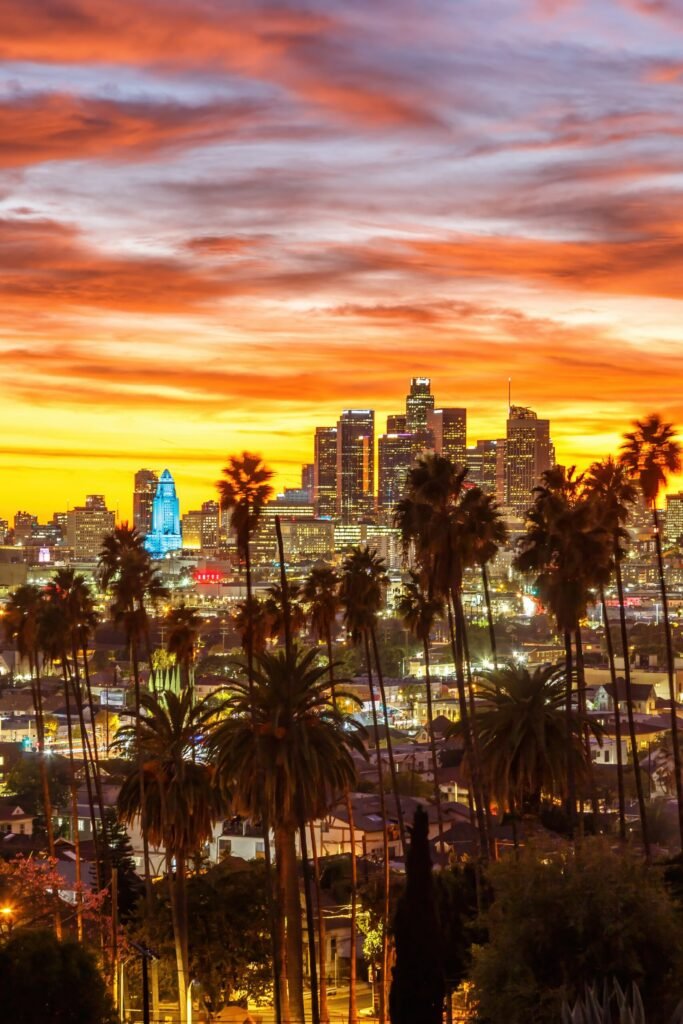
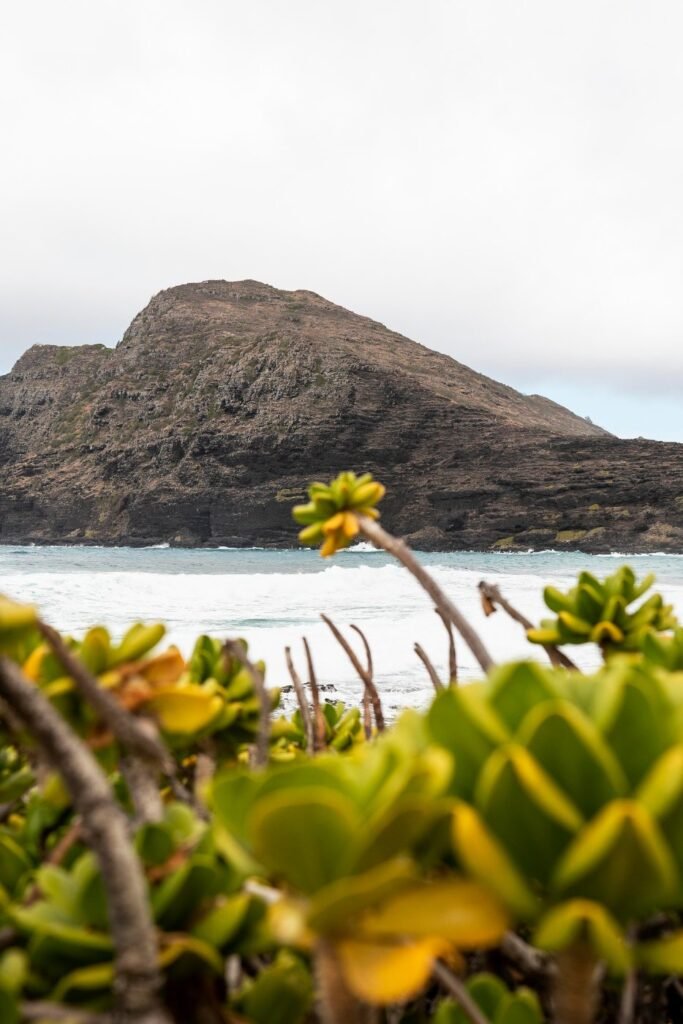
Hawaii is the most photographed place a lot of people never quite understand before they arrive. The pictures show beaches and waterfalls. They don’t show the drive times, the prices, or the fact that it rains.
None of this is a reason not to go. It’s the most extraordinary place in the United States and it earns every bit of the reputation.
But there’s a gap between the brochure and the reality, and here’s what sits in it.
It’s Much Further Than You Think
Hawaii is roughly 2,400 miles from California. That’s a five to six hour flight from the west coast, ten or eleven from the east, and it’s the most isolated major island chain on earth.
Which means jet lag in both directions, and it means everything on the islands arrived by ship or plane, which is why a punnet of strawberries costs what it costs.
It also means the flight is a big chunk of a short trip. Anything under seven days and you’ll spend a meaningful fraction of it in transit or adjusting.
The Islands Are Not Close Together
People book Hawaii the way they’d book a city and then discover it’s an archipelago with six visitable islands spread across 350 miles.
Inter-island flights are short, around 30 to 45 minutes, and they’re a whole travel day once you add hire car returns, airports and check-ins.
There are no passenger ferries between most islands. Only Maui and Lanai have one.
One island per week is the honest rule. Two islands in ten days is the most people should attempt.
▶ Watch This Before You Go
It Rains, and That’s the Whole Point
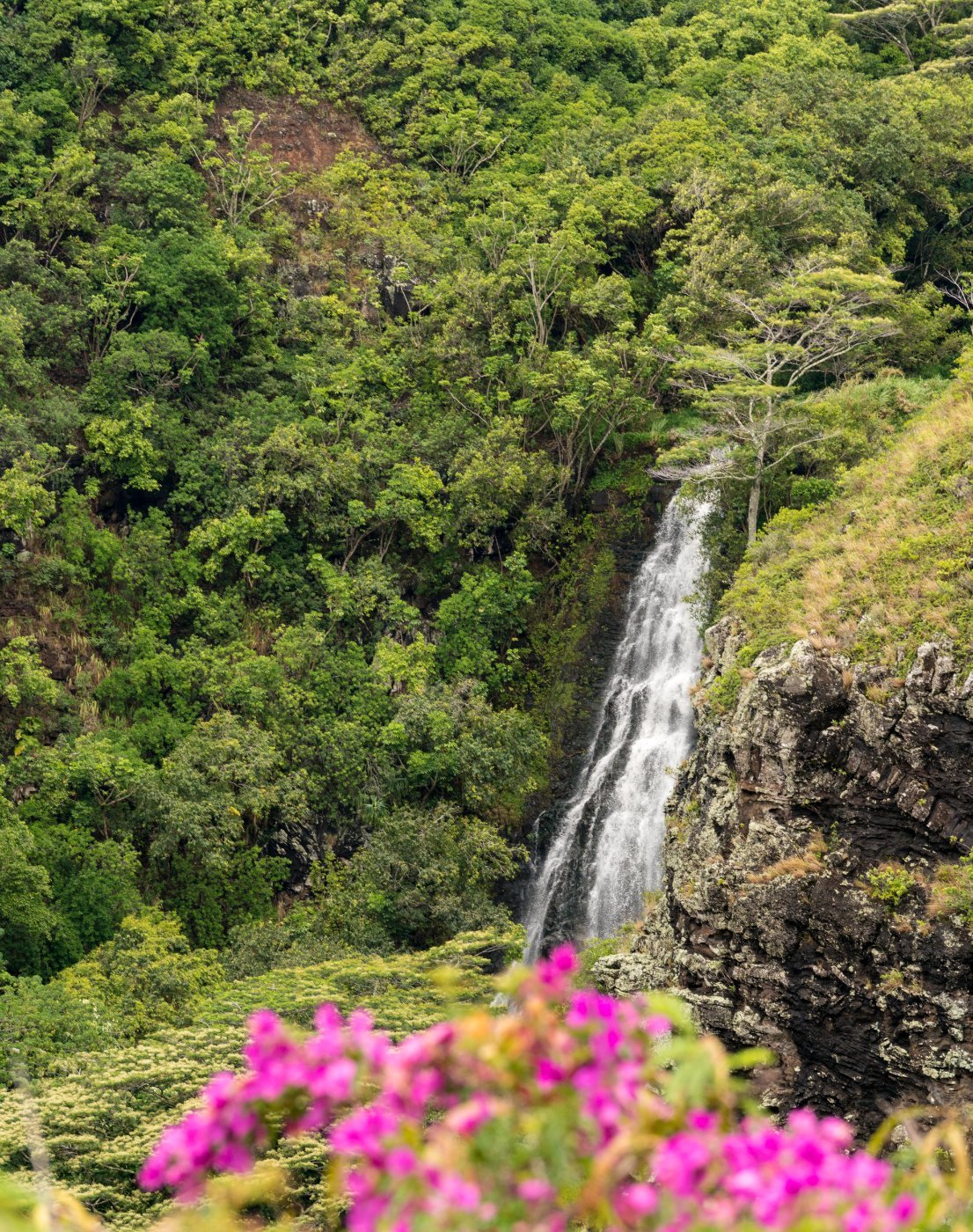
Hawaii is green because it rains, and the islands have wildly different microclimates within a few miles.
Each island has a wet windward side, typically north and east, and a dry leeward side, typically south and west. That’s why resorts cluster on the west and south coasts.
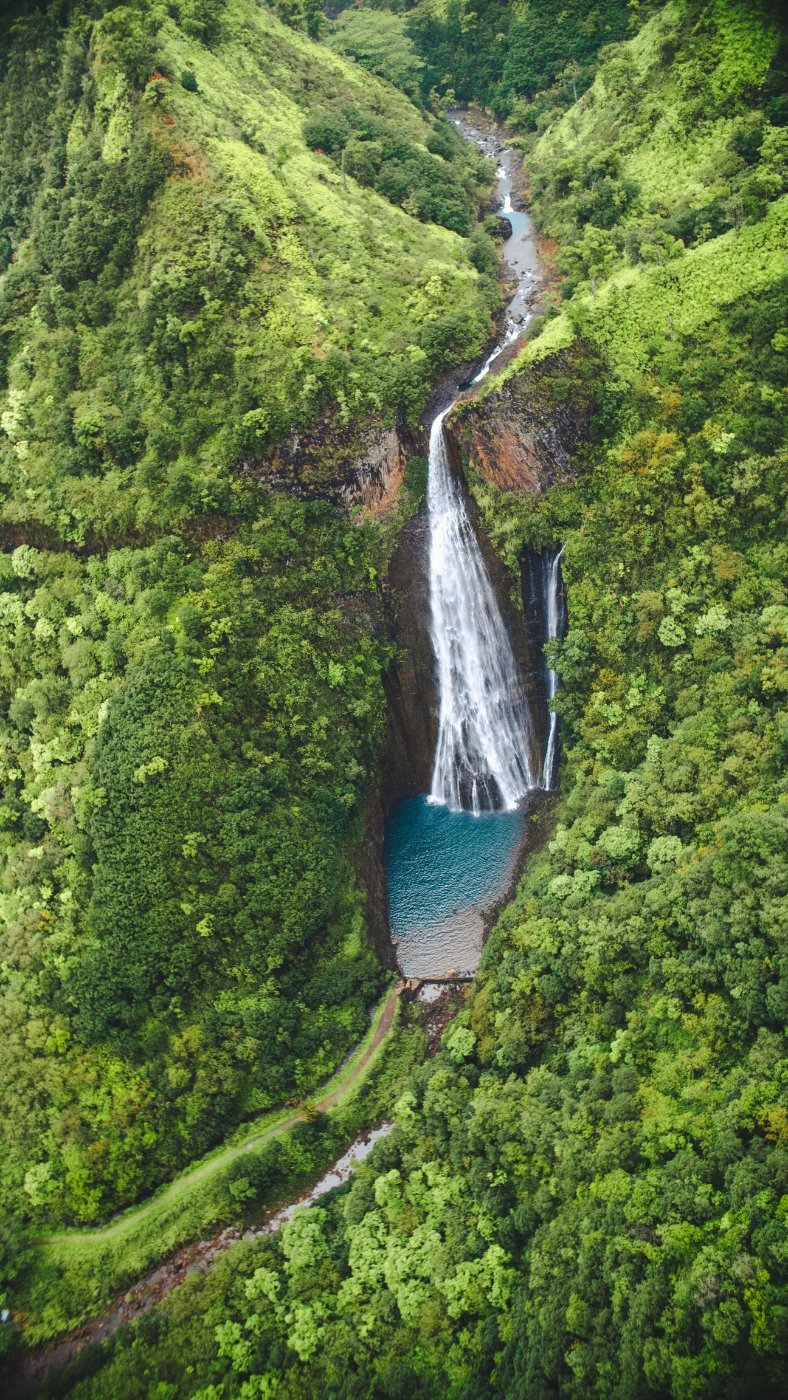
Mount Waialeale on Kauai gets over 400 inches a year and is among the wettest places on earth. Twenty miles away it’s semi-desert.
Practical version: if it’s raining where you are, drive fifteen minutes. It’s frequently sunny on the other side of the same island. Rain here also tends to be short and warm rather than an all-day event.
The Ocean Is Not a Swimming Pool
This is the one that genuinely matters and the brochures never mention it.
Hawaii has strong currents, powerful shore break and rip currents, and drownings among visitors are a real and recurring problem. Waves that look manageable from the beach are frequently not.
The rules that actually help: swim at lifeguarded beaches, read the posted signs, and if the beach is empty on a beautiful day there is usually a reason.
Conditions flip by season. North shores are calm in summer and enormous in winter. South shores reverse it. A beach that was perfect in July can be lethal in January.
Never turn your back on the ocean on a rocky shoreline. Locals say this constantly and they’re right.
You Will Be Driving a Lot
The photos make everything look adjacent. The Road to Hana on Maui is 64 miles and takes a full day. Circling Kauai is impossible because the road doesn’t complete a loop.
You need a hire car on every island except possibly Oahu if you stay in Waikiki, and rental prices are high and can sell out entirely in peak season. Book it before you book anything else.
Parking at popular trailheads and beaches fills by 8am. Several sites, including Diamond Head, Hanauma Bay and Haleakala sunrise, now require advance reservations.
The Cost, Honestly
Hawaii is expensive and the gap between expectation and bill catches people out.
Resort fees and parking add substantially to the nightly rate. Groceries run well above mainland prices. A basic dinner out costs more than you’d expect.
Where you save: eat from food trucks, plate lunch spots and poke counters, which are excellent and cheap. Buy groceries at Costco or a local supermarket rather than the resort shop. The beaches, hikes and viewpoints are almost all free.
Condo rentals with a kitchen tend to beat hotels on total cost for a week.
It’s a Real Place With Real Residents
This matters more here than in most destinations, and it’s the thing visitors most often get wrong.
Hawaii has a living Native Hawaiian culture, a complicated history involving the overthrow of a sovereign kingdom in 1893, and ongoing tension around tourism, housing costs and water.
What this means practically: respect closed and sacred sites, don’t trespass onto private or restricted land for a photo, don’t touch or stand on coral, and stay well back from monk seals and turtles, which is also the law.
Learn to say mahalo and aloha and mean them. Be patient. Nobody is in a hurry and that’s not bad service.
Reef-safe sunscreen without oxybenzone and octinoxate is legally required. Buy it before you go, it’s cheaper.
Sunrise on a Volcano Requires Homework
Haleakala on Maui at sunrise is the classic. It needs a reservation booked in advance, a 3am start, and a proper coat because it can be near freezing at 3,000 metres.
Mauna Kea on the Big Island is higher again and the observatory visitor centre has altitude warnings for a reason.
Both are extraordinary. Neither is spontaneous.
Things That Genuinely Surprise People
There are no snakes. There are, however, feral chickens everywhere on Kauai and they start at dawn.
Spam is a genuine local staple, not a joke, and spam musubi is delicious.
Sunset happens fast and there’s very little dusk. When the sun goes, it goes.
And most sea turtles you’ll see are simply lying on the beach asleep. Give them ten metres and let them be 🙂
Common Questions
How many days do you need in Hawaii? Seven minimum for one island, ten for two. Anything shorter and travel eats the trip.
Which island should I pick first? Oahu for variety and value, Maui for the classic resort holiday, Kauai for scenery and quiet.
Is Hawaii expensive? Yes. Budget more than you think for accommodation, car hire and food, and save by cooking some meals and eating at plate lunch spots.
When is the best time to go? April to early June and September to mid December. Better prices, fewer people, good weather.
Do I need a car? On every island except possibly Oahu if you stay in Waikiki. Book it early because they do sell out.