Rome in 3 Days: The Only Itinerary You Need
Rome doesn’t need ten days to leave a mark on you. Three days, planned well, gets you the ancient ruins, the Renaissance art, the food, and enough wandering time to actually feel like you were there instead of just checking boxes.
In this guide
Here’s the itinerary that fits it all in without leaving you exhausted on a plane home.
Rome rewards a tight plan more than almost any other city in Italy. The sights cluster closer together than you’d expect, and the walking between them is half the experience anyway.
Day 1: Ancient Rome
Start early at the Colosseum, Roman Forum, and Palatine Hill, sold together on one combo ticket. Book timed entry online before you go, since walking up without a reservation during busy season can cost you your entire morning in line.
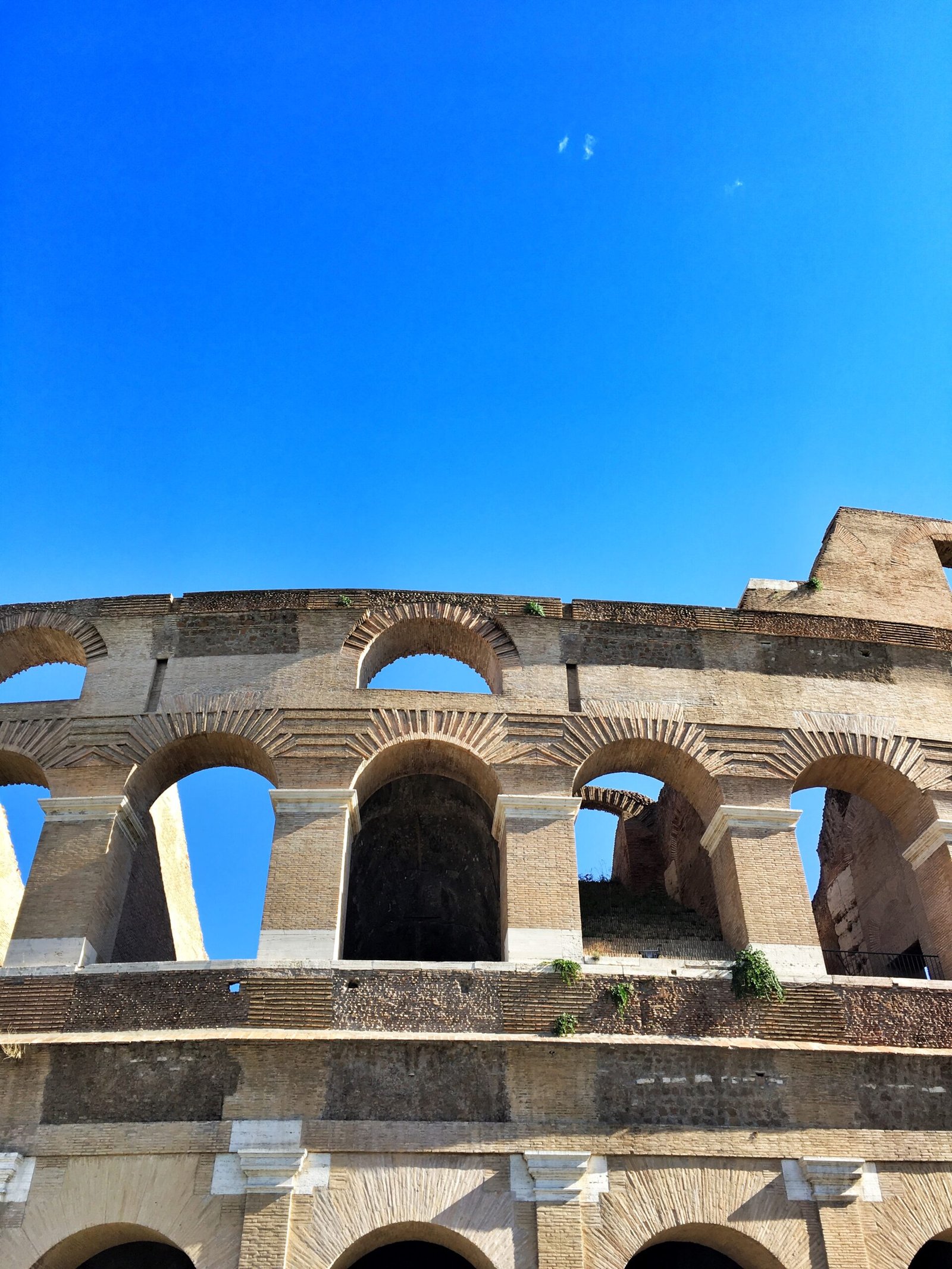
Give yourself a solid four hours here. The Colosseum alone deserves an hour, but the Forum and Palatine ruins spread out and reward slow wandering more than a rushed pass-through.
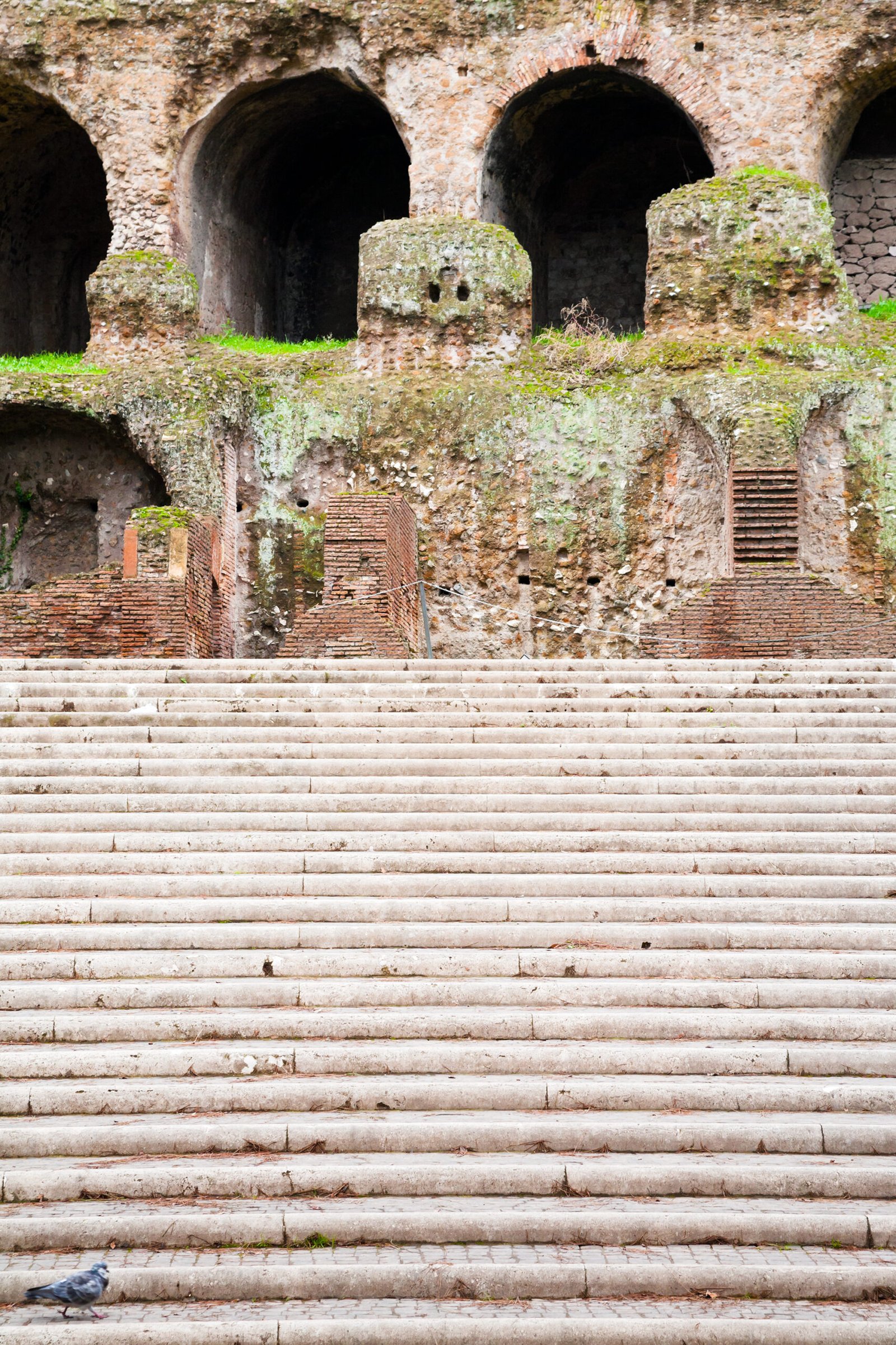
Climb the steps up Palatine Hill for the best overview of the whole ancient site. The view over the Forum from up there puts the entire scale of ancient Rome into perspective in a way street level never quite manages.
Afternoon belongs to wandering toward the center: Piazza Venezia, the Trevi Fountain, and the Spanish Steps are all walkable from the ancient core if you’re up for it. Real talk, your feet will know the difference between day one and day three, so pace yourself early.
End day one in Trastevere for dinner. It’s the neighborhood where Romans actually eat, all ivy-covered buildings and tiny trattorias without English menus. Order whatever the waiter suggests and you won’t be disappointed.
Day 2: Vatican City and Central Rome
Book an early Vatican Museums slot, ideally the first entry of the day. The Sistine Chapel is worth every bit of the hype, but the crowds build fast, and an early morning slot means you’re not fighting tour groups for space in front of the ceiling.
St. Peter’s Basilica sits right at the end of the museum route, and the dome climb rewards anyone willing to handle a few hundred stairs with one of the best views in the city.
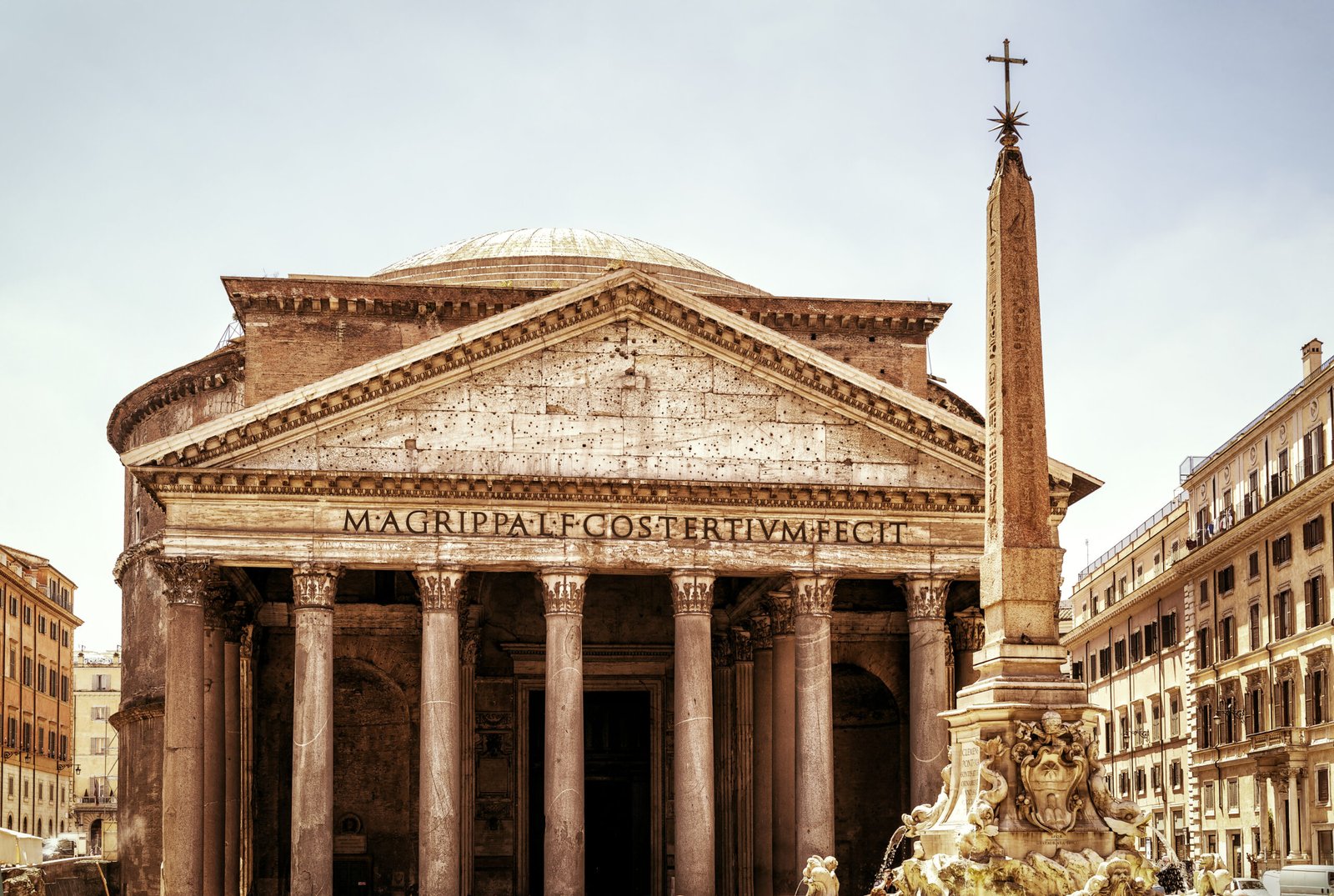
By early afternoon, cross back toward the historic center. The Pantheon is genuinely one of the most impressive ancient buildings still standing anywhere in the world, and it’s free to walk into.
Piazza Navona sits just a few minutes from the Pantheon, all Baroque fountains and street performers. Is it touristy? A little.
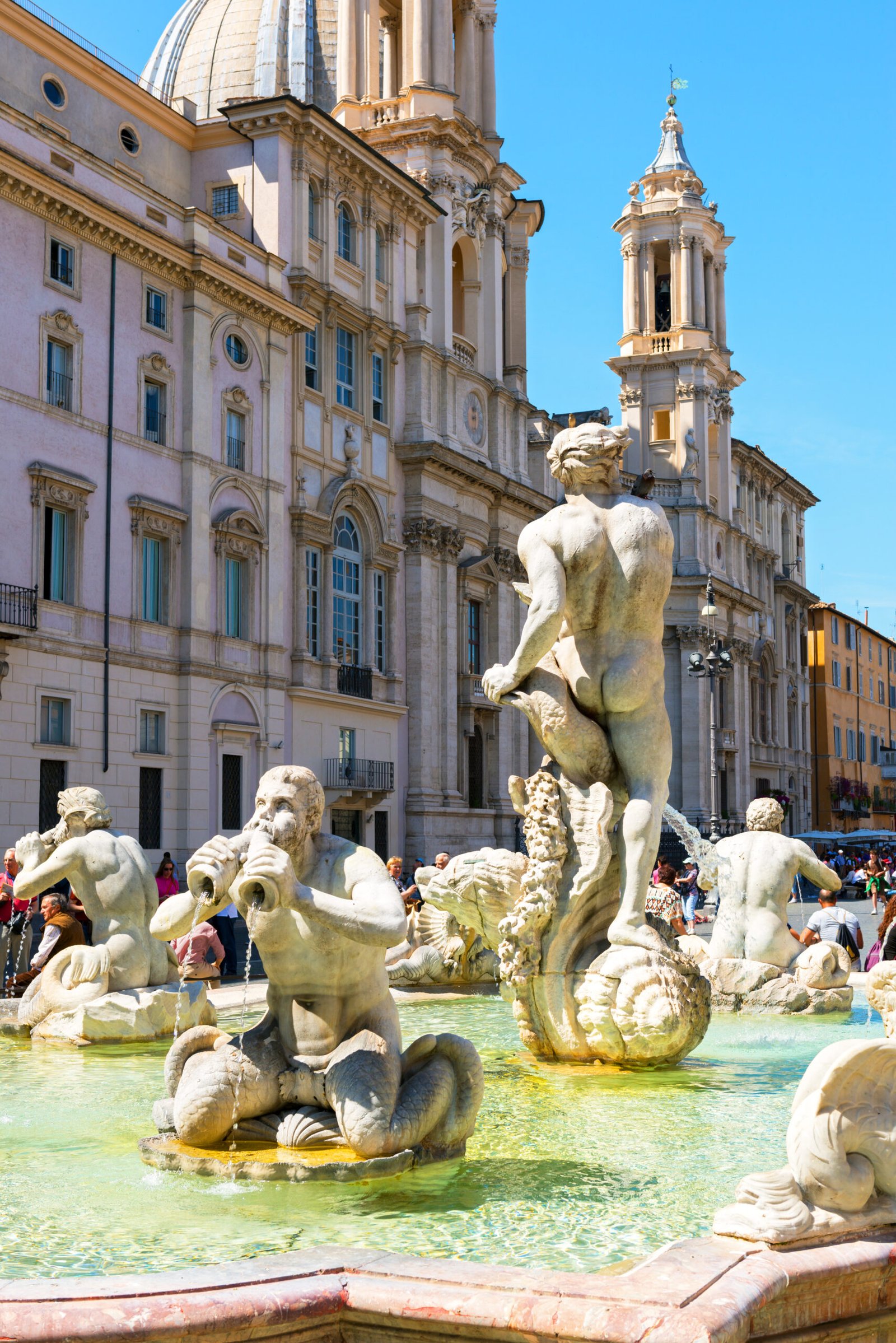
It’s also genuinely beautiful at golden hour, and worth the short detour regardless.
Save room for gelato somewhere along the way. Skip any shop with neon-bright, piled-high scoops, since that’s usually a sign of added air and artificial color rather than quality. The good stuff sits flatter and looks a little duller in the case.
Day 3: Trevi, Food, and Whatever You Missed
Trevi Fountain deserves an early morning visit on your last day, before the crowds and the tour groups take over completely. Toss a coin over your shoulder if you believe in the tradition, ngl, it’s basically a Rome rite of passage at this point.
Spend the rest of the morning on whatever pulled at you earlier in the trip. Maybe that’s a second, slower pass through the historic center, or maybe it’s finally checking out the Capitoline Museums you skipped on day one.
Consider a food tour or a cooking class if it’s your last afternoon. Roman cuisine (carbonara, cacio e pepe, and supplì) deserves more attention than a rushed dinner between sightseeing stops, and a dedicated food experience genuinely rounds out the trip well.
IMO your last evening should be unstructured. Pick a neighborhood you haven’t fully explored, wander without a checklist, and let the city surprise you one more time before you leave.
What to Actually Eat in Rome
Roman cuisine has a short list of dishes it does better than anywhere else, and three days is exactly enough time to work through them:
- Carbonara – egg, pecorino, guanciale, and pepper, no cream involved despite what you’ll find abroad
- Cacio e pepe – just three ingredients, and somehow one of the hardest dishes to get truly right
- Supplì – fried rice balls with a molten mozzarella center, perfect as a walking snack between sights
- Trapizzino – a pocket of pizza dough stuffed with braised meats, invented in Rome and still hard to find elsewhere
- Maritozzo – a sweet cream-filled bun that’s become the city’s unofficial breakfast pastry

Skip any restaurant with a laminated multilingual menu directly facing a monument. Walk two streets back and both the prices and the food quality improve immediately. 😅
Getting Around Rome Without a Car
Don’t rent a car for this trip. Rome’s historic center is largely closed to regular traffic anyway, and the narrow, ancient streets weren’t built with cars in mind to begin with.
The metro covers the major sights reasonably well, but Rome’s historic core is compact enough that walking often beats waiting for a bus or train. A comfortable pair of shoes matters more than any transit pass you’ll buy for this trip.
Taxis and rideshares fill in the gaps for late-night trips or rainy days. Between walking and the occasional ride, you genuinely never need a rental car for a three-day trip confined to central Rome.
What This Trip Actually Costs
Budget $130-180 per day for a comfortable mid-range trip covering a solid hotel, two real meals, museum tickets, and the odd taxi ride. Rome runs slightly cheaper than Venice or Milan for equivalent hotel quality.
Want to trim costs? Skip the paid skip-the-line add-ons for smaller sights and eat one meal a day from a neighborhood spot instead of a restaurant near a major landmark. You’ll save real money without missing anything that matters.
Vatican and Colosseum tickets add up fast if you buy every possible add-on. Most travelers are happier booking the standard combo tickets and skipping the guided extras unless a specific tour genuinely interests them.
Best Time to Visit
April, May, September, and October hit the sweet spot between good weather and manageable crowds. Summer brings brutal heat, especially around midday at the Colosseum and Forum, where shade is scarce.
Winter works if you don’t mind cooler temperatures and shorter days, and you’ll get noticeably thinner crowds at every major sight. Christmas week specifically brings a genuinely magical atmosphere, even with the chillier weather.
Whatever season you land in, book the Vatican and Colosseum well ahead of time. Walk-up availability shrinks fast, and Rome stays busy nearly year-round regardless of season.
Packing for Three Days in Rome
Comfortable walking shoes matter more than anything else you pack. Rome’s ancient streets are uneven, and you’ll easily hit 15,000 steps a day between the ruins and the wandering.
Pack a light layer regardless of season, since evenings cool down faster than the daytime heat suggests. Modest shoulder and knee coverage matters too if you’re visiting churches, so skip the tank tops on museum days.
A portable charger earns its space in your bag. You’ll be using your phone constantly for tickets, maps, and photos, and Roman outlets aren’t always conveniently placed when you need one.
Three days in Rome is enough to fall for the city without feeling rushed if you plan it right. Hit the big three (ancient Rome, the Vatican, and the historic center) early, and leave real time to just wander. That’s usually where the best parts of any Rome trip happen anyway.
Printable Recipe Card
Want just the essential recipe details without scrolling through the article? Get our printable recipe card with just the ingredients and instructions.