
The Ultimate Carry-On-Only Packing List for Any Trip
Checked baggage fees have gotten so aggressive that packing light isn’t just a nice-to-have anymore. It’s genuinely the smarter financial move for almost any trip under two weeks.
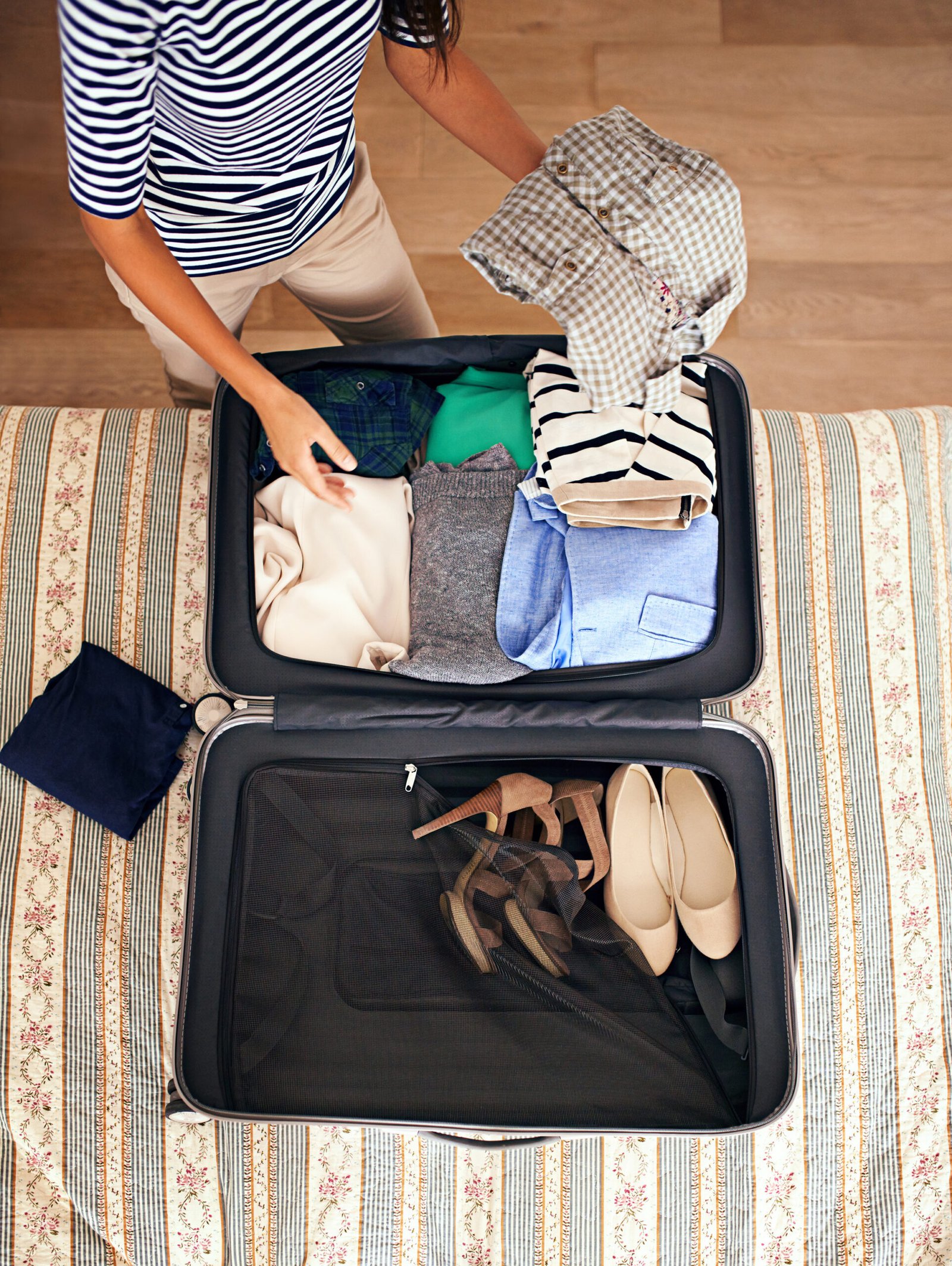
In this guide
- Pick the Right Bag First
- Packing Cubes Change Everything
- The Clothing Formula That Actually Works
- Toiletries Without the Liquid Headache
- Shoes: The Space Hog Nobody Plans For
- Electronics and Documents
- The Weather Problem: Packing for Uncertainty
- What to Actually Leave at Home
- Trip-Specific Tweaks Worth Making
- The Laundry Trick That Makes This All Work
Here’s the exact approach to fitting everything you need into one carry-on, no matter where you’re headed or how long you’re staying.
This isn’t about depriving yourself of options. It’s about packing smart enough that you never once think “I wish I’d brought more.”
Pick the Right Bag First
A 35-45 liter backpack or a hard-shell carry-on suitcase covers almost every airline’s size limits. Check your specific carrier before you buy, since budget airlines especially love shrinking their “free” carry-on dimensions.
Backpacks win for multi-city trips with lots of walking or train transfers. Wheeled suitcases win for trips centered on one or two cities where you’re mostly rolling between smooth airport floors and hotel lobbies.
Whichever you choose, weigh it empty first. A bag that’s already heavy before you pack anything eats into your usable weight allowance fast, and some airlines enforce carry-on weight limits just as strictly as checked bags.
Packing Cubes Change Everything
Packing cubes aren’t just an organization gimmick. They compress your clothes, keep categories separated, and make repacking mid-trip dramatically faster than digging through a jumbled bag every morning.
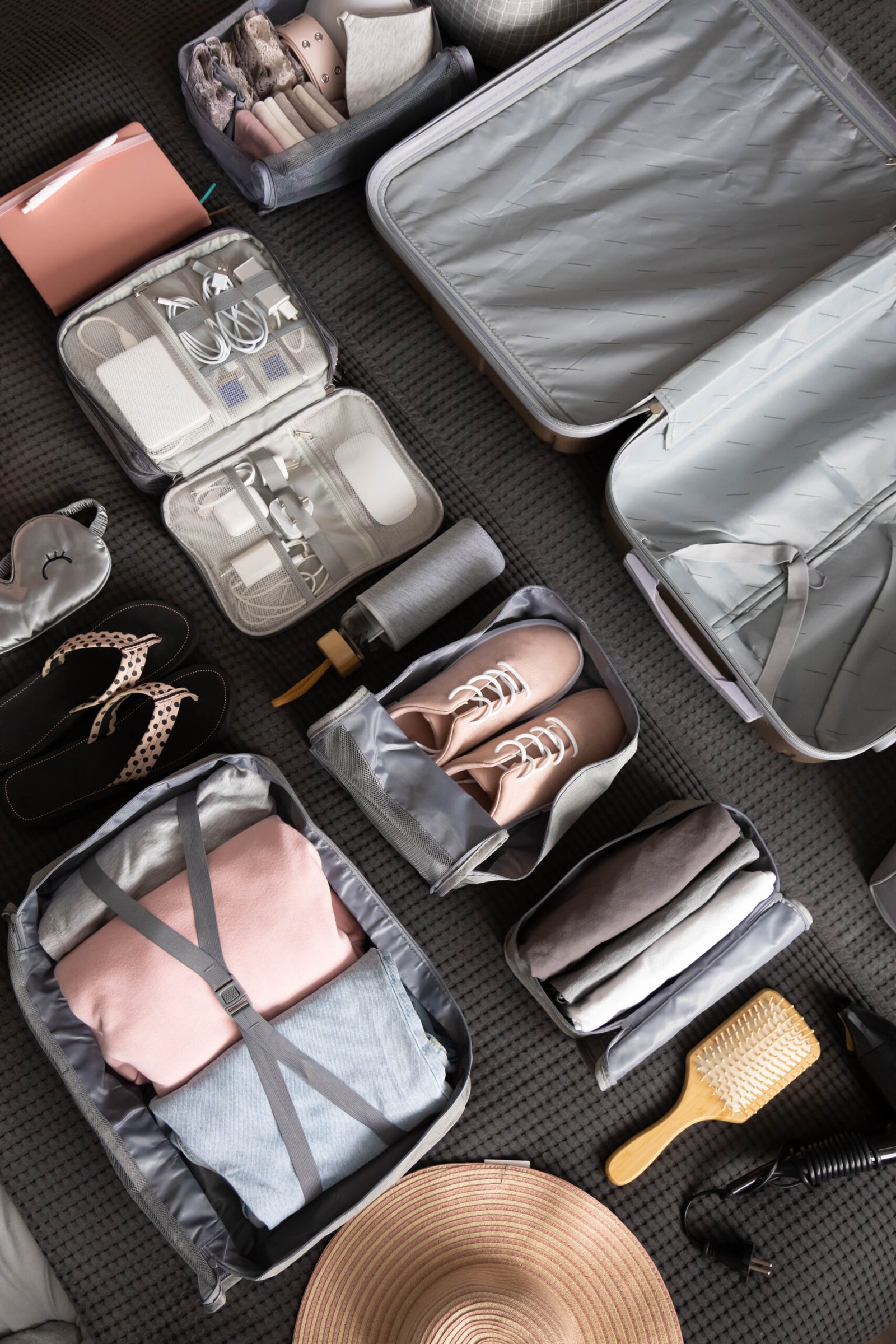
Sort by category, not by outfit: one cube for tops, one for bottoms, one for underwear and socks. This system means you can see everything at a glance instead of unpacking the whole bag to find one shirt.
Compression cubes with a second zipper squeeze out extra air and buy you real space, especially for bulkier items like sweaters. IMO they’re worth the small extra cost over basic cubes for any trip longer than a few days.
The Clothing Formula That Actually Works
Build around a capsule wardrobe of 4-5 tops, 2-3 bottoms, and one layering piece, all in colors that mix and match with each other. This combination alone gets you well over a week of outfit variety.
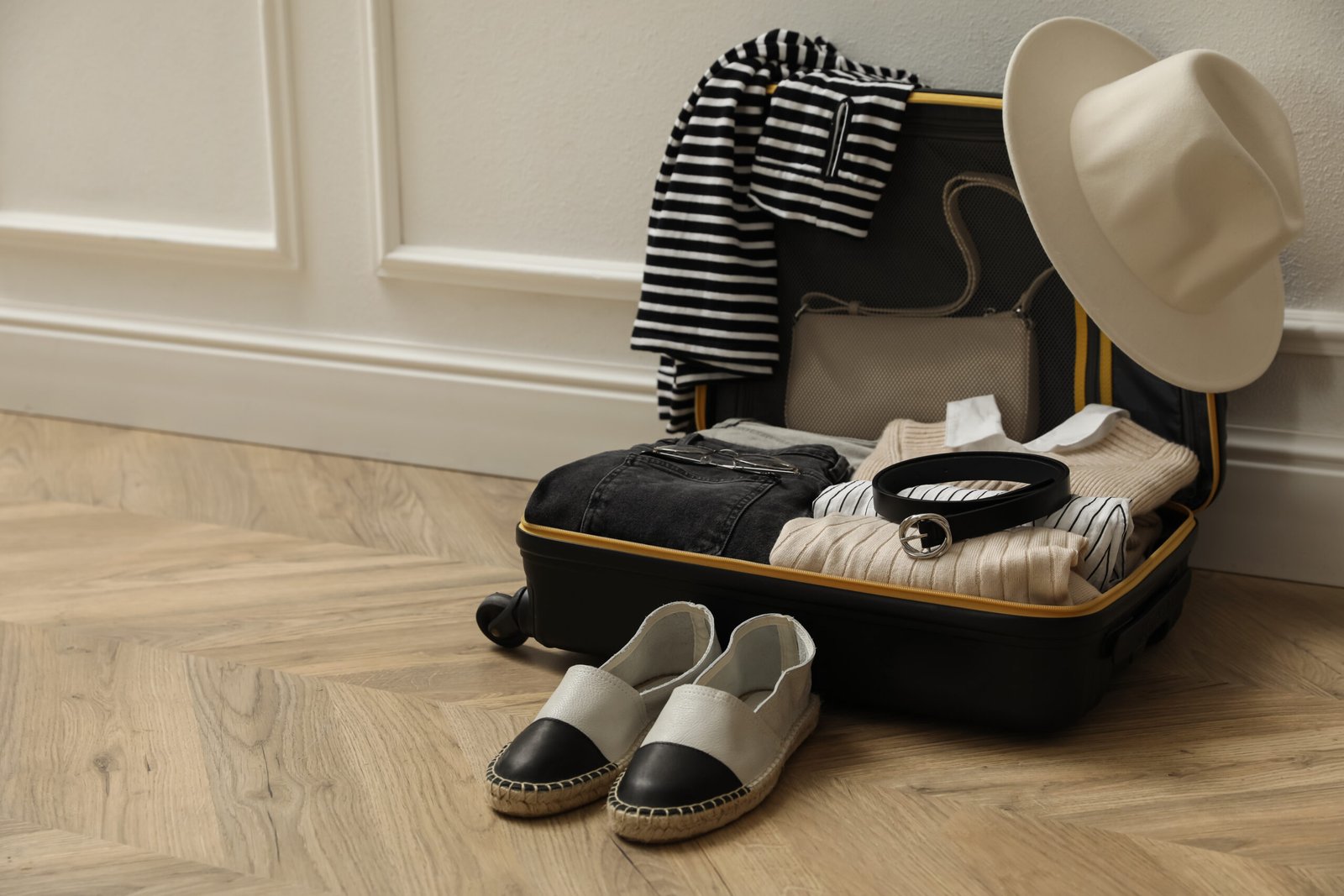
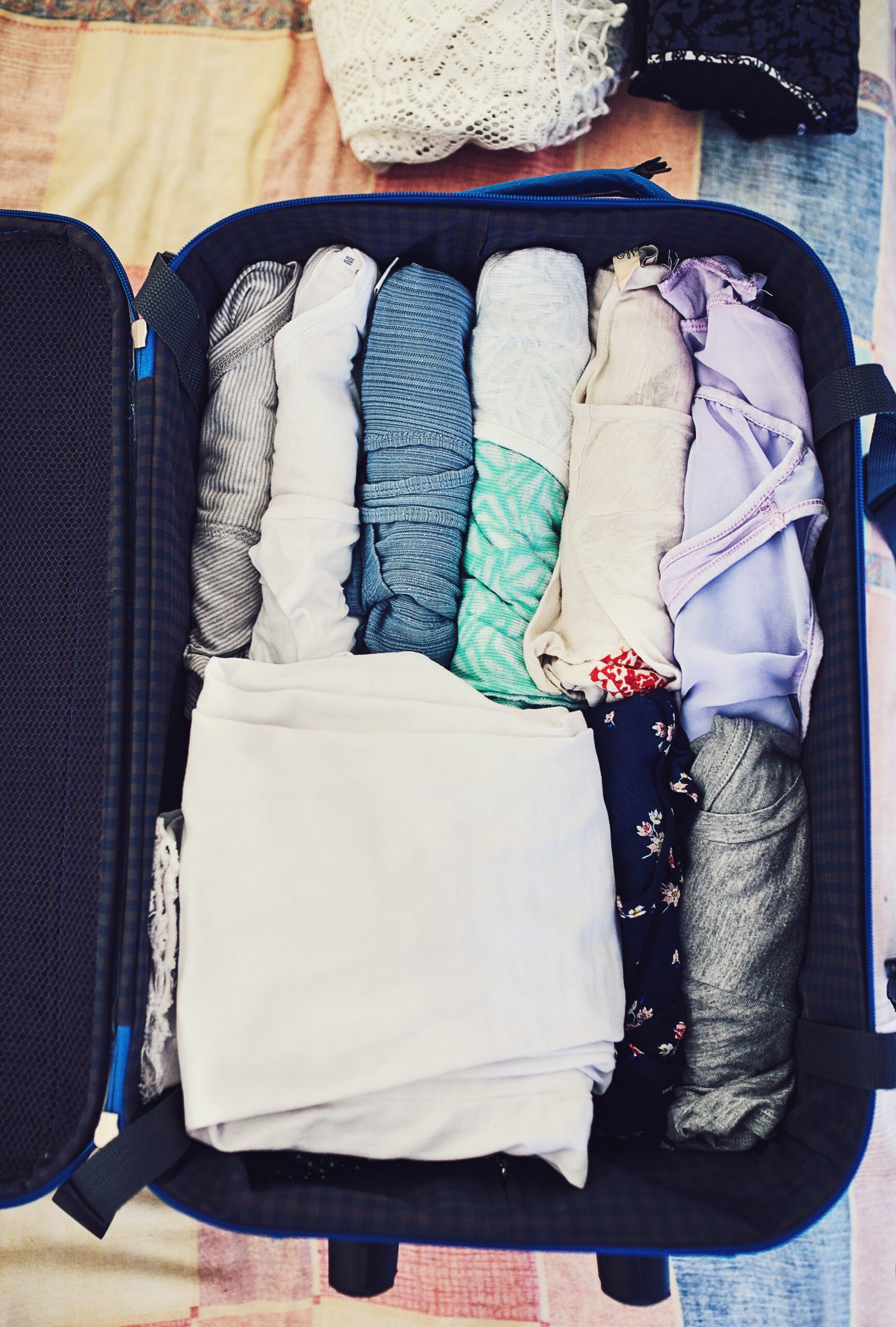
Roll clothes instead of folding them. Rolling saves noticeably more space and tends to wrinkle less than folding flat, especially with knit fabrics.
Pick one color palette and stick to it. Every piece pairs with every other piece, which means you can pack fewer items while still having plenty of combinations. That’s really the entire secret, ngl.
Merino wool and other odor-resistant fabrics let you rewear items multiple times without looking or smelling like you’ve worn the same shirt for a week. This matters more than people expect once you’re five days into a trip.
Toiletries Without the Liquid Headache
Stick to travel-size containers under 3.4 ounces for anything you’re carrying through security, and pack them all in one clear quart-size bag. Solid alternatives (shampoo bars, solid perfume, toothpaste tablets) skip the liquid rule entirely and save space too.
Is it worth buying dedicated travel-size toiletries instead of decanting your regular products? For most trips, yes. The dedicated bottles seal better and survive a bag getting tossed around far more reliably.
Leave the full-size everything at home. You can buy shampoo, sunscreen, and most toiletries at your destination if you genuinely run out, and it’s rarely worth the suitcase space to bring backups just in case.
Shoes: The Space Hog Nobody Plans For
Limit yourself to two pairs of shoes maximum: one comfortable walking pair you wear on the plane, and one situational pair (dressier, or built for a specific activity like hiking).
Stuff socks or small items inside your shoes to use every bit of available space. Shoes eat more room than almost anything else in a carry-on, so this trick alone can free up surprising space.
Wear your bulkiest shoes on the plane itself rather than packing them. It sounds uncomfortable, but it’s genuinely one of the easiest ways to reclaim suitcase space without leaving anything behind.
Electronics and Documents
A single multi-port charger and one universal adapter replaces a tangle of individual cables and chargers. Most modern devices charge over USB-C now, so one cable often covers your phone, headphones, and even your laptop.
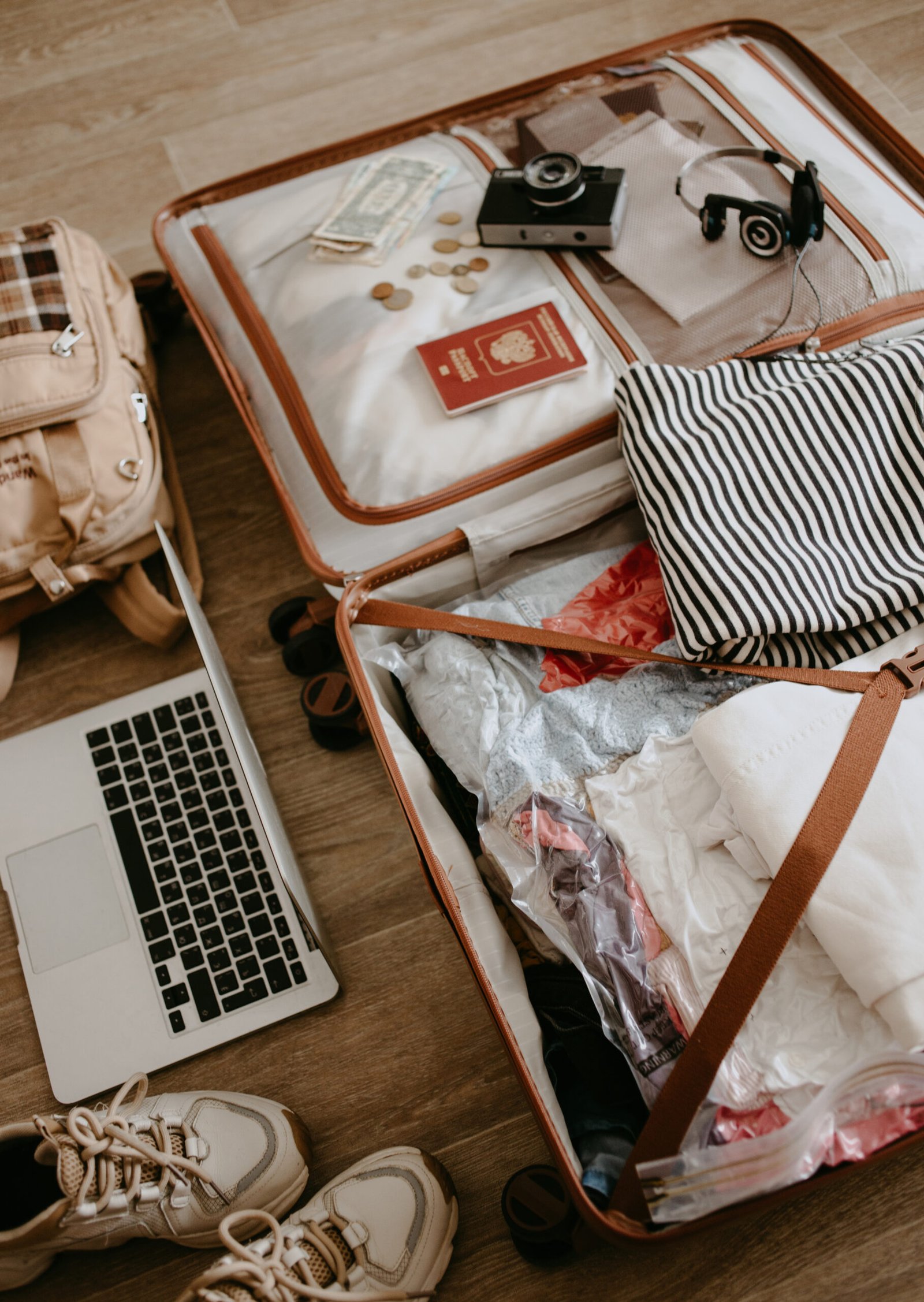
Keep travel documents, boarding passes, and any printed reservations in one dedicated pouch or folder. Digital copies are great as a backup, but a dead phone battery at a border crossing is a genuinely bad time to rely on them alone.
A portable battery pack earns its weight on longer travel days. Just remember it needs to go in your carry-on, not checked luggage, since airlines restrict lithium batteries in checked bags.
The Weather Problem: Packing for Uncertainty
Layering solves most weather uncertainty without needing separate outfits for every possible condition. One warm layer, one rain-resistant layer, and your regular clothes underneath cover a surprisingly wide temperature range.
Check the forecast a few days before departure and adjust your layering plan rather than overpacking “just in case” for every possible scenario. A little research beats packing for the worst-case version of every climate you might encounter.
What to Actually Leave at Home
A few categories consistently take up space without earning it:
- Backup outfits “just in case” – you can do laundry or buy something if you truly need it
- Full-size toiletries – travel sizes or destination purchases handle this fine
- Multiple pairs of jeans – heavy, slow to dry, and one pair covers most trips
- Books – an e-reader or phone app replaces an entire shelf’s worth of weight
- A separate bag “for the beach” or “for hiking” – your day bag or a packable tote handles both
Cutting these categories alone frees up enough space that packing cubes practically pack themselves.
Trip-Specific Tweaks Worth Making
A beach trip swaps one of your layering pieces for a swimsuit and a packable tote, since you’ll spend more time in one or two outfits than a city-hopping itinerary anyway. A cold-weather trip flips the ratio: fewer tops, more emphasis on one genuinely warm coat that does the heavy lifting.
Business trips benefit from picking a single dressier outfit that also doubles as travel clothes on the plane. One blazer and one pair of dress pants, both wrinkle-resistant, cover most meeting scenarios without needing a separate “work” section of the bag.
Adventure or hiking trips are the one category where it’s worth sacrificing a little wardrobe variety for specialized gear. A good rain shell or hiking boots earn their space even if it means dropping a top or two from the capsule. 😅
The Laundry Trick That Makes This All Work
A sink wash with travel detergent sheets, hung to dry overnight, refreshes your capsule wardrobe mid-trip without needing a laundromat. This single habit is what makes a genuinely long trip possible with just a carry-on.
For longer stays, seek out a laundromat or a hotel laundry service once, ideally around the trip’s halfway point. One proper wash resets your whole wardrobe and buys you another week without repacking anything new.
Will one carry-on really cover a three-week trip? Yes, if you commit to the laundry habit instead of trying to pack three weeks of fresh outfits. That’s genuinely the mental shift that makes carry-on-only travel work long-term.
Packing light isn’t about sacrifice. It’s about skipping the baggage fees, the lost-luggage anxiety, and the slow airport carousel wait, all while still having everything you actually need. Build your capsule wardrobe, commit to the packing cubes, and you’ll wonder why you ever checked a bag in the first place.