

Moving to Spain involves considerably more preparation than a standard vacation, and getting the logistics right before departure genuinely prevents scrambling once you’ve already arrived. Understanding exactly what needs handling before you leave your home country saves both stress and money throughout your entire relocation process.
Here’s a complete pre-departure checklist covering everything worth handling before your move to Spain.
None of this requires becoming an immigration expert overnight. Just working through these steps systematically in roughly the right order.

Secure Your Visa Well in Advance
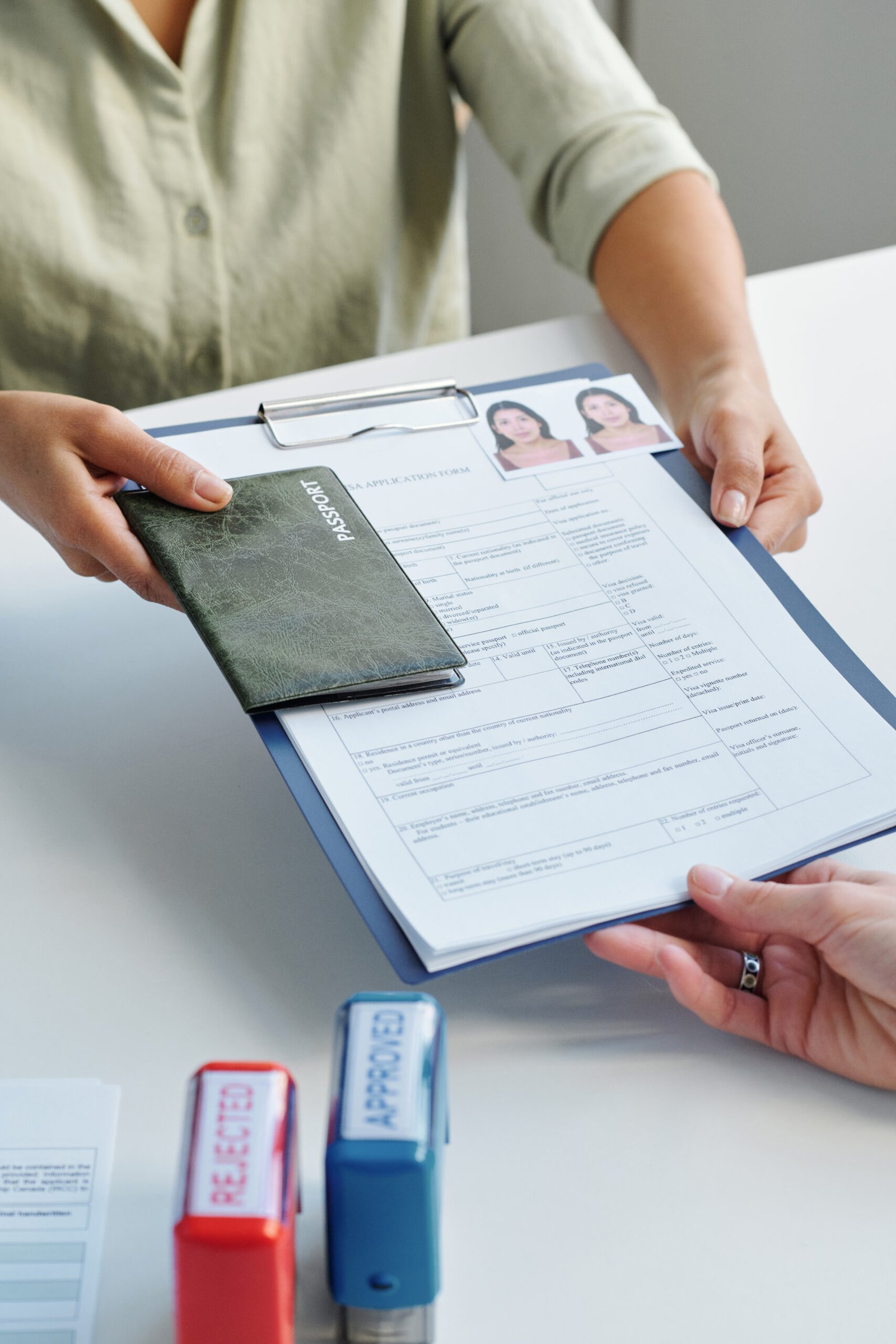
Whichever visa category applies to your situation, whether the non-lucrative visa, digital nomad visa, or a work-based option, this process should start months before your intended move date. Consulate appointment availability, often booked out weeks or months ahead, frequently becomes the actual bottleneck in your entire moving timeline.
Is it possible to move to Spain without sorting your visa first? Genuinely, no, since arriving without proper authorization creates serious legal complications that undermine your entire relocation plan.
Gather and Apostille Your Key Documents
Spain requires apostilled versions of documents like birth certificates, marriage certificates, and background checks, and this apostille process takes real time depending on your home country’s system. Requesting extra certified copies of essential documents before starting the apostille process saves you from repeating this step later if Spanish bureaucracy requests additional copies.
Real talk, most people underestimate how long document authentication actually takes, so starting this process earlier than feels necessary genuinely pays off.
Arrange Health Insurance Before Arrival
Most Spanish visa categories require proof of comprehensive private health insurance in place before your application even gets approved, not just before arrival. Spain-specific insurance providers, familiar with exact visa documentation requirements, typically process more smoothly than generic international travel policies.
A few practical health insurance considerations worth sorting early:
- Confirming your policy meets visa-specific requirements, since generic travel insurance often gets rejected
- Understanding what’s covered once you transition to any local healthcare options later
- Keeping physical and digital copies of your policy documents for various bureaucratic steps
- Checking coverage during the actual moving period, including transit days
- Renewing before expiration becomes critical for maintaining legal visa status
Notify Your Home Country of Your Departure
Handling tax residency changes, mail forwarding, and any home-country obligations before leaving prevents complications that become genuinely harder to resolve from overseas. Informing your bank, employer, and relevant government agencies of your move keeps your home-country affairs in order while you’re settling into Spanish life.
IMO this administrative cleanup feels tedious compared to the excitement of actually moving, but skipping it creates real headaches that surface months later. 😅
Research Your Destination City Thoroughly
Choosing where in Spain to settle deserves genuine research beyond just picking a familiar name, since cost of living, climate, and expat community size vary dramatically between cities. Visiting your target city beforehand, if logistically possible, reveals neighborhood-level details that online research alone can’t fully capture.
Is a preliminary scouting trip worth the added expense before committing to a full move? For major decisions like this, genuinely yes, since correcting a poor location choice after fully relocating costs far more than an extra flight beforehand.

Set Up Financial Systems for Spain
Opening a Spanish bank account, understanding currency transfer options, and setting up ways to access money from your home country all need addressing before or immediately upon arrival. Researching currency transfer services with better rates than standard bank transfers saves meaningful money on any ongoing cross-border financial movement.
Real talk, financial logistics rank among the most overlooked parts of moving abroad, yet they affect your daily life more than almost anything else on this checklist.
Plan Your Housing Situation
Arranging temporary housing for your first weeks, rather than committing immediately to a long-term lease sight unseen, gives you flexibility to properly evaluate neighborhoods once you’ve actually arrived. Short-term furnished rentals provide a practical landing pad while you search for permanent housing without rushing into a poor location decision.
This temporary-first approach costs slightly more upfront but prevents the much bigger problem of a lease locking you into a neighborhood that doesn’t actually suit you.
Handle Your Belongings and Shipping Decisions
Deciding what to bring, sell, store, or ship internationally requires realistic assessment of costs, since international shipping often costs more than replacing items locally once you’ve arrived. Comparing shipping costs against local replacement costs for furniture and larger items usually favors buying fresh in Spain over expensive international shipping.
Is bringing sentimental or hard-to-replace items worth the shipping cost regardless of the math? For genuinely irreplaceable items, absolutely, but be honest with yourself about what actually falls into that category.

Register for Your NIE and Padron
Understanding Spain’s NIE (foreigner identification number) and padron (municipal registration) requirements before arrival helps you move through these essential bureaucratic steps more efficiently once you’re actually in the country. Some NIE applications can start from your home country through a Spanish consulate, potentially saving time compared to handling everything after arrival.
This bureaucratic groundwork, while unglamorous, unlocks nearly everything else you’ll need to do in Spain, from banking to phone contracts to healthcare registration.
Learn Basic Spanish Before You Go
Even functional, basic Spanish dramatically eases your transition, particularly for bureaucratic appointments where English fluency among staff varies considerably by region and office. Starting language apps or classes months before departure builds a foundation that makes those first stressful weeks noticeably more manageable.
Is fluency necessary before moving, or does basic conversational ability suffice initially? Basic ability genuinely suffices for the transition period, with fluency developing naturally through immersion once you’re actually living there.
Build Your Financial Buffer
Beyond meeting visa financial requirements, maintaining a genuine emergency buffer covers unexpected costs that inevitably arise during any major international relocation. Budgeting for costs beyond the obvious, like temporary housing overlap or unexpected document reprocessing fees, prevents financial stress during an already demanding transition period.
This buffer matters more than most movers initially realize, since Spanish bureaucracy occasionally requires unexpected additional documentation or repeat appointments that add costs.
Connect With Expat Communities Before Arrival
Joining online expat groups and forums specific to your destination city before moving provides genuinely valuable local knowledge and potential connections before you’ve even landed. These communities often share practical, current information about local bureaucracy quirks that official government resources don’t clearly explain.
This early connection also helps combat the isolation that sometimes hits during the first few months of settling into an unfamiliar country.
What This Preparation Process Actually Costs
Budget $1,500-4,000 for the full pre-departure process, covering visa fees, document apostilles, health insurance setup, and initial moving logistics, depending heavily on your specific situation. This upfront investment, while substantial, prevents far costlier mistakes that come from inadequate preparation once you’ve already relocated.
Spreading these costs across several months, rather than facing them all at once, makes this financial burden considerably more manageable for most movers.
Moving to Spain rewards thorough advance preparation with a genuinely smoother transition, reducing the stress and costly mistakes that come from tackling everything reactively after arrival. Secure your visa early, handle your documentation methodically, and build both financial and community support before you go, and you’ll set yourself up for a relocation that feels manageable rather than overwhelming.