Nashville gets the country music tourists and the bachelorette parties. Memphis, three hours west, is where blues, soul and rock and roll actually came from, and it has a fraction of the visitors.
It’s also a poorer, rougher, more complicated city than Nashville, and pretending otherwise would be doing you no favours. Both things are true.
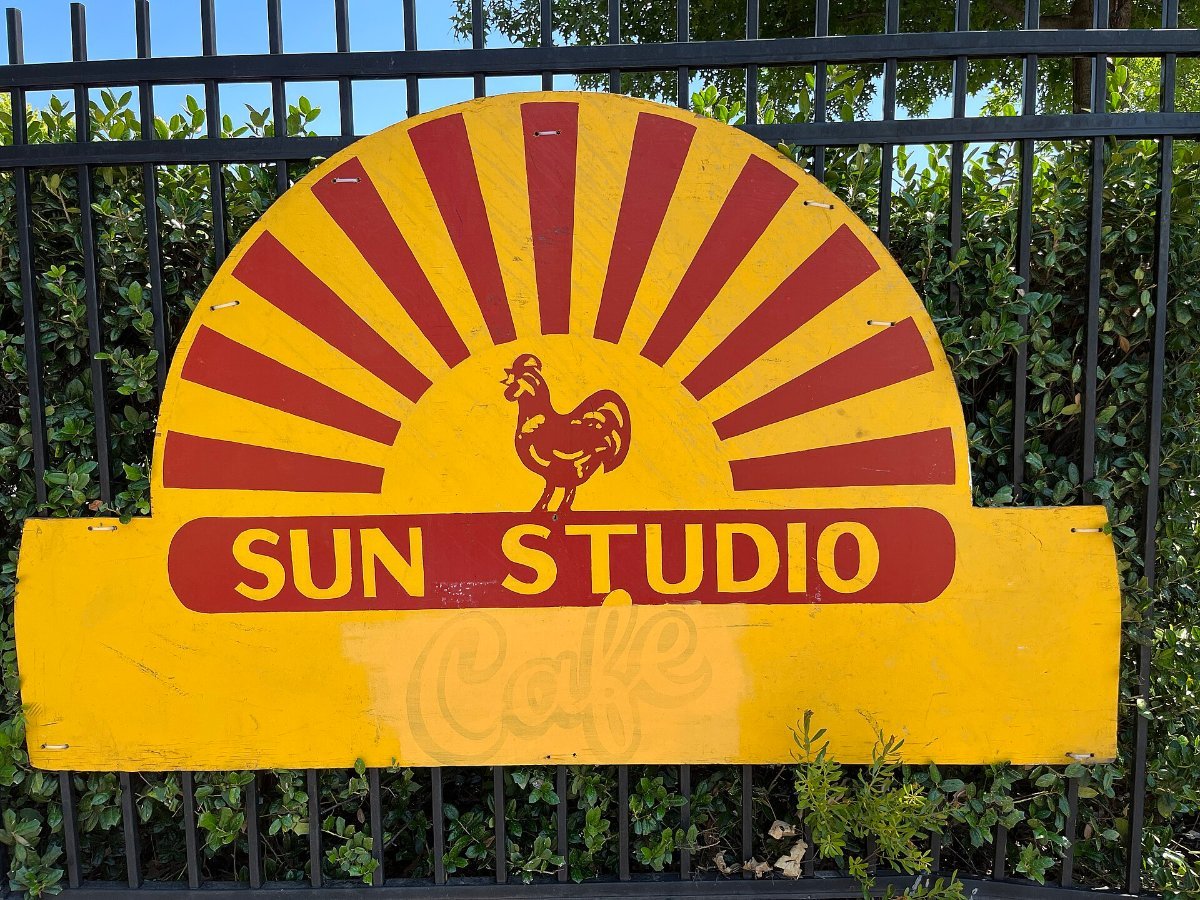
Sun Studio is the one to book
A small storefront on Union Avenue where Sam Phillips recorded Elvis Presley, Johnny Cash, Jerry Lee Lewis, Carl Perkins, Roy Orbison and B.B. King. “Rocket 88”, often called the first rock and roll record, was cut here in 1951.
The tour is 45 minutes, costs around $18, and you stand in the actual room. They hand you the microphone Elvis used. It’s small, unglamorous, and genuinely the most affecting music site in America.
Book ahead in summer. Tours run hourly and sell out.
Stax is the one people skip and shouldn’t
The Stax Museum of American Soul Music, on the site of the original studio in Soulsville. Otis Redding, Isaac Hayes, Booker T. & the M.G.s, Sam & Dave.
What makes Stax historically remarkable is that it was racially integrated in 1960s Memphis — the house band was Black and white musicians playing together at a time when that was genuinely dangerous locally.
Around $13. Give it two hours.
Graceland, and whether it’s worth it
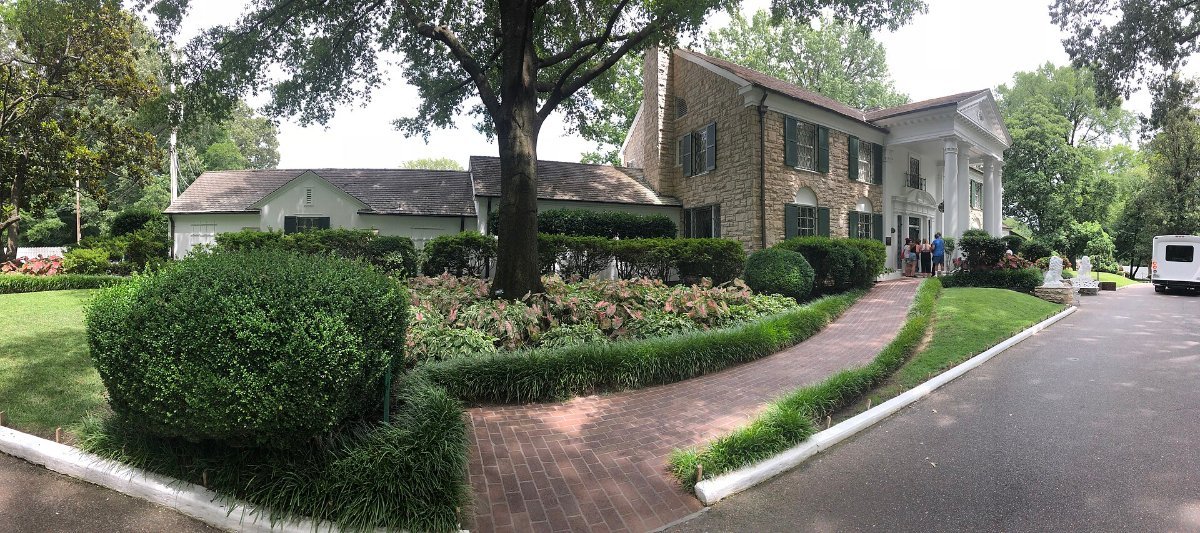
Elvis bought it in 1957 for $102,500 and it’s now the second-most-visited private home in America after the White House.
The mansion tour is around $50, and the packages that add the car museum, the aeroplanes and the archives run to $100 or more. It’s a lot.
Honest take: if you care about Elvis even slightly, go. The house is preserved as it was in 1977, the Jungle Room is exactly as absurd as advertised, and the Meditation Garden where he’s buried is quieter than you’d expect. If you don’t care about Elvis at all, spend the money and the half day on Stax and the Civil Rights Museum instead.
The National Civil Rights Museum
Built around the Lorraine Motel, where Martin Luther King Jr was assassinated on 4 April 1968. Room 306 is preserved, and the balcony is exactly as it was.
The museum traces the movement from slavery through to the present, and it is excellent and difficult. Around $18, and give it three hours minimum.
This is the most important thing in Memphis and most itineraries put it third. Put it first.
Doing it first also reframes everything else. Stax was integrated a few miles from where King was killed, and Beale Street was the commercial heart of Black Memphis before urban renewal gutted it in the 1960s. Visit the museum on day one and the rest of the city stops being a series of separate attractions and starts reading as one continuous story, which is genuinely what it is.
▶ Watch This Before You Go
Beale Street, honestly
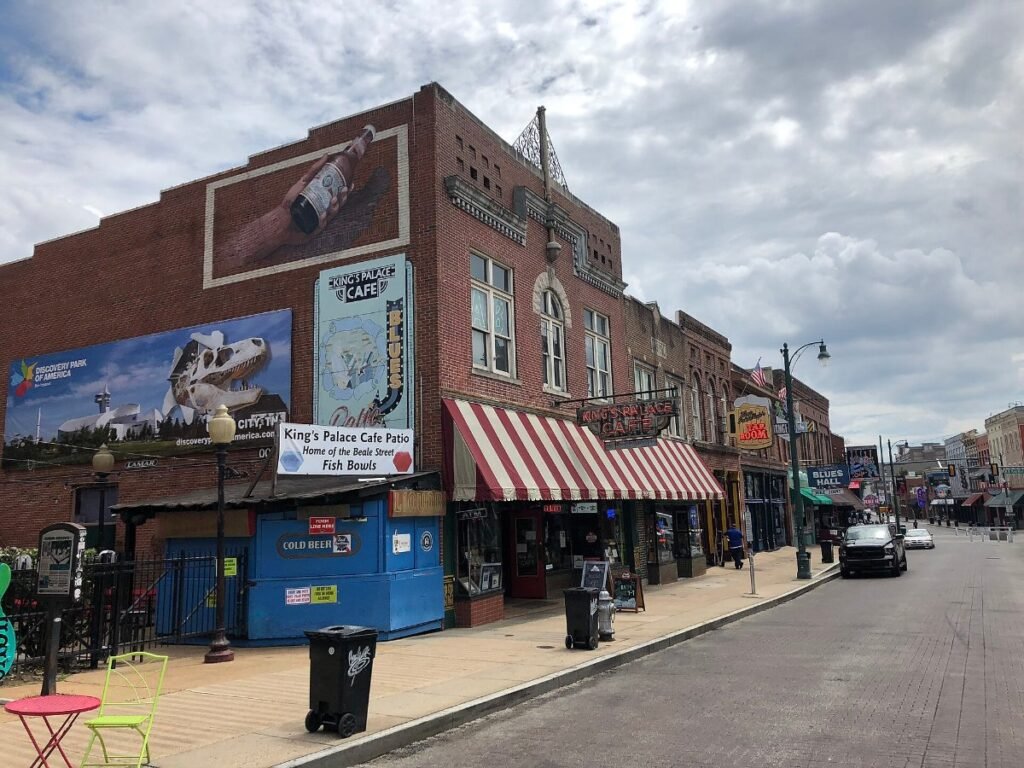
Three blocks of neon, blues bars and open-container drinking. It’s the tourist strip and locals will tell you so.
It’s also fun, the live music is genuinely good, and the musicians are working professionals rather than a covers-band pastiche. Go for an evening, have a drink, listen to a set, don’t expect authenticity.
Better music, if you want it: the Green Room at Crosstown, Lafayette’s Music Room in Overton Square, or Wild Bill’s, an old-school juke joint if you want the real thing.
Barbecue is a serious matter here
Memphis barbecue means pork — ribs and pulled shoulder — and the local argument is dry rub versus wet sauce.
Dry ribs are rubbed with spice and served without sauce. Rendezvous downtown is the famous one and it’s in an alley basement.
Wet ribs come mopped with sauce. Central BBQ is the local consensus pick and has several locations.
Also: the barbecue spaghetti, which is exactly what it sounds like and is better than it sounds, and the fried bologna sandwich.
Memphis in May hosts the World Championship Barbecue Cooking Contest, which is the largest pork barbecue competition on earth.
One local etiquette note: don’t ask which barbecue place is objectively best. You will get a real answer, at length, and it will contradict the last real answer you got. Rendezvous and Central are the safe recommendations for visitors, but half the good stuff comes out of unglamorous places in strip malls that nobody puts on a list. If someone offers to take you to theirs, go.
The other things worth your time
The Peabody ducks — five mallards live on the hotel roof and march down in the lift to the lobby fountain at 11am and back up at 5pm, on a red carpet, to Sousa. It’s been happening since the 1930s. Free to watch, arrive 30 minutes early.
Overton Park and the Brooks Museum — a proper old-growth forest inside the city.
Crosstown Concourse — a vast 1927 Sears distribution building converted into flats, restaurants, a school and a gallery. One of the better adaptive reuse projects in America.
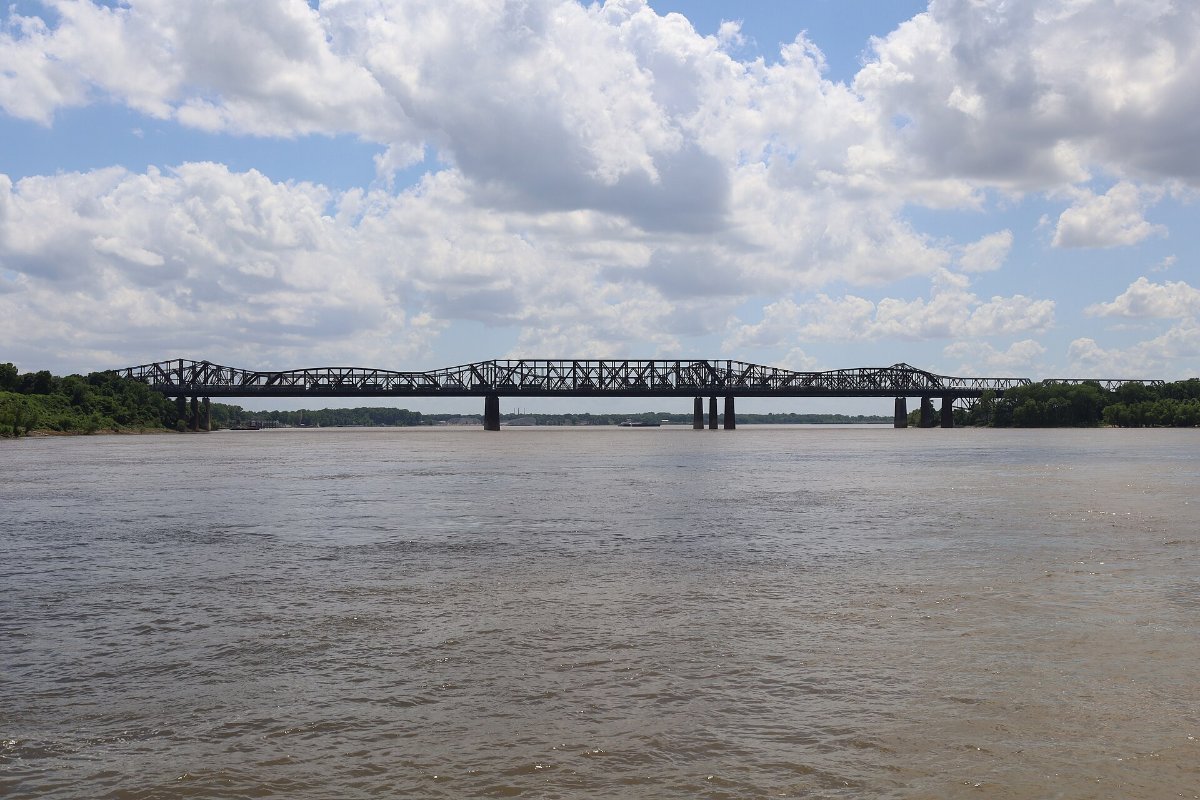
Mud Island and the riverfront for the Mississippi itself.
Practical bits
Two to three days covers Memphis well.
You’ll want a car. The sights are spread out and public transport is limited, though downtown has a vintage trolley line.
Memphis has real crime issues and the statistics are poor. In practice: downtown, Midtown, Overton Square, Cooper-Young and Crosstown are fine with ordinary city sense. Don’t wander residential areas at night, use rideshare after dark, and ask your hotel about specific neighbourhoods.
Best time: April, May, September and October. Summers are hot and very humid.
Memphis pairs naturally with Nashville (3 hours), or with a drive down Highway 61 into the Mississippi Delta, which is where the blues actually started — Clarksdale is 90 minutes south.
FAQ
Memphis or Nashville? Nashville for nightlife and country. Memphis for music history, barbecue and civil rights. Memphis is cheaper and less polished.
How many days? Two full days minimum. Three if you’re doing Graceland properly.
Is Graceland worth $50? If Elvis means something to you, yes. If not, no.
Is it walkable? Downtown is. Everything else needs wheels.
Best single day? Civil Rights Museum in the morning, Sun Studio after lunch, ribs, then Beale Street.
When’s the cheapest time? January and February. Cold, quiet, and hotel rates drop sharply.