How to Explore San Francisco Without a Car
Here’s my honest advice for San Francisco: don’t rent a car. The hills are steep, parking is scarce and expensive, and car break-ins are a well-known problem. You’ll spend more time hunting for a space than enjoying the city.
In this guide
- Walk more than you think you will
- Ride a cable car (at least once)
- Take the F streetcar along the waterfront
- Use BART for the airport and the East Bay
- Let Muni buses fill the gaps
- Hop on a ferry
- Rent a bike for the park and the bridge
- When a car actually makes sense
- Where to stay without a car
- A sample car-free day
- Common questions
The good news is that San Francisco is small, about seven miles across, and it’s one of the easiest US cities to explore without driving. Here’s how to get around using cable cars, streetcars, trains, ferries and your own two feet.
Walk more than you think you will
The best way to see San Francisco is on foot. Many neighborhoods sit right next to each other, so you can walk from Union Square through Chinatown and into North Beach in about 30 minutes.
The catch is the hills. A route that looks short on a map can include a climb that leaves you gasping. Use a walking app with elevation, and if a street looks like a wall, find the next block over. Comfortable shoes are non-negotiable.
Ride a cable car (at least once)
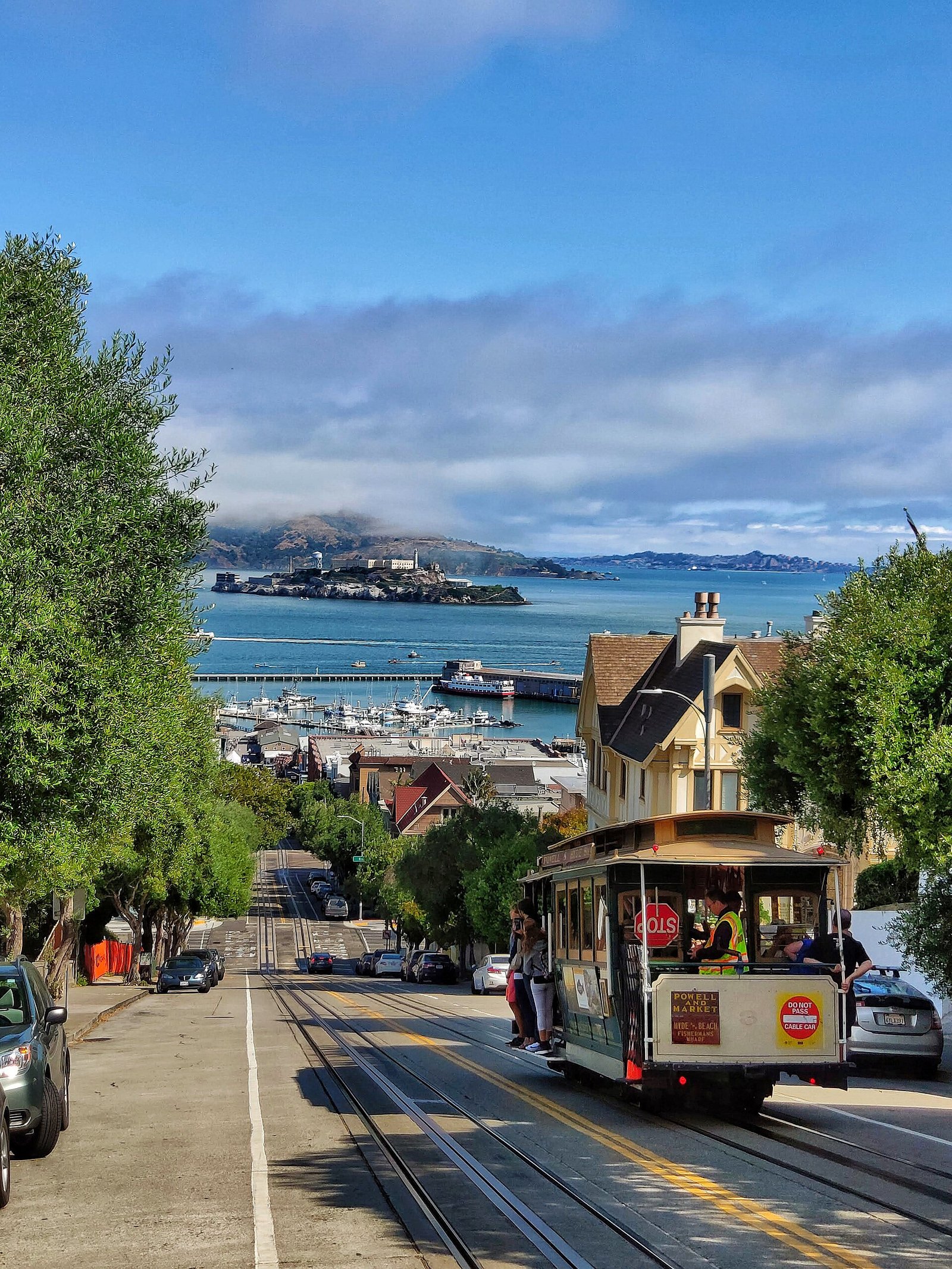
The cable cars are the most famous ride in the city and a working part of the transit system. There are three lines. The Powell-Hyde line is the most scenic, with views of Alcatraz as you drop down toward Fisherman’s Wharf.
They’re fun, but they’re slow and pricier than a bus. Ride once for the experience. Tip: the line at the Powell Street turnaround can be an hour long. Walk a few stops up the route and hop on there instead.
Take the F streetcar along the waterfront
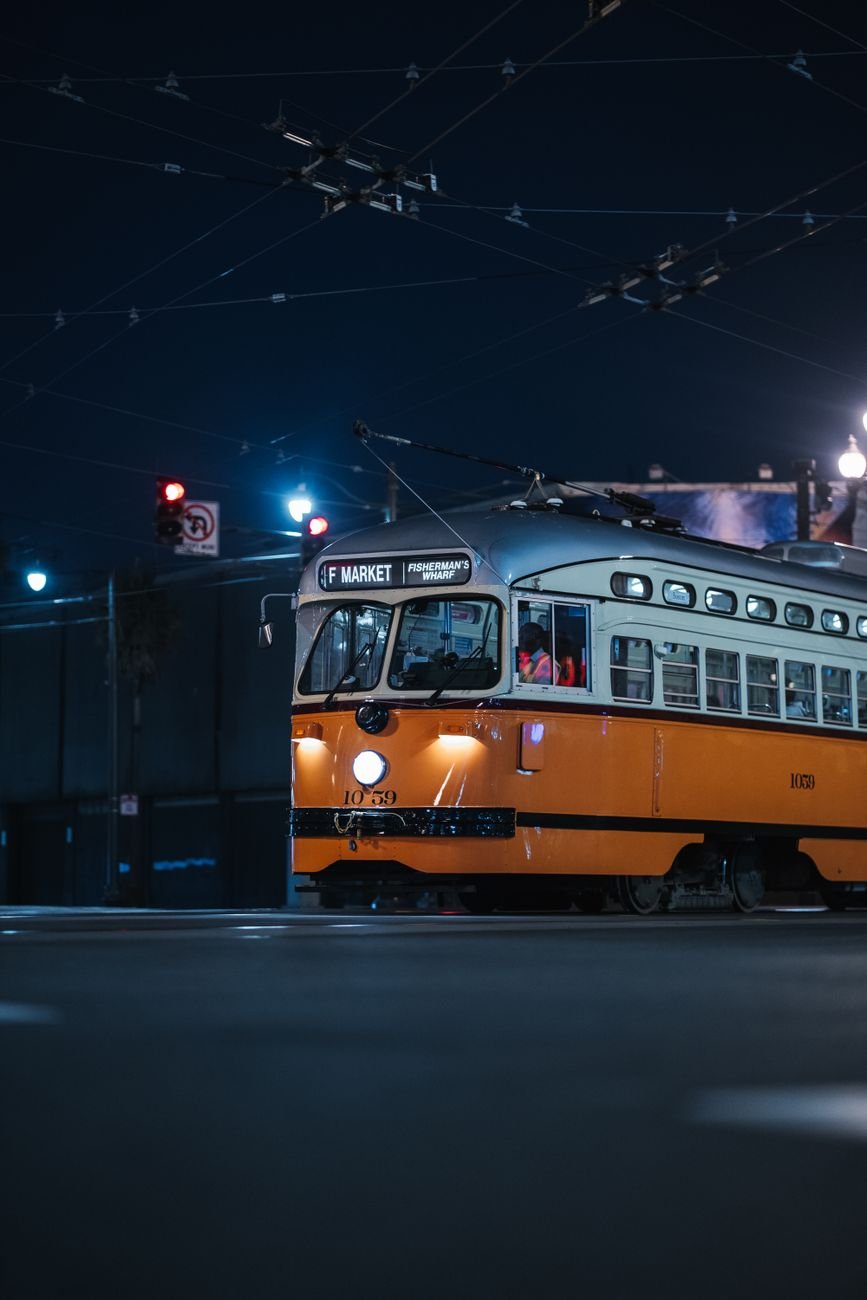
The F line runs vintage streetcars from around the world along Market Street and the Embarcadero to Fisherman’s Wharf. They’re colorful, cheap and a great way to cover the waterfront.
It’s the easiest way to link the Castro, downtown, the Ferry Building and the wharf. It costs the same as a regular bus, and it’s a lot more charming.
Use BART for the airport and the East Bay
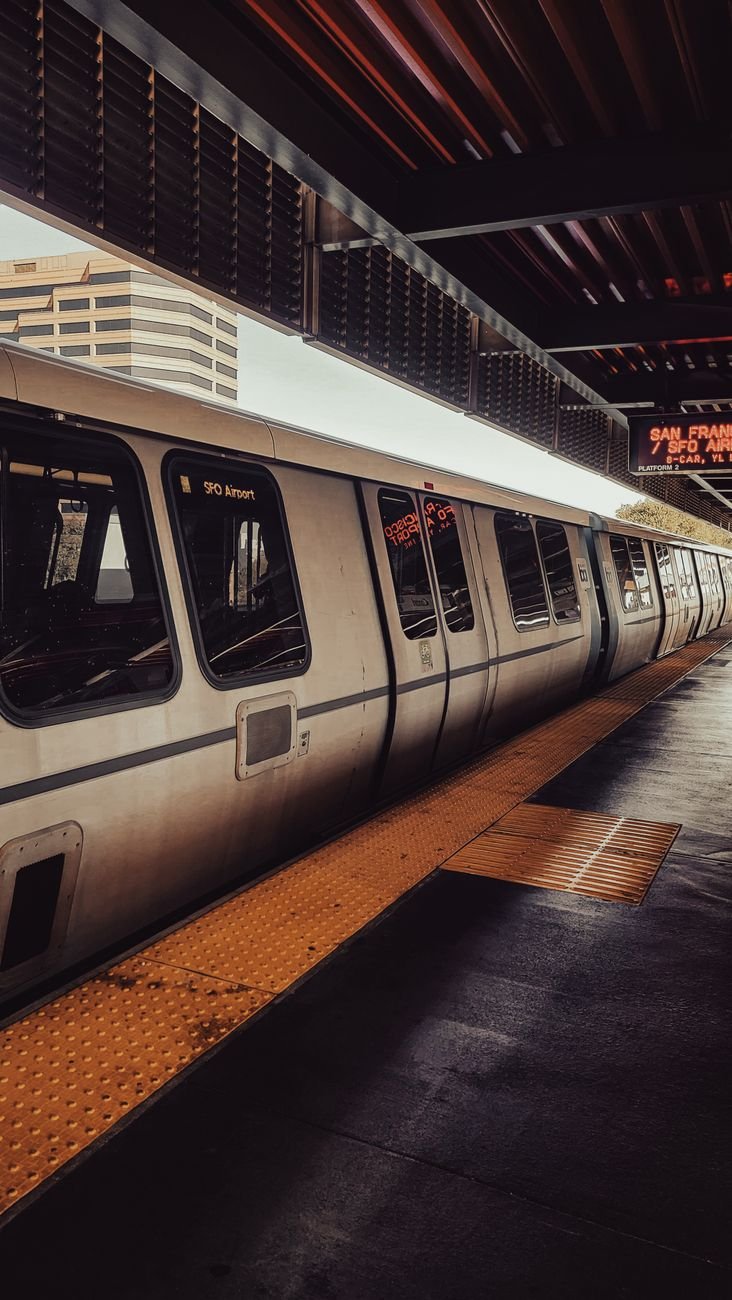
BART is the regional train. It runs from San Francisco International Airport straight into downtown in about 30 minutes, which is cheaper and often quicker than a taxi.
Inside the city, it runs mainly under Market Street and through the Mission, so it’s useful for some trips and not others. It’s also how you get to Oakland and Berkeley if you want a day across the bay.
Let Muni buses fill the gaps
Muni runs buses and light rail all over the city, and it covers the places the trains don’t, like Golden Gate Park, the Presidio and the Richmond. Google Maps and the Muni app show real-time arrivals.
Pay by tapping a contactless credit card or phone, or load a Clipper card. A day or multi-day Muni Visitor Passport covers buses, streetcars and cable cars, which saves money if you plan to ride a lot.
Hop on a ferry
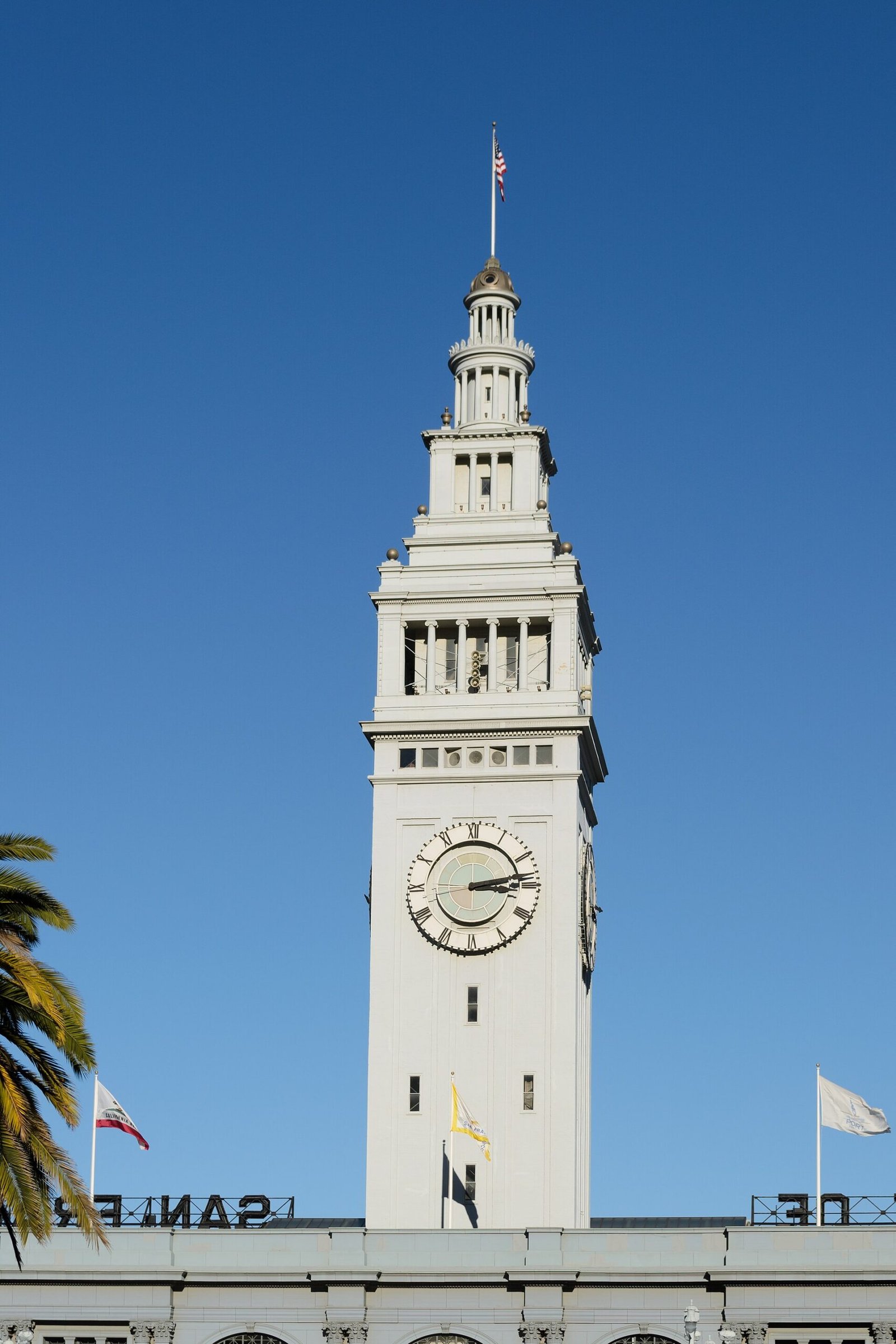
Ferries are the most scenic way to travel in the Bay Area. Most leave from the Ferry Building, which is a destination in itself, with a food hall and a farmers market three days a week.
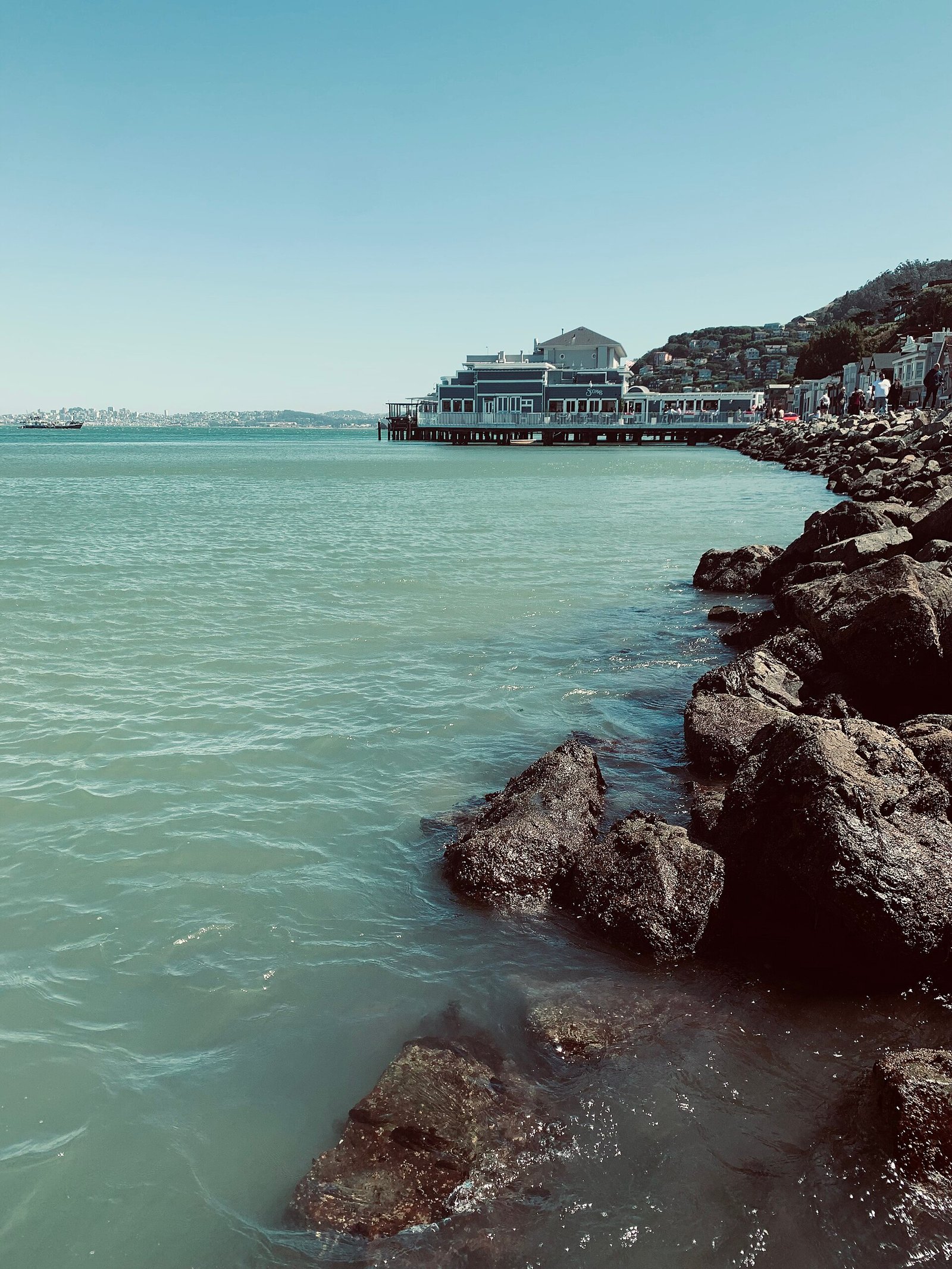
Take the ferry to Sausalito or Tiburon for a half-day trip with great views back to the city. If you’re visiting Alcatraz, the only way there is the official ferry from Pier 33. Book it a few weeks ahead, because it sells out.
▶ Watch This Before You Go
Rent a bike for the park and the bridge
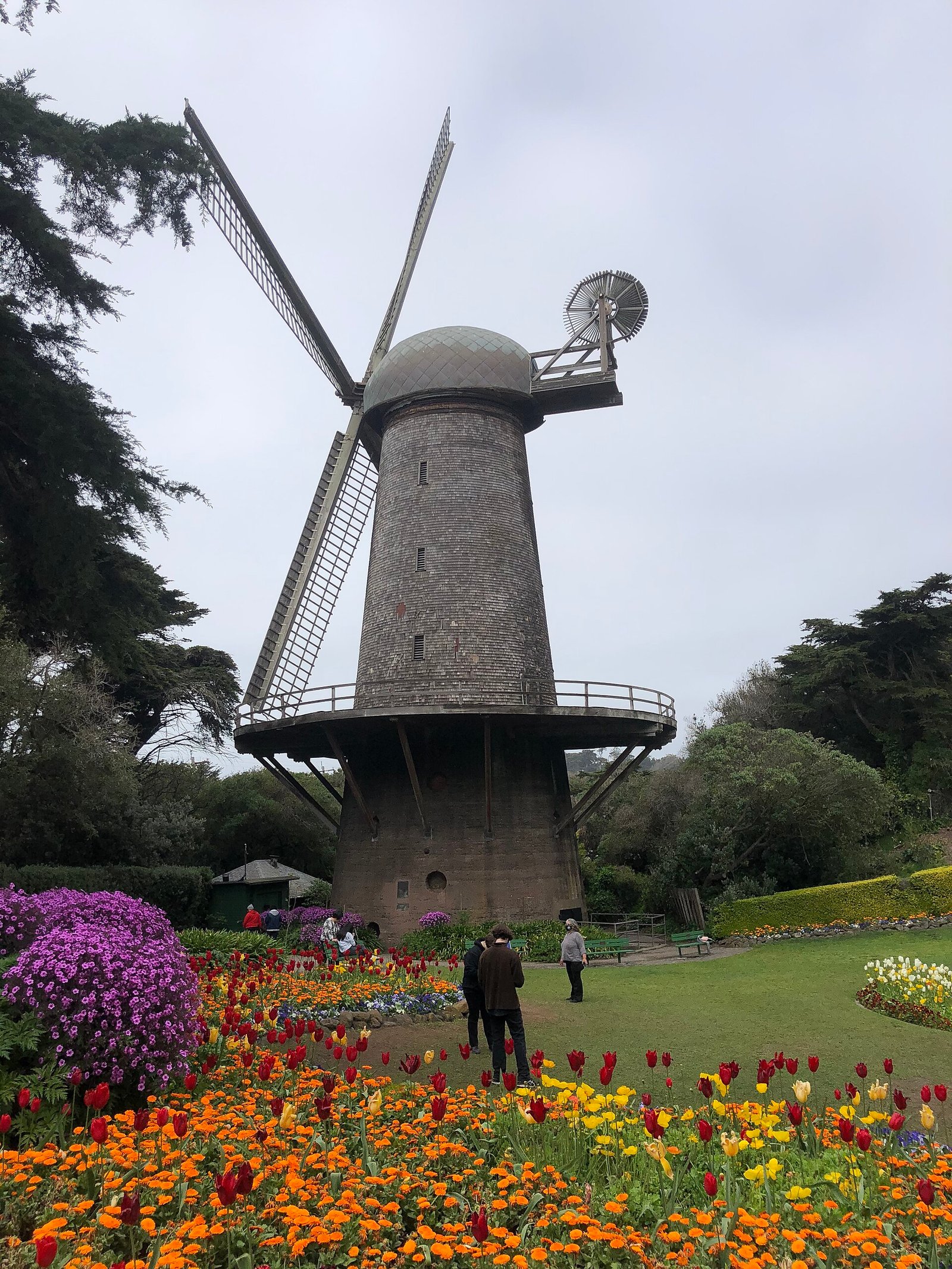
Biking is a great way to cover big, flat-ish areas. Rent a bike, or use the Bay Wheels bike share, and ride through Golden Gate Park to Ocean Beach. Parts of the park’s main road are closed to cars, which makes it relaxed and fun.
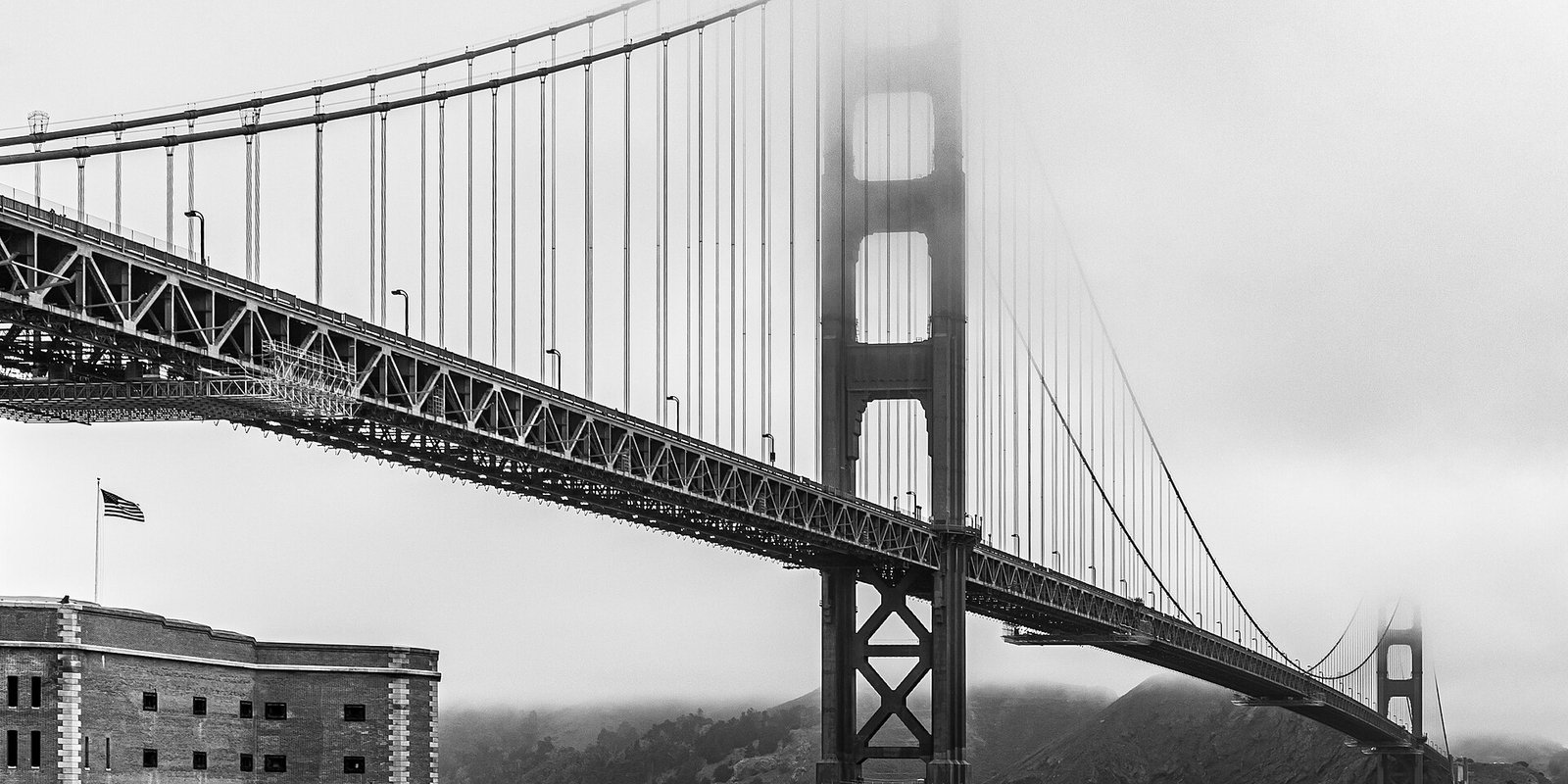
The classic ride is across the Golden Gate Bridge to Sausalito, about eight miles from Fisherman’s Wharf, then the ferry back. The bridge is windy and busy, and the climb to it is the hardest bit, so an e-bike makes life much easier.
When a car actually makes sense
You only really need a car for trips outside the city, like Muir Woods, Napa or Big Sur. Even then, there are tours and shuttles for most of them. If you do rent one, pick it up on the day you leave the city, and never leave anything visible inside.
Where to stay without a car
Stay near Union Square, the Embarcadero or in North Beach. All three are close to the cable cars, Muni and BART. Fisherman’s Wharf is convenient for sights but feels touristy at night. Avoid hotels in the outer neighborhoods unless you’re happy with long bus rides.
A sample car-free day
Here’s how a full day might look. Start with breakfast at the Ferry Building and browse the food stalls. Hop on the F streetcar to Fisherman’s Wharf, see the sea lions at Pier 39, then walk up through North Beach for coffee and a slice of focaccia.
From North Beach, climb to Coit Tower for the view, then walk down through Chinatown, the oldest in North America. In the afternoon, catch a Muni bus to Golden Gate Park and spend a couple of hours there, or rent a bike and roll all the way to Ocean Beach. Take the bus back for dinner in the Mission, which has some of the best burritos in the country.
That’s a lot of ground, and you won’t have looked for a parking space once. It’s also easy to swap pieces in or out depending on your energy and the weather, which in San Francisco changes fast. Bring layers. Summer fog is real.
Common questions
Can you visit San Francisco without a car?
Yes, easily. The city is compact and has cable cars, streetcars, buses, BART and ferries.
How do I pay for public transit in San Francisco?
Tap a contactless card or phone, use a Clipper card or buy a Muni Visitor Passport.
Are cable cars worth it?
Ride one once for the experience. For everyday travel, buses are faster and cheaper.
How do I get from SFO to downtown?
Take BART. It’s about 30 minutes to the Powell Street station.
Can you walk across the Golden Gate Bridge?
Yes. The east sidewalk is open to pedestrians during the day.