7 Cool Neighborhoods to Explore in Chicago
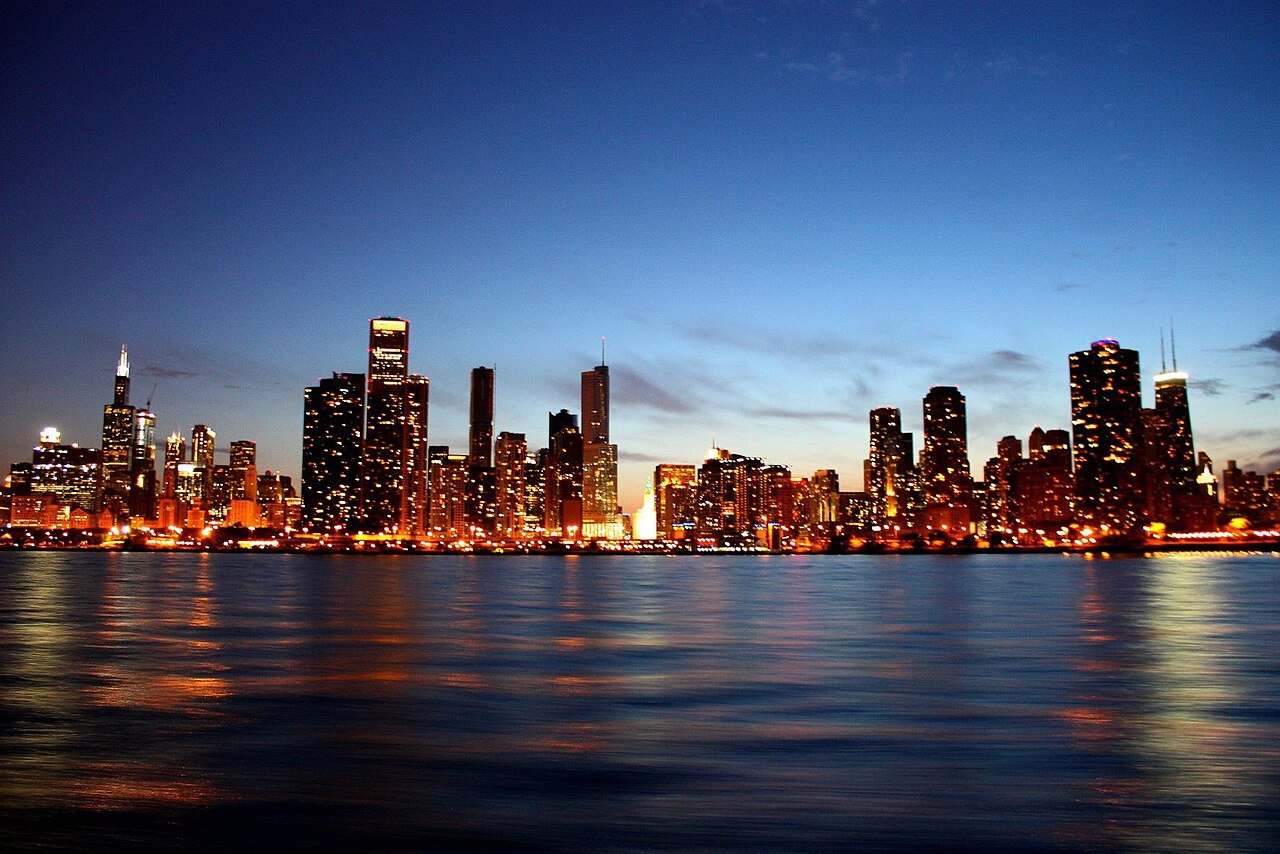
Most visitors to Chicago never leave the Loop and the Magnificent Mile. That’s a shame, because the real city is out in its neighborhoods. Chicago has 77 official community areas, and each one has its own food, its own bars and its own very strong opinions.
In this guide
The ‘L’ train makes it easy to hop between them. Here are seven cool neighborhoods to explore in Chicago, with the train stop for each one.
1. Wicker Park
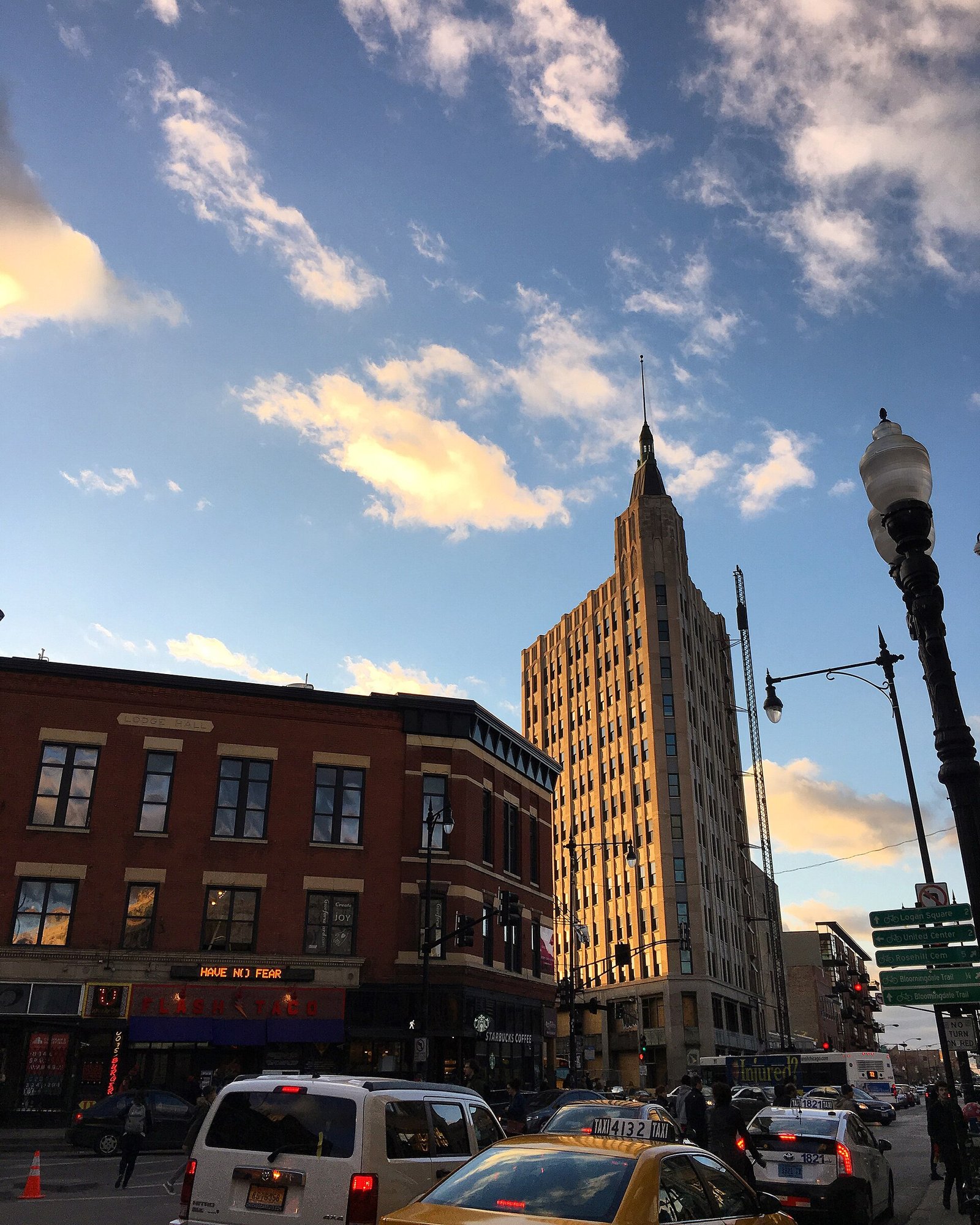
Wicker Park is the place to start. It centers on a busy six-way intersection where Milwaukee, North and Damen avenues meet, and the streets around it are packed with vintage shops, record stores, bars and cafes.
Walk up to the 606, an elevated rail line turned into a 2.7-mile trail, a bit like New York’s High Line but more local. It runs through Wicker Park and Bucktown and is great for a walk or a bike ride. Take the Blue Line to Damen.
2. Logan Square
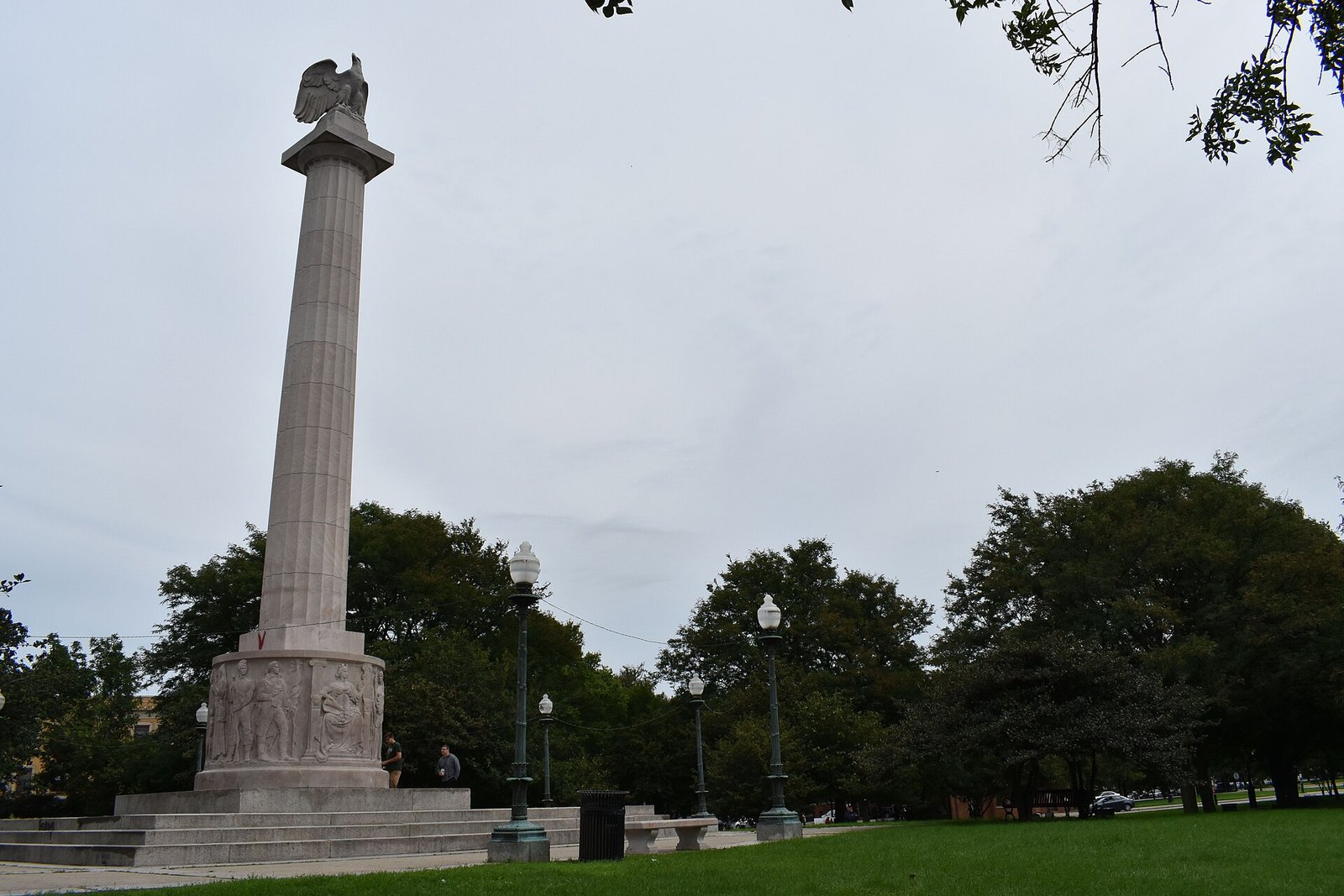
A few stops further up the Blue Line, Logan Square is where much of Chicago’s best food and drink is now. Its wide boulevards are lined with grand old greystones, and the tall Illinois Centennial Monument stands in the middle of the square.
It’s a great neighborhood for dinner and drinks, with creative cocktail bars and restaurants that don’t take themselves too seriously. On Sundays there’s a big farmers market, which moves indoors in winter.
3. Pilsen
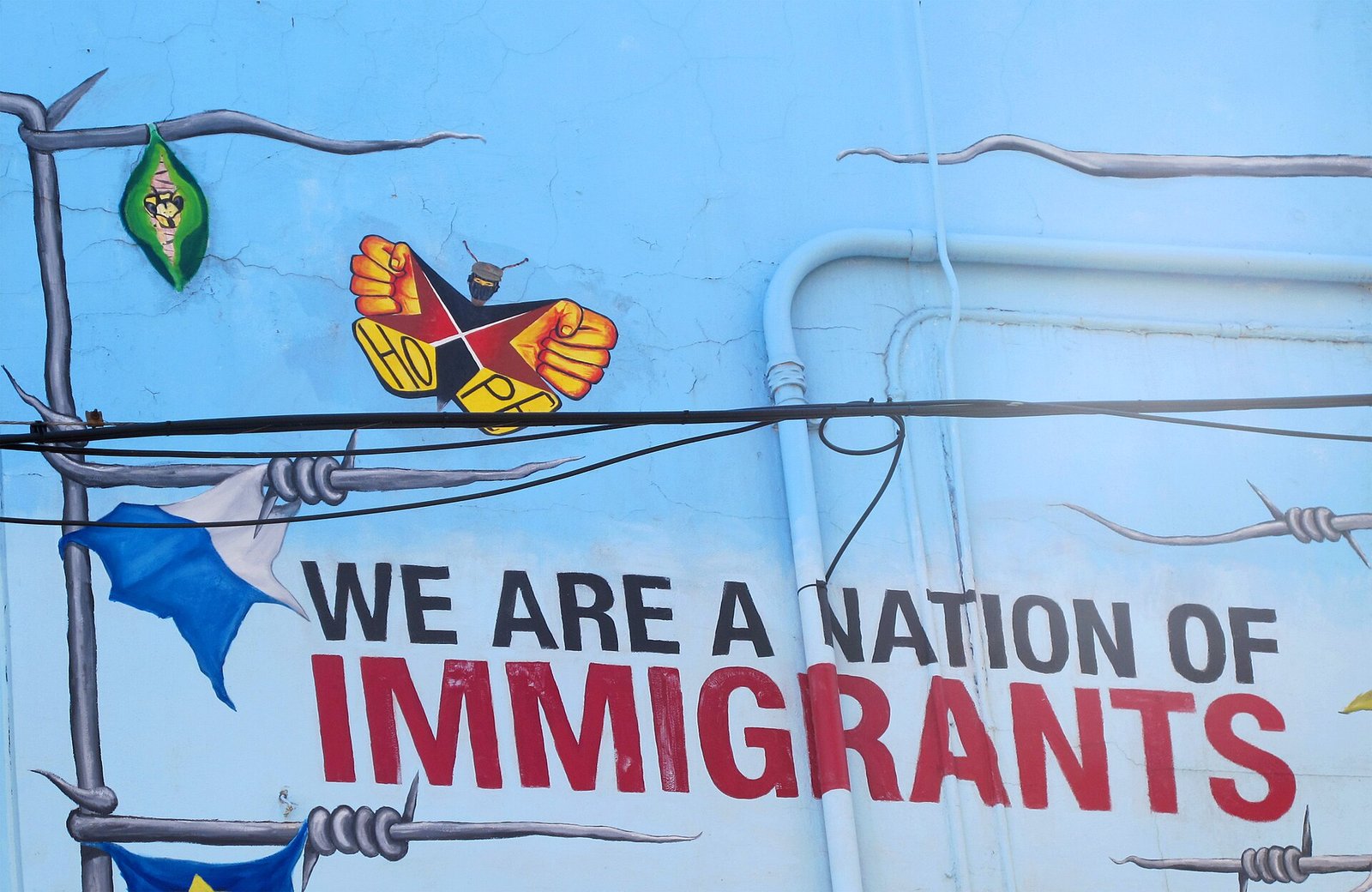
Pilsen is the heart of Chicago’s Mexican American community, and it’s one of the most vibrant neighborhoods in the city. Huge, colorful murals cover the walls along 16th and 18th streets, and wandering to find them is half the fun.
Visit the National Museum of Mexican Art, which is free and excellent, especially in the weeks around Día de los Muertos in fall. Then eat. The taquerias and panaderías here are some of the best in Chicago. Take the Pink Line to 18th, and look at the murals inside that station too.
4. Lincoln Park
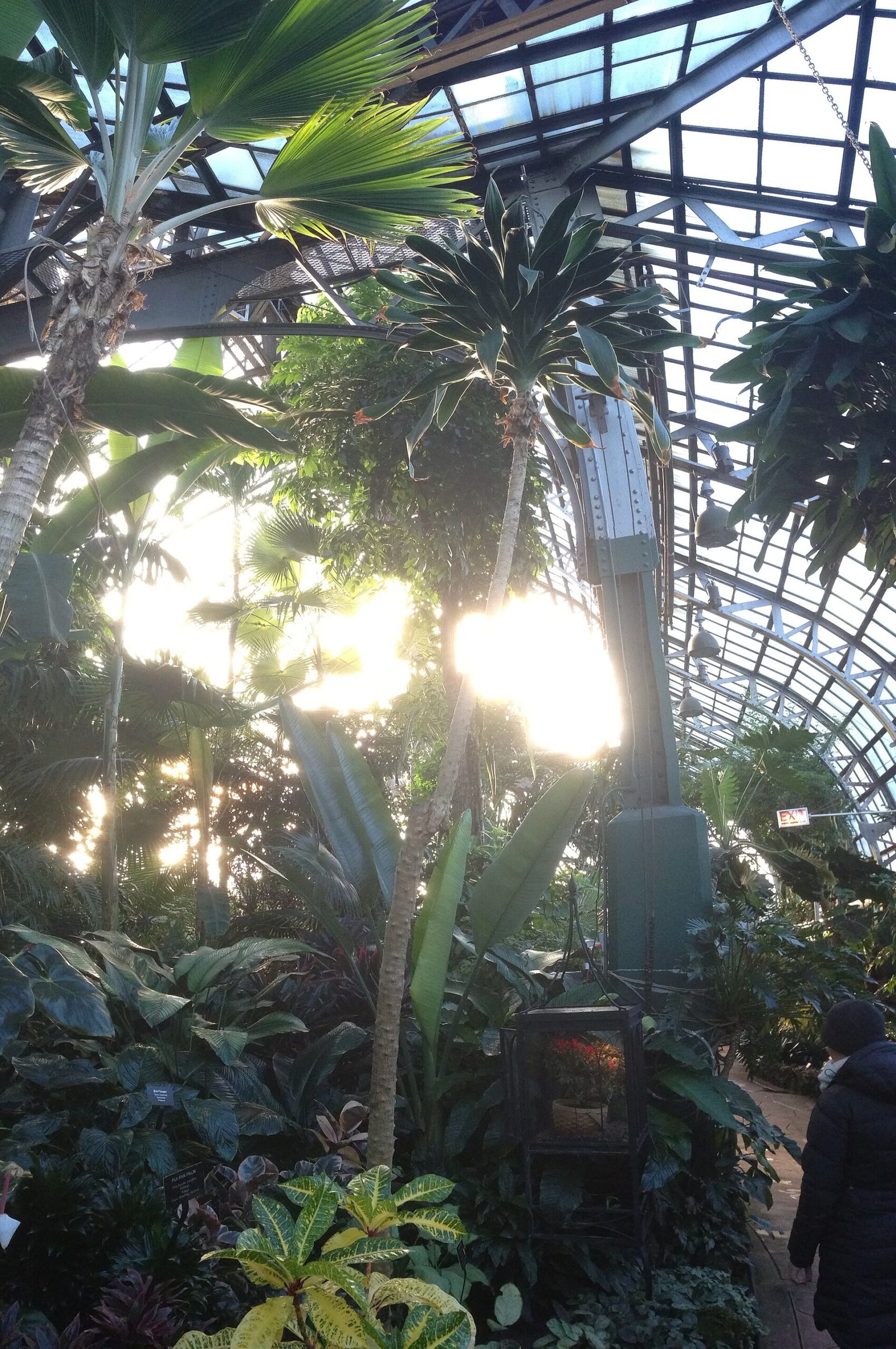
Lincoln Park is named after the huge lakefront park on its eastern edge, and that park is the main reason to come. The Lincoln Park Zoo is one of the oldest in the country, and it’s free. So is the Lincoln Park Conservatory next door, a Victorian glass house full of palms, ferns and orchids.
From the South Pond boardwalk, you get a great view of the skyline over the water. The neighborhood itself is leafy and upscale, with old brick homes and a lot of bars around DePaul University. It’s a lovely half day, and the conservatory is a warm escape in winter.
▶ Watch This Before You Go
5. Hyde Park
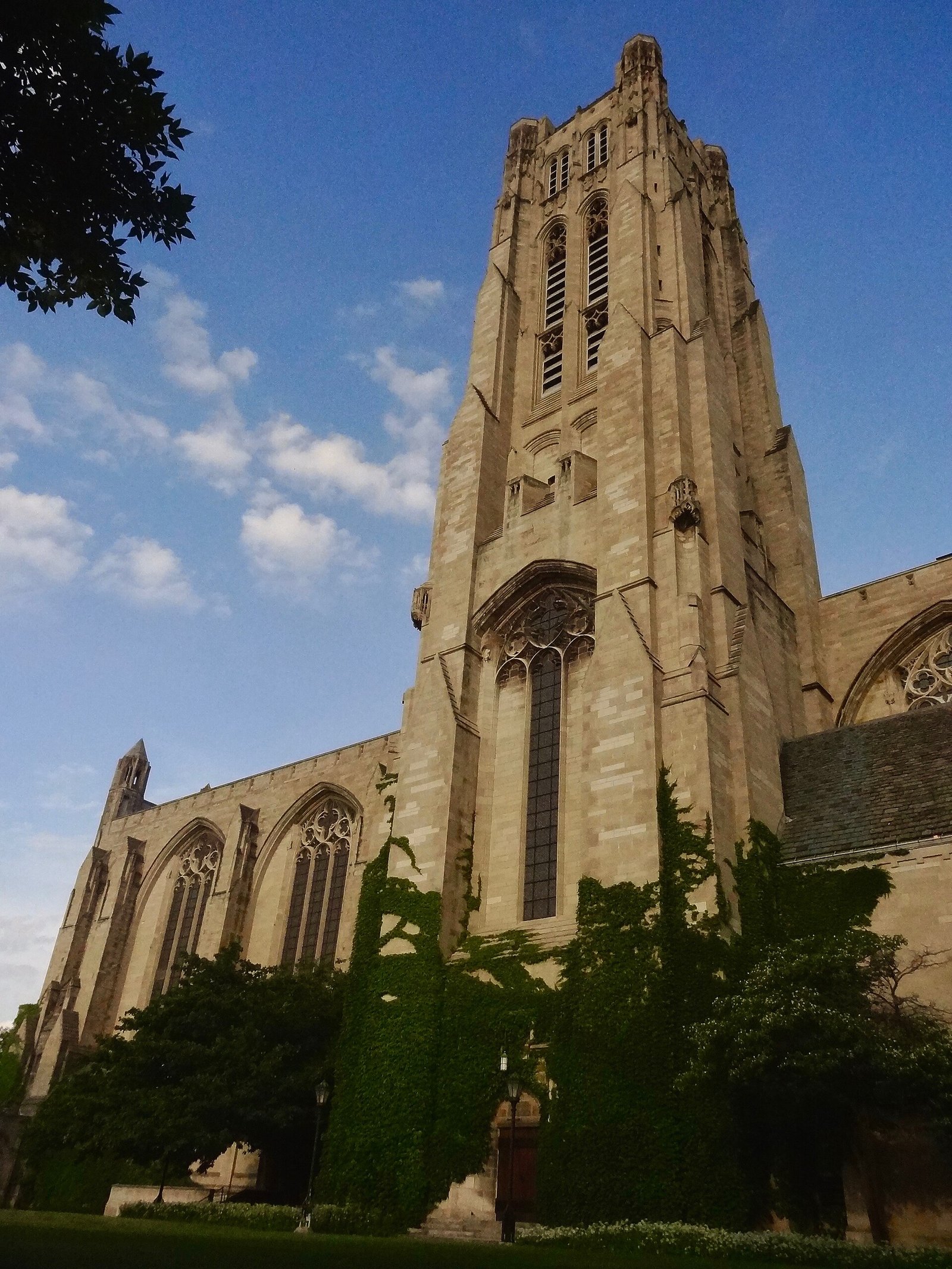
Hyde Park, on the South Side, is home to the University of Chicago and its Gothic campus, which looks like a slice of Oxford dropped onto Lake Michigan. It’s also where the Obama family lived before the White House.
Architecture fans should tour Frank Lloyd Wright’s Robie House, a masterpiece of his Prairie style. Then visit the Museum of Science and Industry, one of the biggest science museums in the world. Hyde Park is a quick ride on the Metra Electric line from downtown.
6. Andersonville
Andersonville is a small, friendly neighborhood on the North Side that was settled by Swedish immigrants. You’ll still see the Swedish flag painted on an old water tower, and the Swedish American Museum is right on the main street.
Today it’s known for independent shops, cozy cafes and a large LGBTQ+ community. Clark Street is perfect for an easy afternoon of browsing and coffee. Honestly, it’s the least flashy neighborhood on this list, and that’s exactly why I like it. Take the Red Line to Berwyn and walk west.
7. Chinatown
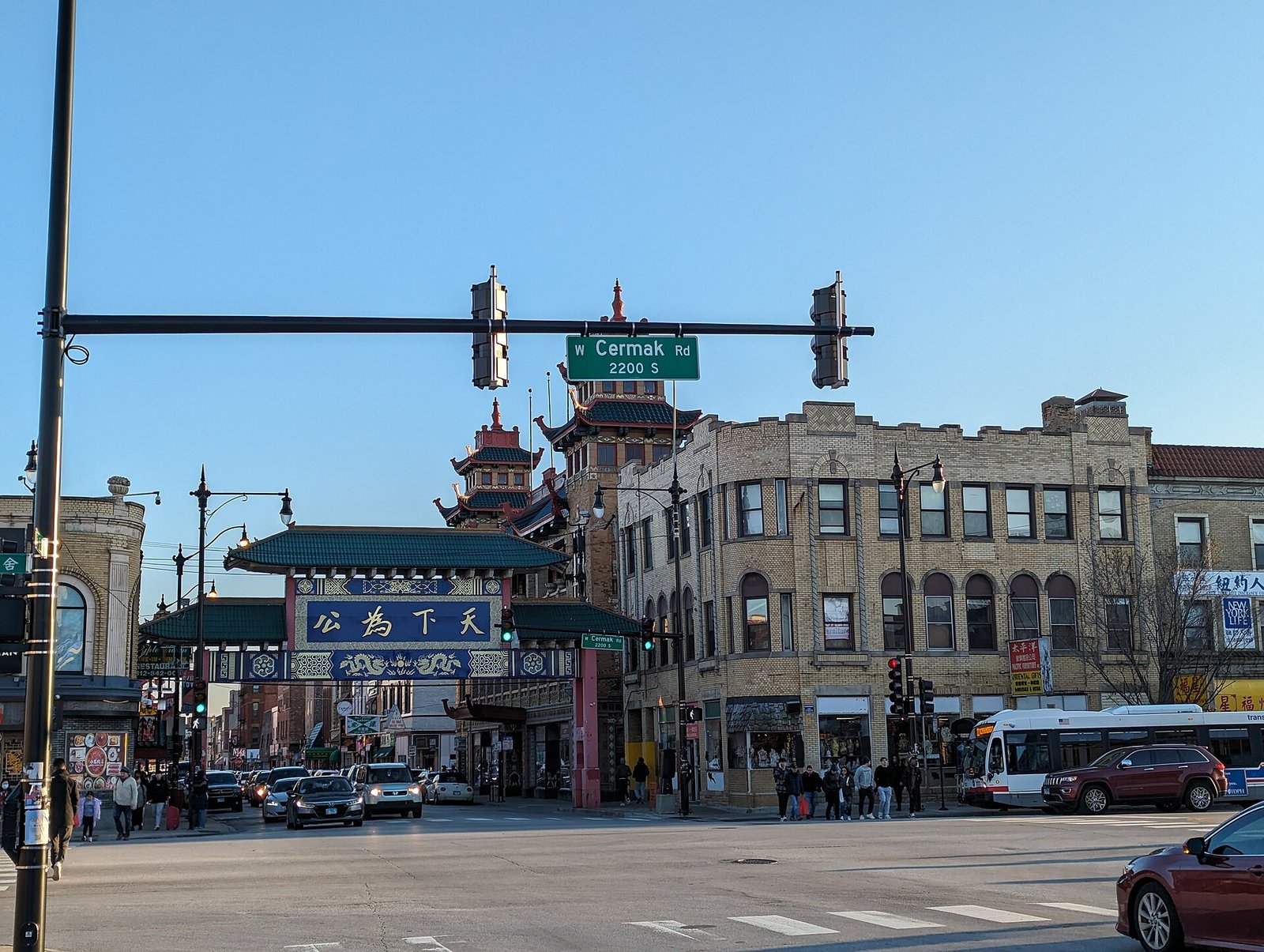
Chicago’s Chinatown is on the South Side, just a few minutes from downtown on the Red Line. You’ll know you’ve arrived when you see the big Chinatown Gate over Wentworth Avenue.
Walk Wentworth for bakeries and dim sum, then visit Chinatown Square, a newer plaza with statues of the Chinese zodiac animals. Ping Tom Memorial Park, by the river, has a pretty pagoda and a water taxi back toward downtown in the warmer months.
How to get around
The ‘L’ train and buses cover all seven neighborhoods except Hyde Park, which is easiest on the Metra. Use a contactless card or phone to tap in on the ‘L’. Most of these areas are best explored on foot once you arrive, so plan on a lot of walking.
When to go
Late spring to early fall is the best time to explore, since Chicago neighborhoods come alive with street festivals and patios. October is also great, with fall color in the parks and Día de los Muertos events in Pilsen. Winter is cold, so plan more indoor stops.
How to plan a neighborhood day
You can’t do all seven in one go, and you shouldn’t try. Group them by train line instead. Wicker Park and Logan Square sit on the same Blue Line route, so they make a perfect afternoon and evening together. Lincoln Park and Andersonville are both on the North Side and pair well, with the zoo in the morning and coffee in Andersonville later.
Pilsen and Chinatown are close to each other on the South Side, so you could do lunch in one and dinner in the other. Hyde Park takes more time, so give it a half day of its own.
Start in the late morning, since a lot of shops and cafes in these neighborhoods don’t open early. Then stay for dinner. Chicago’s neighborhoods are at their best in the evening, when the bars fill up and the patios come alive. If you only have time for one, make it Wicker Park. It’s the easiest introduction to life beyond the Loop.
Common questions
What’s the coolest neighborhood in Chicago?
Wicker Park and Logan Square are the most popular with visitors who want food, bars and shops.
Is the Lincoln Park Zoo free?
Yes, every day of the year, and so is the conservatory next door.
Is Pilsen safe to visit?
Yes. The main streets are busy and welcoming. Use normal city sense at night.
How do I get to Hyde Park from downtown?
Take the Metra Electric line. It takes about 15 minutes.
Can you explore Chicago neighborhoods without a car?
Yes. The ‘L’, buses and Metra reach all of them.