Is Rome Overrated? What’s Worth It and What to Skip
Rome’s reputation as one of Europe’s must-visit cities draws millions of tourists annually, but the sheer volume of visitors raises genuine questions about whether specific attractions actually justify their fame. Separating what’s genuinely worth the hype from what merely coasts on reputation helps you plan a considerably more satisfying trip.
In this guide
- The Colosseum: Genuinely Worth the Hype
- The Trevi Fountain: Overrated for the Crowds It Draws
- The Vatican Museums and Sistine Chapel: Worth the Effort
- The Spanish Steps: Genuinely Overrated
- The Roman Forum: Underrated Relative to the Colosseum
- The Pantheon: Consistently Underrated
- Piazza Navona: Pleasant But Overhyped
- Trastevere: Genuinely Worth Prioritizing
- The Mouth of Truth: Skip This One
- What to Eat Without Overpaying for Tourist Prices
- Where to Stay for an Efficient Rome Visit
- Best Time of Year to Visit Rome
- What This Trip Actually Costs
Here’s an honest look at what’s genuinely worth it in Rome and what you can reasonably skip.
None of this means Rome overall is overrated. Just that some specific stops deliver more than others relative to their reputation.
The Colosseum: Genuinely Worth the Hype
The Colosseum’s reputation as Rome’s must-see attraction holds up remarkably well in person, delivering a genuinely visceral historical experience that photos simply don’t capture. Booking the underground and arena floor access specifically, rather than the standard ticket, reveals additional sections that meaningfully deepen the experience.
Is the Colosseum worth the crowds and cost? Genuinely, yes, since few historical sites anywhere deliver this combination of scale, preservation, and genuine emotional impact.
The Trevi Fountain: Overrated for the Crowds It Draws
The Trevi Fountain, while genuinely beautiful, draws such overwhelming crowds during peak hours that the actual viewing experience often disappoints relative to the fountain’s massive reputation. Visiting very early morning or late at night, when crowds thin considerably, dramatically improves this specific experience.
A few practical things worth knowing about visiting the Trevi Fountain:
- Daytime visits during peak season deliver crowds so dense that genuinely appreciating the fountain becomes difficult
- Early morning visits, before 8am, offer a completely different, much more peaceful experience
- The coin-throwing tradition remains fun despite its touristy reputation, worth doing regardless of timing
- Nearby gelato shops charge notably inflated prices specifically due to the fountain’s proximity
- A quick ten-minute visit genuinely suffices, since there’s limited additional value in lingering longer
The Vatican Museums and Sistine Chapel: Worth the Effort
The Vatican Museums, despite requiring genuine advance planning and tolerance for crowds, deliver an artistic and historical experience that fully justifies the reputation and effort involved. The Sistine Chapel specifically, even amid crowds, provides a genuinely moving experience that lives up to its legendary status.
IMO the Vatican Museums represent one of the rare attractions where the overwhelming hype actually undersells the real experience rather than overselling it. 😅
The Spanish Steps: Genuinely Overrated
The Spanish Steps, essentially a staircase with a plaza at the bottom, draws surprising crowds for what amounts to a fairly unremarkable urban feature compared to Rome’s genuinely spectacular sites. Nearby Villa Borghese park, requiring only a short additional walk, delivers considerably more genuine value than lingering at the steps themselves.
Is the Spanish Steps worth visiting at all? A brief five-minute stop works fine, but this attraction doesn’t justify extensive time or a dedicated detour.

The Roman Forum: Underrated Relative to the Colosseum
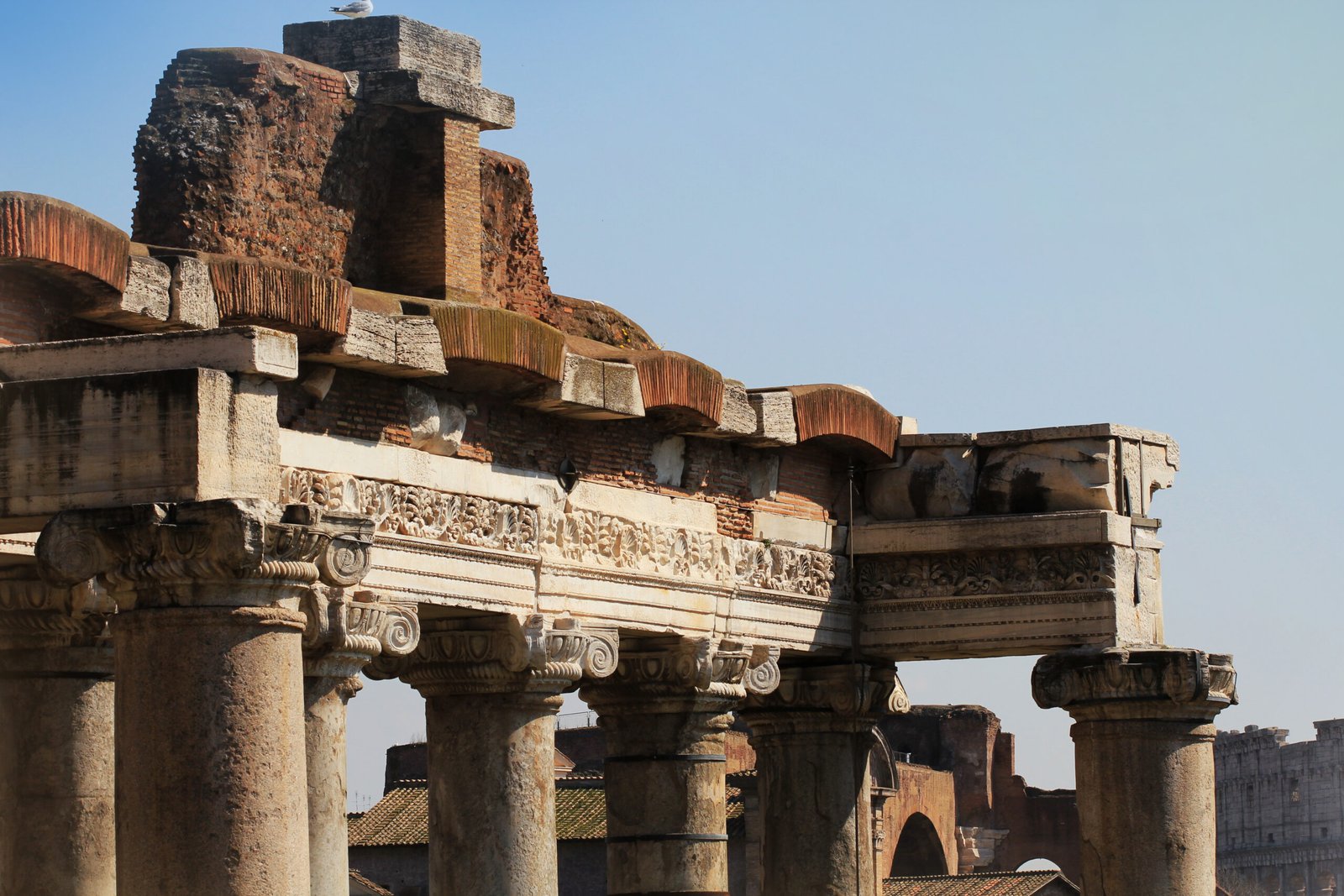
The Roman Forum, often treated as a secondary stop to the adjacent Colosseum, actually delivers comparable historical significance with notably fewer crowds and more space to genuinely explore. Combining forum and Colosseum tickets, which most visitors already do, ensures you don’t accidentally skip this genuinely underrated site.
Real talk, many visitors rush through the Forum specifically to reach the Colosseum, missing genuinely fascinating ruins that deserve more dedicated time.
The Pantheon: Consistently Underrated
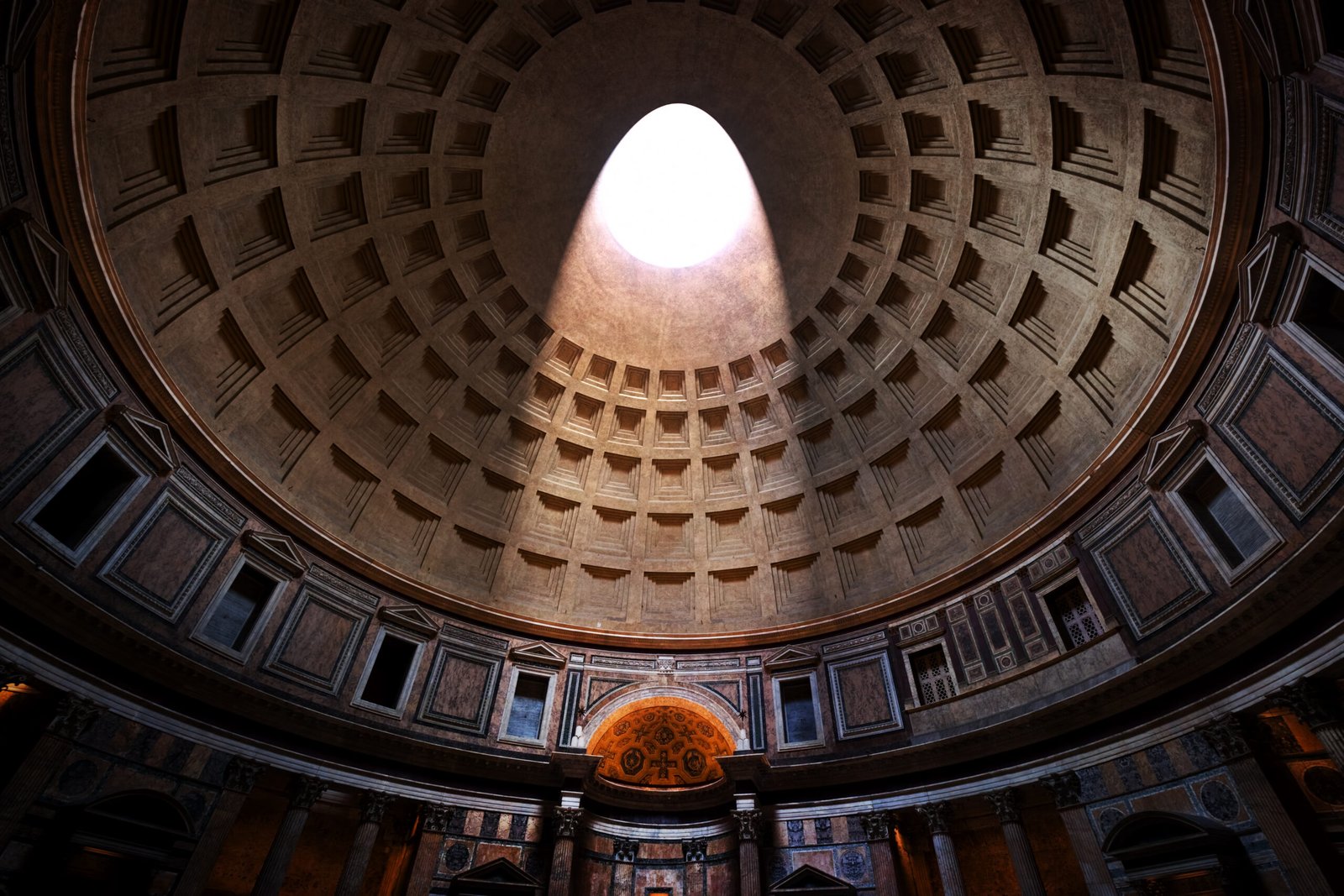
The Pantheon, despite being free to enter and remarkably well-preserved, receives considerably less attention than it deserves relative to Rome’s more famous paid attractions. The building’s massive dome and oculus, engineering marvels even by modern standards, reward visitors who take time to genuinely appreciate the architecture.
Is the Pantheon worth prioritizing over more famous paid attractions? Genuinely, yes, since this free site delivers architectural and historical value that rivals attractions charging significant admission fees.
Piazza Navona: Pleasant But Overhyped
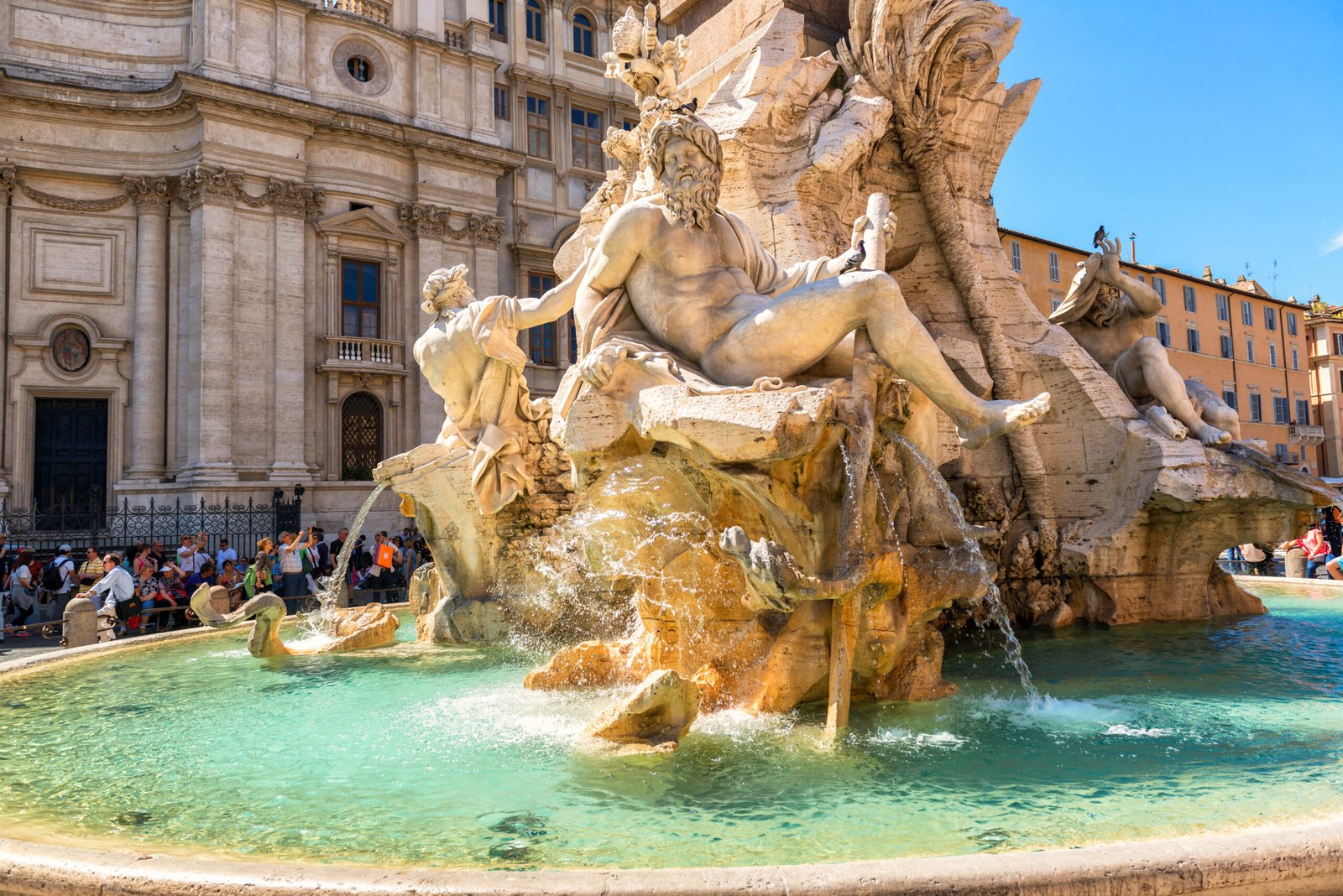
Piazza Navona, while genuinely pleasant for a stroll, doesn’t deliver experiences meaningfully different from Rome’s many other attractive piazzas despite receiving outsized attention in guidebooks. Combining a Piazza Navona visit with nearby streets and the Pantheon, rather than treating it as a dedicated destination, makes more efficient use of your time.
This piazza works well as a pleasant stop along a broader walking route rather than a specific attraction worth significant dedicated time.
Trastevere: Genuinely Worth Prioritizing
Trastevere’s charming streets, excellent food, and genuinely authentic atmosphere consistently deliver experiences that match or exceed the neighborhood’s already strong reputation among informed travelers. Evening visits specifically, when the neighborhood’s dinner and nightlife scene comes alive, showcase Trastevere at its genuine best.
This neighborhood represents one of Rome’s most reliably worthwhile stops, rewarding visitors regardless of specific itinerary priorities or interests.
The Mouth of Truth: Skip This One
The Mouth of Truth, a carved stone face near the Circus Maximus, draws disproportionate tourist attention for what amounts to a brief, fairly underwhelming photo opportunity. Skipping this specific stop entirely, unless it’s genuinely convenient along an existing route, frees up time for more rewarding Rome experiences.
There’s genuinely little reason to prioritize this attraction, since the actual experience consistently underwhelms relative to its social media visibility. Most travelers who skip it entirely report no real sense of missing out afterward.
What to Eat Without Overpaying for Tourist Prices
Rome’s food scene splits sharply between overpriced restaurants clustered near major attractions and genuinely excellent trattorias just a few blocks further out. Avoiding menus posted only in multiple languages with photos of the food, a reliable tourist-trap indicator, consistently steers you toward better and cheaper meals.
This awareness applies almost universally across Rome’s most touristed areas, rewarding travelers willing to walk a short distance for meaningfully better food value.
Where to Stay for an Efficient Rome Visit
Choosing accommodation in neighborhoods like Monti or Trastevere, rather than directly adjacent to major tourist attractions, typically delivers better value while remaining genuinely walkable to Rome’s key sites. Staying slightly outside the absolute tourist core often means quieter evenings without meaningfully sacrificing convenience for daytime sightseeing.
This accommodation strategy consistently improves the overall trip experience beyond just the specific attractions you choose to prioritize.
Best Time of Year to Visit Rome
April, May, September, and October deliver Rome’s most comfortable sightseeing conditions, avoiding both summer’s oppressive heat and the largest crowds at major attractions. Winter remains genuinely workable and often delivers noticeably thinner crowds at otherwise packed sites like the Trevi Fountain.
Whatever season you choose, booking major attractions like the Colosseum and Vatican well ahead matters regardless, since both sell out even during comparatively quieter periods.
What This Trip Actually Costs
Budget $120-170 per day for a comfortable mid-range Rome visit, covering accommodation, major attraction tickets, and meals throughout your stay. Skipping genuinely overrated paid attractions, when applicable, can meaningfully reduce this budget without sacrificing the experiences that actually matter.
Prioritizing spending toward the Colosseum and Vatican Museums specifically, while treating lower-value attractions like the Spanish Steps as brief, free stops, stretches this budget considerably further.
Rome genuinely earns its reputation for several specific attractions while other famous stops deliver less than their fame suggests, making an honest, prioritized itinerary considerably more rewarding than trying to see everything. Focus your time on the Colosseum, Vatican, Pantheon, and Trastevere specifically, and you’ll experience the version of Rome that actually justifies its legendary status.