Rome in 3 Days: The Only Itinerary You Need
Rome packs thousands of years of history into a genuinely walkable city center, making a focused three-day visit surprisingly achievable if you prioritize the right stops. Skipping the exhausting attempt to see absolutely everything matters enormously for actually enjoying this legendary city.
In this guide
- Day 1 Morning: Colosseum and Roman Forum
- Day 1 Afternoon: Trastevere and Dinner
- Day 1 Evening: Trevi Fountain and Pantheon
- Day 2 Morning: Vatican Museums and Sistine Chapel
- Day 2 Afternoon: St. Peter’s Basilica
- Day 2 Evening: Piazza Navona and Campo de’ Fiori
- Day 3 Morning: Spanish Steps and Villa Borghese
- Day 3 Afternoon: Testaccio or Jewish Ghetto Food Tour
- Getting Around Rome
- What’s Overrated on This Itinerary
- What to Eat During Your Visit
- Where to Stay for This Itinerary
- Best Time of Year to Visit Rome
- What This Trip Actually Costs
Here’s the only Rome itinerary you genuinely need for a first three-day visit.
None of this requires running between every ancient ruin in the guidebook. Just hitting the stops that deliver Rome’s best experiences without the burnout.
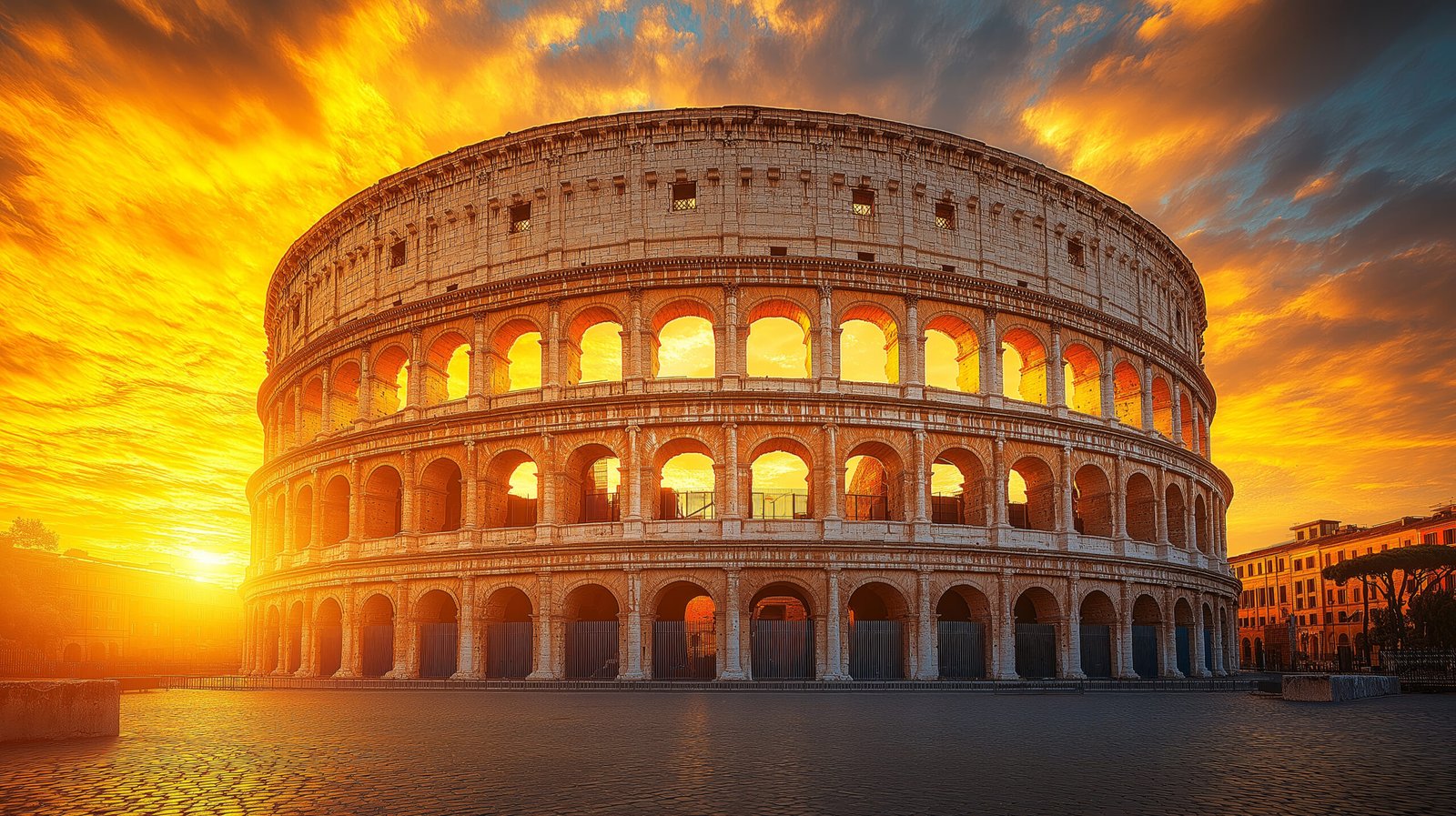
Day 1 Morning: Colosseum and Roman Forum
Booking timed-entry tickets for the Colosseum well in advance, since lines without pre-booked tickets stretch for hours during peak season, remains essential for starting your trip efficiently. The combined Colosseum, Roman Forum, and Palatine Hill ticket, covering all three ancient sites, delivers tremendous historical value for a single admission price.
Is the Colosseum’s interior actually worth the hype and cost? Genuinely, yes, since standing inside this ancient arena delivers a visceral historical experience that photos from outside simply can’t replicate.
Day 1 Afternoon: Trastevere and Dinner
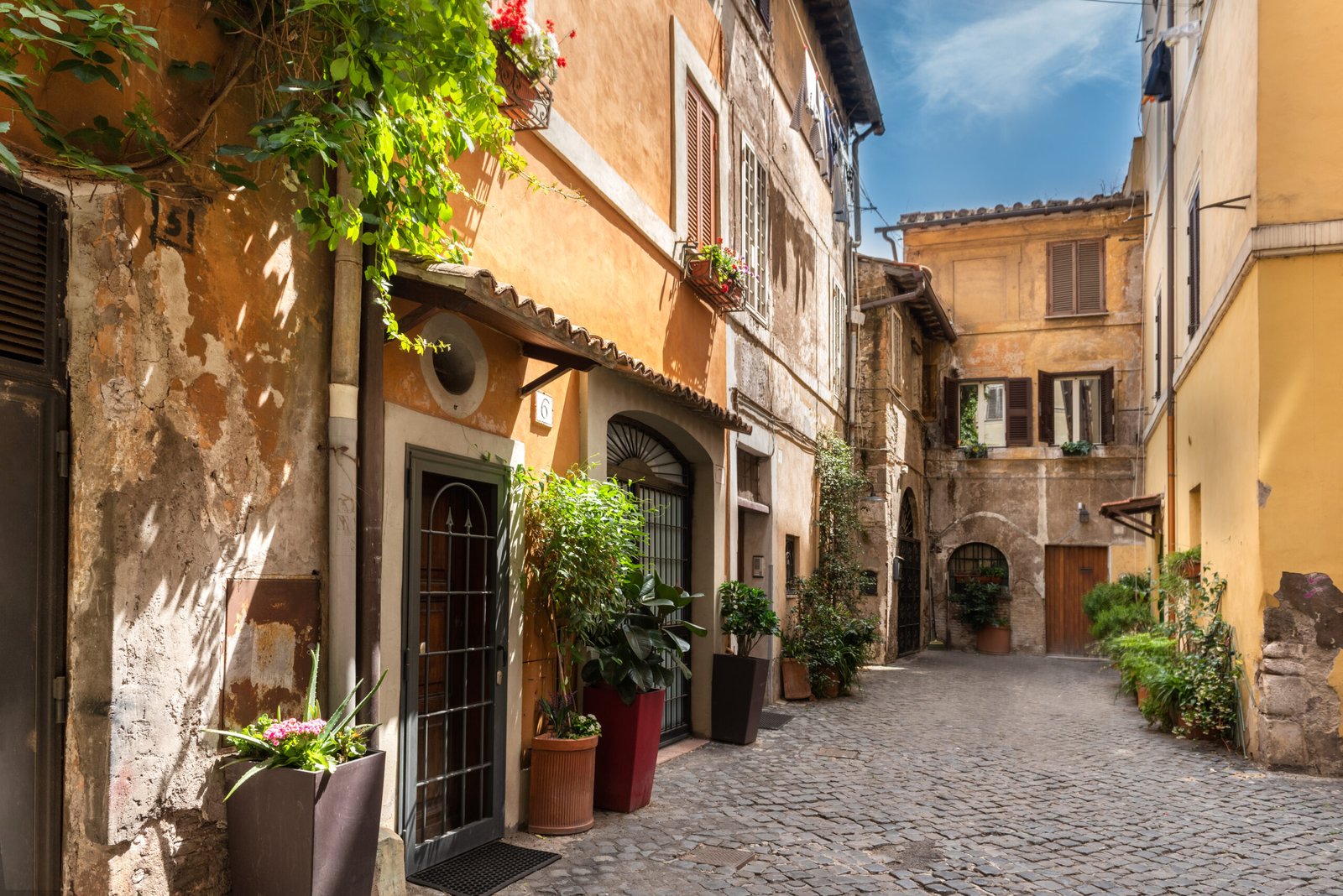
Crossing the river into Trastevere, Rome’s charming and less touristy neighborhood, delivers cobblestone streets and excellent trattorias after a history-heavy morning. Wandering without a specific destination, letting the neighborhood’s genuine character guide your afternoon, captures Trastevere’s appeal better than any planned checklist of stops.
A few practical things worth knowing about spending time in Trastevere:
- Piazza Santa Maria makes a great central point to orient yourself within the neighborhood
- Avoiding restaurants with English-language menus posted outside generally leads to better, more authentic food
- Wandering side streets away from the main piazza reveals quieter, more charming corners of the neighborhood
- Evening visits showcase Trastevere’s genuinely lively atmosphere once the dinner crowds arrive
- Gelato stops here consistently rank among Rome’s best, worth prioritizing over more famous but touristy spots elsewhere
Day 1 Evening: Trevi Fountain and Pantheon
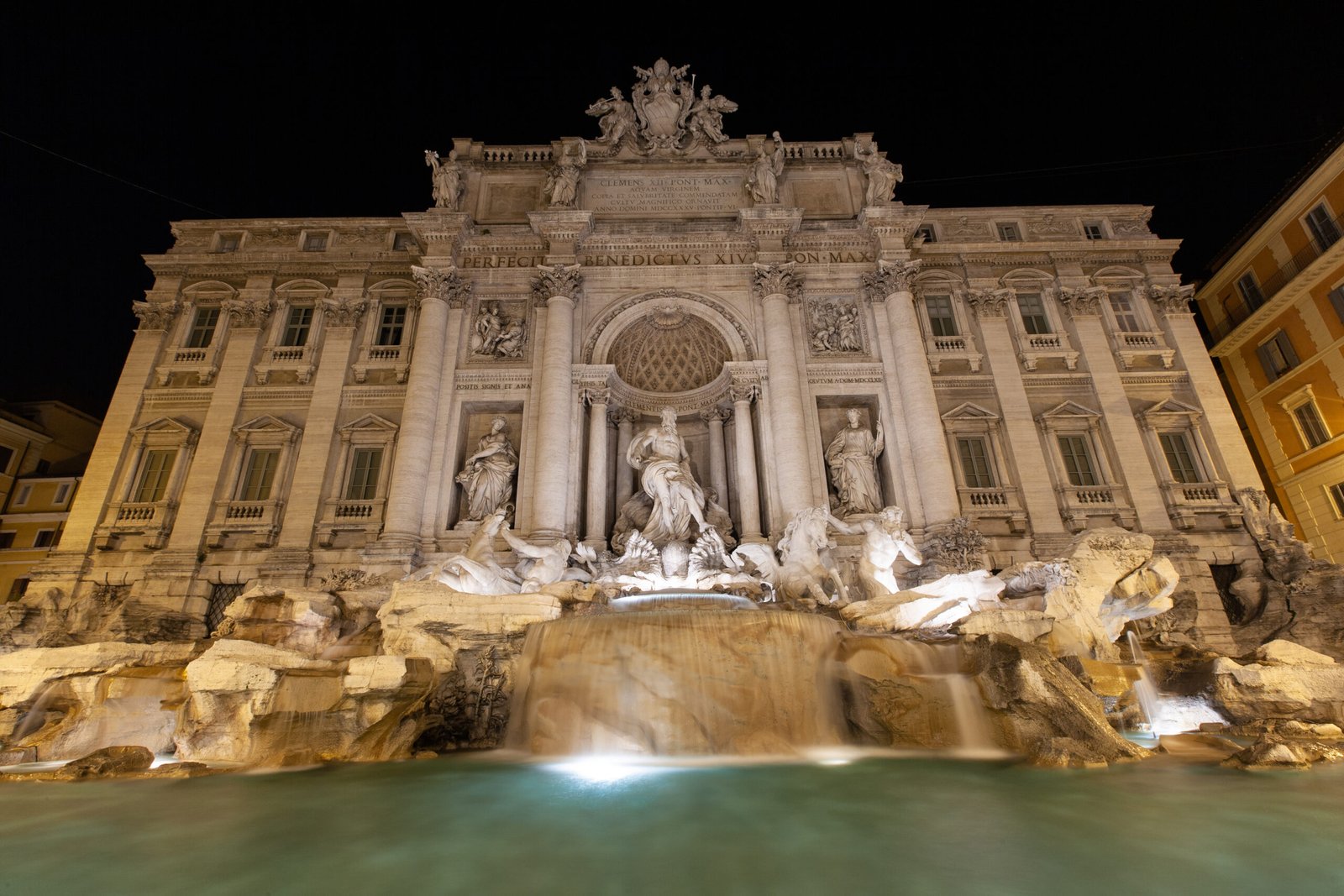
Visiting the Trevi Fountain and Pantheon after dinner, when crowds thin out considerably compared to midday, delivers a genuinely more atmospheric experience at both landmarks. The Pantheon’s illuminated dome, visible from inside after dark, creates a strikingly different visual experience than a daytime visit.
Real talk, throwing a coin into the Trevi Fountain feels touristy, but the tradition remains genuinely fun and harmless enough to justify the brief stop.
Day 2 Morning: Vatican Museums and Sistine Chapel
Booking Vatican Museum tickets with a specific early morning entry time avoids the worst crowds that build throughout the day at this genuinely essential Rome stop. The Sistine Chapel, positioned near the end of the museum route, rewards the considerable walk beforehand with Michelangelo’s legendary ceiling.
IMO the Vatican Museums deserve a full morning rather than a rushed hour, since the sheer scale of art and history here consistently surprises first-time visitors. 😅
Day 2 Afternoon: St. Peter’s Basilica
Visiting St. Peter’s Basilica after the Vatican Museums, ideally with a pre-booked dome climb if you’re comfortable with the several hundred stairs, delivers Rome’s most impressive religious architecture. The dome’s panoramic view over Vatican City and Rome, reached after a genuinely strenuous climb, rewards the effort with one of the city’s best vantage points.
Is climbing to the dome worth the physical effort for most visitors? For reasonably fit travelers, genuinely yes, since the view justifies the climb far better than most other paid viewpoints in the city.
Day 2 Evening: Piazza Navona and Campo de’ Fiori
Strolling through Piazza Navona’s baroque fountains and Campo de’ Fiori’s lively evening atmosphere delivers a relaxed, walkable end to a museum-heavy second day. Campo de’ Fiori’s transformation from morning market to evening gathering spot showcases Rome’s genuine daily rhythm beyond just tourist attractions.
This evening stroll pairs naturally with dinner at one of the many restaurants surrounding both piazzas, without requiring extensive advance planning.
Day 3 Morning: Spanish Steps and Villa Borghese
Climbing the Spanish Steps, then continuing into Villa Borghese park, delivers a genuinely relaxed morning after two more intense sightseeing days. The Borghese Gallery, requiring advance timed-entry booking, houses an exceptional art collection worth prioritizing if you’re at all interested in Bernini or Caravaggio.
This park-and-gallery combination provides a welcome change of pace from the ancient ruins and religious sites dominating your first two days.
Day 3 Afternoon: Testaccio or Jewish Ghetto Food Tour
Exploring either Testaccio’s authentic local food scene or the Jewish Ghetto’s distinct culinary traditions delivers a genuinely different side of Rome beyond the major landmarks. A guided food tour in either neighborhood, if you’re interested in structured tastings, consistently earns high satisfaction from travelers wanting deeper culinary context.
Real talk, this final afternoon works well as a lower-key wind-down after covering Rome’s biggest hitters across your first two days.
Getting Around Rome
Rome’s historic center remains genuinely walkable for most of this itinerary, though the metro and buses help for longer distances like reaching the Vatican from central Rome. Comfortable walking shoes, given the city’s cobblestones and considerable daily walking distances, matter enormously for enjoying rather than enduring this itinerary.
This walking-focused approach also lets you stumble across smaller piazzas and fountains that a purely transit-based itinerary would miss entirely.
What’s Overrated on This Itinerary
The Mouth of Truth near the Circus Maximus draws surprising crowds for what amounts to a brief photo stop with a fairly mundane ancient sculpture. Prioritize Villa Borghese or an extra hour in Trastevere over standing in line for this specific photo opportunity.
Shopping along Via del Corso also draws heavy tourist attention despite offering mostly the same international chain stores found in shopping districts worldwide.
What to Eat During Your Visit
Rome’s food scene centers on genuinely simple, high-quality dishes like carbonara, cacio e pepe, and supplì, best found at smaller neighborhood trattorias rather than restaurants near major attractions. Avoiding restaurants directly adjacent to the Colosseum or Trevi Fountain, where prices rise and quality often drops, consistently delivers better meals for similar or lower cost.
This neighborhood-trattoria strategy across Trastevere, Testaccio, and the Jewish Ghetto showcases Rome’s food culture far better than tourist-zone dining ever could.
Where to Stay for This Itinerary
Choosing a hotel in Monti, Trastevere, or near Termini Station keeps you centrally positioned for walking to most stops on this itinerary. Staying within Rome’s historic center, rather than in outer neighborhoods, saves meaningful transit time across your three packed days.
Is staying near the Vatican worth considering instead? Generally not for a first visit, since the historic center’s central location better serves the rest of this itinerary’s stops.
Best Time of Year to Visit Rome
April, May, September, and October deliver Rome’s most comfortable sightseeing weather, avoiding both summer’s intense heat and the largest tourist crowds. Winter remains genuinely workable and often cheaper, though shorter daylight hours slightly compress your daily sightseeing window.
Whatever season you choose, booking Colosseum and Vatican tickets well ahead matters regardless, since both sell out consistently even during shoulder season.
What This Trip Actually Costs
Budget $120-170 per day for a comfortable mid-range trip covering hotels, major attraction tickets, and meals throughout your three days. This runs moderately compared to other major European capitals, with attraction tickets representing a meaningful chunk of your daily spending.
Prioritizing your budget toward the combined Colosseum ticket and Vatican Museums entry, while keeping meals more casual on busier sightseeing days, stretches this budget considerably further.
Rome rewards focused three-day visits with ancient history, incredible art, and genuinely excellent food packed into a walkable historic center that few cities can match. Cover the ancient sites and Trastevere on day one, the Vatican on day two, and a more relaxed mix of parks and food on day three, and you’ll experience a version of Rome that most rushed visitors completely miss.