San Francisco in 2 Days: What’s Actually Worth Your Time
San Francisco packs an unusual amount of personality into a genuinely small footprint. Two days won’t cover everything, but it’s enough to hit the icons, eat well, and get a real feel for a handful of distinct neighborhoods.
In this guide
- Day 1 Morning: Golden Gate Bridge and the Presidio
- Day 1 Afternoon: Fisherman’s Wharf and Pier 39
- Day 1 Evening: North Beach and Dinner
- Day 2 Morning: Alcatraz
- Day 2 Midday: Chinatown and Union Square
- Day 2 Afternoon: The Painted Ladies and Haight-Ashbury
- Day 2 Evening: The Mission and Dinner
- What to Eat While You’re There
- Getting Around Without a Car
- Common Mistakes First-Timers Make
- What This Trip Actually Costs
- Best Time to Visit
- Packing for San Francisco
Here’s how to spend those two days without wasting time on the stuff that photographs better than it feels in person.
The city rewards a tight plan more than a loose one. Fog, hills, and traffic all eat into your schedule faster than you’d expect, so build in buffer time between stops.
Day 1 Morning: Golden Gate Bridge and the Presidio
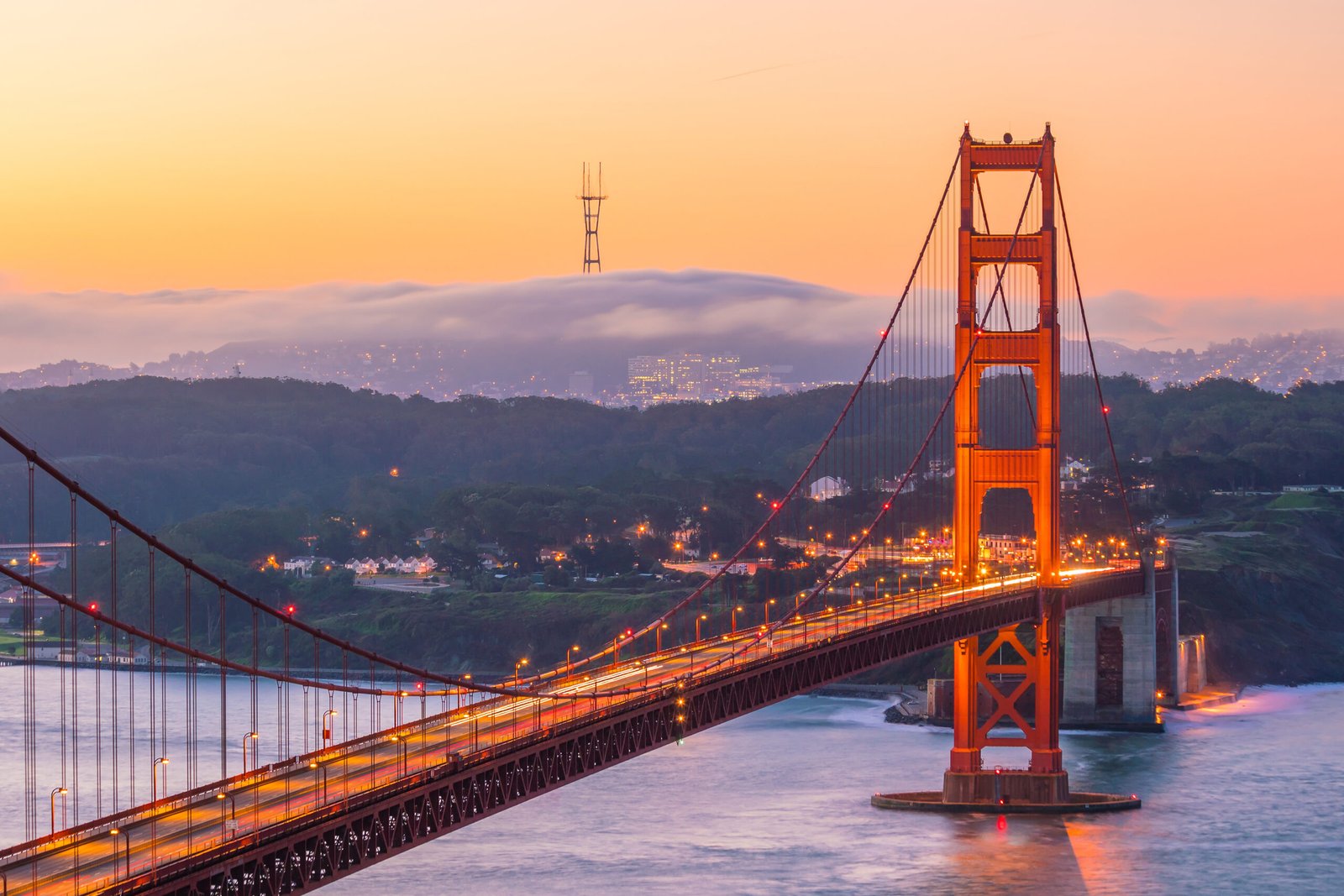
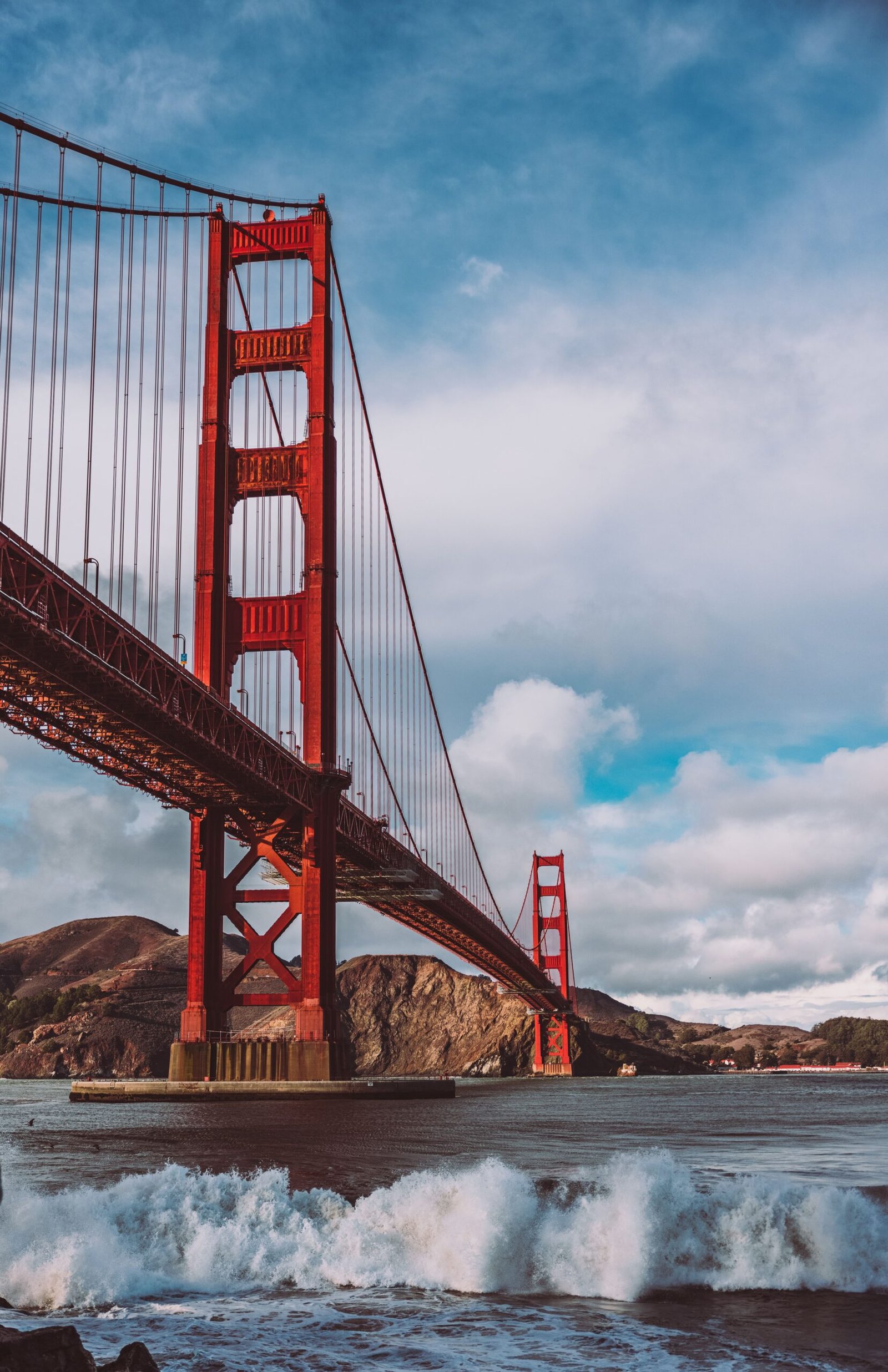
Start at the Golden Gate Bridge, ideally with an early arrival before the fog burns off or rolls back in, depending on the day. Walk partway across for the view back toward the city skyline, then loop through Crissy Field for a flatter, easier stroll along the water.
The Presidio surrounding the bridge offers genuinely good hiking without leaving the city limits. Battery Spencer, just across the bridge in Marin, gives one of the best full views of the span itself if you have a car or rideshare available.
Day 1 Afternoon: Fisherman’s Wharf and Pier 39
Fisherman’s Wharf earns its touristy reputation, but the sea lions at Pier 39 are genuinely worth the stop regardless. Skip the overpriced chain restaurants lining the wharf itself and walk a few blocks for better, cheaper seafood.
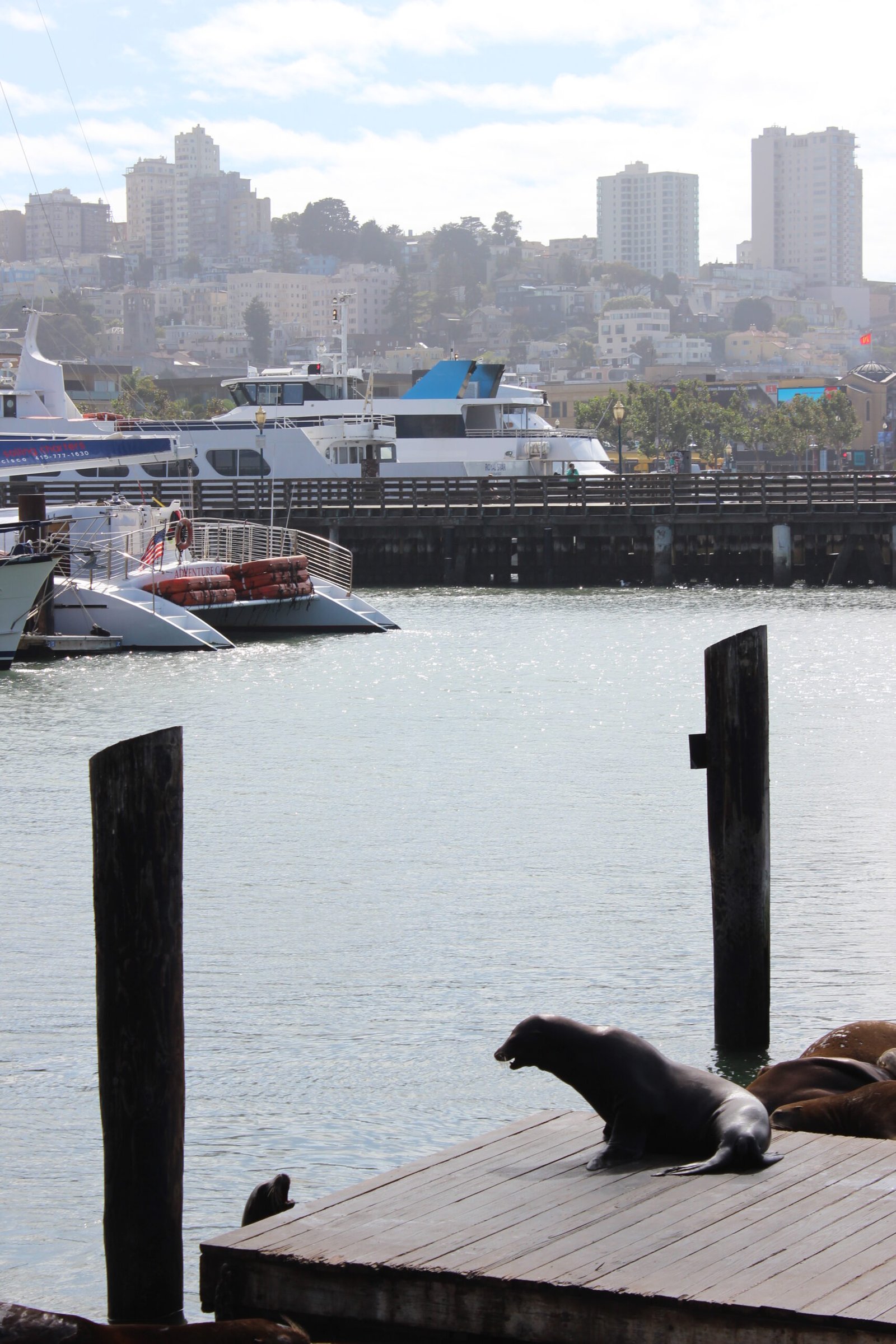
Ghirardelli Square sits a short walk away and makes for an easy chocolate break between sights. IMO the wharf area works best as a 90-minute stop rather than a full afternoon commitment.
Day 1 Evening: North Beach and Dinner
North Beach, San Francisco’s Italian neighborhood, delivers some of the city’s best pasta and espresso in a genuinely walkable few blocks. Wander up to Coit Tower before dinner for a panoramic view over the bay while the light is still good.
Real talk, dinner reservations matter here on weekends. The best trattorias in North Beach fill up fast, so book ahead if you have a specific spot in mind.
Day 2 Morning: Alcatraz
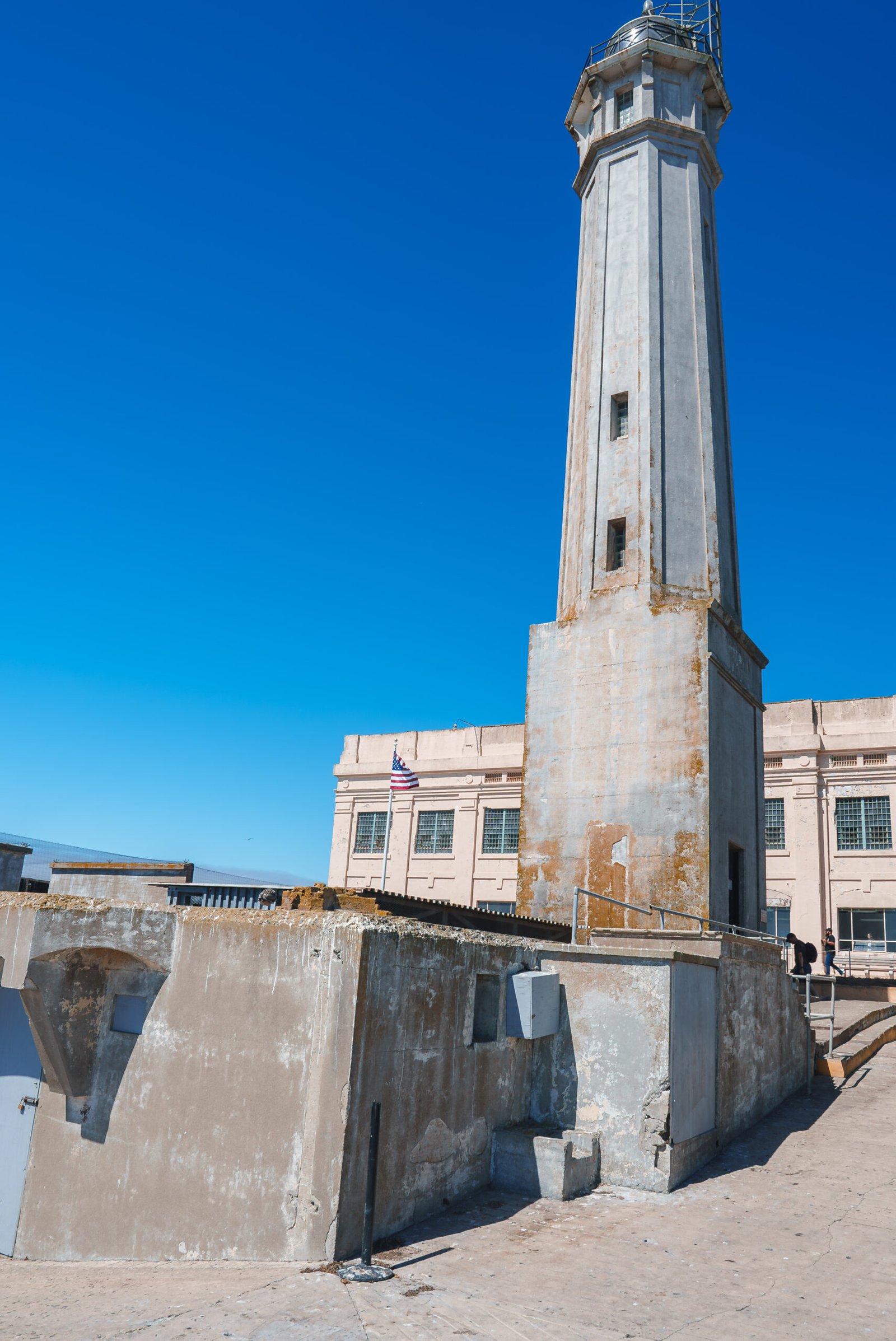
Book Alcatraz tickets weeks in advance. This is the single most important planning step in this entire itinerary, since tours regularly sell out, especially during summer and around major holidays.
The audio tour through the cell block genuinely earns the hype, delivered by former inmates and guards describing the prison’s daily reality. Give yourself the full morning, including ferry time both directions.
Day 2 Midday: Chinatown and Union Square
San Francisco’s Chinatown is the oldest in North America, and walking through it after Alcatraz makes an easy, low-effort transition back into the city. Grab dim sum for lunch at one of the smaller, less touristy spots a block or two off the main strip.
Union Square sits a short walk from Chinatown and works as a decent break point for shopping or just resting your feet before the afternoon.
Day 2 Afternoon: The Painted Ladies and Haight-Ashbury
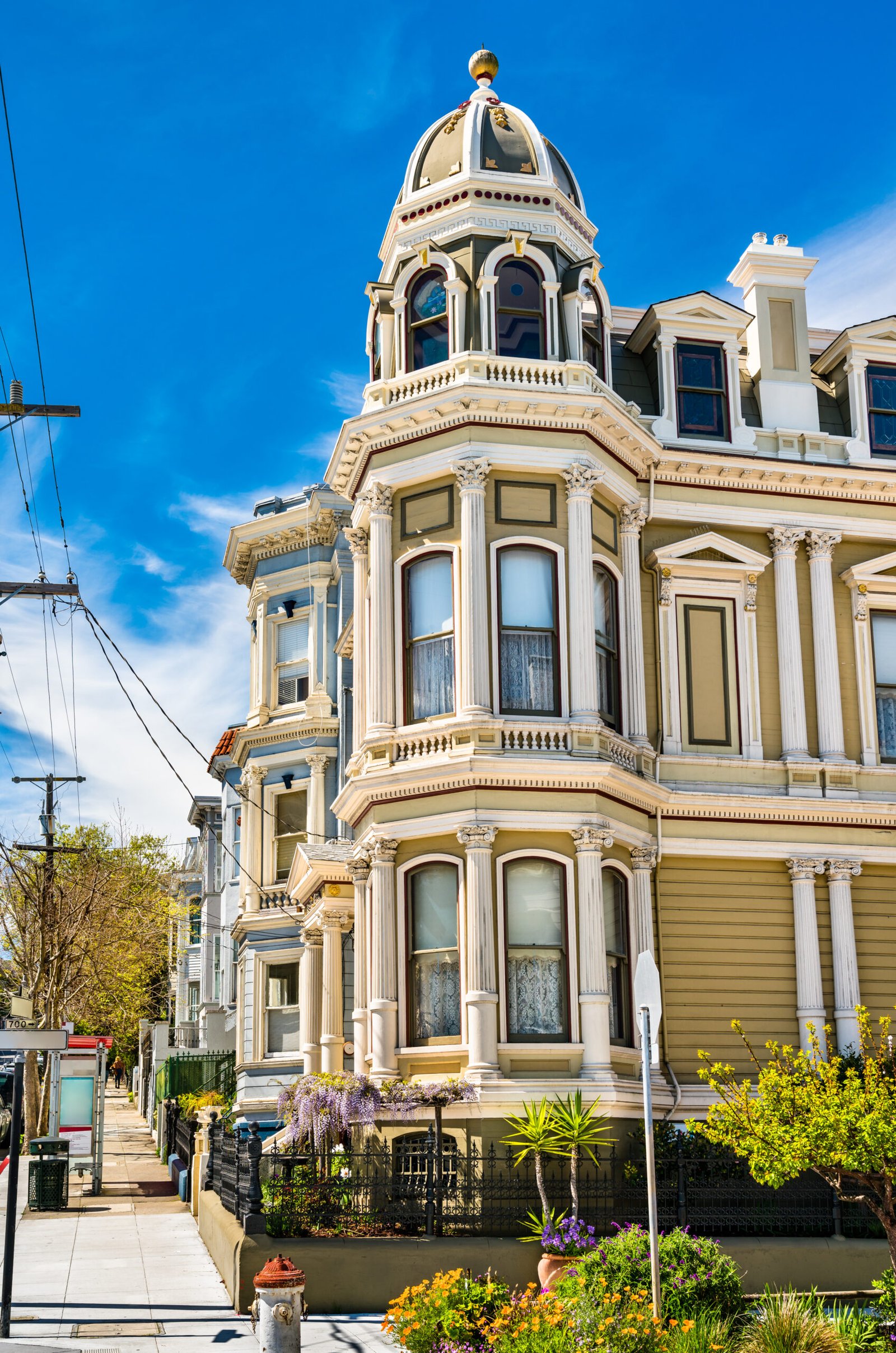
The Painted Ladies in Alamo Square are one of the most photographed rows of houses in the country, and the short visit genuinely delivers on the postcard image. Give it fifteen minutes, snap your photo, and move on.
Haight-Ashbury, a short trip from Alamo Square, still carries real 1960s counterculture energy in its vintage shops and murals. Is it as wild as it once was? Not really, but it’s still one of the most distinct neighborhoods in the city.
Day 2 Evening: The Mission and Dinner
The Mission District has genuinely become one of San Francisco’s best food neighborhoods, packed with taquerias, bars, and a strong mural scene along Balmy Alley. Try a Mission-style burrito at least once, since the neighborhood essentially invented the format.
Dolores Park nearby is worth a quick sunset stop if the weather cooperates, with a solid skyline view and a genuinely relaxed local crowd.
What to Eat While You’re There
San Francisco’s food scene punches well above its size, and a few dishes deserve priority on a short trip:
- Clam chowder in a sourdough bowl – touristy, but genuinely good near the wharf if you pick the right spot
- Mission-style burritos – order one loaded, they’re meant to be a full meal
- Dim sum in Chinatown – skip the tourist strip and walk a block off the main road
- North Beach pasta – a genuinely different Italian tradition than the East Coast version
- A proper flat white or espresso – the city’s coffee scene rivals anywhere in the country
Skip restaurants directly facing a major landmark. Walk a few blocks in any direction and both the price and the quality tend to improve fast.
Getting Around Without a Car
San Francisco’s hills make walking exhausting fast, so lean on the transit system rather than trying to cover everything on foot. The cable cars are touristy but genuinely fun, and they cover some of the steepest, most scenic routes in the city.
Muni buses and the BART system cover most practical routes efficiently. Rideshares fill in the gaps for late nights or when your feet finally give out.
Common Mistakes First-Timers Make
Trying to cram in Muir Woods or Napa on top of this itinerary is the most common overreach. Both deserve their own dedicated day, and squeezing either one into an already packed two-day city trip usually means rushing through everything, including the parts you actually planned to see.
Is renting a car for just these two days worth it? Almost never. Parking costs and one-way streets make a car more of a hassle than a convenience within the city itself, and you won’t need one for anything on this itinerary.
Underestimating the hills trips up a lot of visitors too. What looks like a short walk on a map can turn into a genuine workout once you factor in San Francisco’s elevation changes, so build extra time into any walking route between neighborhoods.
What This Trip Actually Costs
Budget $180-250 per day for a comfortable mid-range trip covering a solid hotel, two real meals, Alcatraz tickets, and transit. San Francisco runs pricier than most comparable US cities, especially for hotels.
Want to trim costs? Skip a rental car entirely, since parking alone can cost more than a day of transit passes. Eat one meal a day from a neighborhood taqueria instead of a sit-down restaurant near a major sight.
Best Time to Visit
September and October genuinely deliver San Francisco’s best weather, with warmer temperatures and less fog than the summer months bring. Counterintuitively, June through August often runs cooler and foggier than early fall.
Winter brings rain but noticeably thinner crowds at every major sight. Whatever season you land in, pack layers regardless, since the city’s microclimates can shift dramatically between neighborhoods on the same day.
Packing for San Francisco
A warm layer matters more here than almost anywhere else in the US, even in summer. Fog and wind off the bay can make 65 degrees feel genuinely cold, especially near the water.
Comfortable shoes with real grip matter too, given the hills. You’ll be walking more than you expect, and a few of San Francisco’s streets are steep enough to notice in your calves the next morning. 😅
Two days in San Francisco is enough to hit the icons and still feel like you experienced real neighborhoods, not just photo stops. Book Alcatraz early, pack a warm layer, and leave real time to wander somewhere unplanned. That’s usually where the best moments of the trip happen anyway.