
The Best Day Trips from Rome You Can Actually Do by Train
Rome deserves every bit of the time you give it, but the surrounding region holds some genuinely spectacular sights within easy reach. Italy’s train network makes almost all of them doable without a rental car or an overnight bag.

In this guide
- Pompeii: Ancient Disaster, Modern Wonder
- Tivoli and the Gardens of Villa d’Este
- Orvieto: The Hilltop Town Everyone Skips
- Ostia Antica: Rome’s Answer to Pompeii, Minus the Crowds
- Getting Around: Trains, Not Rental Cars
- Combining Two Sites Into One Trip
- What Each Trip Actually Costs
- Which Trip Fits Your Remaining Time
- What to Bring for Each Type of Site
- Best Time to Go
- Packing for a Day Trip
Here’s where to go, how to get there, and how much time each trip actually deserves.
None of these require a tour bus or a guide. Regional trains from Rome’s main stations reach every stop on this list, usually in under two hours.
Pompeii: Ancient Disaster, Modern Wonder
Take a high-speed train to Naples, then transfer to the Circumvesuviana regional line straight to the Pompeii Scavi stop. Total travel time runs about 2.5-3 hours each way, so this genuinely works best as a very early start.
The ruins themselves need a minimum of three hours to see properly. Frozen mid-disaster nearly 2,000 years ago, the preserved streets, homes, and plaster casts of victims make this one of the most sobering archaeological sites anywhere in the world.
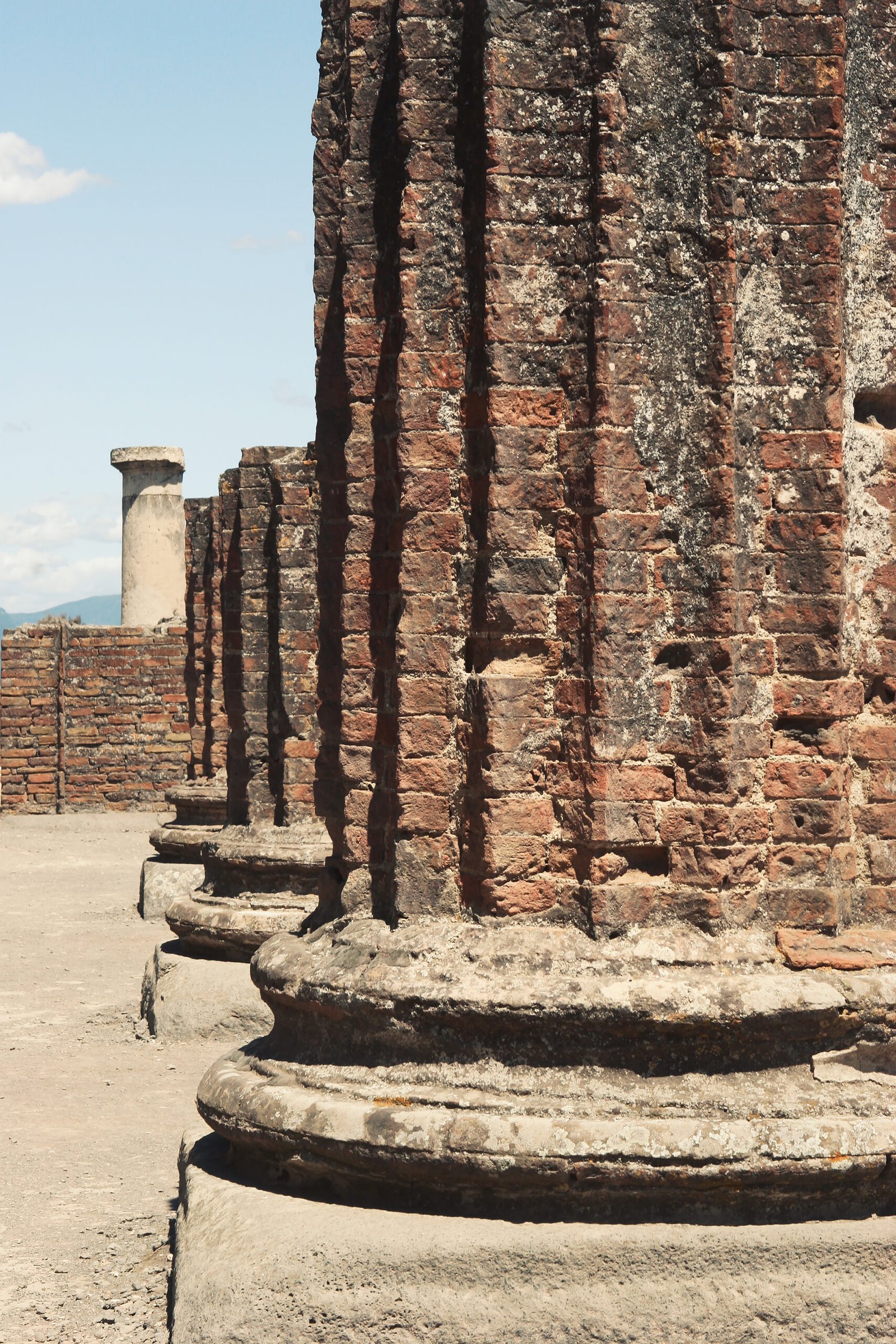
Is it worth the long round-trip travel day? Genuinely, yes. Just commit to leaving Rome by early morning if you want enough daylight hours at the site itself.
Tivoli and the Gardens of Villa d’Este
A regional train gets you to Tivoli in about an hour, making it one of the easiest half-day trips on this whole list. Villa d’Este’s terraced gardens and elaborate fountain systems date back to the 1500s and still run on the original gravity-fed water system.
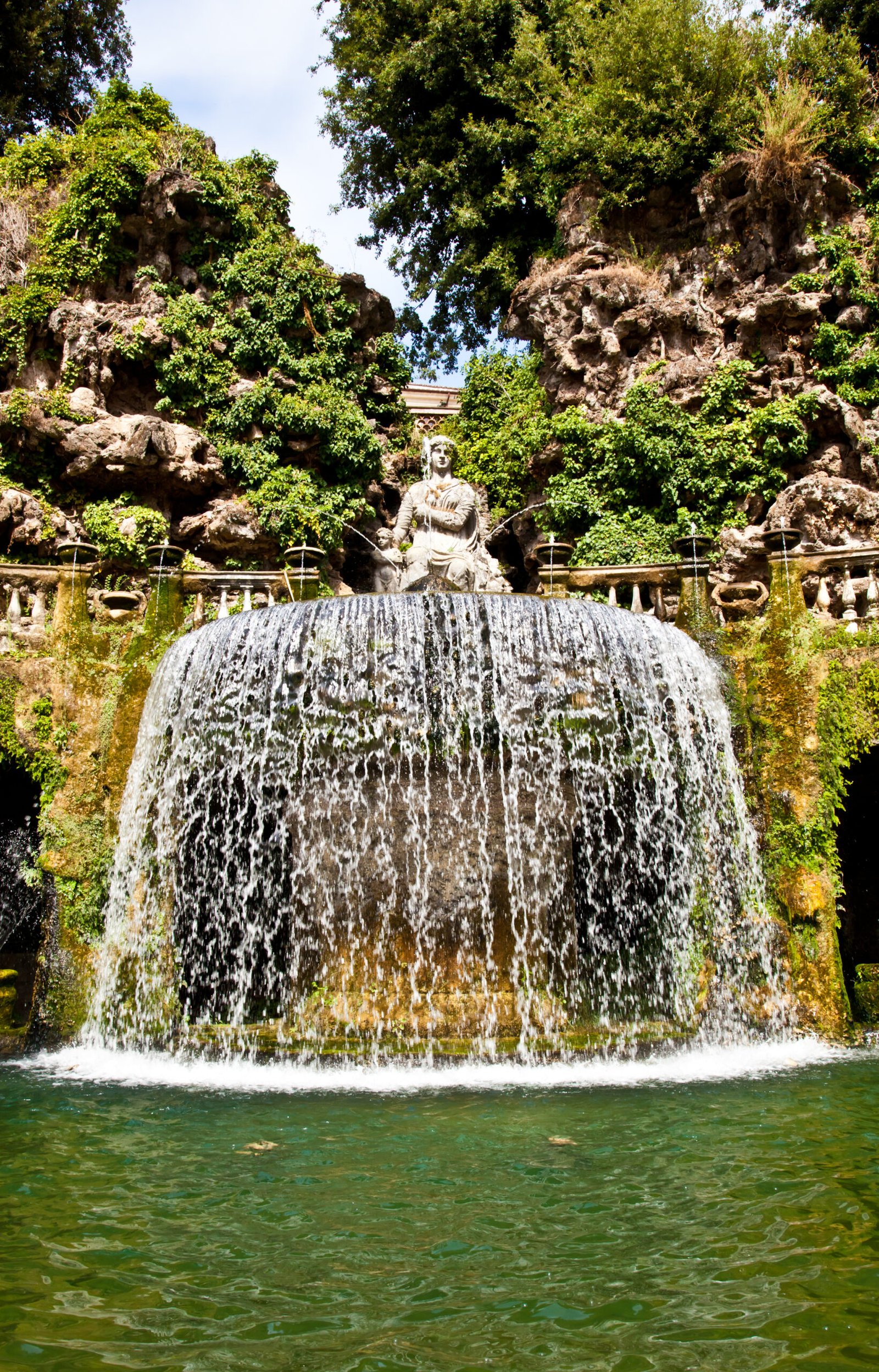
Villa Adriana (Hadrian’s Villa), the emperor’s sprawling former retreat, sits a short bus or taxi ride from the main train station and pairs well with Villa d’Este if you have a full day free.
Real talk, Tivoli rewards a slower pace more than a rushed checklist visit. Budget at least four hours if you’re doing both villas in one trip.
Orvieto: The Hilltop Town Everyone Skips
Orvieto sits about 80 minutes from Rome by train, perched dramatically on a cliff of volcanic rock. The Duomo’s striped facade alone justifies the trip, and the underground tunnels carved beneath the city add a genuinely different layer to explore.
IMO Orvieto is the most underrated day trip on this entire list. Most first-time visitors to Italy have never heard of it, which keeps the crowds noticeably thinner than almost anywhere else nearby.
Local white wine (Orvieto Classico) pairs perfectly with lunch here. Skip the tourist-menu spots near the Duomo and walk a few streets back for better food at better prices.
Ostia Antica: Rome’s Answer to Pompeii, Minus the Crowds
A local train from Rome gets you to Ostia Antica in about 30 minutes, making it the single easiest ancient site on this list to reach. The ruins rival Pompeii in scale but draw a fraction of the visitors, which means you can genuinely wander without fighting tour groups.
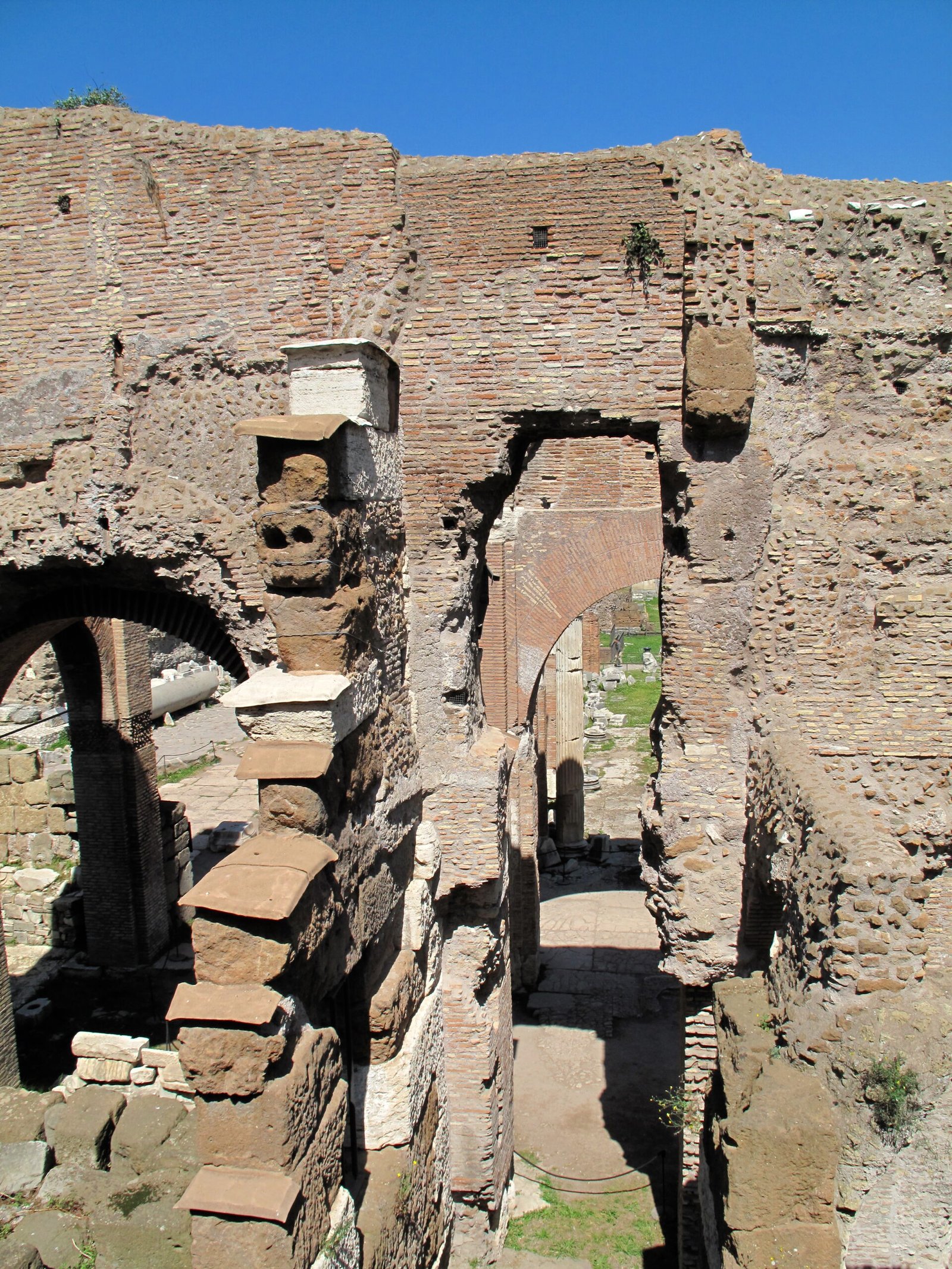
Give it two to three hours. It’s compact enough to see thoroughly without an overwhelming day, which makes it perfect for pairing with something else, or just an easy half-day if you’re tired from earlier sightseeing.
Getting Around: Trains, Not Rental Cars
Every trip on this list works entirely by train, and that’s genuinely the point. Book high-speed tickets (Trenitalia or Italo) a few days ahead for the Naples route specifically, since prices climb closer to departure.

Regional trains to Tivoli, Orvieto, and Ostia Antica are cheap and frequent enough to buy same-day without stressing about sold-out seats. Don’t overthink these shorter routes.
Combining Two Sites Into One Trip
Villa d’Este and Villa Adriana sit close enough together in Tivoli that combining them into a single day makes obvious sense, and most visitors do exactly that. Plan for roughly six hours total once you factor in travel and a lunch break between the two.
Pompeii pairs less naturally with anything else on this list simply because of the travel time involved. If you’re determined to add a second stop on the same day, a quick look at Naples itself before or after Pompeii is the only realistic option, and even that requires a genuinely early start.
Orvieto and Ostia Antica both work best as standalone days. Trying to tack on a second destination usually means rushing through both without doing either justice, and neither trip is short enough to comfortably absorb the extra travel time.
What Each Trip Actually Costs
Pompeii runs the priciest of the four once you factor in the high-speed train and site entry, typically $60-90 per person round trip including transportation and tickets. Tivoli, Orvieto, and Ostia Antica all come in noticeably cheaper, usually $20-40 total.
Pack a lunch or budget for a casual meal near each site rather than a sit-down restaurant, especially at Pompeii and Ostia Antica where food options inside the sites themselves are limited and overpriced.
Which Trip Fits Your Remaining Time
Only have a half-day free? Ostia Antica or Tivoli both fit comfortably.
Have a full day to spare? Pompeii or a combined Tivoli-plus-Villa-Adriana day both justify the extra time.
Will trying to squeeze two of these into one day work? Not really, except for Tivoli and Villa Adriana together. The others deserve their own dedicated day rather than a rushed double-header.
What to Bring for Each Type of Site
The four destinations on this list reward slightly different packing choices:
- Pompeii and Ostia Antica – sun protection, sturdy shoes, and a full water bottle since shade is minimal
- Tivoli – comfortable walking shoes for uneven garden paths, plus a light layer since the hilltop breeze cools things down
- Orvieto – a light jacket even in summer, since the elevated position means noticeably cooler temperatures than Rome
- Villa Adriana – the same sun protection as Pompeii, since large stretches of the site sit fully exposed
A day pack big enough for water, snacks, and a light layer covers every one of these trips without needing to overthink what goes in your bag each morning.
Best Time to Go
Spring and fall hit the sweet spot for all four destinations, with comfortable walking weather and thinner crowds than peak summer. Pompeii and Ostia Antica specifically get brutally hot and shade-free in July and August.
Whatever season you land in, an early start beats a late one every time. Getting ahead of both the heat and the tour bus crowds makes a real difference at every site on this list.
Packing for a Day Trip
Comfortable walking shoes matter more than anything else, since every one of these sites involves significant time on uneven ancient stone or gravel paths. A hat and sunscreen genuinely earn their space too, especially at Pompeii and Ostia Antica where shade is scarce.
Bring a portable charger and a full water bottle. None of these sites have reliable places to refill or recharge once you’re inside, and you’ll be using your phone constantly for maps and photos. 😅
Rome’s surroundings hold some of Italy’s best sights within a single train ticket’s reach. Pick the trip that matches your remaining time, book your tickets a few days ahead for the longer routes, and leave the rental car out of it entirely.