Rome has roughly 12,000 places to eat and a solid chunk of them are actively trying to rip you off. Sorry, but that’s the situation. Walk within 200 metres of the Colosseum and you’ll find laminated menus with photos on them, a guy outside saying “amico, come, come”, and carbonara made with cream.
The good news is that eating brilliantly in Rome is genuinely easy once you know two or three rules. Not fifty. Two or three. Here they are, plus the neighbourhoods where you should actually be pointing yourself.
Rule one: walk 10 minutes away from whatever you just looked at
This is the whole game, honestly. Rome’s tourist trap radius is small — about a 5 to 10 minute walk from any major monument. Get past that ring and prices drop by a third while quality goes up.
Trevi Fountain to a decent trattoria is a seven-minute walk. Pantheon to somewhere Romans actually eat, similar. You are not being asked to trek across the city, you’re being asked to keep walking for the length of one song.
Rule two: menu in four languages means run
If the menu is translated into English, German, Spanish and Mandarin, and it has pictures, and someone’s standing outside beckoning — that place is built for people who will never return. There’s no incentive for it to be good.
What you want instead: a short menu, in Italian, maybe with a handwritten daily section. Ideally chalk. If there are eight pasta dishes and they’re all things Romans actually eat, you’re in the right room.
▶ Watch This Before You Go
The four pastas you came for
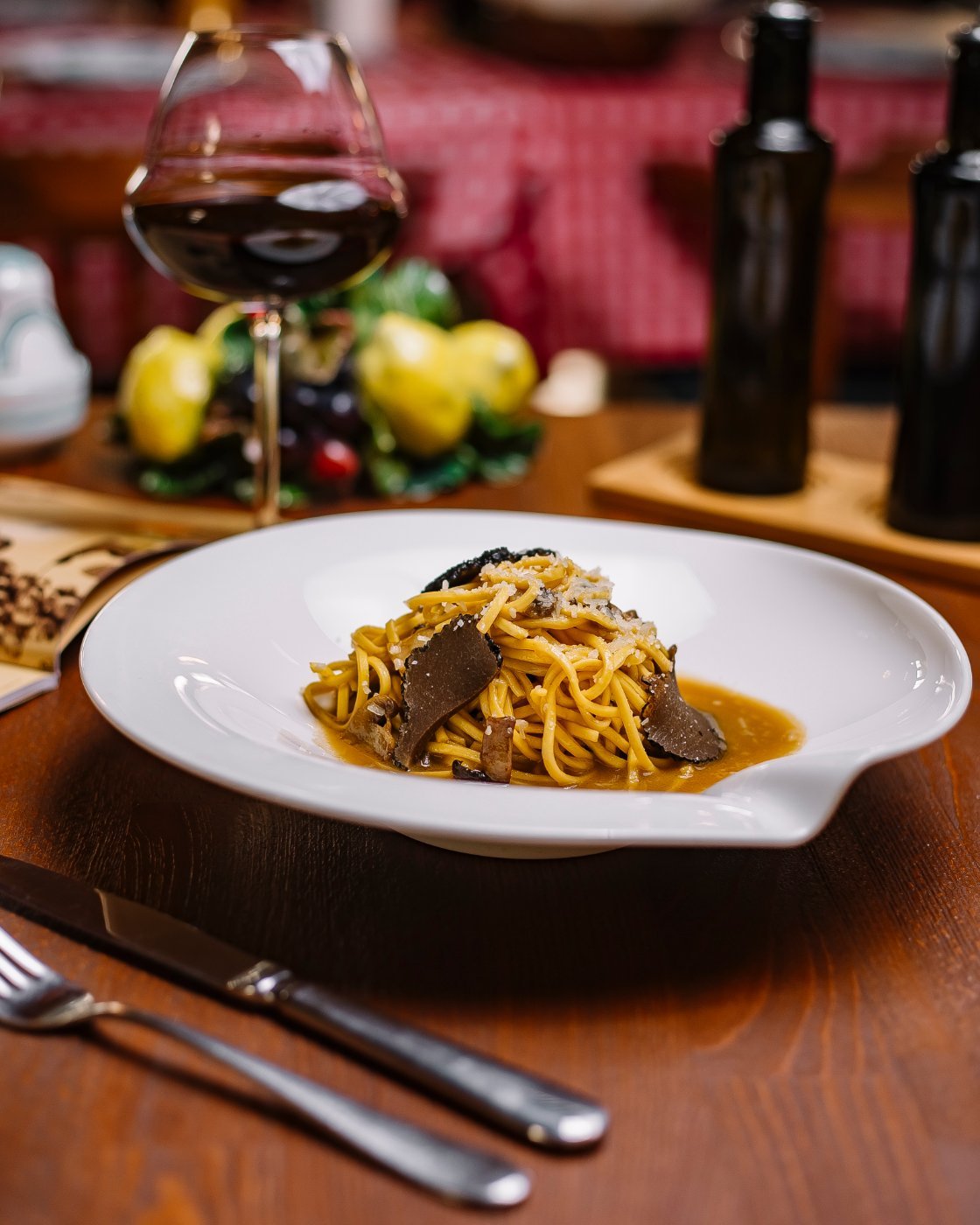
Rome’s pasta canon is small and fiercely defended. Learn these and you’ll order like you know what you’re doing:
- Cacio e pepe — pecorino and black pepper. Three ingredients. Deceptively hard to make well, so it’s a great test of a kitchen.
- Carbonara — guanciale, egg yolk, pecorino, pepper. No cream. Ever. If you see cream on the menu description, leave.
- Amatriciana — guanciale, tomato, pecorino. Usually with bucatini, which will absolutely splash you.
- Gricia — the underrated one. Carbonara without the egg, and arguably better for it.
Order one of these at a place that does them properly and you’ll pay somewhere between €10 and €14. Anything over €18 near a monument is a tourist tax.
Trastevere, but the far side of it
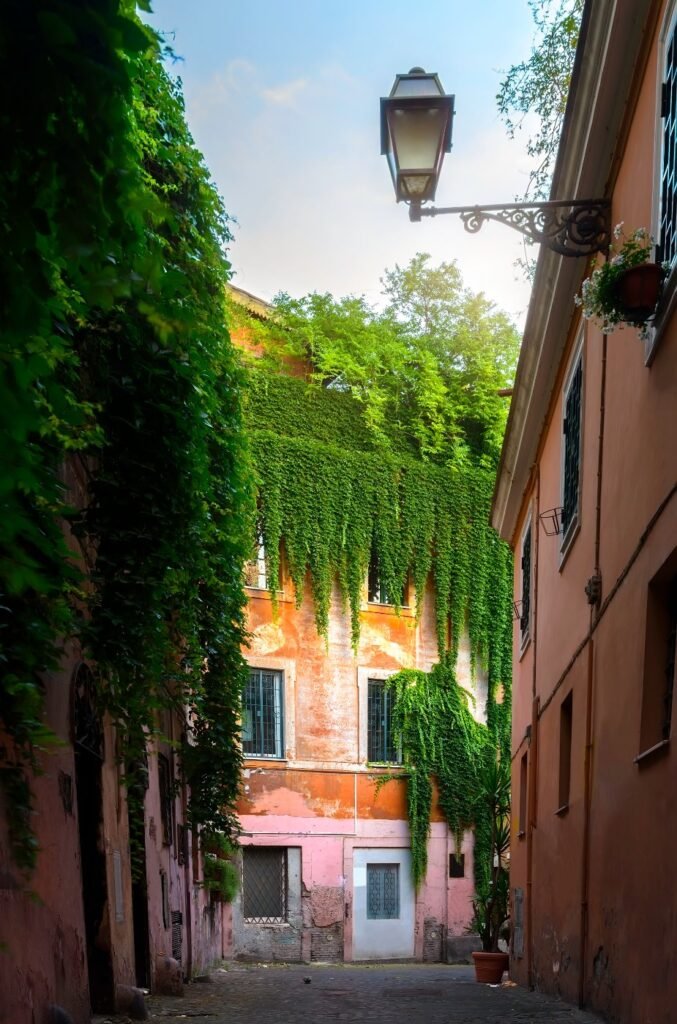
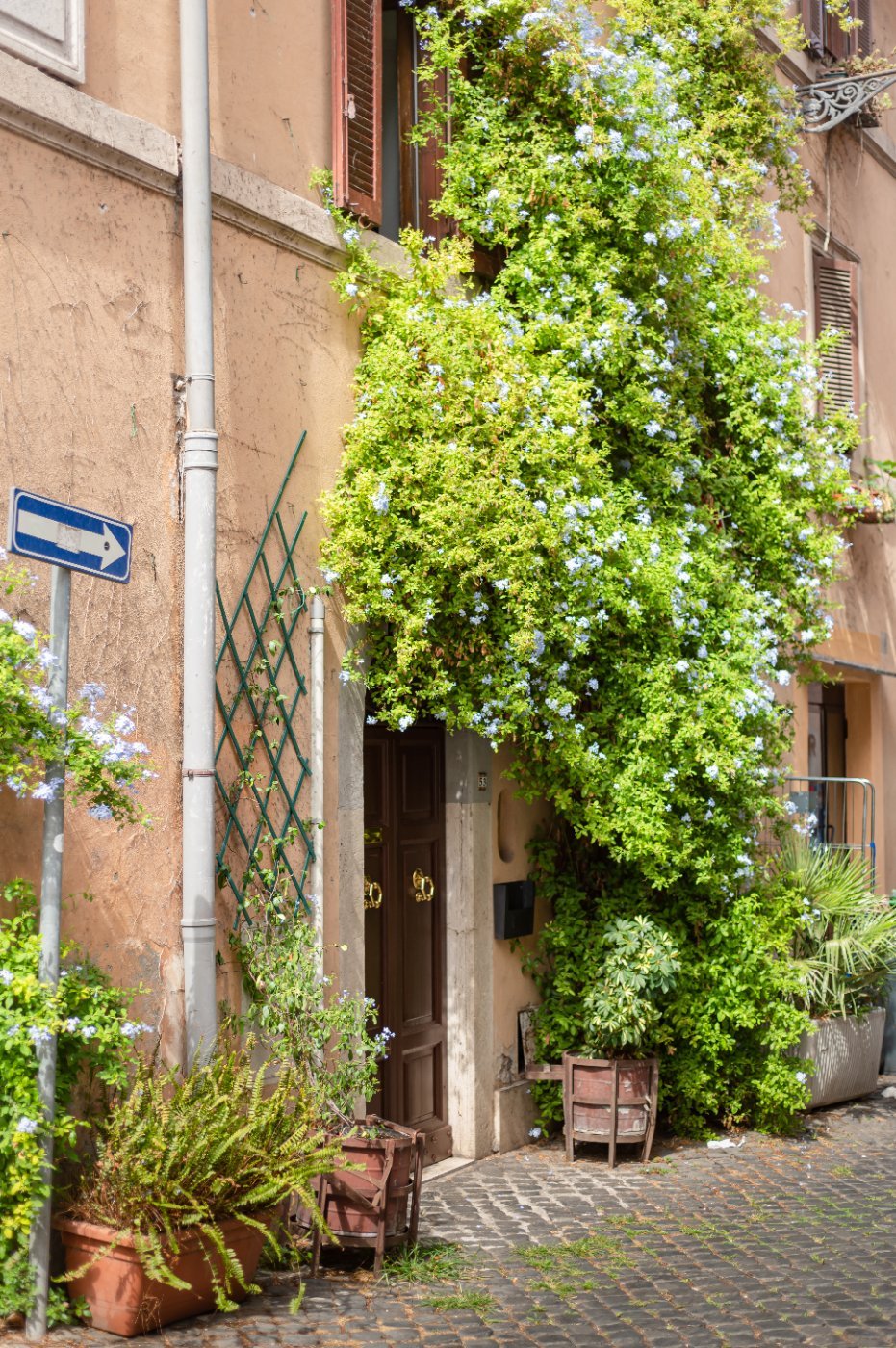
Trastevere is where everyone tells you to eat, and the main square area is now about as local as Times Square. Cross Viale di Trastevere to the quieter eastern half though, and it’s still genuinely lovely — narrow lanes, ivy, restaurants full of people speaking Italian.
Go for dinner and go late. Romans eat at 8:30 or 9pm. Turn up at 7 and you’ll be eating alone in an empty room, which tells you nothing about whether the place is any good.
Testaccio is where the food nerds go
If you only have time to explore one neighbourhood properly, make it Testaccio. It’s the old slaughterhouse district, which sounds unpromising and is precisely why the food is so good — this is where Rome’s offal-heavy working-class cooking comes from.
The Mercato Testaccio is a covered market with about 100 stalls, and the sandwich counters there are some of the best cheap eating in the city. A panino with slow-cooked beef and chicory runs about €5 and will ruin other sandwiches for you.
It’s also almost entirely tourist-free, which in central Rome in 2026 feels like a small miracle.
Monti, for when you want somewhere pretty
Monti sits between the Colosseum and Termini, which sounds terrible and isn’t. It’s a hill of cobbled streets and small bars, popular with Romans in their thirties, and the aperitivo scene here is excellent.
Aperitivo, if you haven’t done it: you order a drink between roughly 6:30 and 8:30 and snacks arrive with it. Sometimes a bowl of crisps, sometimes a proper little spread. A negroni and a plate of stuff for €10 to €12 is normal, and it’s the most civilised part of the Roman day.
Things Romans will quietly judge you for
Cappuccino after 11am. It’s a breakfast drink and ordering one after lunch marks you instantly. Nobody will say anything. They’ll just know.
Asking for parmesan on seafood pasta. Don’t.
Sitting down for coffee without checking the price. Table service costs more than standing at the bar — sometimes three times more. Standing at the bar with an espresso is €1.20 and it’s how the city actually runs.
Tipping 20%. Service is generally included. Rounding up or leaving a couple of euros for a nice meal is plenty, and anything more just confuses everyone.
Coperto and other charges that surprise people
Most restaurants charge a coperto, a cover charge of €1 to €3 per person that covers bread and the table setting. This is normal and legal and not a scam. What is a scam is a coperto of €6, or a “service charge” of 15% stacked on top of it. Check the bottom of the menu before you sit down — it has to be printed.
Also, tap water is fine in Rome and the drinking fountains around the city (the little nasoni) are free and excellent. Restaurants will still push bottled, and that’s fine, it’s usually €2 or €3.
FAQ
Do I need reservations? For dinner at anywhere decent, yes, especially Thursday through Saturday. A day or two ahead is usually enough. Lunch is much more relaxed.
What’s a normal dinner cost? Around €25 to €35 per person at a good trattoria with a pasta, a secondo and house wine. You can eat very well for €15 if you stick to one course and a glass.
Is street food a thing in Rome? Sort of. Pizza al taglio — pizza by the slice, sold by weight — is everywhere and is the correct lunch. Also supplì, which are fried rice balls and are excellent.
Can I eat well as a vegetarian? Yes, easily. Cacio e pepe, pasta alla Norma, carciofi alla giudia (fried artichokes, seasonal and outstanding), and pizza marinara are all naturally meat-free. Vegan is harder but doable in Monti and Trastevere.
When do restaurants actually open? Lunch is roughly 12:30 to 3pm, dinner from 7:30pm with the real crowd arriving after 8:30. Many kitchens close entirely between those windows.
Is August a bad time to eat in Rome? A lot of family-run places shut for two or three weeks around Ferragosto in mid-August. Check before you make a special trip somewhere.