The Utah Mighty 5 Road Trip: A Realistic 7-Day Itinerary
Five national parks, roughly 1,000 miles of driving, and some of the strangest rock on the planet. Utah’s Mighty 5 is the best road trip in America and it’s very easy to do it badly.
In this guide
The classic mistake is trying to fit it into five days because there are five parks. That maths does not work. The parks are hours apart, two of them need most of a day on their own, and you’ll spend the week exhausted and annoyed.
Seven days is the honest minimum. Here’s how to spread it.
The Route, and Why This Direction
Fly into Las Vegas, out of Salt Lake City, or loop back to Vegas if the one-way car hire is silly money.
Go west to east: Zion, Bryce, Capitol Reef, Canyonlands, Arches. It puts the two busiest parks at the start when you’re fresh, saves the best road for the middle, and finishes in Moab where there’s actual nightlife.
Driving times you should plan for: Vegas to Zion, 2.5 hours. Zion to Bryce, 1.5. Bryce to Capitol Reef, 2.5 on the good road. Capitol Reef to Moab, 2.5. Moab to Salt Lake, 4.
Buy the America the Beautiful annual pass. Five parks at 30 to 35 dollars each versus 80 for the pass. It’s not close.
Days 1 and 2: Zion
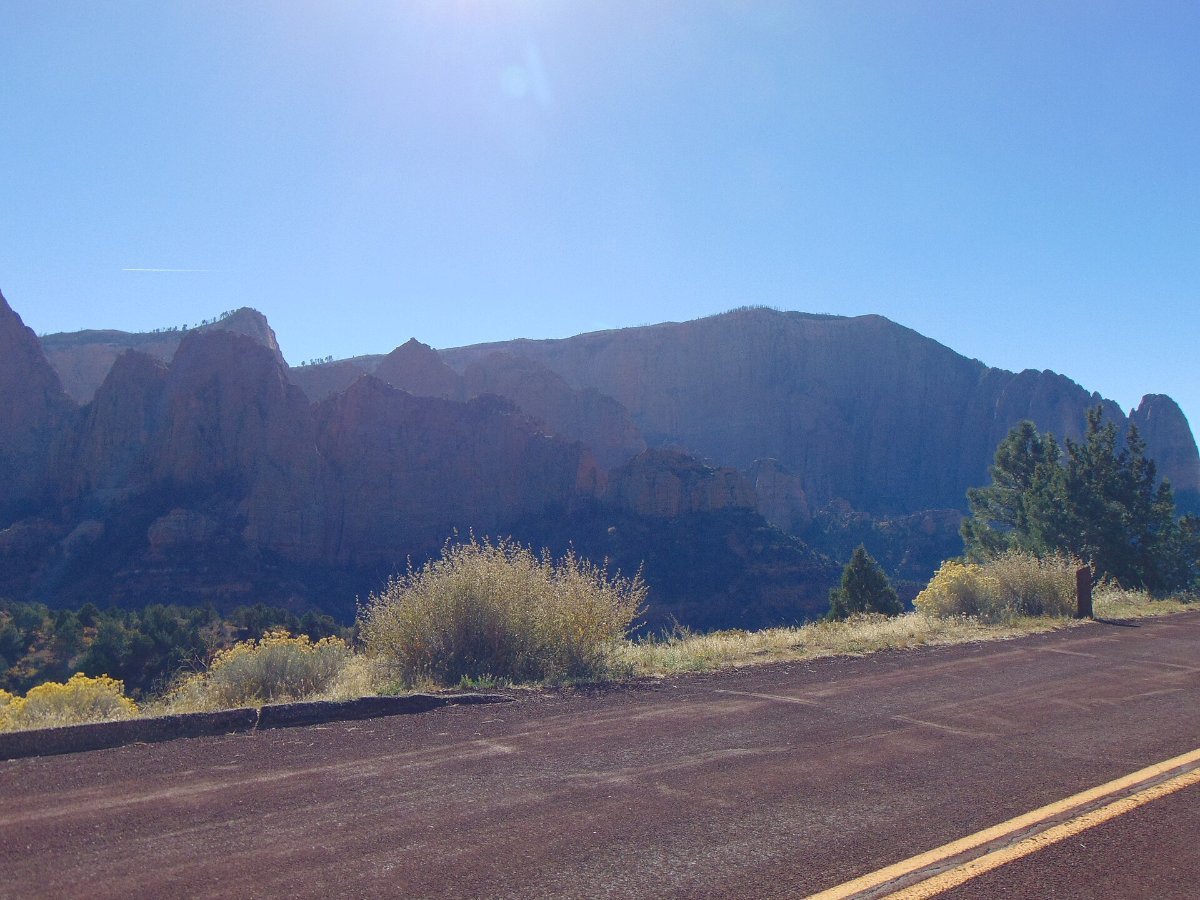
Zion is the busiest and the most spectacular at ground level, a narrow canyon with walls going up 2,000 feet.
Day one: the shuttle up the canyon, the Riverside Walk, and either the Narrows if you’ve hired the kit or Angels Landing if you won the permit lottery. Emerald Pools if you want something gentler.
Day two, and this is the bit people skip: Kolob Canyons. It’s a separate entrance 40 minutes up the interstate, it has its own five mile scenic drive, and on a busy Saturday you might see a dozen cars. Same park, no crowds.
Stay in Springdale right at the gate if the budget allows, because being on the first shuttle changes everything.
Day 3: Bryce Canyon
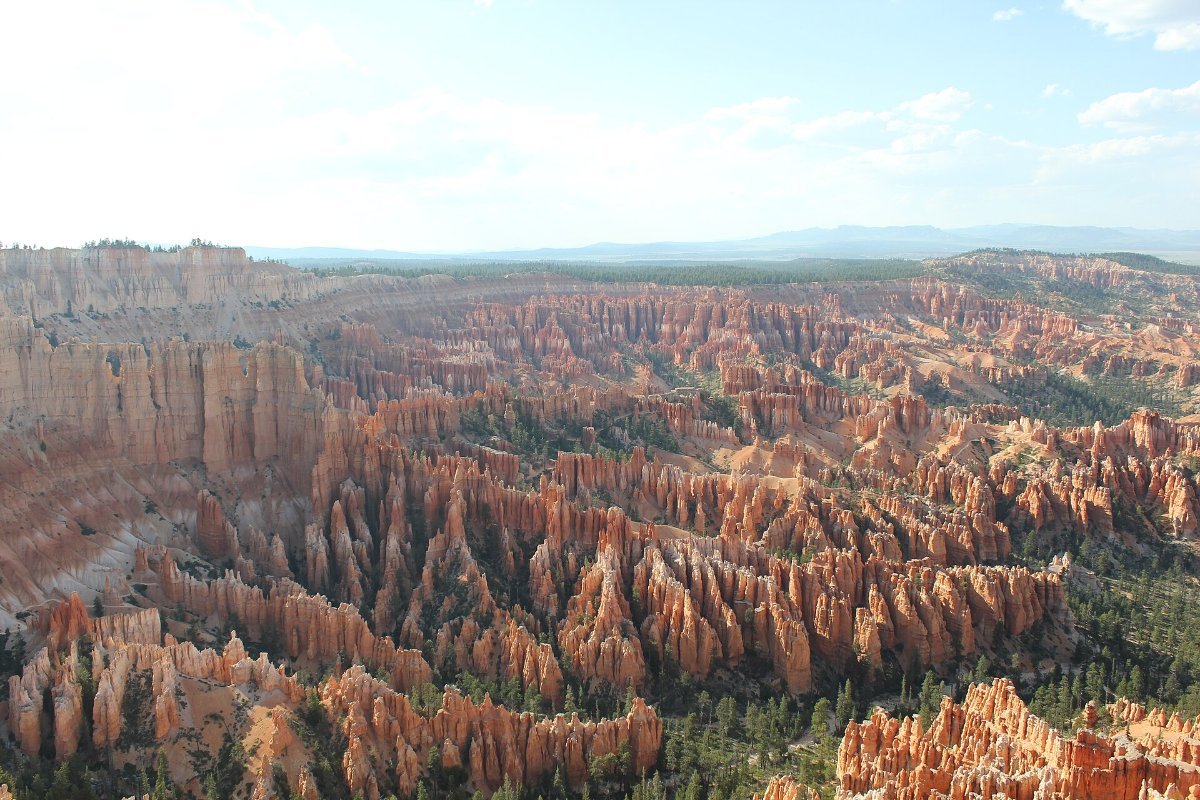
Not actually a canyon. It’s an amphitheatre of eroded limestone spires called hoodoos, and it looks like nothing else on earth.
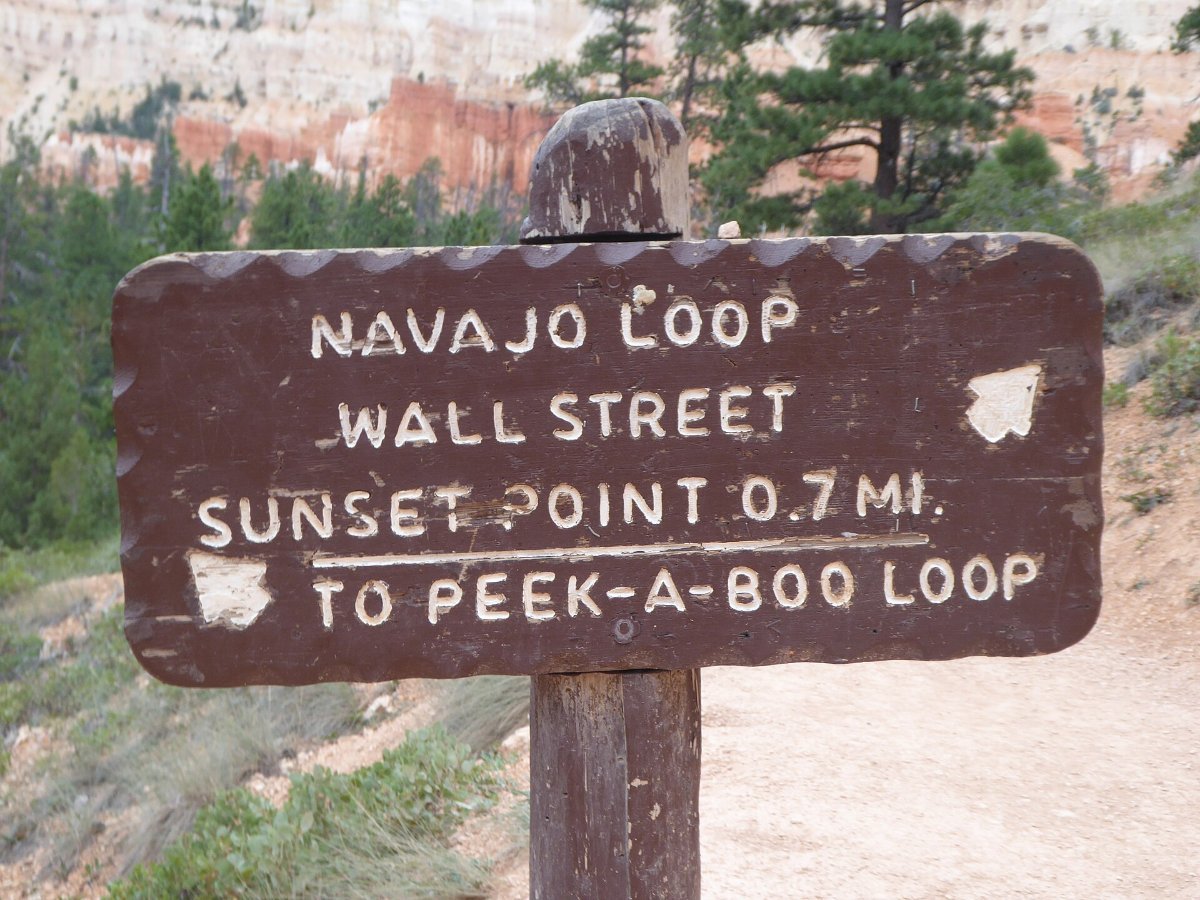
Sunrise Point and Sunset Point are the obvious viewpoints and both are five minutes from the car. But you have to walk down into it. The Navajo Loop and Queens Garden combined is about three miles, takes two hours, and it’s the single best short hike in Utah.
The Wall Street switchbacks on the Navajo Loop are the famous bit, a narrow slot with Douglas firs growing up out of the shadows.
Bryce sits at 8,000 feet, so it’s genuinely cold. Snow into May, freezing nights in September. Also the darkest skies of the five parks, so stay up for the stars.
▶ Watch This Before You Go
Day 4: Scenic Byway 12 and Capitol Reef
Here’s my actual favourite day of the whole week, and it’s mostly driving.
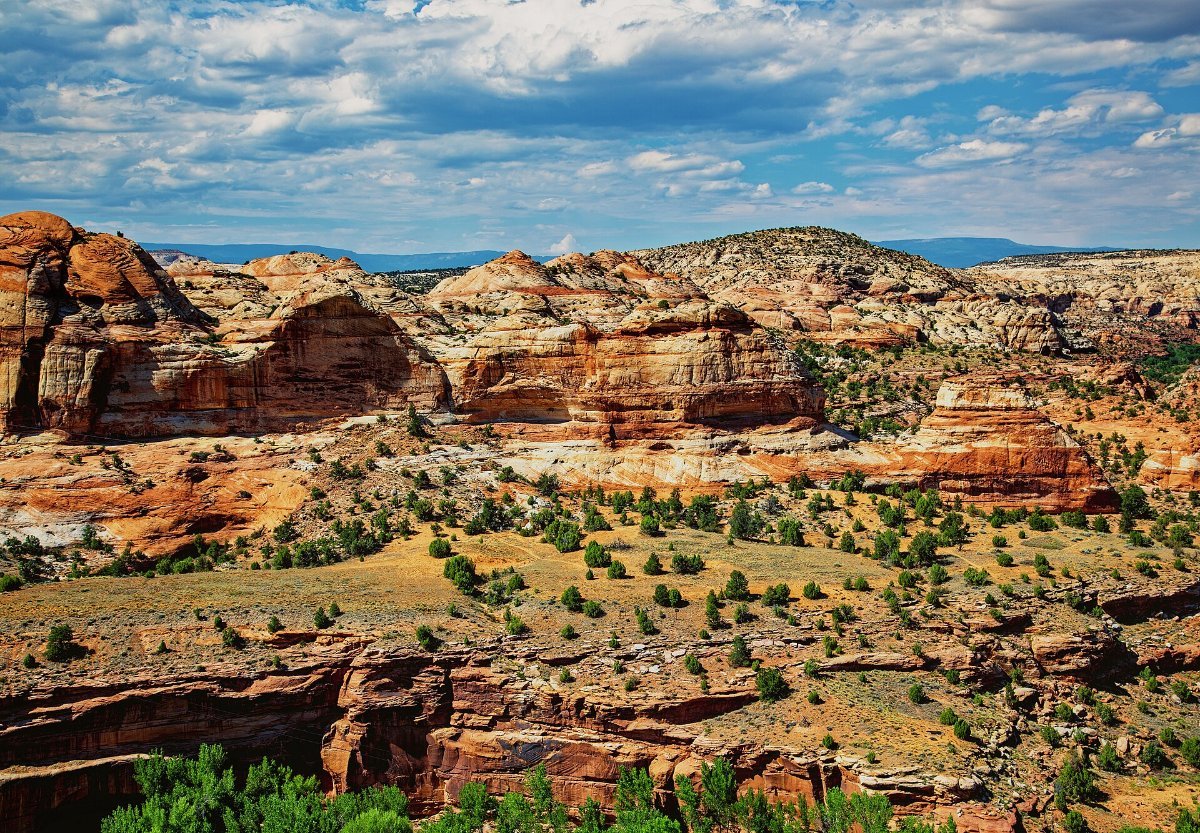
Highway 12 from Bryce to Torrey is 120 miles of genuinely absurd road. It crosses Grand Staircase-Escalante, drops into slickrock canyons, and includes the Hogback, a section where the road runs along a ridge with the ground falling away both sides and no barriers.
Stop at Kodachrome Basin, Escalante, Calf Creek Falls if you fancy a six mile walk to a 126 foot waterfall in the desert. Then climb over Boulder Mountain at 9,600 feet with aspens and views back over everything you’ve driven.
You arrive at Capitol Reef in the afternoon, which is plenty.
Day 5: Capitol Reef
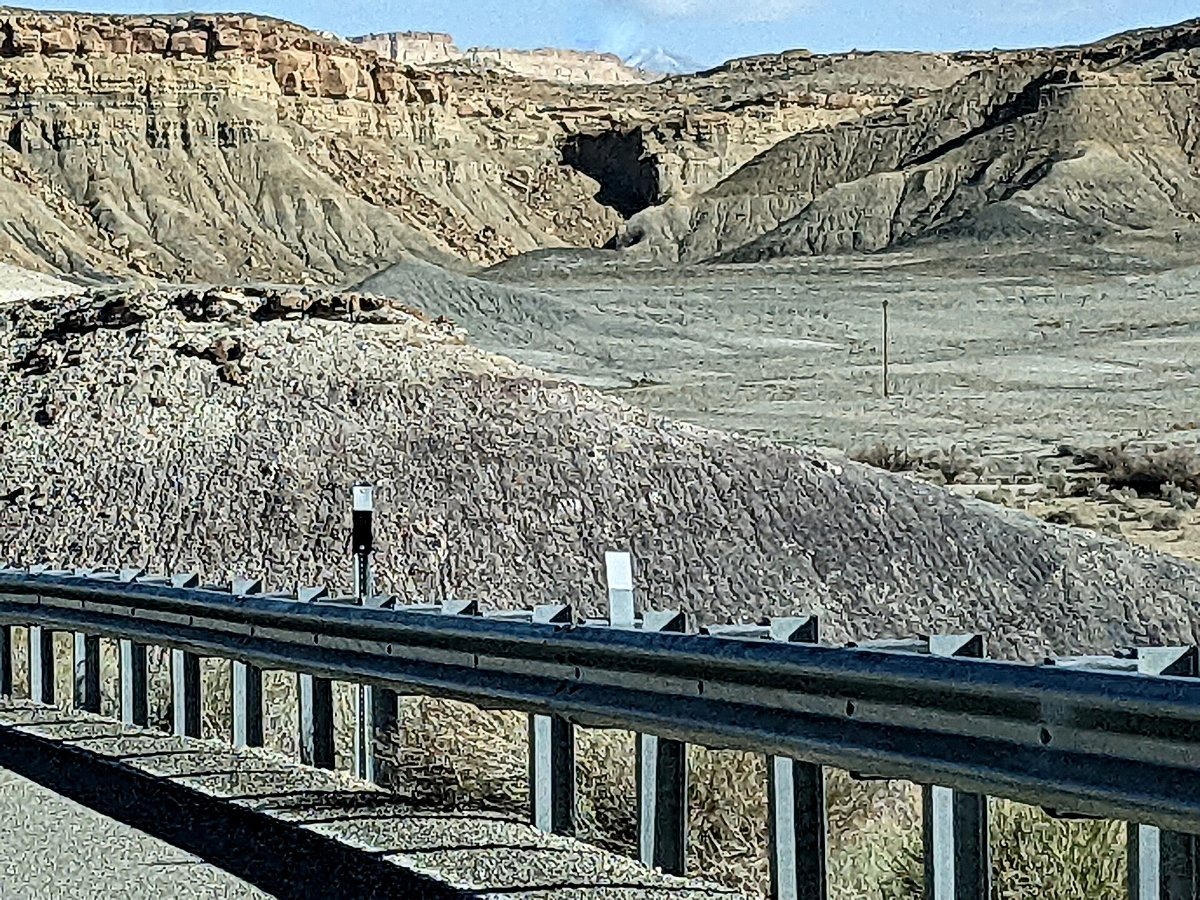
The least visited of the five and the one people underrate hardest.
It’s built around the Waterpocket Fold, a hundred mile wrinkle in the earth’s crust, and the colours are more varied than anywhere else on the trip. Whites, greens, purples, not just red.
The Scenic Drive is ten miles and paid. Hickman Bridge is a two mile round trip to a natural arch. Capitol Gorge is a flat walk through a slot with pioneer names carved into the walls.
And the orchards. Mormon settlers planted fruit trees in Fruita in the 1880s and the park still maintains them. In season you can pick apples, peaches and cherries and pay on an honesty box. It’s completely charming and nobody expects it.
Day 6: Canyonlands
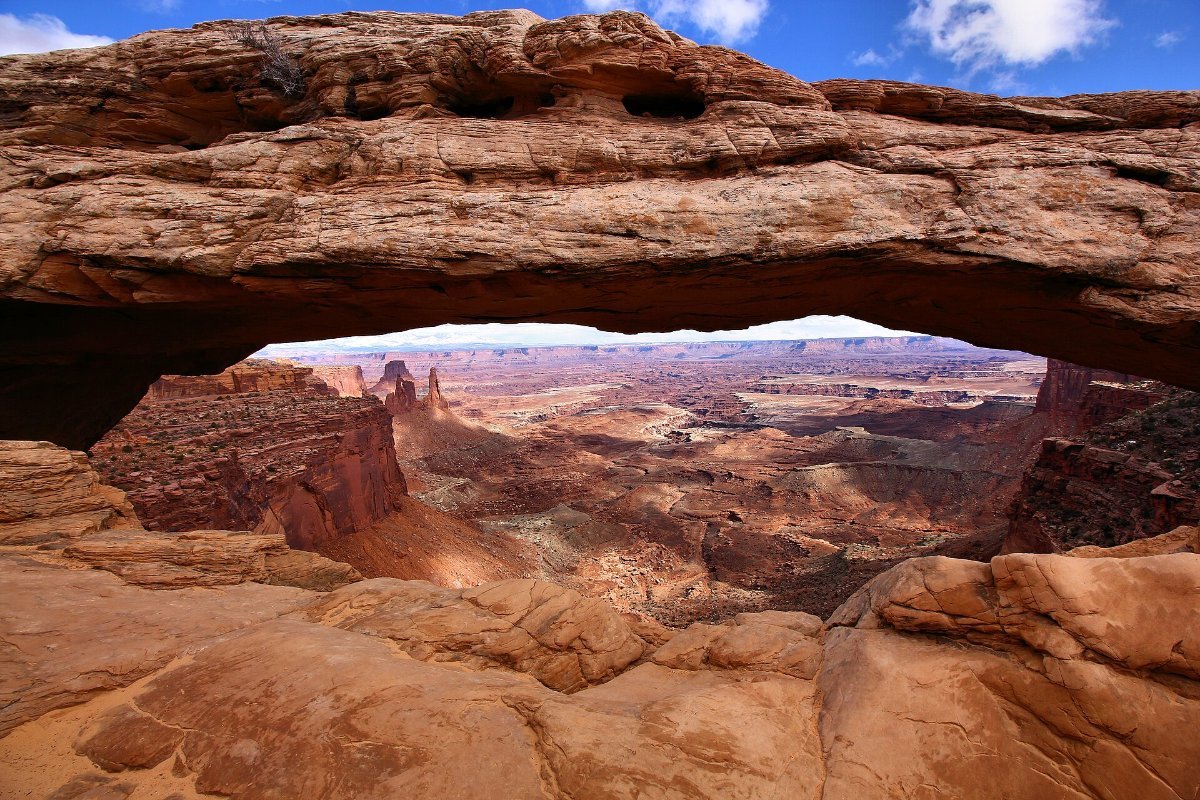
The biggest of the five and the emptiest, split into districts that don’t connect. Island in the Sky is the one you do in a day.
It’s a mesa sitting 2,000 feet above the surrounding canyons, so every viewpoint is a drop. Grand View Point is exactly what it says. Mesa Arch is the famous sunrise shot where the underside of the arch glows orange, and there will be twenty tripods there at 6am.
Upheaval Dome is a crater nobody can fully explain, either a salt dome or a meteorite, and the geologists are still arguing.
Dead Horse Point State Park on the way in is not part of the national park and is arguably the single best view of the week. Small fee, absolutely worth it.
Day 7: Arches
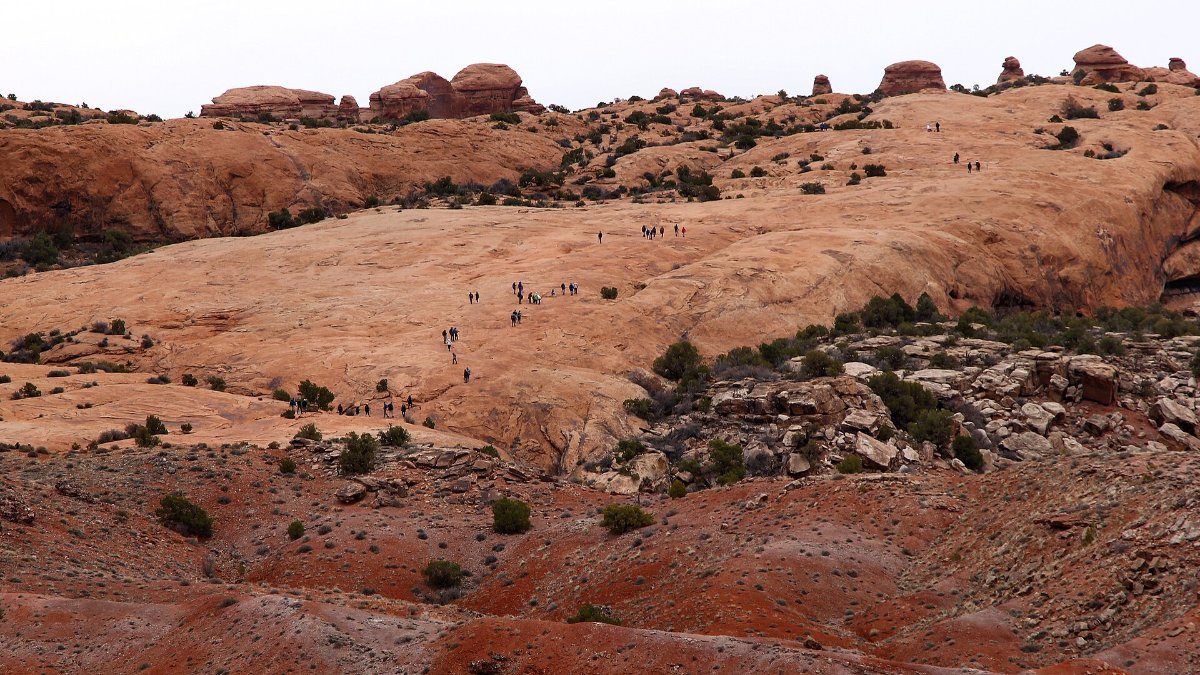
Over 2,000 natural stone arches in one park, which is more than the rest of the world combined.
Delicate Arch is the one on the licence plates. The hike is three miles round trip, mostly up open slickrock with no shade, and it’s harder than people expect in heat. Go for sunset and take a torch for coming back.
The Windows section gives you four big arches for very little walking. Landscape Arch is the longest in the park at 88 metres and looks like it should have fallen down decades ago.
Arches now runs a timed entry system in peak season. Book it, or arrive before 7am, which is better anyway.
When to Go
April to May and September to October. That’s the answer and it isn’t close.
Summer in Arches and Canyonlands regularly passes 40 degrees Celsius with no shade whatsoever, and people get into real trouble. Winter is beautiful, especially Bryce under snow, but roads and trails ice up.
Note the elevation spread: Arches sits at 4,000 feet and Bryce at 8,000. In the same week you can want shorts and a proper coat.
Common Questions
Can you do the Mighty 5 in 5 days?
Technically, and you’ll spend most of it driving and see each park for a couple of hours. Seven is the realistic minimum, ten is comfortable.
Which of the five is best?
Zion for drama, Bryce for strangeness, Capitol Reef for having it to yourself. Arches is the most famous and the most crowded.
Do I need a 4×4?
No, for everything in this itinerary. Only if you want the backcountry districts of Canyonlands or the White Rim road.
How much water should I carry?
Far more than feels sensible. A gallon a day per person in warm weather is the standard advice and it is not an exaggeration.
Where should I base myself?
Springdale for Zion, Bryce Canyon City or Tropic for Bryce, Torrey for Capitol Reef, and Moab for both Canyonlands and Arches.