The Best Things to Do in Vermont in Fall (Beyond the Leaf Photos)
Everyone goes to Vermont in October to photograph trees. Fair enough, the trees are extraordinary.
In this guide
But you can only take so many pictures of a hillside before you want something to actually do, and this is where most foliage trips fall apart. Three days of driving and stopping at pull-offs gets old faster than people admit.
So here’s the other Vermont. Same season, same colour, considerably more to it.
Go to a Farm, Properly
Autumn is harvest, and Vermont takes farming seriously in a way that isn’t performative.
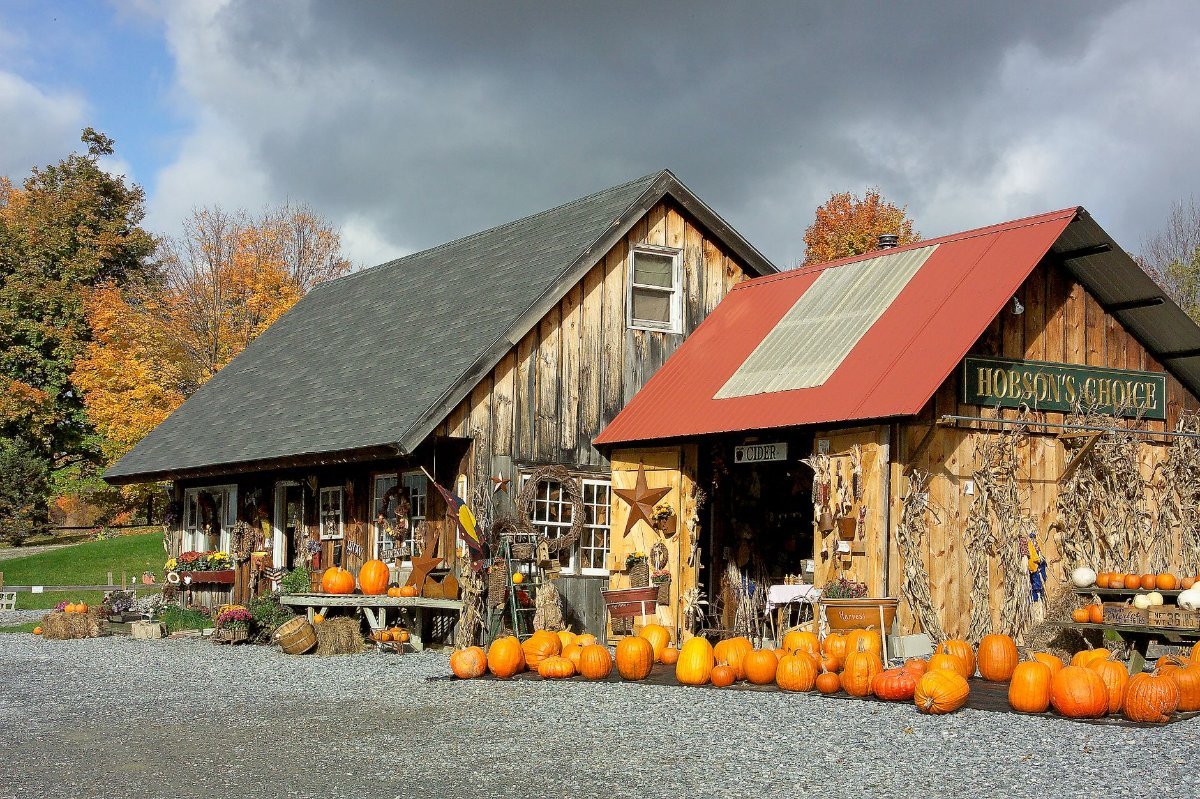
Pick-your-own apple orchards are everywhere from September, and cider doughnuts are a genuine cultural institution rather than a gimmick. Cold Hollow in Waterbury does them in front of you and the queue moves fast.
Cheese is the other one. The Vermont Cheese Trail links about forty producers, most of which will let you taste and several of which are working farms where you can meet the goats responsible. Plan two or three, not ten.
Farmers markets run through October in most towns. Burlington’s is the big one and it’s excellent.
Woodstock, and Doing It Properly
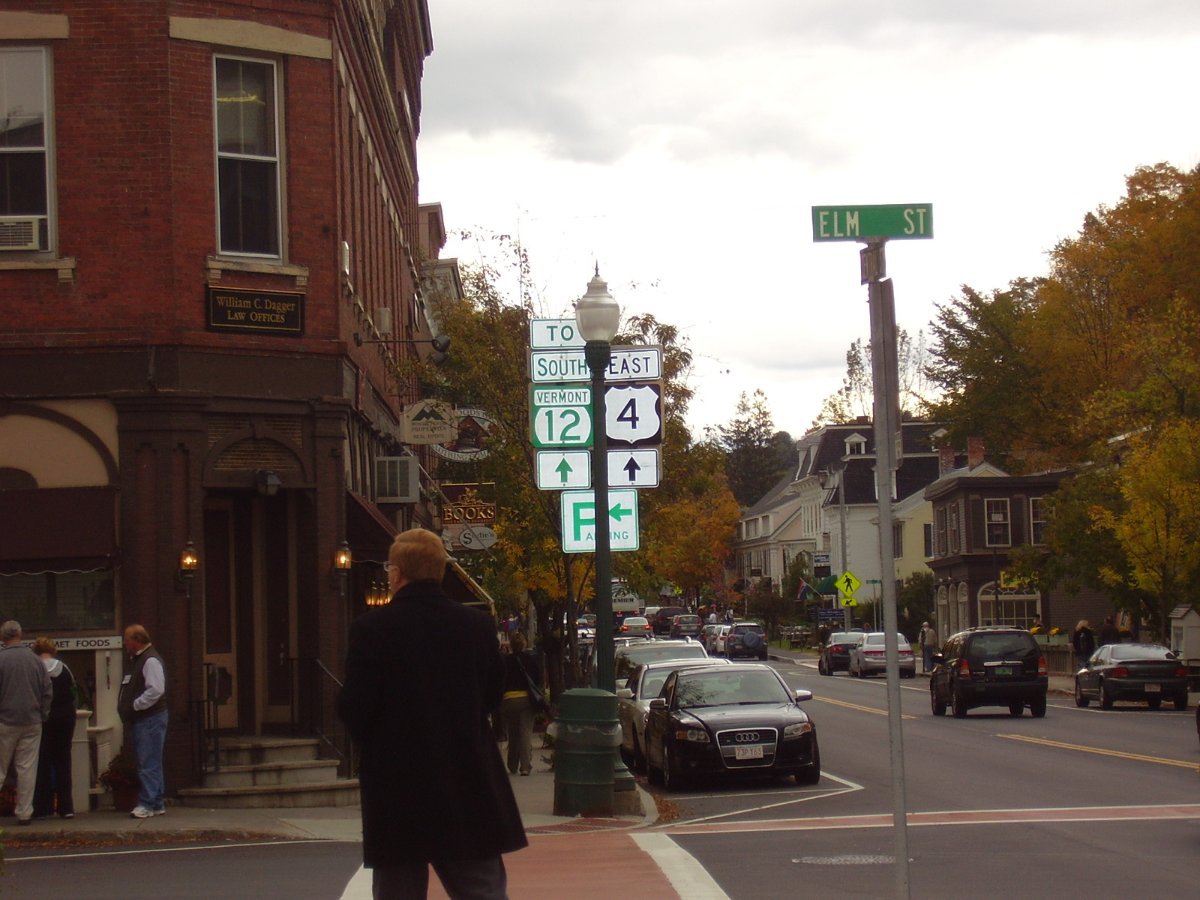
Woodstock gets called the prettiest small town in America roughly annually. It’s a village green, a covered bridge, brick and white clapboard, and about 3,000 people.
Most visitors drive in, photograph the green, buy fudge and leave in ninety minutes. Don’t do that.
Billings Farm across the river is a working dairy farm from 1871 that’s now also a museum of Vermont rural life, and it’s far better than that sounds. Next door, Marsh-Billings-Rockefeller is the only national park in the country focused on conservation history, with 20 miles of carriage roads through managed forest.
Climb Mount Tom from the village. An hour up, and the view back over Woodstock with the colour going is the shot everyone else is trying to get from the car park.
▶ Watch This Before You Go
The Covered Bridges, With a Plan
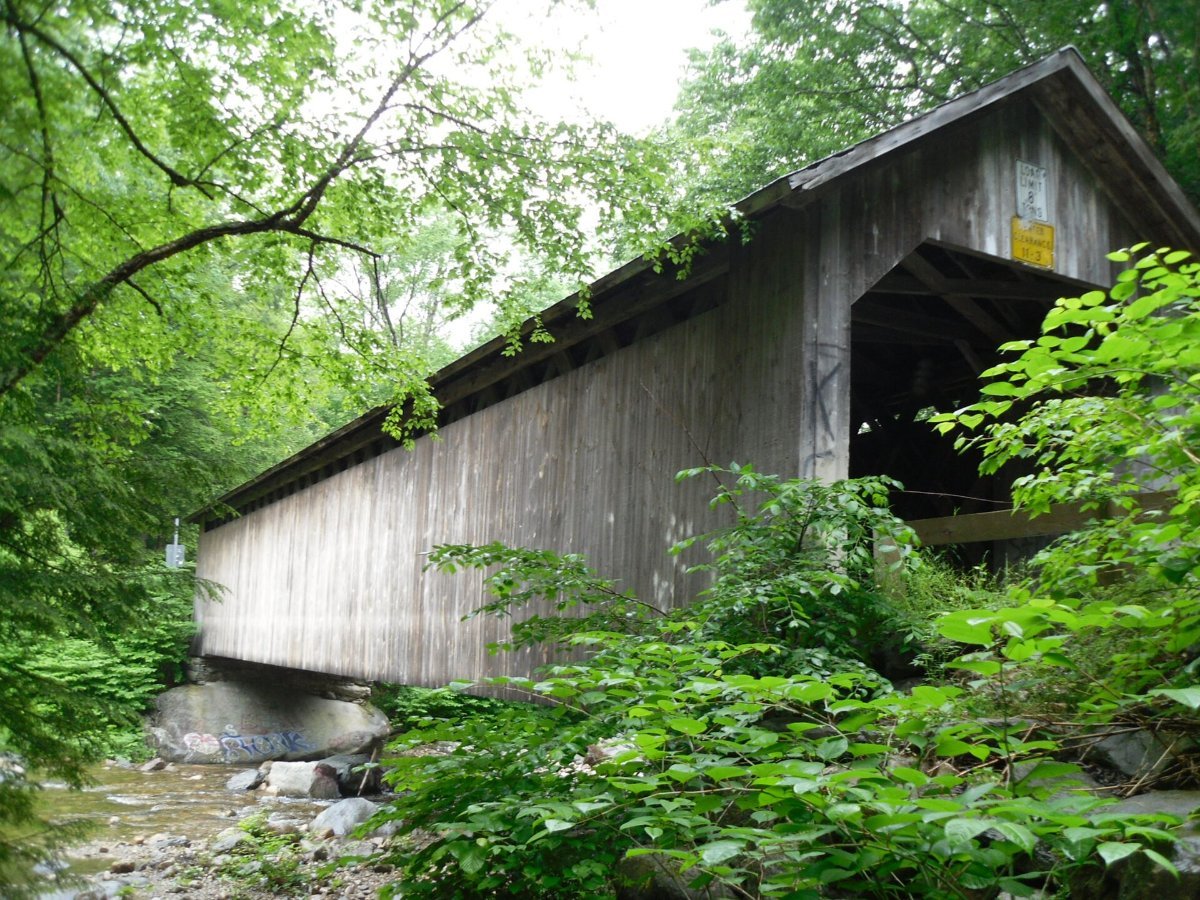
Vermont has over a hundred covered bridges, more per square mile than anywhere in the US. They were covered to protect the wooden deck from rot, not for romance, though the romance came free.
Hunting them all is a mistake and they do start to look alike. Pick a cluster instead. Northfield has five within a few miles. The Bennington area has three good ones close together.
Best photographed from the riverbank rather than the road, which almost nobody bothers doing.
Stowe, and the Mountain Behind It
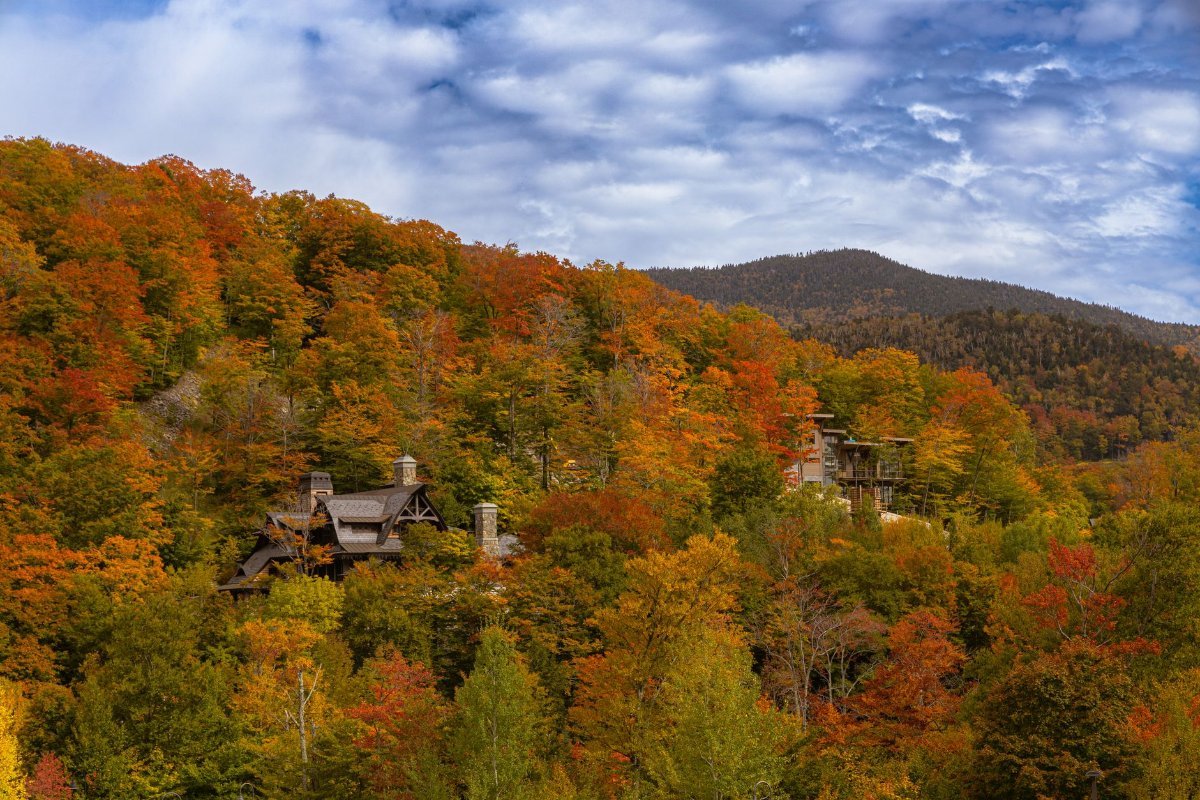
Stowe is the picture-book one, all white steeple and mountains, and it’s busy in October for good reason.
Take the gondola or drive the toll road up Mount Mansfield, the highest point in the state at 4,393 feet. From the top you’re looking down at the colour rather than up into it, which is a genuinely different experience.
The Stowe Recreation Path is 5.3 miles, flat, paved, and runs along the river through the middle of everything. Rent a bike, it’s an hour, and it’s the best low-effort thing in town.
Eat in Waterbury next door, where the food is better and the prices are sane.
Smugglers Notch, While It’s Open
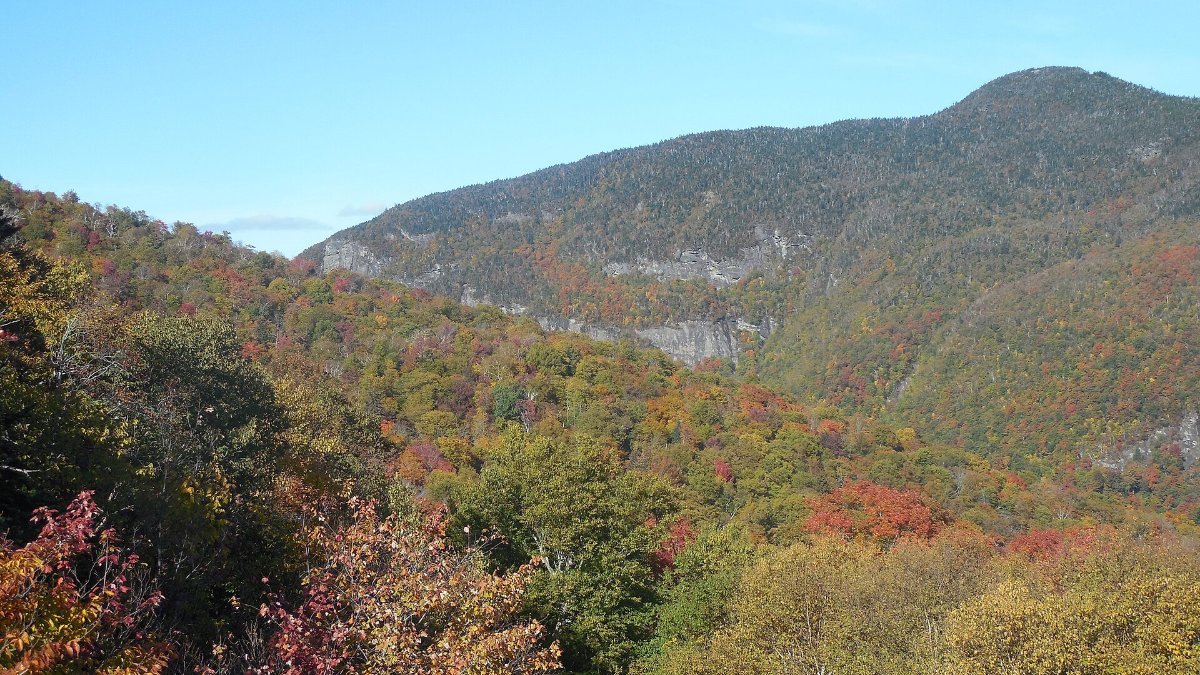
Route 108 north of Stowe squeezes through a pass so narrow that boulders sit within touching distance of the car, with cliffs going up 300 metres either side.
It’s closed all winter, and it closes when the first proper snow arrives, so October is your window. Lorries and coaches are banned and every year somebody gets a hire van wedged.
Park at the top and walk. There are caves used by actual smugglers moving goods to Canada during the 1807 embargo, hence the name.
The Cider and Beer Situation
Vermont has more breweries per head than any other state and some of them are genuinely famous. The Alchemist in Stowe made Heady Topper, which people used to drive across state lines for.
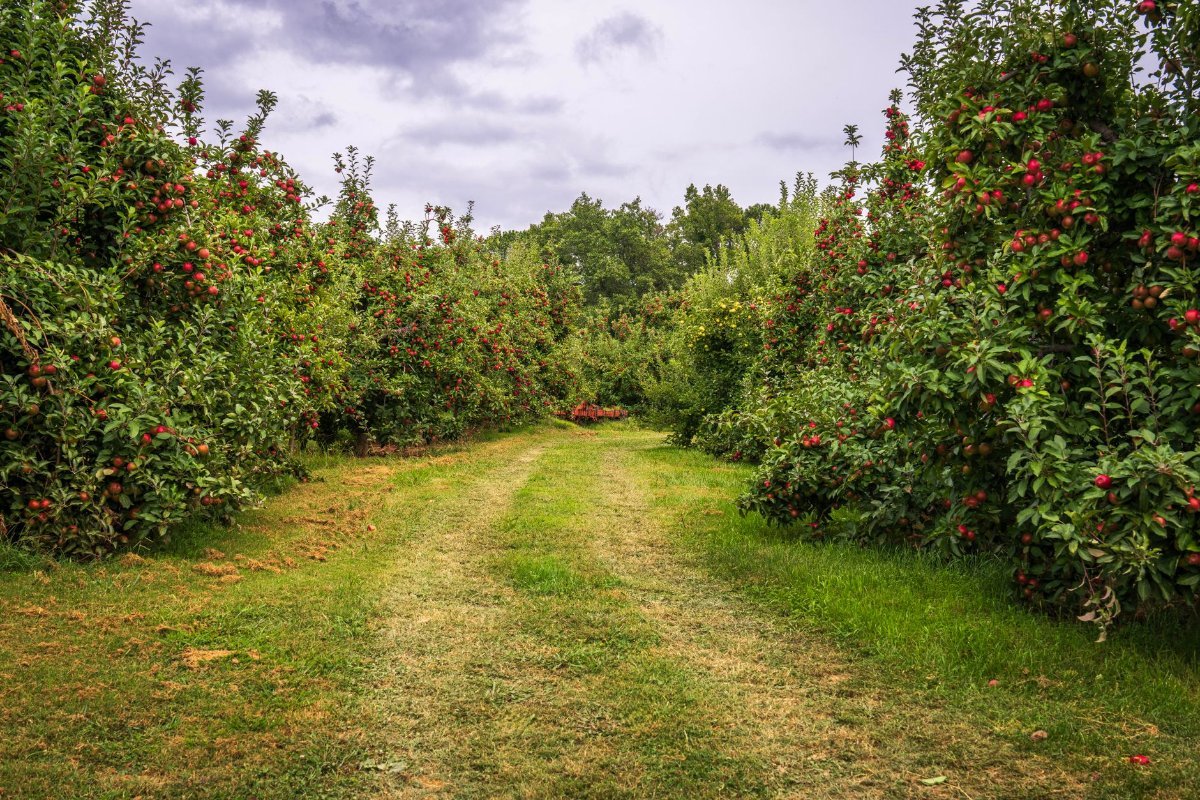
Hard cider is the more autumnal answer though. Citizen Cider in Burlington, Shacksbury down south. Vermont apples, proper dry cider, nothing like the sweet stuff.
Sugar houses are the other seasonal one. Maple is a spring product, but plenty of sugar houses are open year round to explain the process and sell you the good grade 🙂
The Towns Nobody Tells You About
Everyone does Woodstock, Stowe and Manchester. Fine. But Vermont’s smaller places are where you actually feel like you’re somewhere.
Grafton is almost absurdly preserved, largely because a foundation bought half of it. Chester has a stone village of buildings built from local mica schist. Peacham up in the Northeast Kingdom is regularly called the most photographed village in the state and gets a fraction of the traffic.
The Northeast Kingdom generally is the sleeper region. Colder, emptier, more forested, and it turns colour first.
When the Colour Actually Peaks
Northern Vermont and the higher elevations peak roughly the last week of September into the first week of October. Central Vermont follows the second week. The southern valleys hold until mid to late October.
That’s a three week window across a small state, so a badly timed trip is nearly always fixable by driving an hour north or south.
The state runs a weekly foliage report through the season. Use it, and be prepared to change plans, because it moves faster in a dry year.
The Practical Bits
Book accommodation months ahead for October. Vermont has a limited number of beds and leaf season fills them, with prices to match.
Midweek beats weekend by an enormous margin. The difference on Route 100 between a Tuesday and a Saturday is night and day.
Bring layers. It can be 20 degrees Celsius at midday and near freezing at dawn, which catches people out constantly.
Common Questions
When is peak foliage in Vermont?
Late September to mid October depending on elevation and latitude, with the north and the mountains turning first.
What’s the best base for a Vermont fall trip?
Stowe or Waterbury for the north, Woodstock for the centre. Both put you within an hour of a lot.
Do I need a car?
Yes. Public transport between villages is minimal and the whole point is the back roads.
Is Vermont worth visiting outside autumn?
Genuinely yes. Summer is green and quiet, winter is ski country, and spring is mud season, which locals will warn you about with feeling.
How many days do I need?
Four is comfortable for a loop taking in the south, the centre and Stowe. Three works if you stay in one region.