The Dolomites in 5 Days: The Only Itinerary You Need
The Dolomites don’t look like the rest of the Alps. They’re pale grey limestone that goes pink at dusk, they stand up in vertical slabs and towers rather than snowy cones, and they were a coral reef about 250 million years ago.
In this guide
They’re also in Italy, though large parts of them speak German and a few valleys speak Ladin, which is neither. That history matters more than you’d expect.
Five days gets you the western and eastern halves without living in the car. You need to hire one.
Where to Base Yourself
The Dolomites are a range, not a town, and the single biggest planning error is picking one base for the whole trip.
Split it. Two or three nights in Val Gardena or Val di Funes in the west, then two or three around Cortina d’Ampezzo in the east. The drive between them takes about two hours over the passes and is itself one of the highlights.
Ortisei, Santa Cristina and Selva are the Val Gardena towns. Cortina is the glossy one in the east, with Dobbiaco and San Vigilio as cheaper alternatives.
Book early for July and August. This is not a region with spare beds in high season.
Day 1: Val Gardena and Seceda
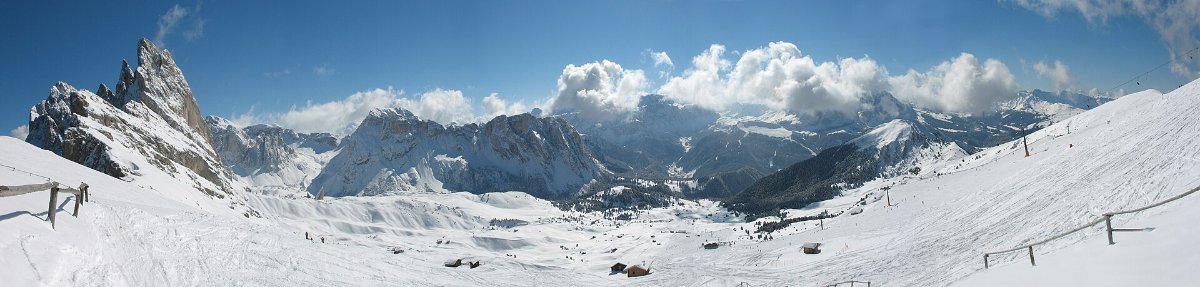
Seceda is the one you’ve seen: a grassy ridge that tilts up and then drops away in a sheer cliff, with jagged peaks behind. It looks computer-generated and it isn’t.
Cable car up from Ortisei, then a short walk to the viewpoint. You can be at the top within an hour of breakfast, which is why it’s the right first morning.
Walk on rather than turning back at the photo spot. The ridge path continues and empties out fast.
Afternoon: Val di Funes next door, where the church of Santa Maddalena sits in a meadow with the Odle peaks behind. It’s the most photographed church in Italy and it deserves it.
Day 2: Alpe di Siusi
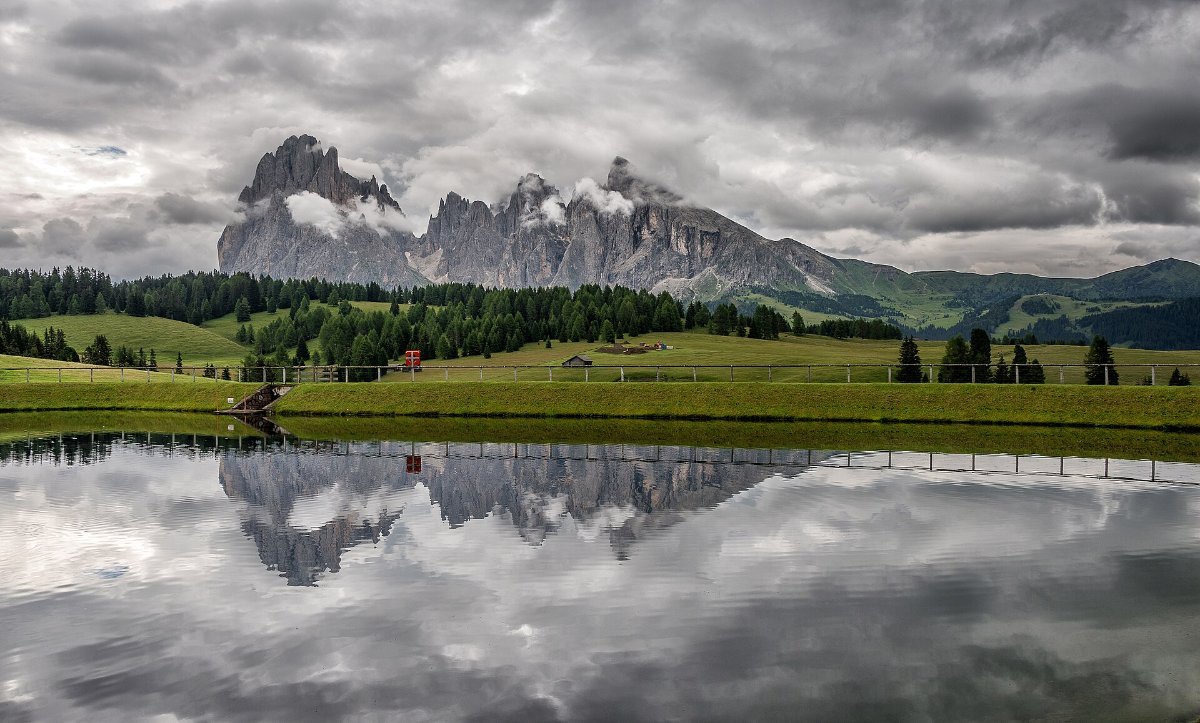
The largest high alpine meadow in Europe, 57 square kilometres of rolling grass at 2,000 metres with the Sassolungo massif on one side.
Cars are restricted between 9am and 5pm, so take the cable car from Ortisei or Siusi. Once you’re up, it’s flat, wide open and easy walking, which is a relief in a range this vertical.
Wildflowers peak in late June and early July and it’s genuinely spectacular. In winter it’s cross-country ski terrain.
There are dozens of rifugi up here serving lunch. Eat at one. Half the point of the Dolomites is the mountain huts.
▶ Watch This Before You Go
Day 3: Over the Passes to Cortina
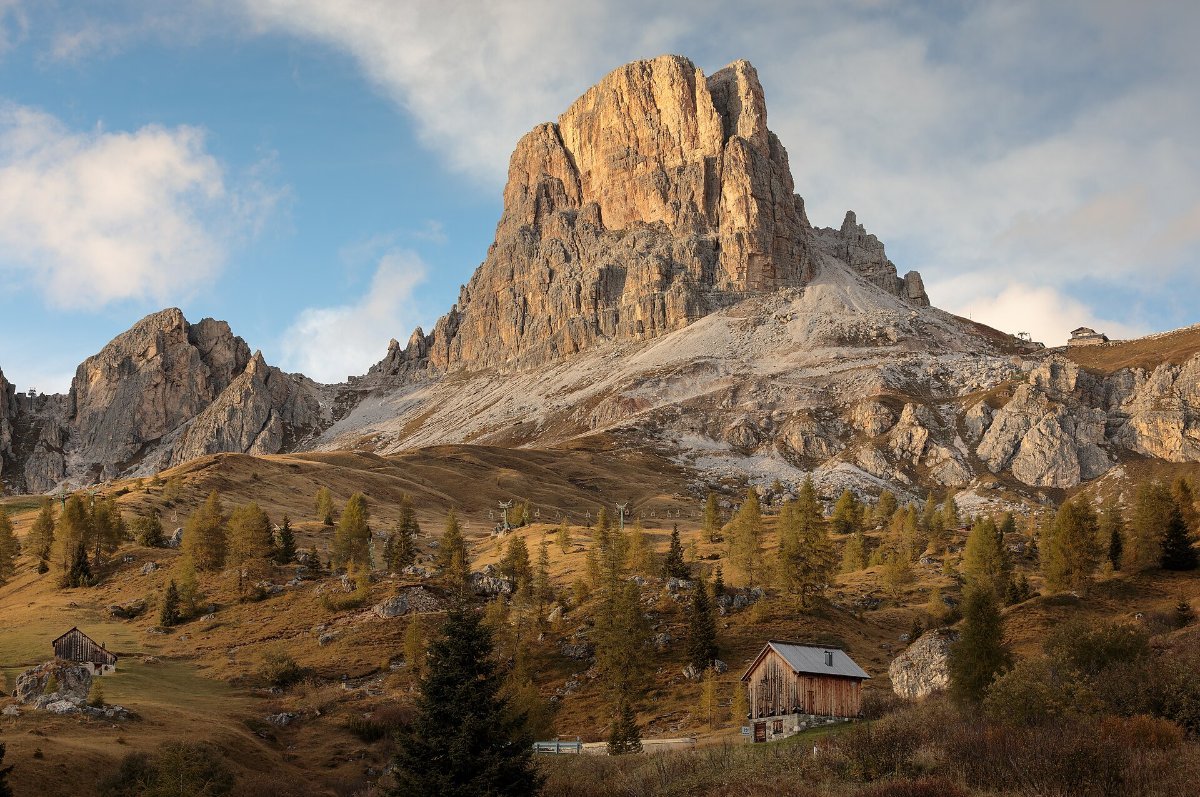
Transfer day, and one of the best drives in Europe. The Great Dolomites Road links the two halves via a series of hairpin passes.
Passo Gardena, Passo Sella, Passo Pordoi and Passo Giau, depending on your route. Giau is the spectacular one, 29 hairpins with the Averau and Nuvolau peaks standing over the top.
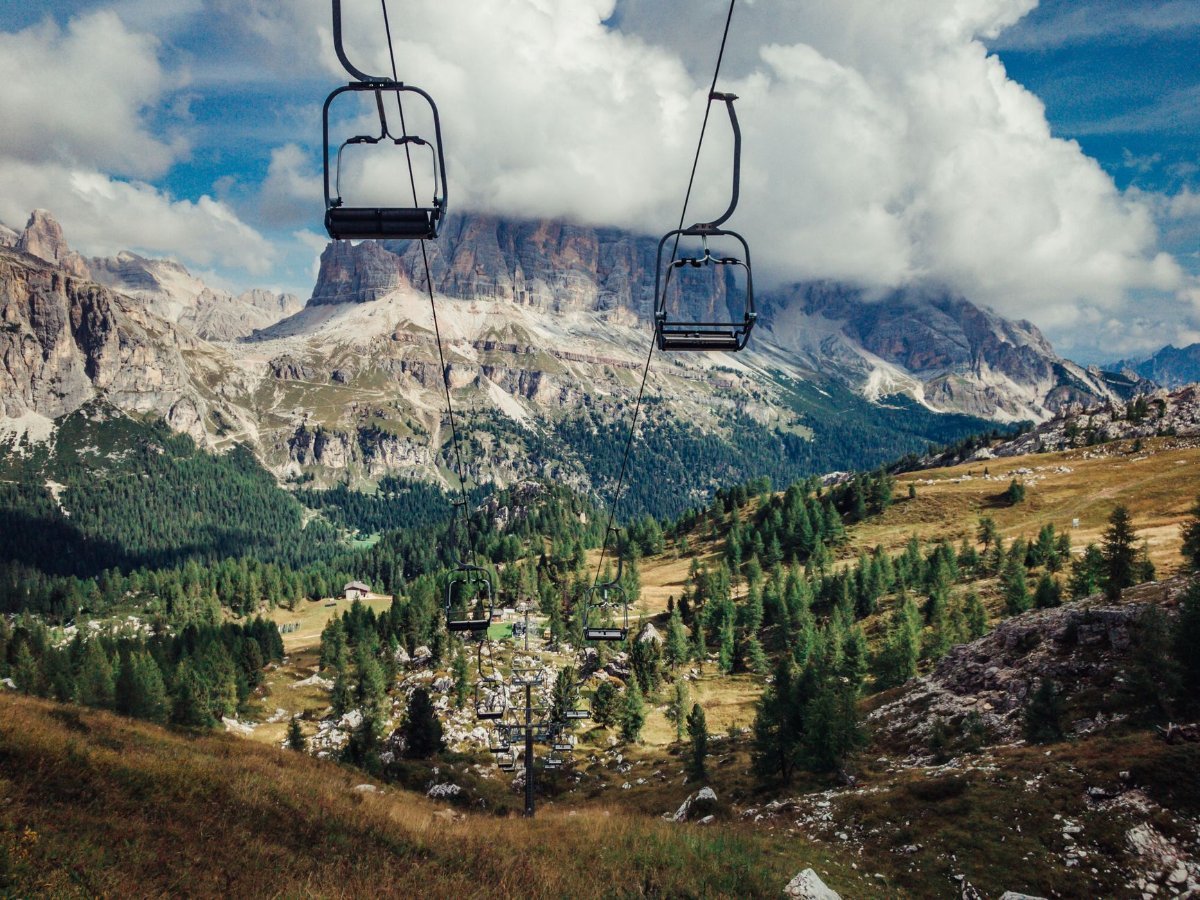
Stop at the top of Pordoi and take the cable car to 2,950 metres for a view over the whole range including Marmolada, the highest peak.
Allow the whole day. It’s two hours of driving and about six hours of stopping.
Day 4: Tre Cime di Lavaredo
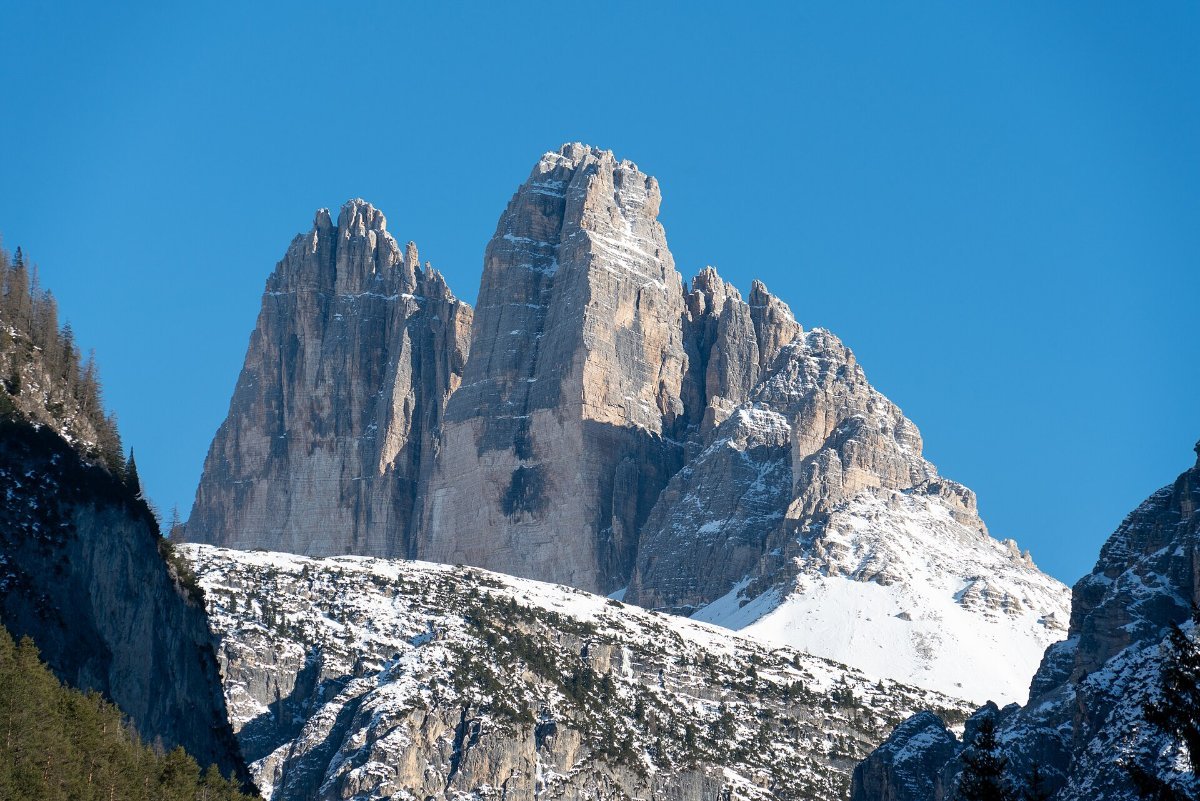
Three vertical towers of rock standing alone above everything, and the symbol of the entire range.
The road up to Rifugio Auronzo is a toll road, and it is not cheap. From the car park the loop trail around the base is about 10 kilometres, mostly gentle, and takes three to four hours.
Do it anticlockwise. The famous view of all three peaks together only appears once you’re round the back, so clockwise means you get the payoff first and walk away from it.
Go early. The car park fills by 8am in August and they close the road when it’s full.
Day 5: The Lakes
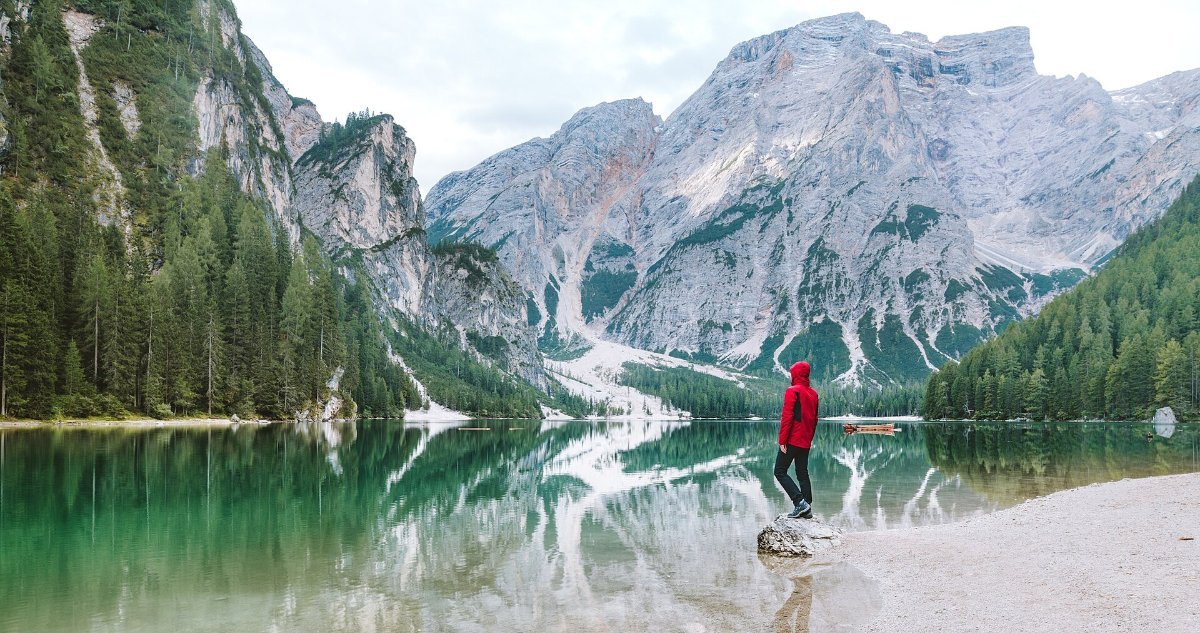
Lago di Braies is the emerald one with the wooden boathouse and the rowing boats, ringed by cliffs. It’s twenty minutes round the shore for the classic view and about ninety for the full loop.
It’s also extremely busy, and access is now restricted in summer with a booking system for cars between mid-July and mid-September. Check before you drive there.
Lago di Sorapis is the alternative and requires work: a 6.5 kilometre hike each way with some exposed sections and ladders. The water at the end is a milky turquoise that looks fake in photos.
Lago di Carezza is the easy one, right by the road, small, and reflecting the Latemar peaks.
Cortina, and Eating Up Here
Cortina d’Ampezzo hosted the 1956 Winter Olympics and is co-hosting again in 2026, so expect construction and higher prices.
It’s a smart town with a pedestrian main street, good shops and better restaurants than the average ski resort.
The food up here is Austrian more than Italian. Speck, dumplings, goulash, apple strudel, and canederli, which are bread dumplings in broth. The wine is South Tyrolean white, mostly, and very good.
Rifugi serve proper meals, not sandwiches. Booking is sensible for the popular ones.
When to Go
Late June to mid September for hiking, with everything open and the cable cars running. September is the best of it: stable weather, thinner crowds, and the larches start turning gold at the end.
October is quiet and lovely and many lifts and rifugi shut. Winter is ski season and completely different. May and early June are shoulder, with snow still on high trails and half of everything closed.
Afternoon thunderstorms are routine in summer. Start early, be off the ridges by mid afternoon :/
Common Questions
How many days do you need in the Dolomites?
Five is the minimum to see both halves. Seven lets you slow down and add proper full-day hikes.
Do I need a car?
Effectively yes. Buses connect the main valleys but the passes, trailheads and lakes are far easier with your own vehicle.
What language do they speak?
German in South Tyrol, Italian in the Veneto side, and Ladin in a few valleys. Almost everyone in tourism speaks English.
Are the Dolomites expensive?
More than southern Italy, yes, roughly on a par with Austria or Switzerland’s cheaper regions. Rifugi are decent value for what they are.
Can you visit without hiking?
Absolutely. The cable cars, passes and lakeside walks give you most of the scenery with very little effort.