Two things happen when you google Antelope Canyon. First, you see a photo so absurdly beautiful you assume it’s been edited into another dimension. Second, you find out you can’t just walk in, and the whole thing gets complicated fast.
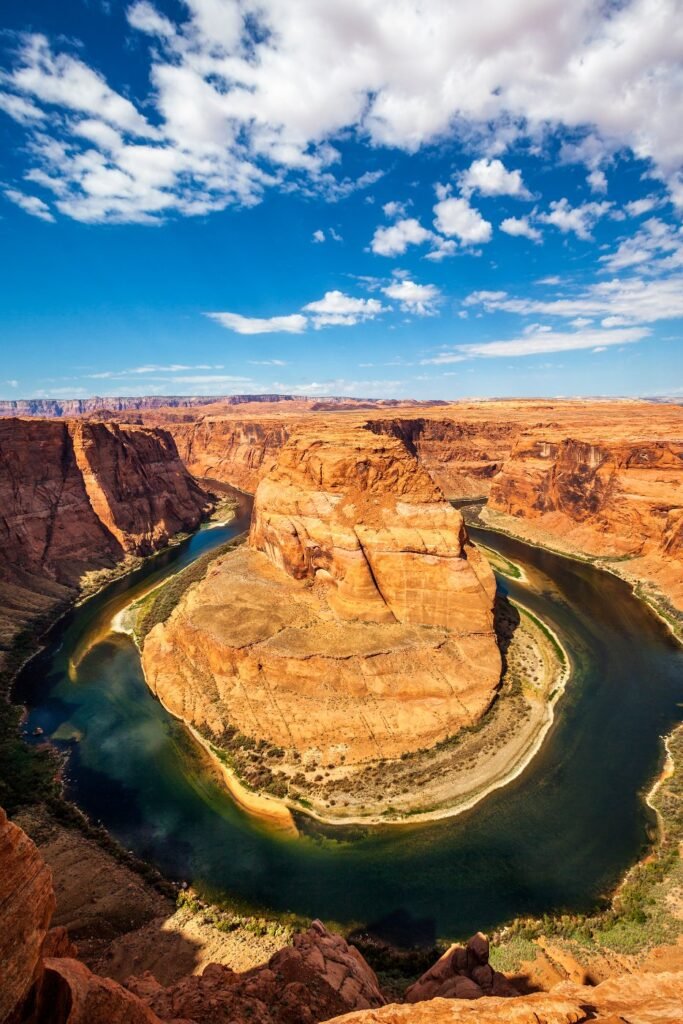
Let’s untangle it. Antelope Canyon and Horseshoe Bend sit within about 15 minutes of each other outside Page, Arizona, and you can genuinely do both in one day without rushing. But there are a handful of rules that catch people out, and a couple of decisions that make the difference between a great day and an expensive shuffle through a crowd.
You cannot visit Antelope Canyon alone. Full stop.
This is the bit most people miss. Antelope Canyon is on Navajo Nation land, and access is only permitted with a Navajo-authorised guide. There’s no trailhead, no parking-and-wander, no clever back route. If a website is selling you unguided entry, it’s selling you something that doesn’t exist.
Book ahead. Not “a few days ahead” — think weeks, and months for spring break or peak summer. Tours sell out and the number of daily permits is capped. Turning up in Page hoping to grab a same-day slot in July is a genuinely bad plan.
Upper or Lower? This is the actual decision
There are two canyons and people agonise over this, so here’s the short version.
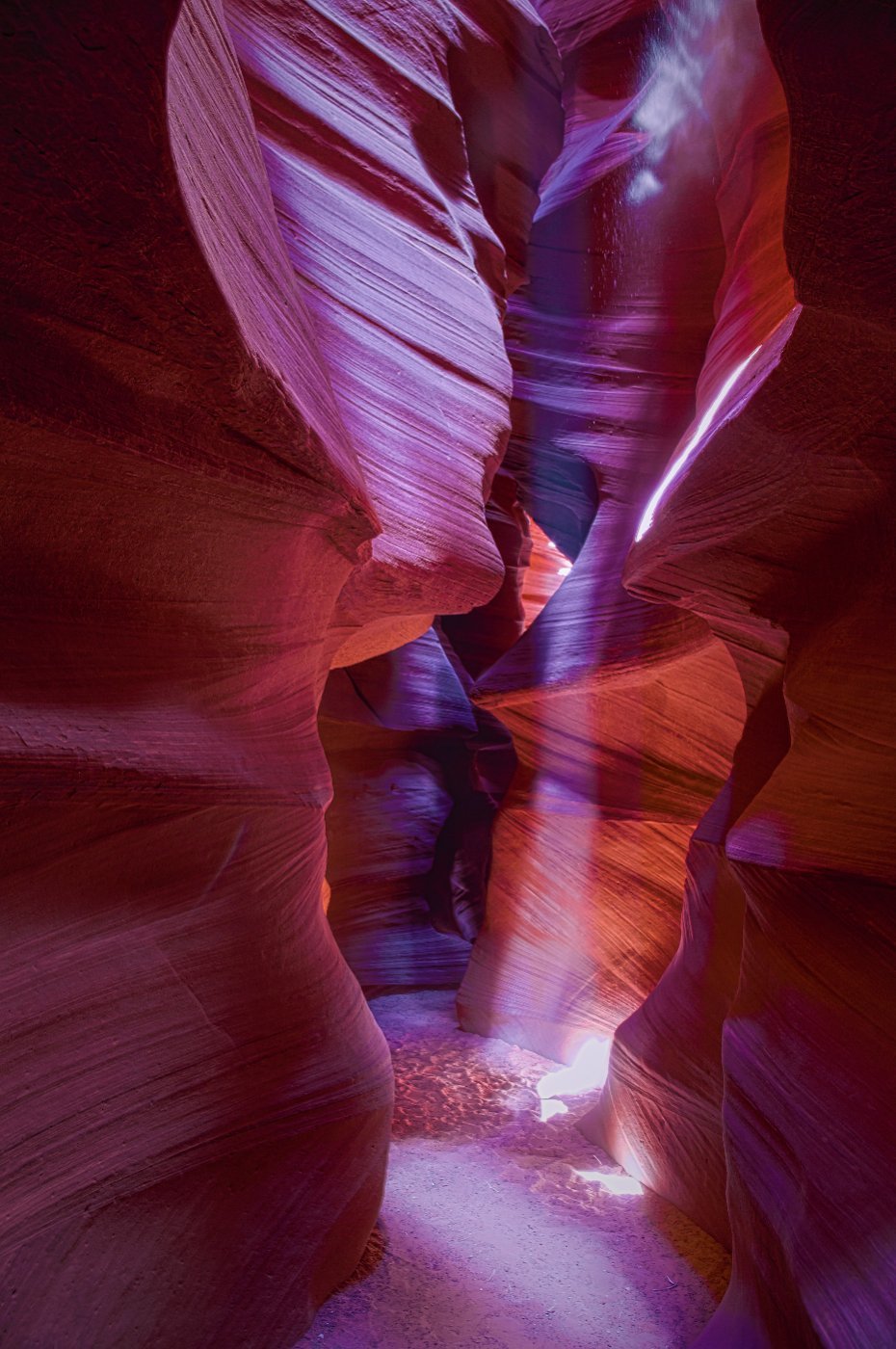
Upper Antelope Canyon is the famous one. It’s wider at the bottom, flat to walk through, and it’s where those light beams come down from above around midday in summer. No ladders, no climbing. It’s also the busier and usually pricier of the two.
▶ Watch This Before You Go
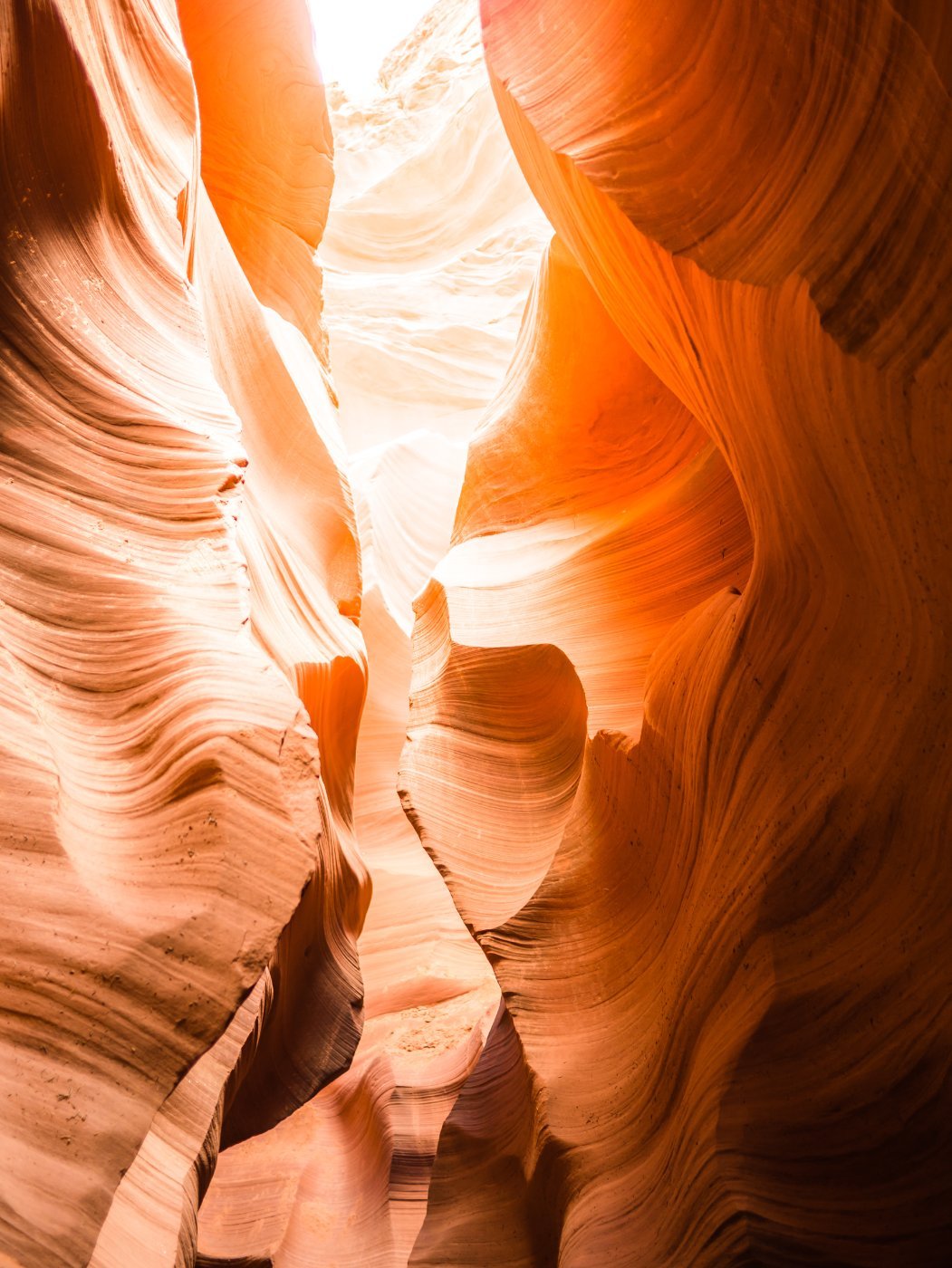
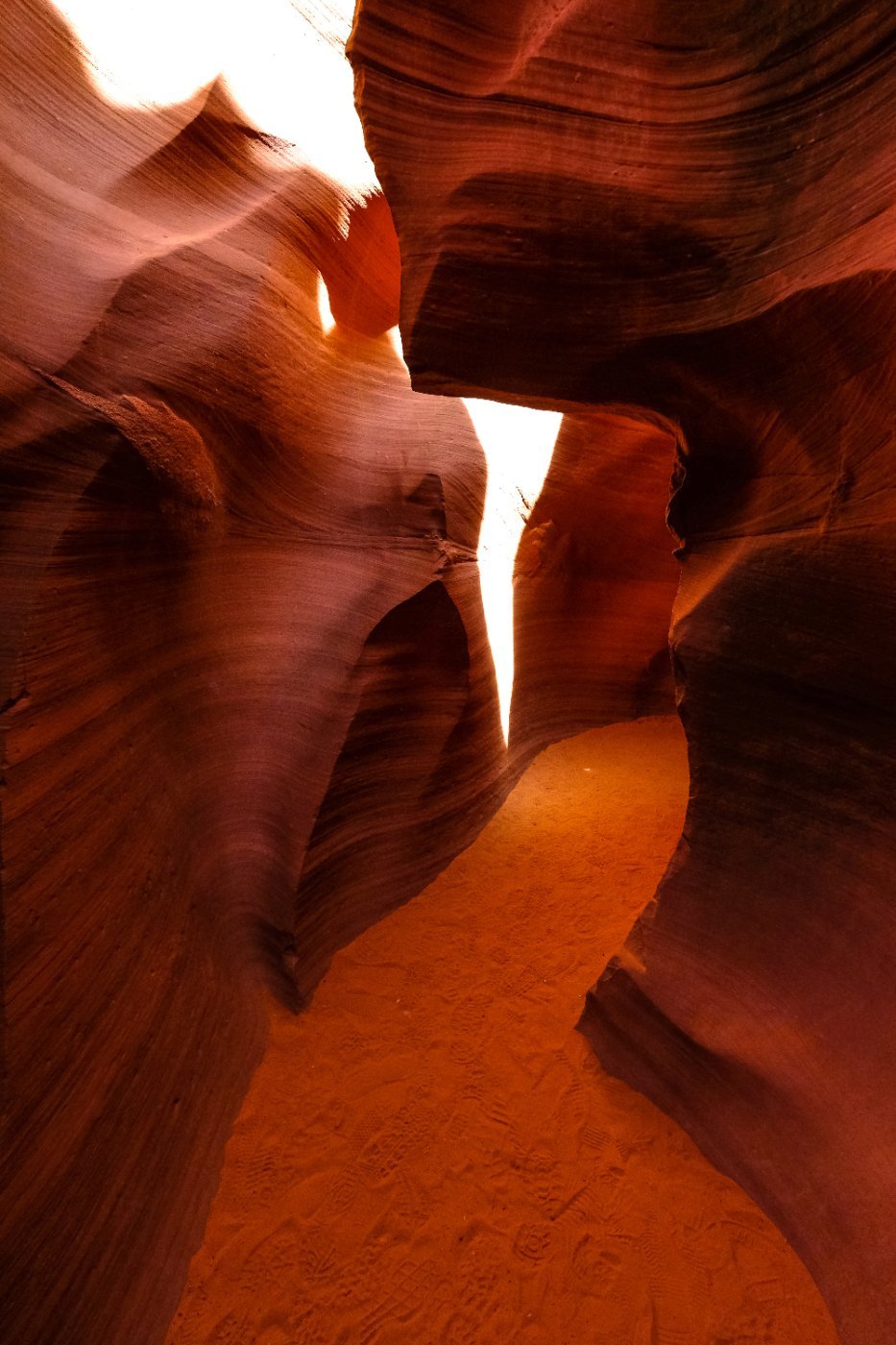
Lower Antelope Canyon is narrower, more twisty, and you go down a series of metal staircases to get in. Slightly more physical, noticeably cheaper, and a lot of people (me included) think the shapes are more interesting. Fewer light beams, more sculpted walls.
My take: if you have mobility concerns or you’re chasing the beam shot specifically, go Upper. Everyone else, Lower. And if you’re truly obsessed, do both — they’re different enough that it doesn’t feel repetitive.
What it costs, honestly
Tour prices sit roughly in the $80 to $150 range per adult depending on canyon, season and operator, and that usually includes the Navajo permit fee. Some operators list the permit separately, so read carefully before you compare prices.
Horseshoe Bend is separate and much cheaper: a parking fee of around $10 per vehicle, collected by the City of Page. No tour required, no booking.
Budget maybe $200 for two people doing one canyon plus Horseshoe Bend, before food and fuel. Not nothing, but for what you get it’s fair.
Horseshoe Bend is easier than the photos suggest
The walk from the car park to the overlook is about 1.5 miles round trip on a wide sandy path. There’s a gentle hill on the way back that feels much steeper than it is when it’s 40°C and you’ve brought one small water bottle. Learn from the people I watched suffering.
There’s a railing at part of the viewpoint now, but plenty of the rim is open and it’s a 300-metre drop. Keep kids close. Every year there are incidents here and they are entirely avoidable.
Best light is late afternoon into sunset, when the canyon walls go orange and the river below turns that deep green. Sunrise works too and it’s far quieter, but the bend itself sits in shadow for a while.
Timing your day so it actually works
Here’s the sequence that gives you the best of both:
- Morning — Lower Antelope Canyon around 9 or 10am. Cooler, and the crowd hasn’t peaked.
- Midday — lunch in Page, then hide indoors. Genuinely. Summer afternoons here are brutal.
- Late afternoon — drive 10 minutes to Horseshoe Bend, walk out around 90 minutes before sunset.
If you’re set on the Upper Canyon light beams, flip it: those beams appear roughly 11am to 1:30pm from late March through early October, so book a midday Upper tour and save Horseshoe Bend for the evening.
The rules that catch people out
No tripods on standard tours. No bags of any kind on many Lower Antelope tours — that includes camera bags and, on some operators, small handbags. Phone and camera in hand, that’s it. Check your operator’s specific rules the day before.
No drones anywhere near Antelope Canyon or over Navajo land without a permit you almost certainly don’t have. Same at Horseshoe Bend, which sits in Glen Canyon National Recreation Area.
Also worth knowing: flash flooding is a real hazard in slot canyons, and tours get cancelled during monsoon season (roughly July through September) when storms are anywhere upstream, even if it’s sunny where you’re standing. If that happens, they’re not being dramatic. Eleven people died in Antelope Canyon in 1997 for exactly this reason.
Where to stay
Page is small and the hotel stock is mostly chain properties along the highway. Nothing charming, everything functional. Book early in summer because the town fills up.
If you’d rather have somewhere nicer as a base, Kanab, Utah is about 75 minutes away and puts you closer to Zion and the Wave lottery. Flagstaff is 2 hours 15 and has actual restaurants. Both are reasonable if you’re building a bigger road trip.
FAQ
How long does an Antelope Canyon tour take? Around 60 to 90 minutes including the shuttle ride, and you’re inside the canyon itself for roughly 45 minutes.
Can I visit both canyons on the same day? Yes, easily. Leave at least a 90-minute gap between tour start times.
What’s the best month to go? April, May, September and October. Comfortable temperatures, fewer flash flood cancellations than midsummer, and the crowds thin out compared to June through August.
Is Horseshoe Bend wheelchair accessible? Partially. The path is sandy but there’s a paved section and an accessible viewing area near the end. The final stretch to the open rim is harder going.
Do I need to tip the guide? It’s customary and not included in the tour price. $5 to $10 per person is normal and genuinely appreciated.
Can I do this without a car? Difficult. There’s no public transport to Horseshoe Bend and Page has minimal taxi coverage. Some Antelope Canyon operators pick up from Page hotels, but you’ll want a rental for the rest.