How to Get Around Washington DC as a Tourist
Washington DC is one of the easiest American cities to visit without a car. The sights are close together, the Metro is clean and simple, and the whole center is flat and walkable. Driving, on the other hand, is a headache.
In this guide
- 1. Use the Metro for longer hops
- 2. Pay with a SmarTrip card or your phone
- 3. Walk the National Mall
- 4. Ride Capital Bikeshare
- 5. Take the bus where the Metro doesn’t go
- 6. Try the water taxi
- 7. Getting in from the airports
- 8. Don’t drive if you can help it
- Where to stay for easy transport
- A sample day without a car
- Common questions
Here’s how to get around DC as a tourist, from the Metro to bikes to the water taxi, plus what to do when you land at the airport.
1. Use the Metro for longer hops
The Metro has six color-coded lines: Red, Orange, Silver, Blue, Yellow and Green. They cross downtown and reach the suburbs in Virginia and Maryland. For tourists, the key stations are Smithsonian, Federal Triangle, L’Enfant Plaza, Archives and Foggy Bottom.
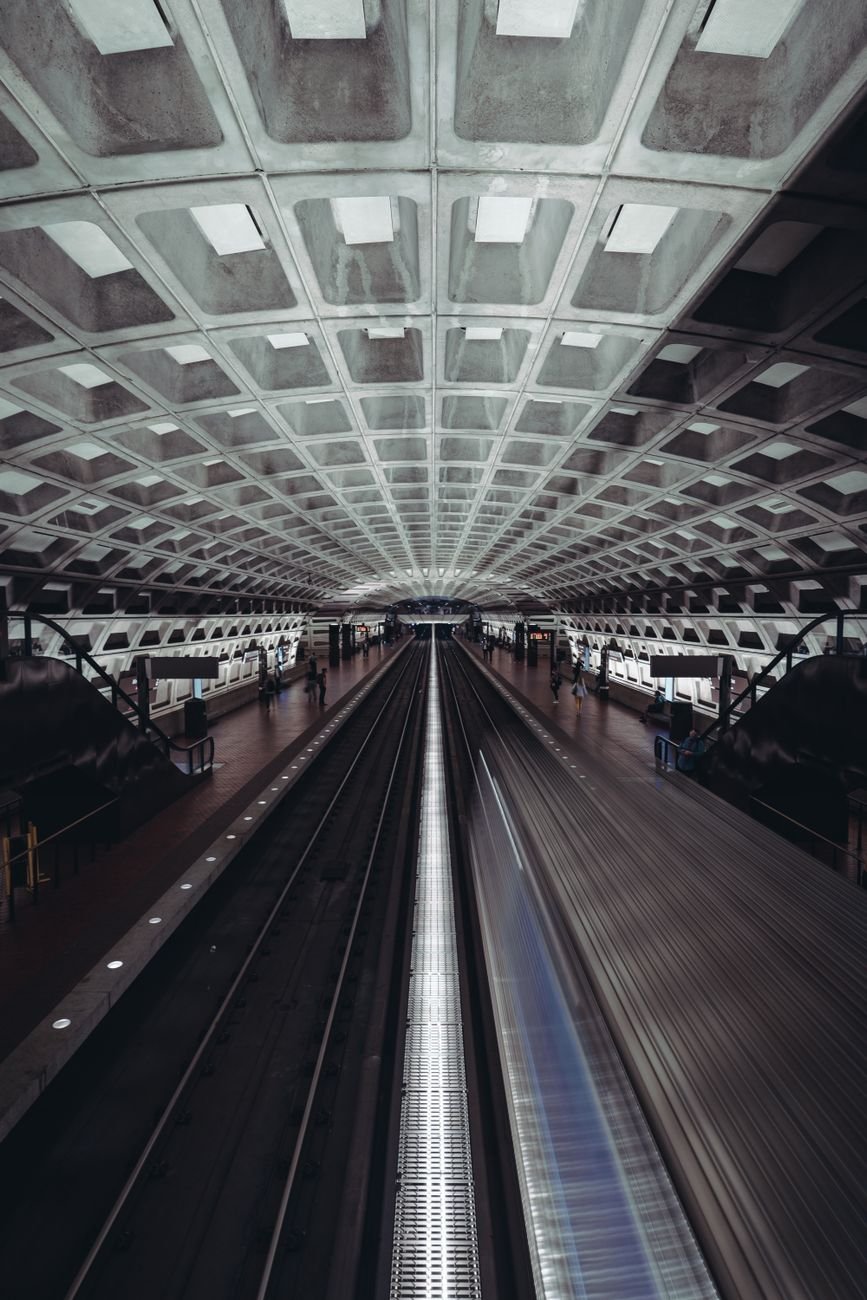
Trains run often, the stations are huge and the signs are clear. The stations are also famous for their vaulted concrete ceilings, which look a bit like the inside of a spaceship. Fares depend on distance and time of day, so off-peak rides are cheaper. Weekends have a low flat fare.
2. Pay with a SmarTrip card or your phone
You need a SmarTrip card to ride. You can buy a plastic one at any station, but the easiest option is to add a SmarTrip card to Apple Wallet or Google Wallet and tap your phone at the gates.
If you plan to ride a lot, look at the unlimited passes. For most visitors who walk the Mall, pay-as-you-go works out cheaper. Keep a little money on the card for the exit gate, because you pay on the way out too.
3. Walk the National Mall
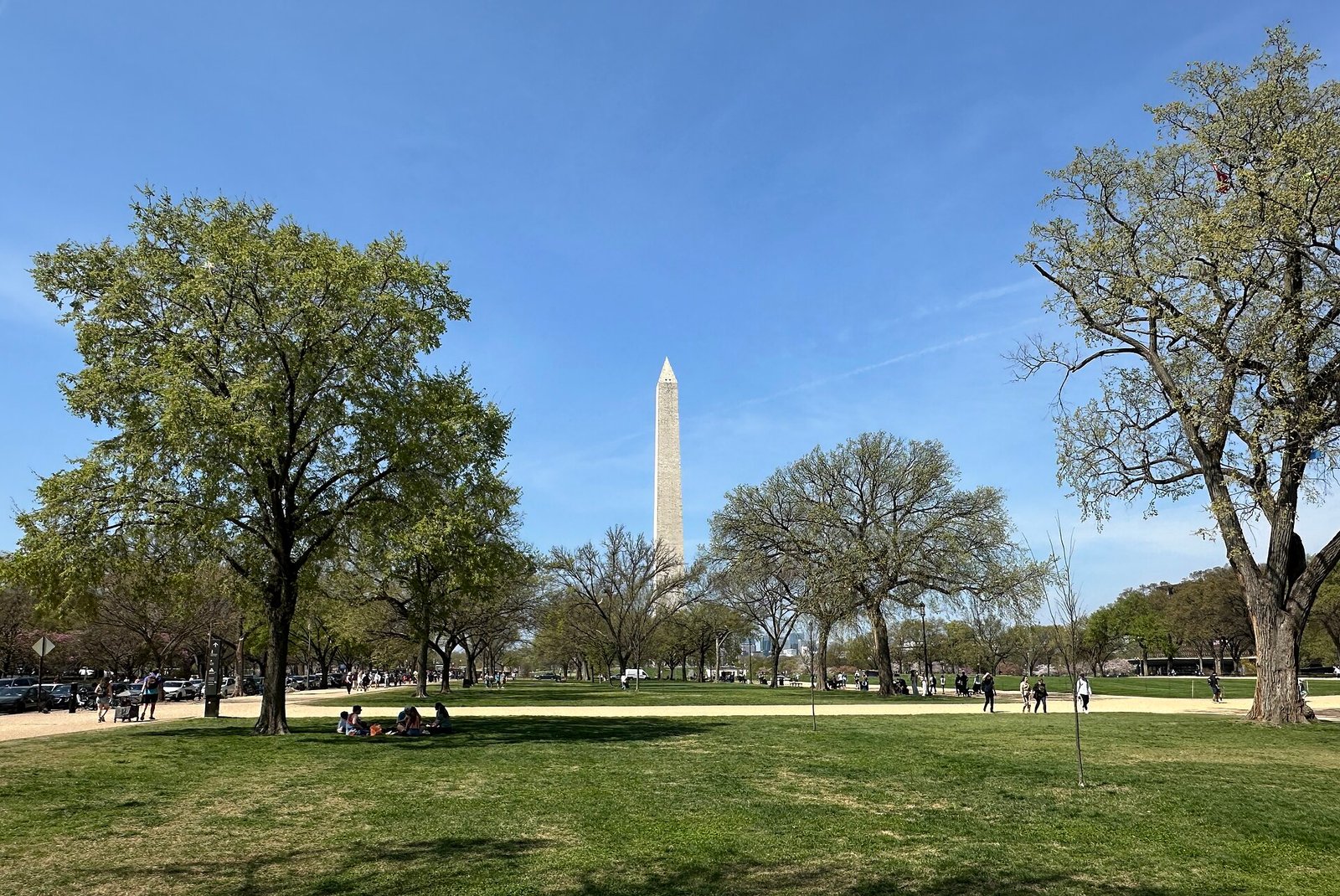
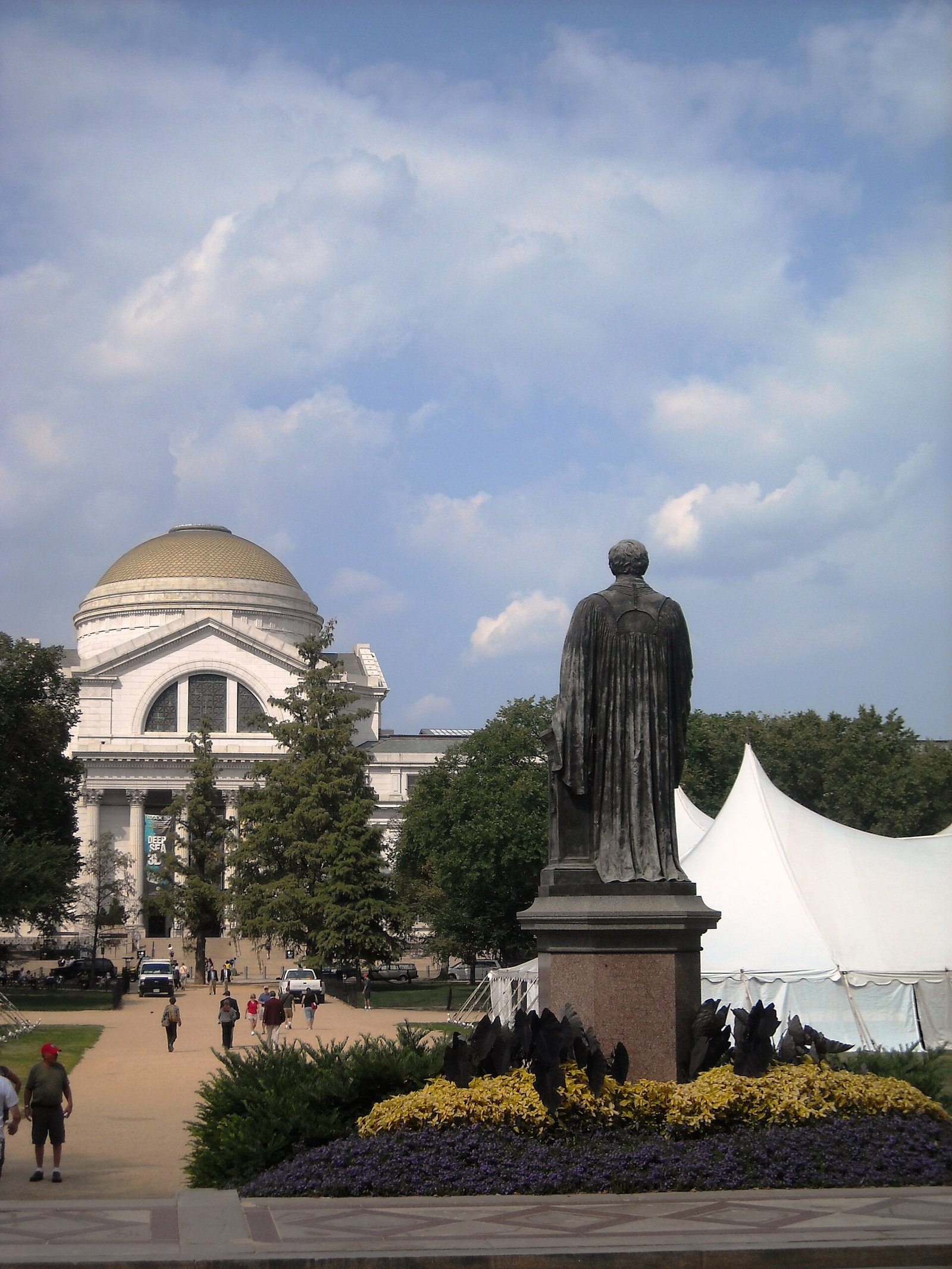
The National Mall runs about two miles from the Capitol to the Lincoln Memorial, and it’s best seen on foot. Most of the Smithsonian museums are along it, and they’re free.
Don’t underestimate the distances, though. The Mall looks small on a map, but a full day of walking it, plus the museums, can easily hit 10 miles. Wear comfortable shoes, and bring water in summer, because there’s very little shade.
4. Ride Capital Bikeshare
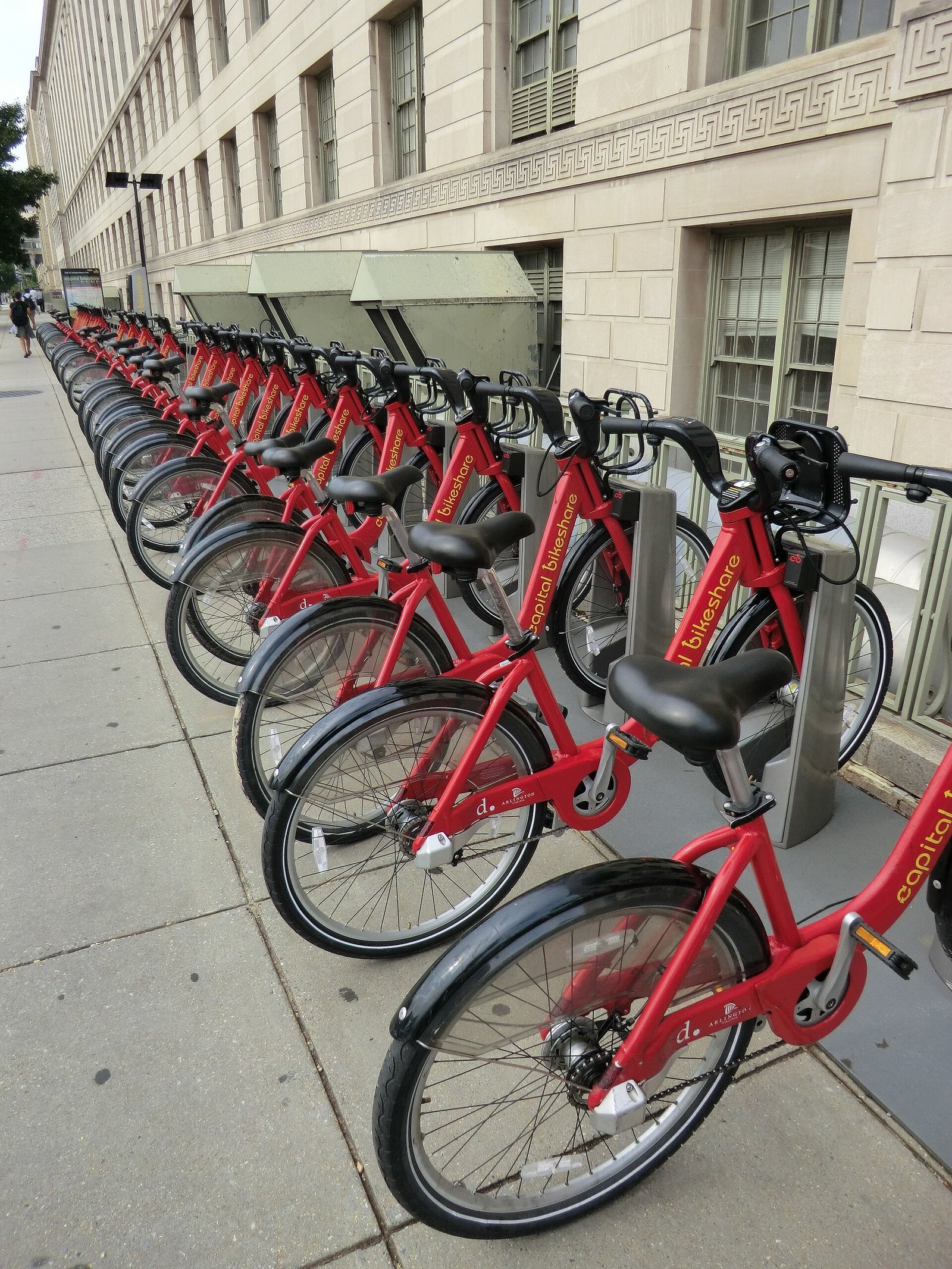
Capital Bikeshare has hundreds of red docking stations across the city, including right along the Mall. Grab a bike with the app, ride to your next stop and dock it.
It’s perfect for covering the memorials at night, when the Mall is quiet and the monuments are lit up. E-bikes are available too, and so are electric scooters from several companies. Just be careful near traffic, and don’t ride on sidewalks downtown.
5. Take the bus where the Metro doesn’t go
Metrobus covers the places the trains don’t reach, and a few of them matter for tourists. Georgetown, for example, has no Metro station, so the bus is the easiest way in if you don’t want to walk from Foggy Bottom.
You can use the same SmarTrip card or phone. Google Maps and the Metro app both show real-time bus times. FYI, if you’ve read about the DC Circulator buses in an older guide, they stopped running at the end of 2024.
6. Try the water taxi
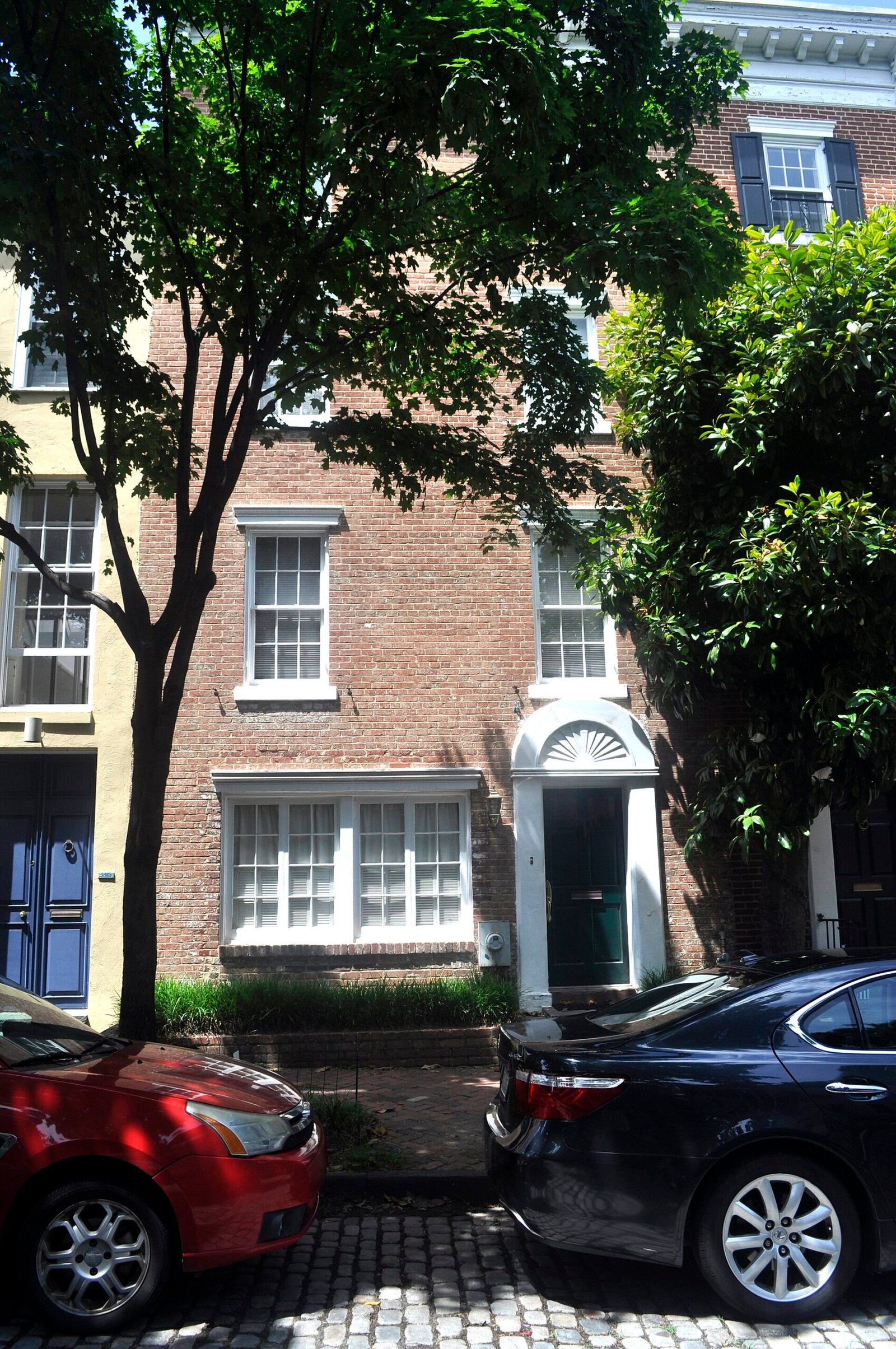
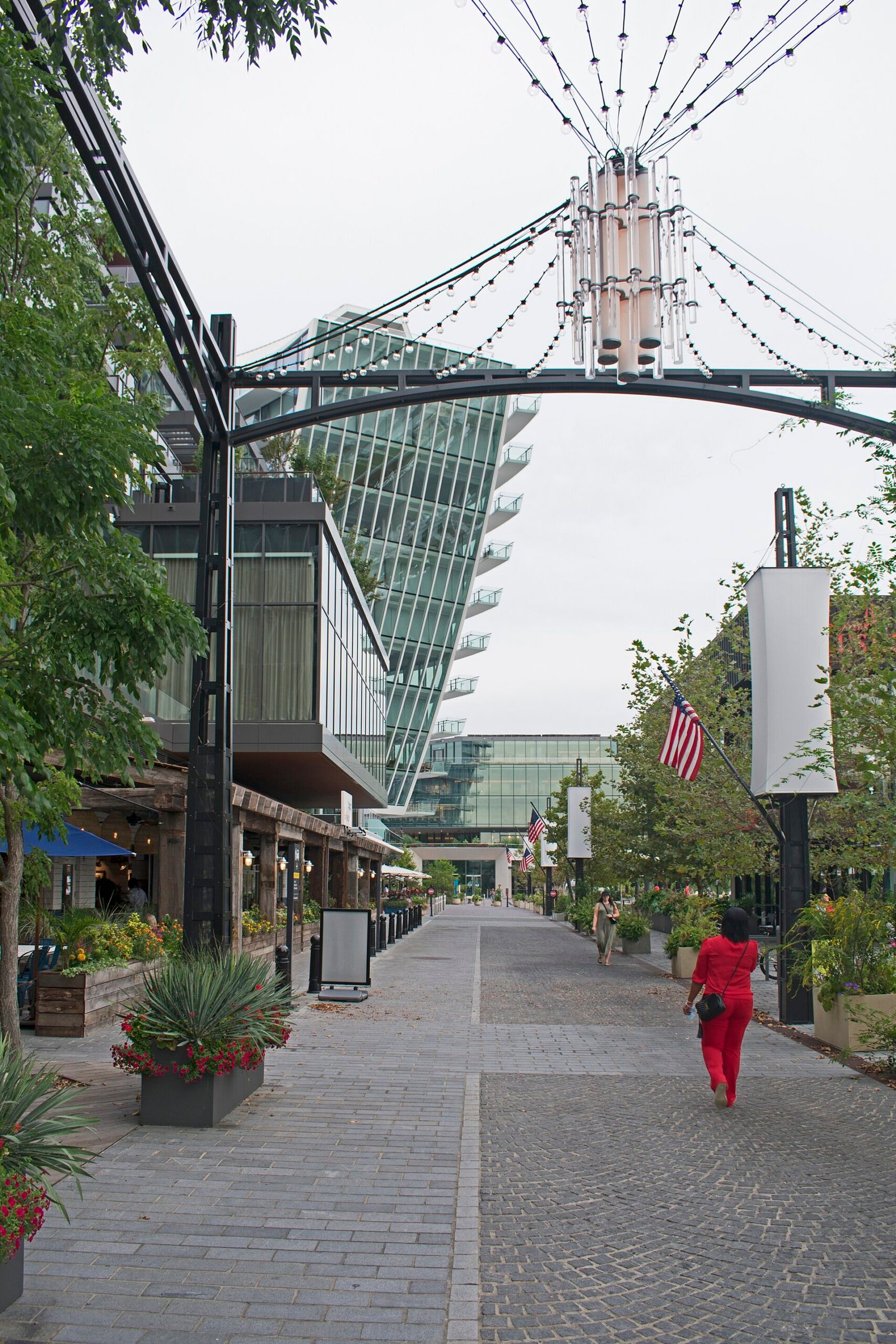
The Potomac Water Taxi links the Wharf, Georgetown, Old Town Alexandria and National Harbor. It’s not the fastest way to get around, but it’s a lovely one.
The ride from the Wharf to Old Town Alexandria is the best of them, with views of the monuments and the river. Think of it as a cheap sightseeing cruise that also happens to take you somewhere. Service is seasonal, so check the schedule.
▶ Watch This Before You Go
7. Getting in from the airports
Reagan National (DCA) is the easiest. It has its own Metro station on the Blue and Yellow lines, and you can be downtown in about 20 minutes.
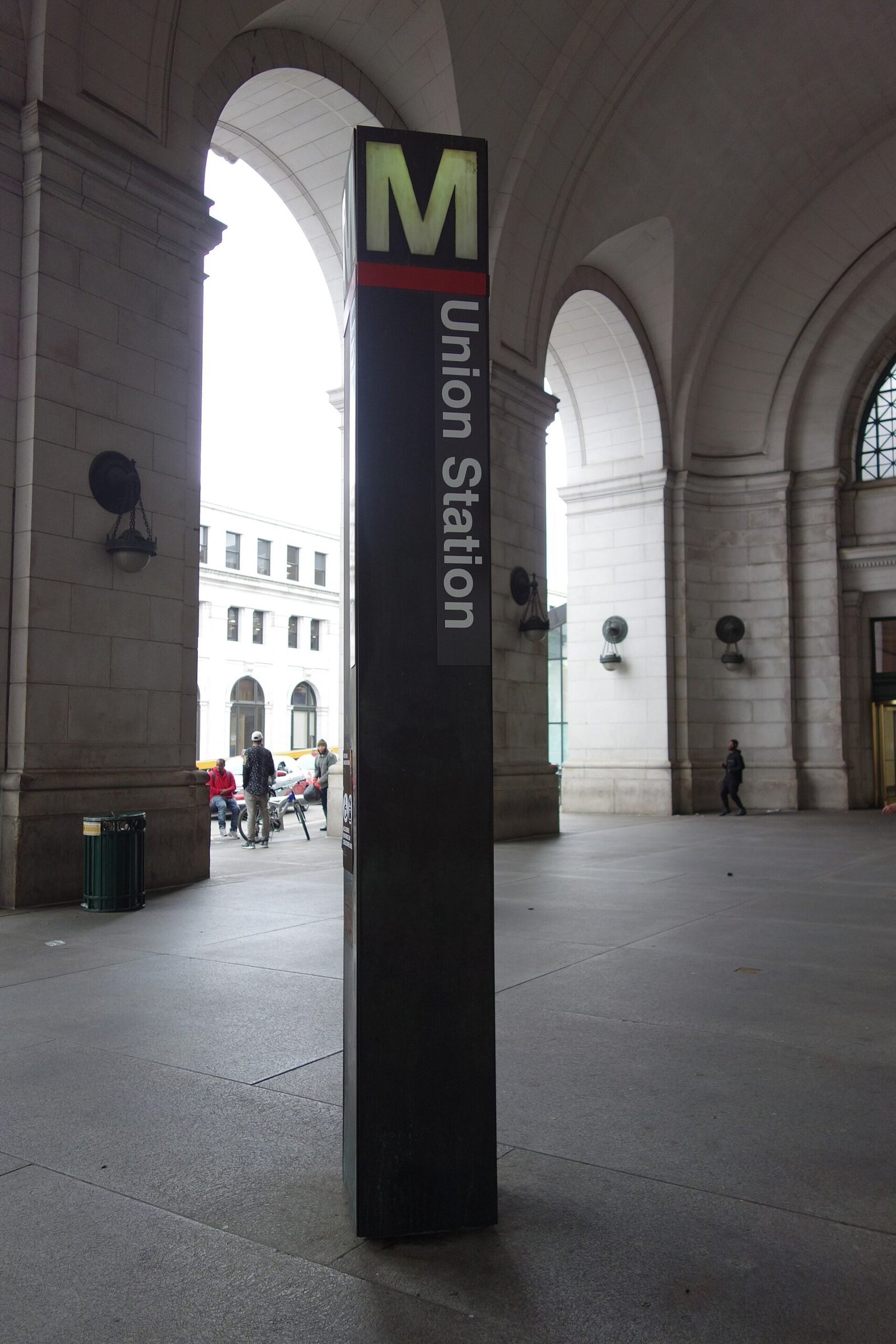
Dulles (IAD) is farther out, but the Silver Line now runs straight to the airport, which makes it simple and cheap. From BWI, take the MARC commuter train or Amtrak to Union Station, which is grand enough to be worth a look on its own.
8. Don’t drive if you can help it
Driving in DC is confusing, with traffic circles, one-way streets and roads that close for motorcades. Parking is expensive and hard to find near the Mall. Hotel parking can cost $50 a night or more.
If you’re road-tripping in, park the car at your hotel and leave it there. Use rideshare for the odd late-night trip and the Metro for everything else.
Where to stay for easy transport
Pick a hotel within a short walk of a Metro station. Downtown, Penn Quarter, Dupont Circle and Capitol Hill are all great bases. Arlington, across the river in Virginia, is often cheaper and still just a few stops from the Mall.
A sample day without a car
Here’s how a typical sightseeing day might look. Take the Metro to Smithsonian station in the morning and walk the Mall, visiting a museum or two. Grab lunch at one of the museum cafés or a food truck along the Mall.
In the afternoon, rent a Capital Bikeshare bike and ride out to the Lincoln Memorial, the Vietnam Veterans Memorial and around the Tidal Basin to the Jefferson Memorial. Dock the bike, then walk over to the Wharf for dinner. If the water taxi is running, ride it to Georgetown or Old Town Alexandria for the evening, then take a bus or rideshare back.
You’ll have covered a lot of ground, seen the city from the water and never once worried about parking. That’s the beauty of DC.
Common questions
Is the DC Metro safe for tourists?
Yes. It’s busy, well lit and widely used by visitors. Use normal big-city awareness late at night.
Can I use a credit card on the Metro?
The simplest option is a SmarTrip card in your phone’s wallet, which you can top up with any card.
How long does it take to walk the National Mall?
About 45 minutes end to end without stops. Plan a full day with museums.
Is Georgetown on the Metro?
No. Walk from Foggy Bottom, take a bus or use the water taxi.
Do I need a car in DC?
No. A car is more hassle than help in the city center.