8 Things to Know Before Visiting New Orleans
New Orleans is one of those cities that rewards knowing a few things in advance. Not because it’s difficult, but because almost everything people assume about it from television is either outdated or was only ever true of about four blocks.
In this guide
- 1. The weather will decide your trip
- 2. Bourbon Street is not the city
- 3. You do not need a car
- 4. Learn the streetcar before you need it
- 5. Carry cash, more than you’d expect
- 6. The drinking rules are genuinely different
- 7. Cemetery visits need a guide
- 8. Check what’s on before you book
- A few smaller things
- Common questions
Here’s what actually matters, from someone who’d rather you spent your first afternoon eating than working out how the streetcar fare machine works.

1. The weather will decide your trip
This is the big one and people underestimate it constantly.
July and August average highs around 92F with humidity close to 90 percent, and that combination is genuinely punishing if you’re not used to it. Walking the French Quarter at 2pm in August is not a pleasant activity. It’s an endurance event.
The good months are February through May and October through early December. March and April in particular are lovely: warm, dry, everything in bloom, and the festival calendar is packed.
Hurricane season runs June through November and peaks in late August and September. It rarely ruins a trip, but travel insurance is worth it in those months and so is a flexible booking.
2. Bourbon Street is not the city
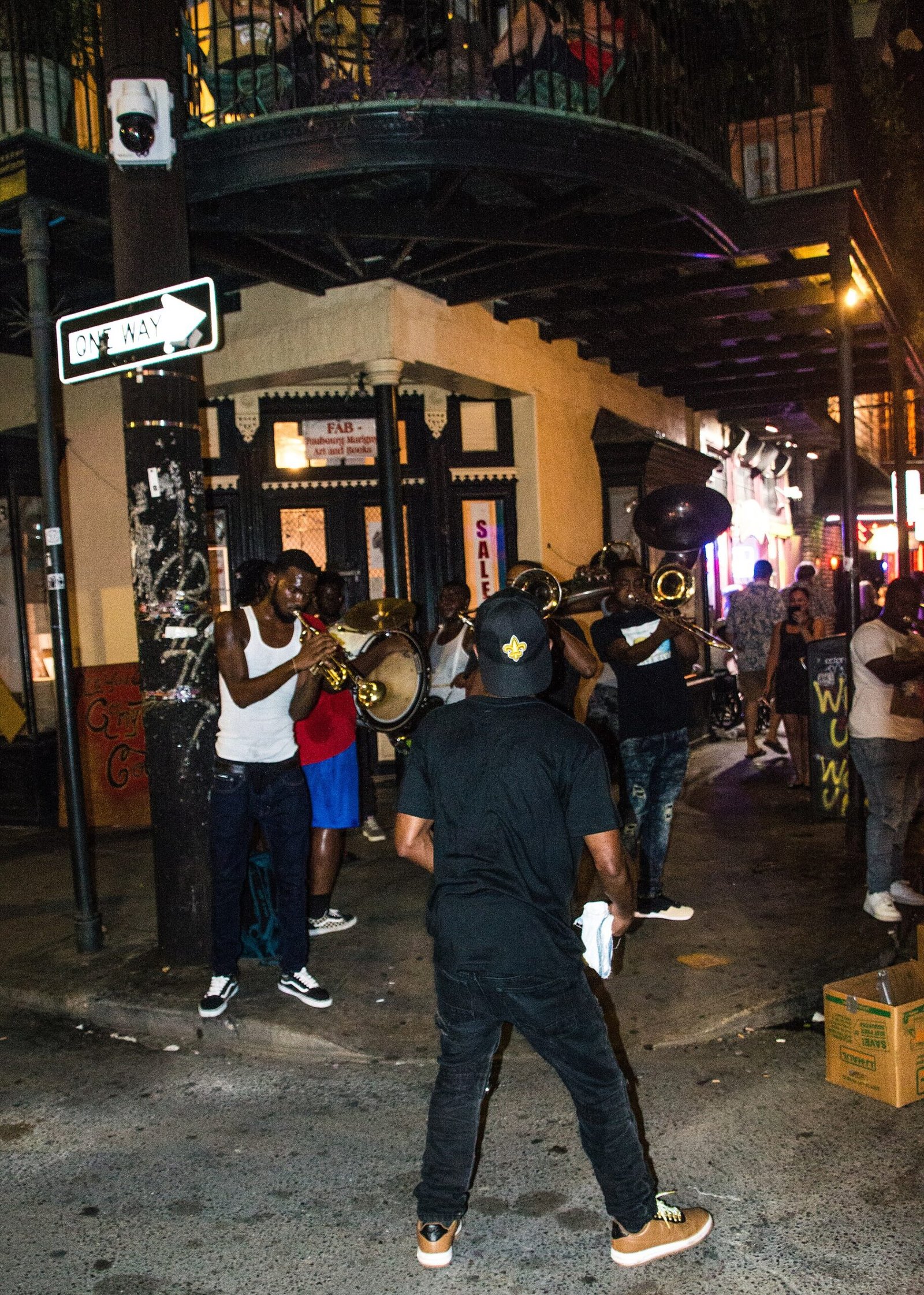
Bourbon Street is six blocks of neon, frozen daiquiri machines and very loud cover bands. It’s an experience, people enjoy it, and you should absolutely walk it once at night just to see.
But the music everyone comes for is on Frenchmen Street, ten minutes’ walk away in the Marigny. Three or four venues on a single block, often with no cover charge, and bands that are genuinely very good. That’s where locals go.
The rest of the French Quarter, away from Bourbon, is quiet and beautiful. Royal Street in the morning is a completely different city to Bourbon Street at midnight.
3. You do not need a car
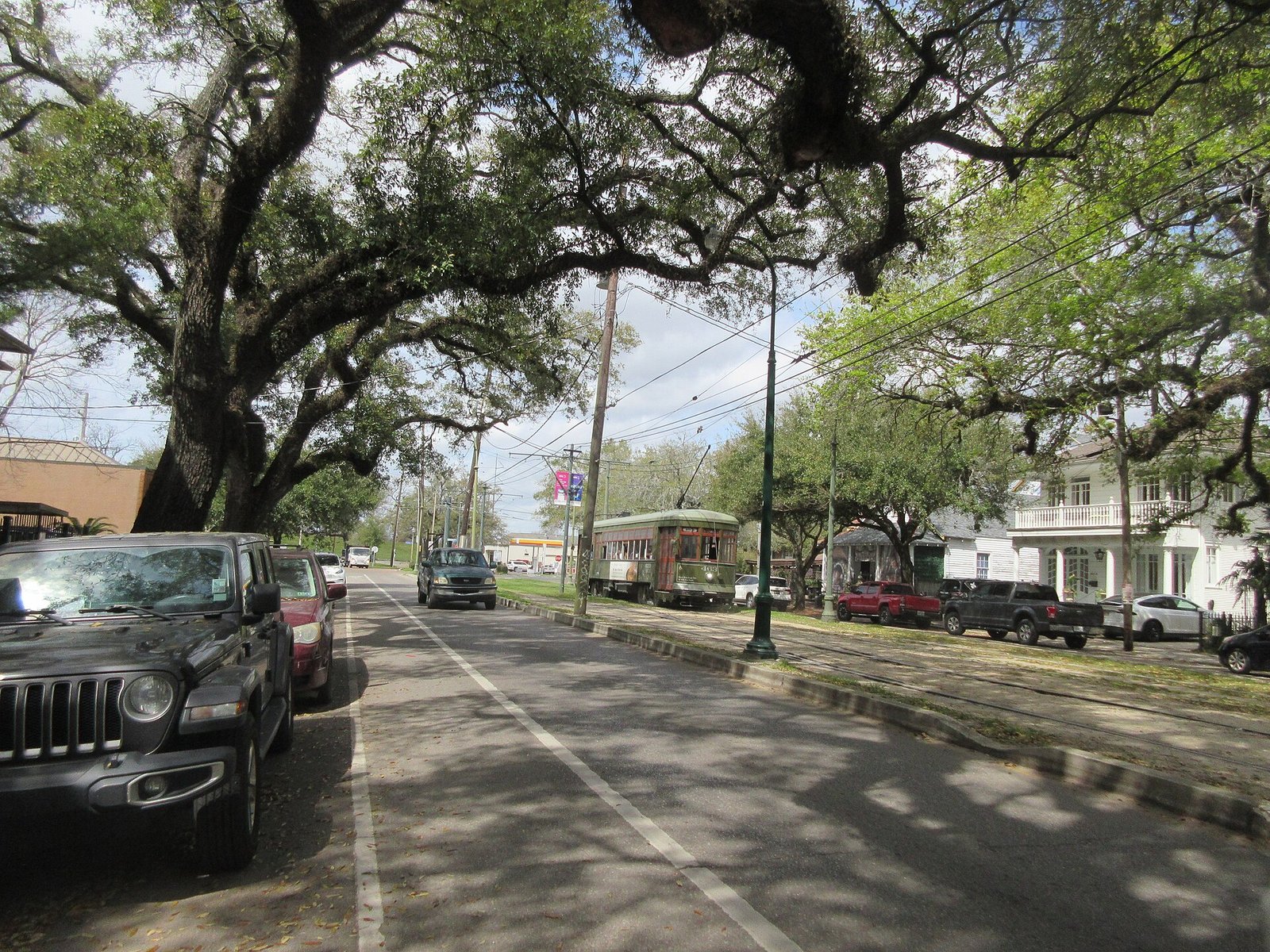
The French Quarter, Marigny, CBD and Warehouse District are all walkable from each other. The Garden District is a 25-minute streetcar ride up St Charles Avenue and that ride is a sightseeing trip in itself.
Hotel parking in the Quarter runs $40 to $50 a night and street parking is tightly enforced in a way that catches visitors out constantly. Watch for temporary no-parking signs taped to poles, especially during parade season. They are enforced and the towing is swift.
If you want to see a plantation or the swamps, book a tour with transport rather than renting for the day.

4. Learn the streetcar before you need it
Four lines, and they’re part of the public transport system rather than a tourist attraction, which means they run on real schedules and real fares.
Pay with exact change in coins or small bills, because drivers do not give change. Or get a Jazzy Pass on the transit app, which is simpler and works out cheaper if you ride more than twice a day.
The St Charles line is the oldest continuously operating streetcar in the world, running since 1835. Sit on the right going uptown for the better houses.
5. Carry cash, more than you’d expect
Card acceptance is near universal now, but cash still matters here in a way it doesn’t in most American cities.
Street musicians work for tips and they are the reason the city sounds the way it does. A few dollars in a hat is the correct response to a band that just played you three songs for free. Some of the best small kitchens and po-boy counters are cash only. Tour guides, bartenders and the person who parks your car all expect cash.
Pull out more than you think at the start of the trip and you’ll avoid a lot of small annoyances.
6. The drinking rules are genuinely different
New Orleans allows open containers on the street, which is unusual in America and catches people out in both directions.
The rule is plastic, not glass. Bars will hand you a plastic go-cup if you ask when you leave, and that is entirely normal. Glass bottles and cans on the street are not allowed and that part does get enforced.
Last call is late or nonexistent depending on the bar. Pace yourself accordingly, especially in summer when dehydration arrives faster than you expect.
7. Cemetery visits need a guide
The above-ground tombs are one of the most distinctive things about the city, and St Louis Cemetery No. 1 is the famous one. Since 2015 it has been closed to independent visitors after years of vandalism. You can only go in with a licensed tour or as a relative of someone interred there.
Lafayette Cemetery No. 1 in the Garden District has had access restrictions on and off for restoration work, so check before you walk over.
Metairie Cemetery is free, open to the public, enormous and arguably more impressive than either. It’s a short drive from the centre and almost nobody visits.
▶ Watch This Before You Go
8. Check what’s on before you book
New Orleans has an event calendar that can transform a trip or wreck it depending on what you wanted.
Mardi Gras is the obvious one. The date moves every year because it’s tied to Easter, falling anywhere from early February to early March. Parades run for about two weeks beforehand. Hotel rates triple, streets close, and the city is wonderful if that’s what you came for and impossible if it isn’t.
Jazz Fest in late April and early May does the same thing on a smaller scale. French Quarter Fest in April is free and much calmer. Essence Festival takes over the first weekend of July.
Thirty seconds checking the calendar before booking flights saves a lot of surprise.
A few smaller things
Tap water is safe to drink. It tastes of the river in summer, which is normal.
Streets in the Quarter are uneven, with sunken flagstones and surprise potholes. Flat shoes, and watch your feet at night.
Beignets at the famous café come covered in icing sugar and you will wear some of it. Wear something you don’t mind dusting off, and don’t exhale over the plate.
The city is pronounced locally as “New OR-lins” rather than four distinct syllables, but nobody will correct you and nobody minds.
Common questions
What’s the best time of year to visit New Orleans?
March to May and October to early December. Warm, dry, and the festival calendar is good without being overwhelming.
How many days do you need?
Three nights covers the French Quarter, Frenchmen Street, the Garden District and one day trip. Four is comfortable.
Is New Orleans safe for tourists?
The French Quarter, Marigny, Garden District and Warehouse District are busy and well patrolled. Stay on lit streets at night, use a ride app rather than walking long distances after dark, and keep your phone in a pocket on Bourbon Street.
Where should I stay?
The French Quarter if you want to walk everywhere and don’t mind noise. The Warehouse District or Garden District if you want quiet and a short streetcar ride in.
Do I need to book restaurants in advance?
For the well-known dining rooms, yes, weeks ahead for a weekend. For po-boys, oysters and neighbourhood places, just turn up.