6 Stops For A Southern Italy Road Trip
Southern Italy is where you go once you’ve done Rome, Florence and Venice and want to know what the country is actually like.
In this guide
- 1. Polignano a Mare, for the cliffs
- 2. Alberobello, for two hours and not one minute more
- 3. Locorotondo and the Valle d’Itria, for the nights
- 4. Monopoli, for the harbour
- 5. Lecce, for the baroque
- 6. Matera, for the ending
- The route and the timing
- You need a car, and here’s the catch
- When to go
- What to eat, region by region
- One thing to know about opening hours
- Common questions
- The short version
Fewer queues, better food for less money, and towns where the evening passeggiata is still a genuine thing rather than a performance for tourists.
Six stops, roughly ten days, and you’ll want a car for this one.
1. Polignano a Mare, for the cliffs
Start here rather than in Bari, which is where you’ll fly into and which is worth about an afternoon.
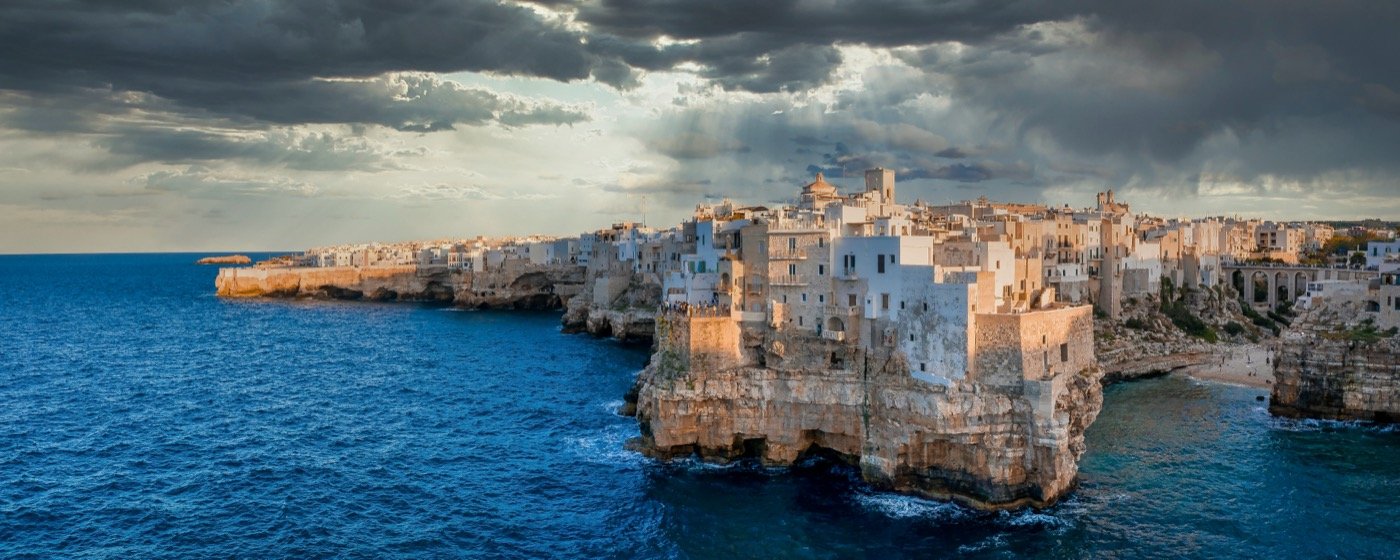
Polignano is a white town perched on limestone cliffs over the Adriatic, with a tiny beach wedged into a ravine between them. It’s the photo you’ve seen of Puglia.
Two nights. Swim off the rocks, eat gelato from the place carved into the cliff, and take the coast road south in the morning.
2. Alberobello, for two hours and not one minute more
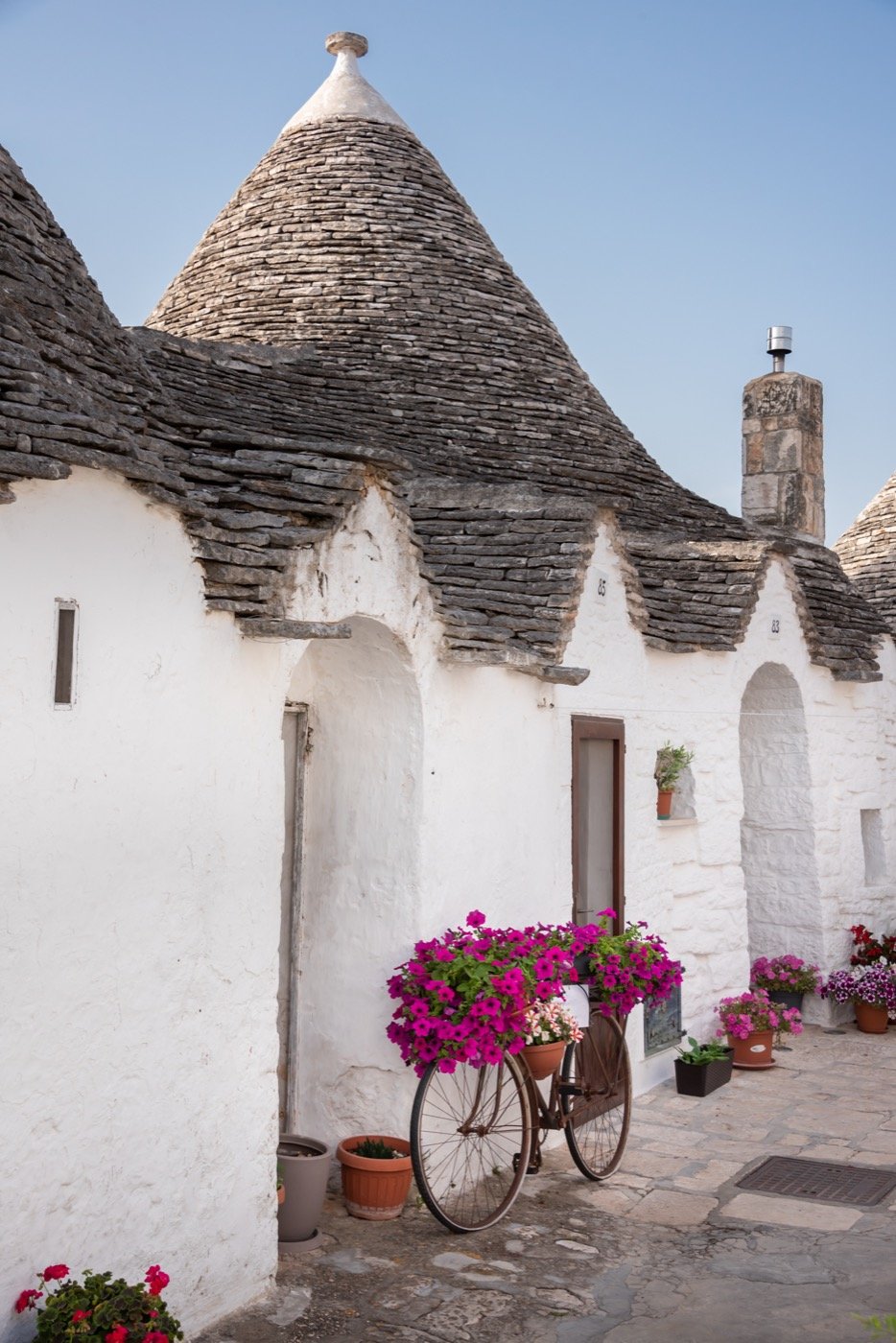
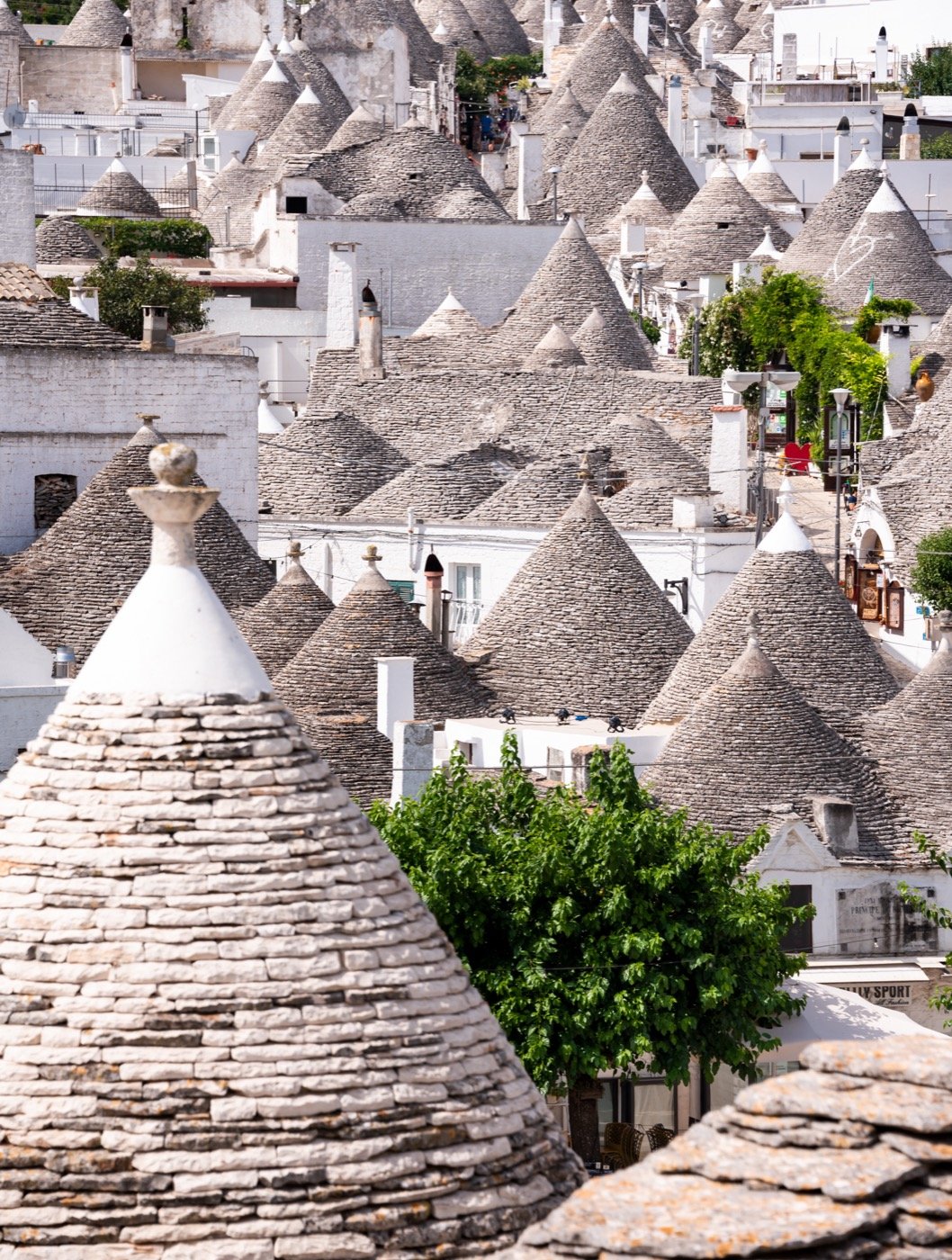
The trulli. Thousands of little conical stone houses, and there’s genuinely nowhere else like it.
It’s also a UNESCO site that has been thoroughly discovered, and the main streets are wall-to-wall souvenir shops selling the same ceramic whistle.
Go early, walk the quieter Aia Piccola side, and leave by lunch. It’s remarkable and it does not need a day. IMO the surrounding countryside, full of trulli people actually live in, is the better experience.
3. Locorotondo and the Valle d’Itria, for the nights
This is where to base yourself for a few days, and it’s the bit people skip.
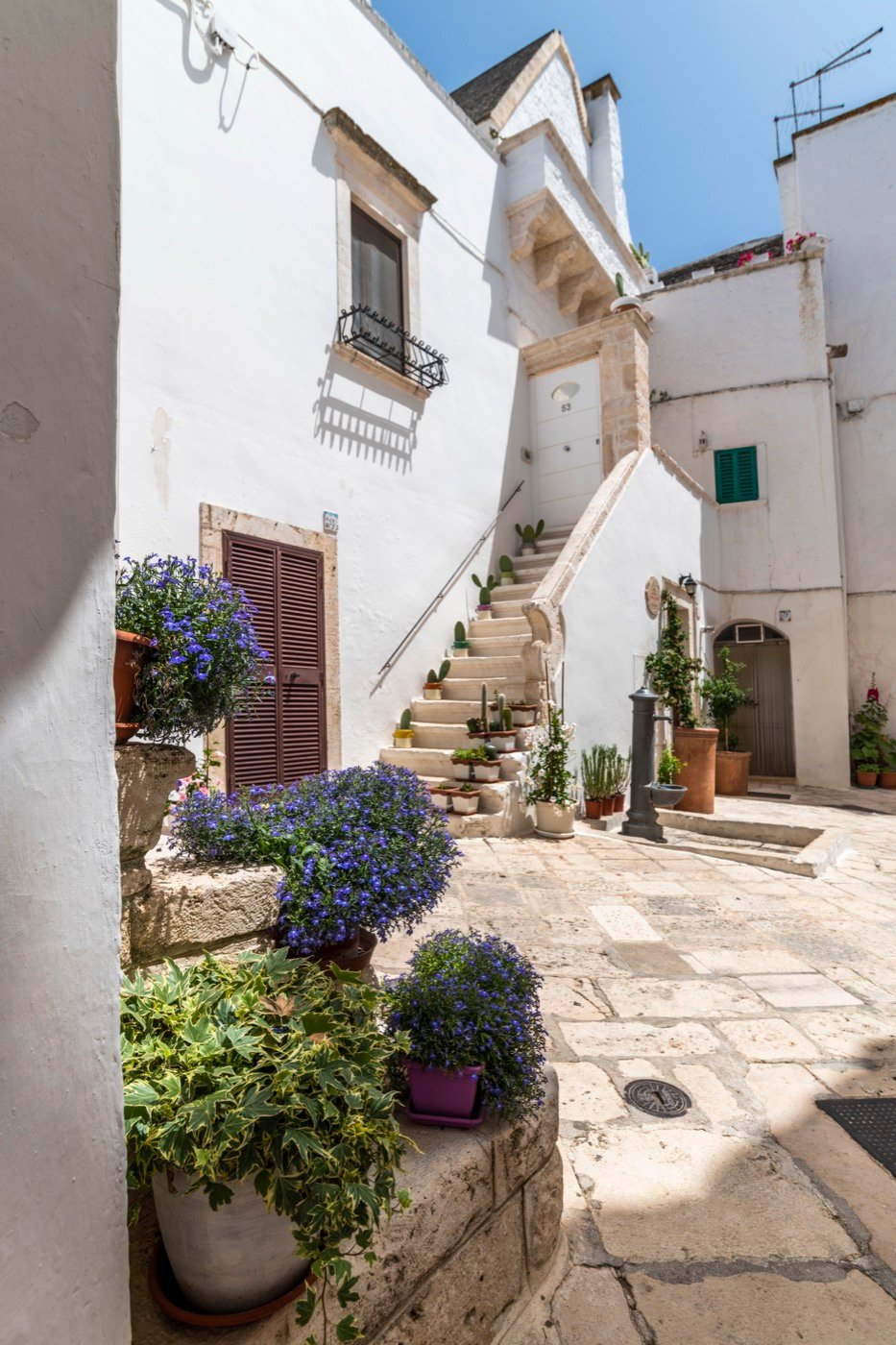
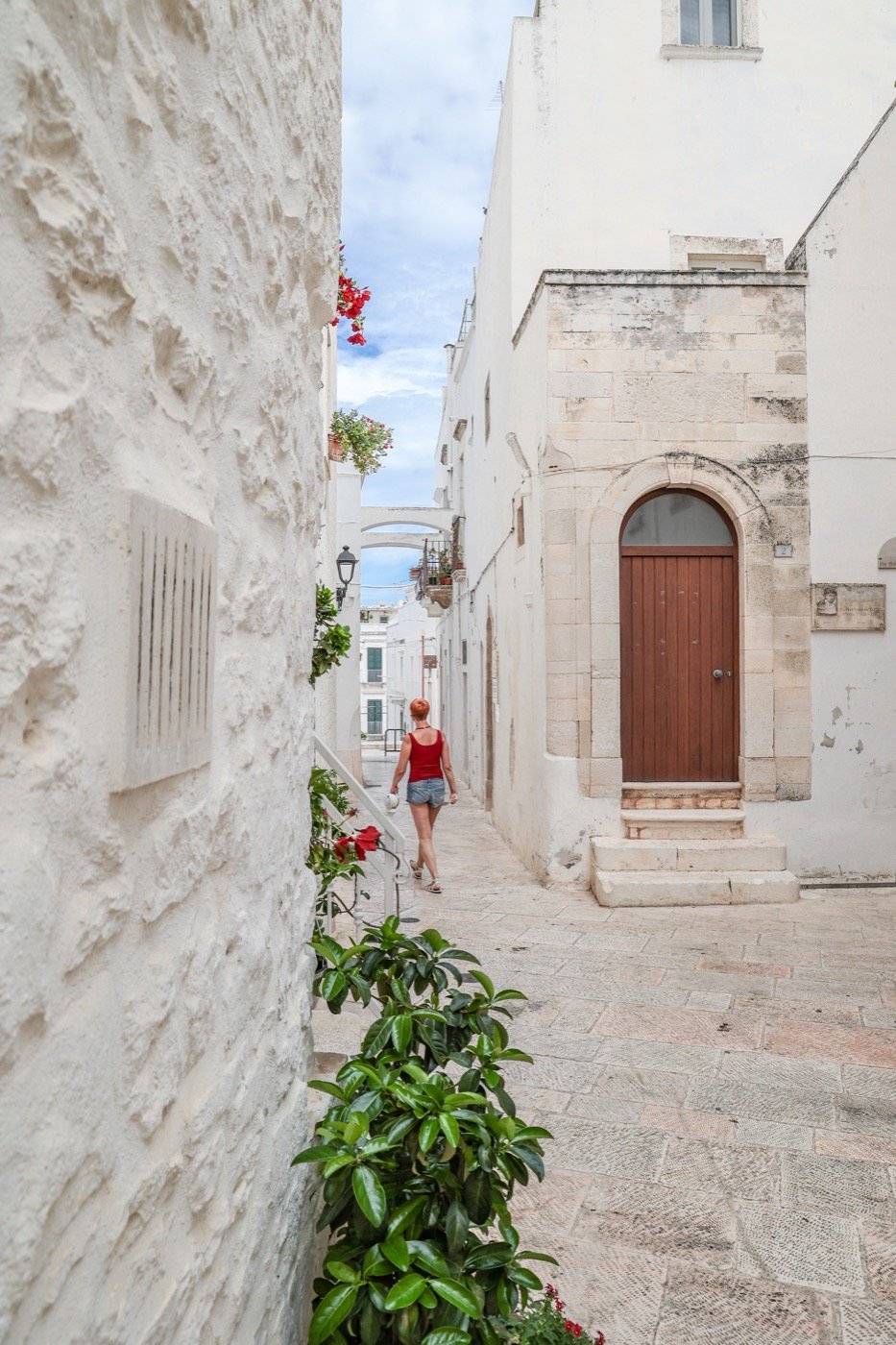
Locorotondo is a perfect circular white town on a hill. Cisternino and Martina Franca are ten minutes away and just as good. Between them is a valley of olive groves, dry stone walls and masserie, the fortified farmhouses that are now some of the best places to stay in Italy.
Three nights in a masseria here and you’ve understood Puglia. The food is extraordinary and it costs about half what it would further north.
4. Monopoli, for the harbour
A working port town rather than a museum piece, which is exactly why it’s good.
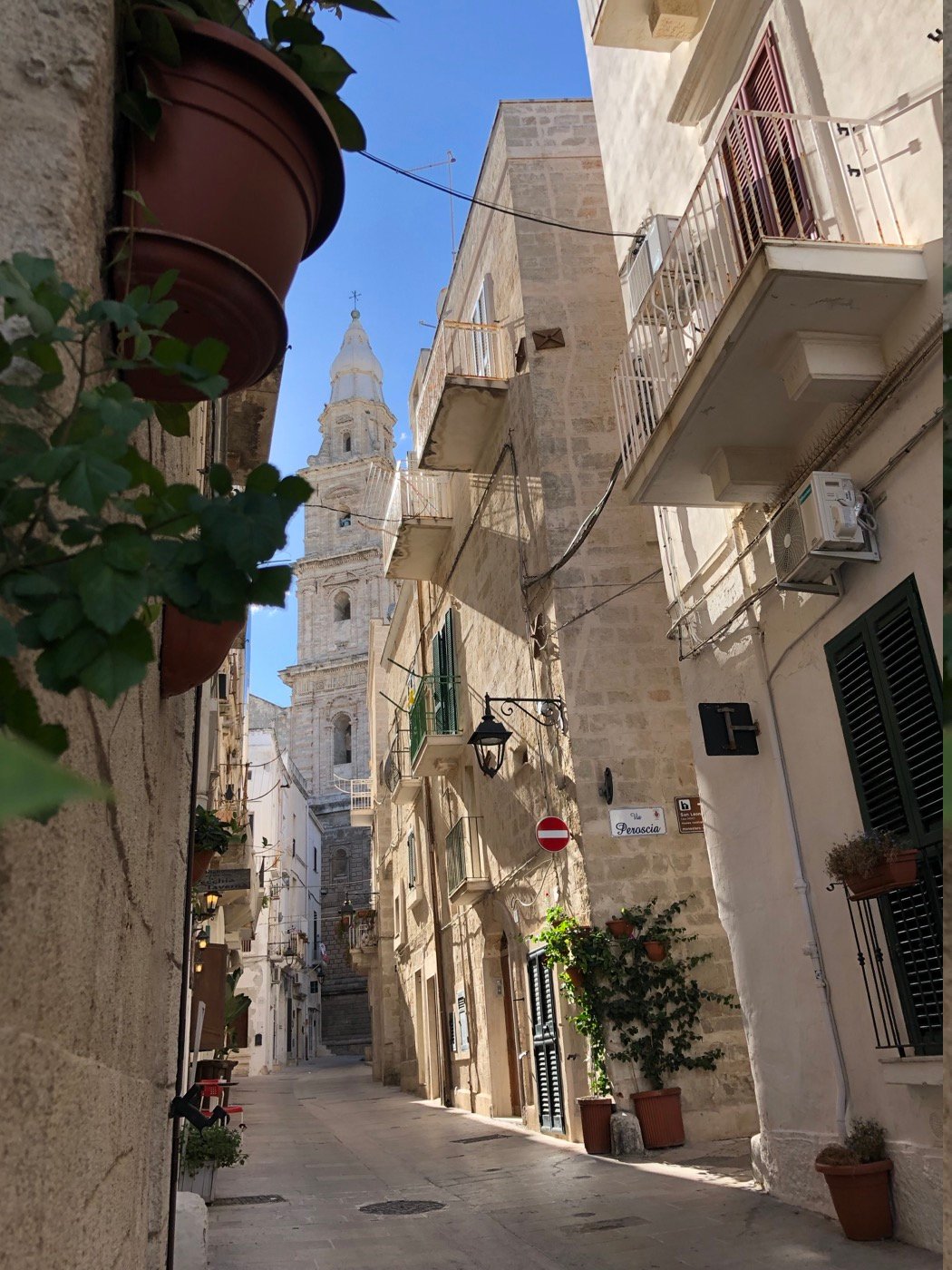
Fishing boats in the old harbour, a proper old town you can get lost in, and restaurants where the fish came off a boat you can see from the table.
One night, or a long afternoon from Locorotondo. Either works.
▶ Watch This Before You Go
5. Lecce, for the baroque
Two hours further south and worth every minute of the drive.
Lecce is carved out of soft golden limestone, which meant the baroque architects went completely overboard. The basilica facade is genuinely absurd in the best way, and the whole centre glows at sunset.
It’s also a university town, so it has a real nightlife rather than a tourist one. Two nights.
From here you’re well placed for Otranto and the Salento beaches if you’ve got extra days.
6. Matera, for the ending
Technically Basilicata rather than Puglia, and unmissable.
Matera is a city of cave dwellings carved into a ravine, continuously inhabited for thousands of years, abandoned in shame in the 1950s as the shame of Italy, and now a UNESCO site and European Capital of Culture.
Staying in a cave hotel is one of the genuinely memorable nights you can have in Italy. Two nights, and walk it at dawn before the day-trippers arrive.
It’s about two and a half hours from Lecce, or an hour and a half from Bari if you’re looping back to fly home.
The route and the timing
- Days 1 to 2. Fly to Bari, drive to Polignano a Mare.
- Days 3 to 5. Valle d’Itria, with Alberobello one morning and Monopoli one afternoon.
- Days 6 to 7. Lecce.
- Days 8 to 9. Matera.
- Day 10. Back to Bari to fly out.
Ten days is comfortable. Seven works if you cut Lecce or Matera, though both are the ones you’d regret losing.
You need a car, and here’s the catch
Unlike the Amalfi Coast, this is proper driving country. Distances are real, trains are slow and infrequent, and the best places are in the middle of olive groves.
The catch is ZTLs, the limited traffic zones in every historic centre. Drive into one and a camera issues a fine that reaches you months later via your hire company, with a handling fee on top.
Park outside the walls, always. Every one of these towns has parking just outside and everything is walkable once you’re in.
When to go
May, June, September, October. Warm, sea’s swimmable from June, and everything is open.
July and August are very hot, over 35 degrees regularly, and it’s when Italians holiday here, so the coast is packed and prices jump.
Winter is mild and quiet, and a lot of the coastal places close entirely.
What to eat, region by region
Southern Italian food is regional to an almost absurd degree, and ordering the local thing rather than the famous thing is most of the pleasure.
In Puglia it’s orecchiette, the little ear-shaped pasta, served with cime di rapa. You’ll see women making it by hand on tables in the street in Bari Vecchia. Also burrata, which comes from Andria just up the road and bears no resemblance to the stuff sold at home.
On the coast, raw fish. Crudo di mare is a southern Italian thing long before it was a fashionable one, and in Polignano or Monopoli it’s as fresh as it gets.
In Matera, the bread. Pane di Matera has protected status, comes in enormous loaves, and keeps for a week. Order the cialledda, a peasant dish built entirely around using it up.
One thing to know about opening hours
The south takes the afternoon closure seriously in a way the north no longer does.
Shops and many restaurants shut from roughly 1pm to 4.30pm, and in summer sometimes later. Turning up at a town at 2pm expecting lunch and a wander is how people conclude there was nothing there.
Plan around it. Eat at 1pm, rest through the heat like everyone else, and go out again at six when the streets refill. The evening passeggiata is the best part of the day.
Common questions
How many days for southern Italy?
Ten is comfortable for this route. Seven at a push, dropping one of Lecce or Matera.
Do I need a car?
Yes, for this one. Trains between the smaller towns are slow and infrequent.
Is Matera worth the detour?
Absolutely. It’s the most unusual place on the route and the cave hotels are a genuine experience.
Where should I fly into?
Bari for this route. Brindisi works if you want to start in the south and go north.
Is it cheaper than northern Italy?
Noticeably. Food and accommodation are meaningfully less than Tuscany or the lakes for the same quality.
The short version
Polignano, Alberobello for a morning, the Valle d’Itria for three nights, Monopoli, Lecce, then Matera.
Ten days, hire a car, park outside the walls, and go in May or September.