7 Things To Pack For Mexico Nobody Warns You About
Everyone packs for Mexico like it’s one place.
In this guide
- 1. A jumper. Yes, really.
- 2. Cash. More than you think.
- 3. Mosquito repellent, and the right kind
- 4. Toilet paper and hand sanitiser
- 5. A rash guard or a light long-sleeve top
- 6. Proper shoes, not just flip flops
- 7. A copy of your passport
- What changes by region
- What to leave behind
- Common questions
- The short version
It isn’t. Tulum in August and San Miguel de Allende in January are two completely different trips, and the packing list that works for one will leave you miserable on the other.
Here’s what actually catches people out, whichever bit you’re going to.
1. A jumper. Yes, really.
This is the one that gets everybody.
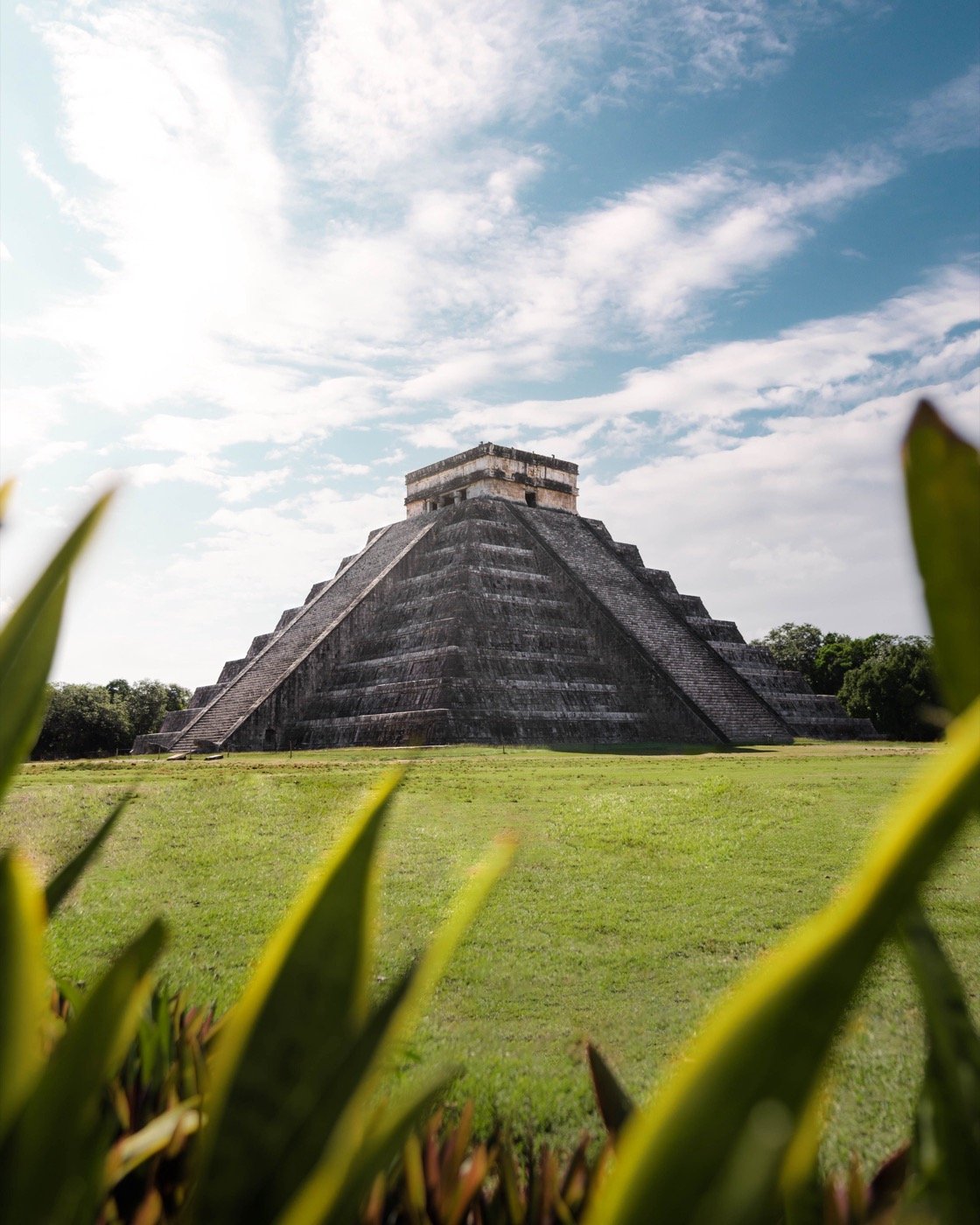
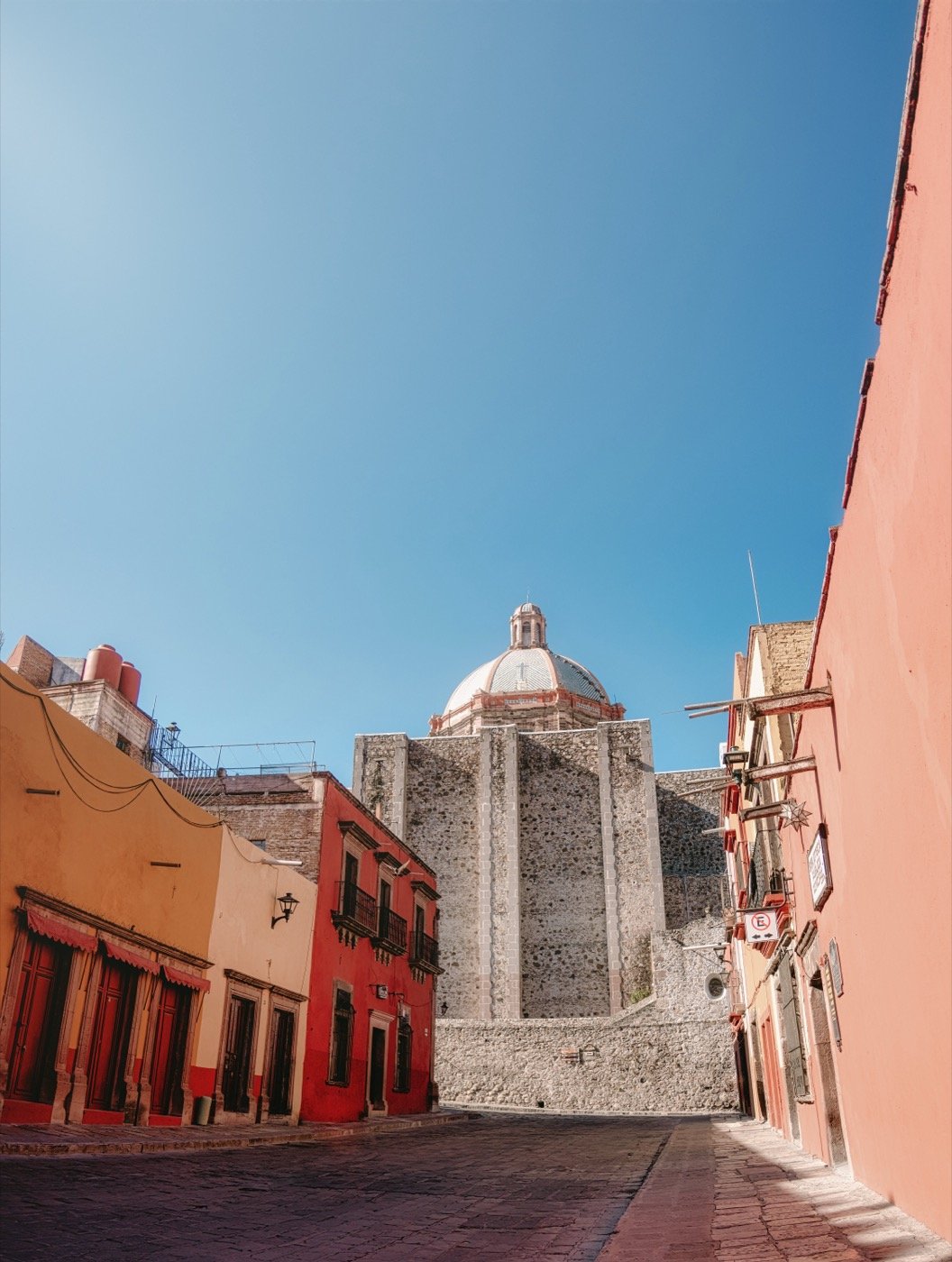
Mexico City sits at 2,240m. San Miguel de Allende, Oaxaca, Guanajuato, all of them are high up. The sun is fierce at midday and then it drops like a stone the second it goes down, and suddenly it’s ten degrees and you’re in a t-shirt.
Even in the Yucatan, where it’s properly tropical, the buses and the nicer restaurants run the air conditioning at a temperature that can only be described as spiteful.
Pack one warm layer even if you’re only doing beaches. You’ll use it on the flight if nothing else.
2. Cash. More than you think.
Mexico is much more cash-based than people expect, especially the moment you step outside a resort.
Street food, colectivos, markets, small restaurants, tips, entry to a lot of sites. All cash, all the time.
Bring some pesos with you rather than relying on airport exchange rates, which are genuinely terrible. And here’s the bit nobody mentions: tell your bank you’re travelling. Mexican ATMs trigger fraud flags constantly, and having your card frozen on day two is a very common way to ruin a week.
Use ATMs attached to actual banks, not the standalone ones in convenience stores. The fees on those are absurd.
3. Mosquito repellent, and the right kind
The coast and the jungle areas have mosquitoes that mean business, particularly around dawn and dusk and particularly in the rainy season.
Get something with picaridin or a decent concentration of DEET. The citronella bracelet you got free with something is not going to cut it.
If you’re doing cenotes, and you should, note that most of them ban sunscreen and repellent entirely to protect the water. So you want a long-sleeve rash guard instead, which handles the sun without the chemicals.
▶ Watch This Before You Go
4. Toilet paper and hand sanitiser
Not glamorous, extremely useful.
Public toilets, bus stations and a lot of smaller restaurants either charge for paper or simply don’t have it. A small pack in your day bag costs nothing and saves a genuinely awkward five minutes.
Also worth knowing: in much of Mexico the plumbing can’t handle paper, so it goes in the bin next to the toilet. There’ll be a sign. It’s normal, it’s not optional, and the pipes really will block.
5. A rash guard or a light long-sleeve top
Does about four jobs at once, which is why it earns the space.
Sun protection while snorkelling, when the back of your neck and shoulders are getting absolutely hammered. Cenote-legal cover when sunscreen is banned. A mosquito layer at dusk. And something to throw on in an over-air-conditioned restaurant.
IMO it’s the single most useful thing on this list for a coastal trip.
6. Proper shoes, not just flip flops
If you’re only doing a resort, fine, flip flops.
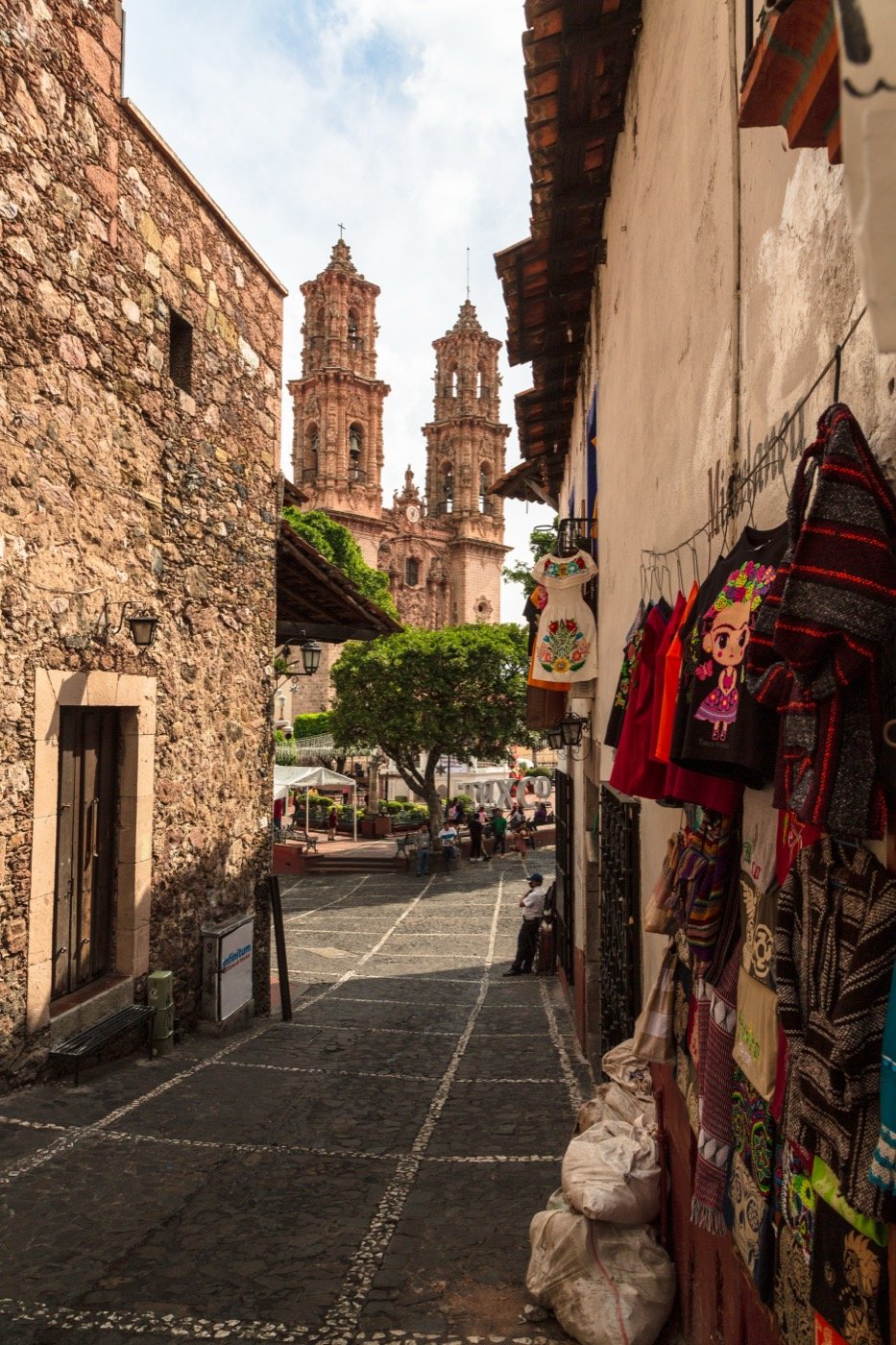
If you’re doing anything else, the colonial towns are cobbled and uneven, the ruins involve a lot of stairs that are steeper than you’d expect, and cenote steps are wet stone.
Chichen Itza and Teotihuacan are both a lot of walking on rough ground in serious heat. Trainers, or proper sandals with a back strap. Your ankles will thank you.
7. A copy of your passport
Carry a photocopy or a photo on your phone and leave the actual passport in the hotel safe.
You’re occasionally asked for ID, and having a copy means the real thing isn’t in a bag on a beach. Standard advice everywhere, but Mexico is somewhere people genuinely do get asked.
Same logic for your tourist card, the FMM slip you get on arrival. Losing it means paperwork and a fee on the way out, so photograph it the moment you’re handed it.
What changes by region
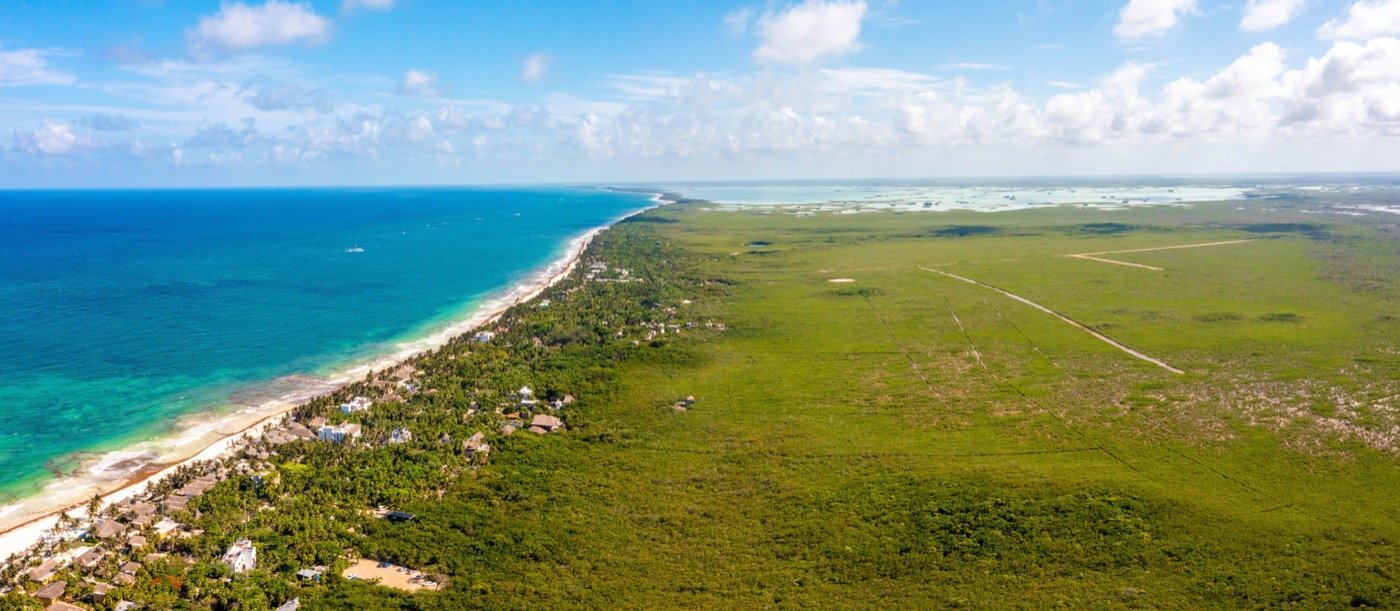
Yucatan and the Caribbean coast. Hot and humid year round. Rash guard, repellent, light everything. Hurricane season runs June to November.
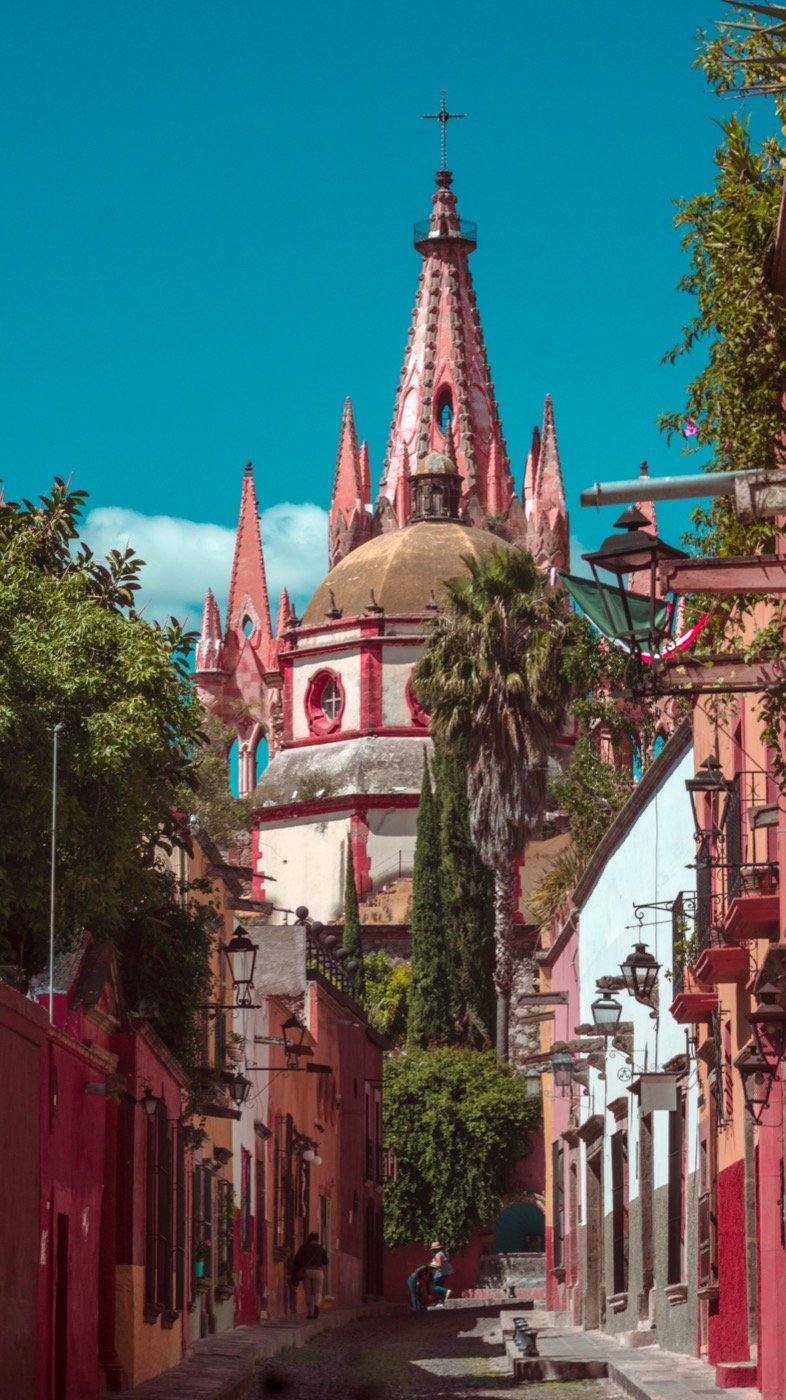
Mexico City and the colonial highlands. Warm days, cold nights, all year. Layers, proper shoes, and the altitude will take you a day or two to adjust to.
Baja and the Pacific. Drier, cooler in winter than people expect, and genuinely cold in the evenings from December to February.
Oaxaca. Somewhere between the highlands and the coast depending which bit, and worth checking the specific town before you pack.
What to leave behind
- Expensive jewellery. No reason to bring it, obvious reason not to.
- Heavy toiletries. Everything’s available and cheaper there.
- Anything camouflage-patterned. It’s restricted to the military, and wearing it can genuinely cause you problems.
- Drone, unless you’ve checked the rules for your specific sites. Most archaeological zones ban them outright.
Common questions
Can I drink the tap water?
No. Bottled or filtered, everywhere, including for brushing your teeth in cheaper places. Most hotels provide it, and a filter bottle is a sensible buy.
Do I need a jumper for a beach holiday?
One light layer, yes. The air conditioning indoors and the evening breeze both catch people out.
How much cash should I bring?
Enough for the first couple of days, then use bank ATMs. Don’t rely on cards outside resorts and cities.
Is reef-safe sunscreen required?
At cenotes and some protected areas, sunscreen is banned entirely, not just regulated. A rash guard is the practical answer.
What about the plug sockets?
Same as the US, type A and B, 127V. UK and EU visitors need an adapter.
The short version
One warm layer, more cash than feels necessary, serious repellent, a rash guard, toilet paper, real shoes and a passport copy.
Tell your bank you’re going. That’s the one that’ll actually save your week.