3 Days in Boston: The Perfect First-Timer Itinerary
Boston is the rare American city where walking actually works. It’s small, it’s old by American standards, and the good bits are stacked on top of each other rather than spread across forty miles of freeway.
In this guide
Three days is genuinely the right amount. You can do the history, eat well, get across the river to Cambridge and still have an evening spare.
One warning before we start: Bostonians drive like they’re being chased. Walk, or take the T.
Day 1, Morning: The Freedom Trail
A red brick line painted into the pavement running 2.5 miles past sixteen historic sites, from Boston Common to the USS Constitution in Charlestown.
It sounds like the sort of thing you’d politely skip. Do it anyway, because it’s genuinely well done and it’s the fastest way to make sense of a city where the American Revolution basically started.
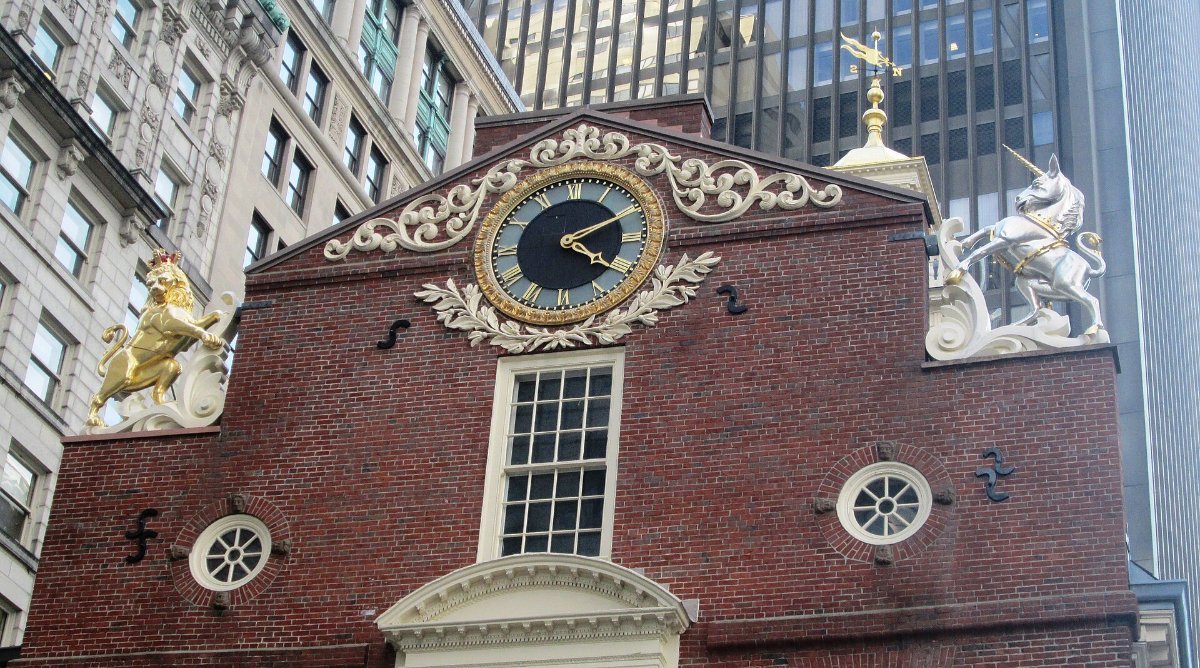
Highlights: the Old State House, where the Declaration was first read out to Bostonians from the balcony. The Granary Burying Ground, where Paul Revere, John Hancock and Samuel Adams are all buried within about fifty metres. Faneuil Hall, which is now full of shops and was once the actual meeting place.
Give it three hours at a decent pace. Or do the first half and pick the rest up on day two, which is what most sensible people end up doing.
Day 1, Afternoon: The North End
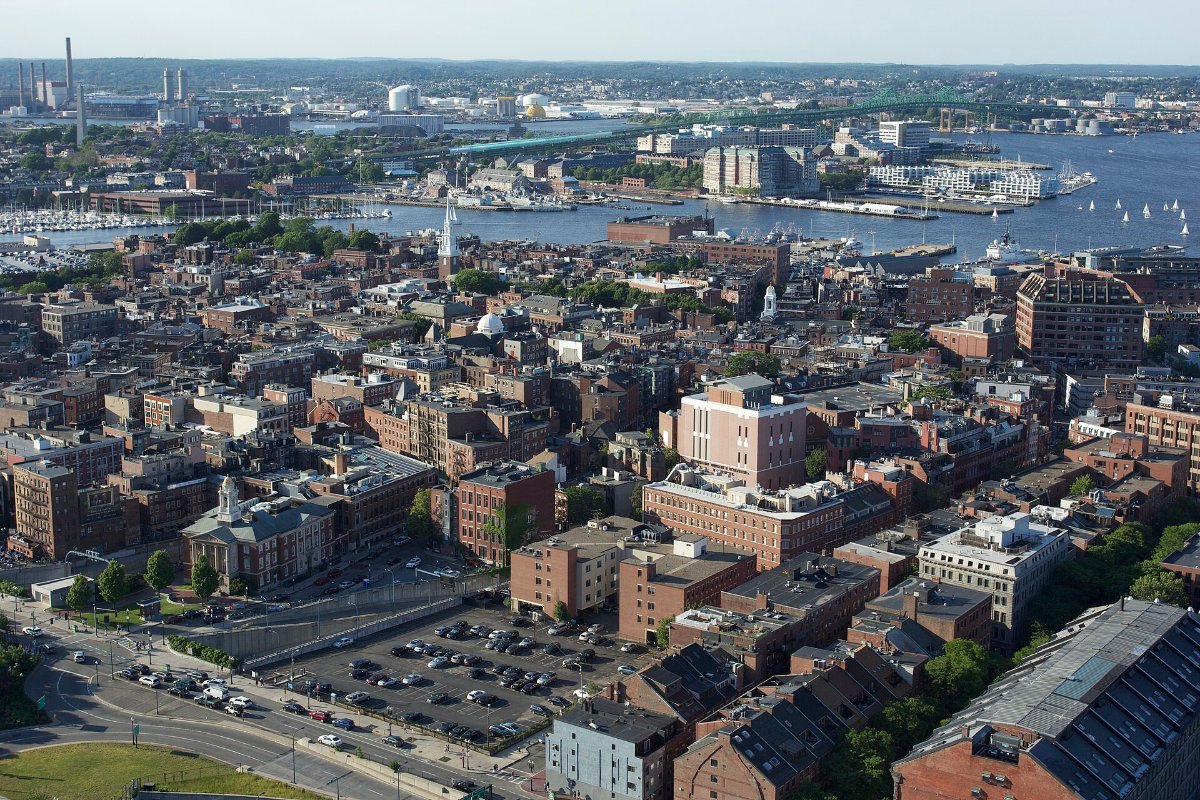
The Freedom Trail dumps you into the North End, which is Boston’s Italian quarter and has been since the 1860s.
Narrow streets, laundry lines, restaurants with about nine tables. Hanover Street is the main artery and it’s excellent. Paul Revere’s house is here too, the oldest building in downtown Boston, built around 1680.
The cannoli argument is a real thing. Two famous bakeries face each other and locals are genuinely partisan about it. Eat one from each and decide, it’s a legitimate afternoon activity.
Book dinner. The good places are tiny and they fill up by six.
▶ Watch This Before You Go
Day 2, Morning: Beacon Hill and the Public Garden
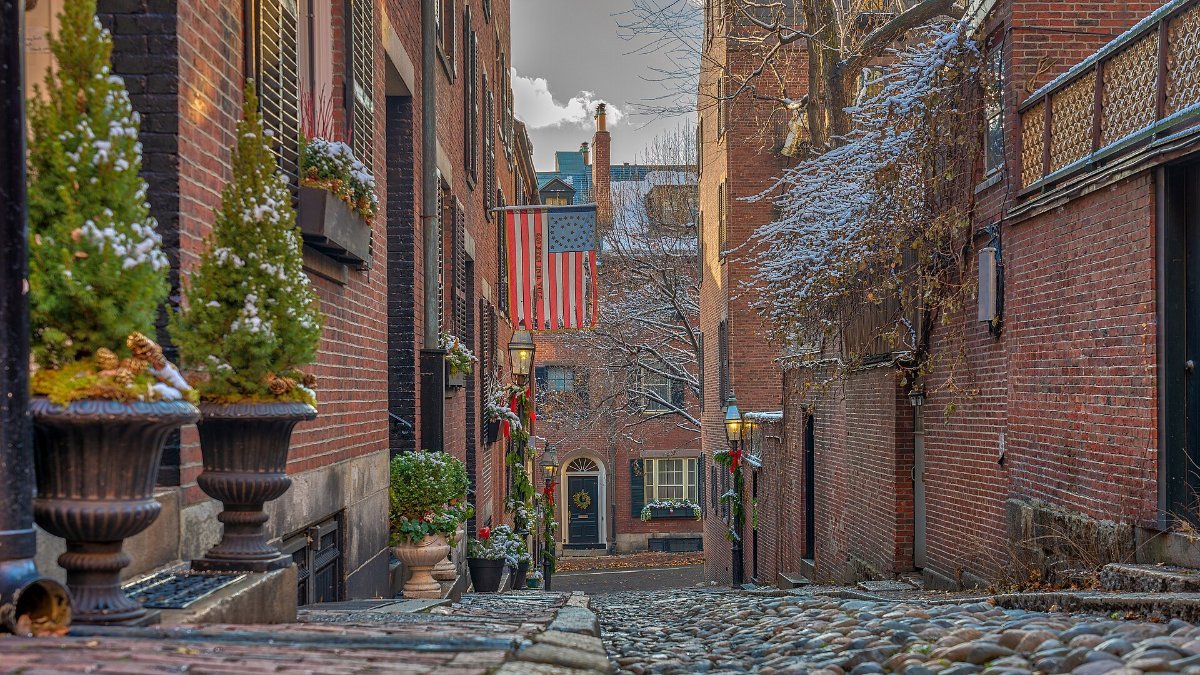
Beacon Hill is the prettiest neighbourhood in the city and takes about an hour to wander. Brick townhouses, gas lamps that are still gas, cobbled lanes and window boxes maintained with real intensity.
Acorn Street is the one everyone photographs, a narrow cobbled lane that was originally where coachmen lived. Charles Street at the bottom has the antique shops and the coffee.
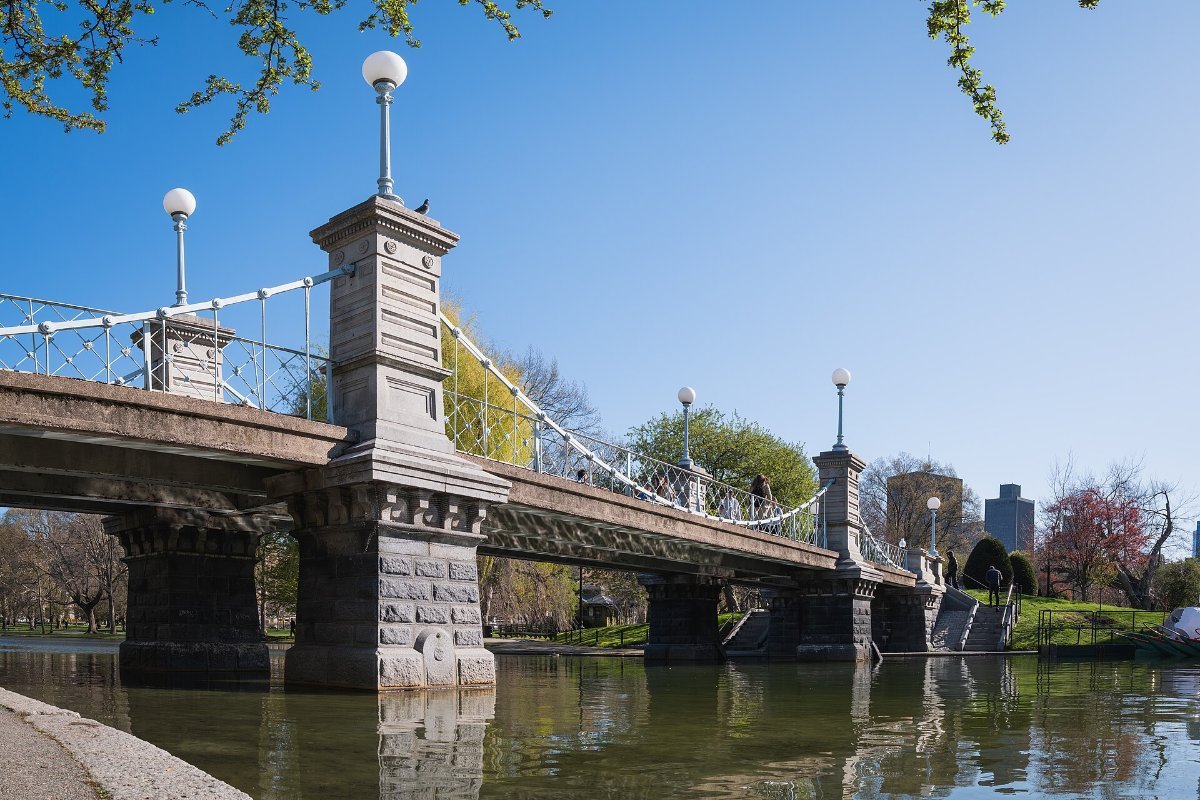
Then walk into the Public Garden, which is the ornamental one with the lagoon, and Boston Common next door, which is the older scruffier one and the oldest public park in the country.
Swan boats run on the lagoon from spring to autumn. They’ve been pedalled by hand since 1877 and they move at roughly the speed of a thought. Utterly charming.
Day 2, Afternoon: Fenway Park
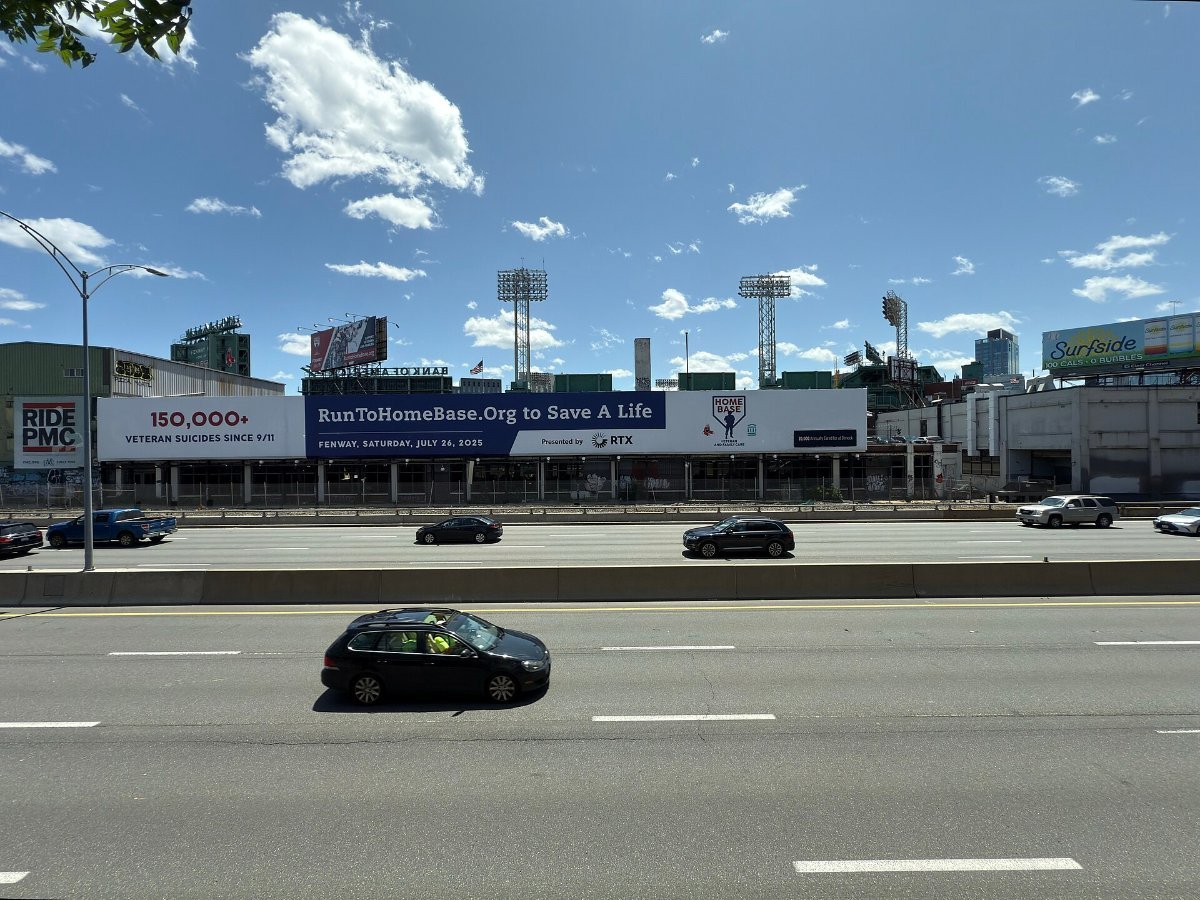
Opened in 1912, the oldest ballpark still in use, with a 37 foot left field wall called the Green Monster because that’s exactly what it is.
If the Red Sox are at home, go. Even if you understand nothing about baseball, and honestly most visitors don’t, the atmosphere does the work. Everyone sings along to Sweet Caroline in the eighth innings and it’s ridiculous and lovely.
If they’re away, take the tour. An hour, they walk you onto the Monster seats, and the guides are proper Boston characters.
Tickets are dear and the standing room ones are much less so. Worth knowing.
Day 3, Morning: Cambridge and Harvard
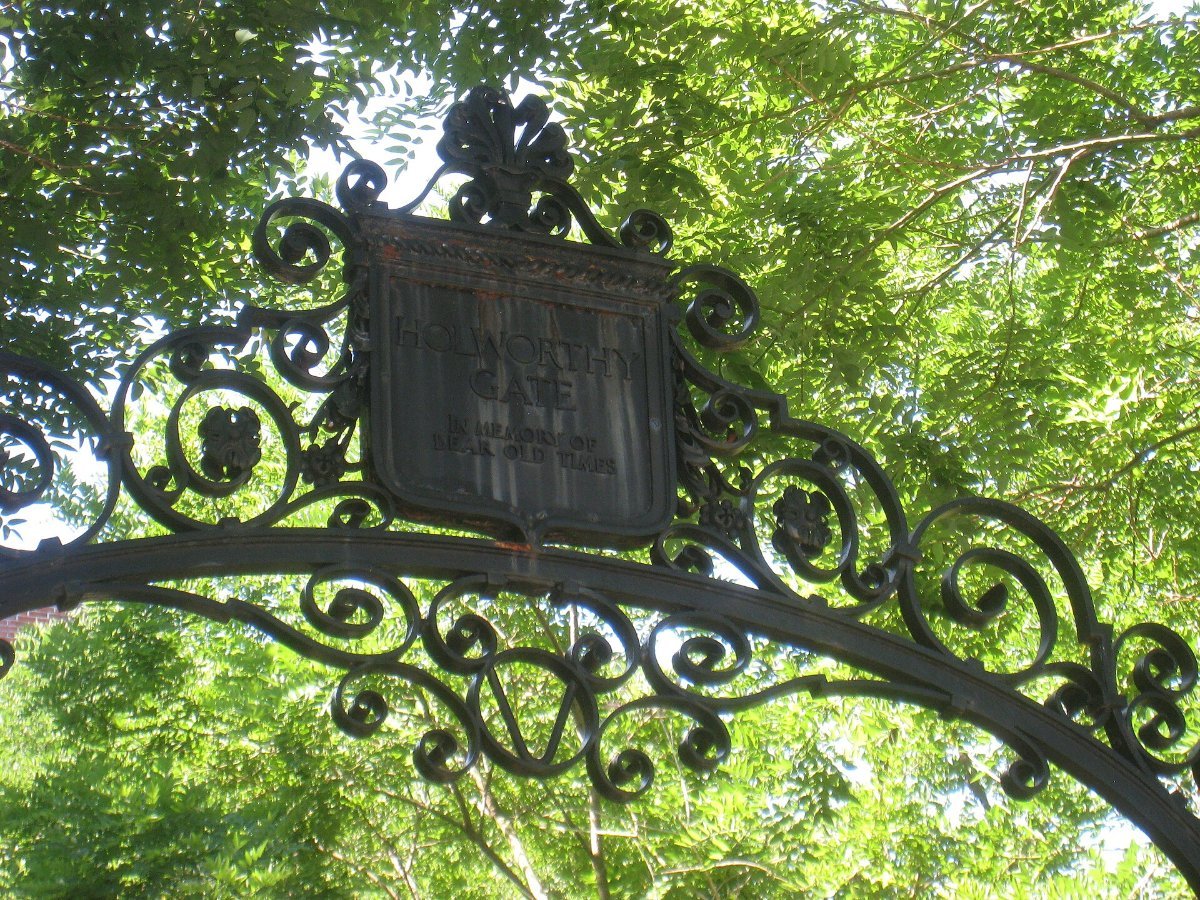
Take the Red Line across the river to Harvard Square, which takes about fifteen minutes and feels like a different city.
Harvard Yard is open to wander. Founded 1636, which makes it older than basically everything else here. The Harvard Museum of Natural History has the Glass Flowers, a collection of 4,000 botanical models made from glass in the 19th century that genuinely look real, and it’s one of the strangest and best things in Boston.
Walk down to MIT afterwards if you have the energy. The architecture is completely mad, in a good way, and the Stata Center looks like a building that fell over and decided to stay.
Harvard Square itself has bookshops, buskers and a chess table where an old man will beat you for five dollars.
Day 3, Afternoon: The Water
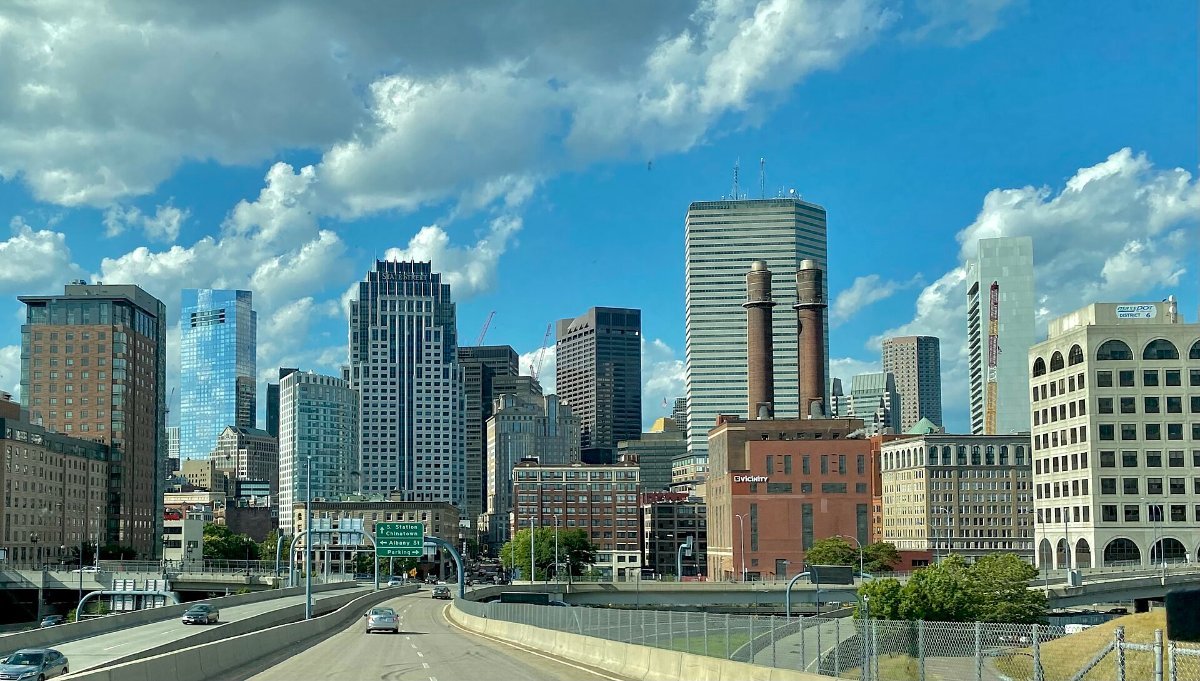
People forget Boston is a port. The Seaport district has been built up enormously in the last fifteen years and the Institute of Contemporary Art sits right on the water with a cantilever hanging over the harbour.
The Harborwalk runs for miles along the waterfront and is free and quiet. Or take a ferry out to the Boston Harbor Islands, which is a genuinely underused option, thirty of them, most people never go.
In summer, whale watching boats leave from Long Wharf. Stellwagen Bank is close enough to make a half day trip realistic and the humpback sightings are reliable.
Getting Around
The T is the oldest subway in America and it shows, but it’s cheap and it goes where you need. Get a CharlieCard rather than paying per ride.
Walking is genuinely the best option for the core. Downtown to the North End is fifteen minutes, Beacon Hill to Back Bay about the same.
Do not hire a car. Boston’s street layout famously follows old cattle paths, parking is expensive and rare, and the drivers are exactly as advertised :/
Where to Stay
Back Bay is the sweet spot: elegant, central, walkable to almost everything, and priced accordingly. Beacon Hill is prettier and has fewer hotels.
The Seaport is newer and more corporate, often better value. Cambridge is cheaper again and a subway ride from the centre, which is a perfectly good trade.
When to Go
September and October are the best months, full stop. Warm days, the students are back so the city feels alive, and the New England colour arrives at the end of it.
Spring is lovely and unpredictable. Summer is hot, humid and busy. Winter is genuinely cold and the wind off the harbour is a serious thing, though the city looks great under snow.
Common Questions
Is 3 days enough for Boston?
Yes, comfortably. It’s a compact city and three days covers the history, Cambridge and a proper afternoon by the water.
Do I need to pay for the Freedom Trail?
No. The trail itself is free to walk. A few individual sites charge a small entry fee, and guided tours cost extra.
Is Boston walkable?
More than almost any other American city. You can cross the whole downtown on foot in under an hour.
Should I visit Salem too?
If you have a fourth day, yes. It’s about half an hour by train or ferry, and in October it goes completely mad for Halloween.
What food is Boston known for?
Clam chowder, lobster rolls, oysters, and the Italian cooking of the North End. Skip anything advertising itself as “world famous” on a sandwich board.