Sedona in 2 Days: What’s Actually Worth Your Time
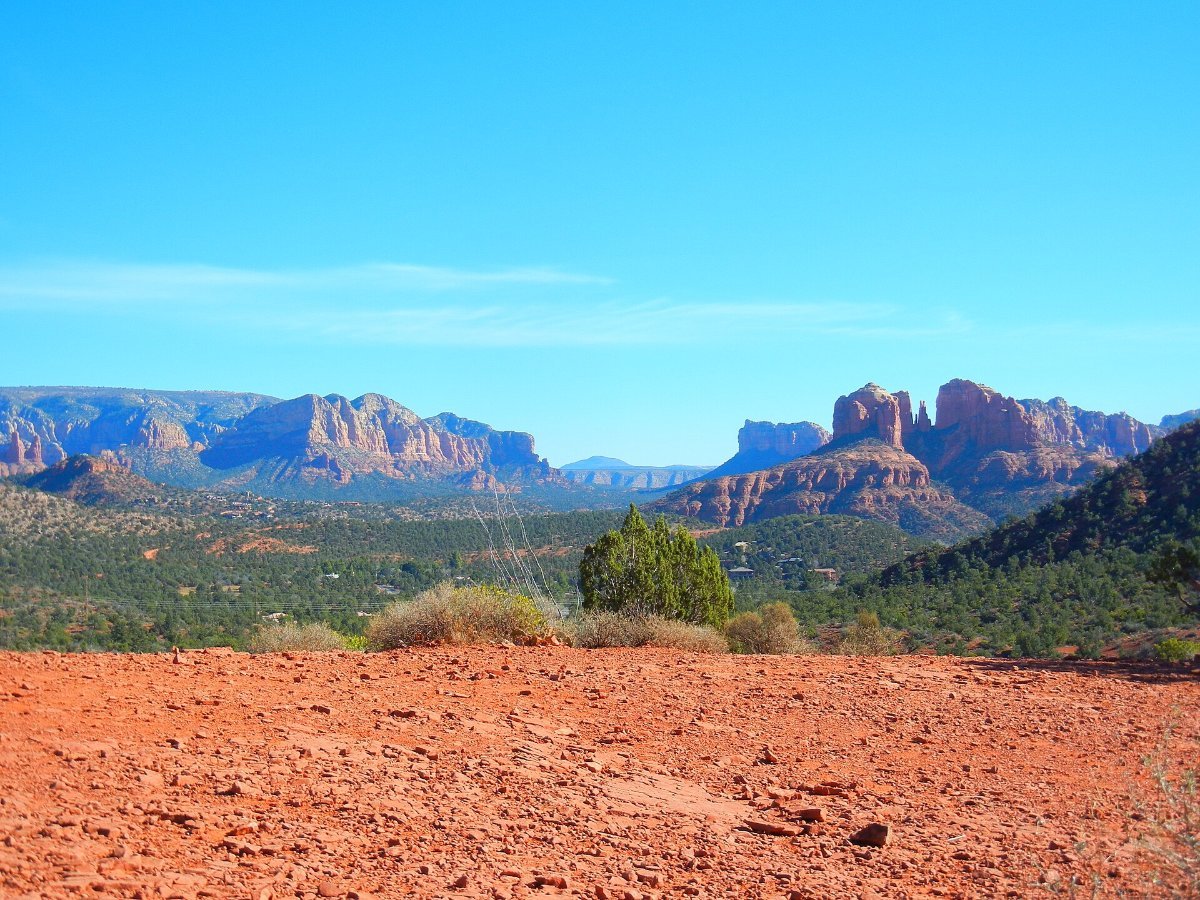
Sedona is two hours from Phoenix, surrounded by red sandstone that looks faintly unreal in photographs and considerably more unreal in person.
In this guide
- Day 1, Morning: Bell Rock, Because You Need a Warm-Up
- Day 1, Midday: The Chapel of the Holy Cross
- Day 1, Sunset: Airport Mesa
- Day 2, Early: Devils Bridge
- Day 2, Afternoon: Oak Creek Canyon
- Day 2, Evening: One Last Look
- Where to Eat, and the Uptown Problem
- The Vortex Thing, Briefly
- Getting Around and When to Go
It’s also small, extremely popular, and very easy to do badly. Two days is enough if you’re deliberate about it and a bit of a scramble if you’re not.
A quick note on the shape of it. Sedona rewards early starts more than almost anywhere I have been, because the trailhead car parks are small, the sun is unrelenting by eleven, and the good light lands at either end of the day. Build the two days around dawn and dusk and the middle takes care of itself.
Here’s how I’d spend them.
Day 1, Morning: Bell Rock, Because You Need a Warm-Up
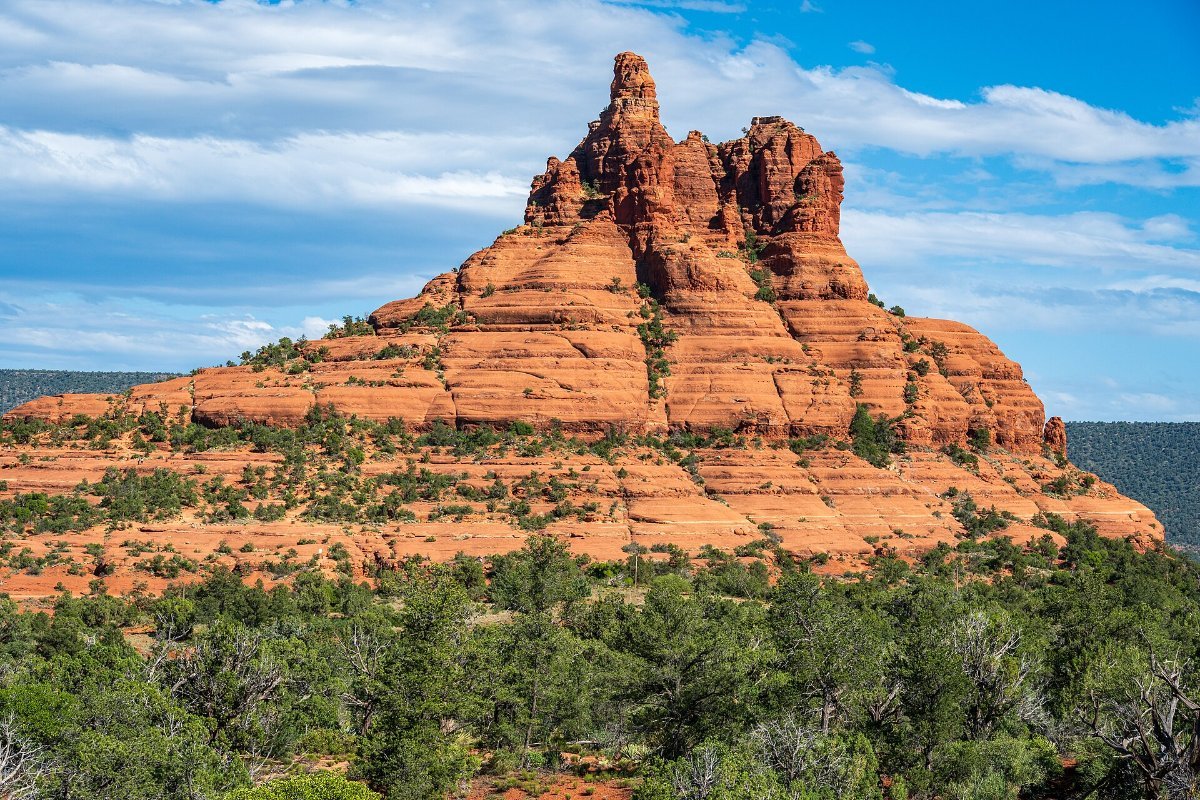
Bell Rock sits right off the highway coming in from the south, which makes it the obvious first stop and, honestly, the correct one.
The path around the base is flat, wide and takes about forty minutes. If you want more, you can scramble a fair way up the side, and the point at which you stop is entirely a personal negotiation with your own nerve.
Go early. The lot fills by nine and the overflow parking is a genuinely long walk in sun with no shade.
Day 1, Midday: The Chapel of the Holy Cross
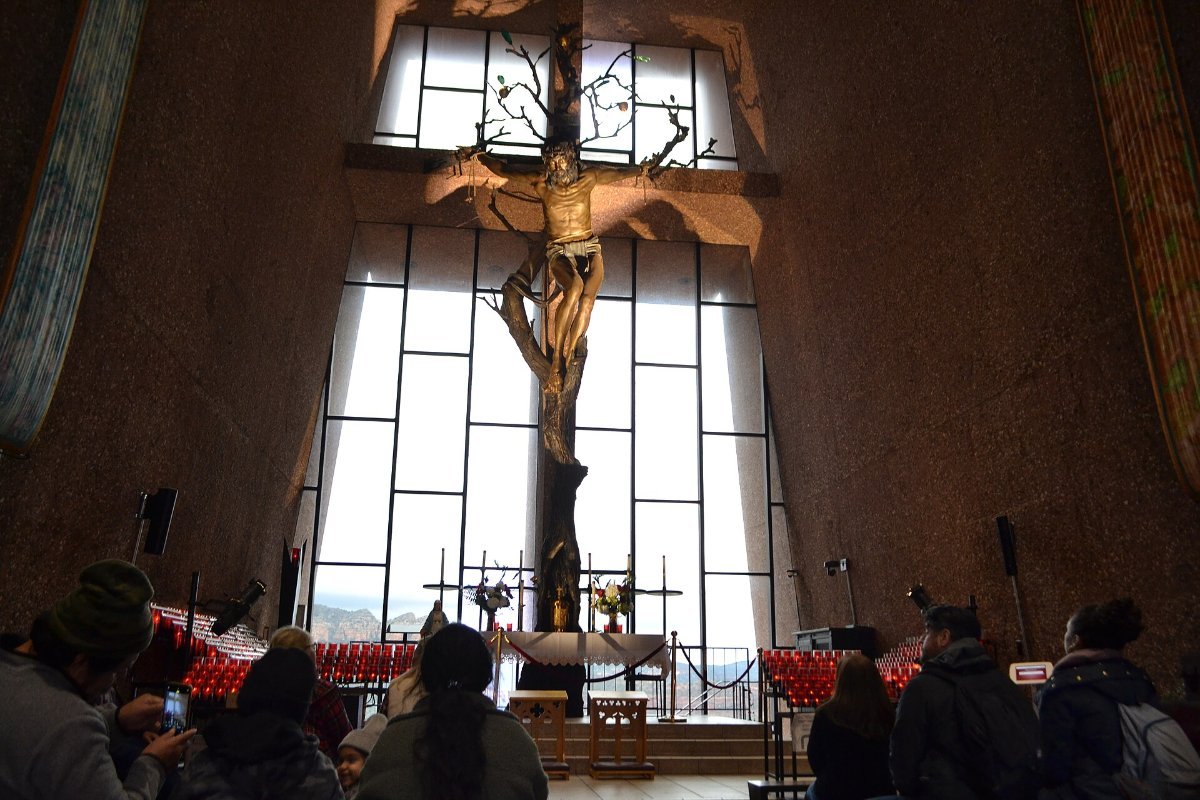
A modernist chapel built directly into a red rock spur in 1956, which sounds like it should be awful and instead is the best building in Arizona.
It’s free, it takes twenty minutes, and the view back down the valley from the ramp is better than most paid viewpoints in town. It’s still an active chapel, so keep the volume down.
Parking is tight and there’s a shuttle in busy season. Take the shuttle, IMO. Circling that lot is nobody’s idea of a holiday.
▶ Watch This Before You Go
Day 1, Sunset: Airport Mesa
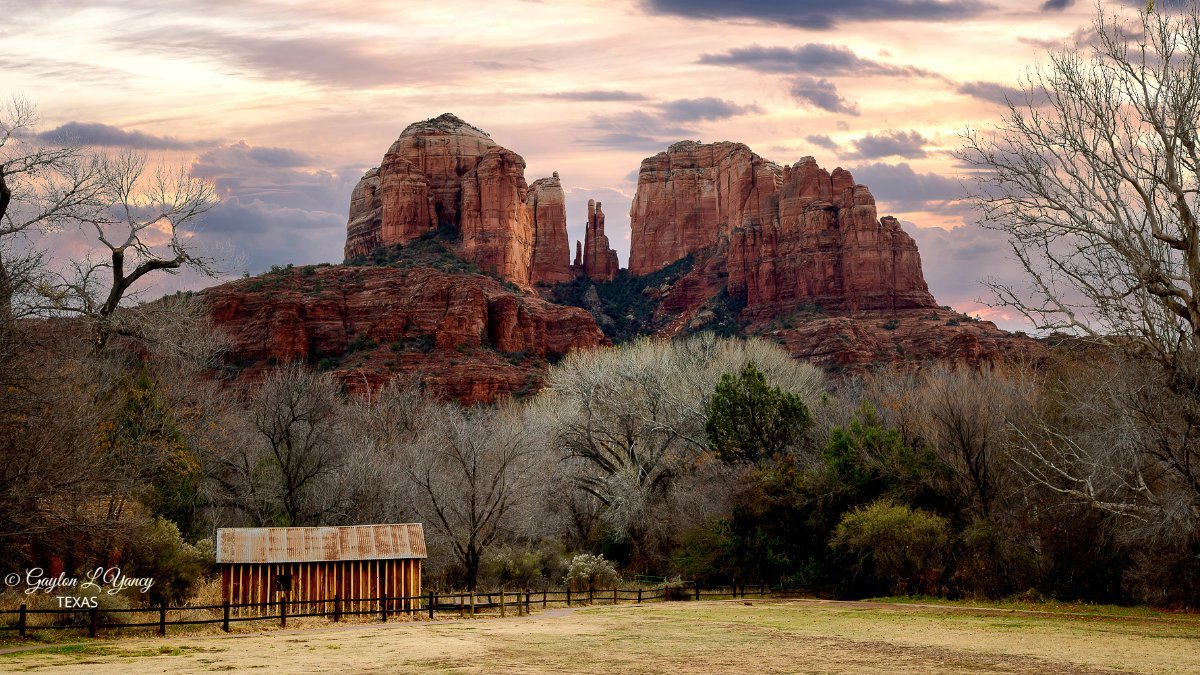
Sedona’s sunsets are the actual product. The rock goes from orange to a sort of impossible deep red for about fifteen minutes and everyone stops talking.
Airport Mesa is the easy one, a short climb from a small lot on top of the ridge with views in most directions. Cathedral Rock is the more photogenic one and considerably more effort.
Whichever you pick, get there an hour early. Not for the light, for the parking.
Day 2, Early: Devils Bridge
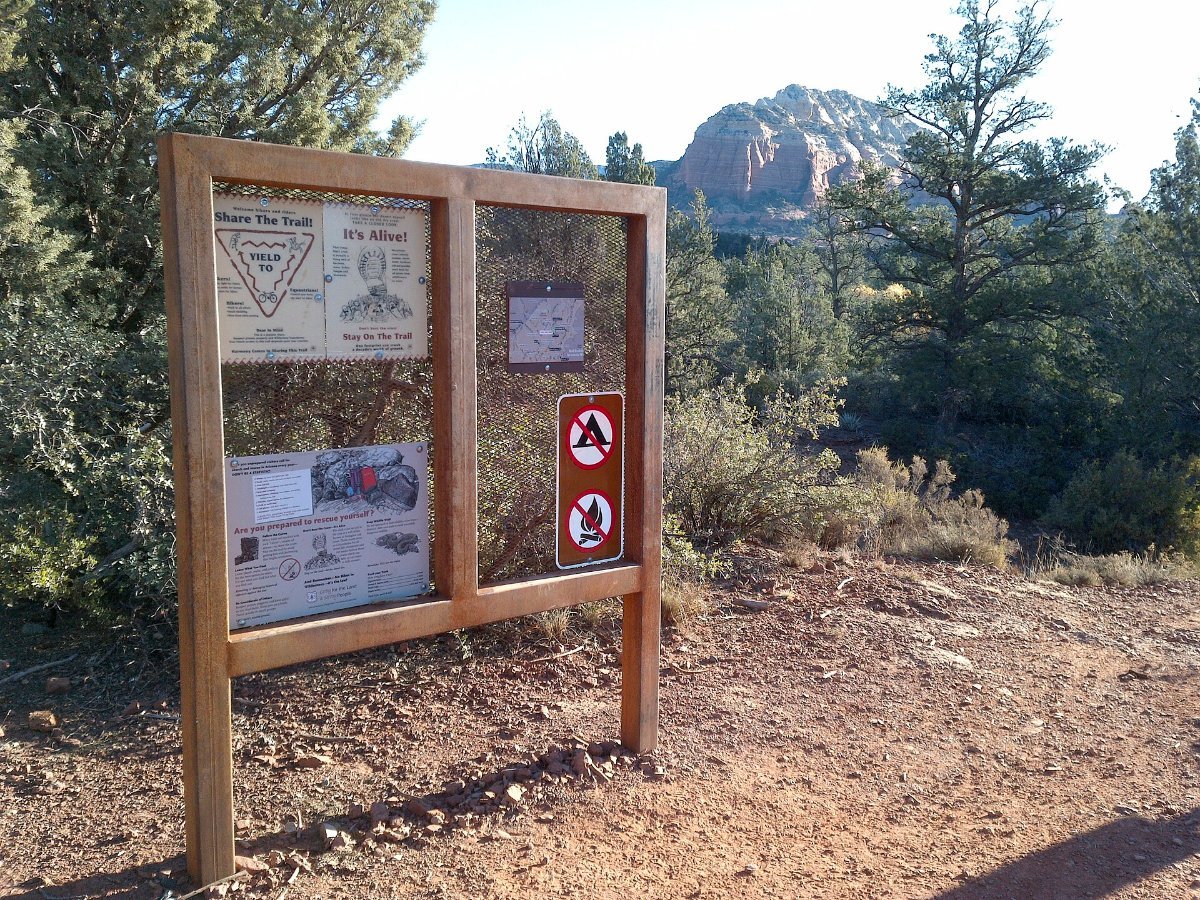
The largest natural sandstone arch in the area, and the reason half of Instagram thinks it has been to Sedona.
Here’s the bit people leave out. The trailhead you can reach in a normal car adds about two miles each way on a dirt road, so the “1.8 mile hike” everyone quotes is more like six miles round trip unless you have a high-clearance vehicle. There’s also a queue at the top for photos, sometimes an hour long.
There is a shuttle in high season that drops you much closer, and it is free. It runs from a park and ride south of town and it is the single best piece of advice anyone gave me about Sedona. Check the days it operates before you plan around it, because it does not run every day of the week.
Start at sunrise or don’t bother. At 7am you’ll have it nearly to yourself, and the walk in is the pleasant part anyway.
Day 2, Afternoon: Oak Creek Canyon

Drive north out of town on the 89A and everything changes within fifteen minutes. Red rock gives way to a green wooded canyon with a creek running through it, which is not what anyone expects from Arizona.
Slide Rock State Park is the famous stop, a natural sandstone chute you can actually slide down. It’s cold, it’s fun, and it’s absolutely heaving in summer.
Keep going to the switchbacks at the top for the overlook. Ten minutes, no walking required, easily the best free view of the trip.
Day 2, Evening: One Last Look
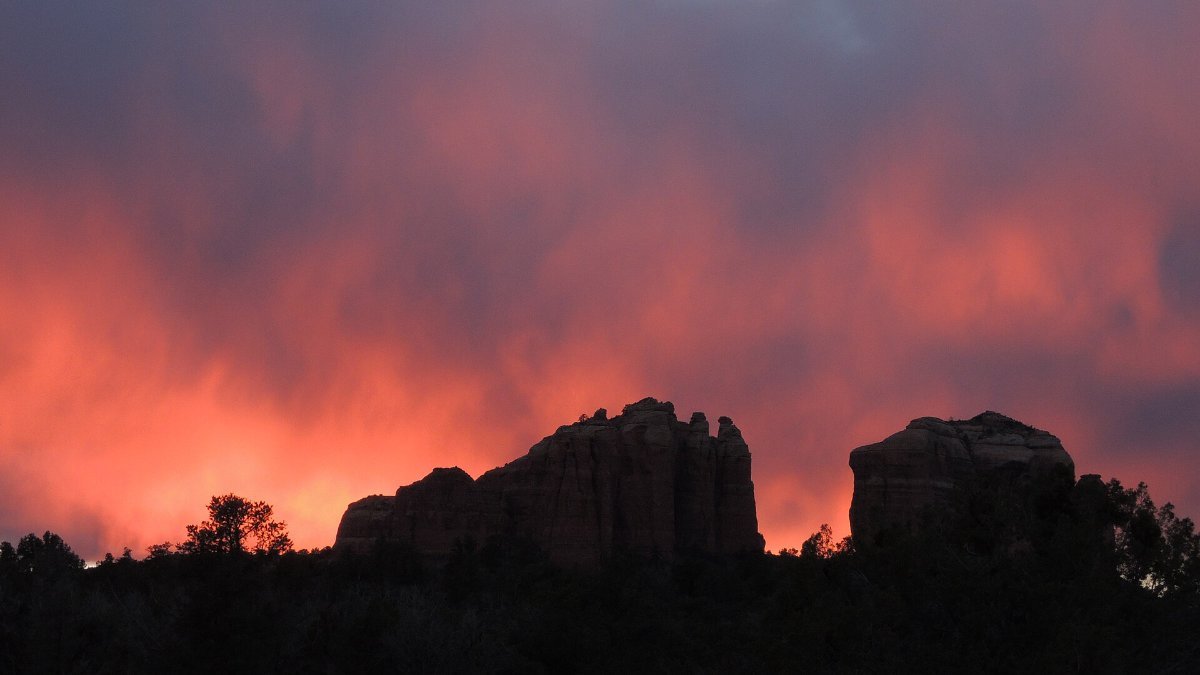
End where you can see the rock. That’s it, that’s the plan.
Sedona’s restaurants are fine rather than remarkable, so pick one with a patio facing west and let the view do the work. The town knows exactly what it’s selling.
Where to Eat, and the Uptown Problem
Uptown Sedona is the strip of shops and restaurants everyone lands in first, and it is the least interesting part of town. Fudge, jeep tour desks, t-shirts, and traffic that backs up the length of the main road every afternoon.
The better eating is in West Sedona, a few minutes down the 89A, where the places are smaller and the prices are not written for people who arrived twenty minutes ago. Mexican food is the local strength and it is genuinely good.
For a splurge, the resorts along Oak Creek do a very civilised lunch with a red rock view, and you do not have to be staying there. That is a decent trick if your budget is on the hotel rather than the dinner.
On which point: staying in Sedona itself is expensive. Cottonwood is twenty minutes away, considerably cheaper, and has a small historic main street that is pleasant in its own right. Village of Oak Creek is the closer compromise and sits right by Bell Rock.
The Vortex Thing, Briefly
You’ll see vortex tours advertised everywhere. The idea is that certain spots here concentrate some form of energy, and Sedona has built a considerable industry on it.
Believe it or don’t, the vortex sites are just genuinely lovely places to sit. Cathedral Rock, Bell Rock, Airport Mesa, Boynton Canyon. You were going to those anyway 🙂
Getting Around and When to Go
You need a car. There’s a seasonal shuttle to the busiest trailheads and it’s useful, but Sedona is spread out and taxis are scarce and expensive.
Spring and autumn are ideal, roughly March to May and September to November. Summer hits the high 30s Celsius and the trails offer no shade whatsoever. Winter is quiet, cold at night, and occasionally gives you snow on red rock, which is a genuinely strange and lovely thing to see.
FYI most trailheads need a Red Rock Pass. Five dollars a day, buy it at the machine, rangers do check.