10 Things to Do in Charleston That Are Actually Worth Your Time
Charleston is very good at being photographed and slightly less good at telling you which bits are worth your actual time. Everything looks like a postcard, so everything gets recommended.

In this guide
- 1. Walk Rainbow Row Early, Then Keep Walking
- 2. Sit at The Battery and Do Absolutely Nothing
- 3. Take the Ferry to Fort Sumter
- 4. Tour Exactly One House Museum
- 5. Eat Lowcountry Food at a Place With a Wait
- 6. Wander Through the City Market (Briefly)
- 7. Drive Out to the Angel Oak
- 8. Pick One Beach and Commit
- 9. Walk the Ravenel Bridge
- 10. The Carriage Tour, Honestly
- When to Actually Go
Which is how people end up spending forty dollars on a carriage ride and eating a mediocre shrimp basket two blocks from a restaurant that would have changed their week.
So here’s the honest version. Ten things that earn their place, and a few notes on the ones that don’t.
1. Walk Rainbow Row Early, Then Keep Walking
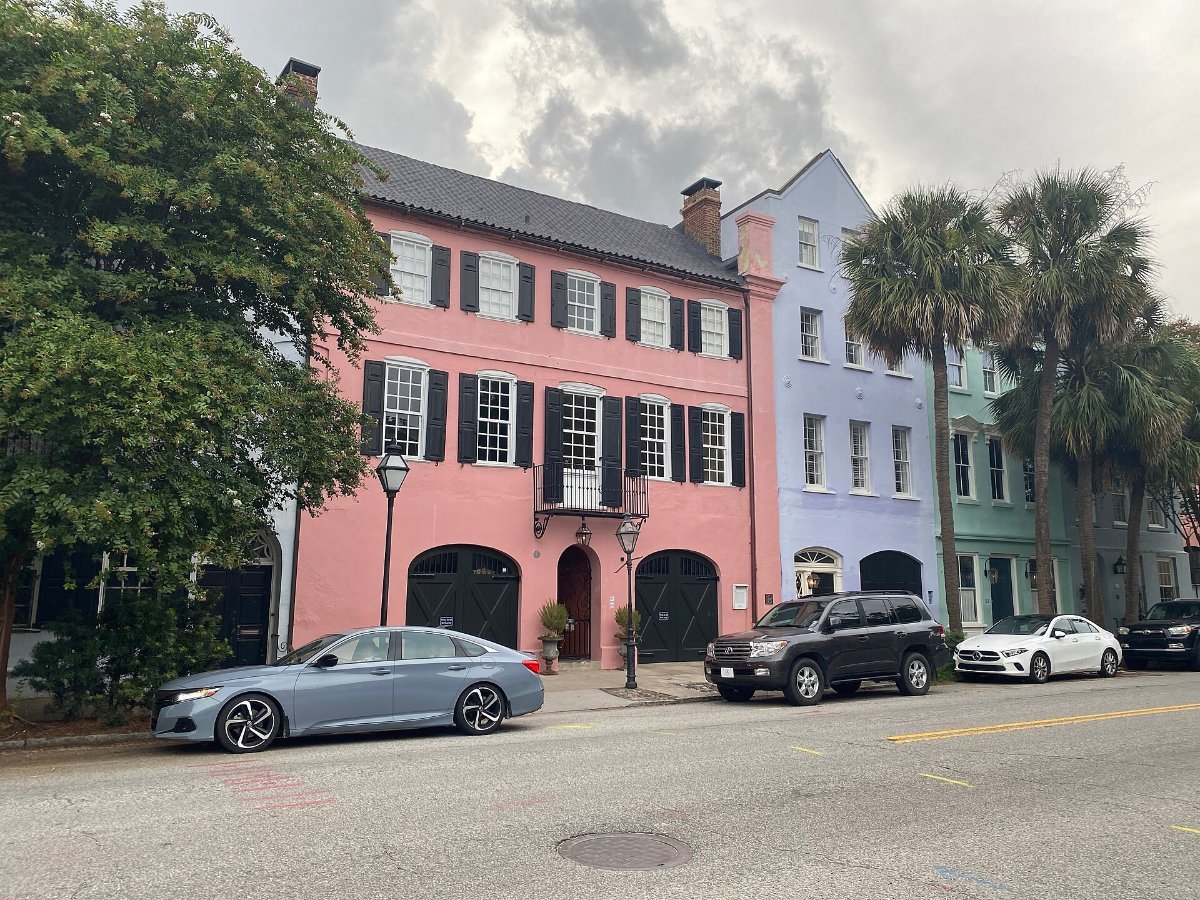
Yes, it’s thirteen pastel houses on East Bay Street. Yes, everyone photographs them. And yes, you should go anyway, because the row is genuinely lovely and it takes about eight minutes.
Go before nine in the morning. The light is better, the street is empty, and you won’t be waiting behind four people taking turns with a tripod.
The real trick is not stopping there. Rainbow Row is the famous stretch, but the streets behind it are where Charleston actually lives. Wander south into the residential lanes and you’ll find better houses with nobody photographing them.
2. Sit at The Battery and Do Absolutely Nothing
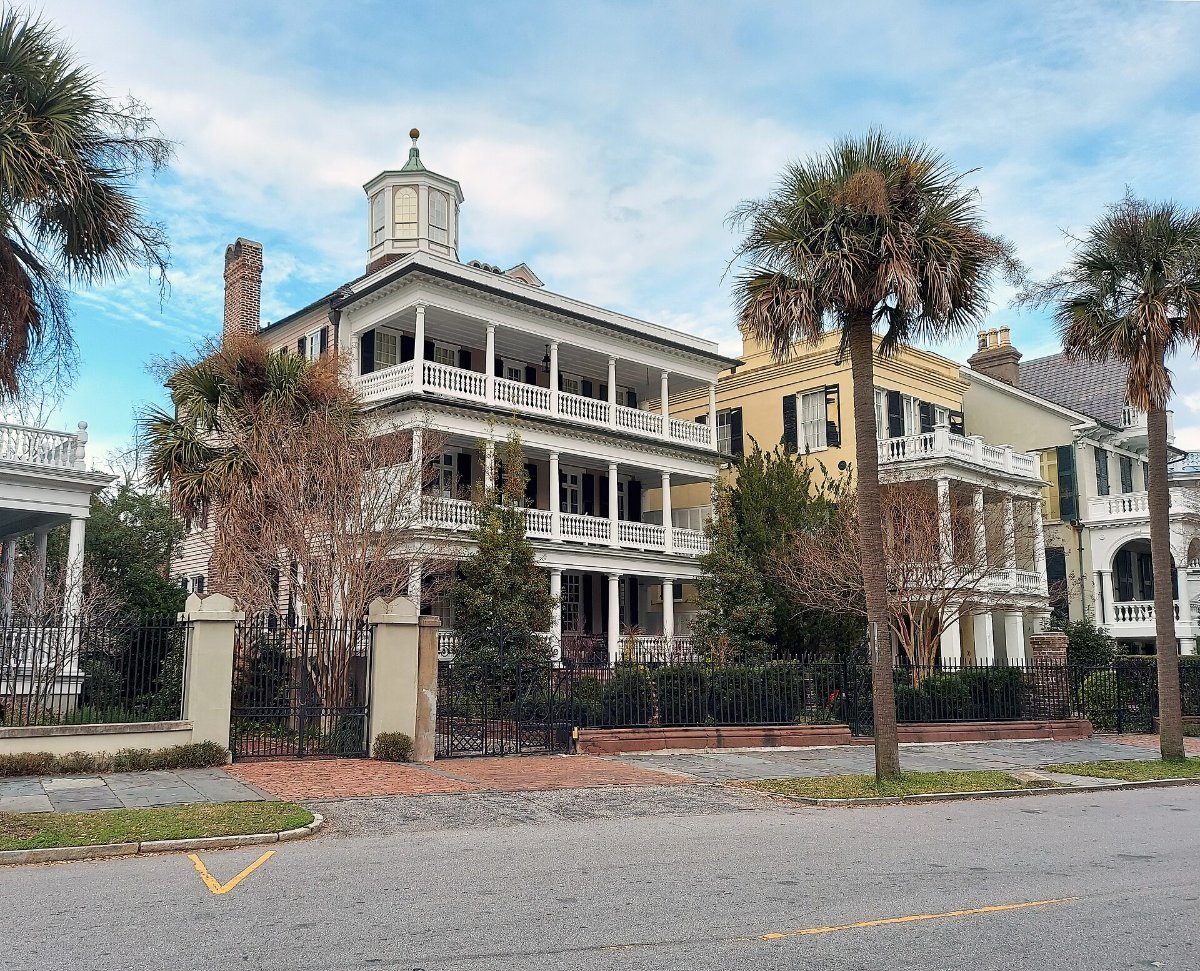
The Battery is the seawall promenade at the southern tip of the peninsula, where the Ashley and Cooper rivers meet and the mansions get properly ridiculous.
There’s no ticket, no queue and nothing to do, which is precisely the point. You sit on a bench in White Point Garden under the live oaks, you watch the water, and you understand the city about forty percent better than you did an hour ago.
Sunset is the obvious call. Early morning is the underrated one, because you’ll share it with joggers and nobody else.
3. Take the Ferry to Fort Sumter
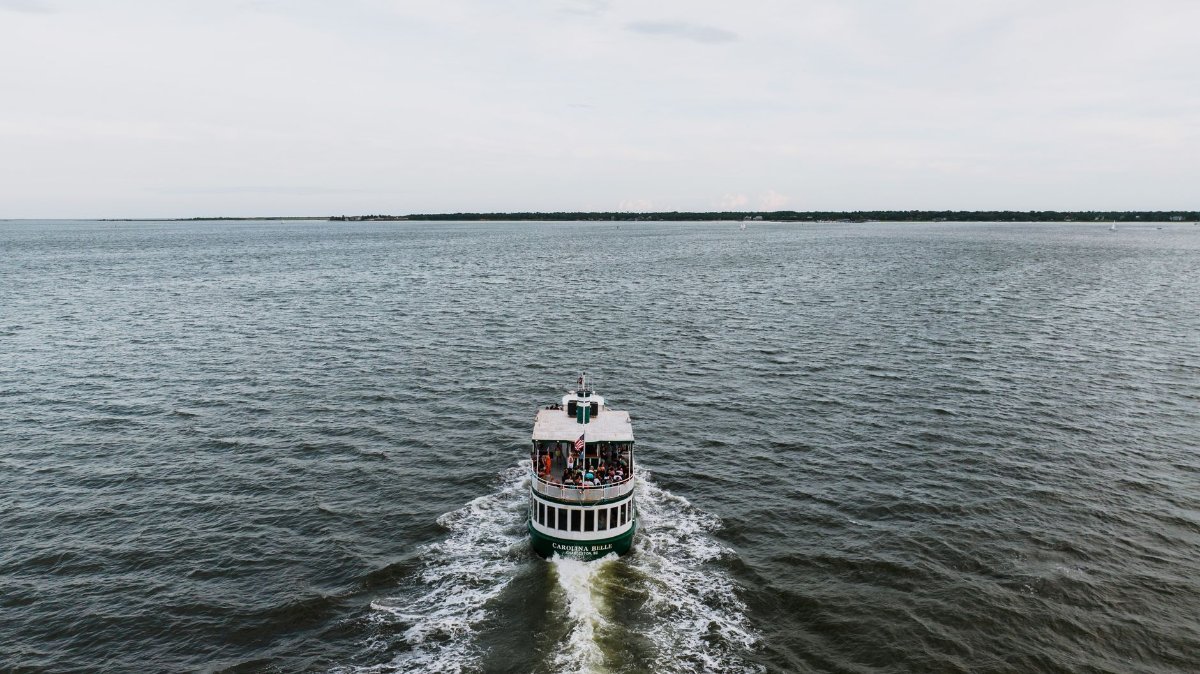
This is the one big-ticket thing I’d tell almost everyone to do, and not really for the fort.
The fort itself is a ruin with some cannons and a very earnest park ranger. Interesting, not overwhelming. But the boat ride out there gives you the only view of Charleston that makes sense, the whole peninsula low and flat on the water with the steeples sticking up.
Book ahead in spring and summer. Sailings sell out, and the walk-up counter is where optimism goes to die :/
▶ Watch This Before You Go
4. Tour Exactly One House Museum
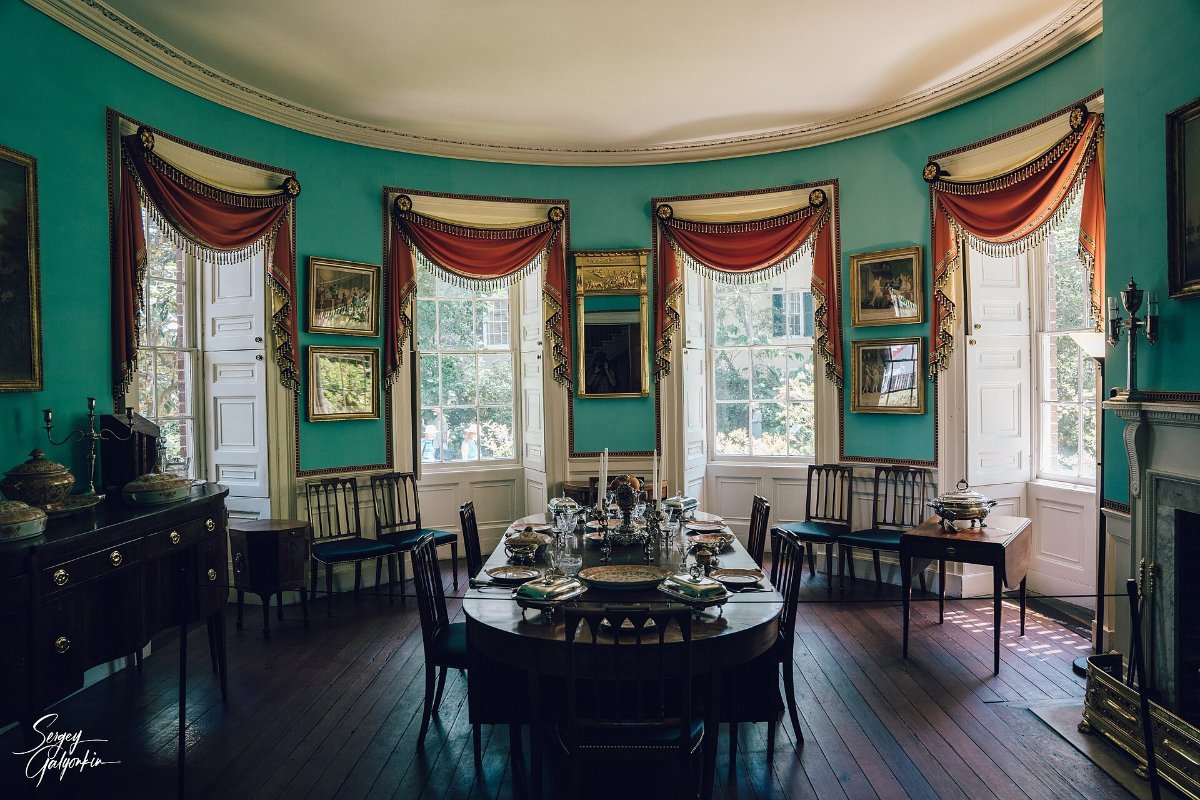
Charleston has a lot of historic homes you can pay to walk through, and they blur together fast. Do one properly instead of three badly.
The Nathaniel Russell House is the usual pick for the architecture, mostly because of a free-flying staircase that has no visible support and quietly ruins every other staircase for you afterwards. The Aiken-Rhett House is the better pick if you want the honest version, because it’s preserved rather than restored, including the outbuildings where enslaved people lived.
IMO the Aiken-Rhett is the one that stays with you. It doesn’t tidy the story up.
5. Eat Lowcountry Food at a Place With a Wait
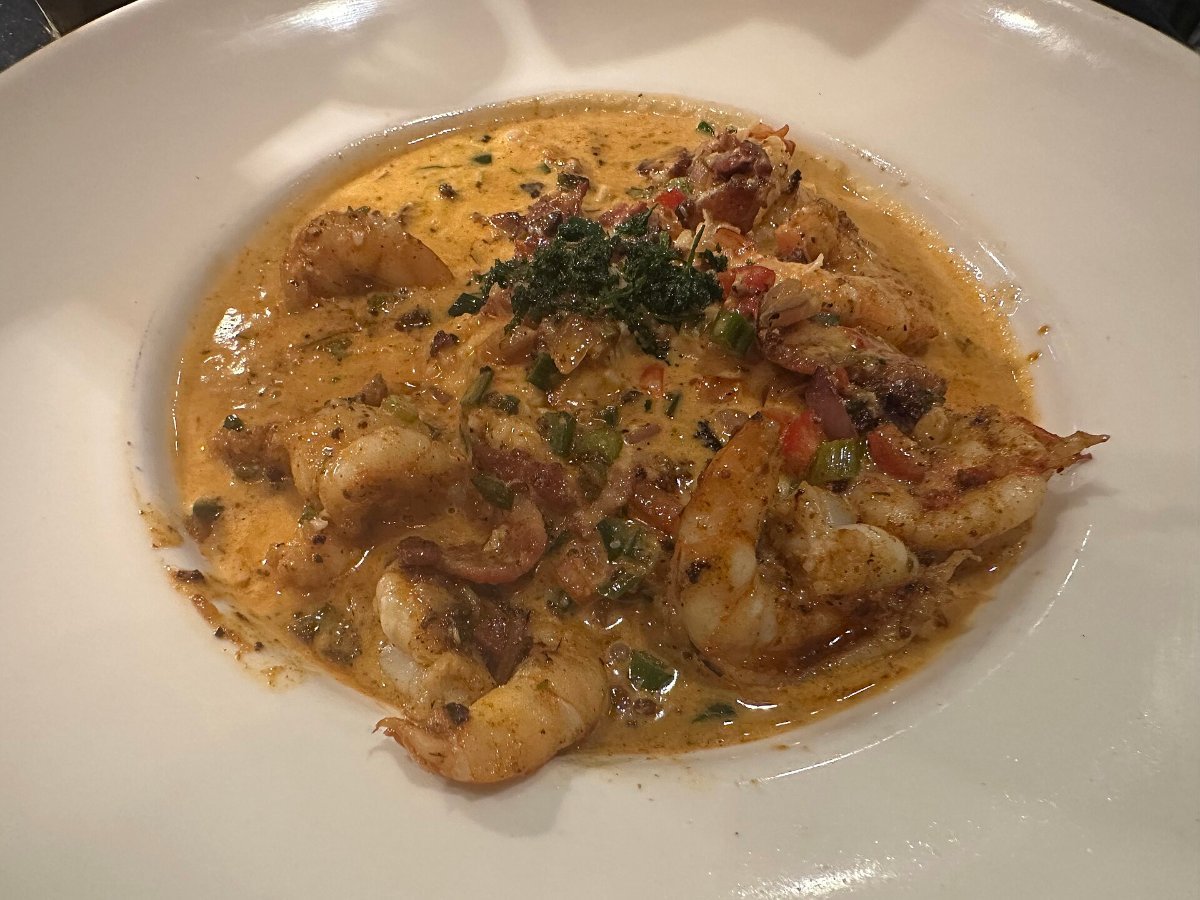
Shrimp and grits, she-crab soup, oysters, biscuits that make you quiet for a second. This is a food city first and a history city second, whatever the guidebooks put in the headline.
The rule that has never failed me here: if a place takes reservations, book it three weeks out. If it doesn’t take reservations and there’s a line at 5:30pm, join the line. Charleston queues are usually correct.
What to skip? Anything with a laminated menu on Market Street that photographs the food better than it cooks it.
6. Wander Through the City Market (Briefly)
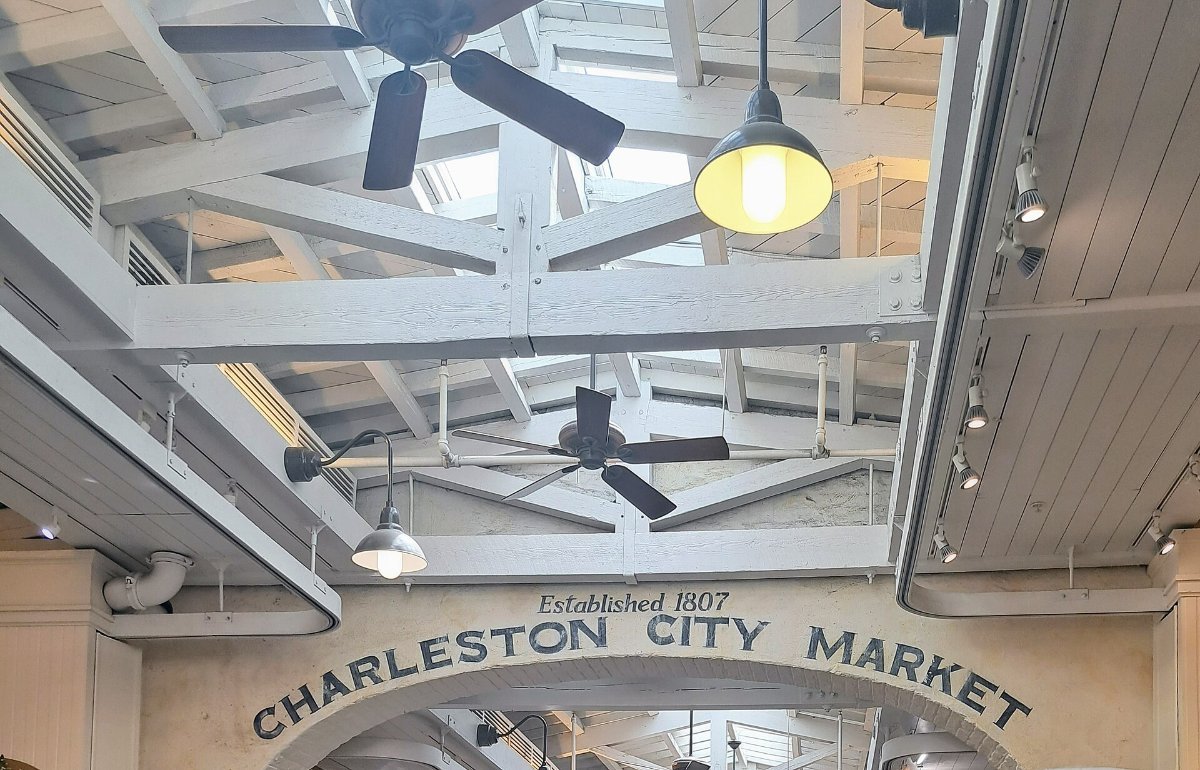
Here’s where I get slightly unpopular. The City Market is four blocks of stalls, and roughly three of those blocks are t-shirts and phone cases.
The reason to go is the sweetgrass baskets. Gullah women have been weaving them here for generations using a technique that came over from West Africa, and watching one being made is worth more than the rest of the market combined.
They’re expensive. They should be. A big one takes weeks.
7. Drive Out to the Angel Oak
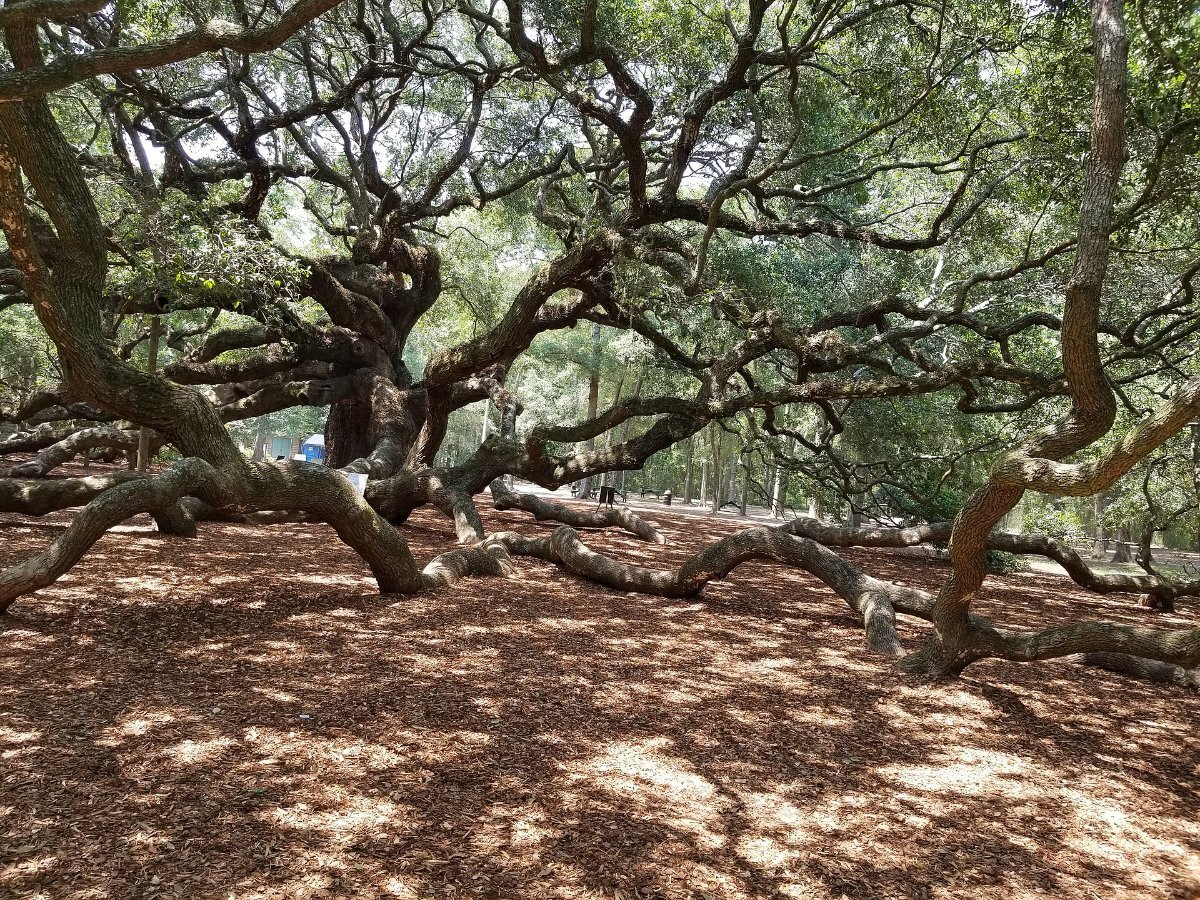
Twenty minutes out on Johns Island there’s a live oak that’s somewhere between four and five hundred years old, with branches so heavy they rest on the ground and grow back up again.
It’s free, it takes half an hour, and photos genuinely do not convey the scale. You stand under it and go quiet. Everyone does.
FYI it closes surprisingly early and doesn’t open on Sundays in some seasons, so check before you drive out.
8. Pick One Beach and Commit

Charleston has beaches, which first-timers routinely forget until day three.
Sullivan’s Island is the quiet one, residential and low key, with a handful of good restaurants and a lighthouse. Folly Beach is the loud one, surfier and scruffier and more fun if you want a bar. Isle of Palms sits in the middle and has the easiest parking.
Pick based on your mood, not on which is objectively best. They’re twenty minutes apart and nobody wins that argument.
9. Walk the Ravenel Bridge
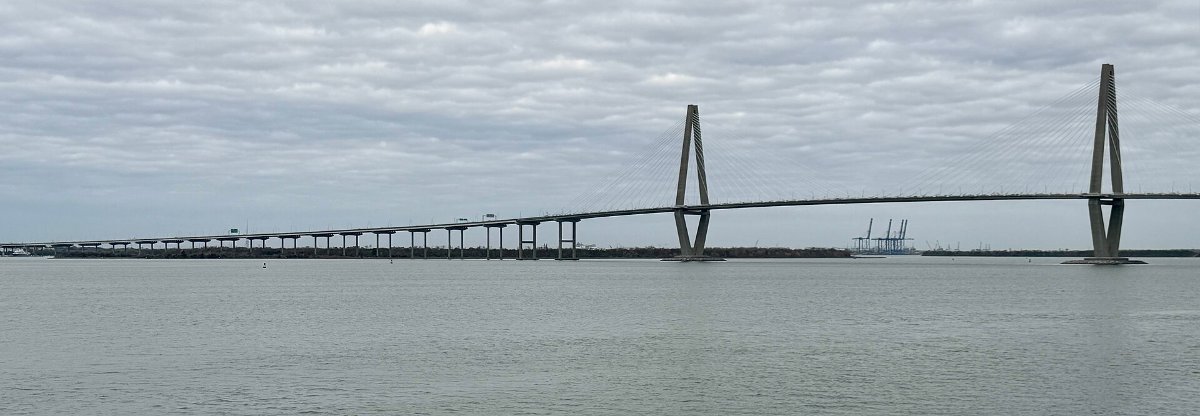
The Arthur Ravenel Jr. Bridge has a proper pedestrian lane running the whole way across, and the view from the top is the best free thing in the city.
It’s about two and a half miles each way with a real climb in the middle, so it’s a walk rather than a stroll. Bring water. It gets exposed up there and Charleston humidity does not negotiate.
Go at golden hour and you’ll pass every local who owns running shoes.
10. The Carriage Tour, Honestly
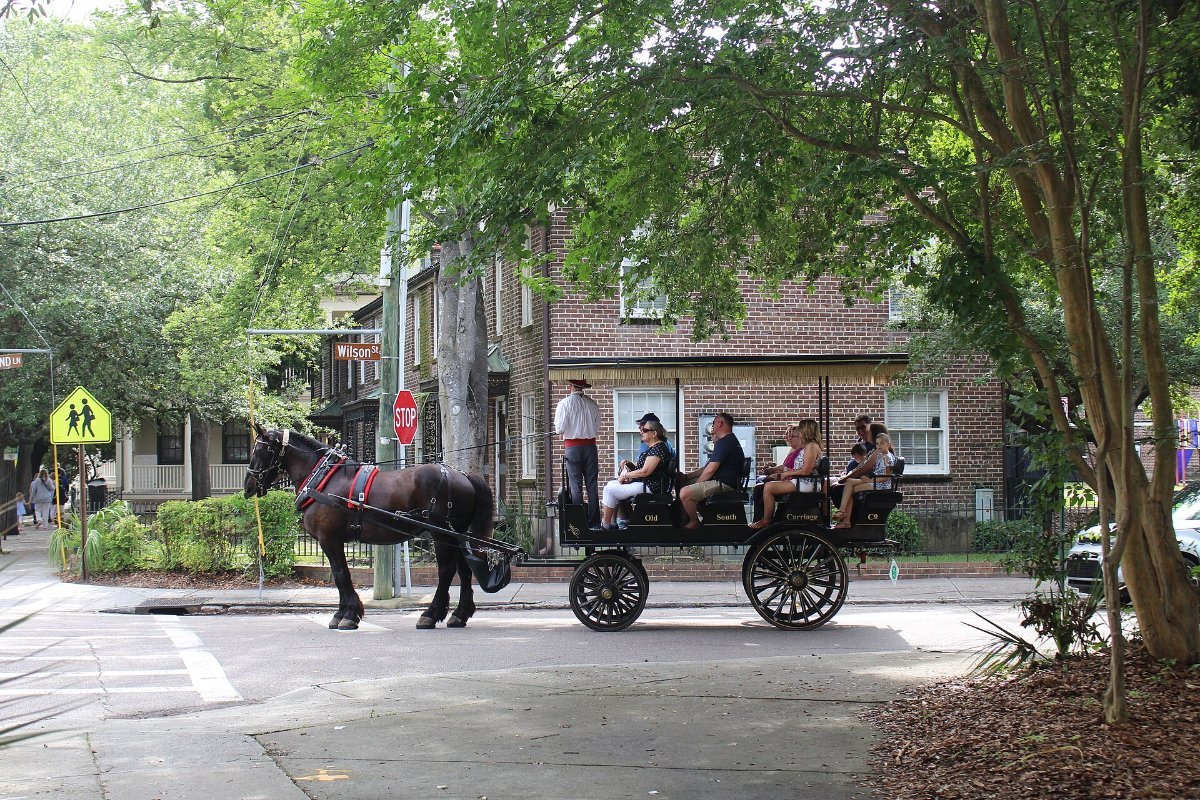
I know. Everyone has an opinion about the carriages, and half of those opinions are about the horses.
The practical truth: the tours are regulated, the routes are assigned by lottery so you don’t choose where you go, and the guides range from genuinely excellent historians to men doing a bit. It’s a decent orientation on your first afternoon and a waste of money on your third day.
If the heat index is high, skip it. If you’re at all uneasy about the horses, skip it and walk. You’ll see more anyway.
When to Actually Go
Spring is the answer, and specifically late March through early May, when the azaleas do their thing and you can walk at midday without regretting it.
October and early November are the quieter second choice. July and August are hot in a way that’s difficult to explain to people who haven’t stood in Lowcountry humidity at 2pm. You will not be walking the bridge.
Charleston rewards a slow trip. Three days is plenty, four is comfortable, and anyone who tells you they did it properly in a day is describing a different city.