3 Days in Savannah: The Perfect First-Timer Itinerary
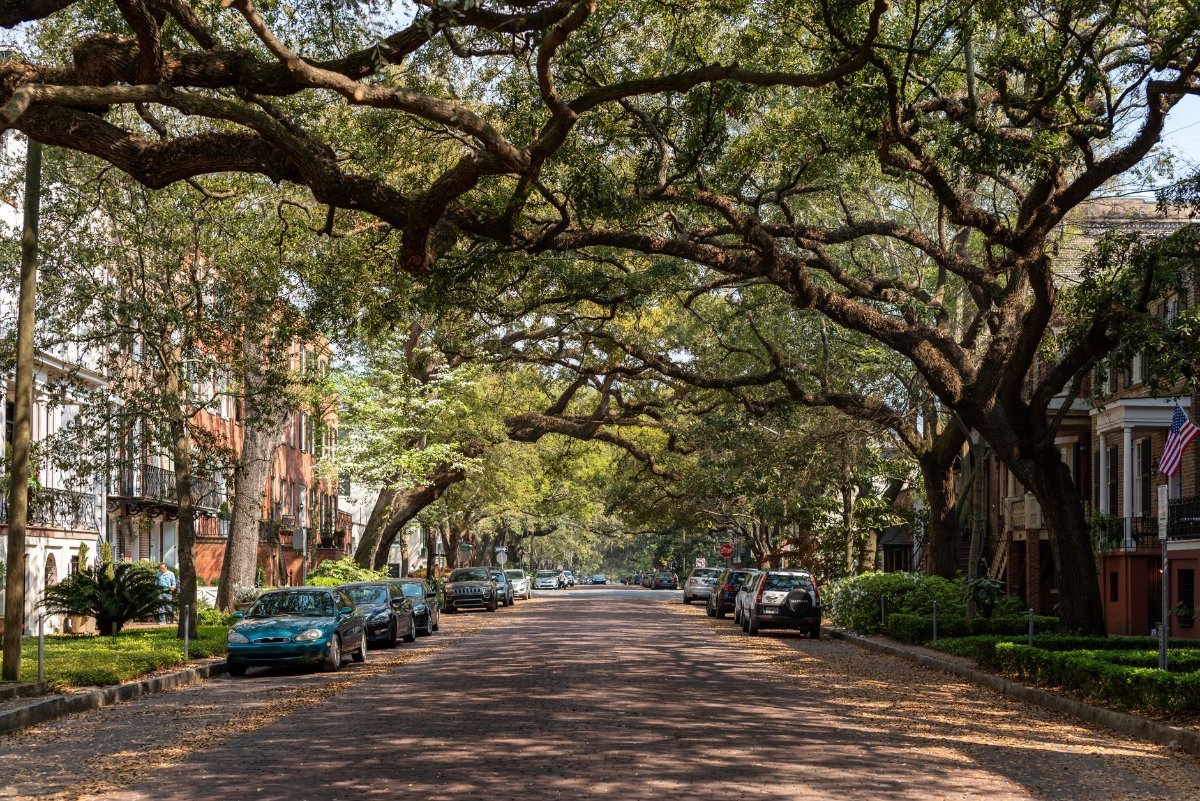
Savannah is small, flat and built on a grid of 22 squares, which means you can see most of it on foot and still feel like you’ve missed something. That’s the charm, honestly.
In this guide
- Day 1, Morning: Just Walk the Squares
- Day 1, Afternoon: Jones Street and the Good Houses
- Day 1, Evening: The To-Go Cup Situation
- Day 2, Morning: Forsyth Park
- Day 2, Afternoon: Bonaventure Cemetery
- Day 2, Evening: River Street, With Expectations Managed
- Day 3, Morning: The Avenue of Oaks at Wormsloe
- Day 3, Afternoon: Tybee Island
- Where to Stay
- When to Go
Three days is the sweet spot. Two feels rushed, four and you’re inventing things to do. Here’s how I’d spend them.
FYI this itinerary assumes you’re staying in the Historic District. If you’re out by the airport, add half an hour to everything and rent a car.
Day 1, Morning: Just Walk the Squares
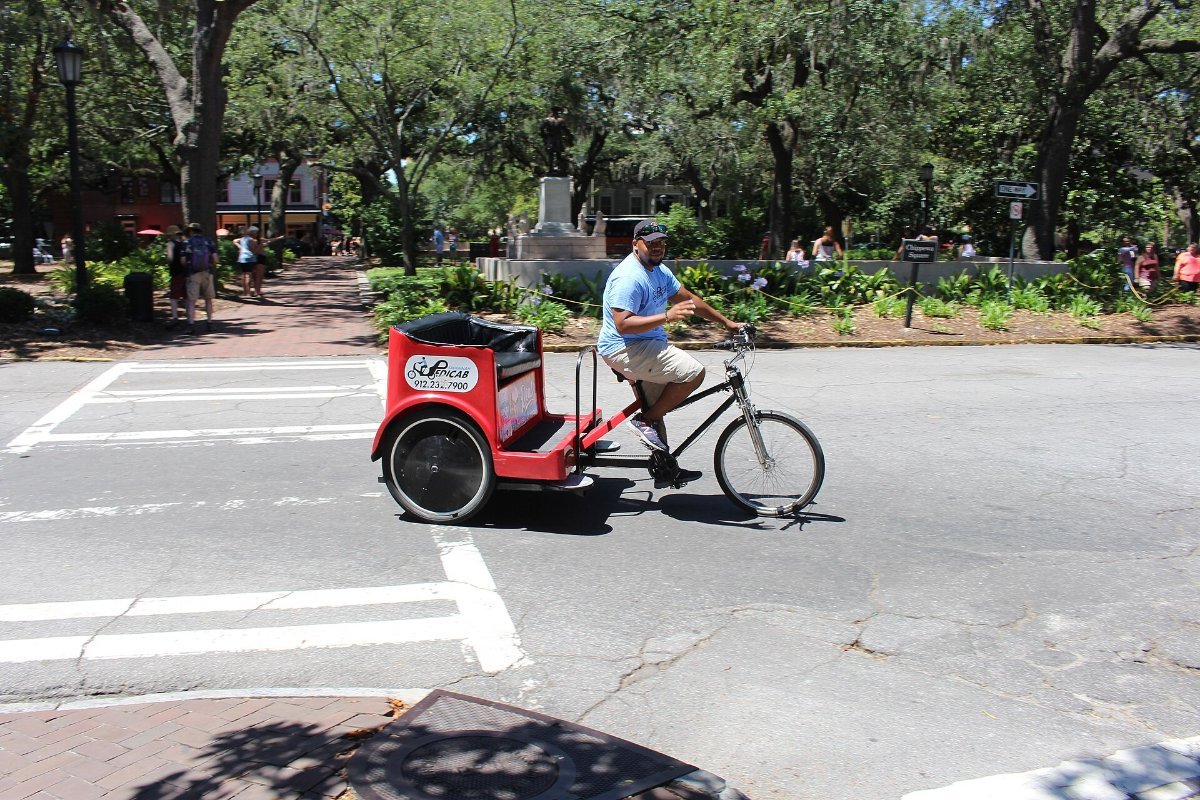
Don’t plan this morning. Seriously. Pick a square, walk to the next one, repeat until you’re hungry.
The squares are the whole point of Savannah. Each one is a small park with benches, monuments and live oaks dripping with Spanish moss, and they’re spaced so you hit a new one every couple of minutes. Chippewa Square is the famous one, because that’s where the Forrest Gump bench sat. The bench was a prop and it’s in a museum now, which disappoints roughly one tourist per hour 🙂
Monterey and Lafayette are prettier anyway. Fewer people, better light.
Day 1, Afternoon: Jones Street and the Good Houses
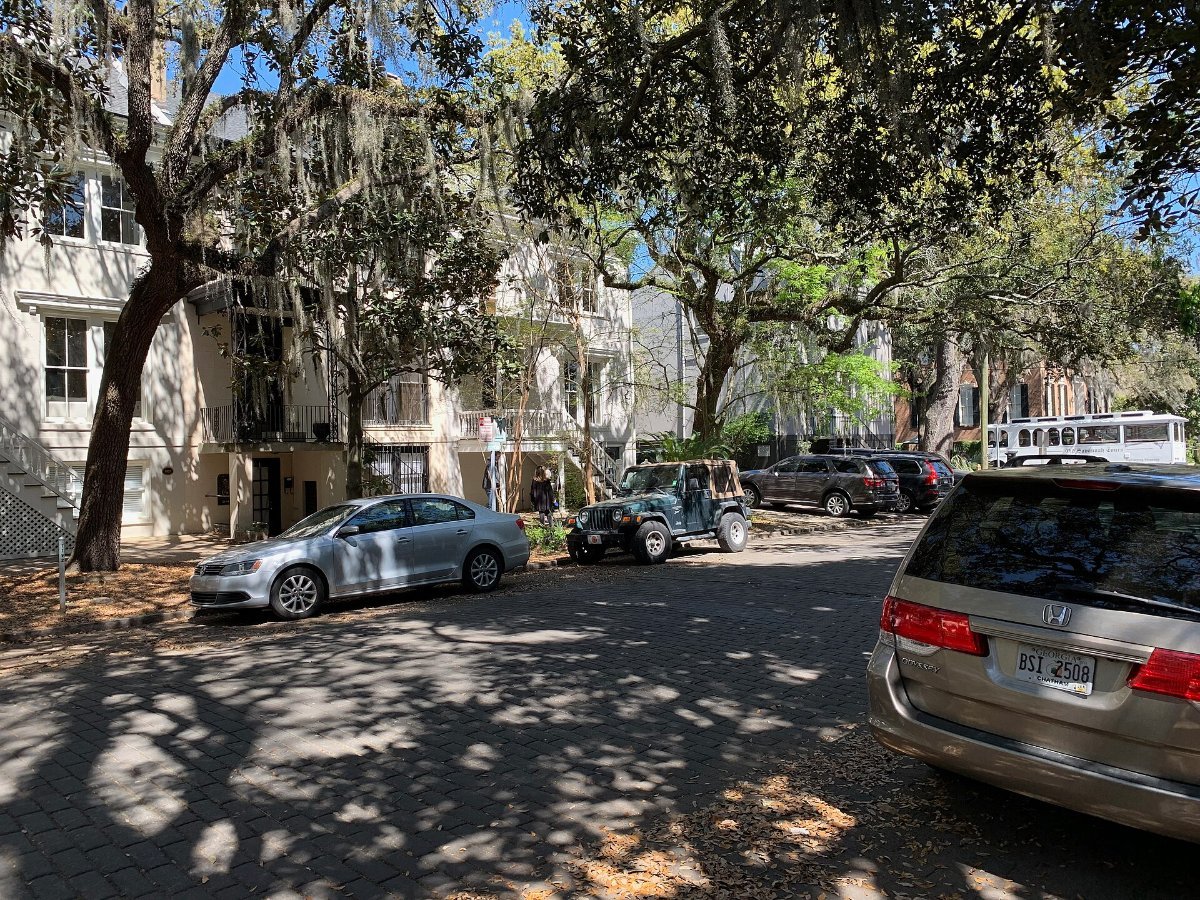
Jones Street gets called the most beautiful street in America roughly once a year by some magazine or other. It’s a brick-paved residential block with iron balconies and oaks meeting overhead, and yes, it lives up to it.
Walk it slowly, then get properly lost in the streets either side. This is a residential neighbourhood where people actually live, so keep it down and don’t photograph anyone’s front door from six inches away.
If you want a house tour, the Owens-Thomas House is the one I’d pick. It includes the slave quarters and doesn’t skip past that part, which not every historic home here manages.
▶ Watch This Before You Go
Day 1, Evening: The To-Go Cup Situation
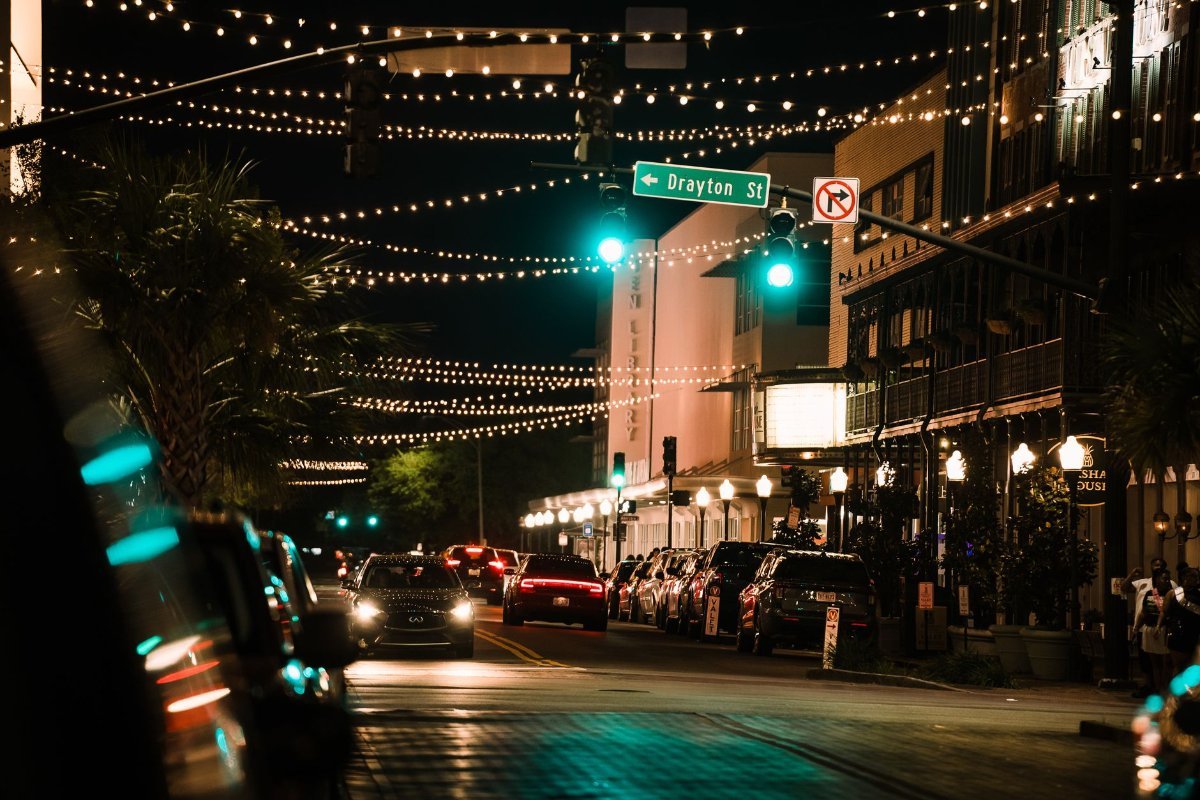
Savannah lets you carry an open drink through the Historic District. One cup, plastic, 16 ounces, within the district boundaries. That’s it, that’s the law.
Which changes the evening completely. You get a drink, you walk, you sit in a square, you get another drink somewhere else. Nobody’s rushing you out of a bar because the bar isn’t where the night happens.
Eat somewhere on the smaller streets rather than the waterfront. The waterfront restaurants are fine and priced like they know you’re a tourist.
Day 2, Morning: Forsyth Park
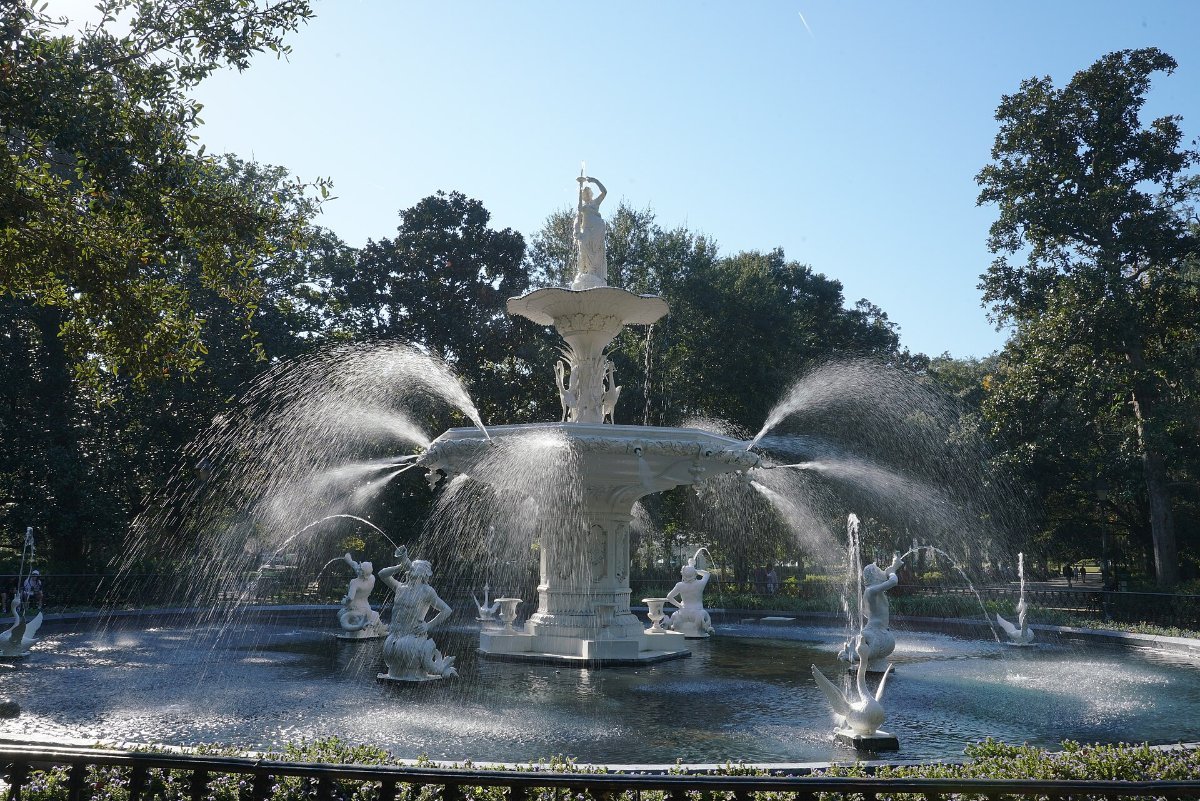
The fountain at the north end of Forsyth Park is the single most photographed thing in the city, and it’s genuinely worth the ten minutes even though you already know exactly what it looks like.
The better move is to keep going south into the rest of the park, which most visitors don’t. There’s a farmers market on Saturday mornings, people playing tennis badly, and a lot of shade.
Grab breakfast on Bull Street first and eat it on a bench. You’re on holiday.
Day 2, Afternoon: Bonaventure Cemetery
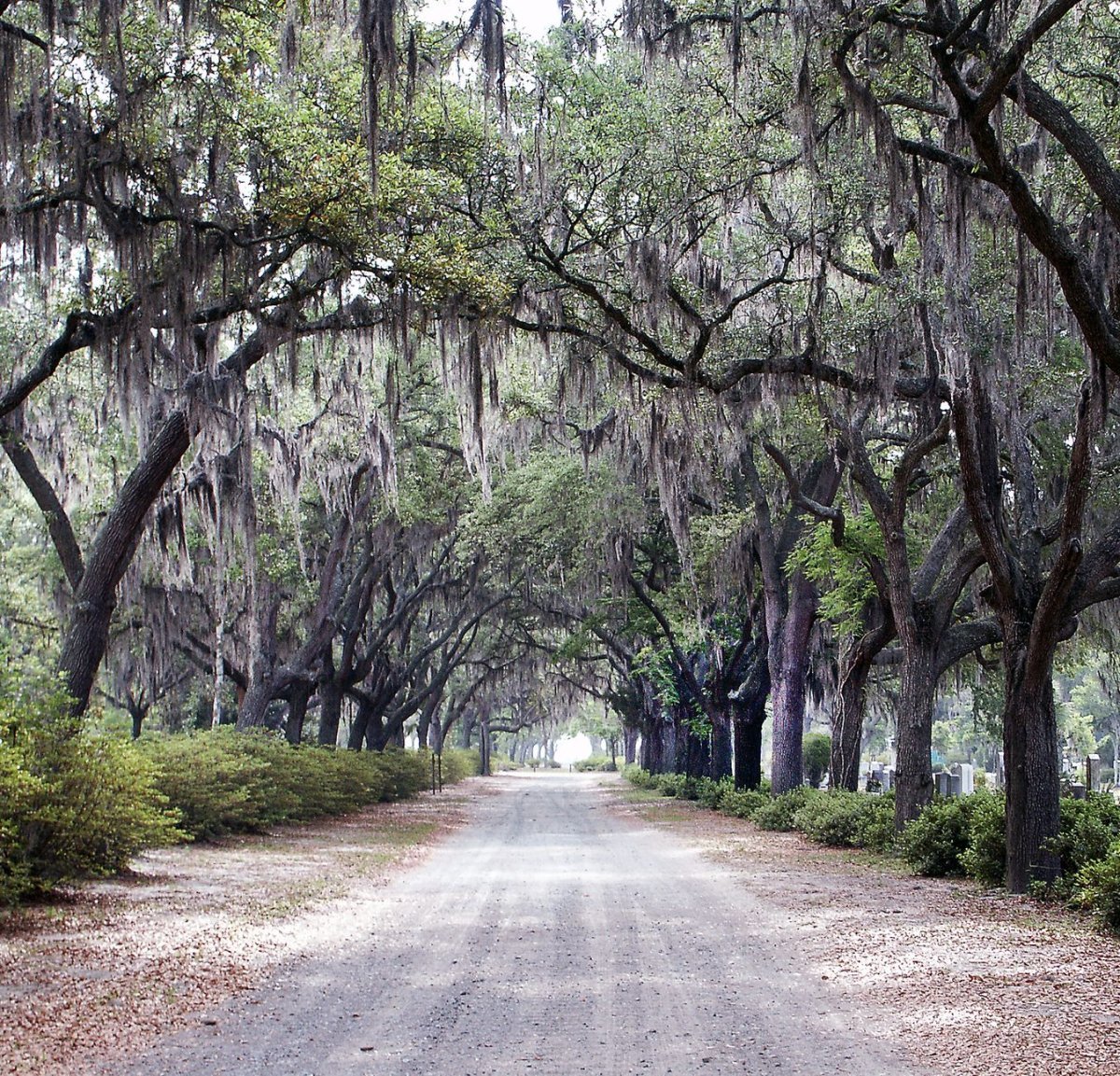
Ten minutes east of downtown, Bonaventure is a Victorian cemetery on the water where the oaks and the Spanish moss do something to the light that’s difficult to describe without sounding daft.
It’s free, it’s enormous, and it’s the most atmospheric place in the county. Go in the late afternoon. Bring a map or take a guided tour, because the good sculpture is scattered and the grid is not obvious.
Is it strange to spend an afternoon in a cemetery on holiday? A bit. Do it anyway.
Day 2, Evening: River Street, With Expectations Managed
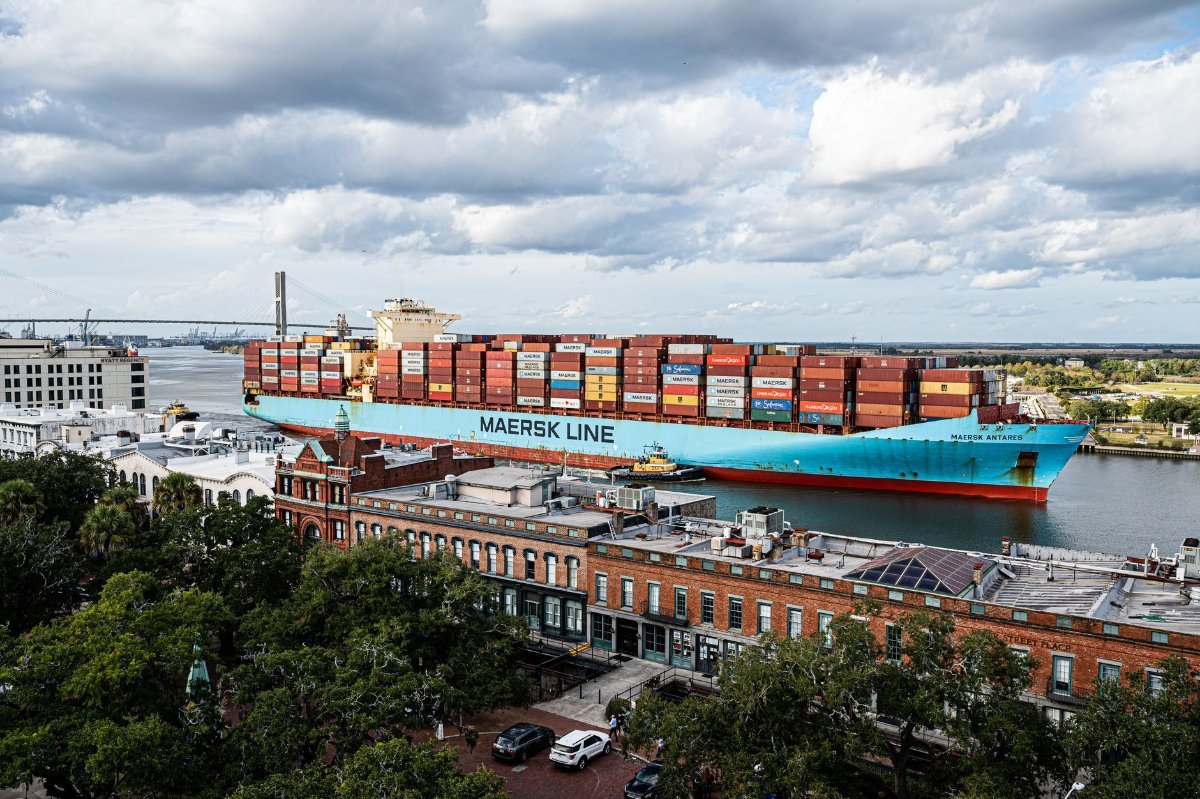
River Street is cobbles, candy shops, souvenir stores and a lot of people. It is not the sophisticated part of Savannah and it doesn’t pretend to be.
Go anyway, for one thing specifically: the container ships. Vast ones come up the river within what feels like touching distance, and watching a 300 metre ship slide past a row of 19th century warehouses is a genuinely strange sight.
Have one drink, watch a ship, walk back up the stairs. The stairs are steep and uneven, which everyone finds out the hard way.
Day 3, Morning: The Avenue of Oaks at Wormsloe
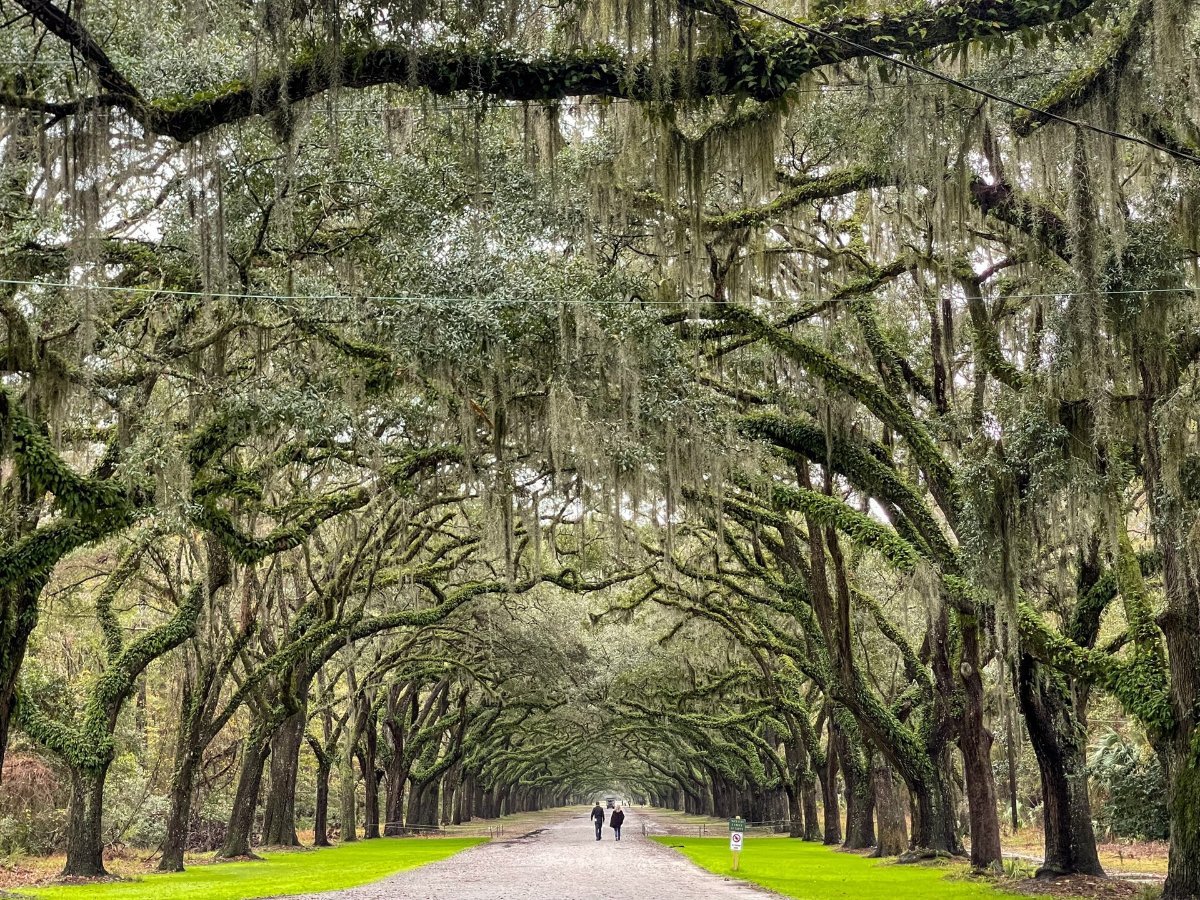
Twenty minutes south there’s a mile-and-a-half avenue of four hundred live oaks arching over a sandy road. You’ve seen the photo. It’s the one that made you consider Savannah in the first place, probably.
Small entry fee, and the trick is arriving right when it opens. The avenue is the first thing past the gate, so early means empty, and empty is the entire point.
The rest of the site is a colonial ruin and a nature trail. Pleasant, not essential.
Day 3, Afternoon: Tybee Island
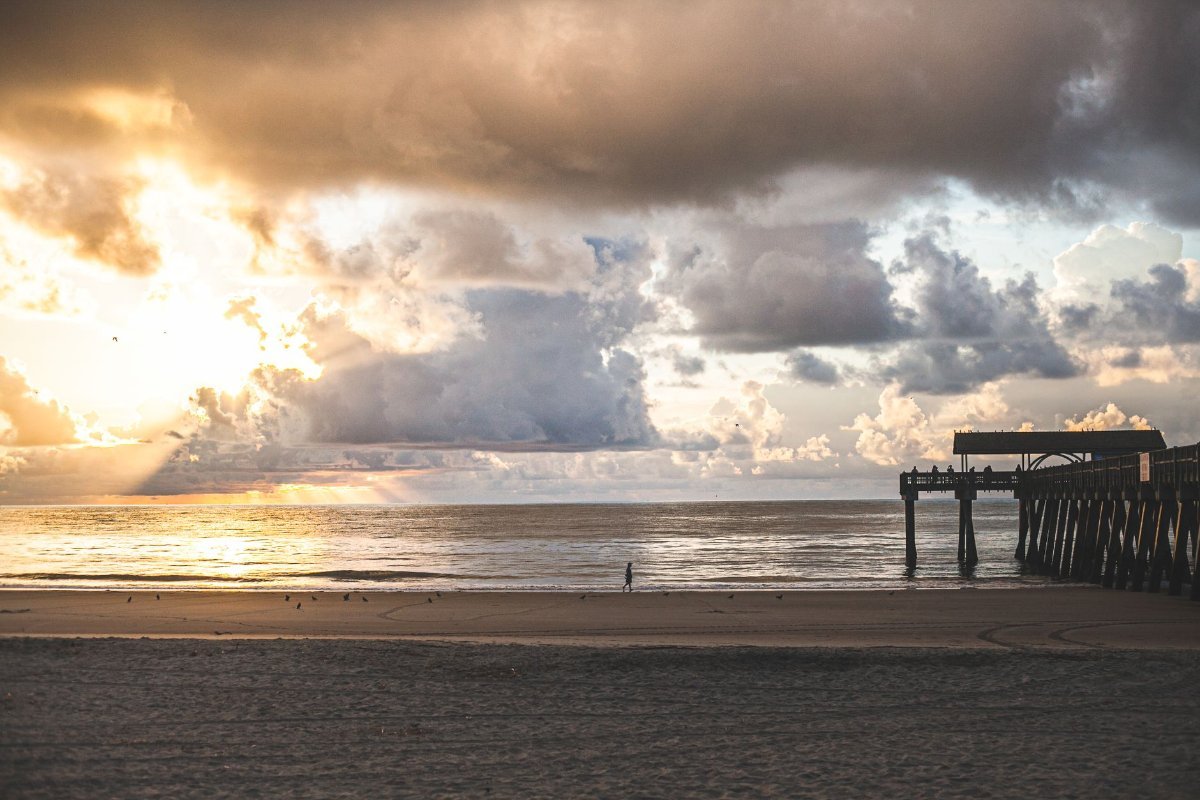
Savannah’s beach sits eighteen miles east, and it’s the right way to end three days of walking on brick.
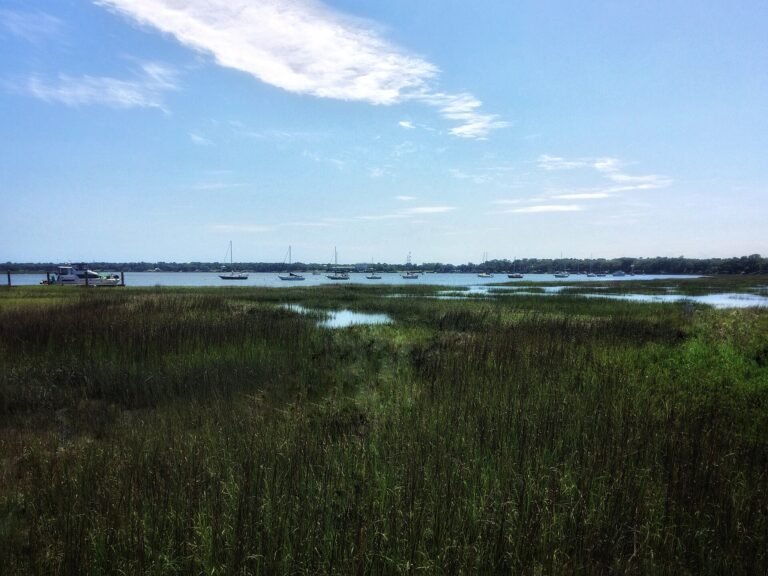
Tybee is scruffy in a good way. There’s a pier, a lighthouse you can climb for a proper view over the marshes, some seafood shacks, and a very relaxed attitude to everything. Not manicured, not trying to be.
Parking is metered and enforced with enthusiasm. Pay for longer than you think.
Where to Stay
Stay in the Historic District if the budget allows, because the whole point of Savannah is walking out of your door into it. North of Liberty Street puts you closest to everything.
The Starland District south of Forsyth is the cheaper, cooler alternative, full of coffee shops and murals and people who live here. You’ll walk fifteen minutes more each day, and honestly you’ll eat better.
When to Go
March and April are ideal. Everything is in bloom, the humidity hasn’t arrived, and the city looks like it’s showing off. October and November are the quieter equivalent.
Avoid mid-July unless heat is a hobby of yours. And book early for St Patrick’s Day, when Savannah throws one of the biggest parades in the country and every room in the district triples in price.