Tuscany Road Trip: Best Hill Towns Worth the Detour
Tuscany’s hill towns deliver some of Italy’s most postcard-perfect scenery, and a road trip remains genuinely the best way to experience these smaller destinations at your own pace. Renting a car opens up dozens of gorgeous towns that public transit simply doesn’t connect efficiently.
In this guide
- San Gimignano: The Medieval Tower Town
- Montepulciano: Wine Country Hill Town
- Volterra: The Underrated Alternative
- Pienza: The Renaissance Ideal City
- Cortona: The Sun-Drenched Hillside Town
- Monteriggioni: The Perfectly Preserved Fortress Town
- Building Your Hill Town Route
- Where to Base Yourself for This Road Trip
- Driving Tips for Tuscany’s Rural Roads
- What to Eat Along the Way
- What’s Overrated on This Route
- Best Time of Year for This Road Trip
- What This Road Trip Actually Costs
Here’s a complete guide to Tuscany’s best hill towns worth detouring for on your road trip.
None of this requires visiting every single town on this list. Just picking a handful that genuinely match your interests and available time.
San Gimignano: The Medieval Tower Town
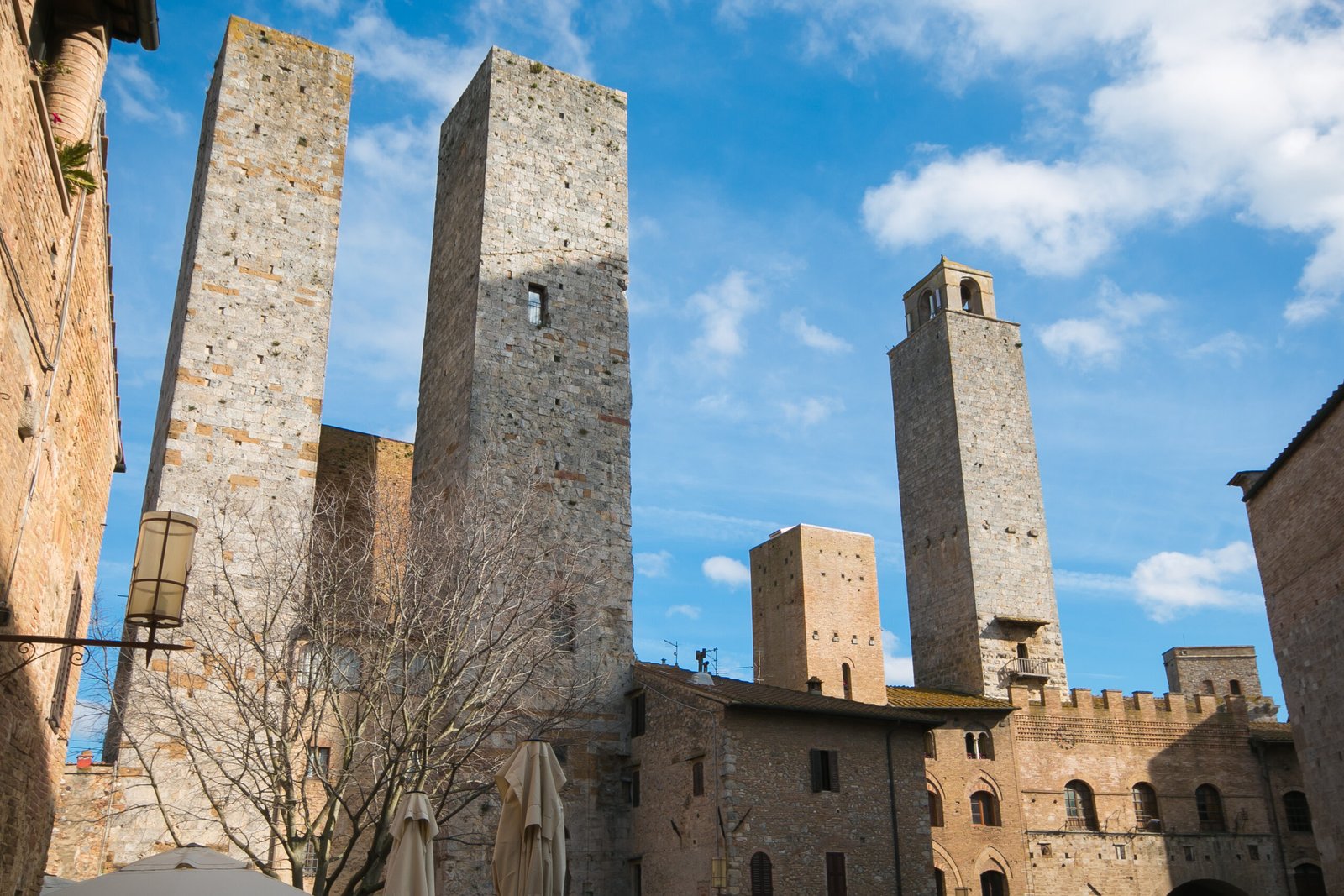
San Gimignano’s medieval towers, rising dramatically above the surrounding countryside, create one of Tuscany’s most recognizable and photographed skylines. Climbing the Torre Grossa, the town’s tallest tower, rewards visitors with sweeping views across the Tuscan hills that justify the modest admission fee.
Is San Gimignano too touristy to feel authentic? It gets genuinely crowded during peak season, but early morning or late afternoon visits still capture the town’s medieval charm without the worst crowds.
Montepulciano: Wine Country Hill Town
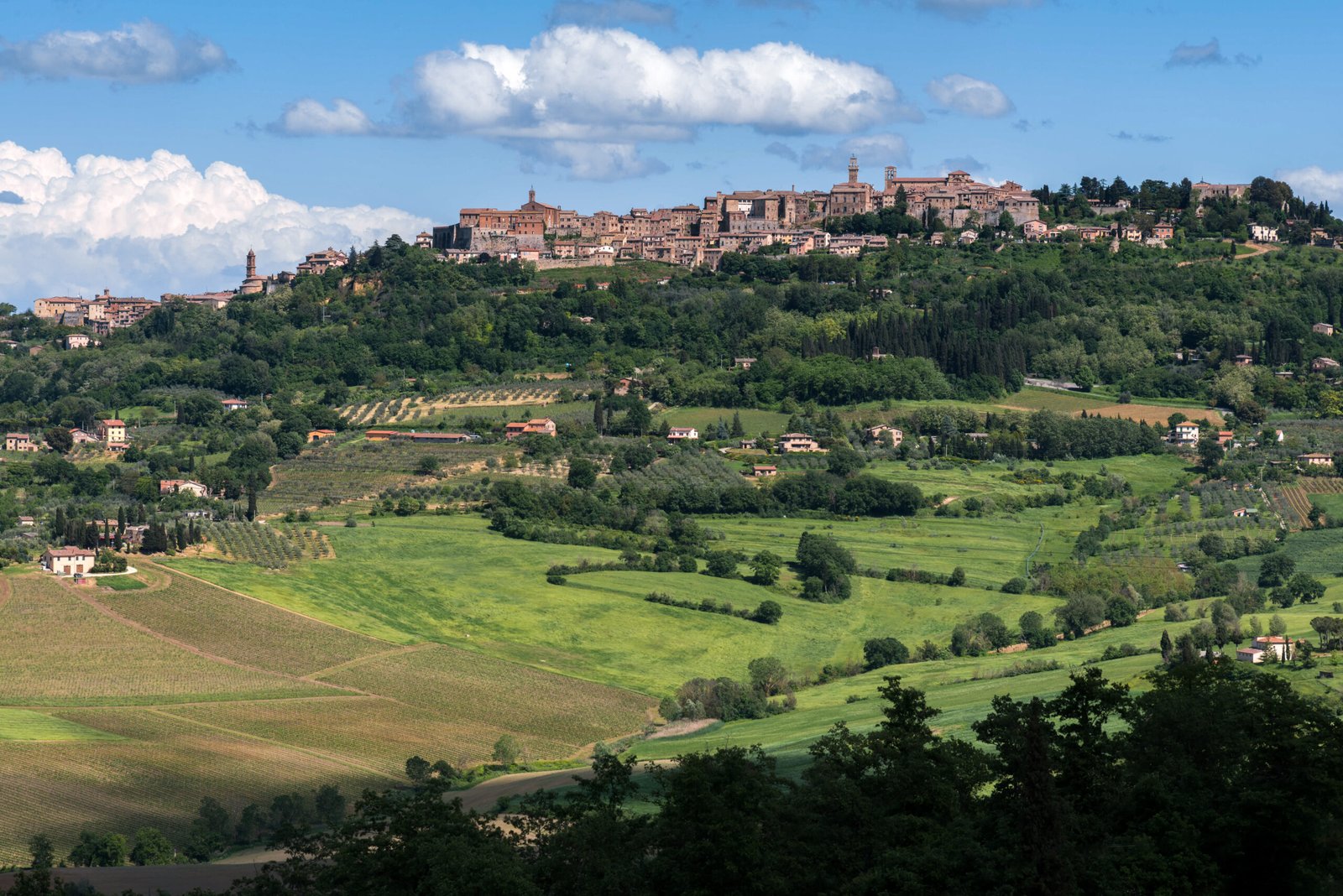
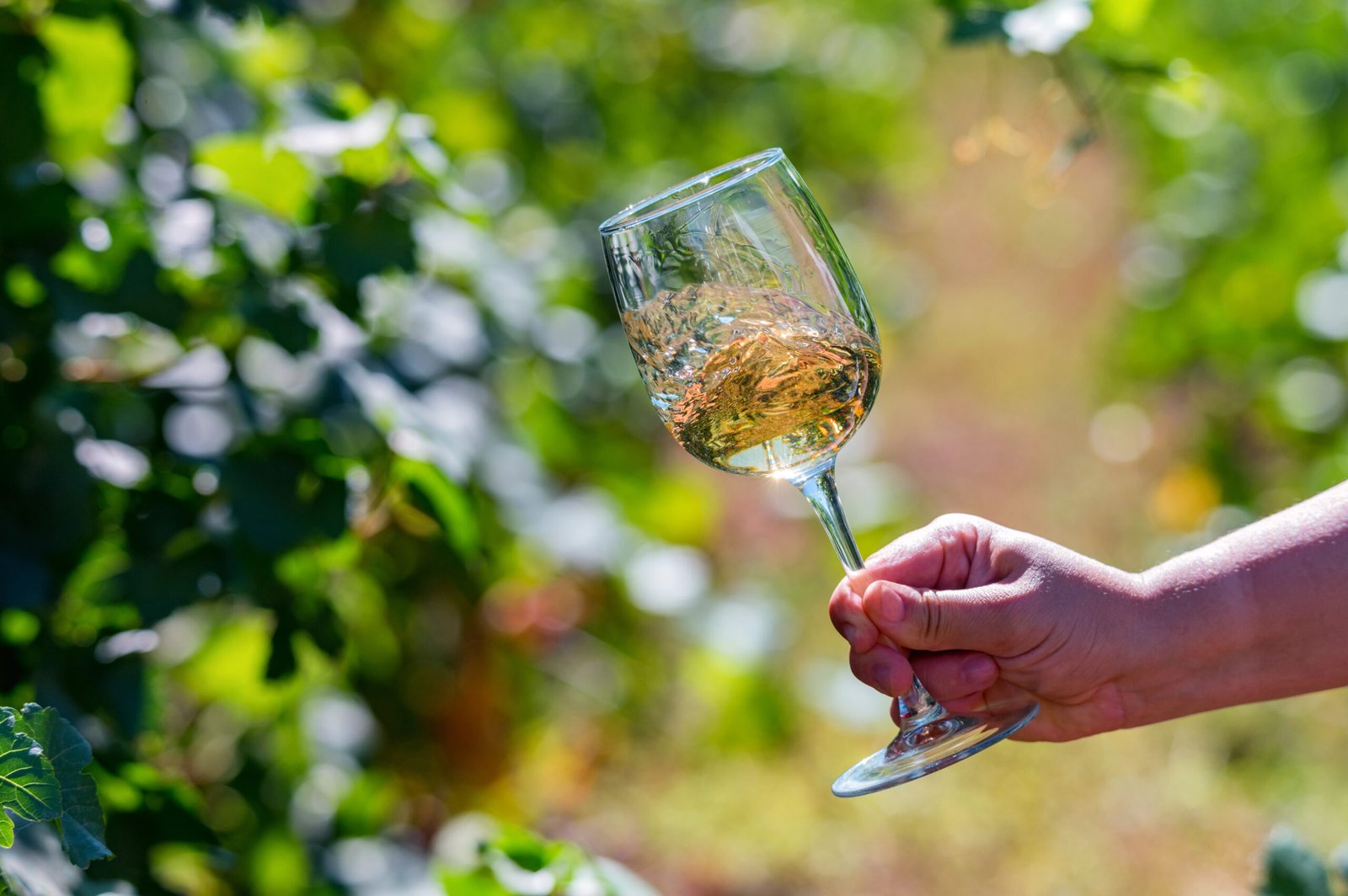
Montepulciano, perched on a hilltop and surrounded by vineyards producing the renowned Vino Nobile wine, combines stunning architecture with excellent wine tasting opportunities. Underground wine cellars, carved directly into the hillside beneath the town, offer atmospheric tasting experiences unlike anything found at ground level.
A few practical things worth knowing about visiting Montepulciano:
- Parking outside the walls proves necessary, since the historic center restricts most vehicle access
- Wine tastings at cellars along the main street require minimal advance planning for small groups
- The town’s elevation delivers genuinely spectacular sunset views over the surrounding valleys
- Comfortable shoes matter enormously, given how steep the town’s main street actually is
- Visiting in late afternoon avoids both midday heat and the busiest tourist hours
Volterra: The Underrated Alternative
Volterra, less visited than Tuscany’s more famous hill towns, delivers genuinely impressive Etruscan history and dramatic clifftop views without San Gimignano’s crowds. The Roman theater ruins, remarkably well-preserved, offer a quieter historical experience than more heavily touristed sites.
IMO Volterra deserves far more attention than it typically gets, since the combination of history and views here rivals more famous stops on this list. 😅
Pienza: The Renaissance Ideal City
Pienza, designed as an idealized Renaissance city in the 15th century, delivers remarkably cohesive architecture within an impressively compact, walkable historic center. The town’s cheese shops, specializing in local pecorino, provide an essential food stop alongside the architectural sightseeing.
Real talk, Pienza’s small size means you can genuinely see the entire historic center in just an hour or two, making it perfect for a quick detour stop.
Cortona: The Sun-Drenched Hillside Town
Cortona, made famous internationally by a popular memoir and film, delivers genuinely stunning valley views alongside a well-preserved medieval and Renaissance streetscape. The steep climb to Cortona’s upper town rewards visitors with some of Tuscany’s most expansive countryside panoramas.
Is Cortona worth visiting despite its cinematic fame potentially feeling overly commercialized? Genuinely, yes, since the actual town retains real charm beyond its media reputation, especially in quieter side streets.
Monteriggioni: The Perfectly Preserved Fortress Town
Monteriggioni, encircled by remarkably intact medieval walls, offers one of Tuscany’s most striking examples of preserved fortification architecture. Walking the wall’s perimeter, where accessible, delivers a genuinely unique perspective on medieval defensive town planning.
This smaller, less crowded stop works particularly well as a brief detour between larger hill towns on a longer road trip itinerary.
Building Your Hill Town Route
Structuring your route to minimize excessive backtracking between towns saves genuine driving time and lets you spend more hours actually exploring rather than sitting in the car. Grouping geographically close towns together, like San Gimignano and Volterra, or Montepulciano and Pienza, creates efficient daily loops.
Real talk, trying to see every town on this list in a short trip creates a rushed, exhausting experience that undermines the whole point of slow Tuscan travel.
Where to Base Yourself for This Road Trip
Choosing a centrally located base, like Siena or a smaller agriturismo property, keeps driving times reasonable to most hill towns on this list. Staying in the countryside itself, rather than a larger city, often delivers a more immersive Tuscan experience alongside your day trips.
Is a countryside agriturismo worth the potentially longer drives to specific towns? For most travelers, genuinely yes, since the accommodation experience itself becomes a meaningful part of the overall trip.
Driving Tips for Tuscany’s Rural Roads
Tuscany’s countryside roads, while scenic, often narrow considerably near hill towns and require more attentive driving than typical highway travel. Booking a smaller rental car, rather than anything oversized, matters enormously given how tight some town entrances and parking areas actually are.
This smaller car strategy also helps with the frequent need to navigate narrow historic center streets that larger vehicles simply can’t manage comfortably.
What to Eat Along the Way
Tuscan cuisine varies subtly between towns, with each hill town often specializing in specific local products like pecorino cheese, Vino Nobile wine, or particular olive oil varieties. Stopping at small local restaurants in each town, rather than defaulting to tourist-focused options, consistently delivers more memorable and authentic meals.
This town-by-town culinary variation alone justifies visiting multiple hill towns rather than settling into just one location for your entire Tuscan food experience.
What’s Overrated on This Route
San Gimignano’s main street during peak midday hours draws overwhelming crowds that can make the town feel more like a shopping mall than a medieval treasure. Visiting early morning, or prioritizing the quieter side streets away from the main tourist path, delivers a genuinely better experience of what makes this town special.
Some travelers also over-plan elaborate multi-course lunches in every single town, when a quicker snack in one spot and a proper sit-down meal at day’s end often makes for a more relaxed, less schedule-driven day.
Best Time of Year for This Road Trip
Late spring and early fall deliver Tuscany’s most comfortable driving and sightseeing weather, avoiding summer’s intense heat and the worst tourist crowds. Summer remains doable but demands earlier starts to beat both heat and midday crowds at the more popular towns.
Whatever season you choose, checking each town’s specific festival calendar matters, since some hill towns host events that either enhance or complicate a visit depending on your preferences.
What This Road Trip Actually Costs
Budget $130-180 per day for a comfortable mid-range trip covering a rental car, countryside accommodation, wine tastings, and meals throughout your route. This runs moderately compared to Italy’s larger cities, though quality agriturismo stays and wine tastings can push costs higher if prioritized.
Prioritizing your budget toward accommodation and one or two memorable wine tastings, while keeping other meals more casual, stretches this budget considerably further across your full itinerary.
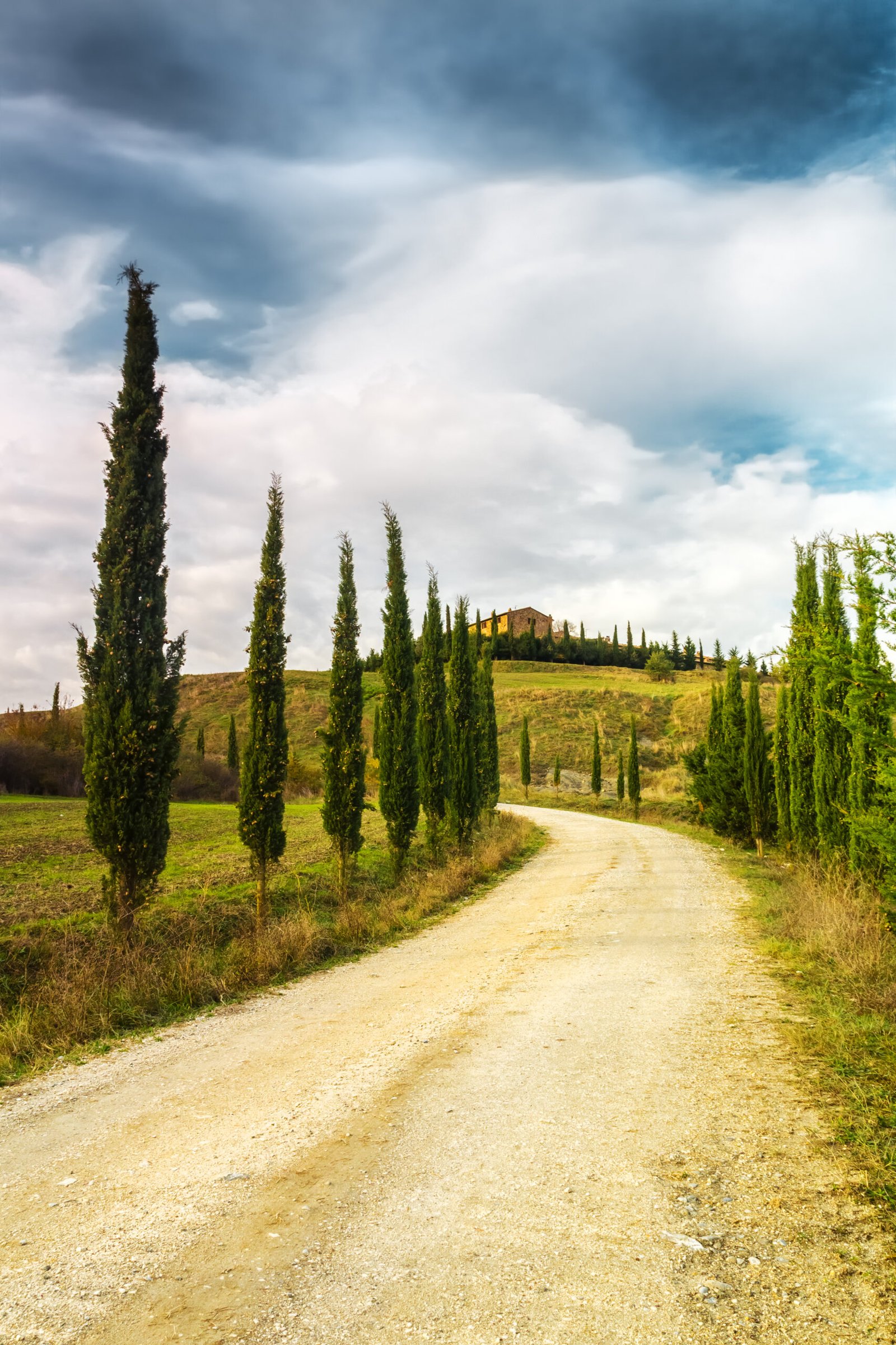
Tuscany’s hill towns reward road trippers with genuinely spectacular scenery, rich history, and excellent food across towns that feel meaningfully distinct from each other despite their shared regional character. Build a route connecting a handful of these towns, base yourself centrally, and drive these scenic countryside roads at an unhurried pace, and you’ll experience a side of Italy that consistently exceeds expectations built on Tuscany’s already considerable reputation.