7 Days in Italy: Rome, Florence & Venice Itinerary
A week in Italy sounds tight when you look at a map, but Rome, Florence, and Venice were basically made for exactly this trip. Each city gets enough time to feel real instead of rushed, and the train connections between them make the logistics genuinely easy.
In this guide
Here’s the week-by-week breakdown that keeps the travel days short and the sightseeing days long.
Seven days means you have to commit to three cities and skip the rest. That’s genuinely fine. Trying to squeeze in a fourth stop is the fastest way to turn a great trip into an exhausting one.
Each city brings something different to the week:
- Rome – ancient history, chaos, and some of the best food in the country
- Florence – Renaissance art, a walkable scale, and easy access to Tuscany
- Venice – canals, quiet corners, and an atmosphere unlike anywhere else in Italy
Knowing what each one actually offers helps you pace the week instead of treating all three cities the same way, and it makes the packing and planning easier too.
Days 1-3: Rome
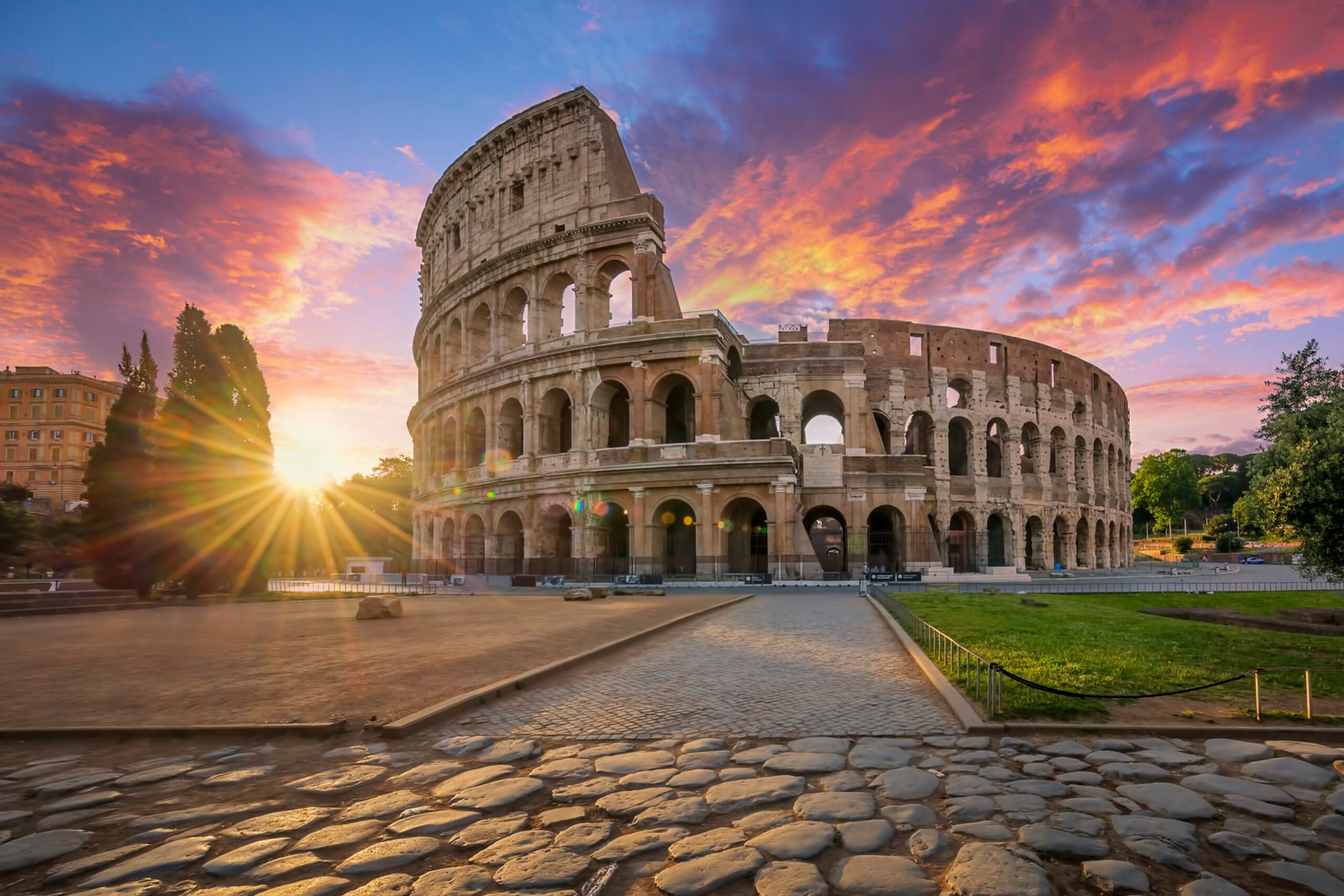
Rome gets three full days because it earns them. Start with the ancient core: the Colosseum, Roman Forum, and Palatine Hill are sold together on one ticket, and you need most of a morning to do them right.
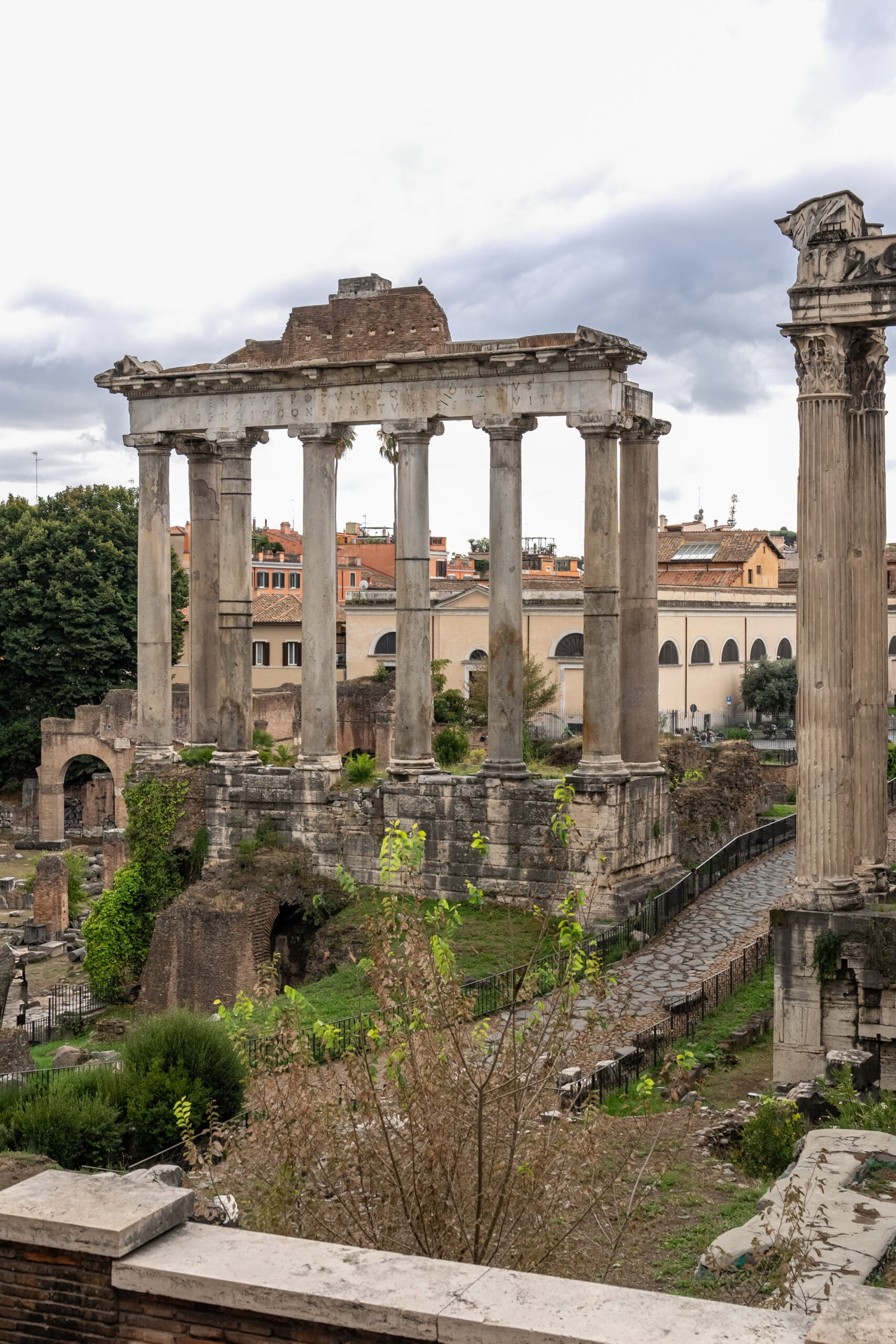
Book timed entry in advance. Walking up without a reservation during peak season means burning half your first day standing in a line.
Day two belongs to Vatican City. The Sistine Chapel and St. Peter’s Basilica are worth every bit of the hype, and an early morning slot means you’re not fighting tour groups for space.
Save day three for wandering: Trevi Fountain, the Pantheon, and Piazza Navona are all free, all close together, and all better experienced without a rigid schedule. Real talk, this is the day you’ll remember most.
Cross the river into Trastevere for dinner if you want the neighborhood where Romans actually eat. Skip the menus in five languages and follow the crowd of locals instead.
Days 4-5: Florence
A high-speed train gets you from Rome to Florence in about 90 minutes. Book Trenitalia or Italo ahead of time, since same-day prices climb fast.
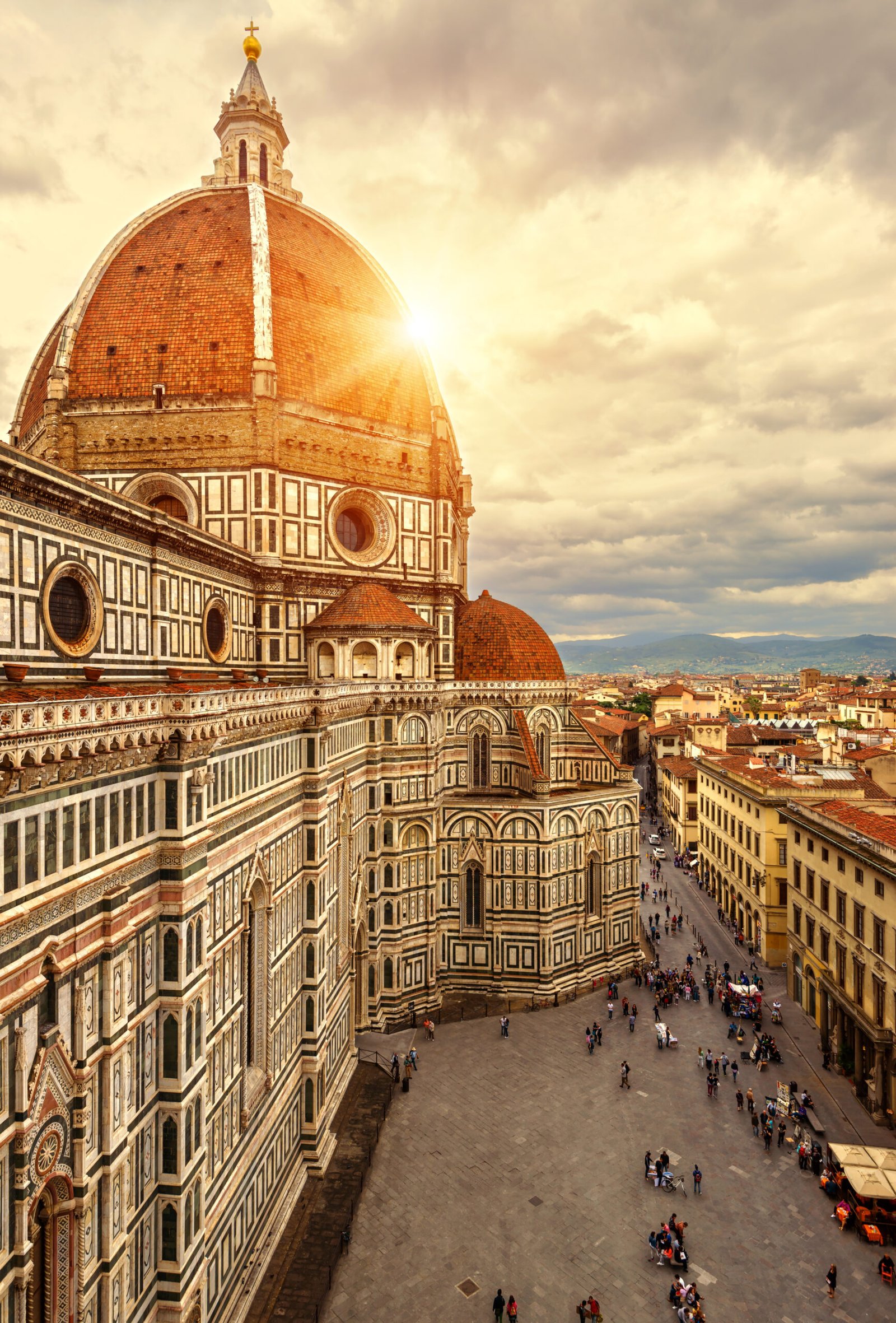
Florence rewards a slower pace than its size suggests. The Duomo, Uffizi Gallery, and Ponte Vecchio anchor day four, and each one deserves more time than you’d think for a “small” city.
Climb to Piazzale Michelangelo before sunset on day five. The view over the whole city and the Arno river is the kind of photo that ends up being everyone’s favorite from the trip. 😅
If you have any flexibility, a half-day trip into the Tuscan countryside fits nicely here too. Even a few hours among the vineyards and hill towns changes the whole rhythm of the trip.
IMO Florence is the most underrated stop of the three. Everyone talks about Rome and Venice, but Florence quietly delivers the best art-to-effort ratio anywhere in the country.
Days 6-7: Venice
The train from Florence to Venice takes about two hours, and arriving at Santa Lucia station puts you directly on the Grand Canal. It’s one of those entrances that genuinely lives up to the postcards.
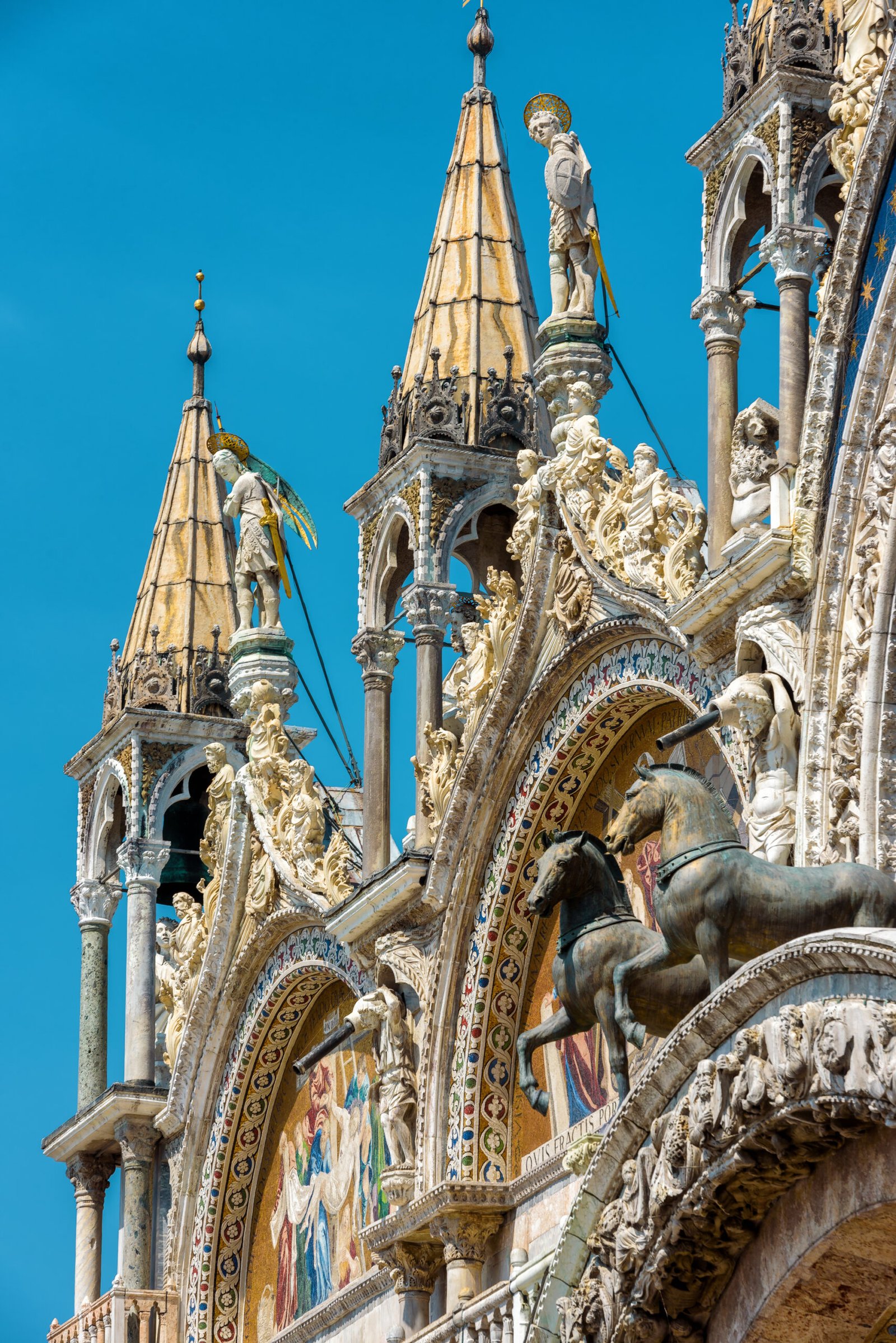
Spend day six around St. Mark’s Square and the Basilica, then get lost on purpose in the quieter canals away from the crowds. Venice is small enough that “getting lost” rarely costs you more than twenty extra minutes.
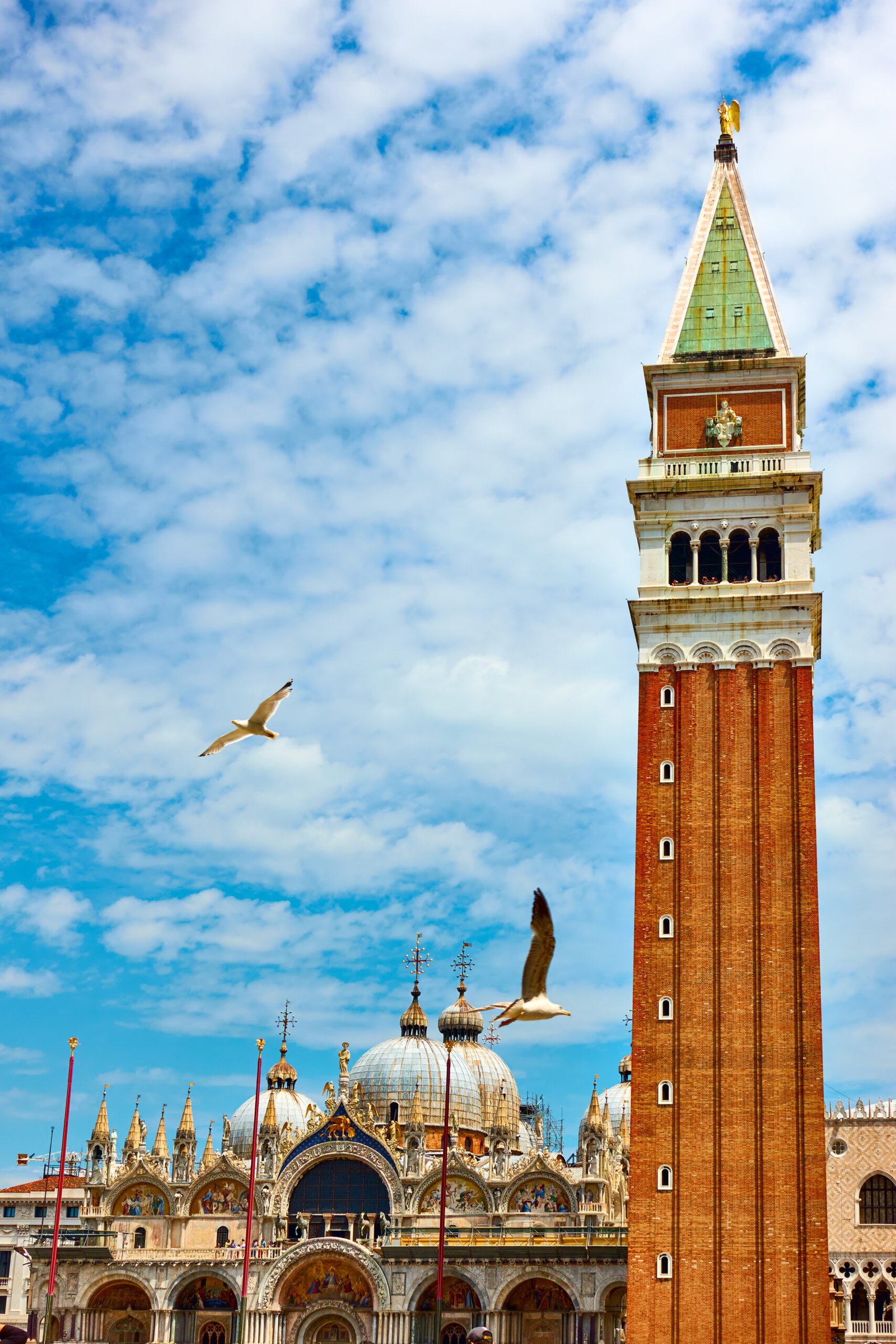
Skip the gondola unless the splurge matters to you specifically. A vaporetto ride down the Grand Canal delivers nearly the same views for a fraction of the price, ngl.
Use your last day for whatever you missed, or just slow down entirely. Venice is one of the few cities where doing less is genuinely the better move.
Will you miss the Doge’s Palace or a museum if you skip it for a slower morning? Maybe. But most people leave Venice wishing they’d wandered more, not that they’d seen one more interior.
Getting Around Between Cities
Italy’s train network makes this itinerary work. High-speed connections between Rome, Florence, and Venice run frequently, and total travel time across all three legs adds up to well under half a day combined.
Book longer routes 1-2 months ahead for the best prices. Regional trains and short hops can wait until closer to your trip since prices barely move.
Is renting a car worth it for this itinerary? Not really. Parking in historic centers is a genuine headache, and trains simply do this route better.
What This Trip Costs
Plan on $140-180 per day per person for a comfortable mid-range trip covering hotels, two meals, museum tickets, and trains. Rome and Venice run a bit pricier than Florence for equivalent hotel quality.
Trim costs by booking accommodation slightly outside each city’s historic center. A ten-minute walk or a short bus ride can cut hotel prices noticeably without hurting the experience.
Museum and skip-the-line tickets add up fast across three cities. Budget for them specifically instead of treating them as an afterthought, since they’re easily $150-200 total for the must-see sights across the whole week.
Food costs vary a lot by choice, not by city. A sit-down dinner every night adds up fast, while mixing in a few quick lunches from a local bakery or pizza-by-the-slice spot keeps the week’s food budget reasonable without feeling like you’re skimping.
Best Time to Go
April, May, September, and October hit the sweet spot between good weather and manageable crowds. Summer brings brutal heat in all three cities, especially Rome and Florence.
Winter works if you don’t mind shorter days and cooler temperatures, and you’ll get noticeably thinner crowds at every major sight. Venice in particular has a moody, beautiful quality in the off-season that summer crowds completely erase.
Whatever season you land in, book the big-ticket items (Vatican, Uffizi, and any Venice museum you actually care about) well ahead of time. Walk-up availability shrinks fast once a destination starts trending, and Italy trends constantly.
Packing for Three Very Different Cities
Comfortable walking shoes matter more than anything else you pack. Between Rome’s uneven ancient streets, Florence’s cobblestones, and Venice’s endless bridges, you’ll cover more ground on foot than you expect.
Pack a light layer regardless of season. Evenings cool down fast, especially near Venice’s canals, and you’ll want it even in the middle of summer.
A portable charger and a universal adapter round out the essentials. You’ll be using your phone constantly for train tickets and directions across three different city layouts, and running out of battery in the middle of Rome’s chaos is not the vibe.
One carry-on genuinely works for this trip if you pack smart. Doing laundry once mid-week, even just a sink wash in your hotel, beats hauling extra luggage across three train changes.
Seven days across Rome, Florence, and Venice is genuinely enough time to fall for Italy, not just visit it. Book your trains early, pace yourself through the big sights, and leave room to just wander. That’s where the trip actually happens.