The Perfect 10-Day Italy Itinerary for First-Timers
So you’ve got 10 days for your first trip to Italy and about 47 browser tabs open trying to figure out where to actually go. Deep breath.
In this guide
- Days 1-3: Rome, Where Every First Italy Trip Should Start
- Days 4-6: Florence and the Tuscan Countryside
- Days 7-8: Venice, the Grand Finale
- Days 9-10: Where to Add the Extra Time
- Getting Around: Trains, Not Rental Cars
- How Much Should You Budget?
- The Food Situation (Because You’ll Ask)
- What to Actually Pack
Ten days is enough time to hit the big three – Rome, Florence, and Venice – without turning your vacation into a packing-and-unpacking marathon. Here’s the itinerary that actually works, region by region, plus the parts nobody warns you about.
April, May, September, and October are your best bets. You get warm days, cooler nights, and none of the August crowds or July heat that make the Colosseum feel like a sauna with a line attached. Winter works too if you don’t mind shorter days and swapping gelato for espresso.
Days 1-3: Rome, Where Every First Italy Trip Should Start
Rome earns its spot at the front of the trip. You need the jet lag days somewhere, and there’s enough chaos and history packed into three days that you won’t even notice you’re still adjusting to the time zone.
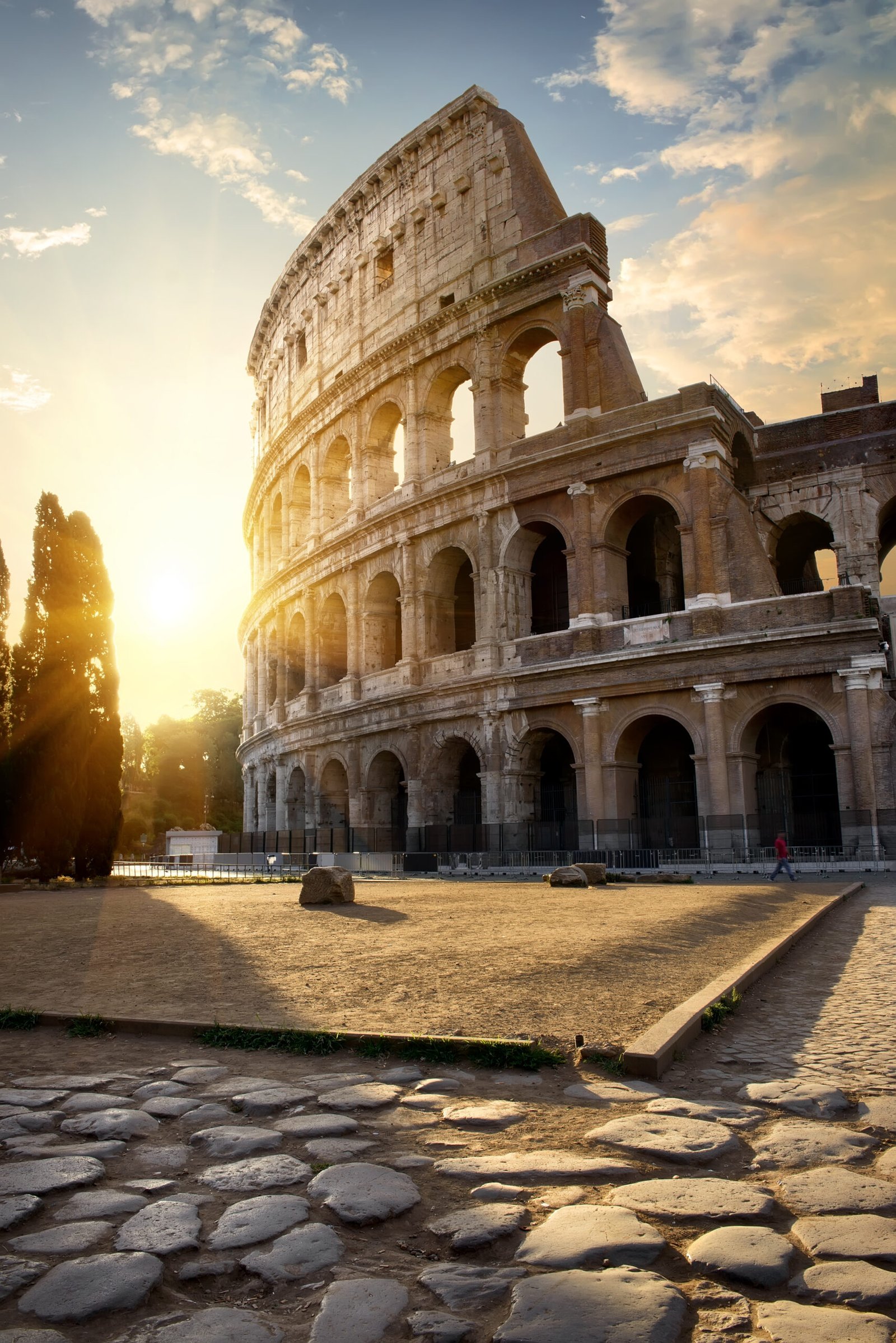
Start with the ancient stuff. The Colosseum, Roman Forum, and Palatine Hill are sold as a combo ticket, and you genuinely need 4-5 hours to do them justice. Book timed entry online before you go – showing up without a reservation in high season means standing in a line that eats your whole morning.
Day two is Vatican City. The Sistine Chapel is worth the hype, even with the crowds, but the Vatican Museums leading up to it are miles of hallway you’ll want to speed-walk through.
Book a morning slot if you can. It’s a genuinely different experience with fewer people breathing on your neck, and the light hits St. Peter’s Square just right before the tour buses show up.
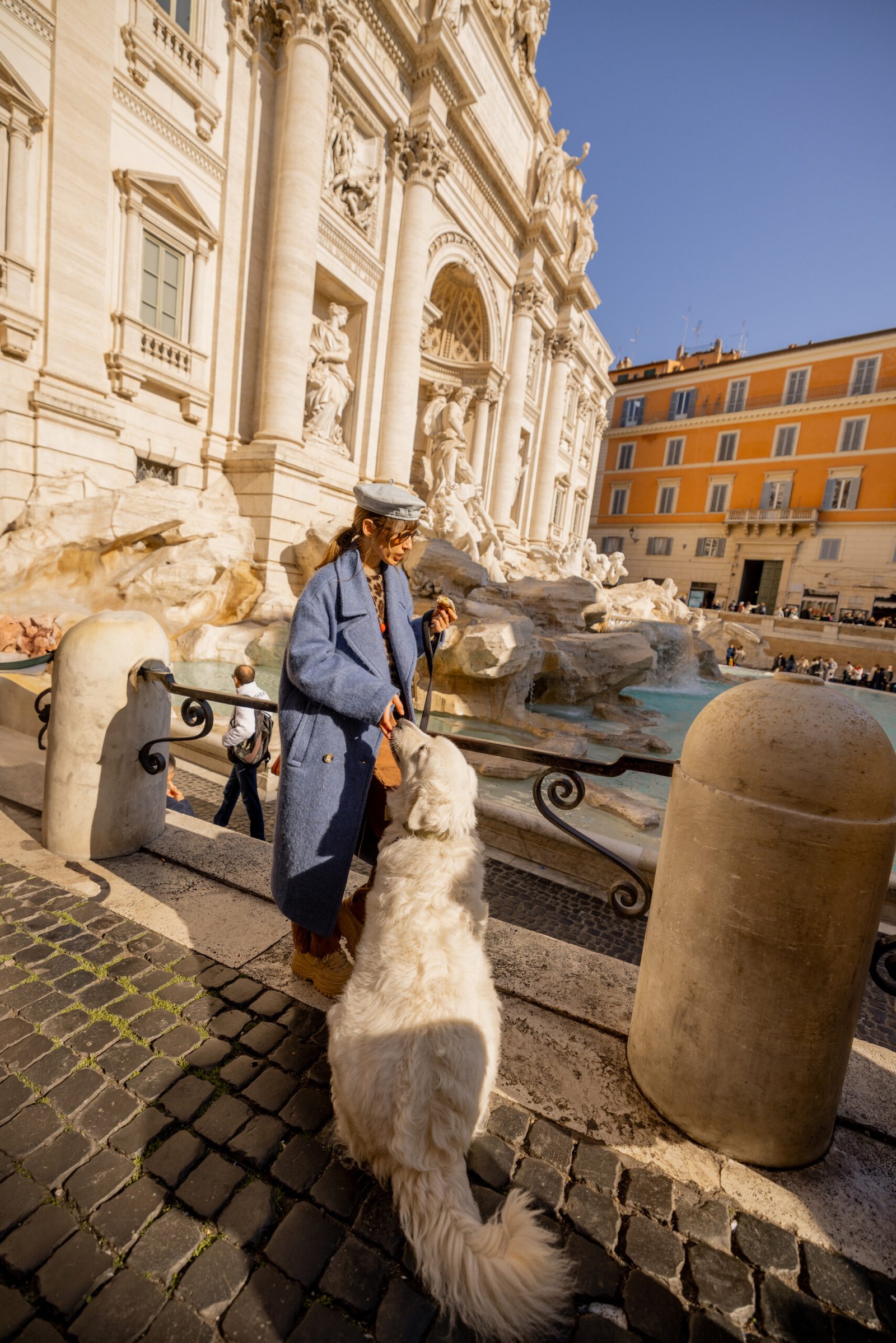
Save your last Rome day for wandering. Trevi Fountain, the Pantheon, Piazza Navona – none of them need tickets, and getting slightly lost in the cobblestone streets between them is half the point.
Real talk: skip the restaurants directly facing any major monument. Walk two streets back and the prices drop while the food gets better. Trust me on this one.
For dinner on night two or three, cross the river into Trastevere. It’s the neighborhood where Romans actually eat, all ivy-covered buildings and tiny trattorias with no English menus. Show up hungry and order whatever the waiter suggests.
Days 4-6: Florence and the Tuscan Countryside
Take the high-speed train from Rome to Florence. It’s about 1.5 hours and infinitely better than driving into an Italian city center. Book Trenitalia or Italo tickets in advance for the cheapest fares, since prices climb the closer you get to departure.
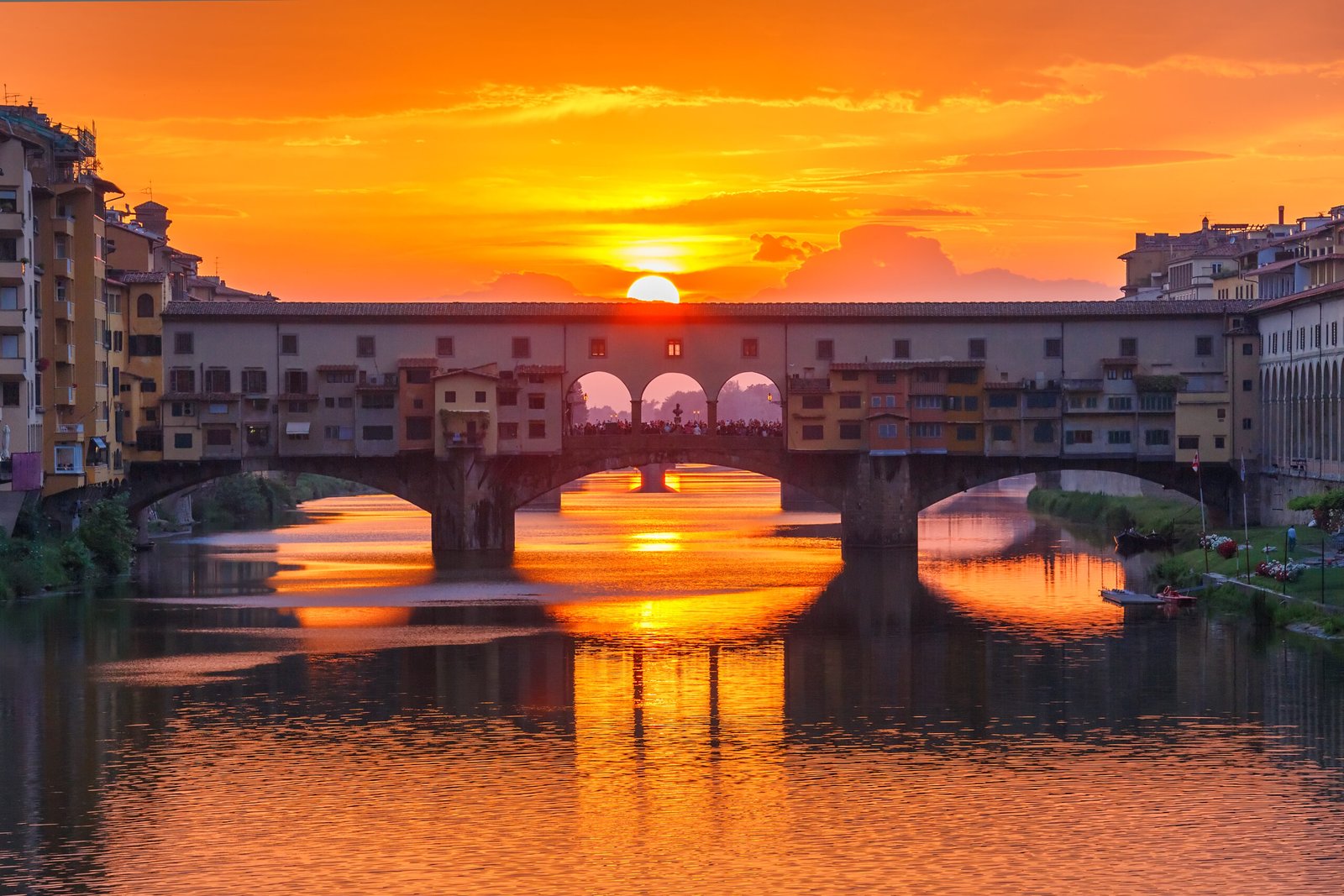
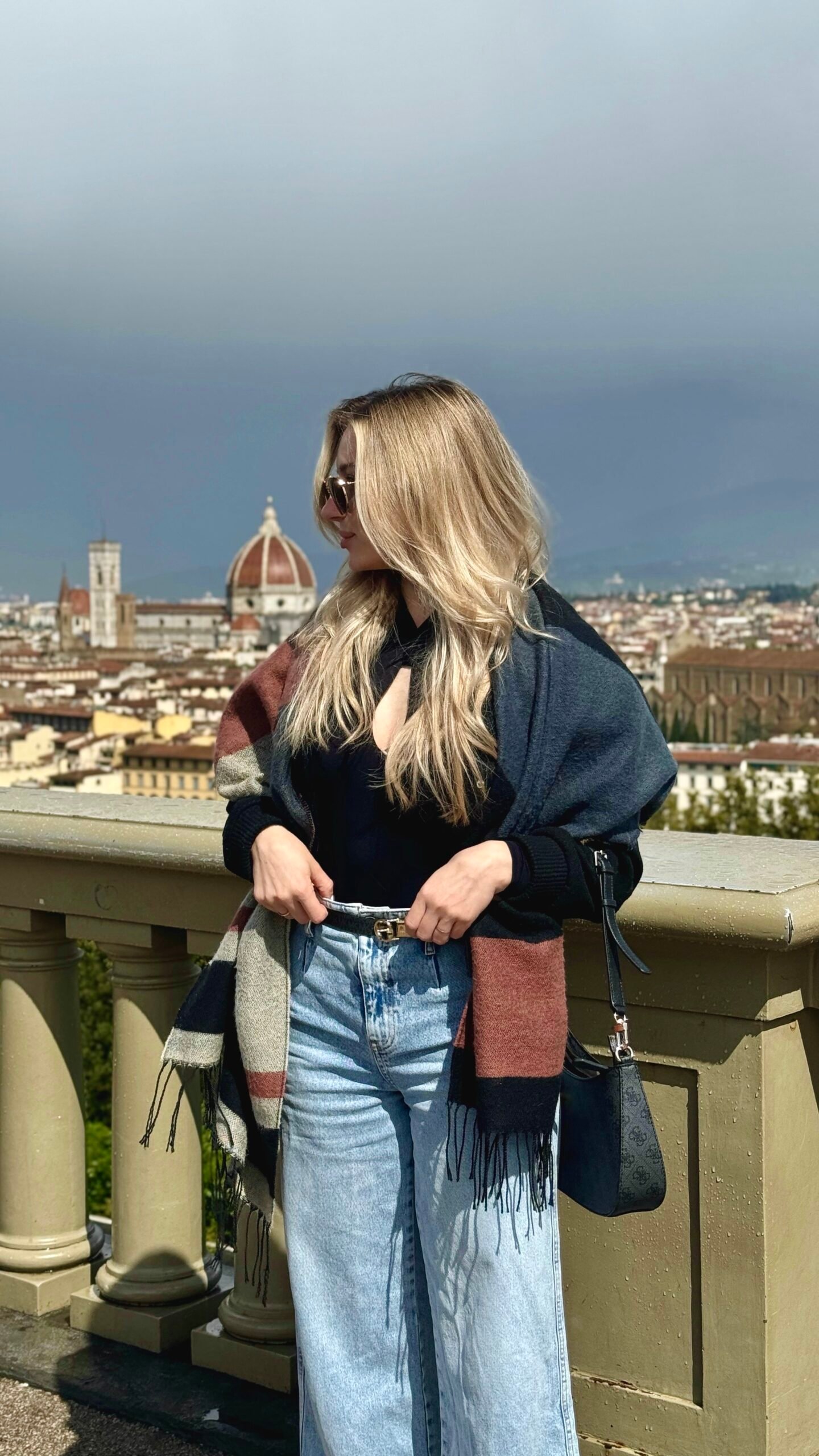
Florence is small enough to walk end to end in 30 minutes, which is exactly why people underestimate how much time they need here. The Duomo, the Uffizi Gallery, and the Ponte Vecchio are the obvious three. Give yourself two full days before you even think about leaving the city.
A Day Trip Into Tuscany
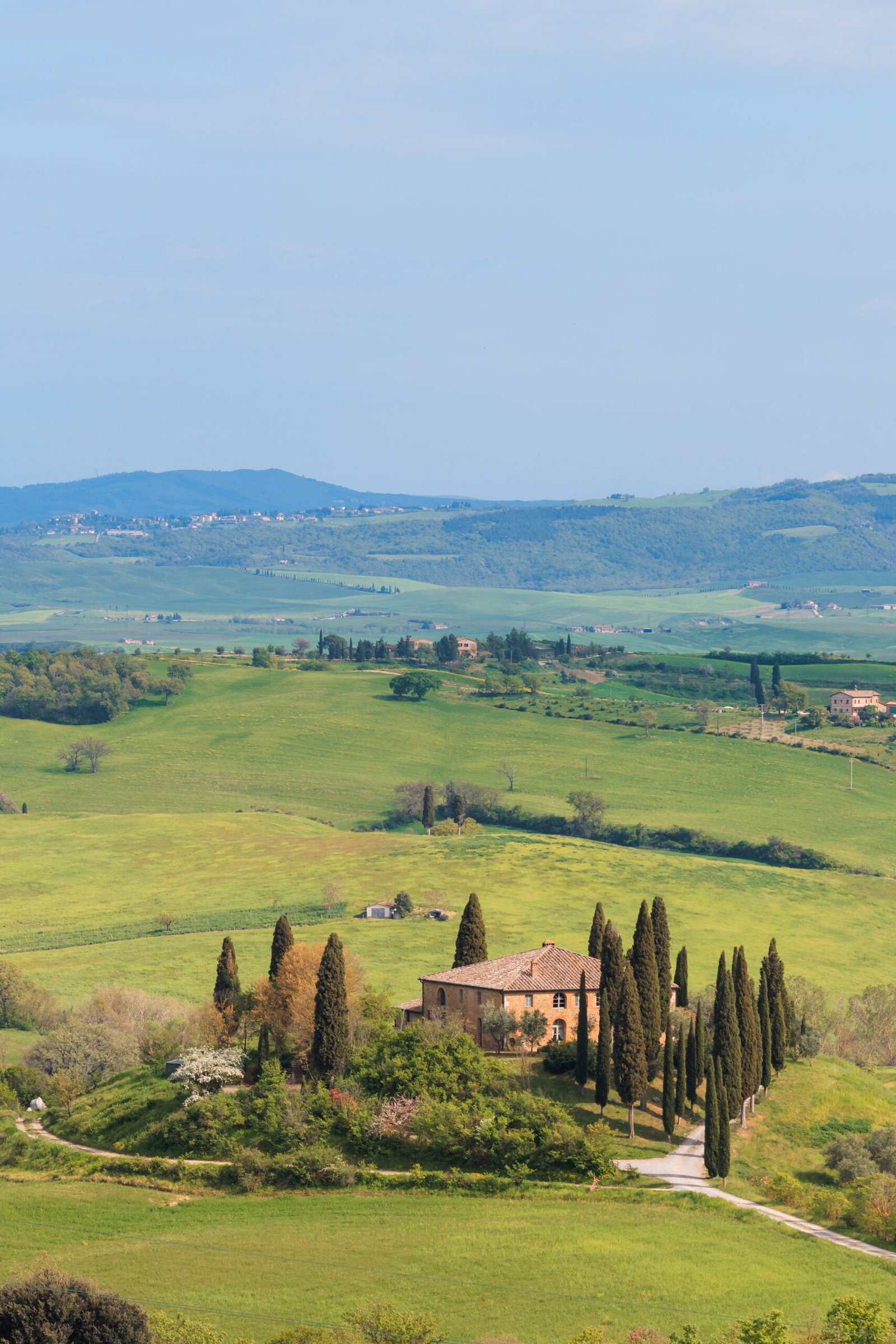
Day six is for the countryside. Rent a car for the day (parking in Florence itself is a nightmare, so don’t drive in) and head toward Val d’Orcia – rolling hills, cypress trees, and small towns like Pienza and Montepulciano that look built for a screensaver.
Is a rental car worth the hassle for one day? Honestly, yes. This is the one stretch of the trip where public transit actually limits what you can see.
Days 7-8: Venice, the Grand Finale
Another train ride, this time about 2 hours from Florence to Venice. Stepping out of Santa Lucia station straight onto the Grand Canal is one of those “wait, this is real” moments every first-timer talks about.
Skip the gondola if you’re on a budget – it’s genuinely just for the photo – and take a vaporetto (water bus) instead. Same views, a fraction of the price.
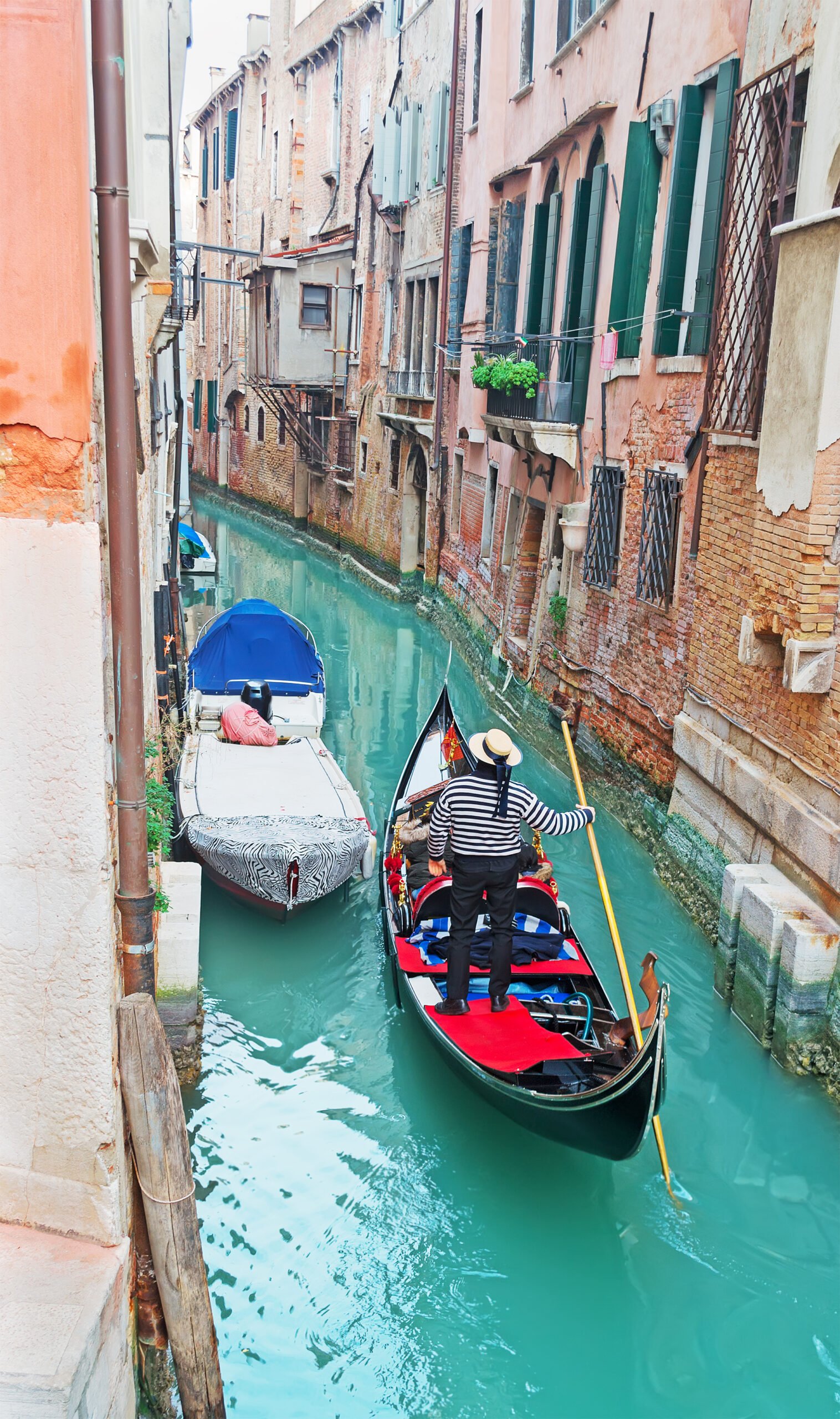
Venice rewards wandering more than any other city on this list. Get away from San Marco and the crowds thin out fast. Some of the best moments here are just quiet canals with nobody else around, which sounds impossible until it happens to you.
Days 9-10: Where to Add the Extra Time
This is where the itinerary flexes based on what you’re into. A few solid options:
- Cinque Terre – a scenic detour on the way back toward Florence, ideal for hikers and photo hounds
- Bologna – Italy’s food capital, and a genuinely underrated stop most tourists skip entirely
- An extra Rome day – if two days felt rushed, tack a third onto the end before your flight home
- Slow it down – add an extra night in Venice or Florence instead of cramming in a new city
None of these choices are wrong. It just depends on whether you want more scenery, more food, or more time to actually relax instead of checking off a list. 😅
Getting Around: Trains, Not Rental Cars
Italy’s train system is genuinely one of the best parts of visiting. High-speed rail connects every city on this itinerary directly, and it beats navigating narrow streets that were built centuries before cars existed.
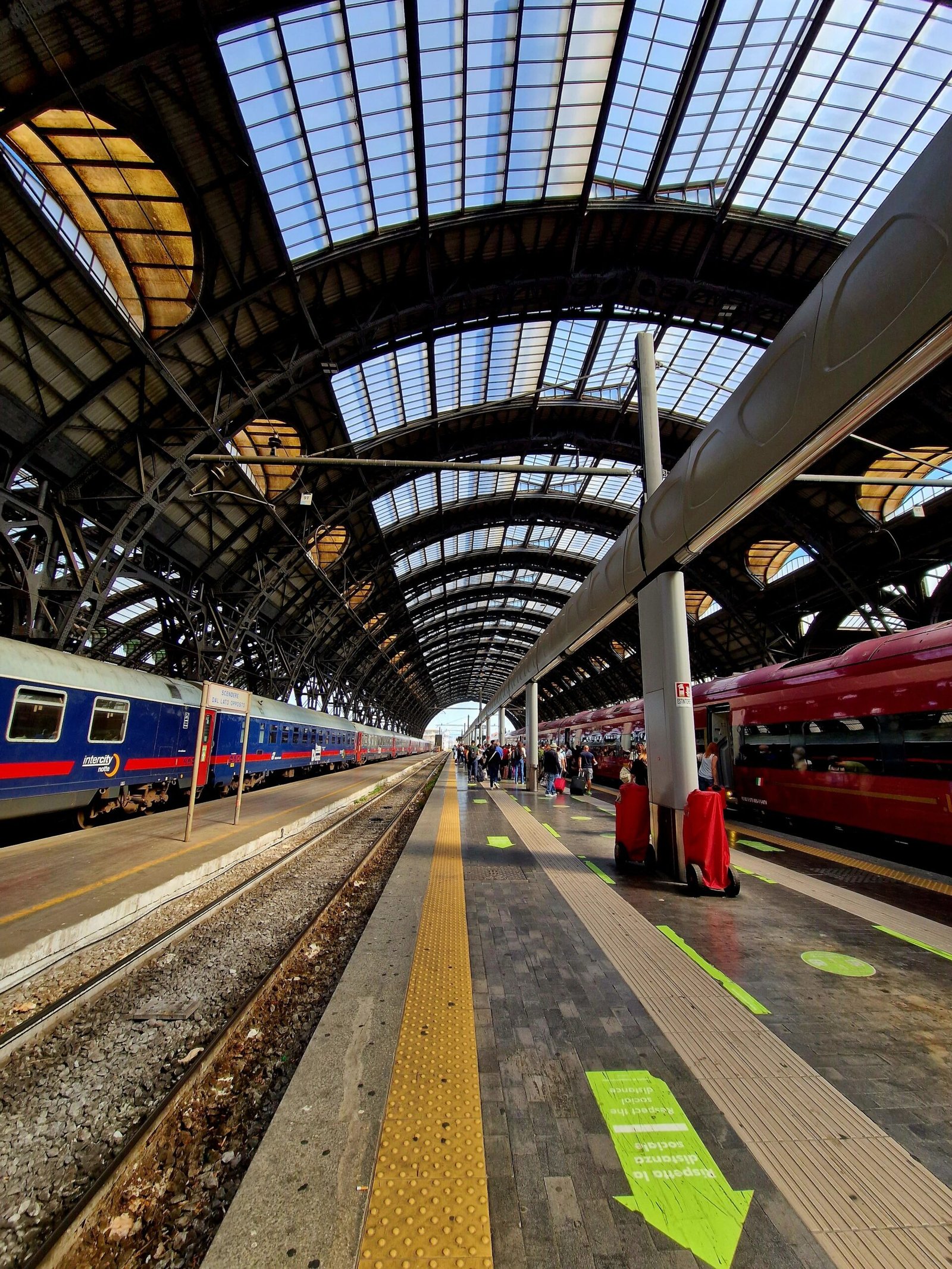
Book longer routes in advance for better fares, but don’t stress about regional trains. Those are cheap and frequent enough to buy same-day.
How Much Should You Budget?
Prices swing a lot depending on season and style, but here’s a realistic mid-range number to plan around. Expect $150-200 per day per person, covering a comfortable (not luxury) hotel room, two sit-down meals, museum tickets, and trains between cities.
Want to go leaner? Hostels, aperitivo instead of full dinners, and skipping the paid skip-the-line tickets can get you closer to $80-100 a day. Either way, budget an extra buffer for the Vatican and Uffizi tickets – they’re worth pre-booking, but the fees add up fast.
The Food Situation (Because You’ll Ask)
Every region on this trip has its own specialty, and you should eat accordingly. Think carbonara and cacio e pepe in Rome, bistecca alla Fiorentina in Florence, and fresh seafood pasta in Venice.
Don’t order pizza in Venice, ngl. It’s not really their thing, and the version you’ll get shows it.
Gelato deserves its own line item too. Skip any shop with neon-bright, piled-high scoops – that’s a sign of added air and artificial color, not quality. The good stuff looks a little duller and sits flat in the case.

What to Actually Pack
Ten days means you can survive on one carry-on if you’re smart about it. Comfortable walking shoes matter more than any outfit you bring – you’ll easily hit 15,000 steps a day between the ruins and the wandering.
Bring a light rain layer no matter the season, and leave the heels at home. Cobblestones are not the vibe.
A portable charger earns its weight too. You’ll be using your phone constantly for train tickets, maps, and photos, and Italian outlets aren’t always near a bench when you need them. Pack a universal adapter while you’re at it – IMO it’s the one item everyone forgets until they’re standing in an airport shop paying triple.
Ten days in Italy isn’t about seeing everything. It’s about picking three unforgettable places and actually being present in them instead of sprinting between fifteen.
Book your trains early, wear good shoes, and let yourself get a little lost. That’s usually when the best parts happen.