Yellowstone in 3 Days: The Only Itinerary You Need
Yellowstone is bigger than some countries. Nearly 3,500 square miles, one main road shaped like a figure of eight, and roughly 4 million people a year trying to drive it.
In this guide
Three days is enough to see the headline stuff properly. It is not enough to see everything, and anyone who tells you otherwise is selling you a very tiring week.
So this itinerary picks a lane. One loop per day, minimal backtracking, and the driving times built in honestly rather than optimistically.
Before Anything Else: Where You Sleep Decides Your Trip
This is the single biggest decision and people leave it to last. Yellowstone has five entrances and they’re hours apart.
West Yellowstone, Montana is the most practical base for a three day trip. It sits right by the west entrance, it has actual restaurants and beds, and it puts you closest to the geyser basins.
Gardiner at the north entrance is better if wildlife is your priority, because Lamar Valley is right there. Inside the park, the historic lodges are wonderful and book out a year ahead, and if you can get one, take it.
Jackson is beautiful and it’s two hours from the geysers. Great town, bad base. Loads of people make this mistake and spend their holiday on the 191.
Day 1: The Geyser Basins
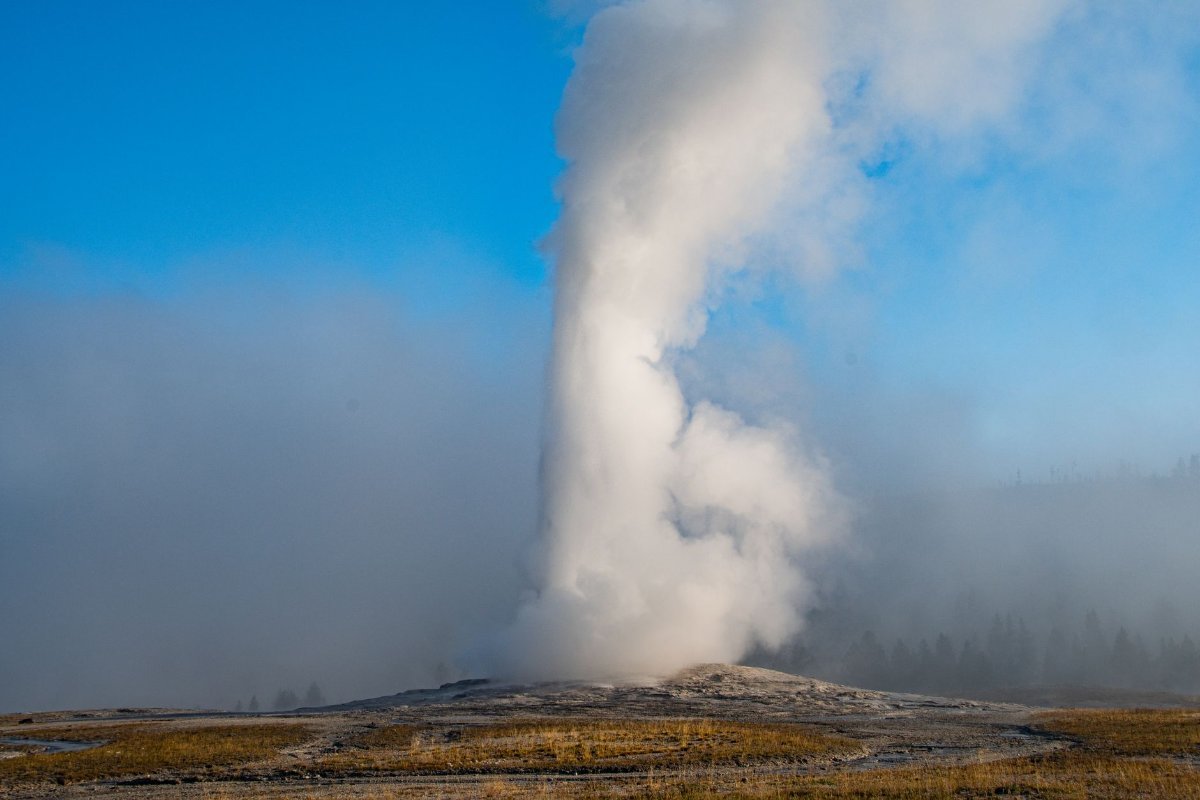
Start with the thing Yellowstone is famous for. From West Yellowstone it’s about thirty minutes to Old Faithful.
Old Faithful itself goes off roughly every 90 minutes and the visitor centre posts predictions. Watch it once, tick it off, and then, crucially, do not leave. The Upper Geyser Basin behind it holds the largest concentration of geysers on the planet and there’s a boardwalk loop of a few miles through the lot.
Grand Geyser, Castle, Riverside, Morning Glory Pool. Half of these are more interesting than Old Faithful and about a fifth of the crowd bothers walking out to them.
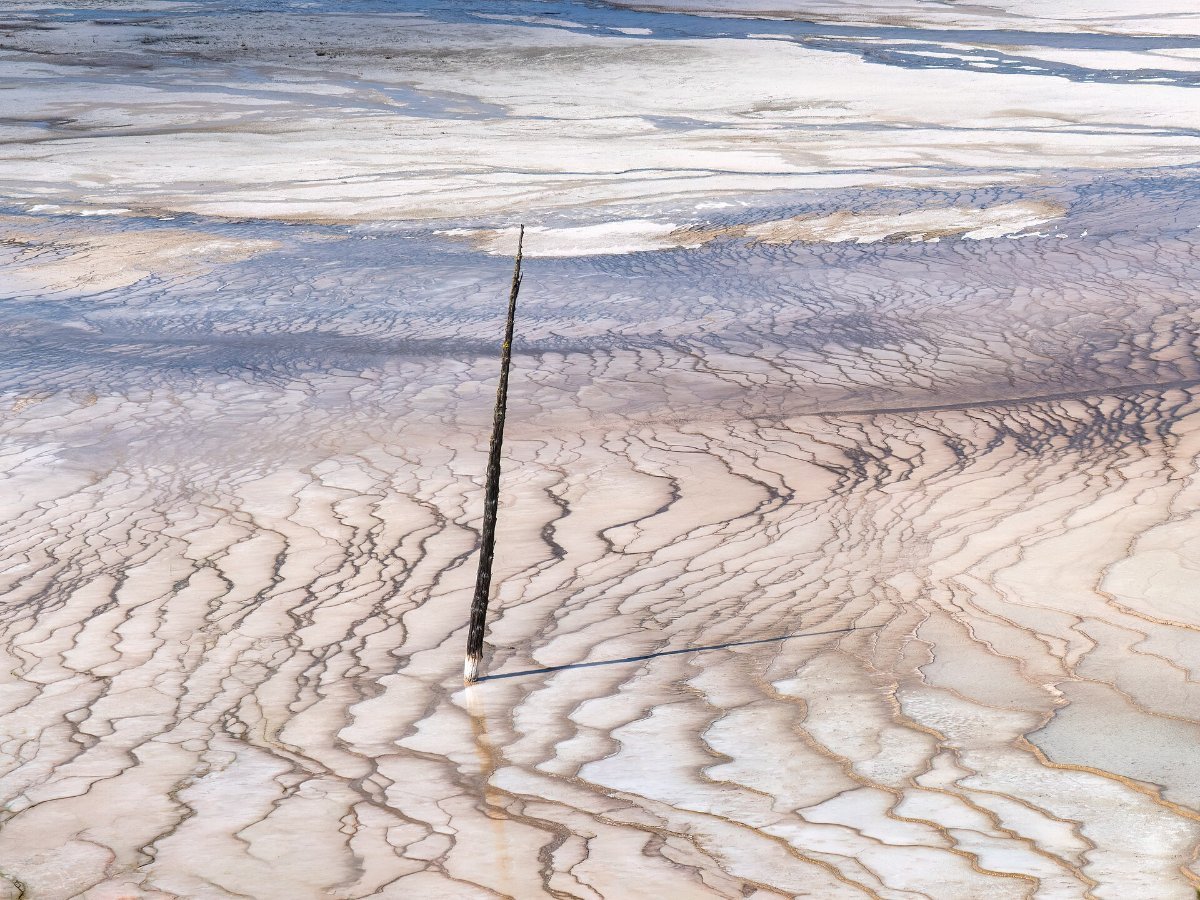
Then Midway Geyser Basin for Grand Prismatic. Here’s the tip that matters: from the boardwalk you cannot see the colours properly, you’re too low. Drive to the Fairy Falls trailhead and walk fifteen minutes up to the overlook. That’s the photo. That’s the one you came for.
▶ Watch This Before You Go
Day 1, Late: Norris and Back
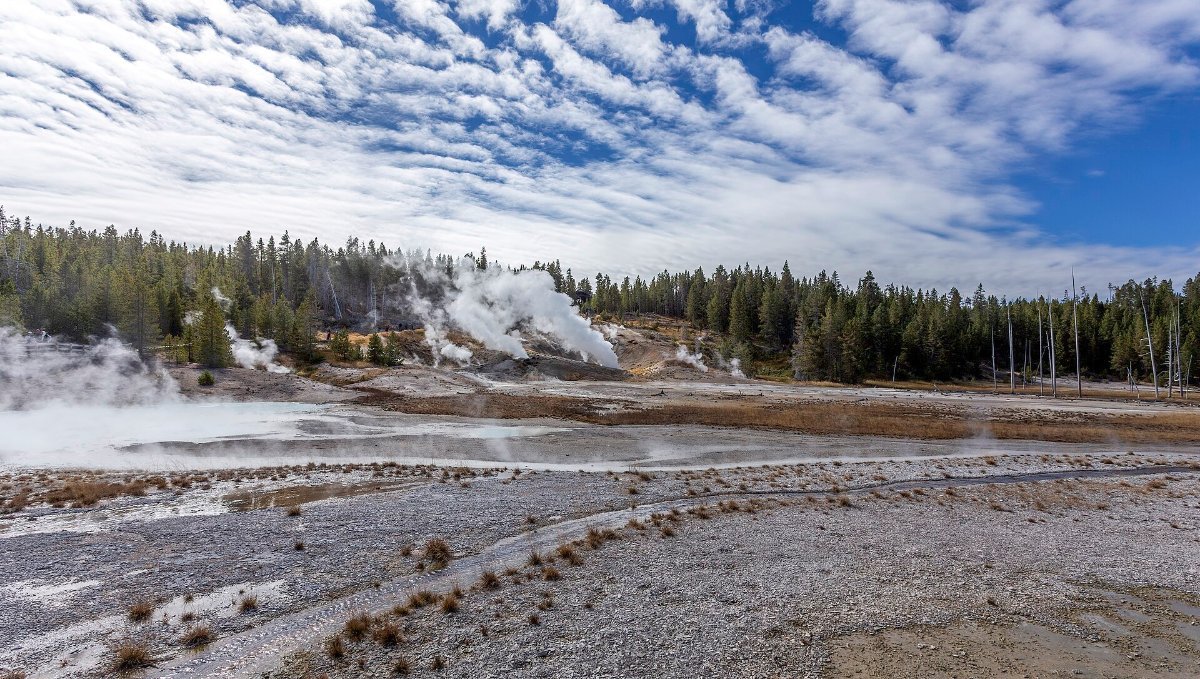
If there’s daylight left, Norris Geyser Basin on the way north is the strangest place in the park. Hottest, most acidic, most alien.
Porcelain Basin is a bleached white plain with steam venting out of it in every direction and almost nothing growing. It looks less like a national park and more like a set.
Half an hour is plenty. But it recalibrates what you think Yellowstone looks like.
Day 2: The Canyon and the Lake
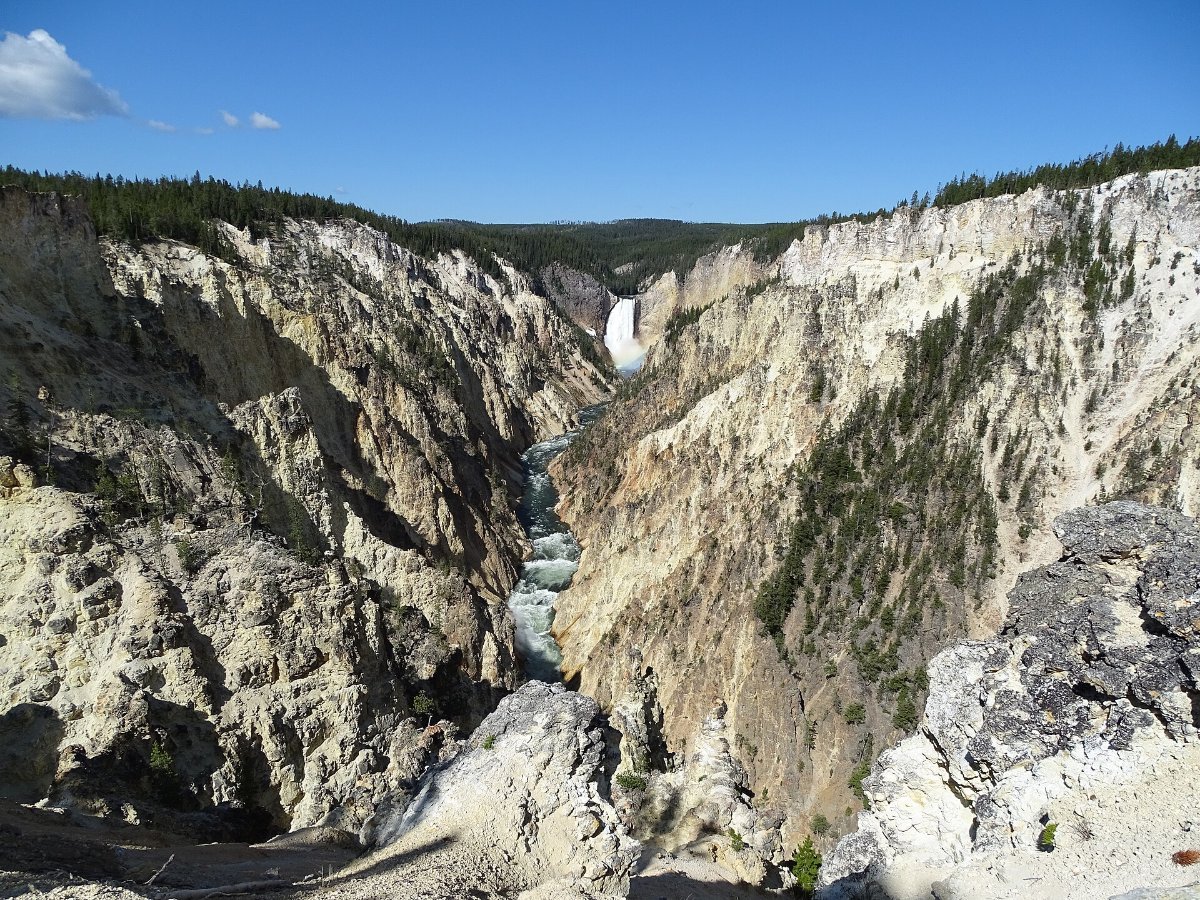
Head east across the park to the Grand Canyon of the Yellowstone, which nobody expects and everybody remembers.
The Lower Falls drop 308 feet into a canyon of yellow and orange rock, and there are viewpoints on both rims. Artist Point on the south rim is the classic. Lookout Point and Red Rock Point on the north rim get you closer. Brink of the Lower Falls puts you right at the lip, which is a short steep walk and genuinely thrilling.
Do at least two viewpoints here. This is one of the few places in the park where the angles genuinely differ.
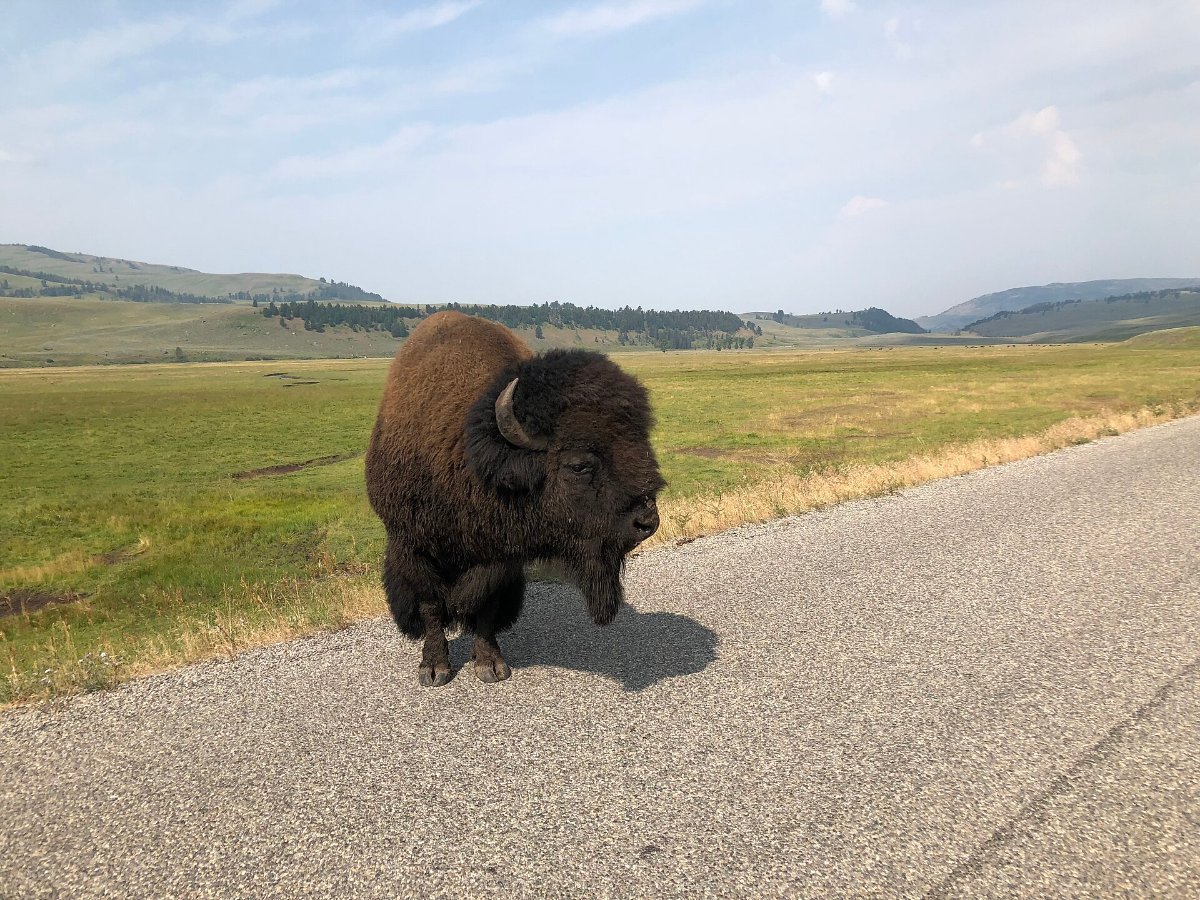
Hayden Valley just south is the other great wildlife spot after Lamar, and you’ll almost certainly hit a bison jam. Enjoy it, you have nowhere else to be.
Day 2, Afternoon: Yellowstone Lake
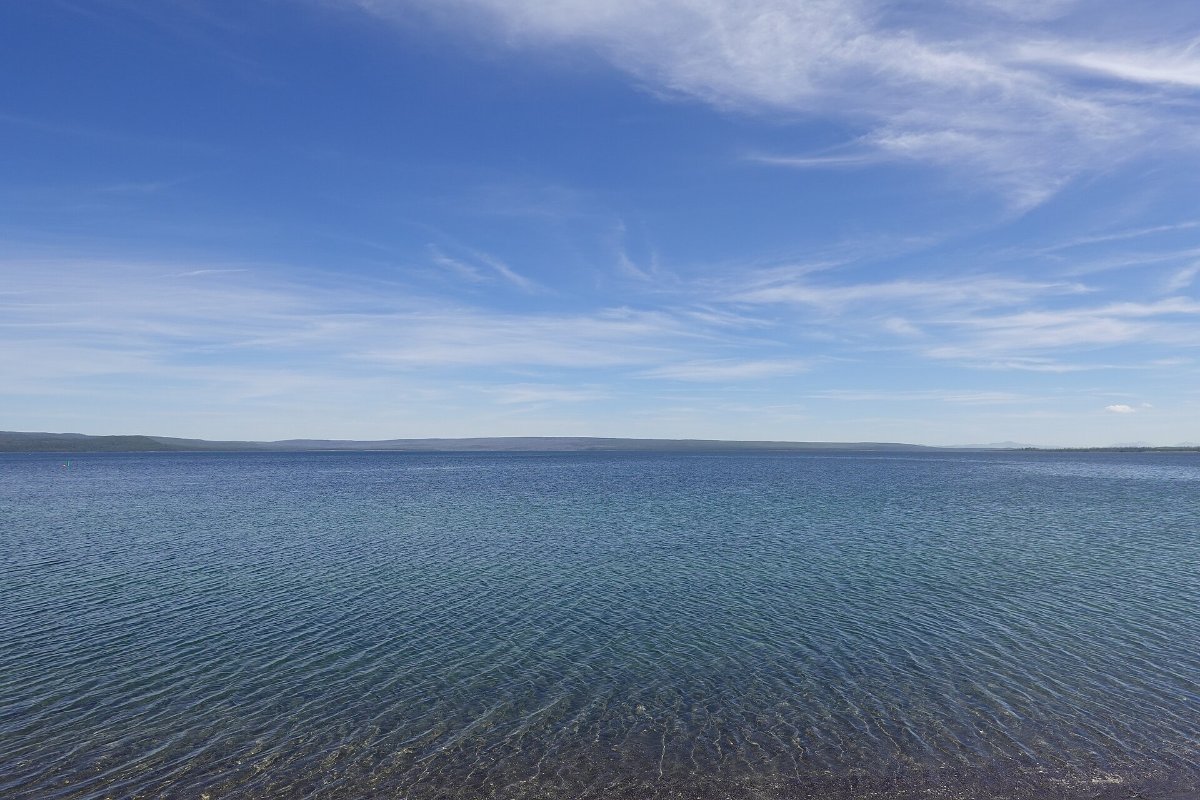
Continue south to the lake, which is enormous, high, and cold enough to kill you in about twenty minutes. It rarely comes up in itineraries and it’s a lovely change of pace.
West Thumb Geyser Basin sits right on the shore, with hot springs steaming into the lake edge. It’s small, it takes forty minutes, and the setting does most of the work.
Lake Yellowstone Hotel is worth a stop even if you’re not staying, if only for a drink in a 1891 building looking out over the water.
Day 3: Wildlife and the North
Set an alarm. This is the one day the early start is non-negotiable, because wolves and bears keep dawn hours and so do the people who want to see them.
Lamar Valley in the north east is the best wildlife watching in the lower 48. Bison in the hundreds, elk, pronghorn, and a genuine chance of wolves. Bring binoculars, or find the cluster of parked cars with enormous spotting scopes and ask nicely. Those people are lovely and they love an audience.
Be there by sunrise, be finished by nine. After that the animals go and lie down somewhere sensible and so should you.
Day 3, Midday: Mammoth Hot Springs
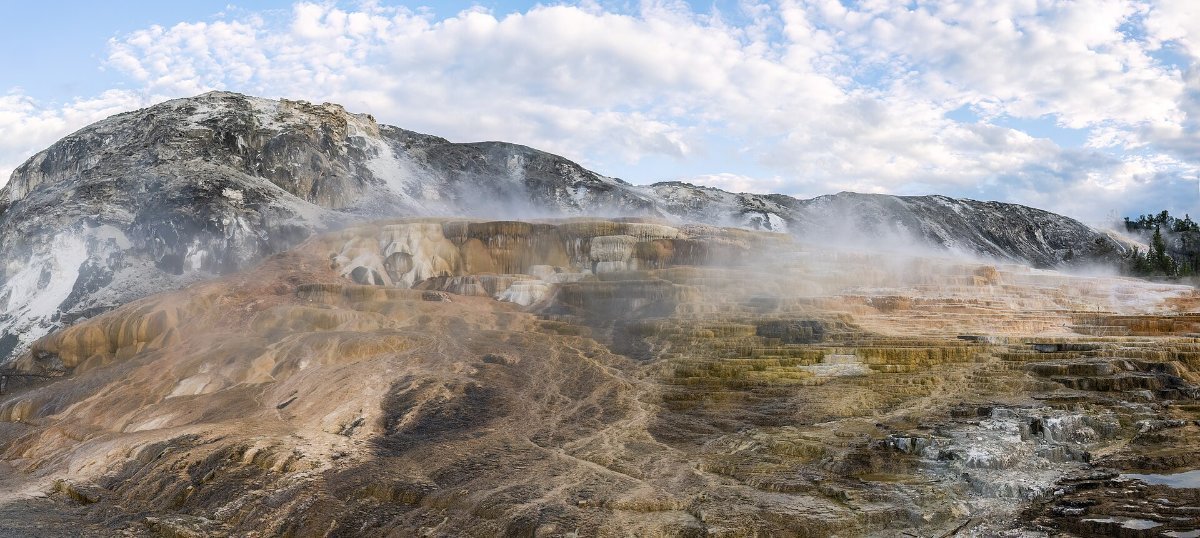
On the way back west, Mammoth is a hillside of white travertine terraces that look like a frozen waterfall, built up by hot water depositing limestone over thousands of years.
There’s an upper boardwalk and a lower one. The terraces change constantly, so some sections are dry and grey while others are flowing and brilliant white. It’s genuinely different year to year.
Elk hang around the old fort buildings here like they own the place, because they do. Keep 25 metres back, and considerably more in autumn when the bulls are in rut and in a bad mood.
The Driving Reality
Everything takes longer than the map says. The speed limit is 45mph and often lower, there is no overtaking, and a single bison standing in the road stops several hundred cars for twenty minutes.
Rough guide: West Yellowstone to Old Faithful, 40 minutes. Old Faithful to Canyon, an hour and a quarter. Canyon to Lamar, an hour and a half. Add a third to all of it in July and August.
Fill up whenever you see fuel. Stations inside the park are limited and there is no phone signal across most of it, which is either alarming or the best part depending on your mood.
Common Questions
Is 3 days enough for Yellowstone?
For the main sights, yes, if you’re organised about the loops. Add Grand Teton just to the south and you want five.
When is the best time to visit?
Late May to early June for wildlife and waterfalls with fewer people, or September for the best all-round balance. July and August are peak everything, crowds included.
Do I need to book accommodation far ahead?
Yes. In-park lodges open bookings roughly 13 months out and fill fast. Gateway towns are easier but still sell out for summer weekends.
How close can I get to the bison?
25 metres from bison and elk, 100 metres from bears and wolves, and these are legal minimums rather than suggestions. Bison injure more people in Yellowstone than bears do, by a wide margin.
Can I visit Yellowstone in winter?
Yes, and it’s extraordinary, but most roads close to cars. You travel by snowcoach or snowmobile from West Yellowstone or Mammoth, and it needs booking well ahead.