6 Boston Neighborhoods Worth Exploring on Foot
Boston is the rare American city where you really don’t need a car. The center is compact, the streets are old and twisty, and the most interesting stuff is often what you pass between the big sights.
In this guide
Driving here is miserable anyway. Parking costs a fortune, and the streets were laid out for horses. So put on comfortable shoes. Here are six Boston neighborhoods that are best seen on foot, with a rough idea of how they link together.
1. Beacon Hill
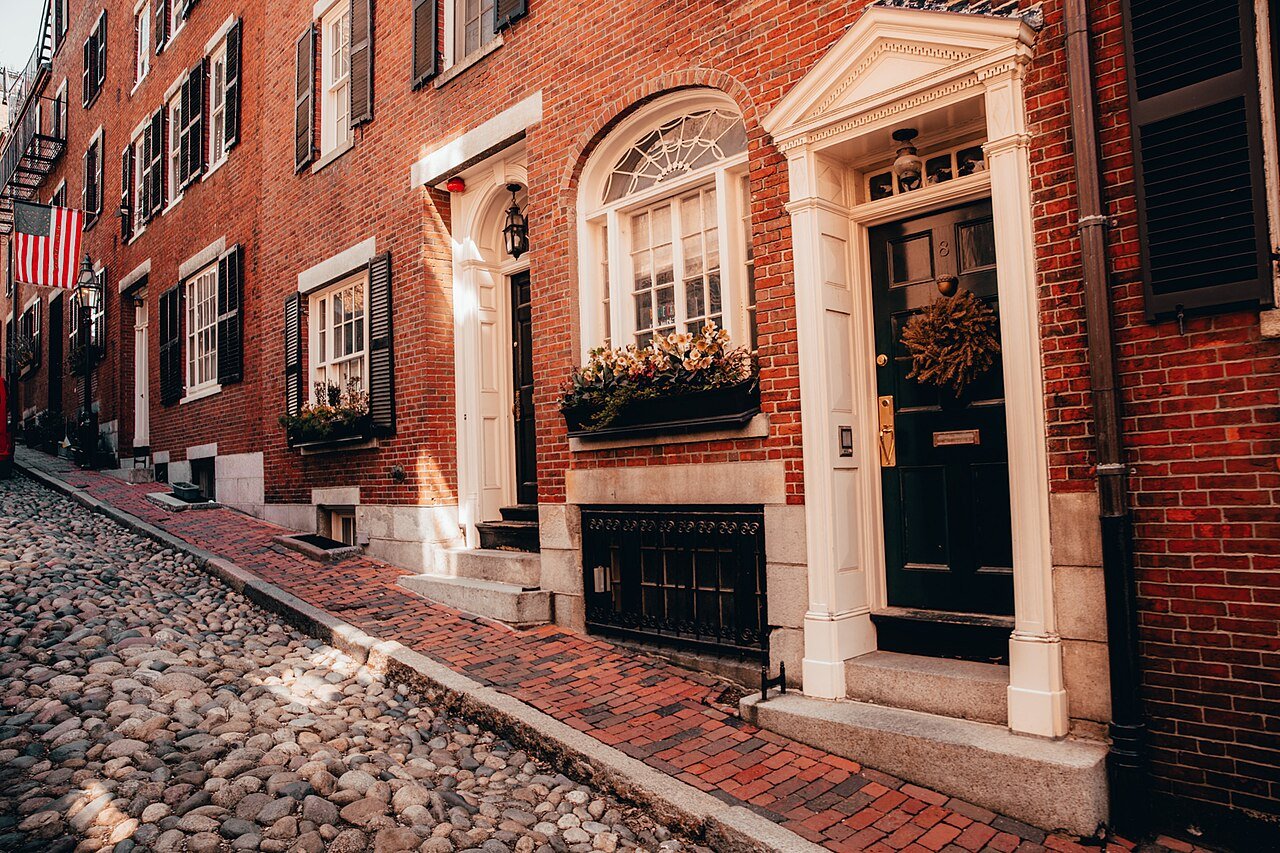
Beacon Hill is Boston at its most picture-perfect. Brick sidewalks, gas lamps, black shutters and doors with polished brass knockers. It’s right behind the State House, and it’s tiny, so you can wander it in an hour.
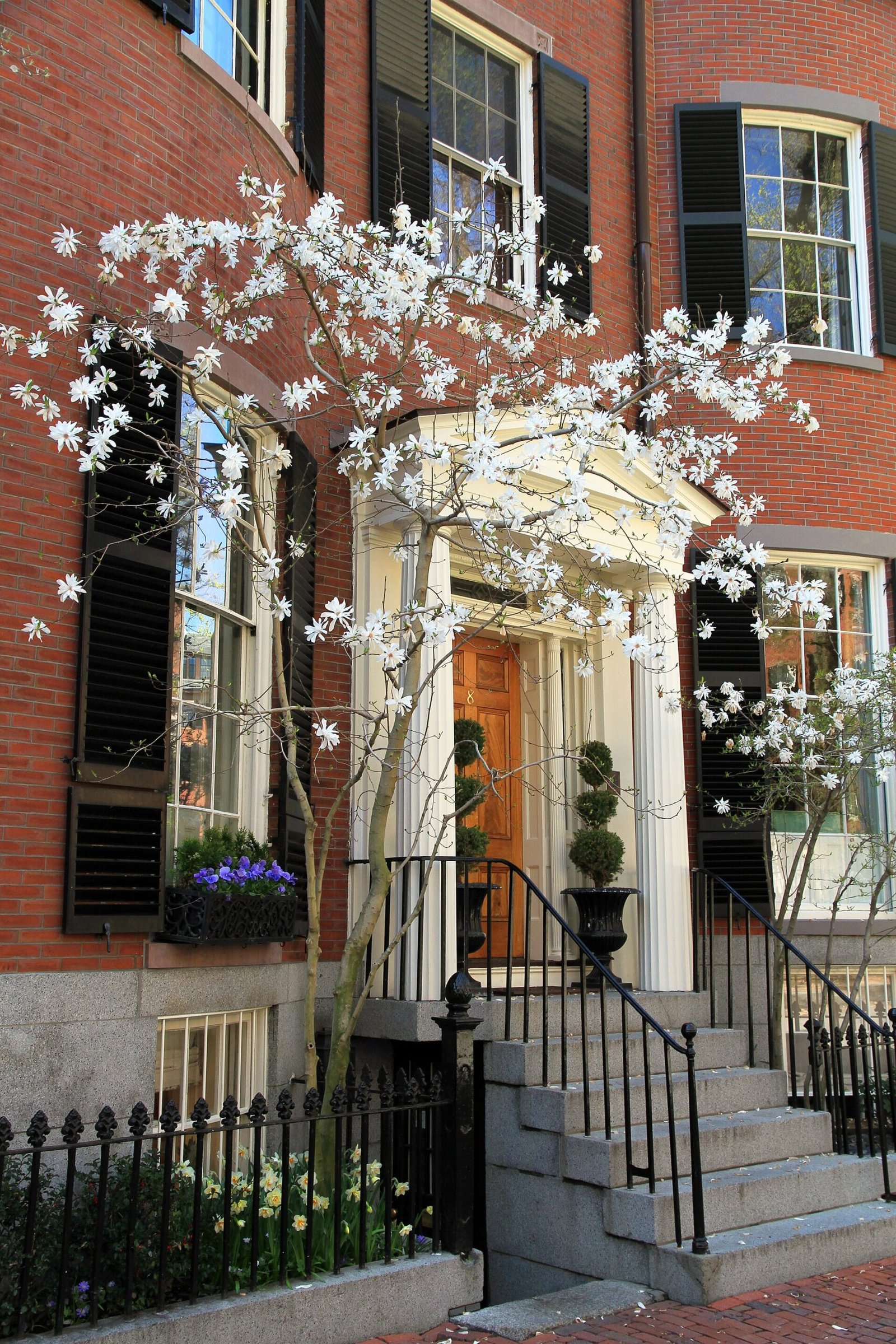
Acorn Street is the famous one, a short cobbled lane that might be the most photographed street in the city. Go early, before the crowds. Then walk Mount Vernon Street and Louisburg Square, and finish on Charles Street, the neighborhood’s main drag, for antique shops and a coffee. Fair warning: it’s called a hill for a reason.
2. The North End
The North End is Boston’s Little Italy and its oldest neighborhood. It’s a short walk from Faneuil Hall, across the Greenway, and it’s packed with red-sauce restaurants, bakeries and narrow streets.
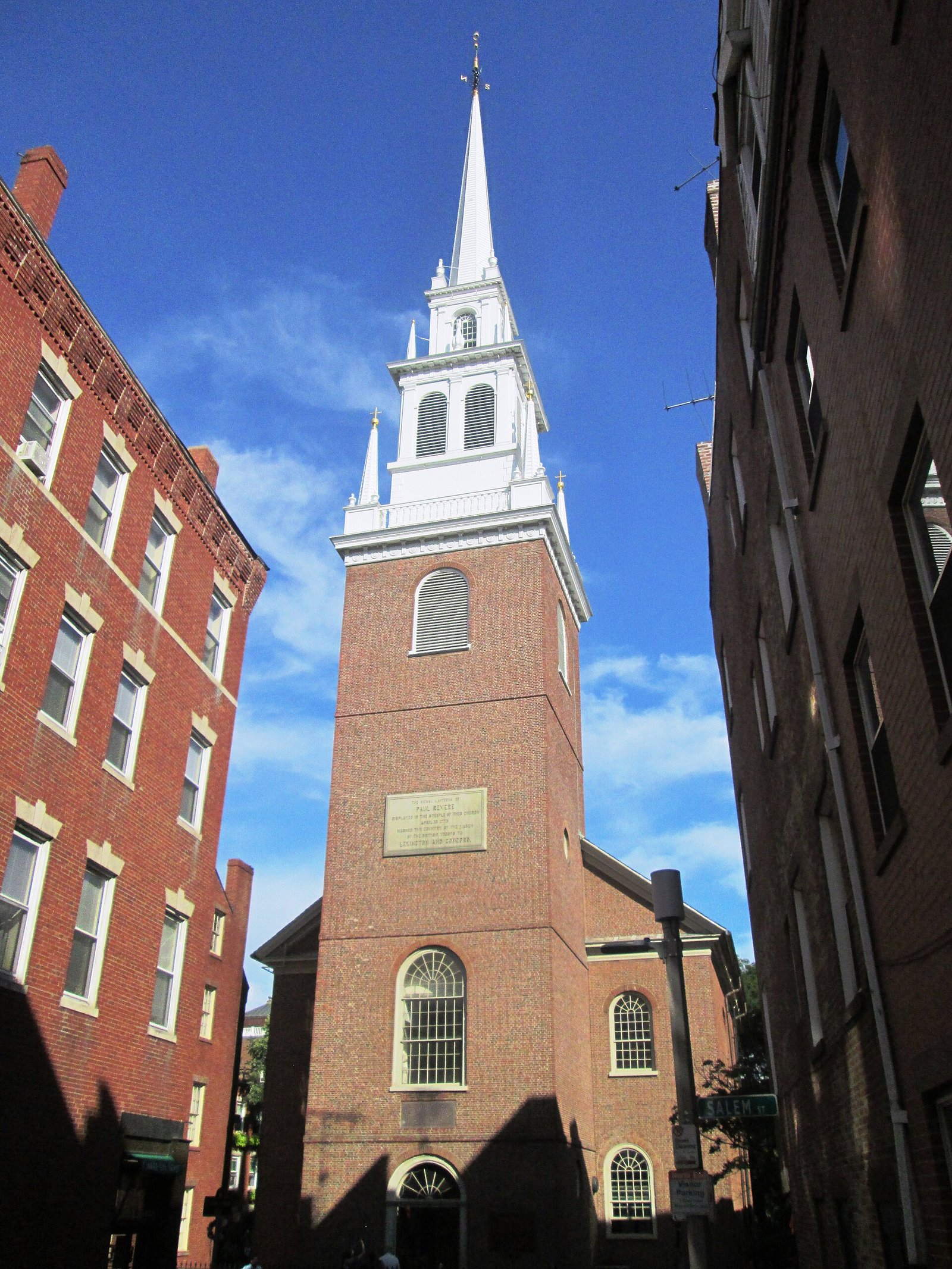
This is also Freedom Trail territory. Paul Revere’s House is here, and so is the Old North Church, where the lanterns were hung in 1775. After that, you’ll have to settle the great cannoli debate: Mike’s Pastry or Modern Pastry. The line at Mike’s is longer. Modern is quieter and, IMO, better. Try both and decide for yourself.
3. Back Bay
Back Bay was literally built on filled-in marshland in the 1800s, which is why its streets are a neat grid, unlike the rest of the city. They even run in alphabetical order, from Arlington to Hereford.
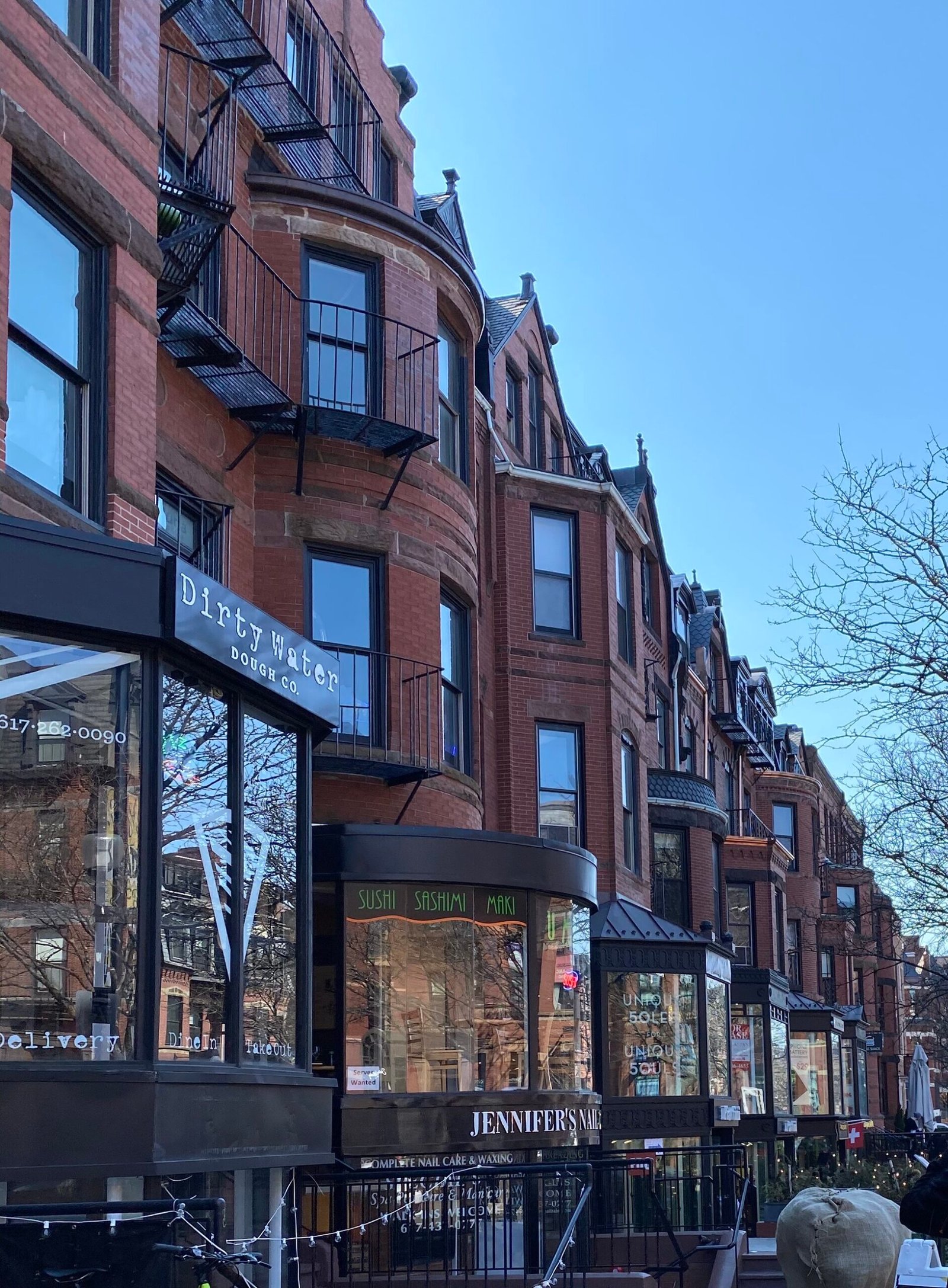
Walk down Commonwealth Avenue, which has a long, tree-lined park running down the middle and stately brownstones on both sides. Then cut over to Newbury Street for shops and cafés. Start or finish at the Public Garden, with its swan boats and the Make Way for Ducklings statues, which kids (and lots of adults) love.
4. Copley Square
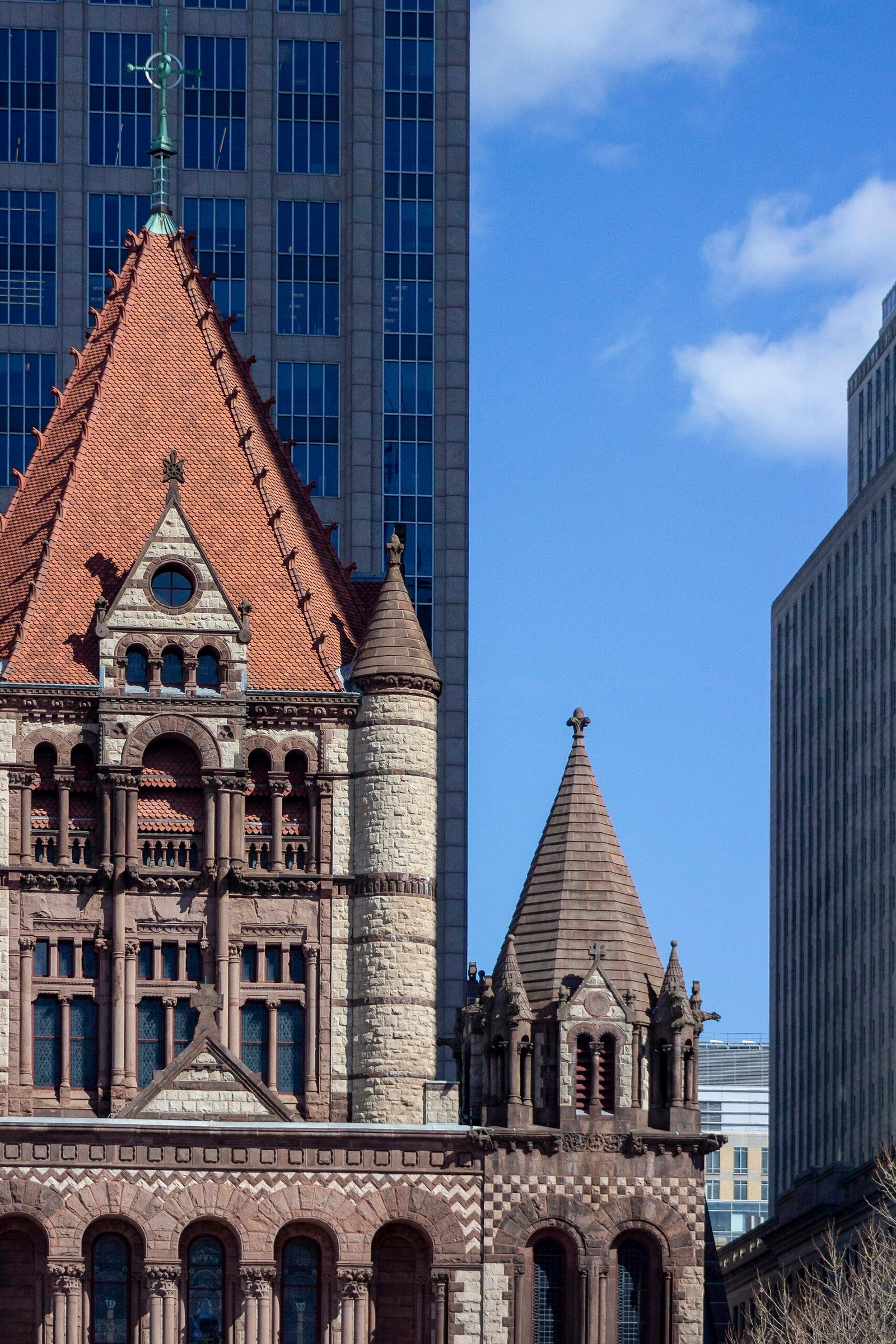
Technically, Copley Square sits inside Back Bay, but it deserves its own stop. Trinity Church is here, a gorgeous Romanesque building that reflects in the glass of the Hancock tower next door. It’s one of the best architectural pairings in America.
Across the square is the Boston Public Library. Go inside. It’s free, and the Bates Hall reading room, with its arched ceiling and green lamps, is beautiful. The courtyard is a peaceful place to sit, too. The Boston Marathon finish line is painted on Boylston Street right next to the library.
5. The South End
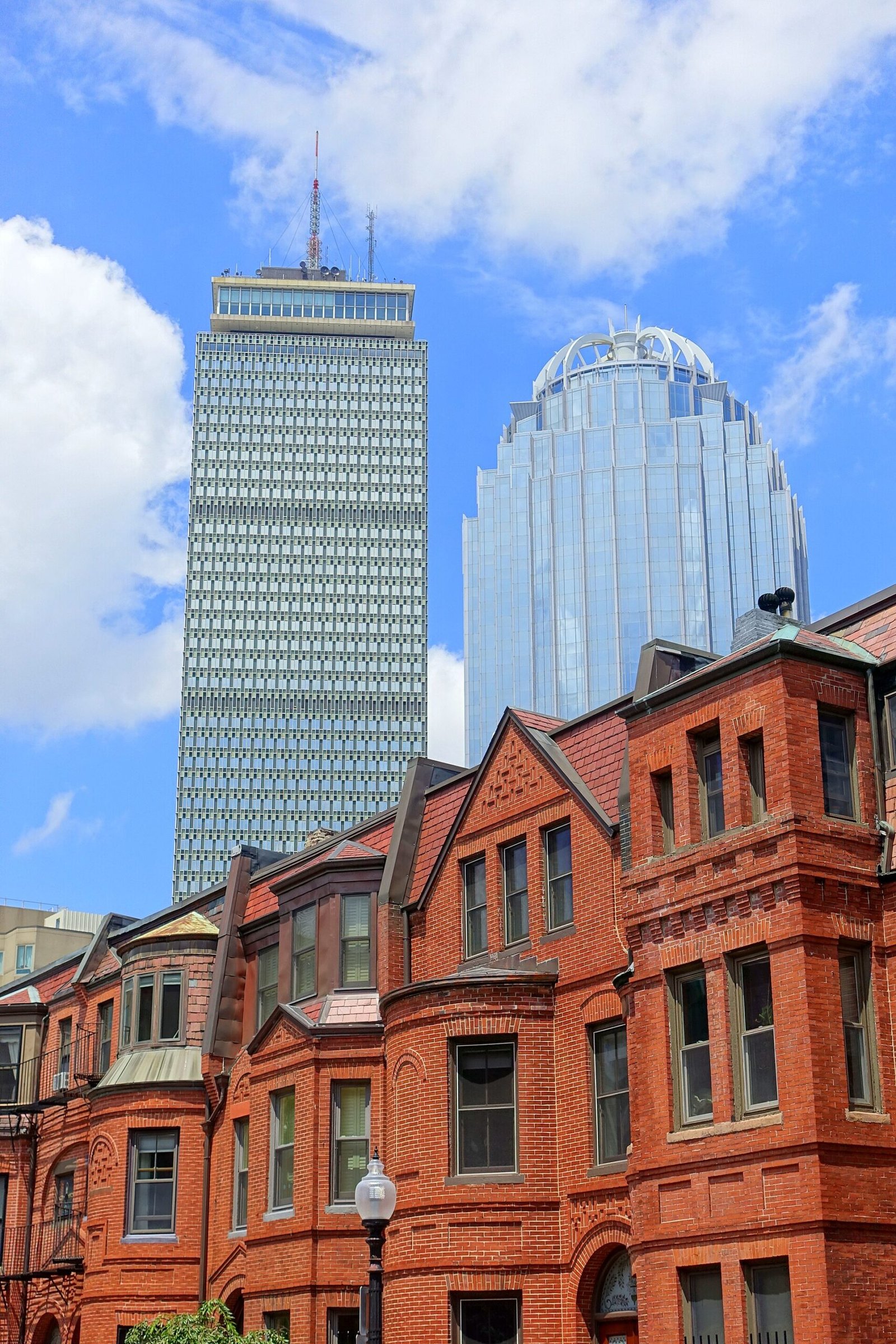
The South End has the largest collection of Victorian row houses in the country. It’s quieter than Back Bay and feels more lived-in, with leafy squares, little parks and lots of locals walking dogs.
It’s also one of the city’s best food neighborhoods, especially for brunch. Walk Tremont Street and Columbus Avenue for restaurants, and detour through Union Park, an oval of row houses around a garden. On Sundays from May to October, SoWa Open Market brings vendors and food trucks to Harrison Avenue.
▶ Watch This Before You Go
6. Harvard Square, Cambridge
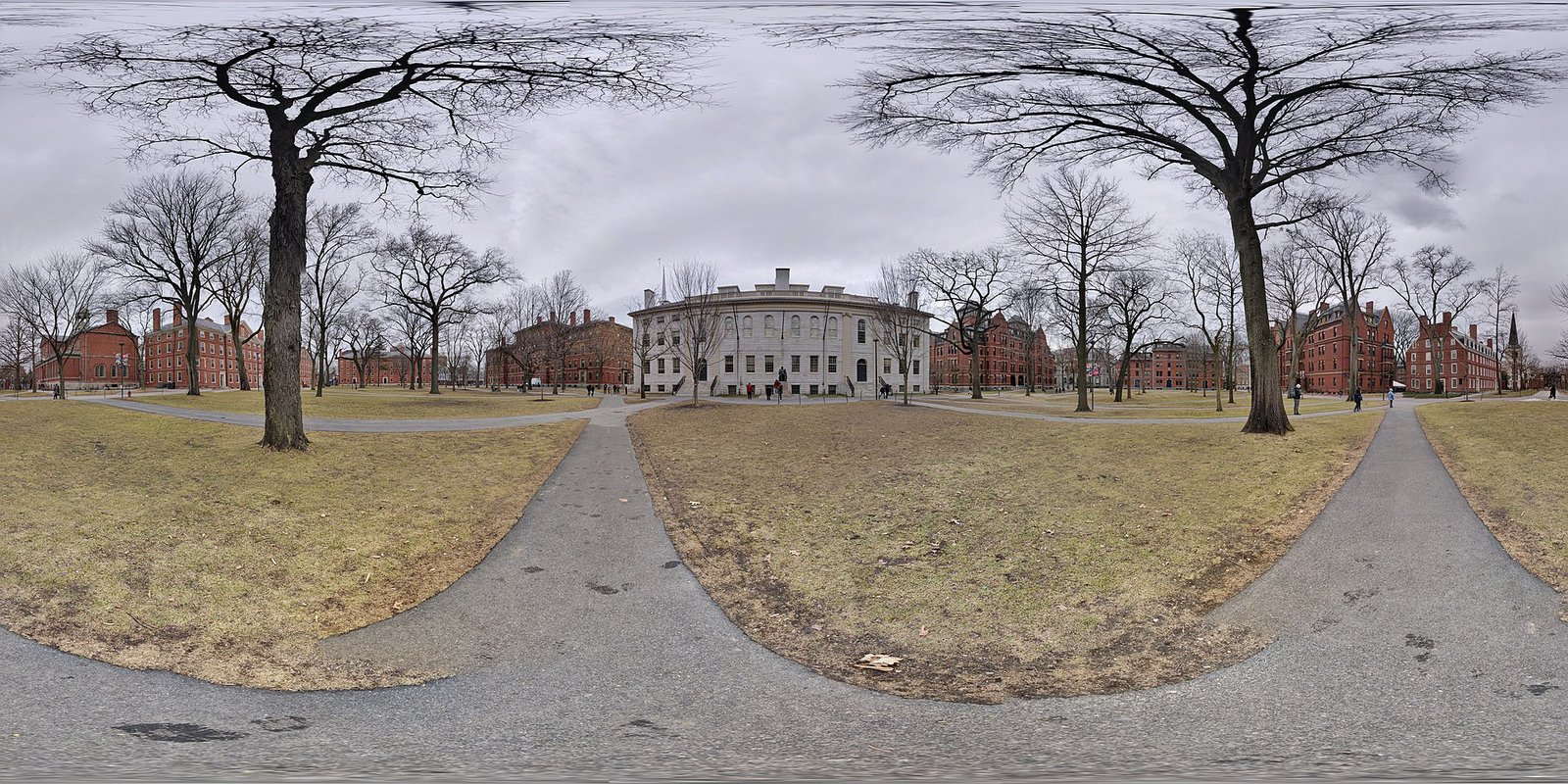
Okay, Cambridge isn’t technically Boston, but it’s a quick Red Line ride across the river, and it’s very walkable. Harvard Square is busy with bookstores, cafés and street performers. Walk through Harvard Yard, where the old brick buildings and big trees look exactly as you’d imagine.
Free student-led tours run from the visitor center, and they’re fun. Rub the foot of the John Harvard statue if you want, but you might not want to know what students do to it. Then cross the street to the Harvard Book Store, and wander toward the river for a nice view back to Boston.
How to link them up
Here’s an easy day on foot. Start in Beacon Hill early, walk down through the Public Garden, along Commonwealth Avenue and into Copley Square. Have lunch on Newbury Street. Then cut south into the South End for the afternoon.
Save the North End for the evening, when the restaurants are buzzing. Cambridge works best as its own half day. The whole loop is maybe six or seven miles, so wear shoes you trust. If your feet give up, the T is right there.
Getting around when you’re tired
The T, Boston’s subway, isn’t the most modern system, but it covers all of these. The Green Line runs through Back Bay and Copley. The Red Line goes to Cambridge. You can tap a contactless card or phone at the gates, so you don’t even need to buy a ticket. Avoid driving into the center. You’ll spend more time looking for parking than seeing anything.
When to go
Fall is the classic time, with crisp air and colorful leaves on the Common. Late spring is lovely too. Summer is hot and humid but fun, and winter is cold, icy and quiet. Beacon Hill’s brick sidewalks get slippery, so watch your step if it’s frozen.
Where to eat on the walk
Boston’s food scene is better than its reputation. In Beacon Hill, Charles Street has cozy cafés and a few classic taverns. The North End is the obvious choice for pasta, though you may need to queue for the popular spots. Get there before 6 p.m. or after 8.
Back Bay is a good place for a lunch break on Newbury Street, and the South End has the city’s best brunch, especially on weekends. For something quick and cheap, grab a lobster roll or clam chowder at Quincy Market near Faneuil Hall. It’s touristy, but it’s on the way and it’s fine. In Cambridge, the cafés around Harvard Square are perfect for a coffee and some people-watching.
Common questions
Is Boston a walkable city?
Very. It’s one of the most walkable cities in the US, and most central neighborhoods are 15 to 20 minutes apart.
What’s the prettiest neighborhood in Boston?
Beacon Hill, especially Acorn Street and Louisburg Square.
Where is the best Italian food in Boston?
The North End, along Hanover and Salem Streets.
Is Cambridge worth visiting from Boston?
Yes. It’s a short Red Line ride, and Harvard Square is easy to explore on foot.
Do you need a car in Boston?
No. Walking and the T cover everything, and parking is expensive.