How to Spend 3 Days in Washington DC
Three days is the right amount of time for Washington DC. It’s enough to see the big monuments, pick a few museums and still have time for a neighborhood or two, without feeling like you’re on a forced march.
In this guide
- Day 1 morning: the National Mall and the Smithsonian
- Day 1 evening: the monuments after dark
- Day 2 morning: the Capitol and the Library of Congress
- Day 2 afternoon: Eastern Market and Capitol Hill
- Day 2 evening: a show or the Wharf
- Day 3 morning: Georgetown
- Day 3 afternoon: Arlington National Cemetery
- Where to stay
- Getting around
- If you have extra time
- Common questions
The best part? Most of it is free. The Smithsonian museums, the monuments and even the Capitol tour don’t cost a thing. Here’s how to spend three days in Washington DC, with a plan that keeps the walking sane.
Day 1 morning: the National Mall and the Smithsonian
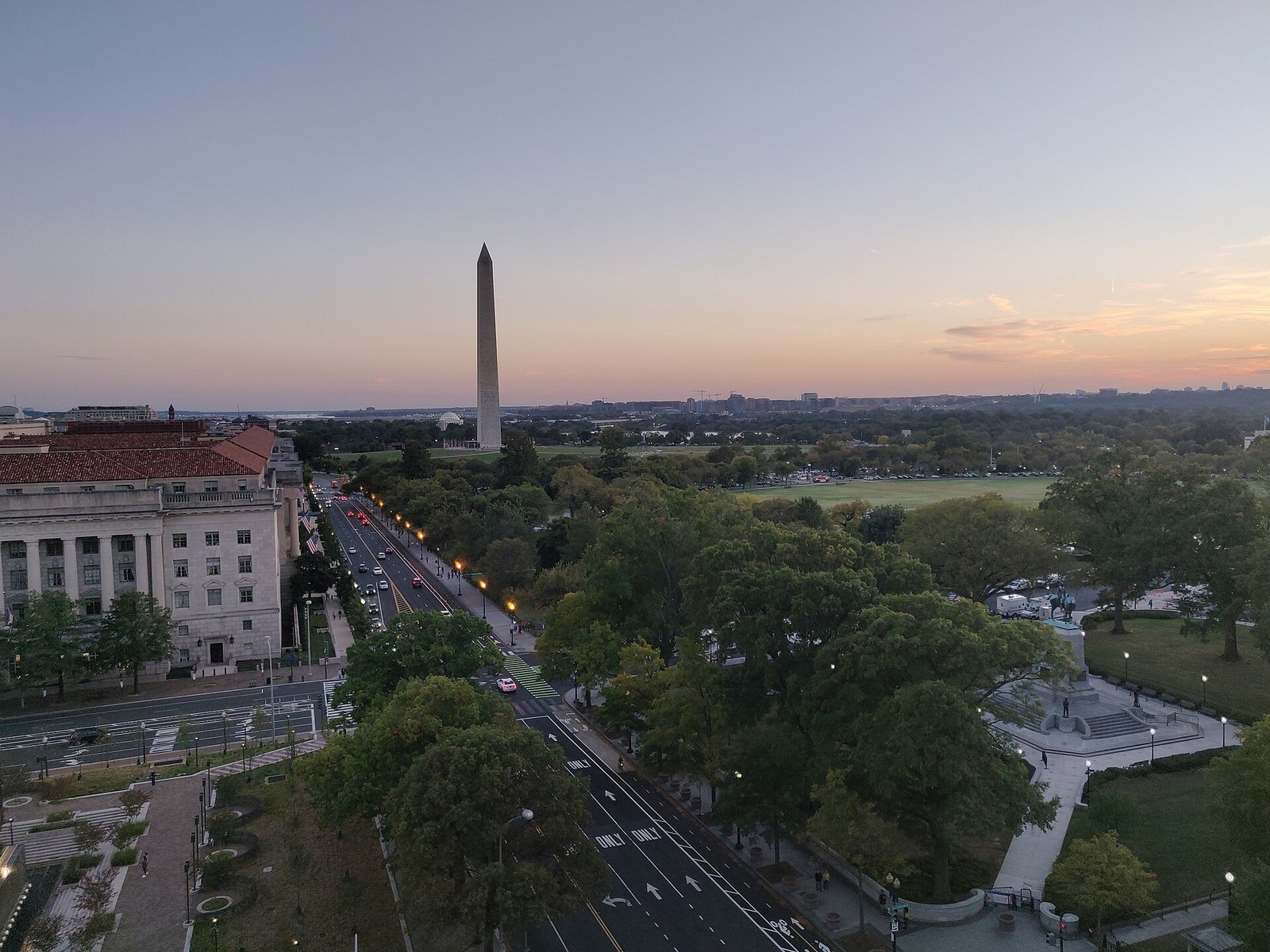
Start in the middle of everything. The National Mall is a two-mile stretch of lawn between the Capitol and the Lincoln Memorial, lined with Smithsonian museums. They open at 10 a.m. and they’re all free.
Don’t try to do them all. Pick two. The National Museum of Natural History has the Hope Diamond and the dinosaur hall. The National Air and Space Museum has the Wright Flyer and the Apollo 11 command module. The National Museum of African American History and Culture is the most moving of the lot, but it often needs a timed pass, so check before you go.
Day 1 evening: the monuments after dark
The monuments are open 24 hours, and they’re at their best at night. They’re lit up, it’s cooler and the crowds have thinned out.
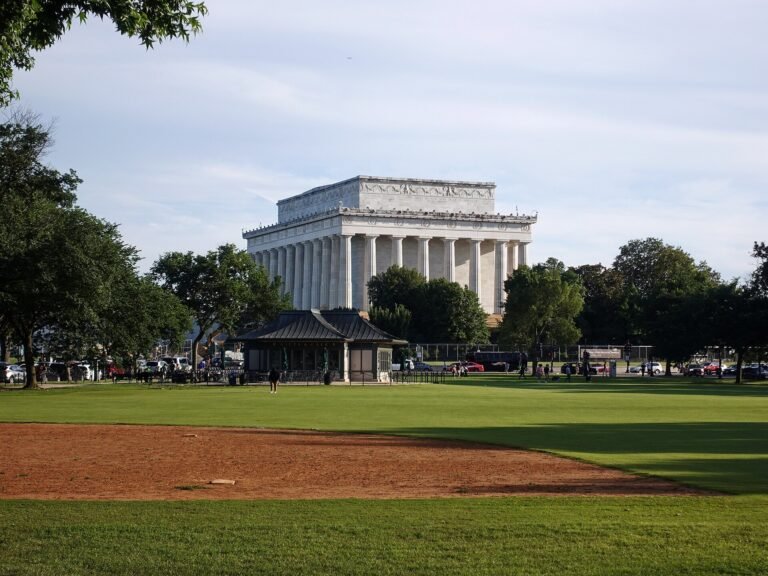
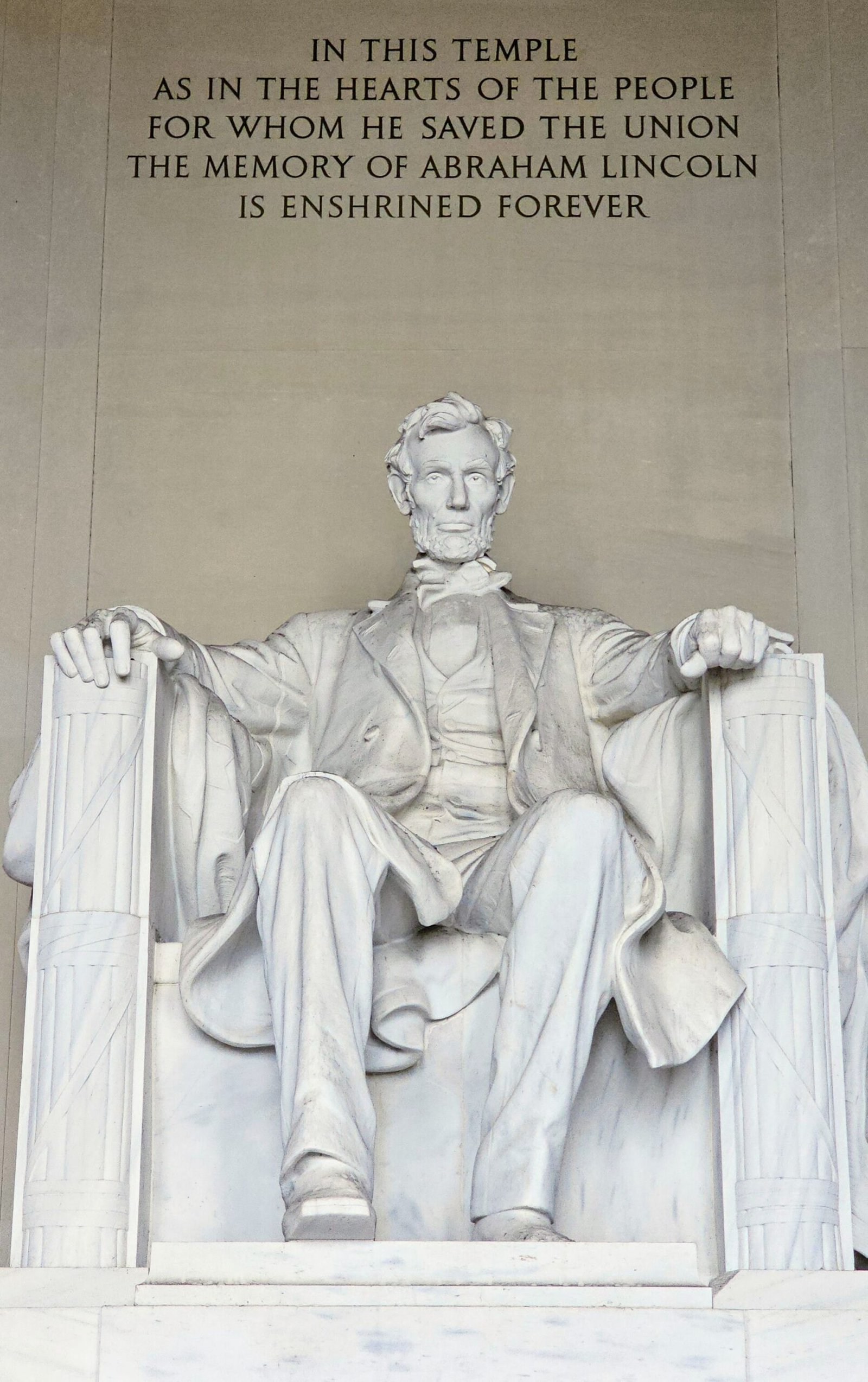
Start at the Lincoln Memorial and stand on the steps where Martin Luther King Jr. gave his “I Have a Dream” speech. Then walk past the Korean War Veterans Memorial, which is eerie at night, and the World War II Memorial. It’s a long loop, so wear good shoes, or rent a bike or scooter for the gaps.
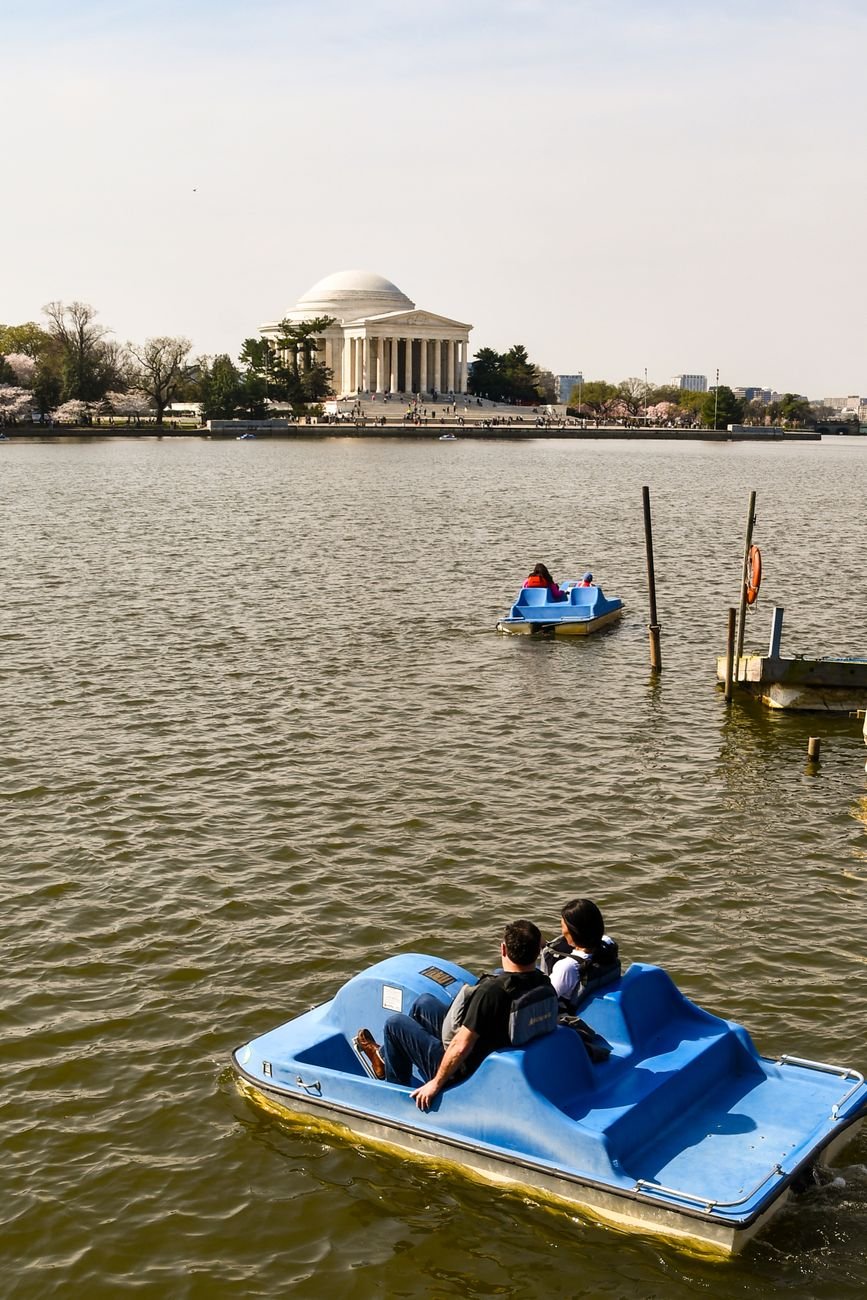
If you still have energy, carry on around the Tidal Basin to the Jefferson Memorial and the Martin Luther King Jr. Memorial. The view of the Jefferson reflected in the water is one of the best in the city.
Day 2 morning: the Capitol and the Library of Congress
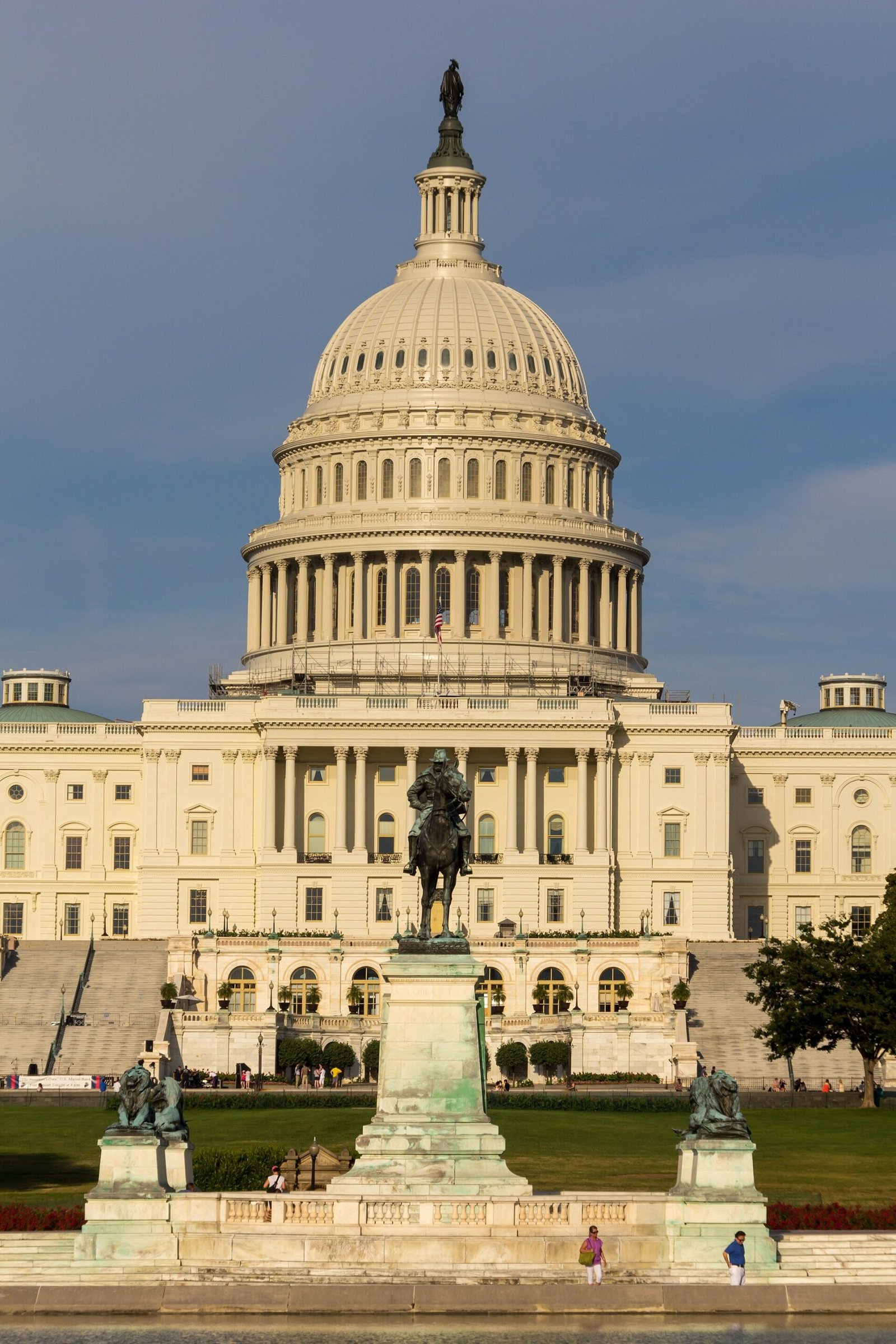
Day two is Capitol Hill. Book a free tour of the US Capitol online a few days ahead. The tour takes about an hour and covers the Rotunda and the old Supreme Court chamber.
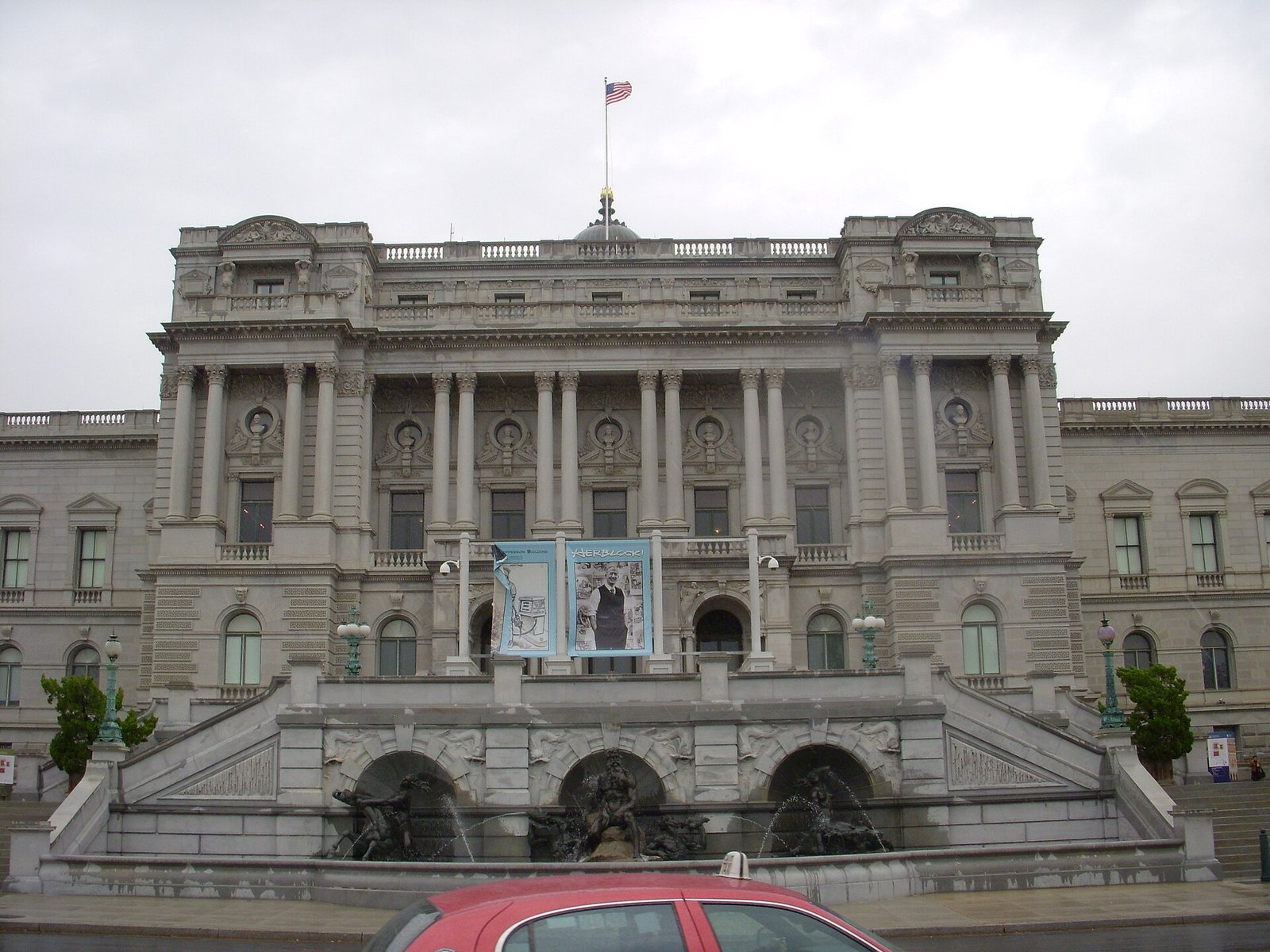
From the Capitol Visitor Center, a tunnel leads straight to the Library of Congress. Go. The Thomas Jefferson Building is honestly the most beautiful interior in Washington, with marble halls, mosaics and a view down into the Main Reading Room. Across the street, you can peek at the Supreme Court building too.
Day 2 afternoon: Eastern Market and Capitol Hill
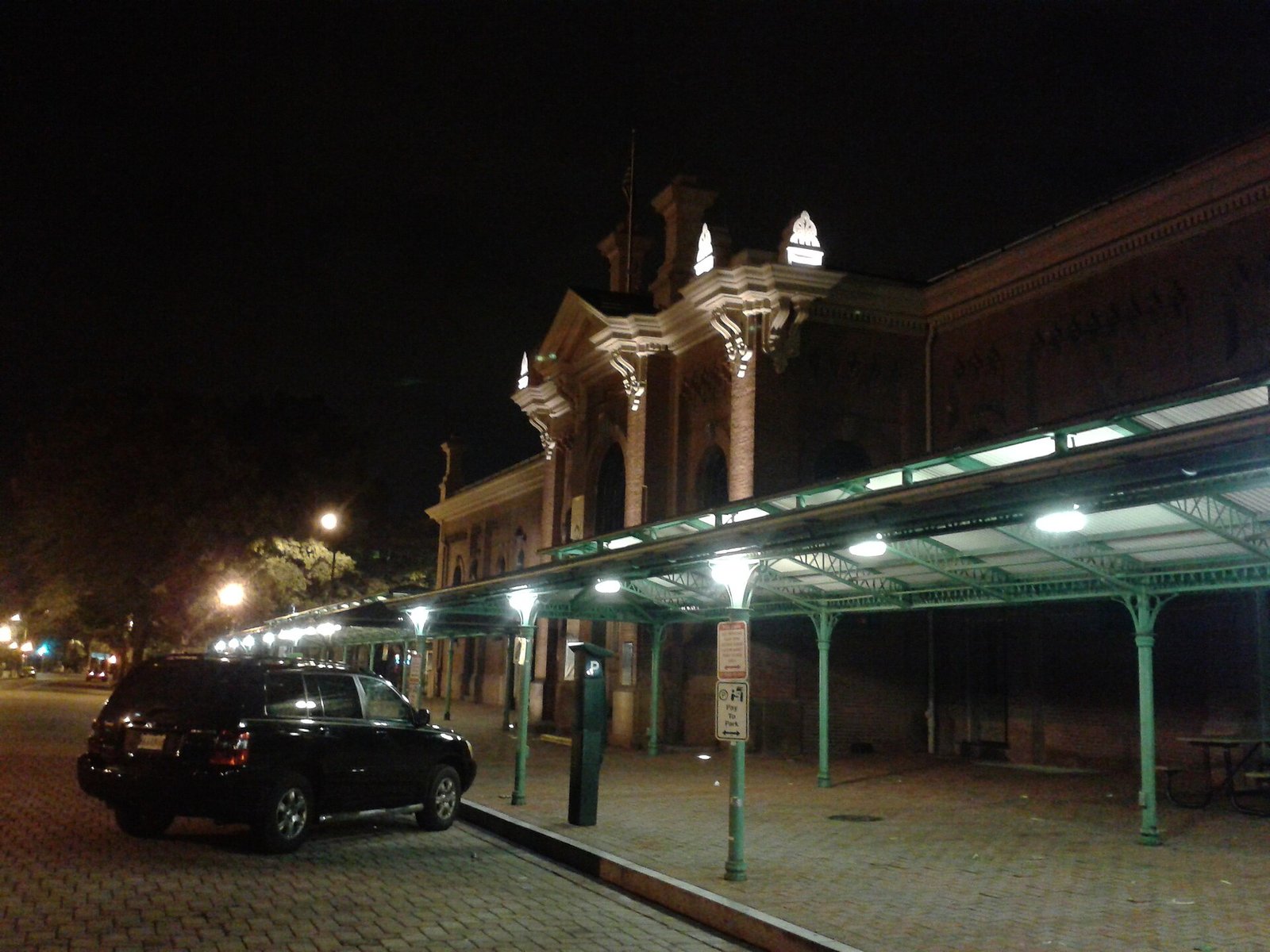
Walk about 15 minutes east to Eastern Market, a brick food hall that’s been running since 1873. Grab lunch at the counters inside. The blueberry buckwheat pancakes at the Market Lunch counter have a cult following, although they’re a breakfast thing, so go early if you want them.
On weekends, there’s a flea market and craft stalls outside. Afterward, stroll the leafy residential streets of Capitol Hill, which are full of pretty row houses. It’s a nice break from the marble.
Day 2 evening: a show or the Wharf
For your evening, either see a performance at the Kennedy Center, which offers a free show every night at 6 p.m. on its Millennium Stage, or head to the Wharf, a lively waterfront with restaurants, bars and music. Both are good. The Kennedy Center’s roof terrace also has a great sunset view over the Potomac.
▶ Watch This Before You Go
Day 3 morning: Georgetown
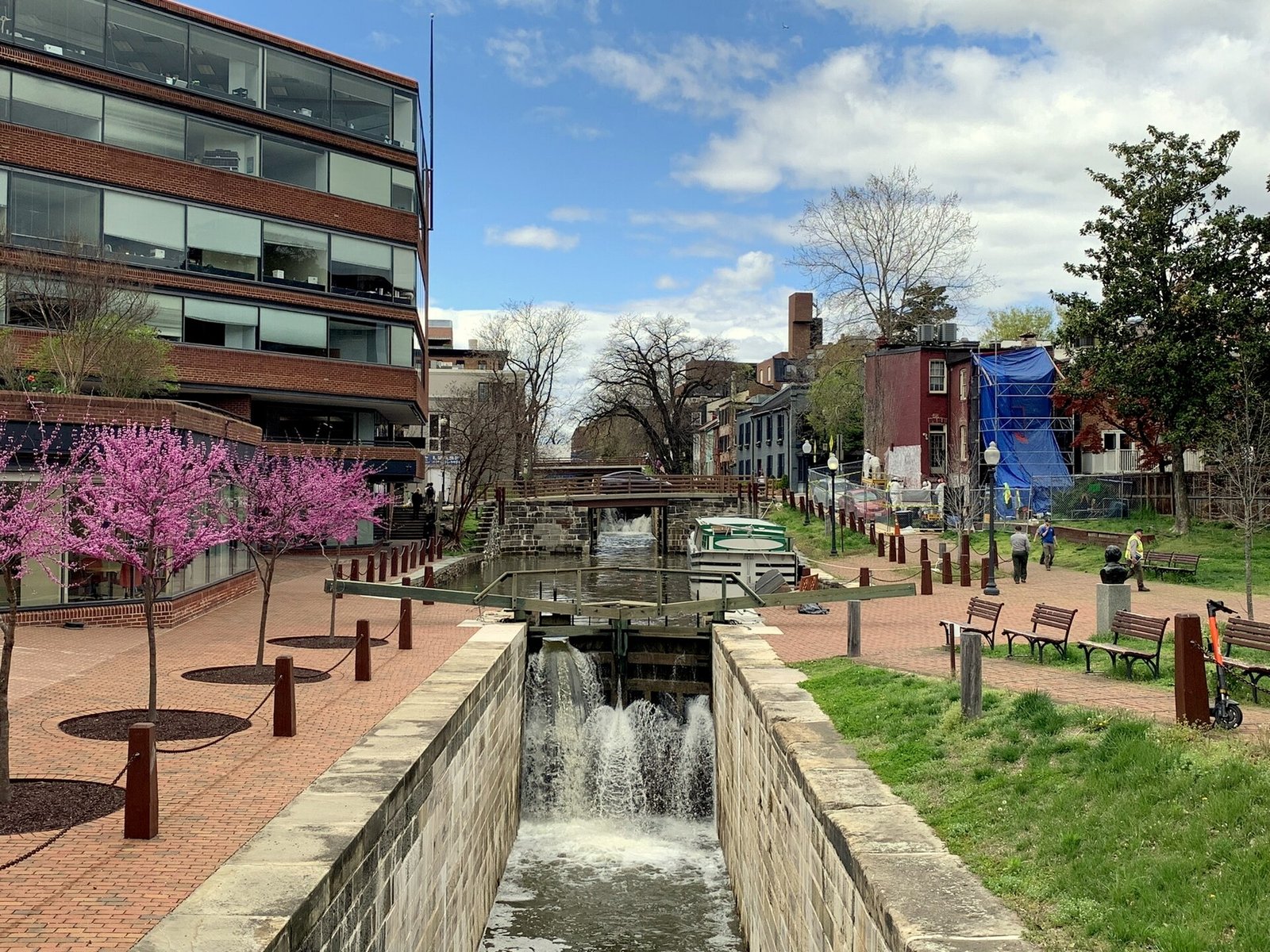
Spend your last morning in Georgetown, the oldest part of the city. It’s full of cobbled streets, Federal-style row houses and shops along M Street. Walk the towpath of the C&O Canal, then climb the steep Exorcist Steps if you like movie trivia.
Grab a cupcake if you must, but the better move is lunch by the water at Georgetown Waterfront Park. Georgetown has no Metro station, so take the DC Circulator bus or just walk from Foggy Bottom.
Day 3 afternoon: Arlington National Cemetery
Cross the river to Arlington National Cemetery. It’s a short Metro ride on the Blue Line. Visit the grave of John F. Kennedy and its eternal flame, and time your visit to see the Changing of the Guard at the Tomb of the Unknown Soldier, which happens every hour or half hour depending on the season.
It’s a quiet, powerful way to end the trip. The grounds are big and hilly, so give it at least two hours.
Where to stay
Stay near a Metro stop and you’ll be fine. Penn Quarter and Chinatown are central and close to the Mall. Dupont Circle has great restaurants and a more local feel. Capitol Hill is quieter and leafy. Hotels near the Wharf have water views but fewer Metro options.
Getting around
The Metro is clean, easy and covers almost everything on this list. Use a contactless card or phone to tap in. The Mall itself is best on foot, but it’s bigger than it looks on a map. FYI, a walk from the Capitol to the Lincoln Memorial is about two miles.
If you have extra time
Got a fourth day, or more energy than most people? There’s plenty more. The National Gallery of Art is free and world class, with a da Vinci painting and a whole modern wing. The National Archives holds the original Declaration of Independence and the Constitution. The National Zoo, also free, has giant pandas again.
For a break from the big sights, explore the U Street corridor, a historic center of Black culture with jazz clubs and Ben’s Chili Bowl. Or take a short trip across the river to Old Town Alexandria, a cute colonial waterfront town you can reach on the Metro or by water taxi from the Wharf. Mount Vernon, George Washington’s estate, is about 30 minutes further south and makes a great half day.
One more tip for museum days: most Smithsonians have security lines, and they move fastest right at opening. Arrive a few minutes before 10 a.m. and you’ll walk straight in.
Common questions
Is 3 days enough for Washington DC?
Yes. It covers the monuments, a few museums and a couple of neighborhoods comfortably.
Are the Smithsonian museums free?
Yes, all of them. A few, like the African American history museum, sometimes need a free timed pass.
Do I need to book the Capitol tour?
It’s best to. Tours are free but book up, especially on weekends.
When is the best time to visit DC?
Spring and fall. Late March to early April brings the cherry blossoms, and October is mild and less crowded.
Do I need a car in DC?
No. Parking is expensive and the Metro covers almost everything.