7 Stops for the Perfect Utah Road Trip
Southern Utah has five national parks, all within a few hours of each other, and the roads between them are some of the most beautiful in the country. That’s why a Utah road trip is on so many bucket lists.
In this guide
This route starts near Las Vegas and ends in Moab, with a bonus at the end. Here are the seven stops that make it work, and how to plan the drive.
1. Zion National Park
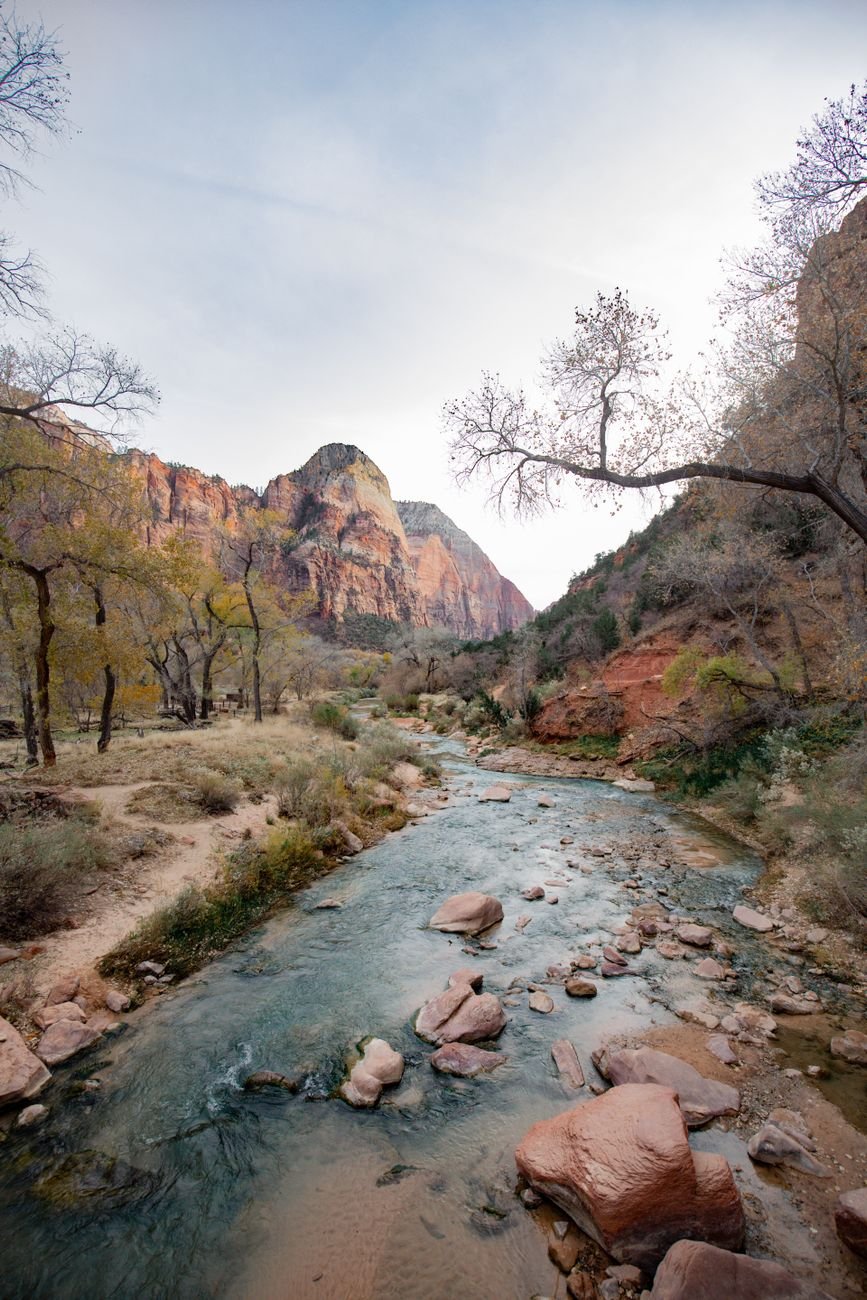
Zion is Utah’s most popular park, and the first stop on this route, about two and a half hours from Las Vegas. The main canyon is a deep, green valley with the Virgin River running between towering sandstone walls.
For most of the year, cars aren’t allowed on the scenic drive, so you take the free park shuttle. The Riverside Walk is easy and leads to the start of the Narrows, where you can wade up the river. Angels Landing needs a permit from a lottery, so apply ahead. Stay in Springdale, right outside the gate.
2. Bryce Canyon National Park
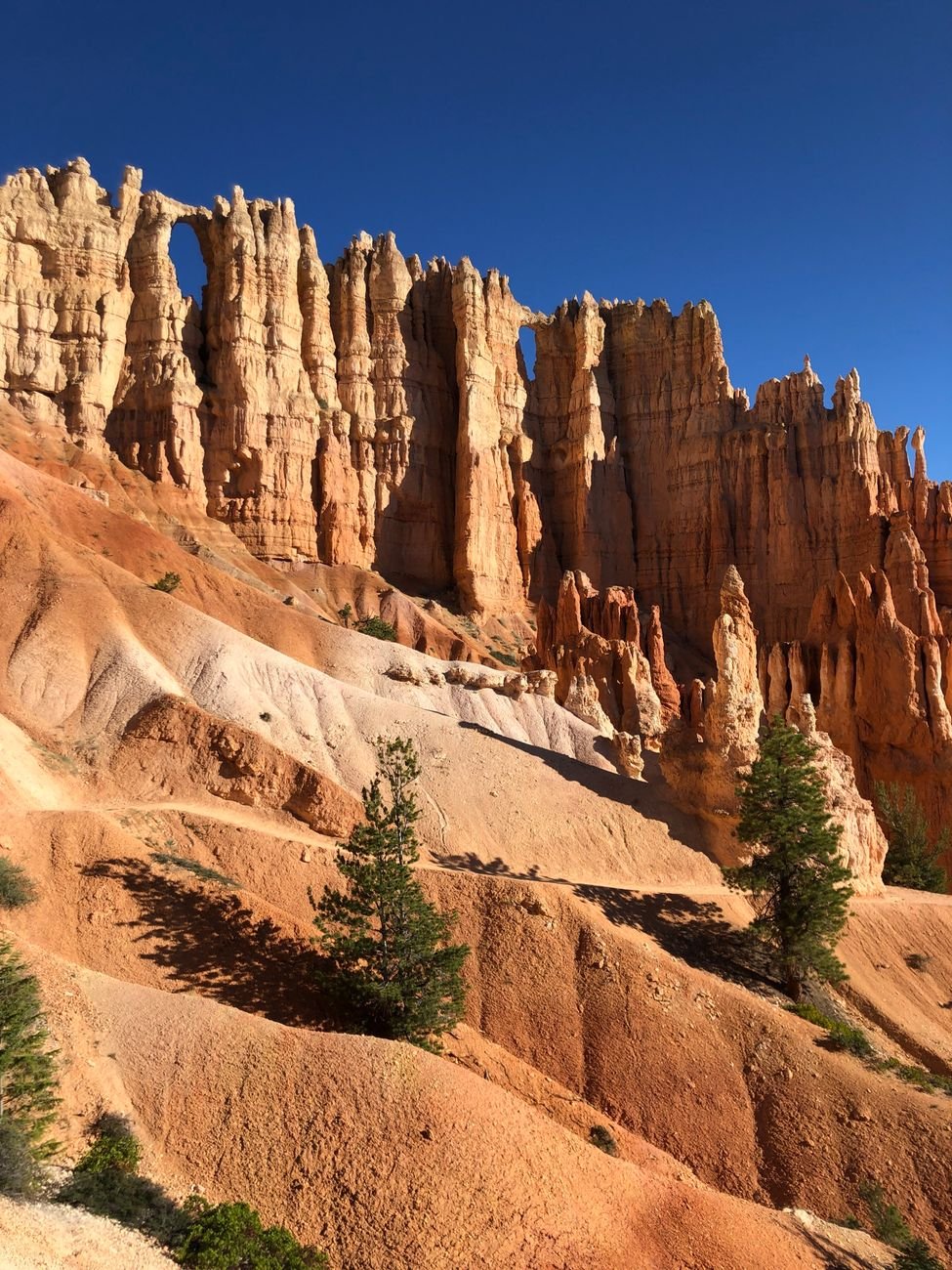
Bryce is about two hours from Zion, and it looks completely different. It isn’t really a canyon. It’s a series of natural amphitheaters filled with thousands of orange and pink rock spires called hoodoos.
Watch the sunrise from Sunrise Point or Inspiration Point, then hike down among the hoodoos on the Navajo Loop and Queen’s Garden trail. It’s about three miles, and the climb back up is the only hard part. Bryce sits at 8,000 feet, so it’s cooler than the other parks and can get snow well into spring.
3. Scenic Byway 12
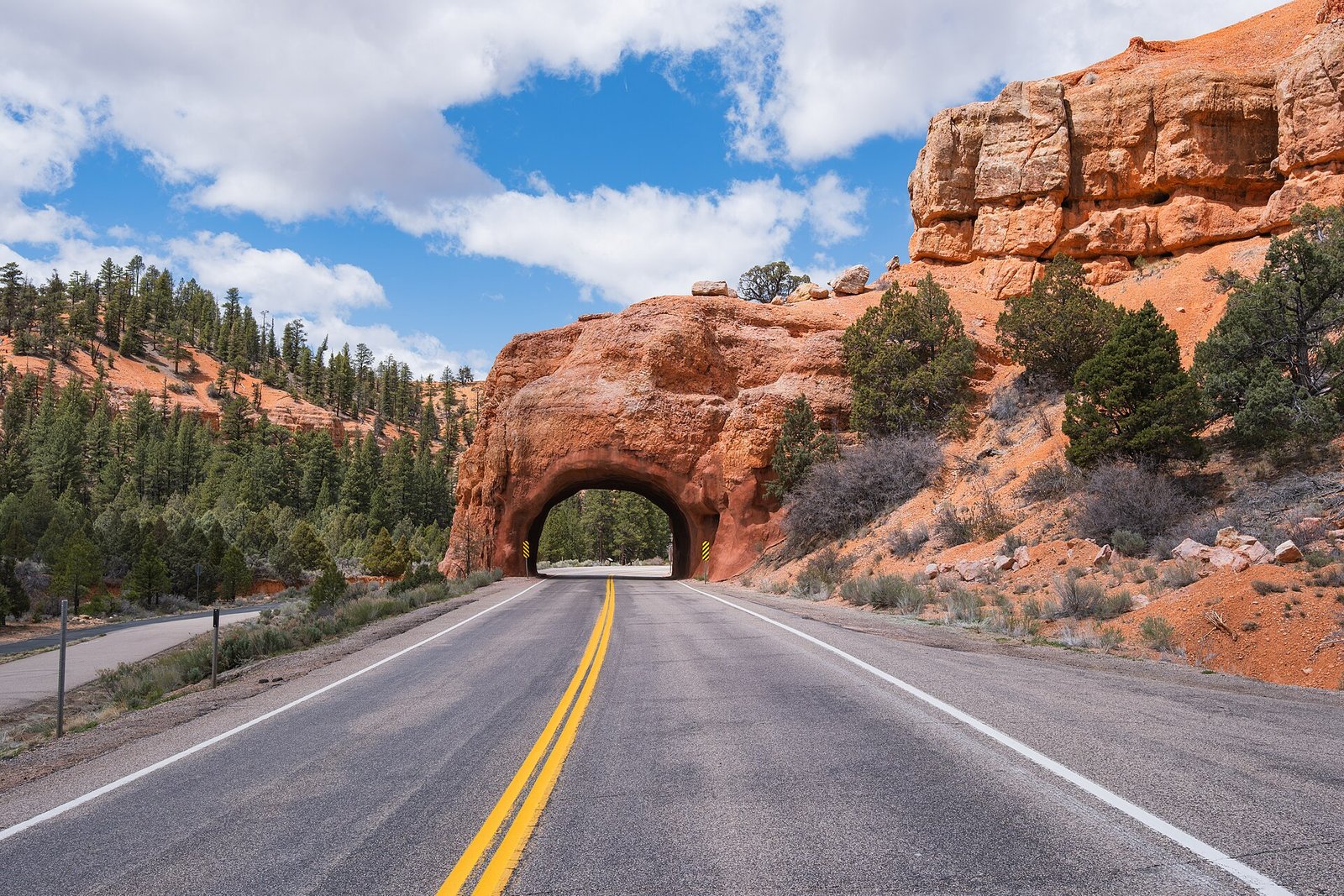
Between Bryce and Capitol Reef, Utah’s Highway 12 is a stop in itself. It’s one of the most beautiful roads in America, winding past slot canyons, red cliffs and pine forests.
The most dramatic part is the Hogsback, a narrow ridge with steep drops on both sides. Stop at Kodachrome Basin State Park for more strange rock spires, or hike to Lower Calf Creek Falls, about six miles round trip. Eat at Hell’s Backbone Grill in Boulder, which is famously good for such a remote spot.
4. Capitol Reef National Park
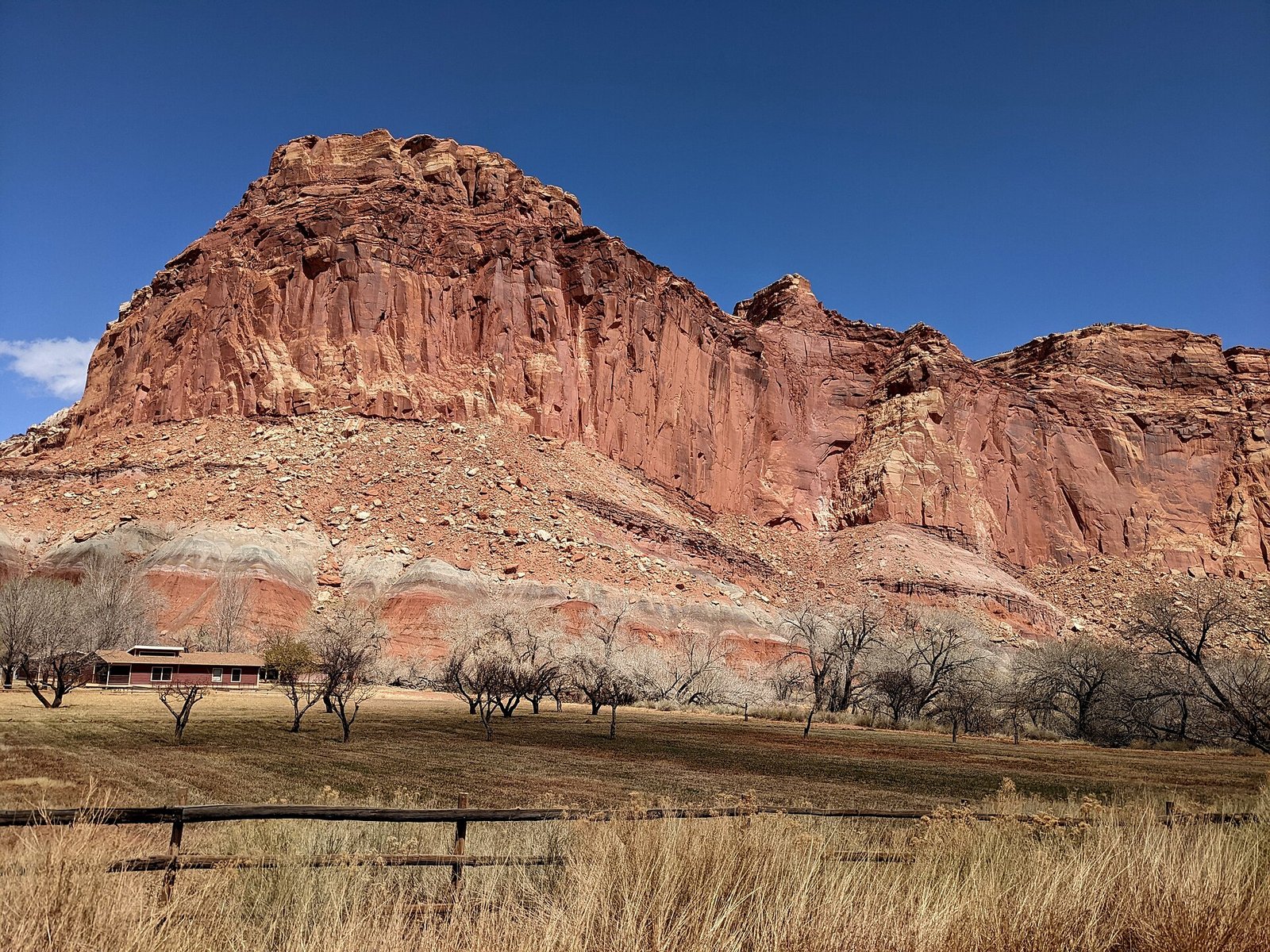
Capitol Reef is the least crowded of Utah’s big five, and it’s a real gem. It follows the Waterpocket Fold, a nearly 100-mile wrinkle in the earth’s crust with cliffs, domes and canyons.
In the historic Fruita district, you’ll find old orchards where you can pick fruit in season, and the Gifford Homestead, which sells small fruit pies. Get one. Then drive the Scenic Drive and walk the easy Grand Wash trail through a narrow canyon.
▶ Watch This Before You Go
5. Goblin Valley State Park
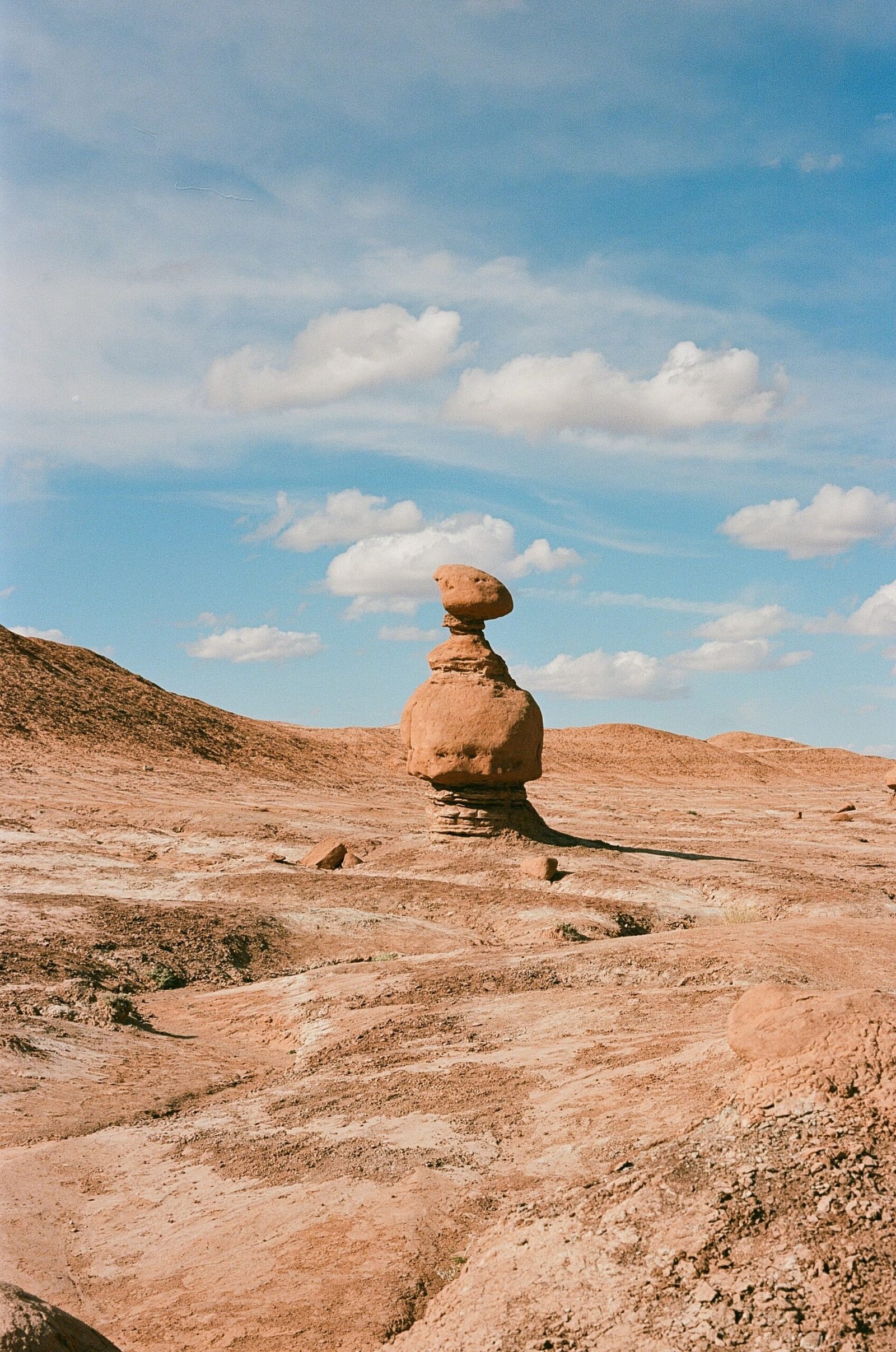
About an hour from Capitol Reef, Goblin Valley is a valley filled with thousands of mushroom-shaped rock formations. It looks like another planet, and parts of the movie Galaxy Quest were filmed here.
Unlike the national parks, there are no set trails in the main valley. You can just wander among the goblins and climb on them, which kids, and plenty of adults, love. It’s a quick, fun stop on the way to Moab. Bring lots of water, since there’s little shade.
6. Arches National Park
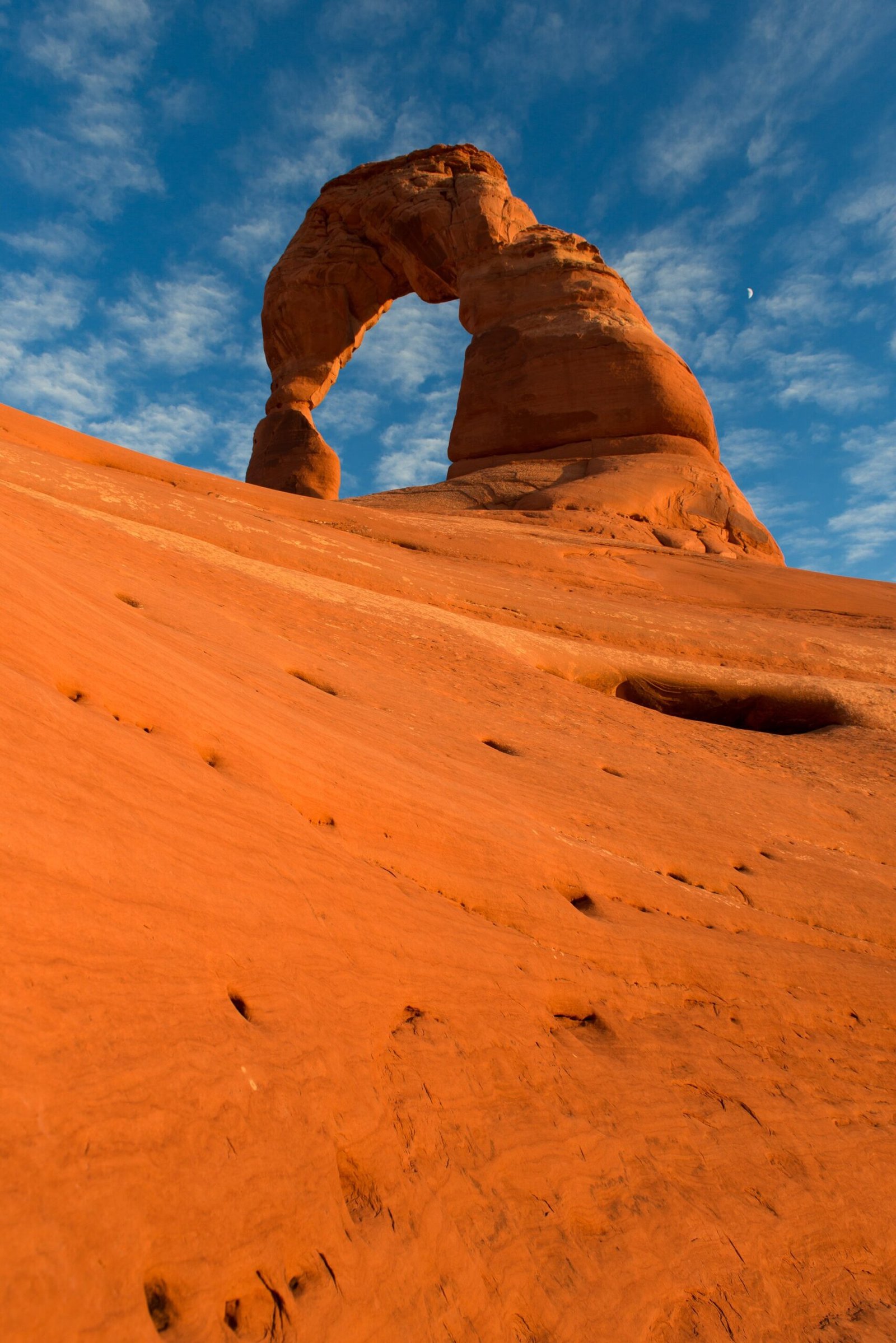
Arches, just outside Moab, has more than 2,000 natural stone arches. The most famous is Delicate Arch, the one on Utah’s license plates. The hike there is three miles round trip with a steady climb, and it’s best at sunset.
From April to October, you’ll need a timed entry reservation to drive into the park during the day, so book that as soon as your dates are set. The Windows Section and Double Arch are short walks from the car if you’re short on time.
7. Canyonlands and Dead Horse Point
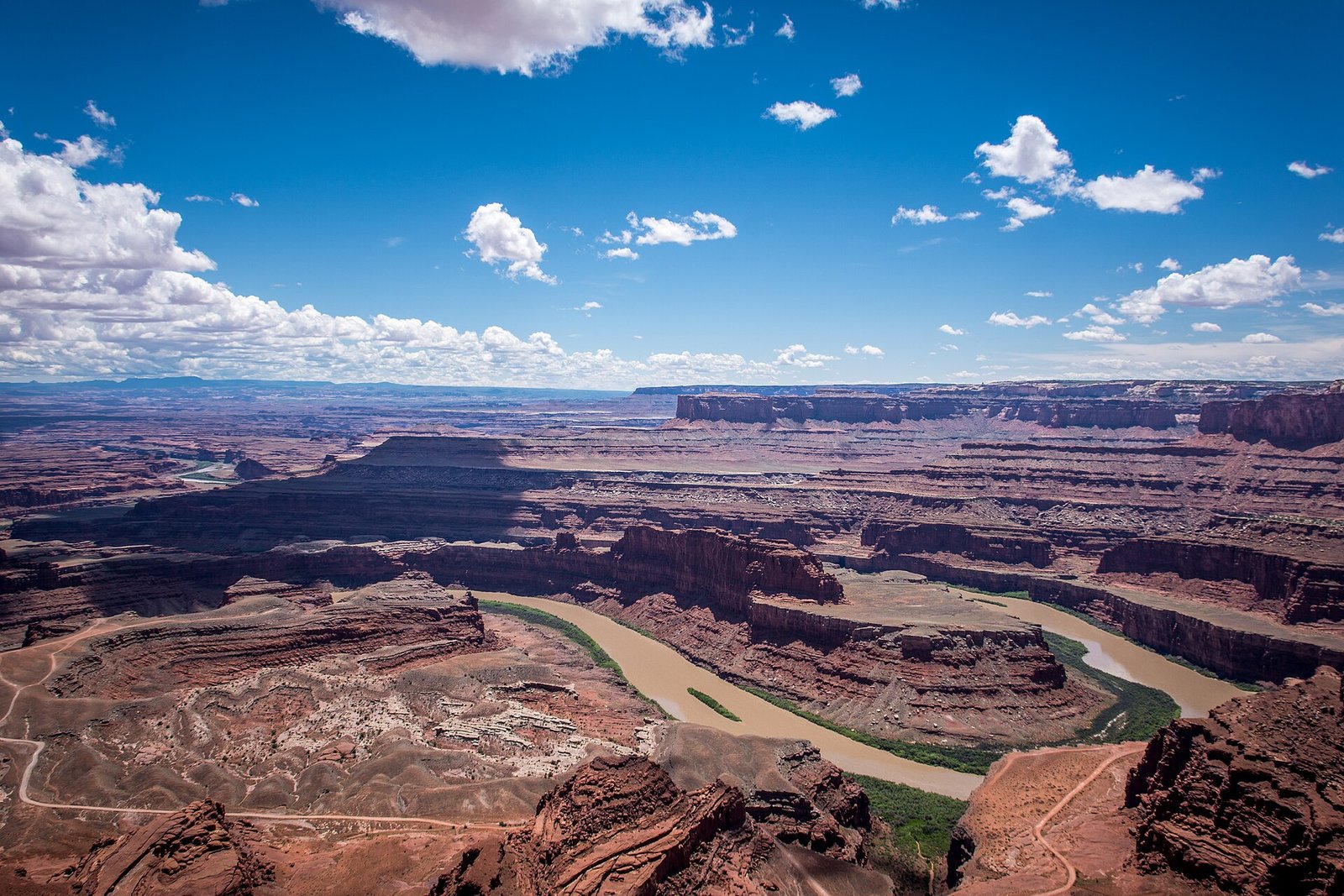
Canyonlands is the biggest national park in Utah, carved by the Colorado and Green Rivers. The Island in the Sky district, about 40 minutes from Moab, is the easiest to visit, with paved roads and huge overlooks.
Watch the sunrise at Mesa Arch, a short walk from the road. Then stop at Dead Horse Point State Park on the way back, where you’ll see the Colorado River making a dramatic bend 2,000 feet below. It’s one of the best views in the whole Southwest.
Bonus: Monument Valley
If you have an extra day, drive south from Moab to Monument Valley on the Arizona border, about two and a half hours away. The giant red buttes have starred in countless Westerns. It’s run by the Navajo Nation, so national park passes don’t cover entry.
How long do you need?
Seven to ten days is ideal. That gives you two days for Zion, one for Bryce, one for Highway 12 and Capitol Reef, and three in Moab for Arches and Canyonlands. With less time, skip one park instead of racing through all of them.
Tips for the drive
Distances look short on a map, but the roads are slow and winding, and you’ll stop constantly for photos. Plan on more time than your GPS suggests. Fill up the tank whenever you can, since gas stations get sparse between Bryce and Hanksville. Cell service drops out in long stretches, too, so download offline maps before you leave.
Carry more water than you think you need, plus snacks, sunscreen and a hat. The desert is dry and the sun is strong, even in spring. Honestly, the biggest mistake on this trip is trying to cram too much in. Give yourself slow mornings and you’ll enjoy it far more.
Where to sleep along the way
Springdale for Zion, Bryce Canyon City or Tropic for Bryce, Torrey for Capitol Reef and Moab for Arches and Canyonlands. Each has a mix of motels, lodges and campgrounds. Book early for spring and fall, since rooms near the parks sell out months ahead.
Common questions
What’s the best time for a Utah road trip?
Spring and fall. Summer is very hot, and winter can close roads around Bryce.
Where should I start?
Las Vegas is the closest big airport to Zion. Salt Lake City works if you’d rather run the route in reverse.
Do I need a special car?
No. Every stop here is reachable on paved roads in a normal car.
Do I need reservations?
For Arches timed entry in season and the Angels Landing permit, yes. Book hotels early, too.
Is the parks pass worth it?
Yes. At $80, it pays for itself after three national parks.