8 Places to Visit on a Pacific Northwest Road Trip
The Pacific Northwest packs more variety into a week than almost anywhere in the US. In one loop through Washington and Oregon, you’ll drive through a temperate rainforest, walk a wild beach covered in driftwood, look into the crater of a volcano and eat your way through two of the country’s best food cities.
In this guide
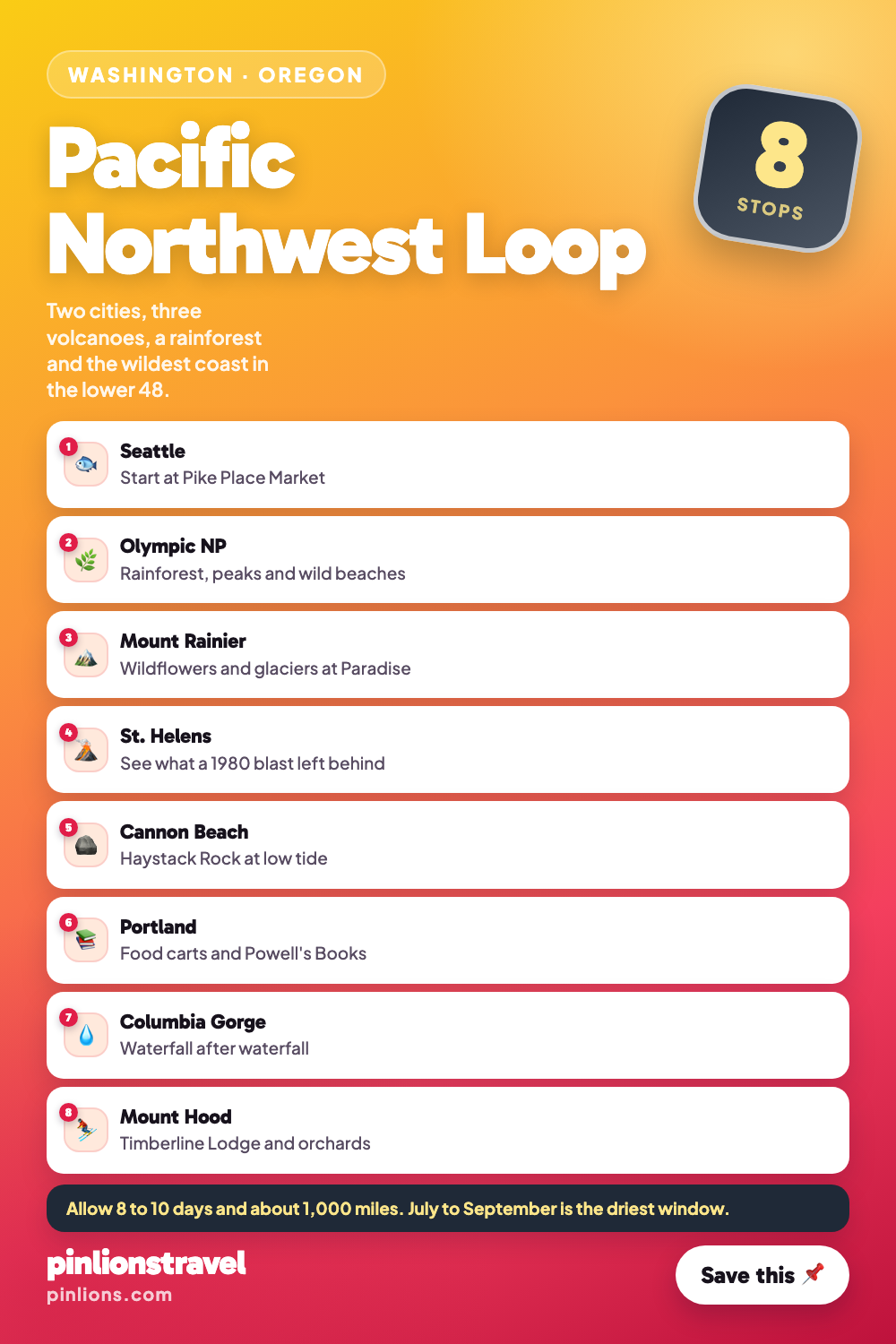
This route starts and ends in Seattle and takes eight to ten days. You could do it faster, but you’d spend most of it in the car. Here are the eight stops worth planning around.
1. Seattle
Start with a day or two in Seattle. Get to Pike Place Market early, before the crowds, to watch the fish throwers and grab breakfast. Then ride the ferry to Bainbridge Island and back. It’s cheap, it takes about 35 minutes each way, and it gives you the best view of the city skyline with the Olympic Mountains behind.
Pick up your rental car on the way out of town, not on day one. You don’t need a car in Seattle, and parking downtown is expensive.

2. Olympic National Park
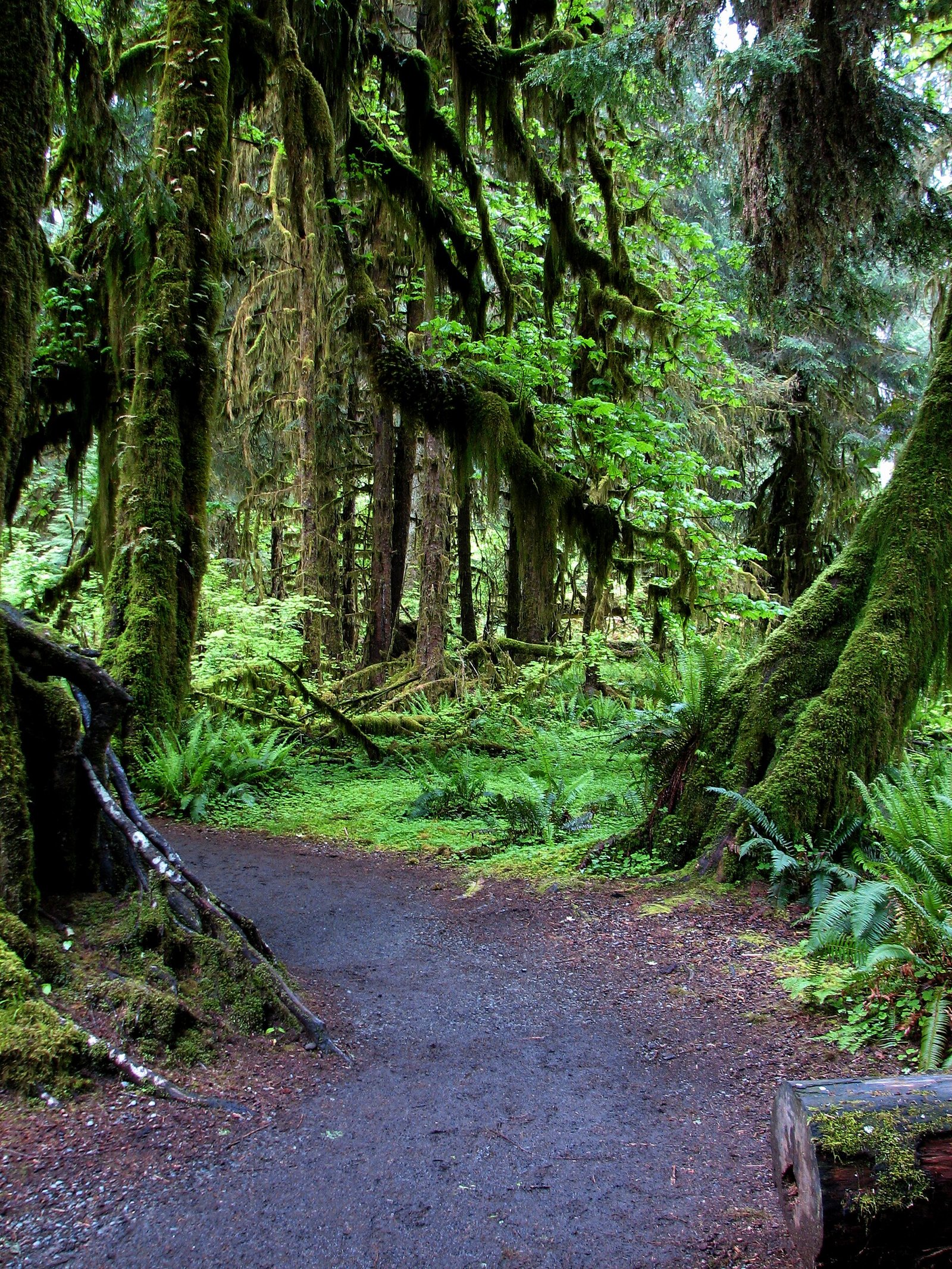
Olympic is the most varied national park in the country, with three completely different worlds in one place: snowy mountains, rugged Pacific coast and one of the few temperate rainforests in the world.
Don’t miss the Hoh Rain Forest. It gets 12 to 14 feet of rain a year, and the Hall of Mosses trail winds through giant maples dripping with green moss. It feels like a fairy tale. Then drive to Ruby Beach, where huge sea stacks rise out of the surf and bleached logs pile up on the sand. Plan at least two nights on the peninsula. The park is huge, and distances are longer than they look.
3. Mount Rainier
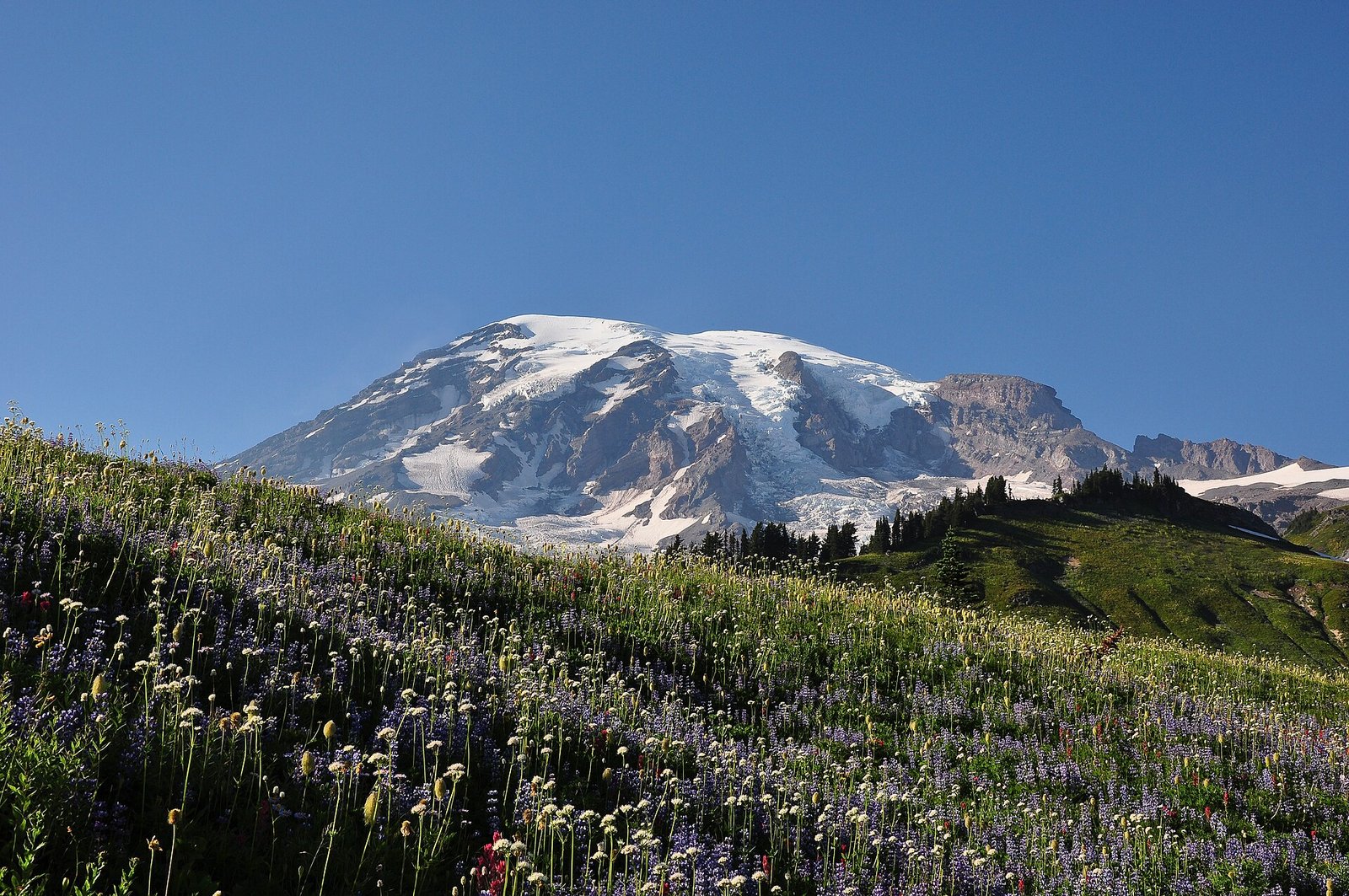
At 14,410 feet, Mount Rainier dominates the skyline for hundreds of miles. Head to Paradise, on the south side, where trails cross wildflower meadows with the glaciers right above you. The Skyline Trail is the classic hike, and even the first mile is spectacular.
Check the park’s website before you go. In recent summers, a timed entry reservation was needed for the busiest part of the park. And the road to Sunrise, on the east side, usually closes for the season by early October.
4. Mount St. Helens
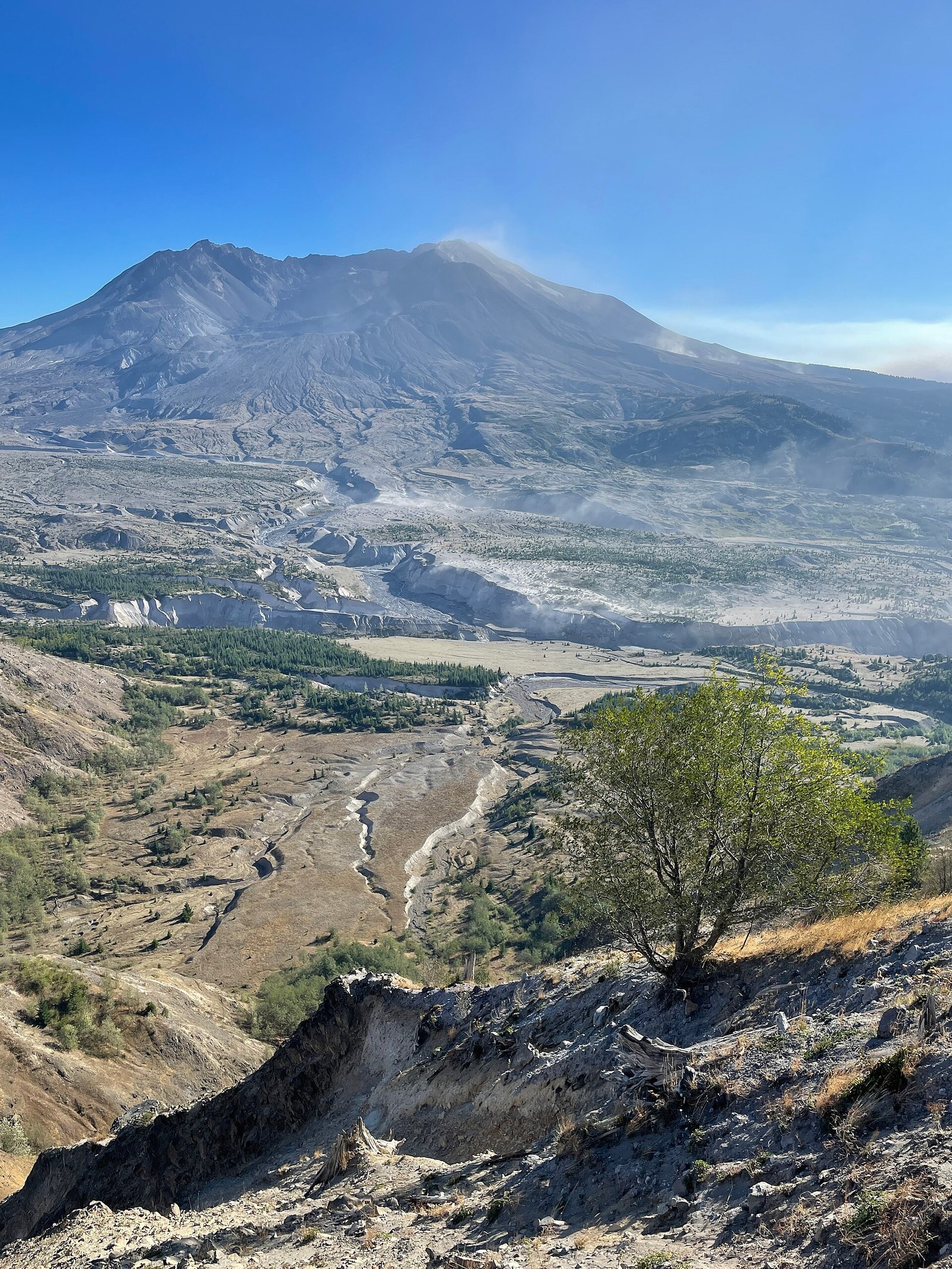
In 1980, Mount St. Helens blew its top in the deadliest volcanic eruption in US history. The blast flattened forests for miles. More than 40 years later, you can still see the gray, bare landscape and the open crater, along with the forest slowly growing back.
The main road to Johnston Ridge Observatory was cut by a landslide in 2023, so check which viewpoints are open before you plan. On the south side, you can walk through Ape Cave, a long lava tube. Bring two light sources and a warm layer, since it stays around 42°F inside all year.
5. Cannon Beach
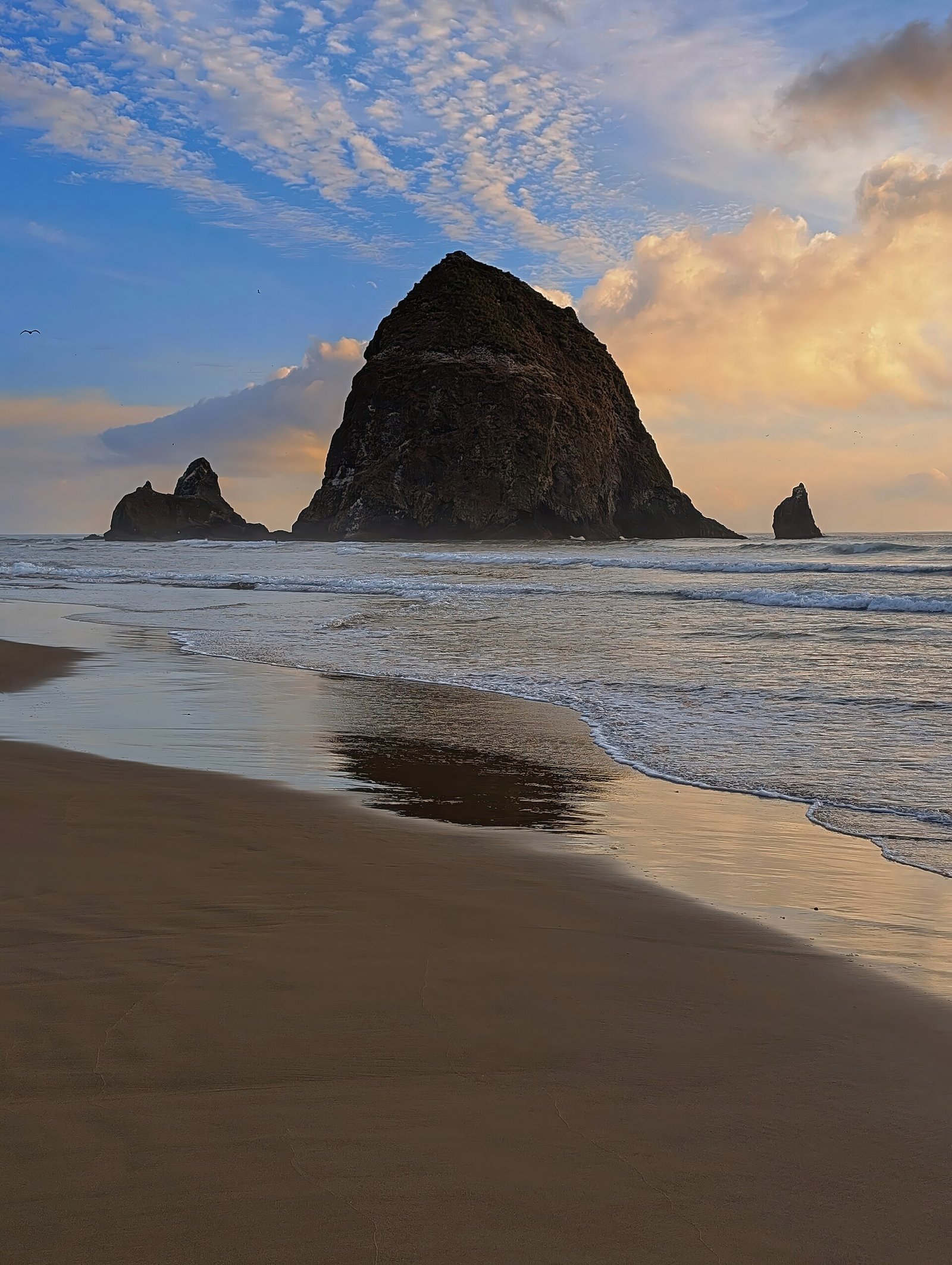
Cross into Oregon and head for the coast. Cannon Beach is the prettiest town on the northern Oregon coast, with cedar-shingled cottages, galleries and a wide sandy beach. Haystack Rock, a 235-foot sea stack, rises right out of the surf.
Go at low tide, when you can walk right up to the base of the rock and see the tide pools full of starfish and sea anemones. Just north of town, Ecola State Park has a stunning view back down the coast. If you have time, drive south to see more of the coast before turning inland.
6. Portland
Portland is a fun, relaxed city with great food and a quirky streak. Lose an hour or three in Powell’s City of Books, which fills a whole city block. Eat at the food cart pods, which serve every cuisine you can think of. And walk through the Portland Japanese Garden in Washington Park, one of the most beautiful in the world outside Japan.
Oregon has no sales tax, so if you need to buy anything for the trip, this is the place to do it.
7. The Columbia River Gorge
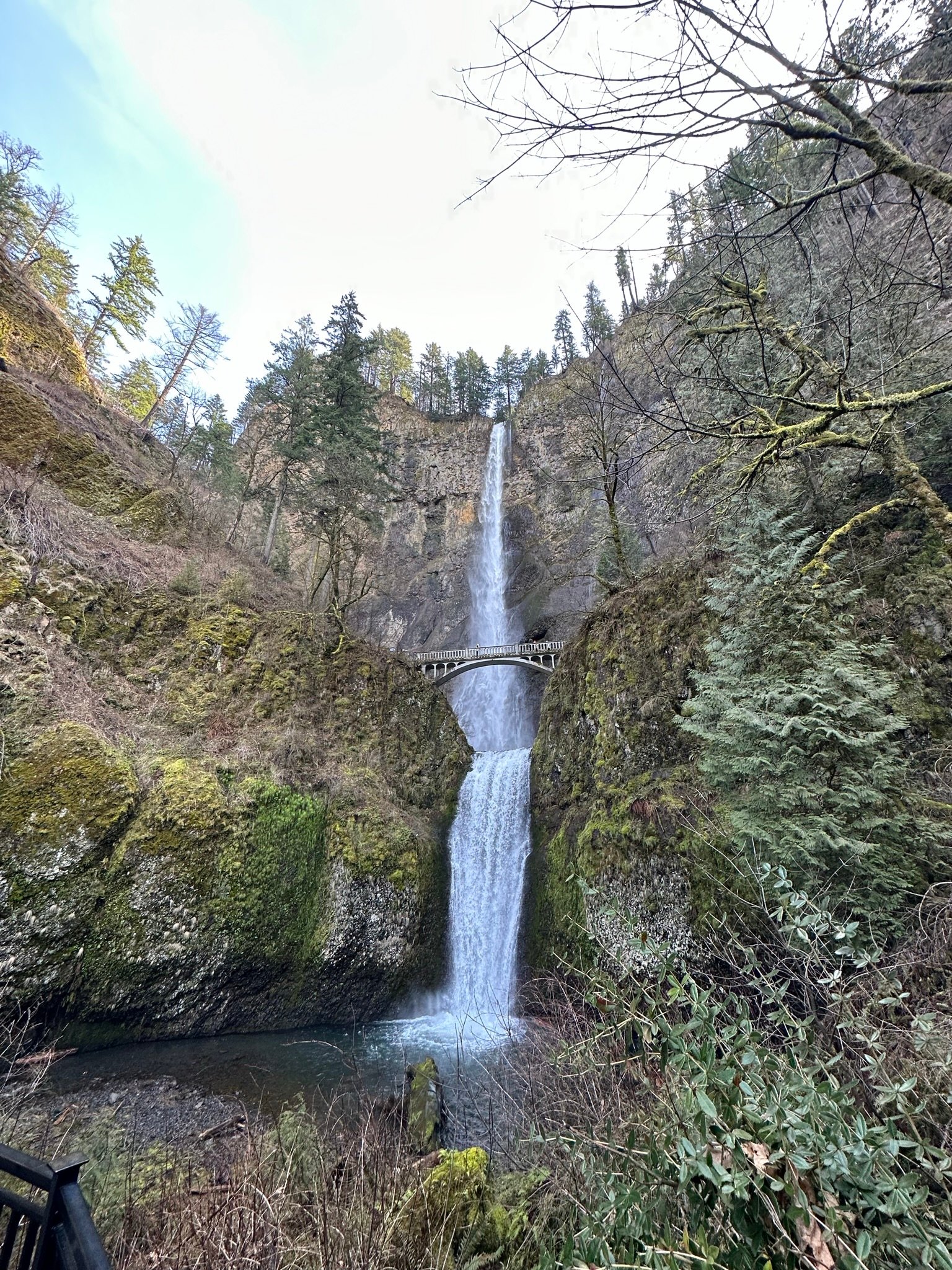
Just 30 minutes east of Portland, the Columbia River has carved a huge canyon through the Cascade Mountains. The Historic Columbia River Highway winds past more than a dozen waterfalls, one after another.
The most famous is Multnomah Falls, which drops 620 feet in two tiers. It’s busy, but it’s still breathtaking. For something quieter, walk to Latourell Falls or Wahkeena Falls nearby. Note that in summer, a timed permit is usually needed to drive the busiest part of the waterfall corridor.
▶ Watch This Before You Go
8. Mount Hood and Hood River
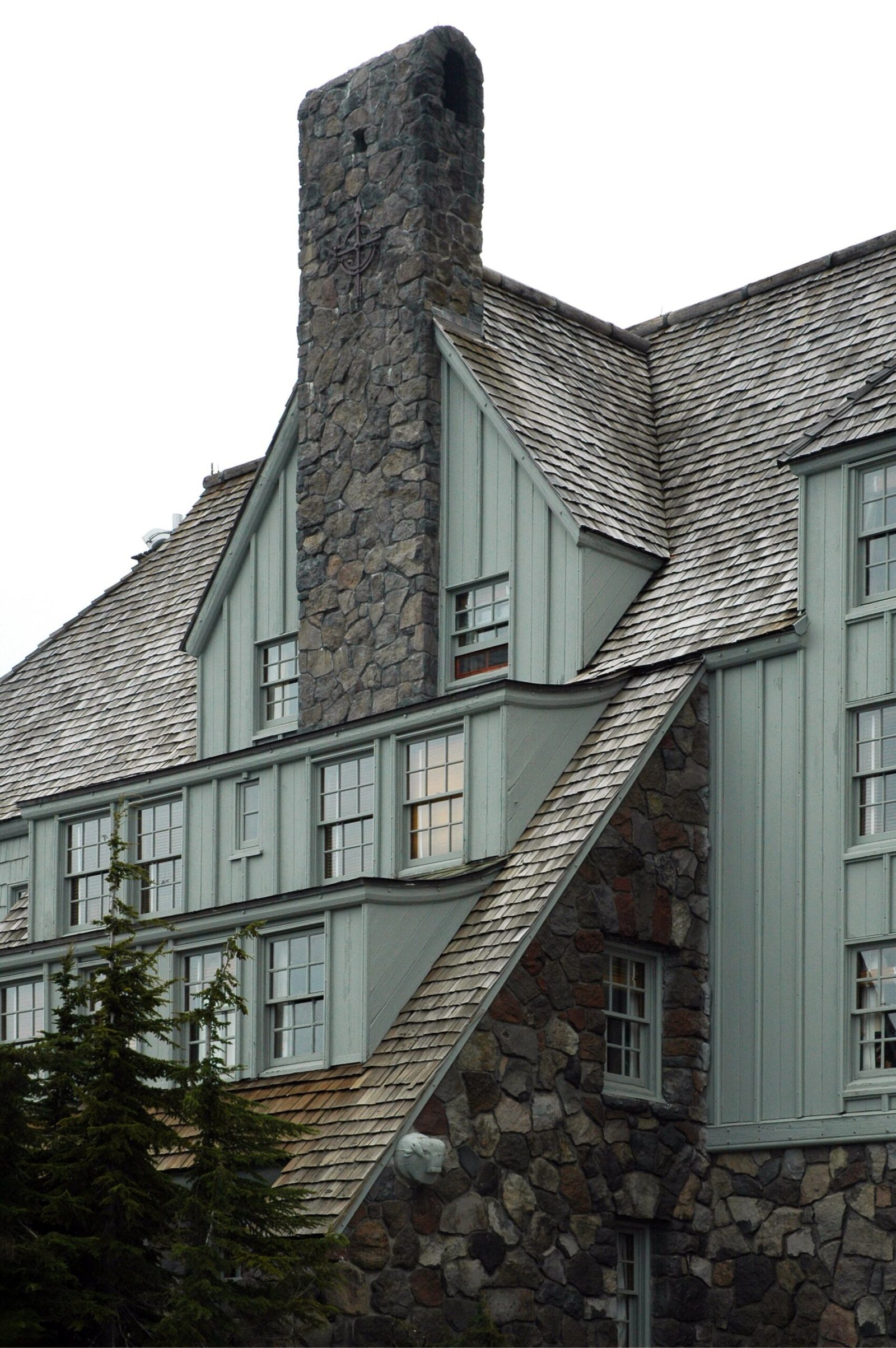
From the Gorge, loop south around Mount Hood, Oregon’s tallest peak. Stop at Timberline Lodge, a rustic stone and timber lodge built in the 1930s. You might recognize the outside from the film The Shining. You can ski on the glacier above it almost all year.
In the valley below, the town of Hood River is surrounded by orchards and farm stands. The Fruit Loop drive is best in the fall, when the apples and pears are ripe and the cider is fresh. Then it’s about four hours back to Seattle, or you can end the trip in Portland.
Suggested route
Seattle, two days. Olympic Peninsula, two nights. Down the coast to Cannon Beach, one night. Portland, two nights. Columbia River Gorge and Mount Hood, one night. Then back north via Mount St. Helens and Mount Rainier, one or two nights. It’s about 1,000 miles in total, and it’s a very full eight to ten days.
When to go
July to September is the driest and most reliable time, and the mountain roads are open. Early October is lovely, with fall color and fewer people, but some high roads start to close. The rest of the year is rainy, though the waterfalls are at their best.
Common questions
How long should a Pacific Northwest road trip be?
Eight to ten days for this loop. With a week, skip either the Olympic Peninsula or Mount Hood.
Do I need a park pass?
An America the Beautiful pass covers the national parks and most federal sites on this route, and it pays for itself quickly.
Is it better to start in Seattle or Portland?
Either works. Fly into whichever is cheaper. One-way rentals between them often cost more.
What should I pack?
Layers and a rain jacket, even in summer. The coast can be 55°F and foggy while Portland is 90°F.
Can I see Canada on the same trip?
Yes. Vancouver is about three hours north of Seattle. Bring your passport and allow time at the border.