6 Things to Do in Tucson That Make It Worth Visiting
Most Arizona trips go Phoenix, Sedona, Grand Canyon. Tucson rarely makes the cut, and I think that’s a mistake. It’s smaller, slower and a lot more relaxed than Phoenix, with mountains on every side and the best Mexican food I’ve had north of the border.
In this guide
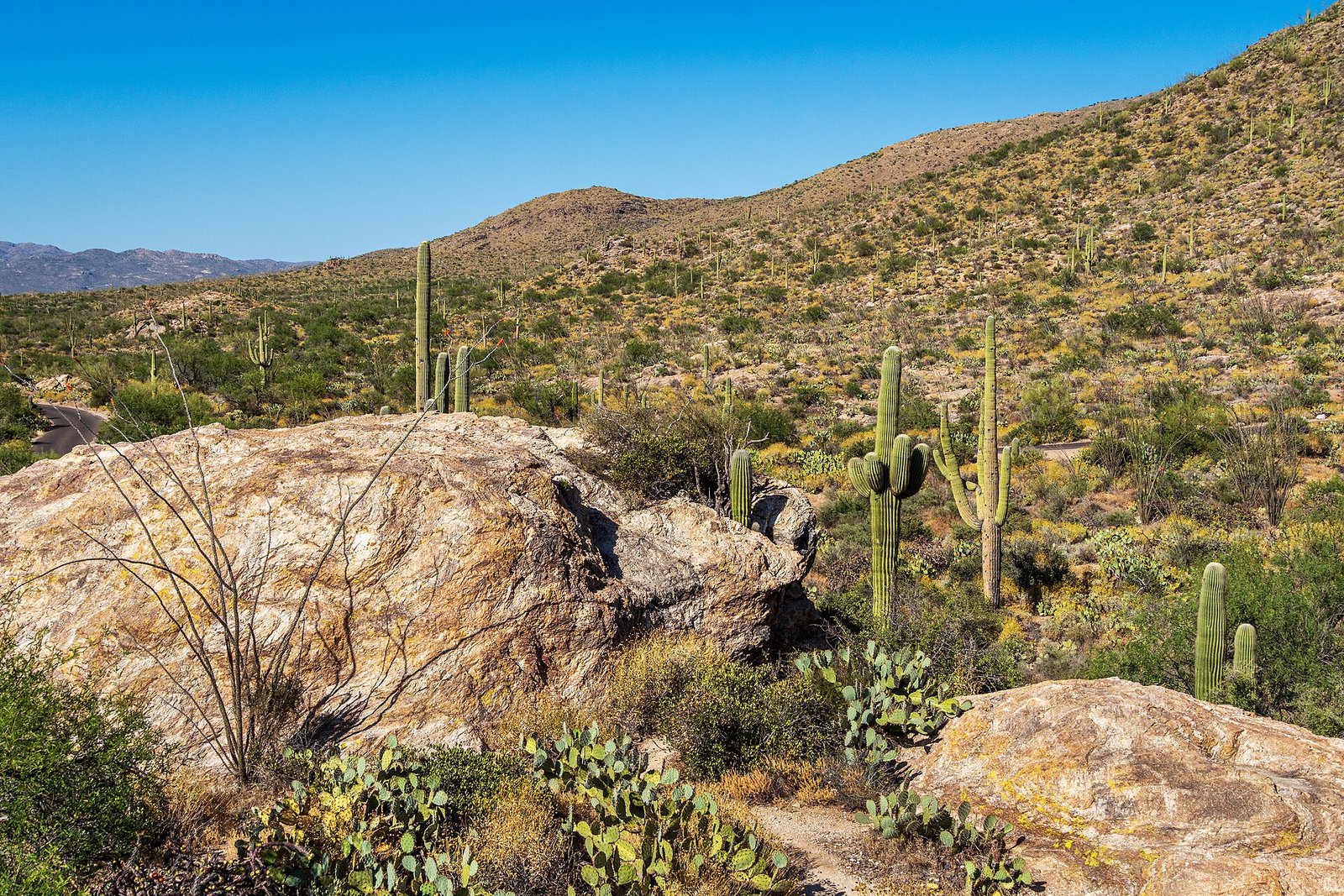
It’s also surrounded by the Sonoran Desert at its most dramatic, with those giant, arm-waving saguaro cacti everywhere. Here are six things that make Tucson worth the detour.
1. Watch the sunset in Saguaro National Park
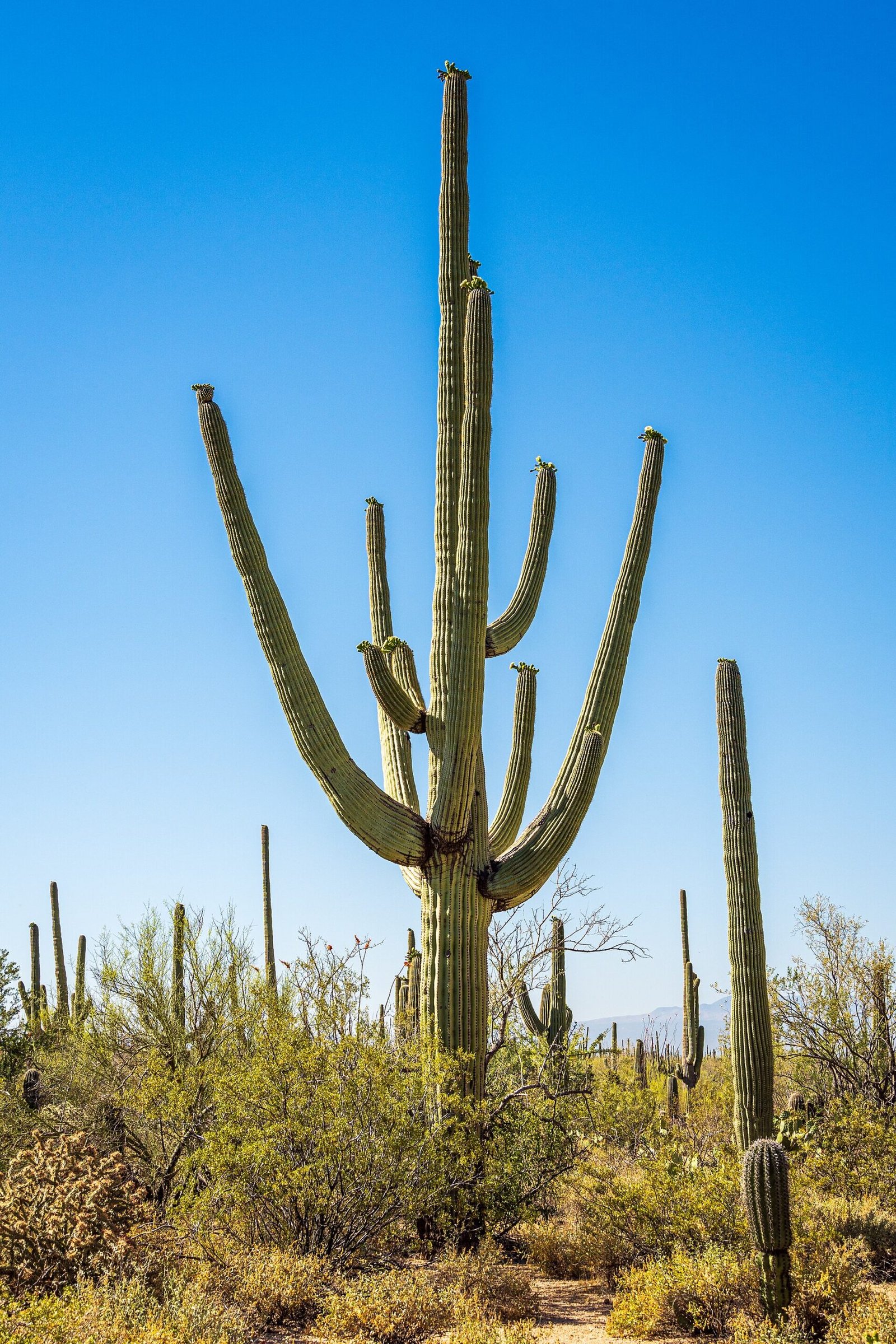
Saguaro National Park is split in two, with Tucson in the middle. The west side, the Tucson Mountain District, has the densest forests of saguaros. The east side, the Rincon Mountain District, has the Cactus Forest Loop Drive, an eight-mile paved road that’s easy to do in an hour.
Saguaros grow painfully slowly. A big one with several arms can easily be over a hundred years old. Go in the late afternoon, take a short trail like the Valley View Overlook on the west side, and stay for sunset when the cacti turn into black silhouettes against an orange sky. It’s the picture you came for.
2. Visit Mission San Xavier del Bac
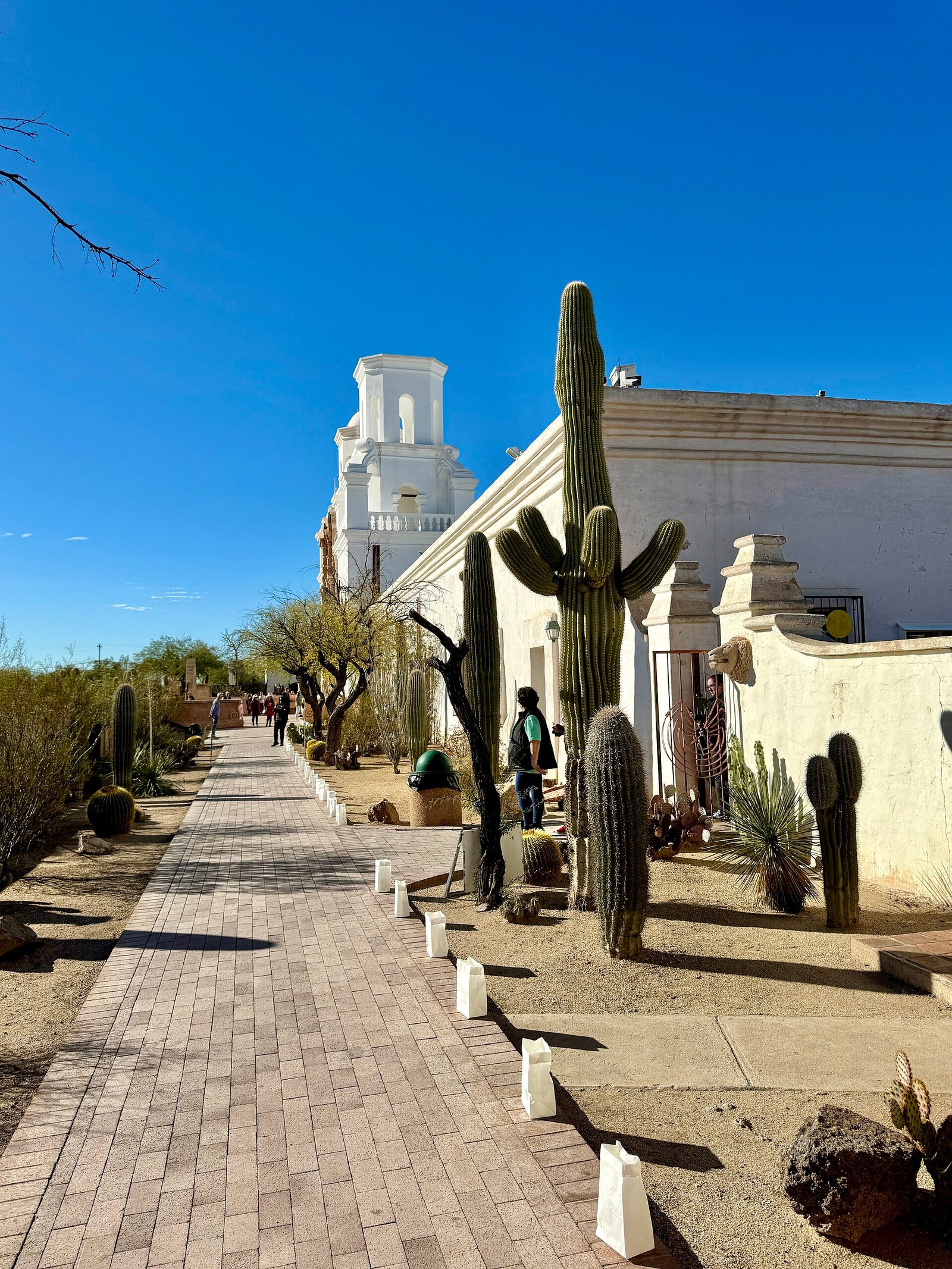
About 10 miles south of downtown, Mission San Xavier del Bac rises out of the desert like something from a dream. Locals call it the White Dove of the Desert. The church was finished in 1797, and it’s still an active parish serving the Tohono O’odham Nation, on whose land it stands.
Inside, every surface is covered in painted saints, angels and carvings. It’s free to visit, though a donation helps with the long restoration. Be respectful, since Mass is still held here. Outside, look for the fry bread sold by local vendors in the plaza.
3. Spend a morning at the Arizona-Sonora Desert Museum
Don’t let the name fool you. This isn’t a building full of glass cases. It’s a mix of zoo, botanical garden and natural history museum, and about 85 percent of it is outdoors on two miles of desert paths.
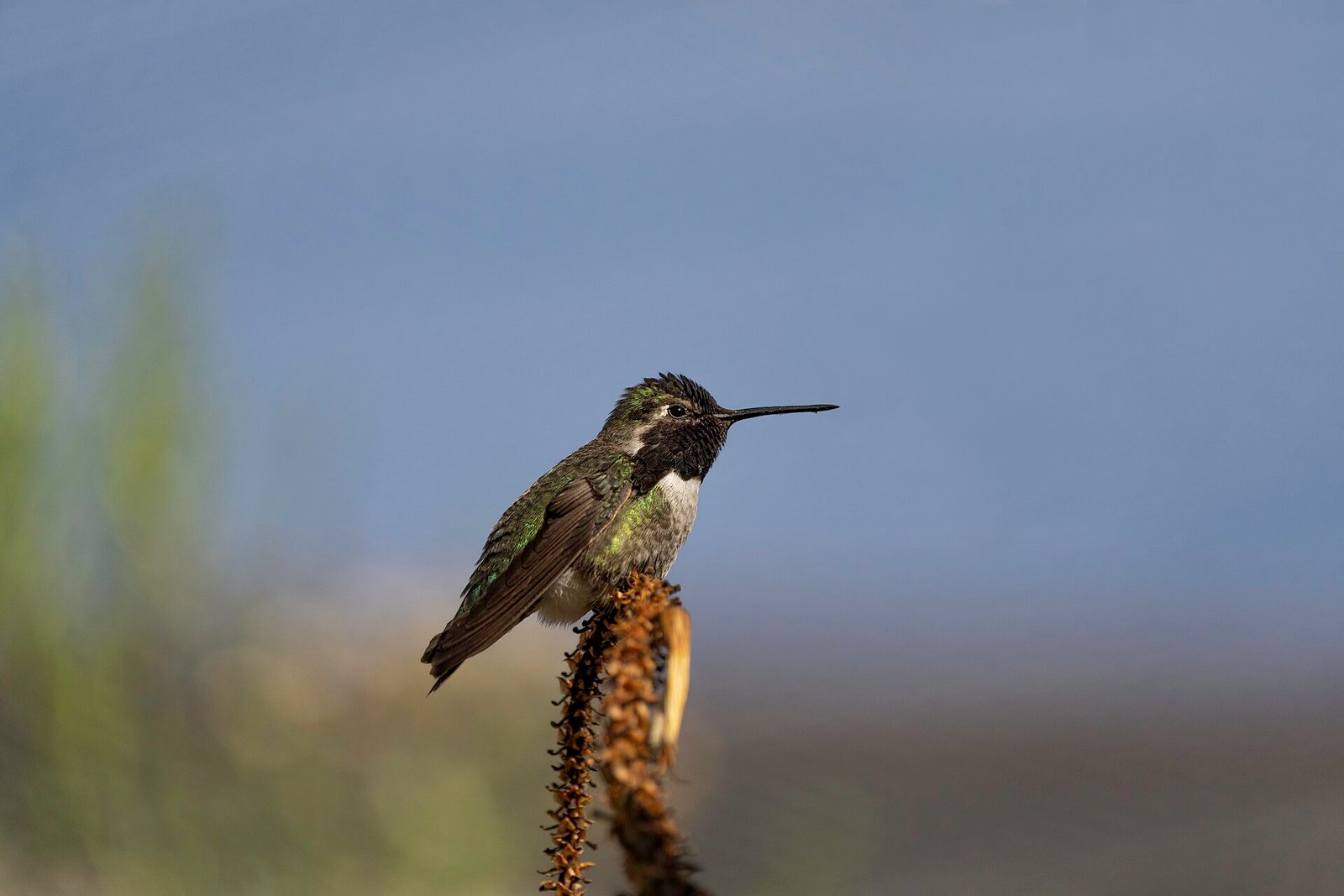
You’ll see mountain lions, coyotes, javelinas, hummingbirds and a lot of snakes, all native to the region. From late October to April, the free-flight raptor show is the highlight, with hawks and owls swooping right over your head. Plan at least half a day, wear a hat and go early before the heat builds.
4. Hike Sabino Canyon
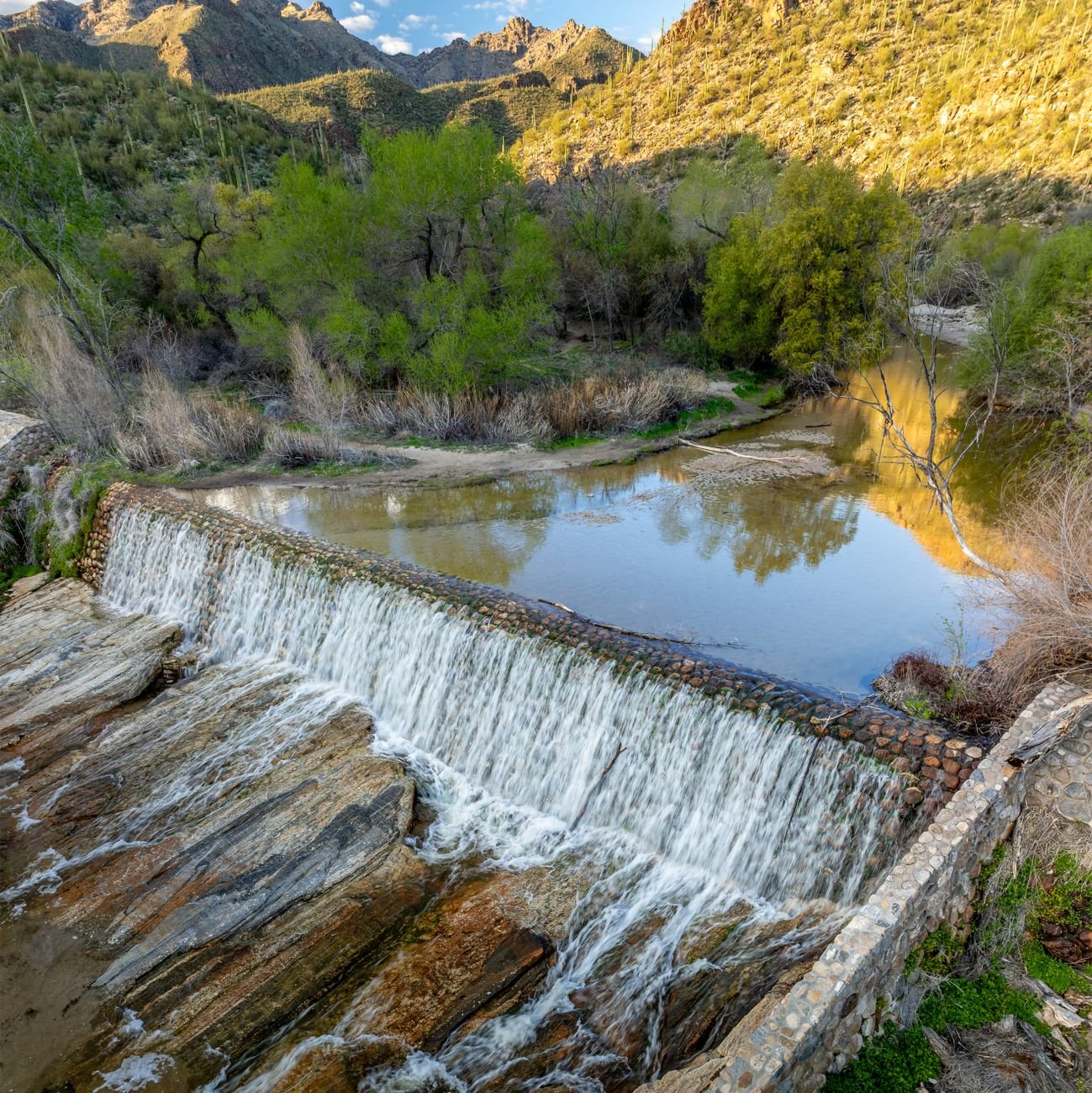
Sabino Canyon is Tucson’s favorite place to get outside. It’s a deep canyon in the foothills of the Santa Catalina Mountains, with a creek running through it for much of the year. After the winter rains, there are pools and small waterfalls.
The easy way to see it is the narrated tram, which drives you up the paved road to the top of the canyon. Here’s my tip: take it up and walk the four miles back down. It’s gentle and downhill the whole way. If you want a real hike, the trail to Seven Falls is about eight miles round trip and worth it.
5. Drive up Mount Lemmon
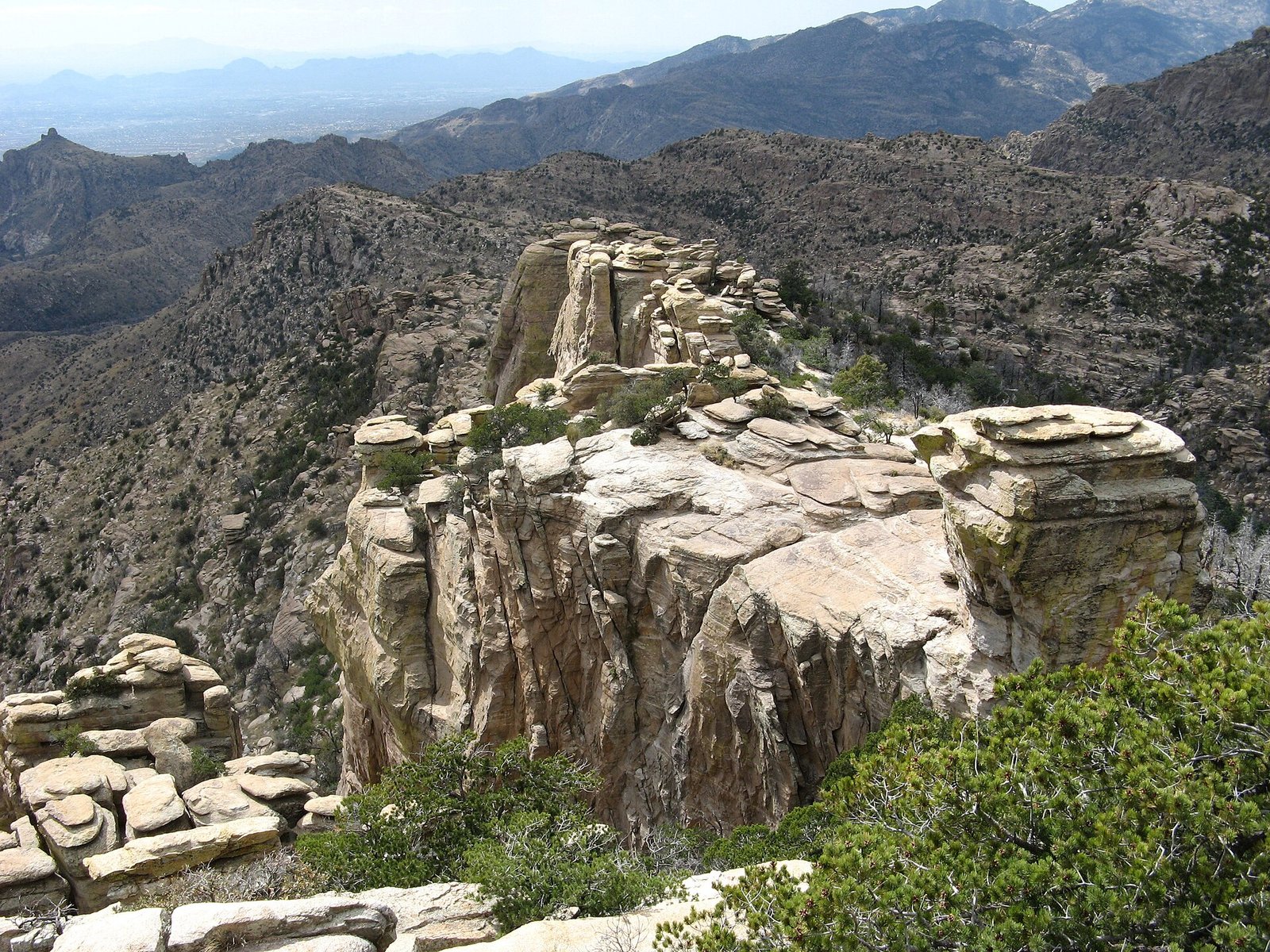
This is the thing that surprised me most. In about an hour, the Catalina Highway climbs from saguaro desert to pine forest at over 9,000 feet. Along the way, the scenery changes as much as if you’d driven from Mexico to Canada. It’s often 20 to 30 degrees cooler at the top.
There are pull-offs every few miles with views of strange, stacked rock formations. Windy Point Vista is the best one. At the top, the tiny village of Summerhaven has a cookie cabin selling enormous cookies, and in winter there’s even a small ski area. Fill up on gas before you go, since there’s nowhere to do it on the mountain.
▶ Watch This Before You Go
6. See the planes at Pima Air and Space Museum
Tucson’s dry desert air is perfect for storing aircraft, and that’s why the city is home to one of the largest aviation museums in the world. The Pima Air and Space Museum has hundreds of planes, from World War II bombers to a former Air Force One and a SR-71 Blackbird spy plane.
Many are parked outdoors across a huge lot, so a tram tour helps. Next door is the famous Air Force “boneyard,” where thousands of retired military planes sit in long rows. Check whether bus tours of it are running before you go, since they’ve been on and off in recent years.

What to eat in Tucson
Tucson was the first city in the US to be named a UNESCO City of Gastronomy, and it earns it. The thing to try is the Sonoran hot dog, wrapped in bacon and piled with beans, onions, tomatoes, mustard and mayo in a soft bun. El Güero Canelo is the famous spot.
Also try carne asada, flour tortillas so thin you can see through them, and the cheese crisp, a Tucson specialty. South Fourth Avenue has some of the best cheap Mexican food in town.
Walk Barrio Viejo
When you need a break from the desert, take a walk through Barrio Viejo, just south of downtown. It’s a neighborhood of brightly painted adobe row houses from the late 1800s, and it’s one of the most photogenic streets in Arizona. It’s a living neighborhood, though, so keep your voice down and stay off the porches.
When to go
October to April is perfect, with sunny days in the 70s and 80s. Spring brings wildflowers and blooming cacti. Summer is extremely hot, often over 100°F, though July and August bring dramatic monsoon thunderstorms in the afternoons.
Common questions
Is Tucson worth visiting?
Yes. It’s a great base for the desert, with mountains, a national park, unique history and excellent food, all at lower prices than Phoenix or Sedona.
How many days do I need in Tucson?
Three days lets you see the highlights at a relaxed pace. Two is enough if you skip Mount Lemmon.
Do I need a car?
Yes. The sights are spread out, and none of the parks are reachable by public transit.
Is Tucson better than Phoenix for visitors?
For nature and food, I’d say yes. Phoenix is better for resorts, golf and big-city nightlife.
Can I visit Saguaro National Park in summer?
You can, but only at sunrise or sunset. Midday heat on exposed trails can be dangerous, so carry far more water than you think you’ll need.