7 Things to Do in Denver in Winter
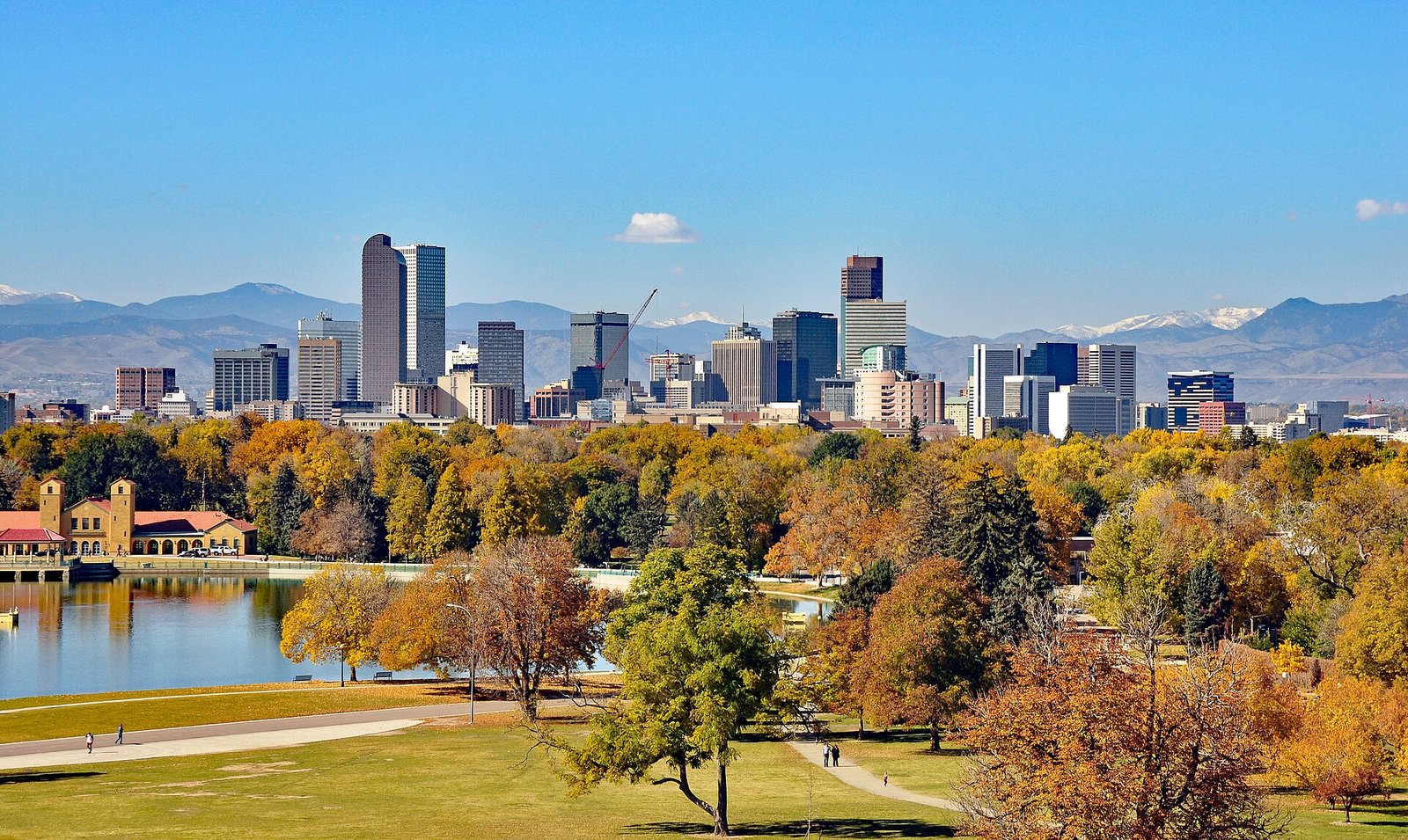
People picture Denver in winter as a frozen tundra. It isn’t. The city sits on the plains, east of the mountains, and gets far more sunshine than you’d expect. A snowstorm can drop half a foot overnight and by the next afternoon it’s 50 degrees and people are on patios.
In this guide
- 1. Drink mulled wine at the Christkindl Market
- 2. See Blossoms of Light at the Botanic Gardens
- 3. Take the ski train to Winter Park
- 4. Hike Red Rocks after a snowfall
- 5. Skate on Evergreen Lake
- 6. Spend an afternoon at the Denver Art Museum
- 7. Visit Georgetown’s Christmas Market
- What the weather is really like
- Common questions
That’s the trick to Denver in winter: you get the snowy mountains an hour away when you want them, and a mild, sunny city when you don’t. Here are seven things to do between November and March.
1. Drink mulled wine at the Christkindl Market
Every year from mid-November until just before Christmas, a German Christmas market sets up downtown. It’s one of the better ones in the US, with wooden huts selling ornaments, bratwurst, pretzels and hot spiced wine served in a souvenir mug.
Go in the evening when the lights come on. Afterwards, walk to Larimer Square, Denver’s oldest block, which hangs strings of lights across the street in winter. It’s touristy but it does look good at night, and the restaurants there are some of the best in the city.

2. See Blossoms of Light at the Botanic Gardens
From late November into early January, the Denver Botanic Gardens turn into a holiday light show called Blossoms of Light. It’s a walk-through route lit by over a million lights, wrapped around trees and strung over the paths, with music in a few spots.
It’s popular. Timed tickets go on sale in the fall and the weekend nights before Christmas sell out, so buy as early as you can. Weeknights are calmer. Dress warmly, because once the sun goes down in Denver the temperature drops fast.
3. Take the ski train to Winter Park
This is one of the most fun ways to ski in the US. On winter weekends, the Winter Park Express runs from Denver Union Station straight to the base of Winter Park Resort, a two-hour ride through the mountains and through the Moffat Tunnel, which goes under the Continental Divide.
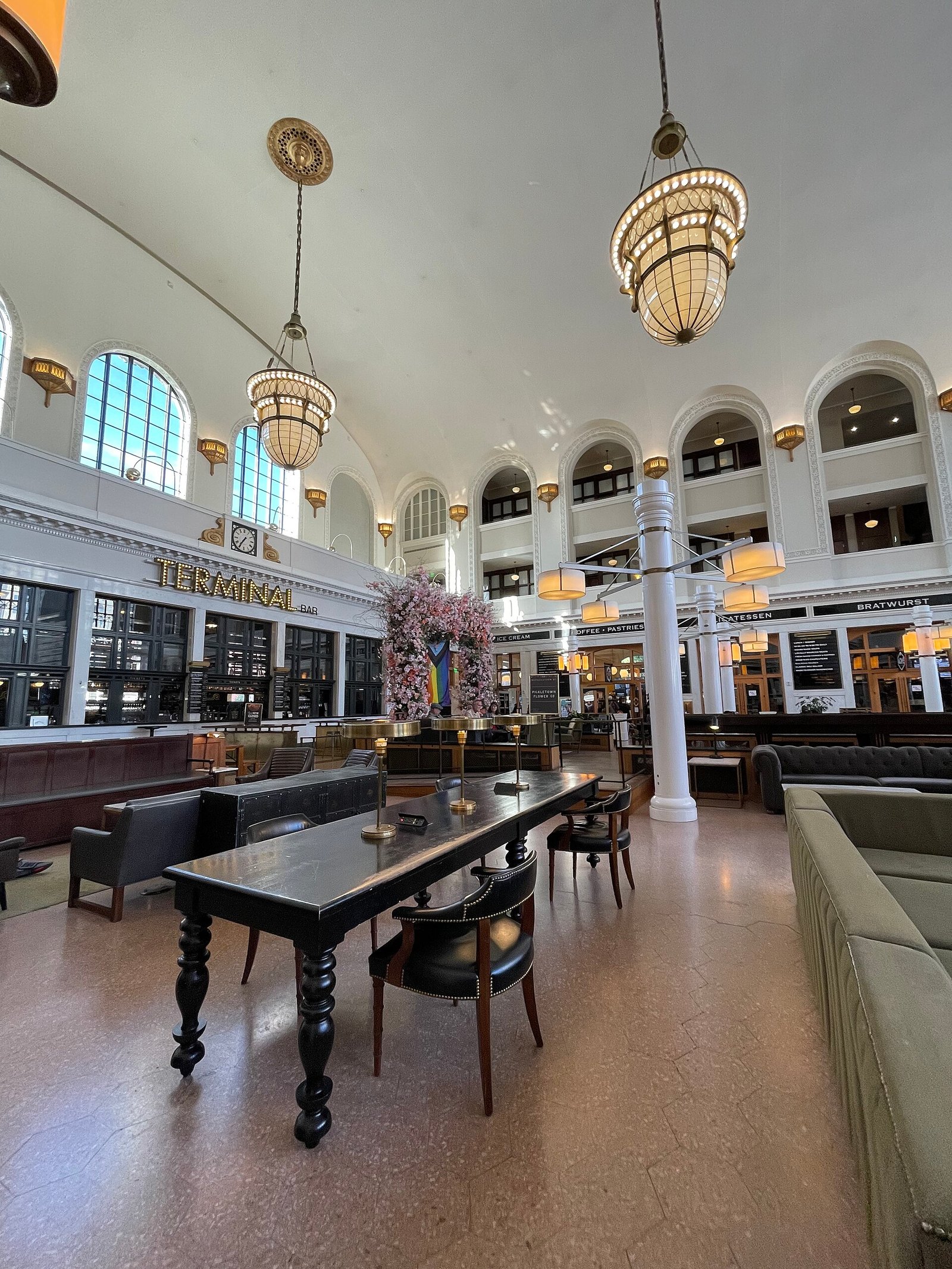
It drops you a few steps from the lifts, so no driving, no chains and no I-70 traffic, which on a Saturday morning can be miserable. Even if you don’t ski, Union Station itself is worth a visit. It’s a restored 1914 terminal with a great bar in the main hall.
4. Hike Red Rocks after a snowfall
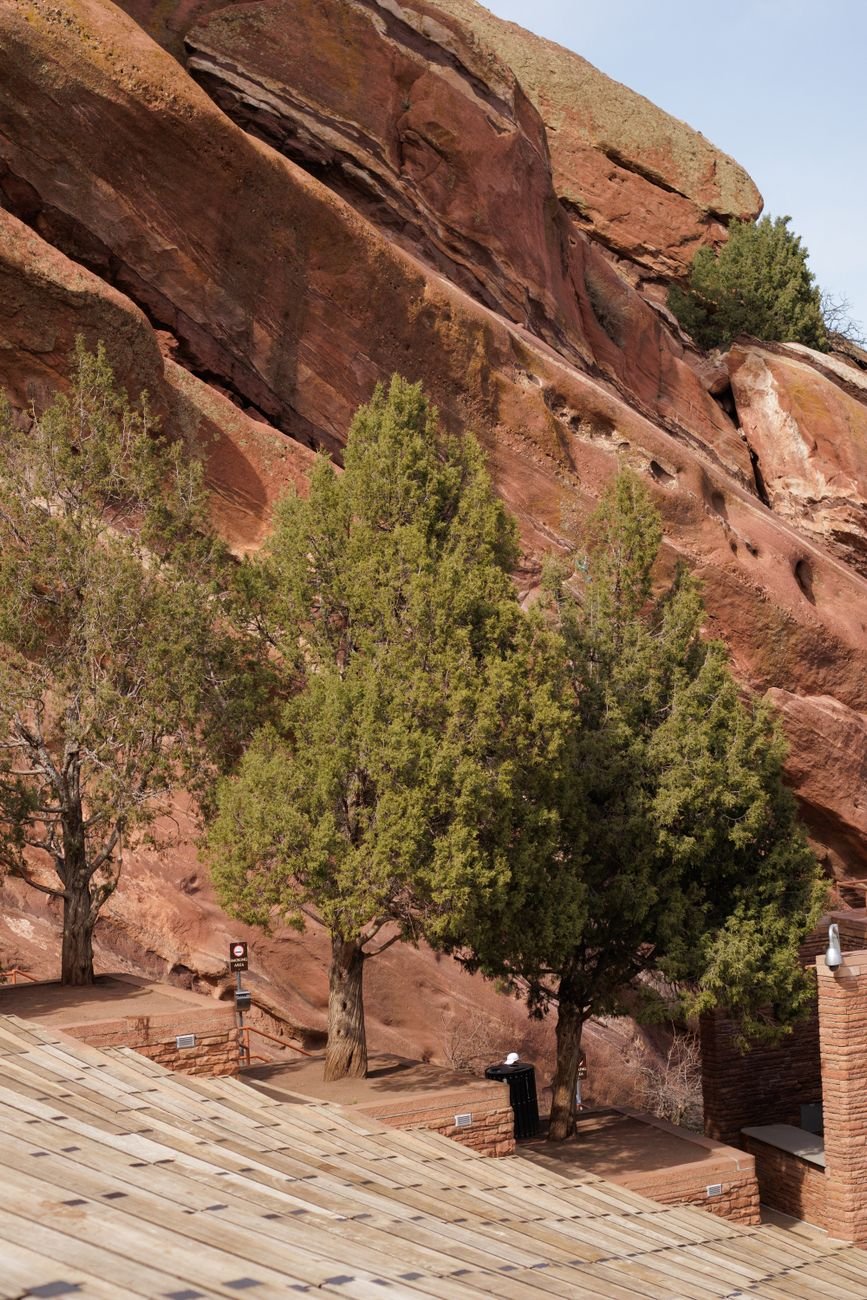
Red Rocks Amphitheatre is famous for summer concerts, but it’s open year-round for walking, and the red sandstone with a fresh layer of snow on top is one of the best views in Colorado.
It’s 30 minutes west of downtown. Walk up through the amphitheatre (when there’s no event) and take the Trading Post Trail, an easy loop of about 1.5 miles through the rock formations. The trail can be icy in the shade, so wear boots with real grip or bring microspikes.
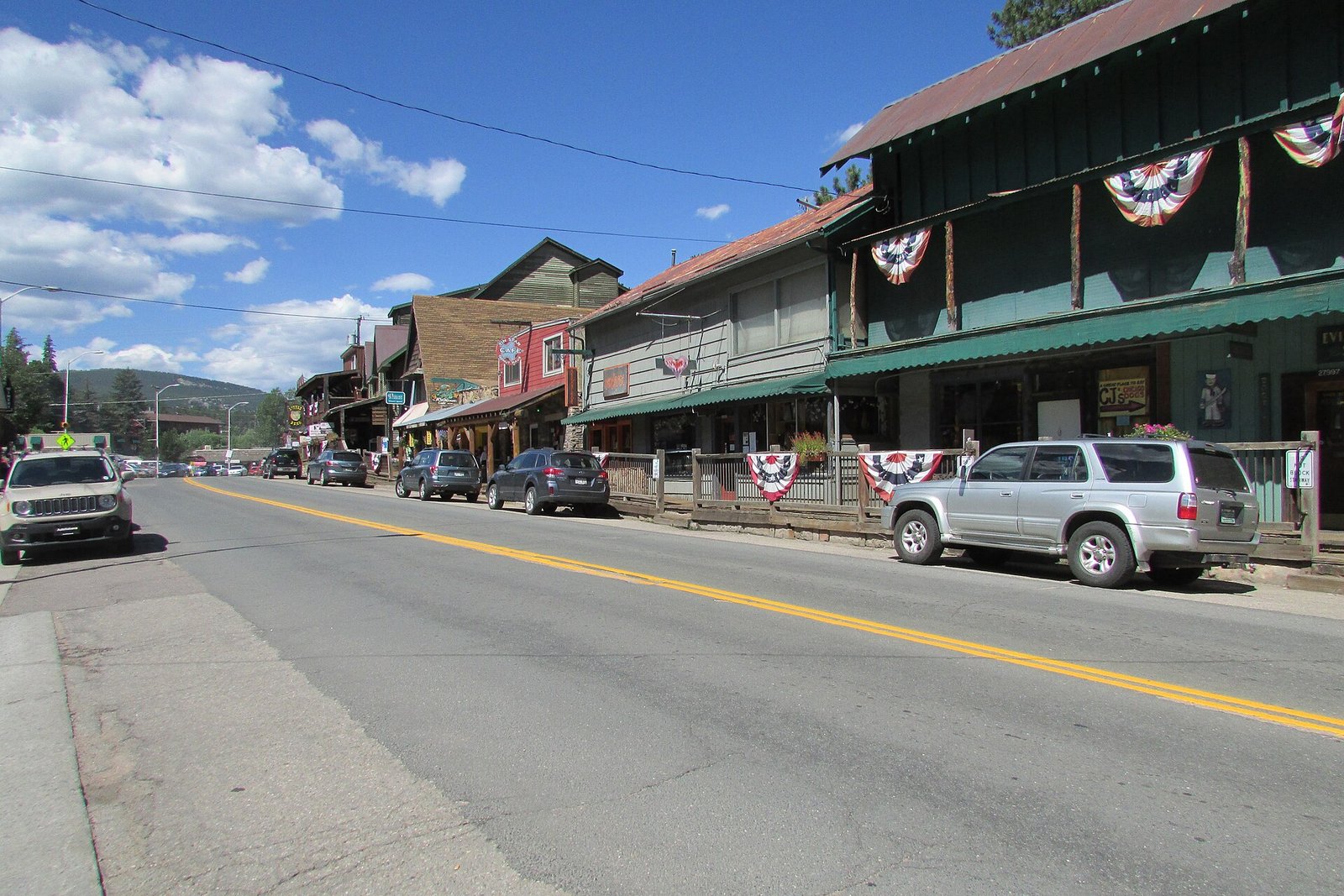
5. Skate on Evergreen Lake
When it freezes solid, usually from late December into February, Evergreen Lake in the foothills becomes one of the largest outdoor skating rinks in the country. It’s about 40 minutes from Denver.
The lake is groomed into several rinks, with a warming house where you can rent skates and get hot chocolate. With the pine trees all around and the snowy hills beyond, it feels like a Christmas card. Check the town’s website before you go, as ice conditions depend on the weather.
6. Spend an afternoon at the Denver Art Museum
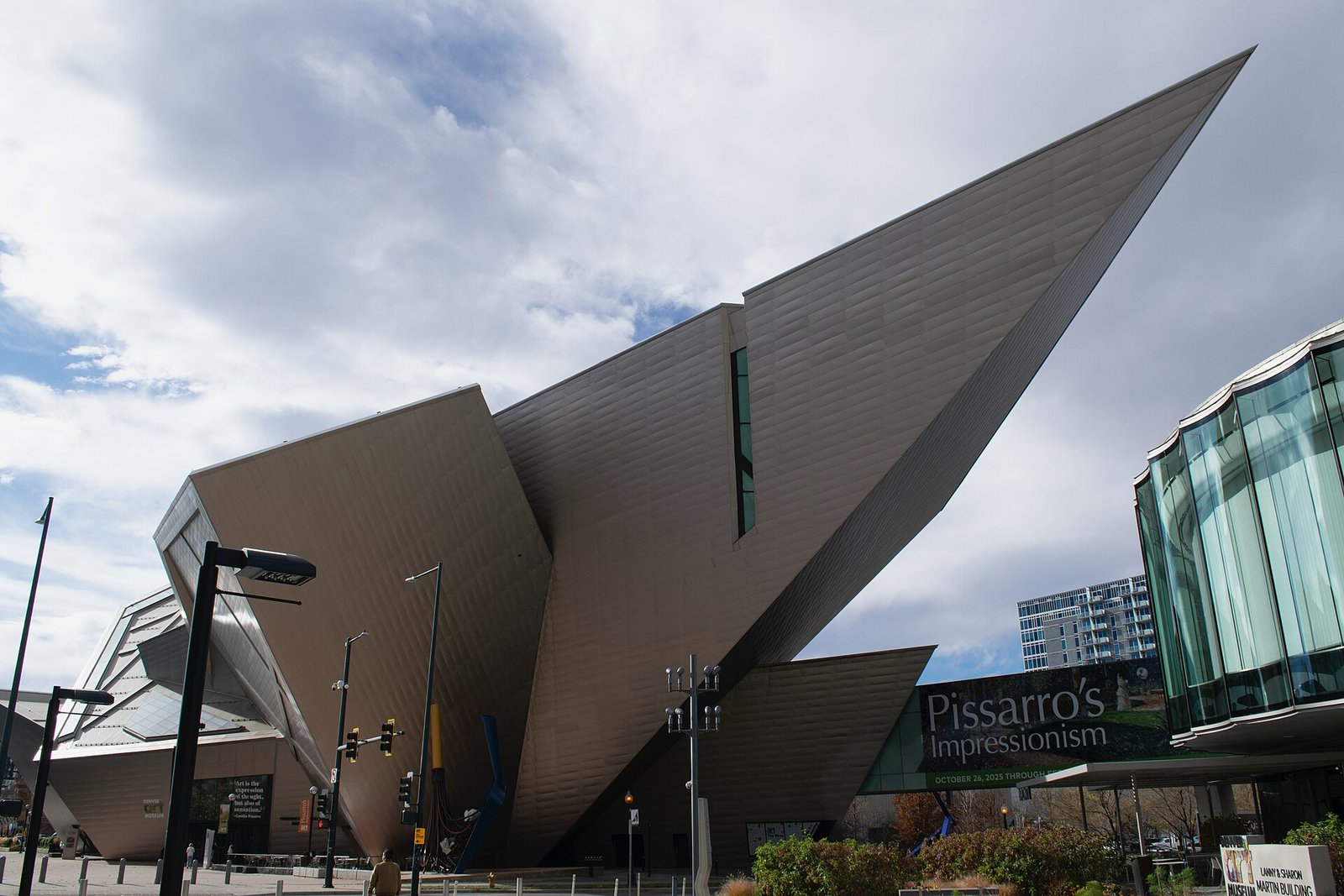
For a cold or snowy day, this is the best indoor option in the city. The museum’s Hamilton Building is a jagged titanium structure that looks like it’s about to fall over, and it’s very much worth seeing from outside.
Inside, it has a great collection of Western American art and one of the best collections of Indigenous art in the country. The Clyfford Still Museum, right next door, is a smaller but very calm space dedicated to one abstract painter, and it’s easy to visit both in an afternoon.
▶ Watch This Before You Go
7. Visit Georgetown’s Christmas Market
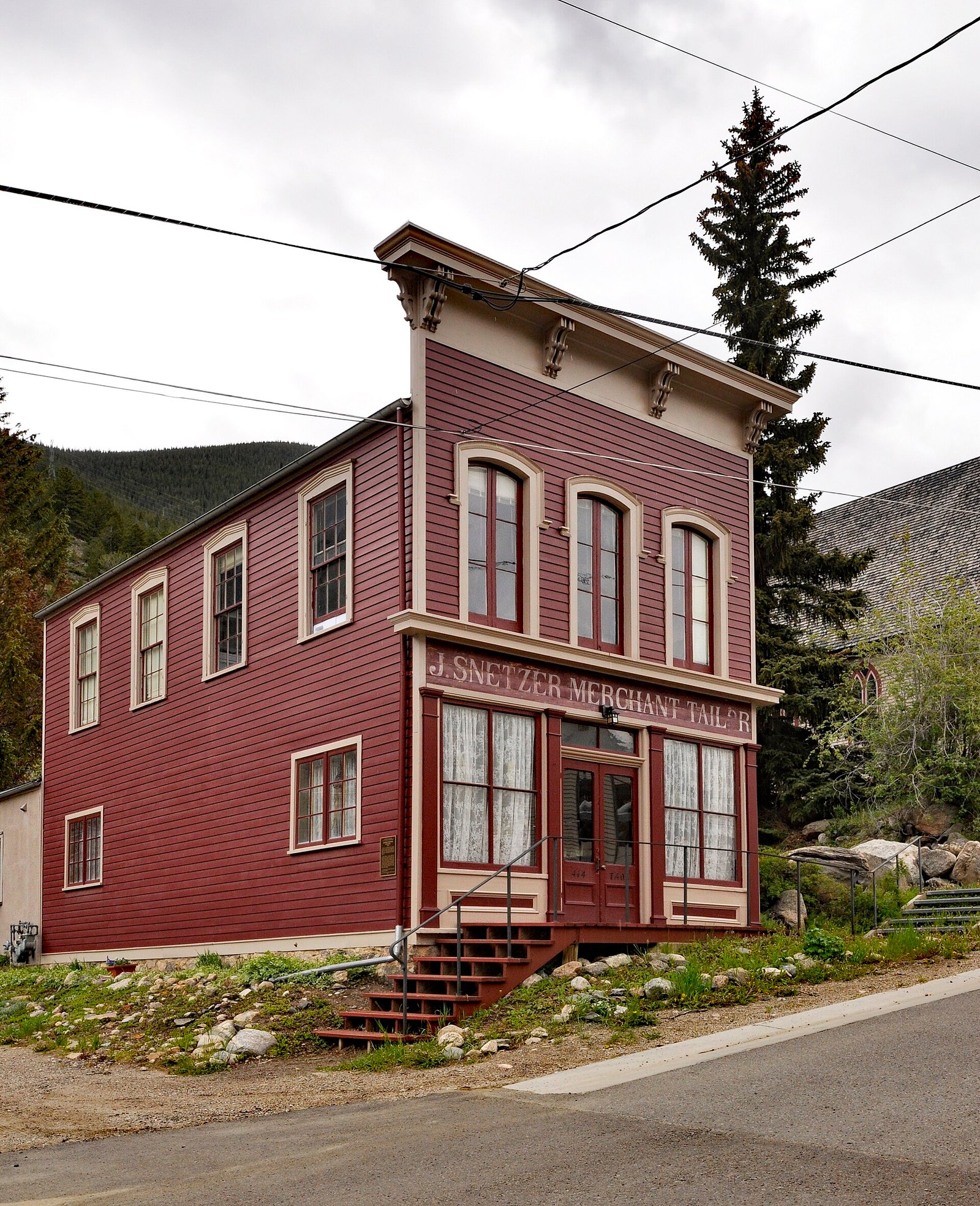
Georgetown is an old silver mining town about 45 minutes west of Denver on I-70, and its main street is one long row of Victorian buildings. On the first two weekends of December, it hosts a Christmas market that’s been running for over 60 years.
There are roasted chestnuts, carolers in Victorian costume, and a procession led by Saint Nicholas. It’s small and old-fashioned in a good way. On the drive up, you’ll start to see real snow and the first proper peaks.
What the weather is really like
Denver’s winter weather swings. One day can be a snowstorm with highs in the 20s, the next can be sunny and 55. The snow rarely sticks around in the city for long, which is great for getting around.
It’s also dry. Denver sits at 5,280 feet, the Mile High City, and the air has very little moisture in winter. Drink more water than you think you need, bring lip balm and a good moisturizer, and don’t be surprised if you feel the altitude a bit on your first evening, especially after a drink.
The mountains are another story. They get heavy, consistent snow from November through April. If you’re driving into the mountains, check road conditions before you go, and make sure your rental has all-wheel drive or good tires. Colorado has a traction law on I-70 during storms, and it’s enforced.
Common questions
Is Denver worth visiting in winter?
Yes. The city is mild and sunny, and you can be in the mountains in an hour. It’s one of the best winter cities in the US.
How cold does Denver get in winter?
Average highs are in the mid-40s, with nights in the teens or 20s. Cold snaps can bring single digits for a few days.
Do I need a car in Denver in winter?
Not in the city, which is easy to get around on foot and by light rail. For the mountains, either rent a car with all-wheel drive or take the ski train or a shuttle.
When is the Christkindl Market in Denver?
Usually from mid-November until a couple of days before Christmas, in Skyline Park downtown. Check the dates each year.
What should I pack?
Layers, a warm coat, waterproof boots and sunglasses. The sun at altitude is strong, even in January.