9 Things to Do in Chicago in Winter
Let’s get this out of the way: Chicago in winter is cold. Not “bring a jumper” cold. January averages a high around 31F, and the wind off Lake Michigan can make it feel well below zero.
In this guide
- 1. The Christkindlmarket
- 2. Skate the ice ribbon at Maggie Daley Park
- 3. The Magnificent Mile Lights Festival
- 4. ZooLights at Lincoln Park Zoo
- 5. Lose a day in the Art Institute
- 6. Warm up at the Garfield Park Conservatory
- 7. Eat what the cold was made for
- 8. Catch live jazz or comedy
- 9. See the frozen lakefront
- How to survive the cold
- Common questions
But here’s what nobody tells you. It’s also the cheapest time of year for hotels, the lines at the big museums vanish, and the city is genuinely beautiful under snow. Dress properly and it’s a great trip. Here are nine things worth doing.
1. The Christkindlmarket
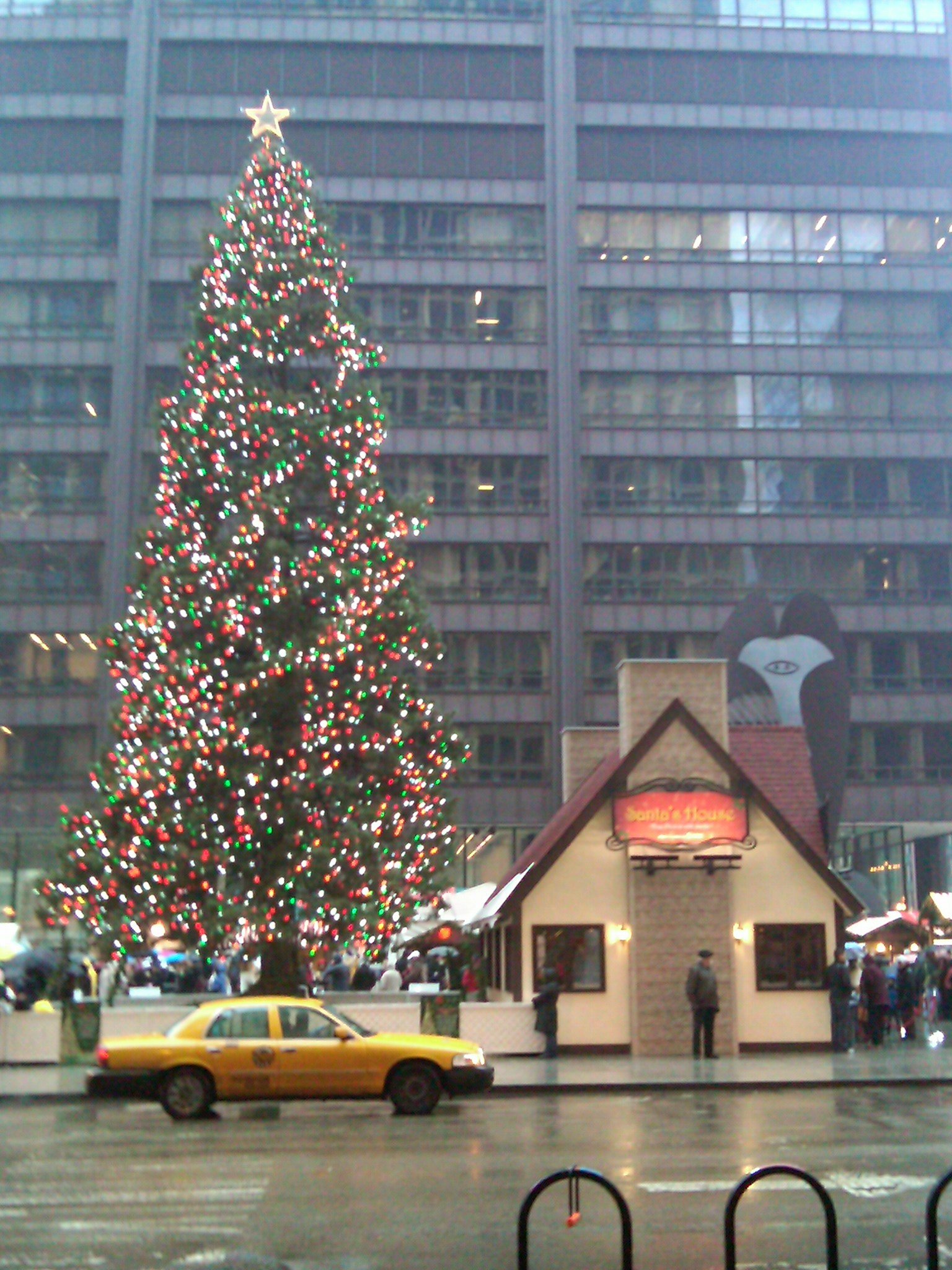
A German-style Christmas market that’s been running in the Loop since 1996, usually from mid-November until Christmas Eve. It’s set up in Daley Plaza, with wooden stalls, ornaments, sausages, pretzels and mulled wine served in a collectible boot-shaped mug.
It gets packed in the evenings and on weekends. Go on a weekday afternoon instead, when you can actually move. There’s a second, smaller market up in Wrigleyville too.
2. Skate the ice ribbon at Maggie Daley Park
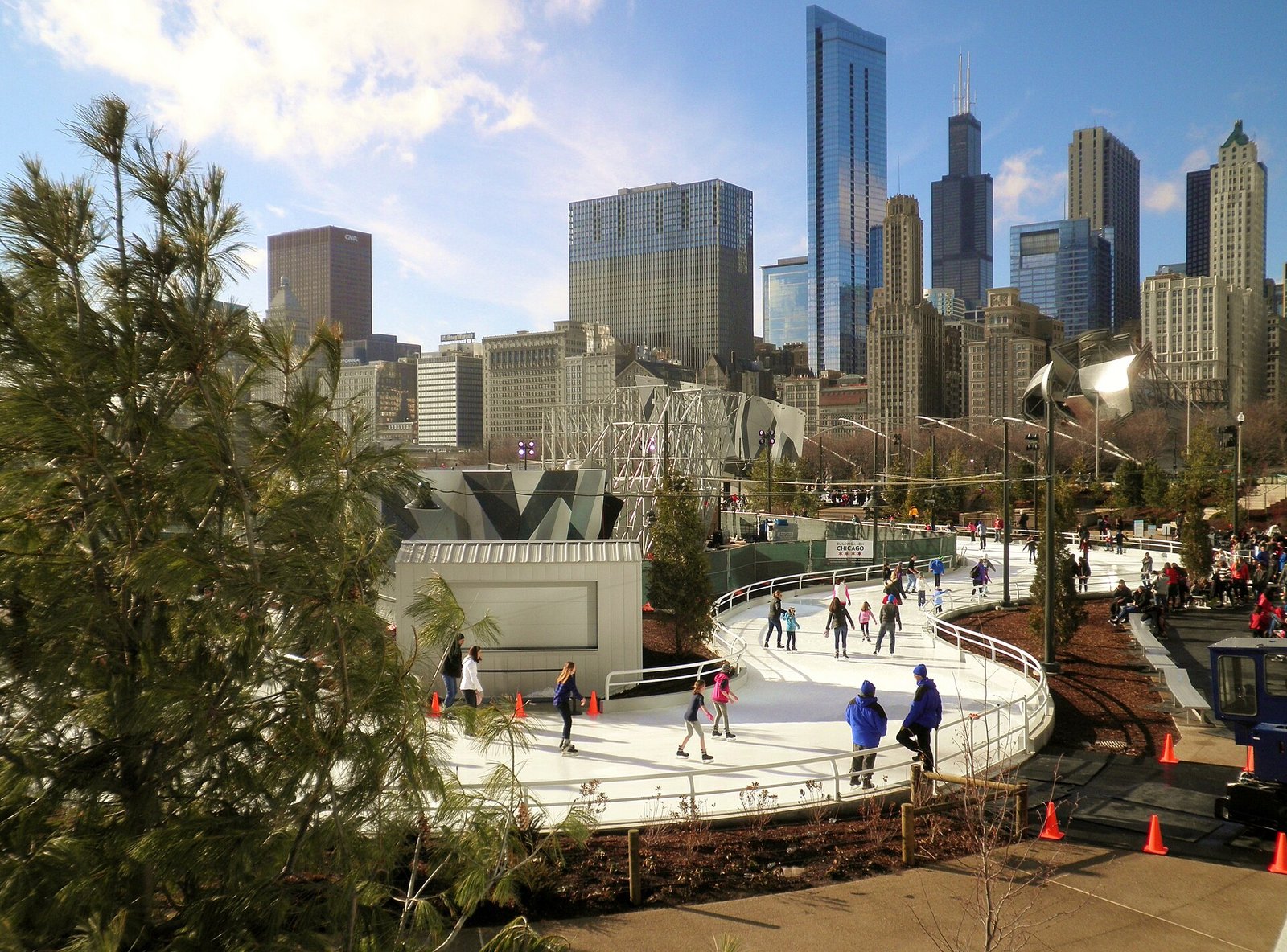
Forget going round in circles on a rink. Maggie Daley Park, right next to Millennium Park, has a skating ribbon that winds about a quarter mile through the park with the skyline towering around it.
Entry is free if you bring your own skates and there’s a fee to rent them. Book a time slot online in peak weeks. The McCormick Tribune rink in Millennium Park is the more traditional option, right by the Bean.
3. The Magnificent Mile Lights Festival
On the Saturday before Thanksgiving, Michigan Avenue lights up for the season with a parade, traditionally led by Mickey Mouse of all people, and fireworks over the river. The trees along the Mag Mile then stay lit through the holidays.
If you can’t make the festival itself, walking the avenue at night anytime in December is still worth it. Pop into the old Water Tower, one of the few buildings to survive the Great Fire of 1871, on the way.
4. ZooLights at Lincoln Park Zoo
Lincoln Park Zoo is free all year, and from late November into early January it turns into ZooLights in the evenings, with millions of lights strung through the paths. Some nights need a ticket, so check before you go.
It’s a very Chicago night out: hot chocolate, a lot of bundled-up families and a polar bear who couldn’t care less about any of it.
5. Lose a day in the Art Institute
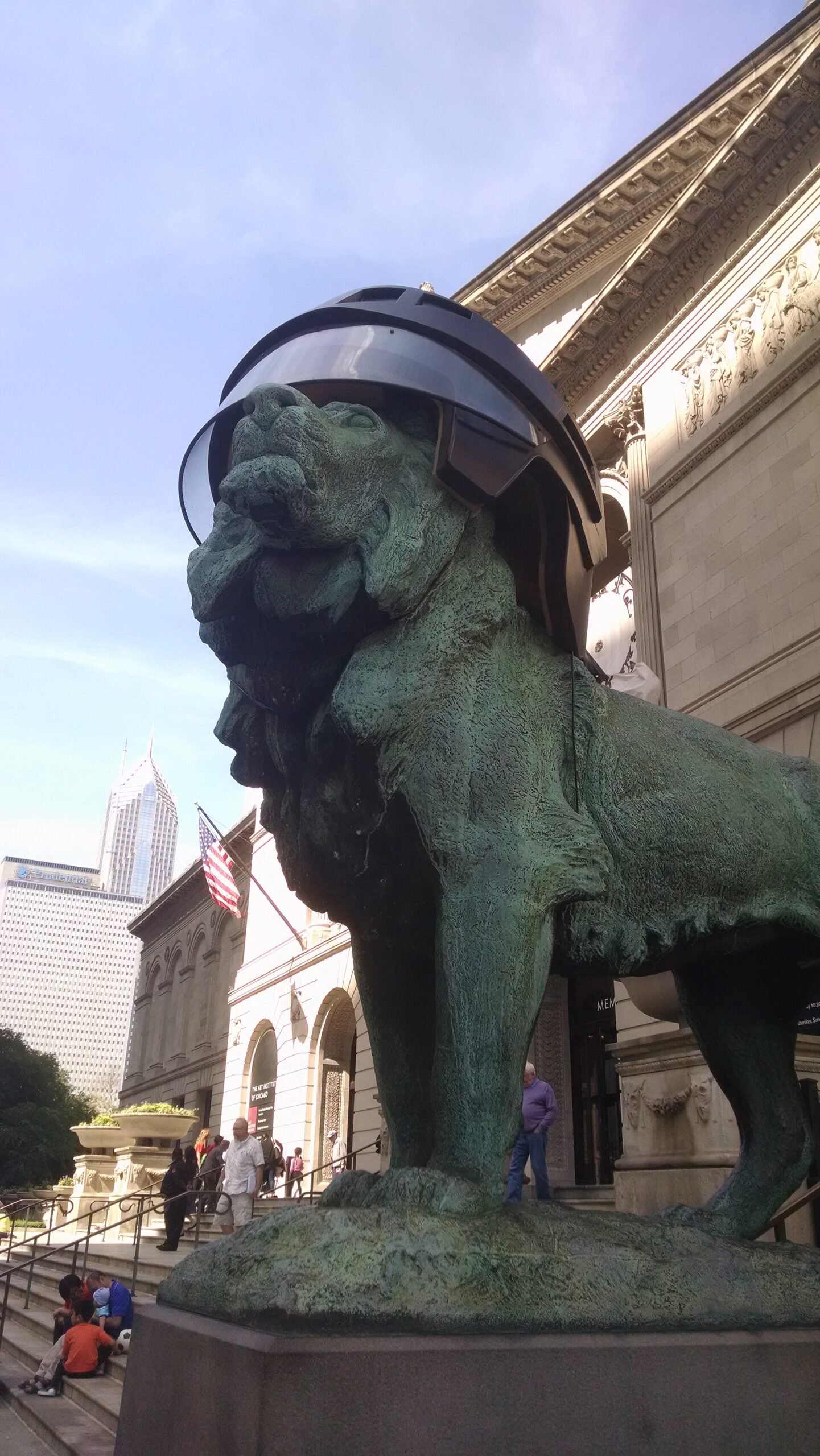
The Art Institute of Chicago is one of the best art museums in the world, and winter is when you get the galleries most to yourself. Nighthawks, American Gothic, A Sunday on La Grande Jatte, a huge collection of Monet. It goes on.
Give it at least half a day. If you’re doing more museums, the Field Museum and the Shedd Aquarium are both on the Museum Campus a short walk south. A CityPASS can save money if you’re planning several.
6. Warm up at the Garfield Park Conservatory
This is my favourite winter tip for Chicago. The Garfield Park Conservatory on the West Side is one of the largest greenhouse conservatories in the country, it’s free, and inside it’s tropical. Palms, ferns, a lagoon, and humidity you’ll be grateful for after the walk from the train.
Book a free timed entry online. Take the Green Line to Conservatory-Central Park Drive and you’re right there. It’s an hour of pretend summer in the middle of February.

7. Eat what the cold was made for
Winter is the right time for Chicago food. Deep dish pizza, which takes 45 minutes to bake and needs a knife and fork. Italian beef, dipped, with hot giardiniera, eaten standing at a counter. A proper hot dog, dragged through the garden, never with ketchup.
IMO the locals eat thin-crust tavern-style pizza more than deep dish, cut into squares. Try both and pick a side. Everyone in the city has.

▶ Watch This Before You Go
8. Catch live jazz or comedy
Chicago has a long history with both, and winter is when you want to be indoors anyway. The Green Mill in Uptown has been running since 1907, was a favourite haunt of Al Capone’s crew, and still has live jazz most nights.
Second City, the improv theatre that launched half of Saturday Night Live, has shows almost every night in Old Town. Tickets are reasonable, the shows are sharp, and it’s warm.
9. See the frozen lakefront
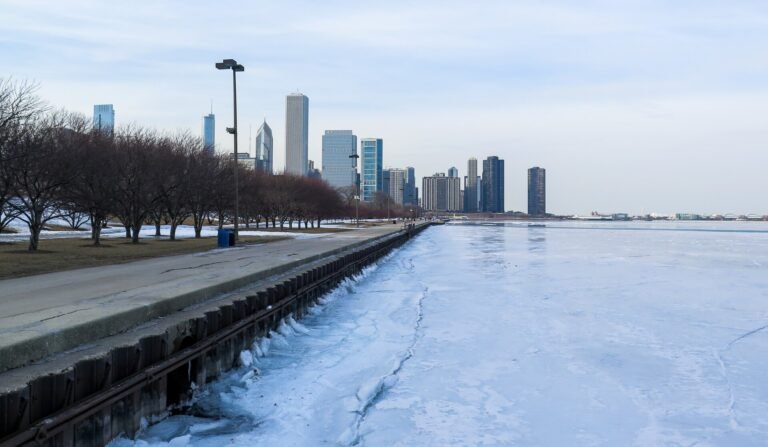
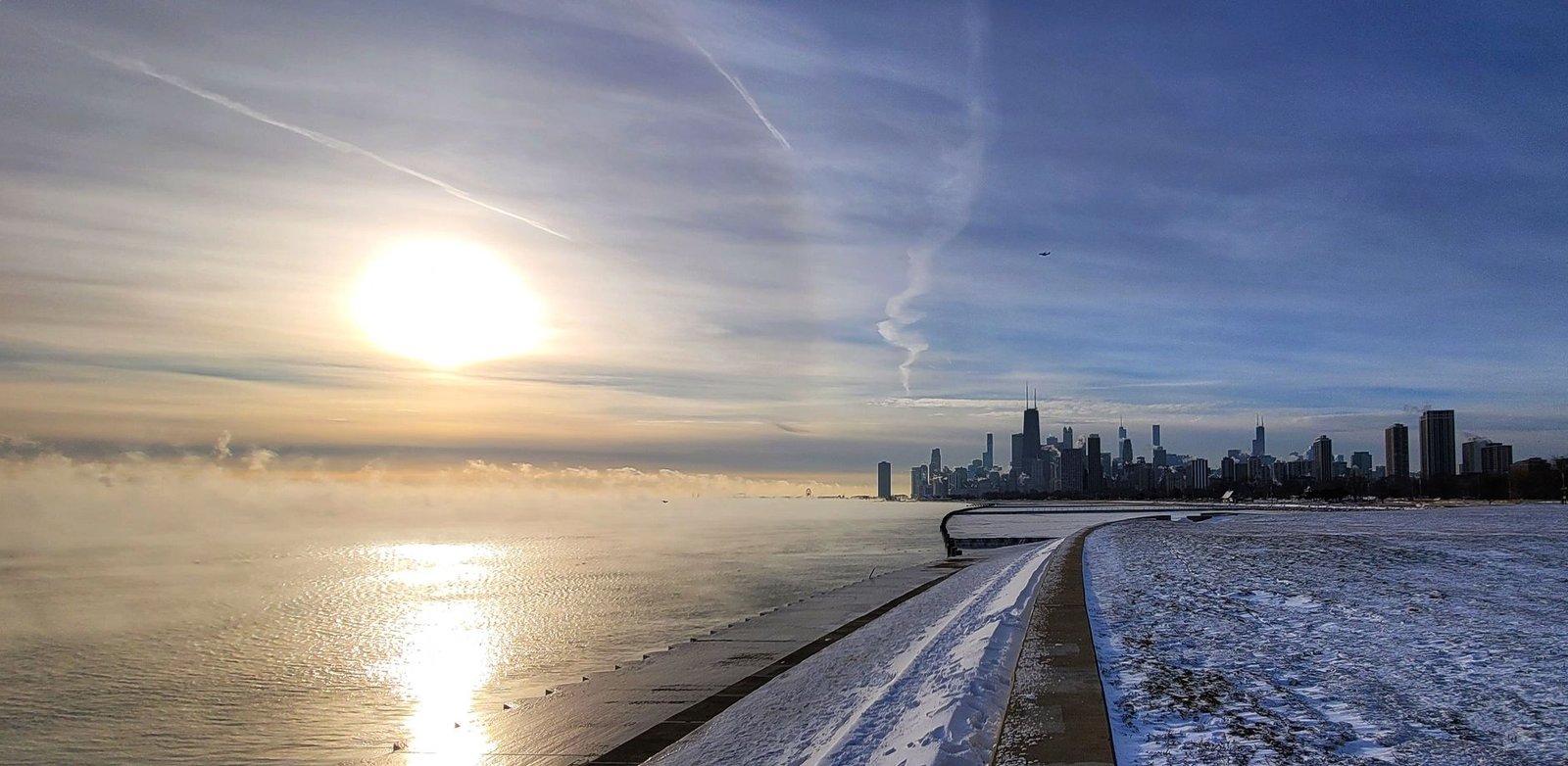
When it’s cold enough for long enough, usually in January or February, Lake Michigan freezes along the shore into great ice shelves and frozen waves. It looks like the Arctic, right next to downtown.
Walk the lakefront trail near North Avenue or Montrose Harbor. Don’t walk out on the ice itself. It looks solid and often isn’t, and people get hurt every year.

How to survive the cold
Dress for the wind chill, not the temperature. A warm hat that covers your ears, proper gloves, a scarf you can pull over your face and a long coat. Waterproof boots, because the slush at crossings is deep.
Use the Pedway. It’s a network of underground tunnels and walkways linking buildings in the Loop, and locals use it all winter to avoid the street.
The ‘L’ trains run all winter. You don’t need a car and you really don’t want one.
Plan your days around short outdoor bursts. A good winter day here looks like a morning in a museum, a quick walk to lunch, an afternoon somewhere warm like the conservatory, and an evening at a show. Twenty minutes outside at a time is plenty in January, and the city makes that easy.
Common questions
Is Chicago worth visiting in winter?
Yes, if you’re happy with indoor days and short bursts outside. It’s cheaper and much less crowded.
What’s the coldest month?
January, with February close behind. December is milder and has the holiday events.
When does the Christkindlmarket open?
Usually the week before Thanksgiving, running until Christmas Eve.
How much snow does Chicago get?
Around 35 to 40 inches a winter on average, though it varies a lot year to year.
What should I pack?
A long insulated coat, waterproof boots, a hat, gloves and a scarf. More than you think.