8 Free Things to Do in Chicago on Your First Visit
Chicago is an expensive city to visit if you let it be. The big museums run $25 to $35 a head, the observation decks are more, and a weekend disappears fast.
In this guide
It’s also a city where the single best thing you can do, which is walk around looking at the buildings, costs nothing at all. Here are eight things worth your time that don’t need a ticket.
1. Millennium Park
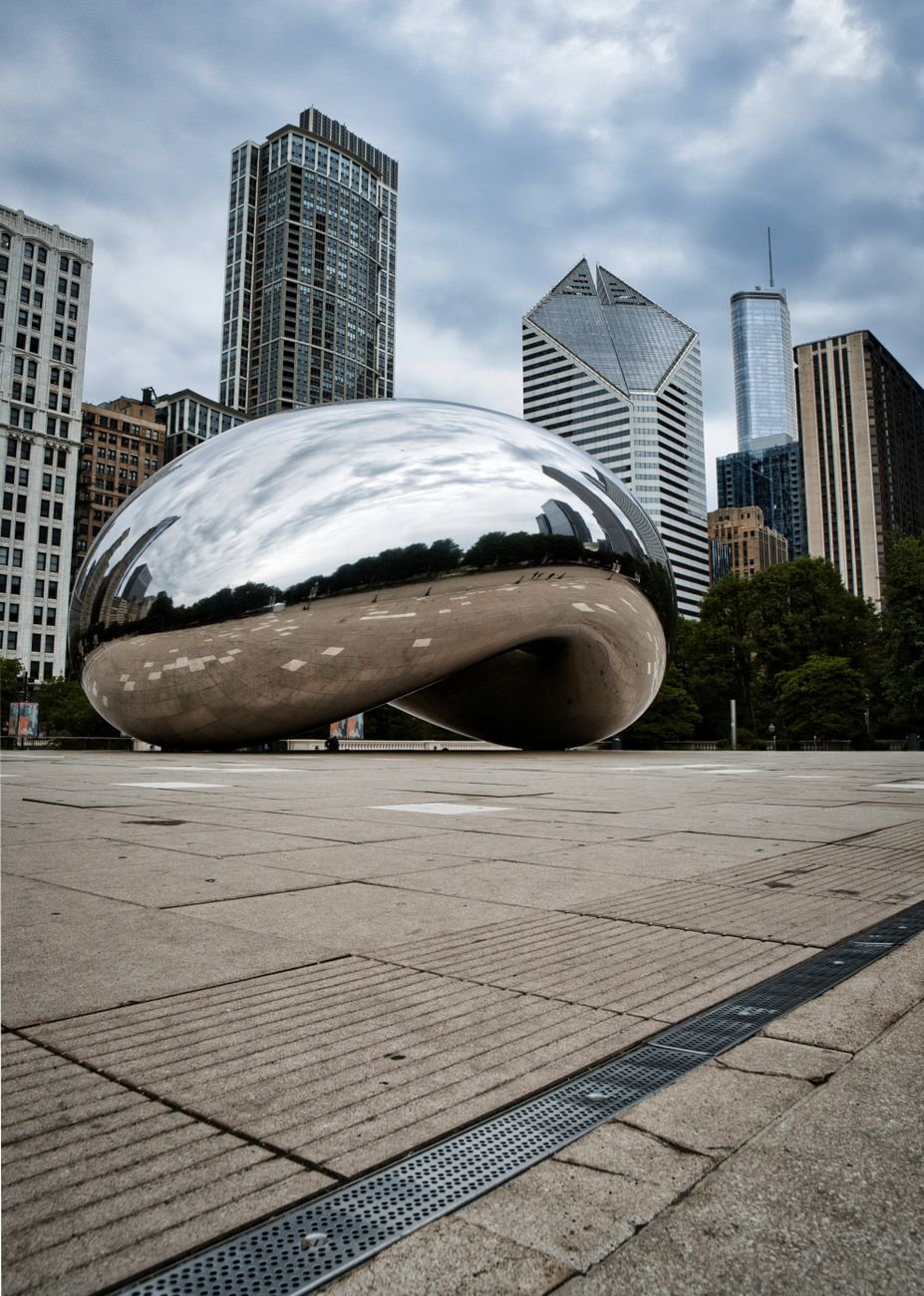
Twenty-five acres on top of a railway yard, and the most photographed spot in the city sits in the middle of it.
Cloud Gate, which nobody local calls anything but the Bean, is a 110-tonne polished steel sculpture that reflects the entire skyline back at you in a curve. It’s free, it’s always open, and it’s genuinely as good as people say. Go at 7am if you want a photo without forty other people in it.
Crown Fountain, the two glass towers that project faces and spit water at children, runs from May to October. The Pritzker Pavilion hosts free concerts and film screenings all summer, including the Grant Park Music Festival, which is a full symphony orchestra playing to a lawn full of people with picnic blankets.
2. The Lakefront Trail
Eighteen miles of paved path along Lake Michigan, from the far north side to the far south, separated into pedestrian and bike lanes for most of its length.
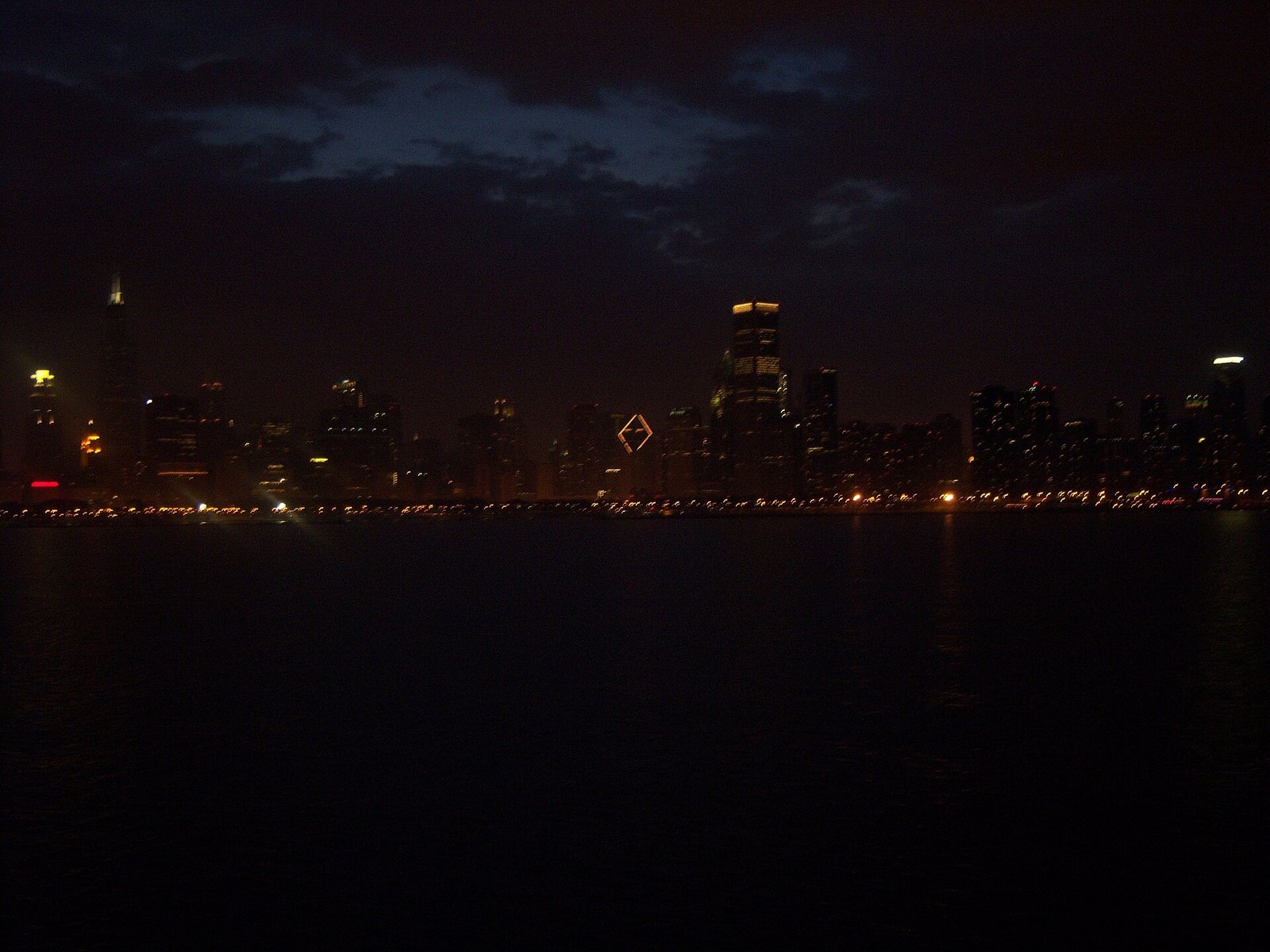
It’s the best free thing in Chicago and it isn’t close. The stretch between North Avenue Beach and the Museum Campus gives you the skyline from the water side, which is the view the city is actually famous for.
Walk it, run it, or rent a Divvy bike for a few dollars. Sunrise over the lake in summer is worth setting an alarm for. In winter the ice formations along the breakwater are something else entirely, though the wind will test your commitment.
3. The Chicago Cultural Center
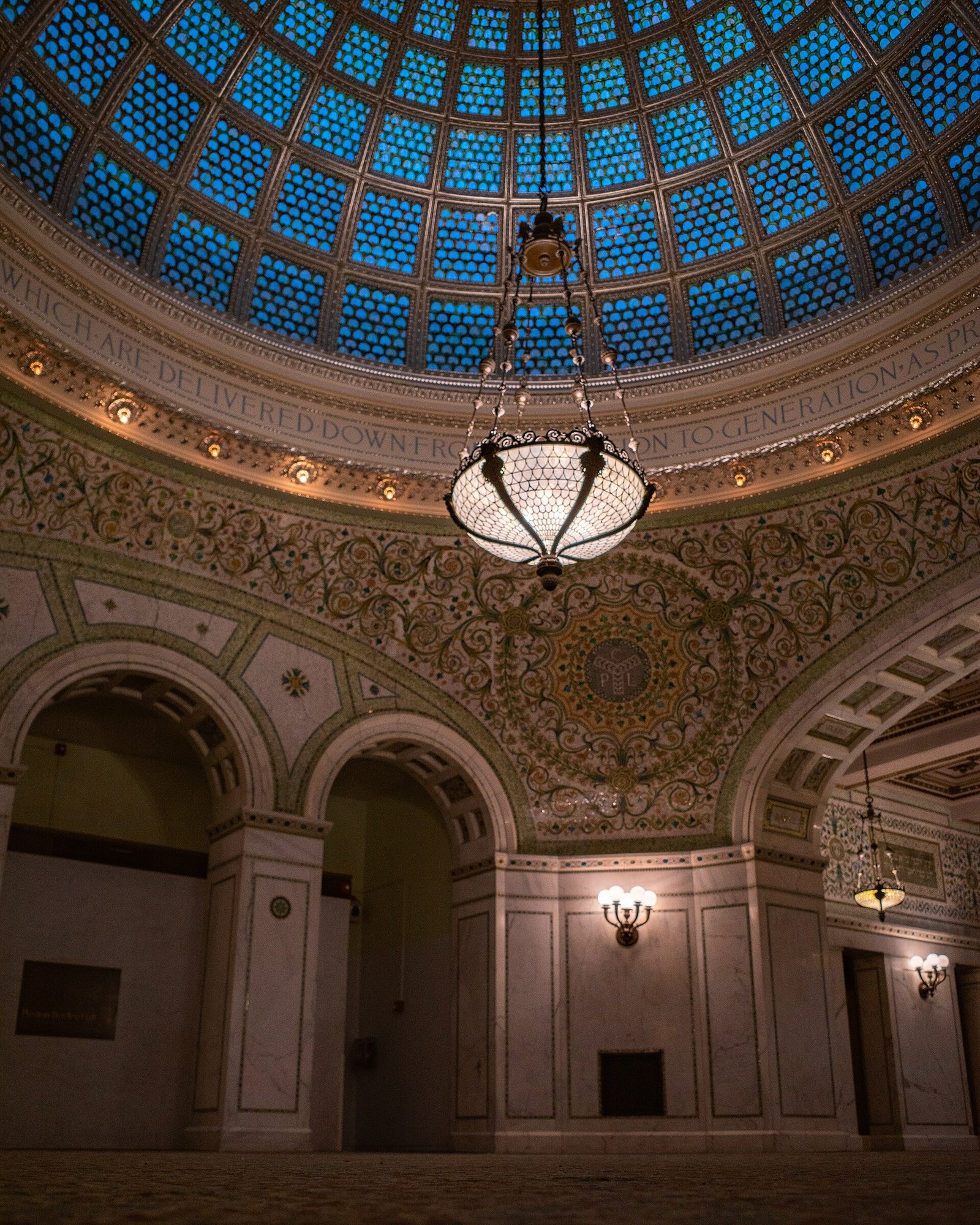
The most underrated free building in America, possibly. It opened in 1897 as the city’s first public library and the budget was clearly unlimited.
Preston Bradley Hall on the third floor has the largest Tiffany stained glass dome in the world, 38 feet across, made of about 30,000 pieces of glass. There’s a second dome downstairs. There are mosaics of mother-of-pearl and marble staircases and the whole thing is free, open most days, and usually fairly quiet.
There are rotating exhibitions and free lunchtime concerts too. Even if you only walk in for ten minutes, do it.
4. The Riverwalk
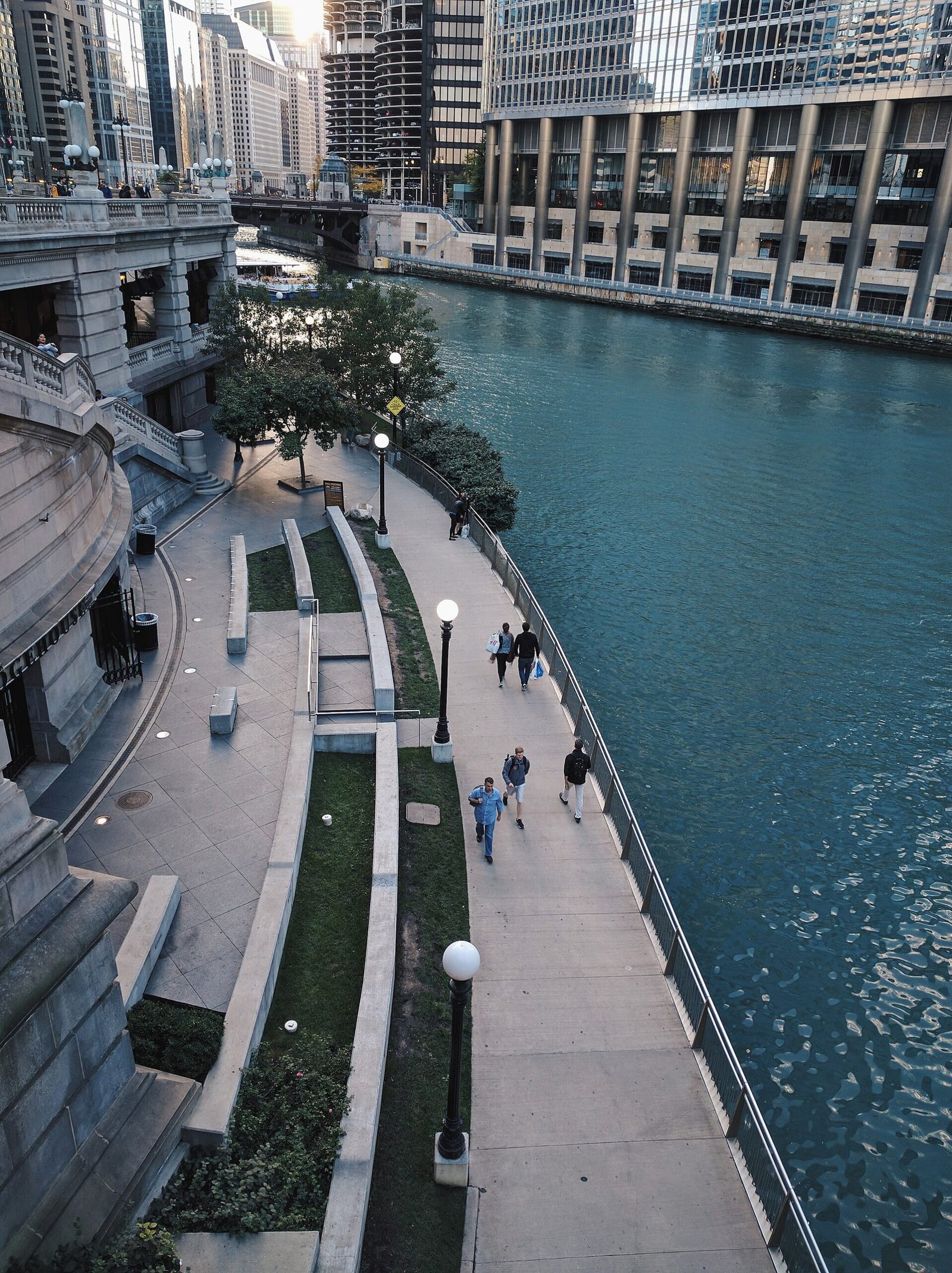
A mile and a quarter along the south bank of the Chicago River, from Lake Street out to the lake, built in stages and finished in 2016.
Walking it puts you below street level looking up at the bridges and the towers, which is a completely different experience to seeing the same buildings from the pavement. There are bars and restaurants along it, which cost money, and benches and lawn sections, which don’t.
The architecture boat tours leave from here and they are genuinely excellent, but they aren’t free. Walking the same stretch gives you maybe 70 percent of it for nothing.
5. Lincoln Park Zoo and the Conservatory
One of the last free zoos in the country, open 365 days a year, founded in 1868. It’s not enormous but it’s well kept and it’s right in the middle of a lovely park.
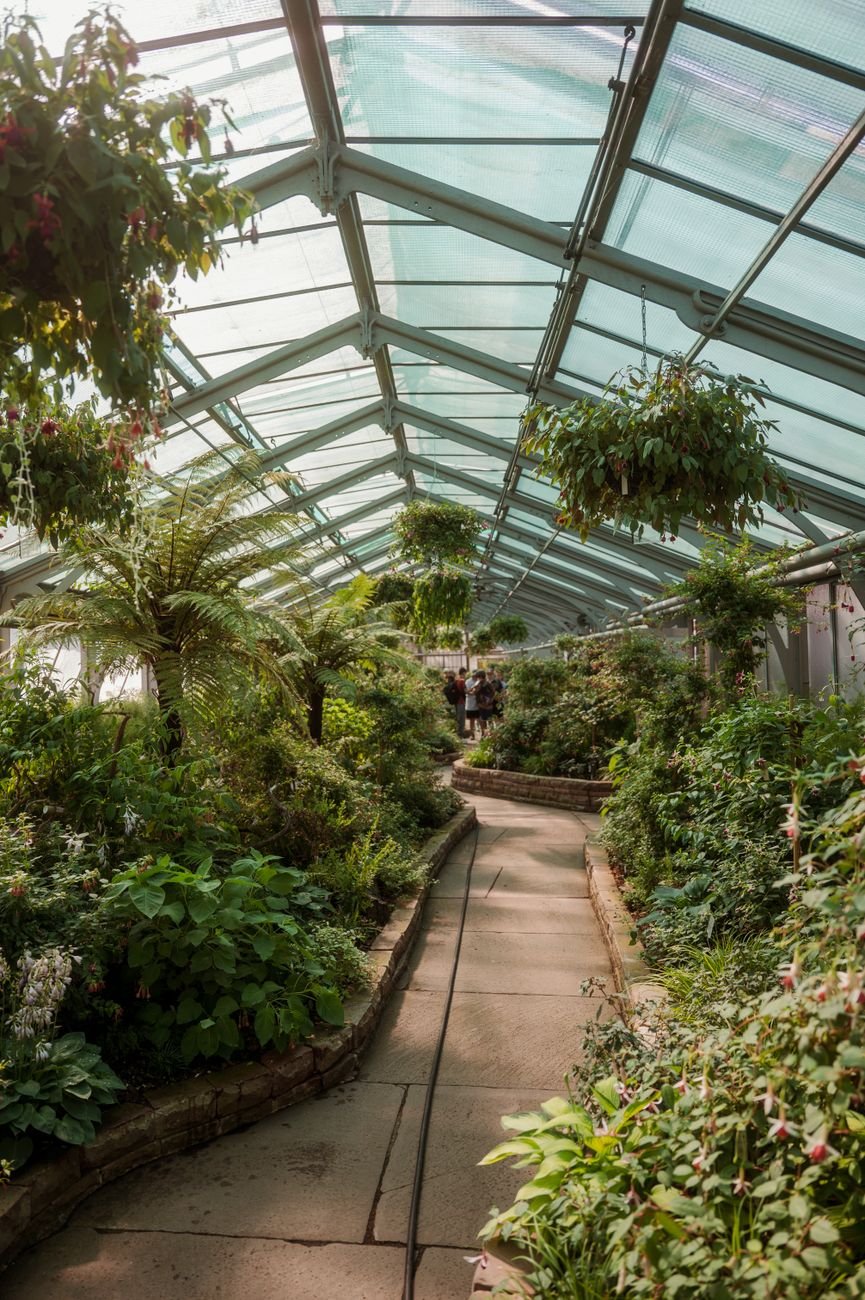
The Lincoln Park Conservatory next door is also free: a Victorian glasshouse full of palms, ferns and orchids, which in a Chicago February is more valuable than it sounds. Twenty minutes in a warm, humid room surrounded by plants when it’s 20F outside does a lot for morale.
The Alfred Caldwell Lily Pool a short walk away is a small, quiet, landscaped water garden that most visitors never find.
6. Walk the Loop and look up
Chicago invented the skyscraper and the Loop is where you see the whole history of it in about ten blocks. You don’t need a tour, though the free walking tours run by volunteers are good if the timing works.
Look for the Rookery with its Frank Lloyd Wright light court, which you can walk into during business hours. The Monadnock Building, the last of the great masonry towers, with walls six feet thick at the base. The Marquette Building lobby with its Tiffany mosaics.
Lobbies in Chicago are largely open to the public during the day and nobody minds you wandering in to look at the ceiling. That’s the whole free architecture tour, right there.
7. The murals of Pilsen
Twenty minutes southwest on the Pink Line, Pilsen is a Mexican-American neighbourhood with one of the densest concentrations of street art in the city.
16th Street has a continuous run of murals along the rail embankment that goes on for blocks. The side streets off 18th have more, including work that’s been there for decades and is actively maintained by the community.
It’s an afternoon on foot, it’s free, and it’s a completely different Chicago to the Loop. The National Museum of Mexican Art is there too, and that’s also free.
▶ Watch This Before You Go
8. The beaches
People are consistently surprised that Chicago has beaches. It has 26 of them, all free, all along the lake.
North Avenue Beach is the busy one with the skyline directly behind it, which makes for a photo that confuses everybody you send it to. Montrose Beach is bigger, quieter, and has a bird sanctuary at the end of it. Ohio Street Beach is the closest to downtown.
Swimming season is short, roughly June to early September, and the water is cold even then. The rest of the year they’re still good places to walk.

A note on museum free days
The Art Institute, Field Museum, Shedd Aquarium, Adler Planetarium and Museum of Science and Industry all run free admission days, but almost all of them are restricted to Illinois residents and require ID.
Worth knowing so you don’t plan around it. What’s genuinely free to everyone: the Cultural Center, the National Museum of Mexican Art, the DuSable Museum on certain days, the Smart Museum at the University of Chicago, and the Oriental Institute Museum in Hyde Park.
Common questions
Can you visit Chicago on a budget?
Yes, more easily than most big American cities. Transit is cheap, the lakefront and parks are free, and the architecture is the main attraction and costs nothing to look at.
Is the Bean free to visit?
Yes. Millennium Park is a public park, open daily, no ticket.
What’s the best free view of the Chicago skyline?
North Avenue Beach or the Adler Planetarium forecourt on the Museum Campus. Both put the whole skyline in one frame and neither costs anything.
How do I get around cheaply?
A CTA day pass covers unlimited buses and trains. The Blue Line runs from O’Hare into the Loop for a few dollars, which beats a cab by a long way.
What’s the best time of year to visit?
May to October. Winter is genuinely cold and the wind off the lake makes it worse, though the city is beautiful in snow if you’re prepared for it.