7 Things To Do In Denver Before You Head To The Mountains
Most people treat Denver as an airport with a city attached. Land, collect the hire car, drive straight to the mountains.
In this guide
- 1. Red Rocks, and go in the morning
- 2. Take the altitude seriously for 48 hours
- 3. City Park, for the view that explains the city
- 4. RiNo, for the murals and the beer
- 5. Union Station, even if you’re not catching a train
- 6. Larimer Square and the historic core
- 7. A foothills drive, as a warm-up
- How long to stay
- When to go
- Common questions
- The short version
Which is a shame, and it’s also tactically wrong, because Denver sits at 1,600m and the mountain towns sit at 2,500m and above. Spending a day or two here first is the single best thing you can do for how you’ll feel at altitude later.
Seven things worth doing while your body catches up.
1. Red Rocks, and go in the morning
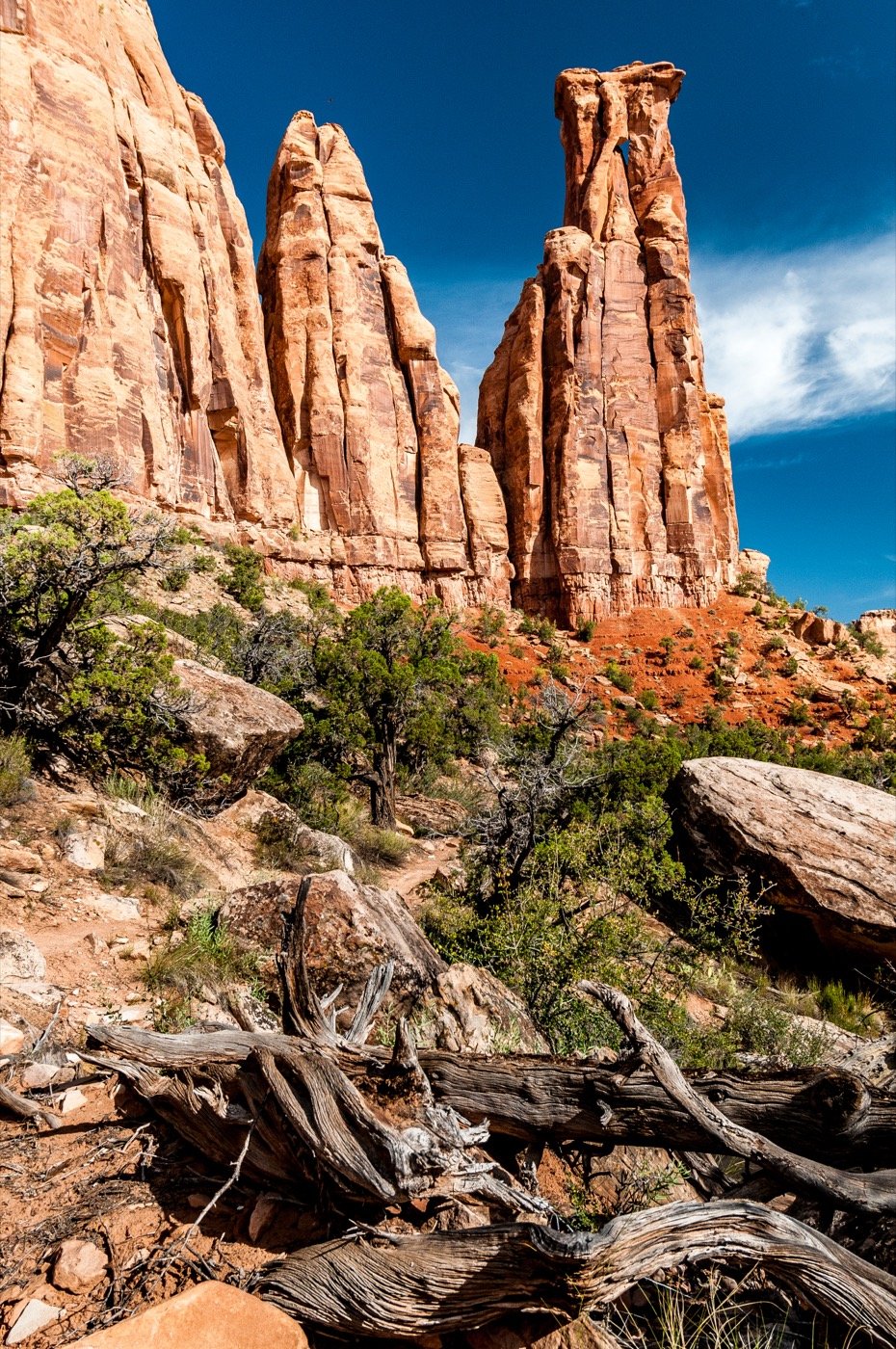
The famous amphitheatre, carved between two 90m sandstone monoliths, and it’s free to walk around on any day there isn’t a show.
Go early. By 8am it’s full of locals running the steps, which is a sight in itself, and the light on the rock is far better than at midday.
If there’s a gig on while you’re there, go. It’s routinely voted the best venue in America and the reason is obvious the second you sit down.
2. Take the altitude seriously for 48 hours
This isn’t a sight, it’s the advice that saves the rest of your trip.
Denver is a mile up. You’ll get dehydrated faster, drunk faster on half as much, and tired for no reason. Perfectly fit people get headaches on day one.
Drink far more water than feels necessary, go easy on alcohol the first night, and don’t plan a 14,000ft hike for day two. Two days in Denver and you’ll handle the mountains far better. Skip it and you’ll spend a day of your trip feeling grim at 3,000m.
3. City Park, for the view that explains the city
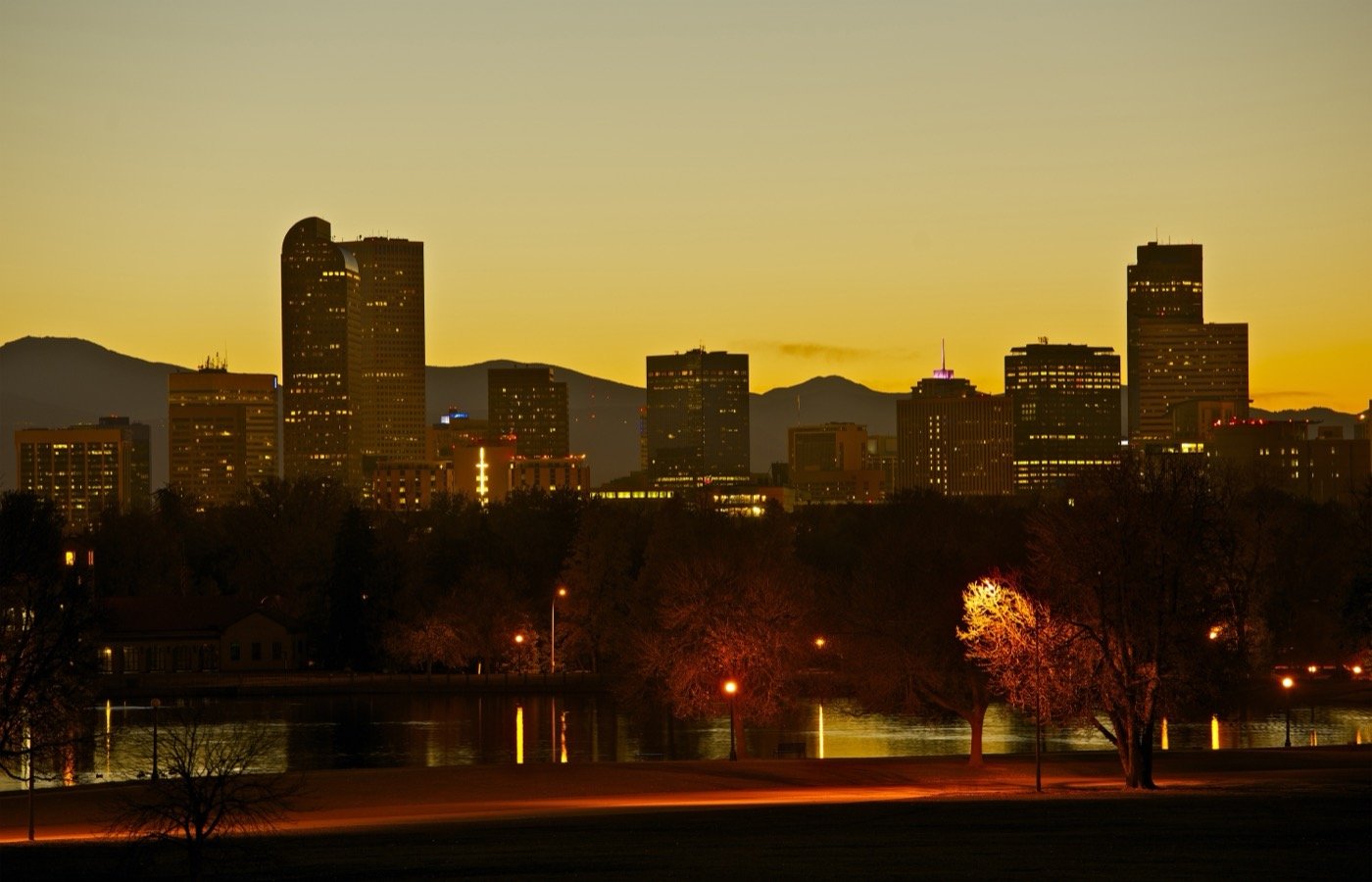
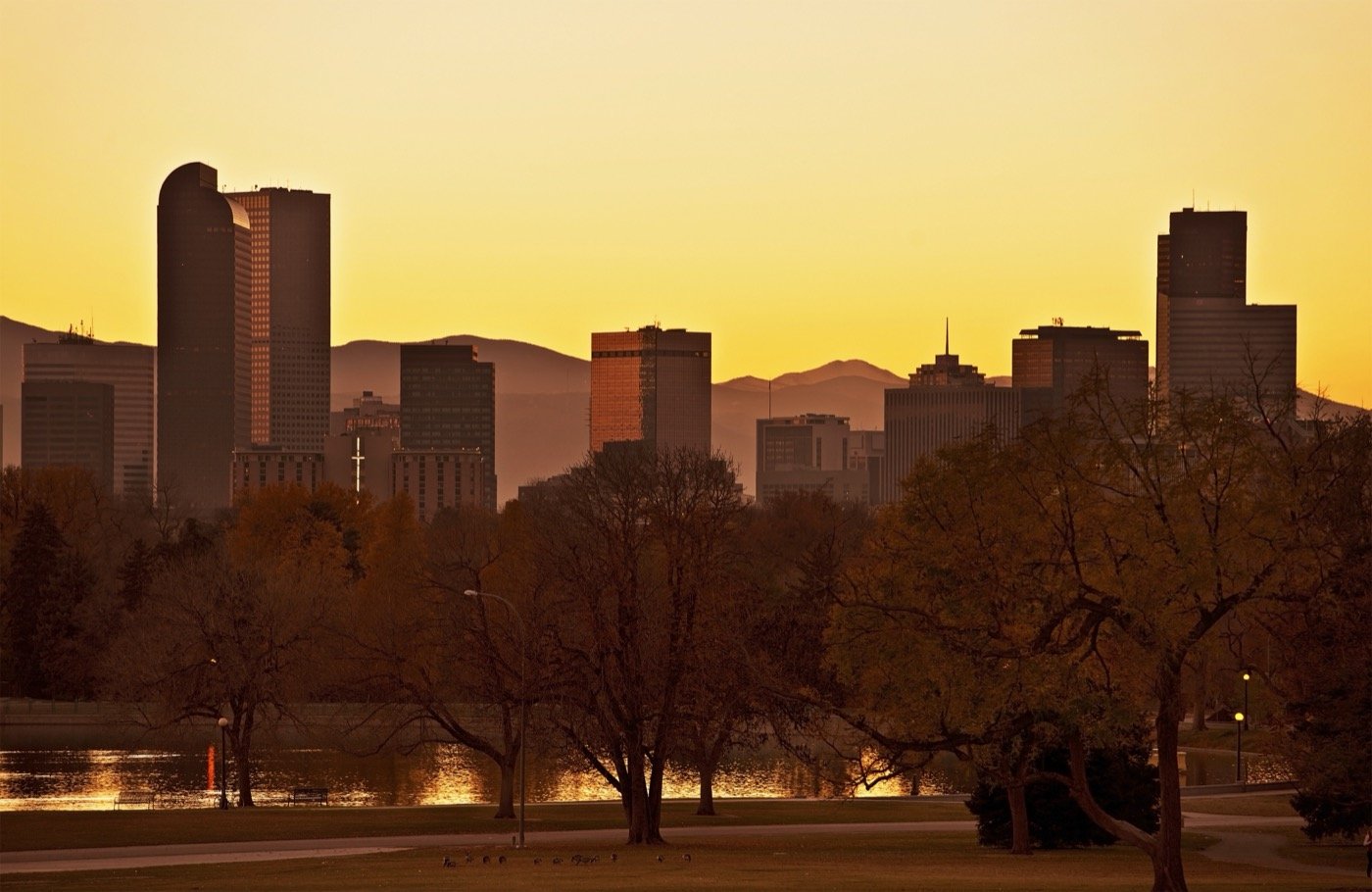
The postcard shot of Denver is taken from here. Ferril Lake in the foreground, downtown behind it, and the entire Front Range of the Rockies stacked up behind that.
It’s the view that makes the geography click, because from street level downtown you can’t really tell the mountains are there.
The Denver Museum of Nature and Science is in the same park and is genuinely excellent if the weather turns.
4. RiNo, for the murals and the beer
River North, an old industrial district turned into the arts and brewery quarter.
The street art is the real attraction, and it changes constantly because of the annual mural festival. Just walk Larimer Street and the blocks either side.
Denver has more breweries per head than almost anywhere in the US and most of the good ones are here. Great Divide and Ratio are the easy starting points.
▶ Watch This Before You Go
5. Union Station, even if you’re not catching a train
A beautifully restored 1914 station that’s now the best public living room in the city.
People sit in the great hall on the leather sofas and work, drink and read, and nobody minds. There are restaurants and a bar inside, plus the Crawford Hotel upstairs.
It’s also where the train from the airport arrives, which makes it the sensible first stop of any trip. FYI that train is 37 minutes and costs about ten dollars, which beats every alternative.
6. Larimer Square and the historic core
Denver’s oldest block, and the one that nearly got demolished in the 1960s before a preservation fight saved it.
Victorian buildings, string lights across the street, restaurants and independent shops. It’s small and it’s pretty and it takes an hour.
Combine it with the 16th Street Mall, the mile-long pedestrian stretch running through downtown, though be honest with yourself that the Mall is more useful than beautiful.
7. A foothills drive, as a warm-up
You don’t need to commit to a full mountain day to see the Rockies.
Lookout Mountain in Golden is twenty-five minutes from downtown and gets you a proper view back over the plains. Golden itself is a nice small town with the Coors brewery if that appeals.
Evergreen and Boulder are both under an hour. Boulder in particular is worth a full day, with the Flatirons right behind the town and a pedestrian street that’s genuinely lovely.
All of these sit around 1,700 to 2,300m, which makes them a sensible stepping stone before you go higher.
How long to stay
Two days is the right answer for most people. Enough for the list above and enough to acclimatise before heading up.
Three days if you want Boulder properly or a Red Rocks show.
One day works if you’re tight, and do Red Rocks in the morning and RiNo in the afternoon. Just drink water.
When to go
September and early October are the best. Warm days, cool nights, aspens turning gold in the foothills.
Summer is hot and dry with reliable afternoon thunderstorms that roll in around three and clear by five.
Winter is sunnier than people expect. Denver gets over 300 days of sun a year and snow tends to melt within a day or two down in the city, even when the mountains are buried.
Common questions
How long should I spend in Denver?
Two days, mostly so you acclimatise before going up into the mountains.
Is altitude sickness a real risk in Denver?
Mild effects are common at 1,600m. Headaches, tiredness and dehydration. It’s rarely serious here, and it matters more for what comes next.
Do I need a car in Denver?
Not for the city. The train from the airport and the light rail cover downtown. You’ll want one for the mountains.
Is Red Rocks worth it without a concert?
Yes. It’s free to visit, spectacular, and takes an hour.
Denver or Boulder as a base?
Denver for the airport and variety, Boulder if you’re mostly here to be outdoors.
The short version
Red Rocks early, City Park for the view, RiNo for murals and beer, Union Station, Larimer Square, and a foothills drive.
Two days, drink more water than you think, and your mountain week will go far better for it.