New England Fall Foliage Road Trip: A Realistic 7-Day Itinerary
Everyone wants to do the New England leaf trip. Almost nobody wants to admit that half of it is spent in traffic behind someone doing 30mph while filming a tree.
In this guide
So here’s a route that actually works. Seven days, roughly 700 miles, Massachusetts up through Vermont and New Hampshire and out to the Maine coast. It follows the colour north to south, which matters more than anything else in this article.
Fly into Boston, out of Portland. Or loop back if you must, it adds about four hours.
Days 1 and 2: The Berkshires
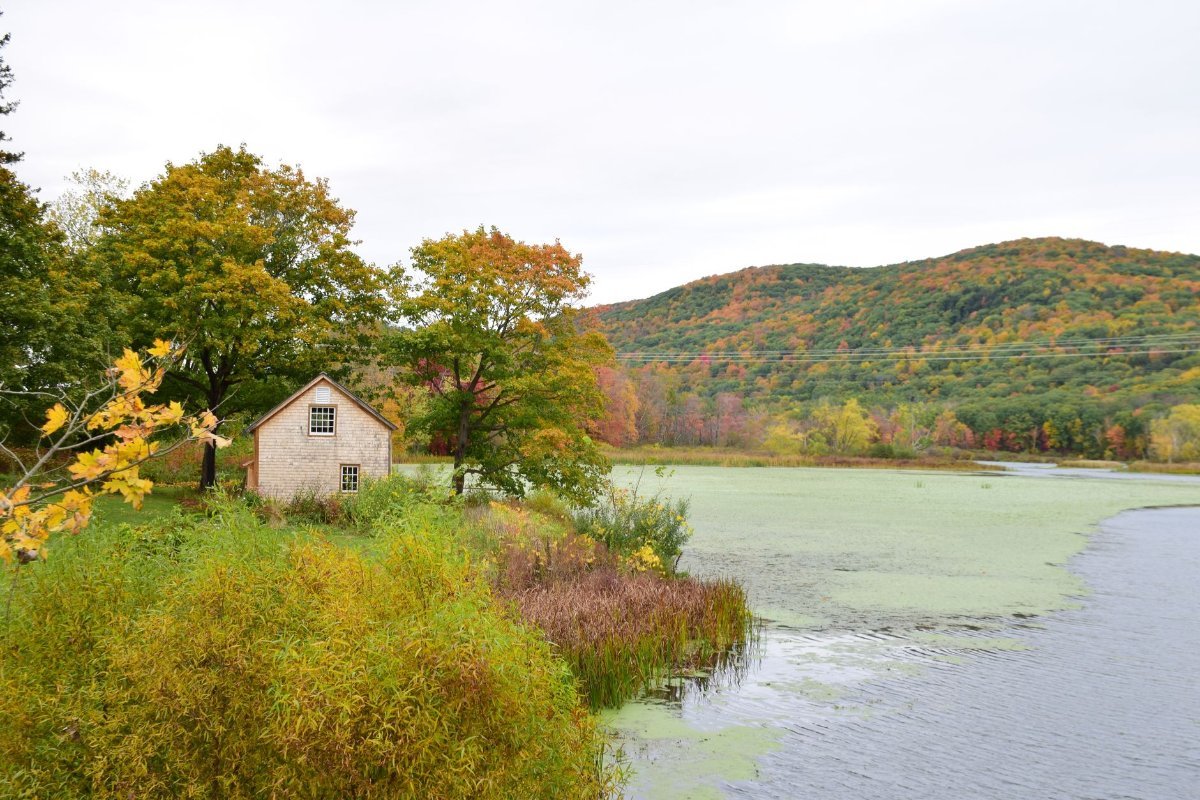
Start soft. The Berkshires in western Massachusetts are gentle hills, small towns and a genuinely disproportionate amount of good art for a rural area.
Stockbridge and Lenox are the pretty bases. Mass MoCA in North Adams is a vast contemporary art museum in a converted mill complex, and it’s the best rainy-day insurance on the whole route. The Mohawk Trail running west out of Greenfield is the scenic road, with a hairpin turn everyone stops at.
Two nights here is right. It’s the least dramatic stretch and the most relaxing, which is a reasonable way to begin a week of driving.
One more reason to start here rather than racing north: the Berkshires colour up last. Beginning your week in the place that peaks latest and driving toward the places that peak earliest is precisely the wrong order, and starting soft here on days one and two buys the northern colour another 48 hours to arrive.
Day 3: Southern Vermont and the Covered Bridges
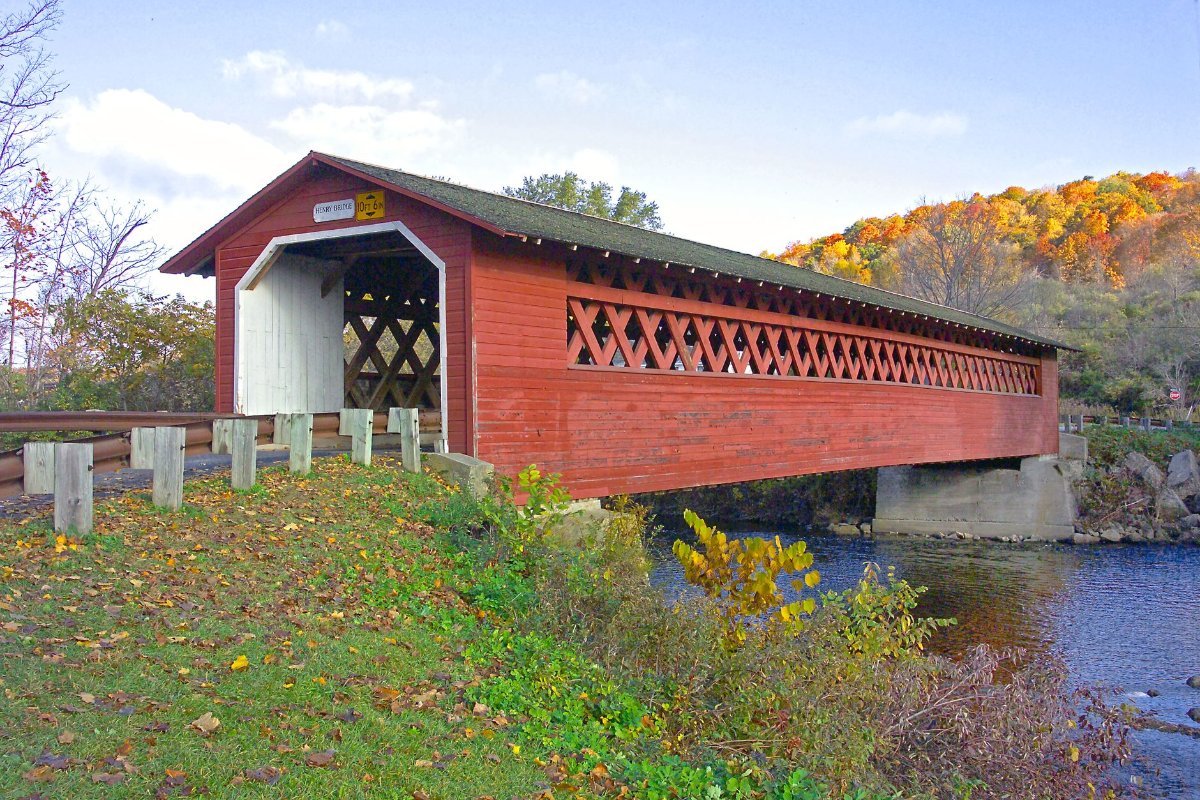
Cross into Vermont and the whole thing steps up. Route 100 runs almost the entire length of the state and is the road you came for.
Woodstock is the postcard town, and it’s very aware of that, but it earns it. Nearby Quechee Gorge is a five-minute stop for a genuinely good view. The covered bridges are scattered everywhere and honestly they all photograph the same, so pick two and move on rather than hunting all hundred.
IMO the best bit of this day isn’t a destination at all. It’s the twenty minutes of unplanned back road you take because you saw a hill you liked.
▶ Watch This Before You Go
Day 4: Stowe and Mount Mansfield
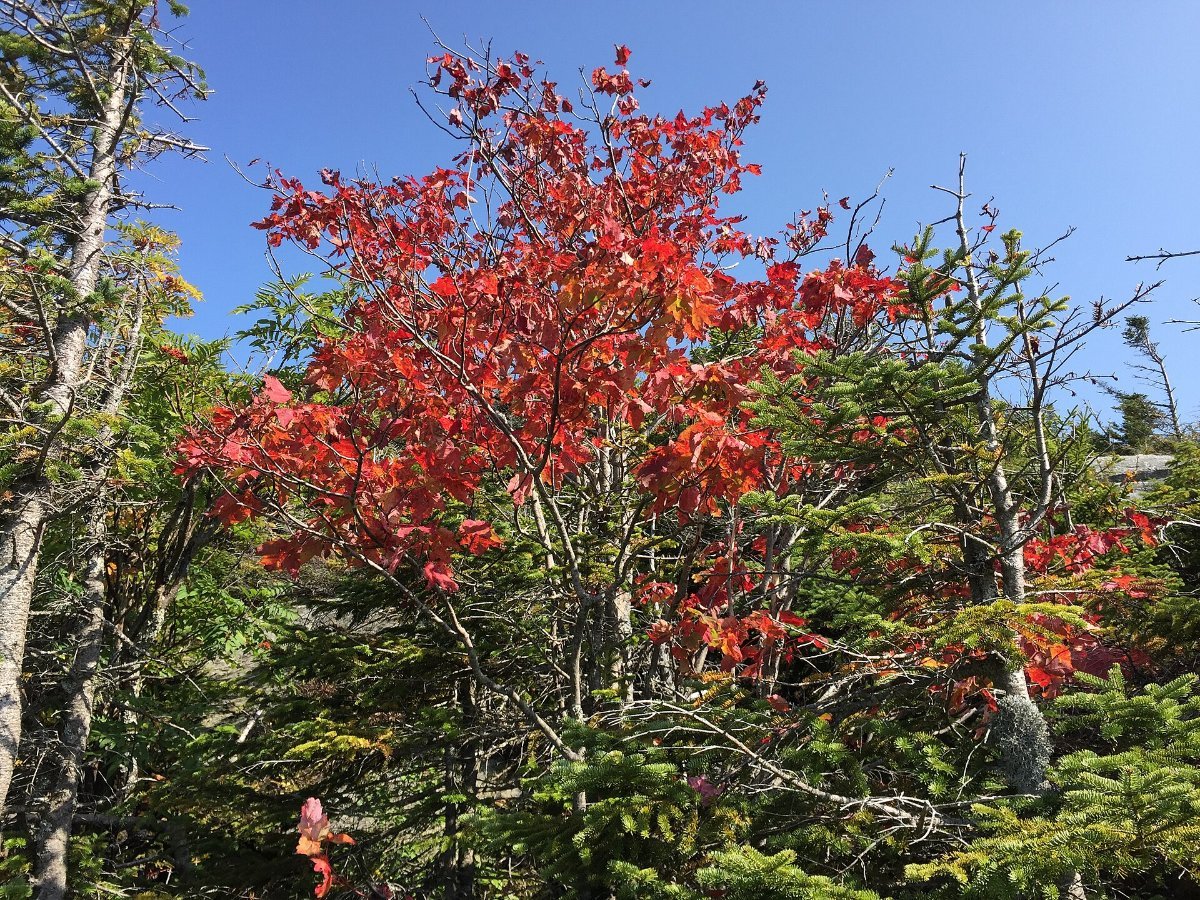
Continue north on 100 to Stowe, which is the tidiest, most photographed village in Vermont and busy accordingly.
Drive the Toll Road up Mount Mansfield or take the gondola. Both put you above the treeline looking down over the colour, and on a clear day you can see across to New York. Smugglers’ Notch just north of town is a narrow road squeezing between boulders, closed in winter, spectacular in October.
Book dinner. Stowe in peak week is not a town where you wander in somewhere at seven.
If Stowe feels too polished, Waterbury ten minutes south is the working alternative, with a couple of very good breweries and none of the boutique gift shops. It is also where the Ben and Jerry’s factory sits, which is either a highlight or a tourist trap depending entirely on whether you have children in the car.
Day 5: East to the White Mountains
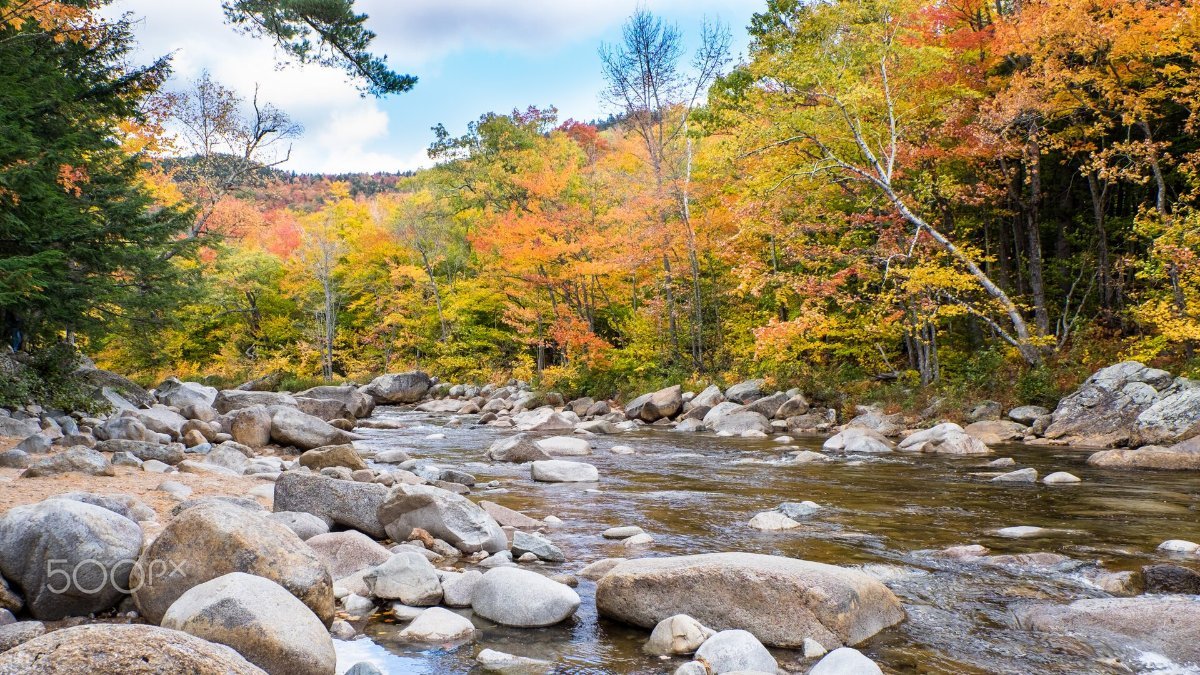
Cross into New Hampshire and the landscape gets rougher. Less pastoral, more actual mountain.
Franconia Notch is the main event, with the Flume Gorge boardwalk running up a granite chasm and the Cannon Mountain tramway hauling you 600 metres up in eight minutes. Both are worth it. Both are busy.
Stay in North Conway or Lincoln. Neither is charming exactly, but they’re where the beds are.
Worth knowing that the White Mountains make their own weather. It can be pleasant in the valley and genuinely dangerous on the summits on the same afternoon, and Mount Washington nearby holds records for some of the worst weather recorded anywhere. If you plan to walk above the treeline, check the higher summits forecast rather than the town one.
Day 6: The Kancamagus Highway
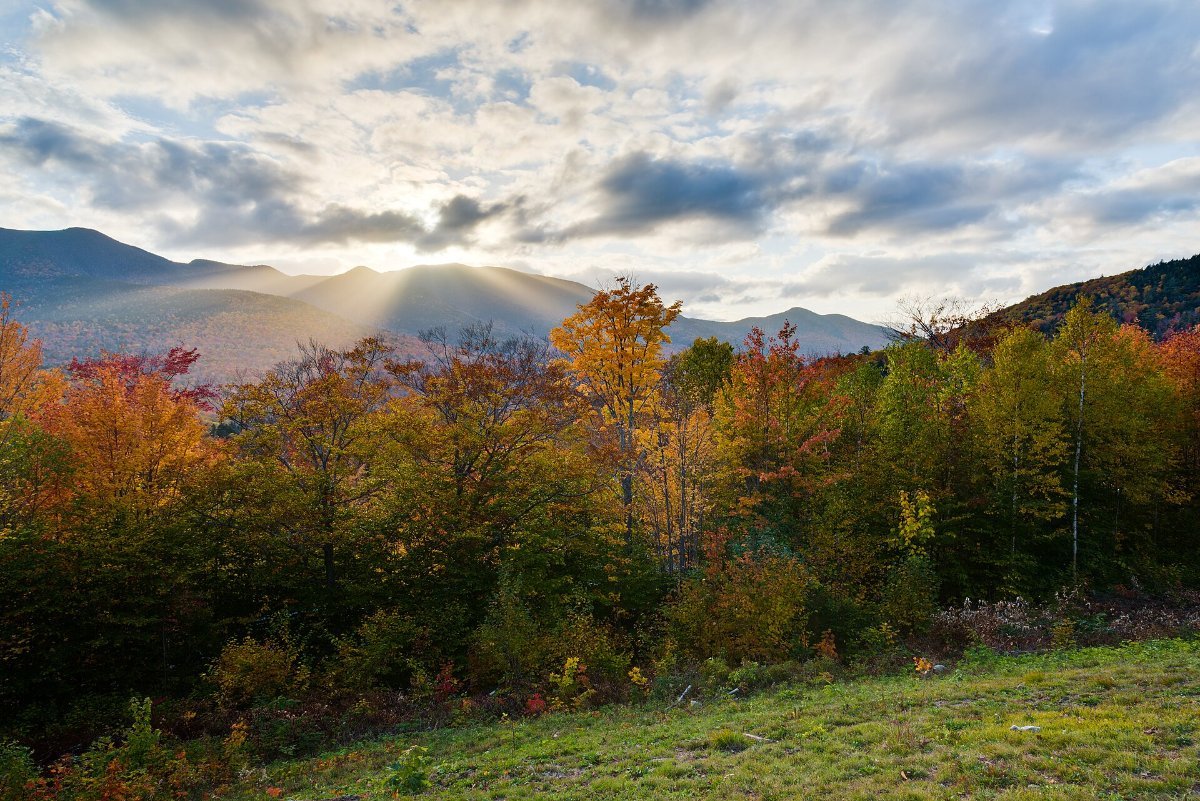
34 miles with no petrol stations, no shops and no phone signal, running right through the White Mountain National Forest. It’s the single best drive in New England and it takes about ninety minutes if you don’t stop, which you will.
Sabbaday Falls is a short easy walk to a proper waterfall. The Rocky Gorge and Lower Falls pull-offs are quick and worth it. The overlooks on the eastern half are where the big views are.
Fill up before you start. People do get caught out, and there is genuinely nothing on that road.
Drive it east to west if you can manage it, meaning start from Conway. The gradient works in your favour for the big reveals, and you finish in Lincoln with somewhere to eat. Going the other way you arrive at the quiet end at dusk with 34 miles of dark forest behind you.
Day 7: Out to the Maine Coast
Drive east and the trees eventually give way to granite and cold Atlantic. Acadia National Park is the finish line, and it’s a good one.
Cadillac Mountain is the first place in the country to see the sunrise for part of the year, and you need a timed vehicle reservation to drive up. Park Loop Road covers most of the highlights. Bar Harbor handles the food and the beds.
The colour up here peaks later than Vermont, so a week that started too early in the Berkshires often ends perfectly in Maine 🙂
Give yourself the morning rather than the afternoon here. Acadia gets extremely busy from about ten, the Park Loop Road is one way so you cannot easily double back, and the light on the eastern side is better early. Then it is a three hour drive down to Portland for the flight home.
When Peak Colour Actually Happens
Rough guide: northern Vermont and the White Mountains peak around the last week of September into the first week of October. Southern Vermont and central New Hampshire follow a week later. The Berkshires and coastal Maine land mid to late October.
That spread is exactly why you drive north to south, or start north and work down. Chasing colour upward means arriving everywhere a week early.
Track it. Every state runs a foliage report and they’re updated weekly, and they are considerably more reliable than a blog post written in August.
The Practical Bits Nobody Mentions
Book accommodation in spring. Not summer, spring. Peak foliage weekends in Vermont sell out months ahead and prices roughly double, and the places that are left are the ones nobody wanted.
Go midweek if you possibly can. The difference between a Wednesday and a Saturday on Route 100 is the difference between a lovely drive and a queue.
FYI most of the best pull-offs are unmarked. If you see three cars stopped on a verge, that’s the view. Join them.