
The Ultimate Carry-On-Only Packing List for Any Trip
Packing an entire trip into just a carry-on bag genuinely transforms how you travel, eliminating checked baggage fees, lost luggage anxiety, and the hassle of waiting at baggage claim. Mastering this skill takes some practice, but the payoff applies to nearly every trip you’ll ever take.
In this guide
- Choosing the Right Carry-On Bag
- The Clothing Capsule Approach
- Toiletries That Meet Carry-On Rules
- Packing Cubes and Compression Tools
- Electronics and Tech Essentials
- What to Wear on Travel Days
- Laundry Strategy for Longer Trips
- Packing for Different Climates in One Trip
- Packing for Business or Formal Occasions
- Packing Extras for Kids or Family Travel
- Common Carry-On Packing Mistakes
- Building Your Personal Packing List
- What This Packing Approach Actually Saves
Here’s the ultimate carry-on-only packing list that works for practically any destination or trip length.
None of this requires sacrificing genuine comfort or preparedness. Just packing smarter rather than packing more.
Choosing the Right Carry-On Bag
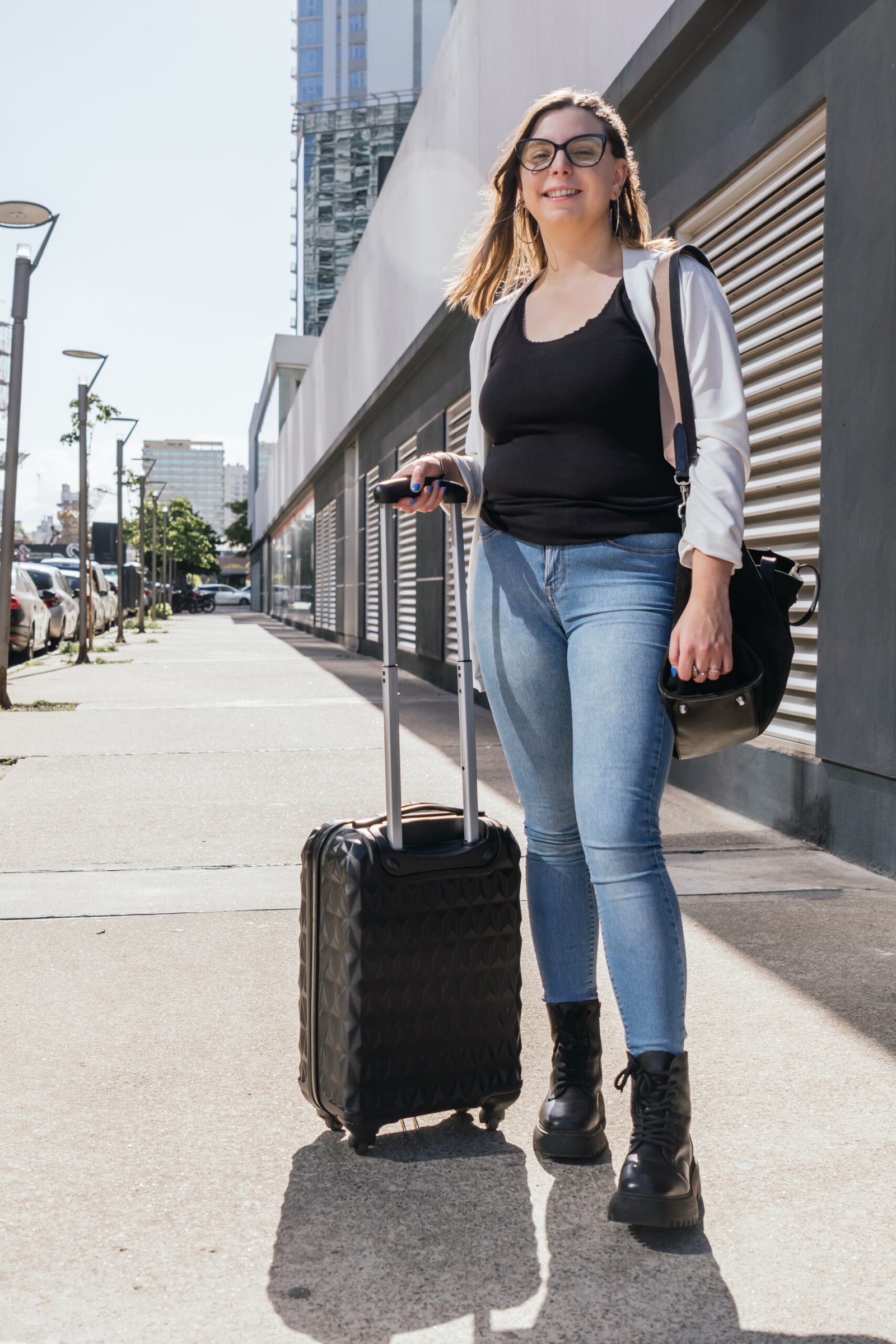
Selecting a bag that maximizes your airline’s carry-on size allowance, while remaining genuinely comfortable to carry through airports and cobblestone streets, matters more than any other packing decision. A soft-sided bag with some flex, rather than a rigid hard-shell case, squeezes into overhead bins more reliably when space gets tight.
Is a backpack or rolling bag genuinely better for carry-on-only travel? It depends heavily on your specific trip, since backpacks suit multi-city or active itineraries while rolling bags work better for city-based trips with mostly paved surfaces.
The Clothing Capsule Approach
Building a small capsule wardrobe around a single color palette, where every item mixes and matches with everything else, maximizes your outfit options from minimal pieces. Choosing versatile pieces that layer well, rather than single-purpose items, lets five or six clothing pieces genuinely cover a week or more of varied activities.
A few practical clothing capsule guidelines worth following:
- Pack items in one or two coordinating colors so every piece mixes with every other piece
- Choose merino wool or synthetic fabrics that resist odor and wrinkles better than cotton
- Bring one nicer outfit for a dinner out, but keep it multi-functional rather than single-use
- Limit yourself to two pairs of shoes maximum, since shoes take up disproportionate luggage space
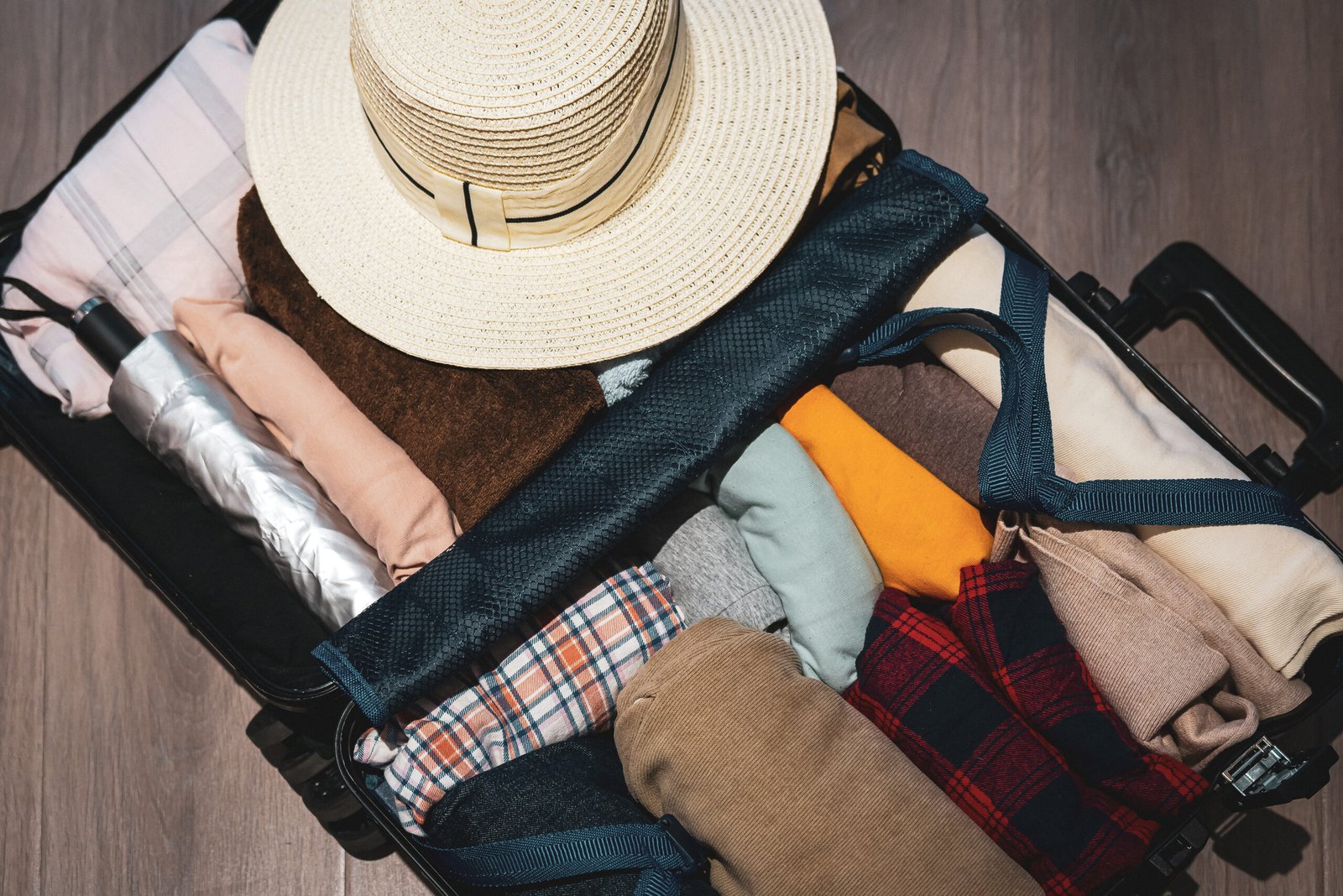
- Roll clothing rather than folding it to save meaningful space and reduce wrinkles
Toiletries That Meet Carry-On Rules
Transferring liquids into travel-sized containers under the standard 3.4-ounce limit, then fitting everything into a single clear quart-sized bag, keeps you compliant with security requirements. Solid toiletries, like shampoo bars and solid deodorant, sidestep liquid restrictions entirely while saving genuine space and weight.
Real talk, buying travel-sized versions of your actual preferred products beats settling for whatever mini toiletries happen to be available at your destination.

Packing Cubes and Compression Tools
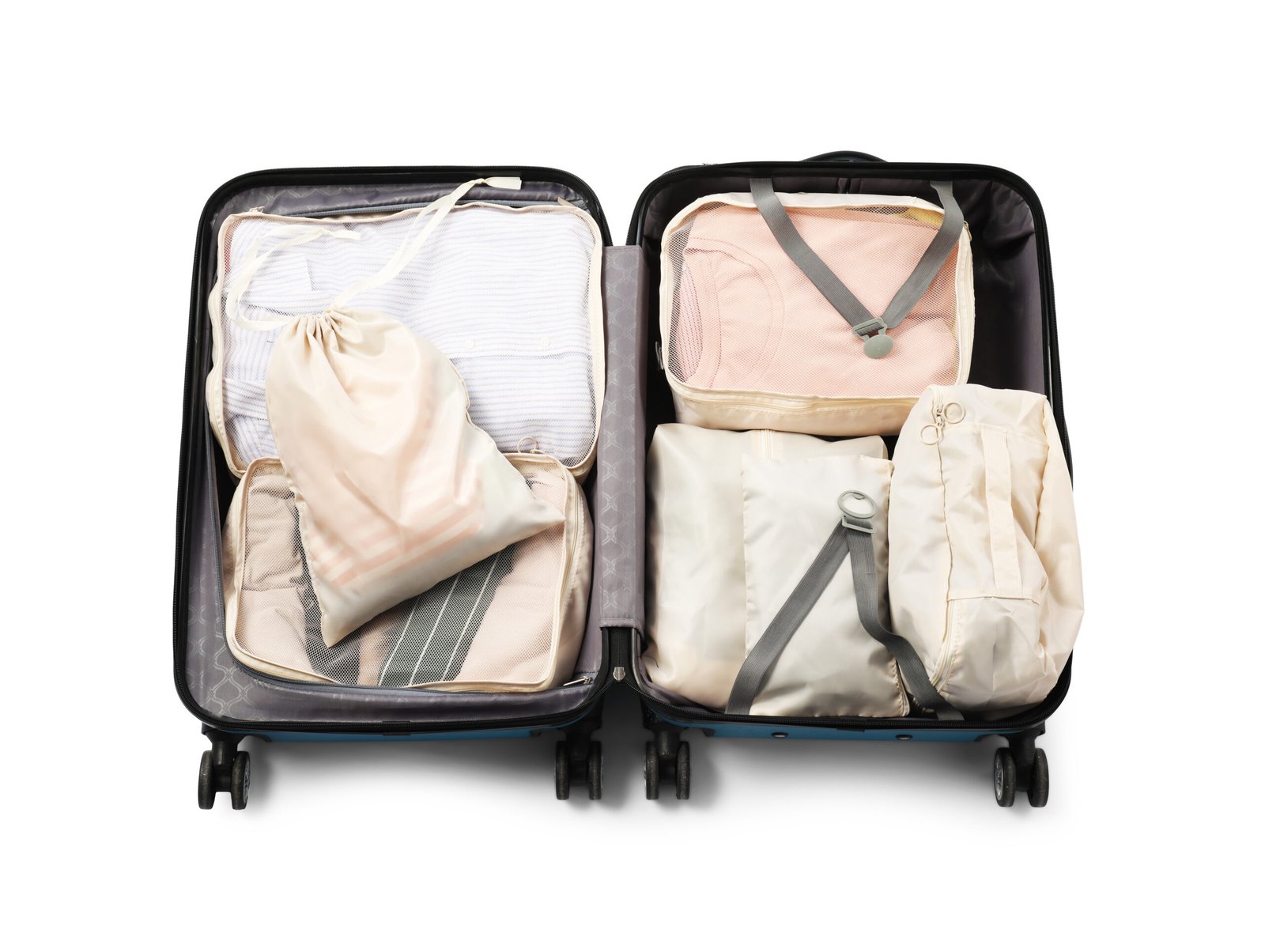
Using packing cubes to organize clothing by category, rather than tossing everything loosely into your bag, makes both packing and unpacking considerably faster and more organized. Compression cubes specifically, which squeeze out excess air, let you fit noticeably more into the same bag volume.
IMO packing cubes feel like an unnecessary purchase until you actually try them, and then they become genuinely impossible to travel without afterward. 😅
Electronics and Tech Essentials
Bringing only the electronics you’ll genuinely use, rather than every gadget you own, keeps both weight and bag space manageable for carry-on-only travel. A single universal adapter and one multi-port charging cable, rather than separate chargers for every device, reduces your tech bag’s bulk considerably.
Is bringing a laptop worth the extra weight and bag space for most trips? For leisure travel without work obligations, often not, since a phone and tablet handle most travel needs these days.
What to Wear on Travel Days
Wearing your bulkiest clothing items, like a jacket or heavy shoes, on the plane itself rather than packing them saves meaningful bag space for other items. Layering your travel day outfit strategically, so you can add or remove pieces as cabin temperature shifts, keeps you comfortable without extra packed layers.
This travel-day-wearing strategy alone can free up enough space to eliminate the need for careful cramming elsewhere in your bag.
Laundry Strategy for Longer Trips
Planning to do laundry every five to seven days, either at a laundromat or in your accommodation’s sink, eliminates the need to pack enough clothing for an entire multi-week trip. A small packet of travel laundry detergent, along with a compact travel clothesline, makes sink-washing genuinely practical in a pinch.
This laundry approach transforms carry-on-only packing from merely possible into genuinely comfortable, even for trips lasting several weeks.
Packing for Different Climates in One Trip
Trips spanning multiple climates require genuinely strategic layering rather than packing separate complete outfits for each expected temperature range. A packable down jacket or fleece, compressing down to minimal size, handles cold stops without consuming much bag space at all.
This layering strategy means the same core wardrobe can stretch across beach destinations and cooler mountain stops within a single trip.
Packing for Business or Formal Occasions
Fitting business-appropriate clothing into a carry-on requires prioritizing wrinkle-resistant fabrics and versatile pieces that transition between meetings and casual evenings. A single blazer that pairs with multiple bottoms, rather than a full separate business wardrobe, covers most professional trip needs without excessive bulk.
This business-capsule approach works especially well for short work trips, though longer business travel sometimes justifies the convenience of checking a bag despite the extra fees.
Packing Extras for Kids or Family Travel
Traveling carry-on-only with children adds genuine complexity, since kids’ items like extra clothing changes and entertainment take up space that adults’ minimal packing wouldn’t require. Packing one shared family toiletry kit, rather than separate full kits per person, frees up meaningful space across multiple family carry-ons.
This family-specific strategy takes more upfront planning than solo carry-on packing, but it remains genuinely achievable with realistic expectations about what each child actually needs.
Common Carry-On Packing Mistakes
Overpacking “just in case” items that never actually get used, bringing too many shoes, and packing full-sized toiletries rank among the most common carry-on packing mistakes travelers make. Doing a final pre-departure edit, removing anything you’re not genuinely confident you’ll use, catches most of these mistakes before you leave.
Is it ever worth checking a bag instead of forcing everything into carry-on? For trips requiring specialized gear, like ski equipment, genuinely yes, but most standard trips manage comfortably without checking anything.
Building Your Personal Packing List
Creating a reusable packing list template, adjusted slightly for each specific trip’s climate and activities, saves genuine time and prevents forgotten essentials on future trips. Reviewing your list after each trip, noting what you didn’t use, refines your packing approach for increasingly efficient future trips.
This iterative refinement process, over just a few trips, genuinely transforms carry-on-only packing from stressful into second nature.
What This Packing Approach Actually Saves
Skipping checked baggage entirely saves $30-70 per flight on most airlines, adding up substantially across a trip with multiple flights or a longer travel pattern. This savings alone often justifies the modest upfront investment in quality packing cubes and a well-chosen carry-on bag.
Beyond the direct cost savings, skipping baggage claim and avoiding lost luggage risk delivers genuine peace of mind that’s harder to quantify but easy to appreciate once you experience it.
Carry-on-only travel rewards thoughtful preparation with genuine freedom from baggage fees, lost luggage stress, and the general hassle that checked bags create throughout a trip. Build a versatile clothing capsule, invest in good packing cubes, and refine your personal list after each trip, and you’ll find carry-on-only travel becomes your default rather than a challenge.