
How to Travel Europe on a Budget: A Realistic Cost Breakdown
Traveling Europe on a genuine budget requires more strategic planning than a typical vacation, but it remains entirely achievable without sacrificing the experiences that make European travel worthwhile. Understanding realistic costs across accommodation, transportation, food, and activities helps you plan a trip that actually matches your available budget.

In this guide
- Accommodation Costs Across Europe
- Realistic Transportation Costs
- Food and Dining Realistic Costs
- Museum and Attraction Costs
- Region-by-Region Cost Differences
- What a Realistic Daily Budget Actually Looks Like
- How to Save on Booking Accommodation
- Money-Saving Strategies for Extended Trips
- Common Budget Mistakes to Avoid
- Free and Low-Cost Activities Worth Prioritizing
- Best Time of Year for Budget Travel
- Packing Smart to Avoid Extra Costs
- Building Your Own Realistic Budget Plan
Here’s a complete, realistic cost breakdown for traveling Europe without overspending.
None of this requires sacrificing every comfort or skipping every worthwhile experience. Just making smarter choices about where your money genuinely matters most.
Accommodation Costs Across Europe
Accommodation typically represents your largest daily expense, and costs vary dramatically between Western European capitals and Eastern or Southern European destinations. Hostels with private rooms, running roughly $25-50 per night depending on the city, deliver genuine budget savings without sacrificing basic privacy and comfort.
Is choosing a hostel over a budget hotel worth the potential noise and shared spaces? For genuine budget travelers, absolutely, since the savings compound significantly across a multi-week trip.

Realistic Transportation Costs
Getting between European cities and countries efficiently requires balancing cost against time, and budget airlines, trains, and buses each offer different tradeoffs worth understanding. Budget airlines like Ryanair and EasyJet often beat train prices for longer distances, though their notoriously strict baggage policies can erase savings if you’re not careful.
A few practical transportation cost considerations worth knowing:
- Booking budget flights weeks ahead typically secures noticeably better prices than last-minute purchases
- Regional trains often cost less than high-speed options while adding only modest travel time
- City transit passes save meaningful money if you’re sightseeing extensively within a single city
- Overnight buses between cities save both accommodation costs and daytime travel time
- Walking or biking within compact European city centers eliminates transit costs entirely for short distances
Food and Dining Realistic Costs
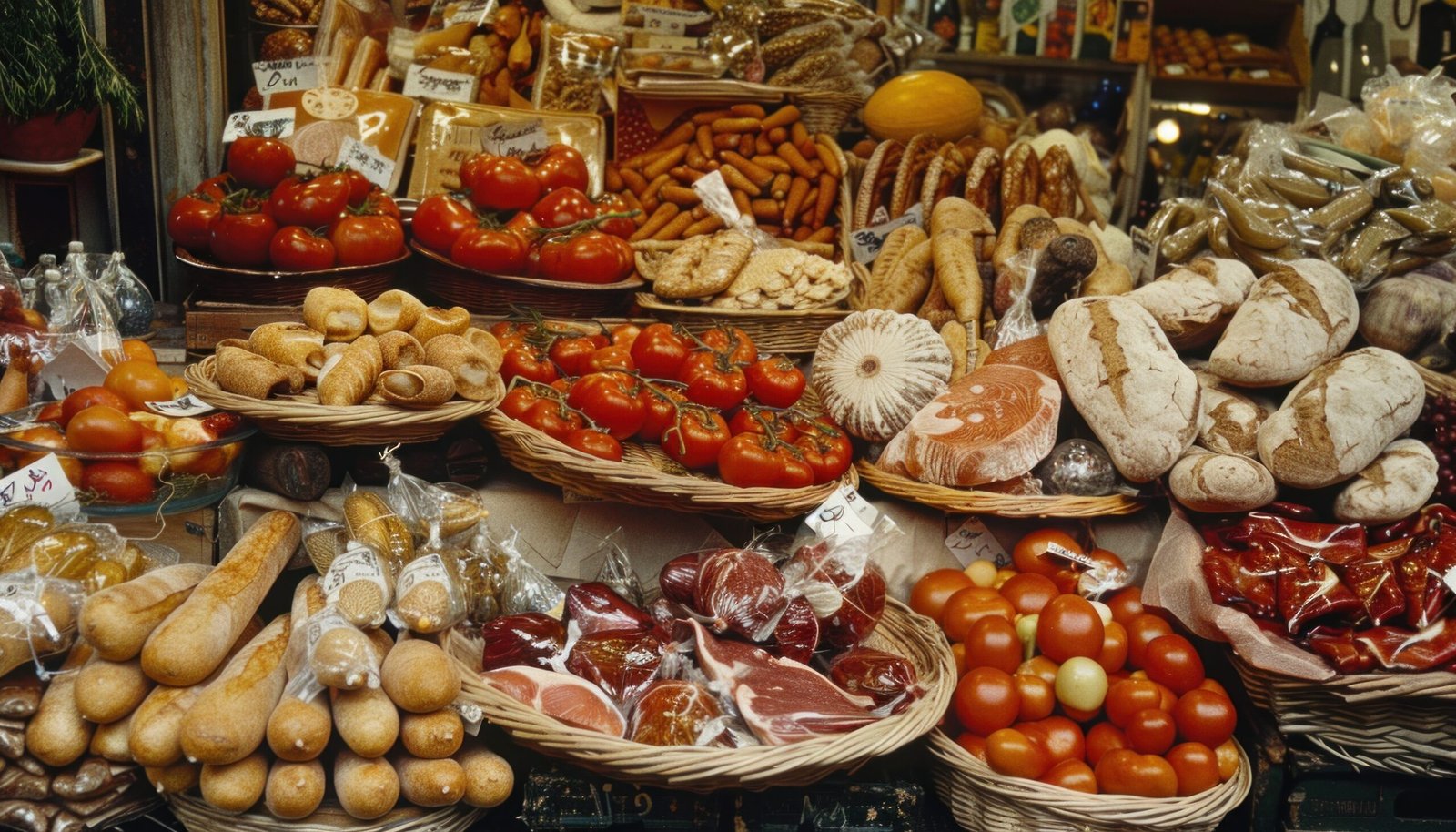
Food costs vary enormously based on your choices, and the gap between tourist-zone restaurant prices and genuinely local options can be substantial across most European cities. Grocery store meals and local markets, rather than restaurant dining for every meal, cut food costs dramatically while still delivering authentic culinary experiences.
Real talk, mixing a few sit-down restaurant meals with grocery store breakfasts and lunches strikes a genuinely sustainable balance for longer budget trips.
Museum and Attraction Costs
Major European museums and attractions add up quickly if you’re visiting several cities, though many offer free admission days or hours worth planning around. City tourism cards, bundling multiple attractions at a discounted combined rate, sometimes deliver genuine savings if you’re planning to visit several paid sites in one location.
IMO researching each city’s free museum days before your trip feels like homework, but the savings genuinely add up across a multi-city itinerary. 😅
Region-by-Region Cost Differences
Eastern and Southern European destinations, like Portugal, Poland, or the Balkans, consistently deliver lower costs than Western European staples like France, Switzerland, or the Netherlands. Building your itinerary around cheaper regions, rather than exclusively the most famous Western European destinations, stretches a limited budget considerably further.
Is skipping famous Western European cities entirely worth the savings? Not necessarily, but balancing a few expensive must-see stops with several cheaper destinations creates a genuinely sustainable budget itinerary.
What a Realistic Daily Budget Actually Looks Like
Combining accommodation, transportation, food, and activities, a genuine budget traveler can realistically manage Western Europe on $60-90 per day, while Eastern and Southern Europe often runs $40-60 per day. These figures assume hostel accommodation, mostly self-catered meals, and selective paid attractions rather than unlimited spending.
Real talk, these numbers shift considerably based on personal travel style, so treat them as a realistic starting framework rather than an absolute rule for every trip.
How to Save on Booking Accommodation
Booking accommodation directly through hostel or hotel websites sometimes beats third-party booking sites, particularly for longer stays where properties offer direct-booking discounts. Comparing prices across multiple platforms before committing, rather than defaulting to the first site you check, consistently reveals meaningful savings.
This comparison habit takes only a few extra minutes but genuinely pays off across an entire trip’s worth of accommodation bookings.
Money-Saving Strategies for Extended Trips
Longer European trips benefit from strategies that shorter visits can’t fully utilize, like monthly transit passes, extended-stay accommodation discounts, and building local routines that reduce tourist-priced spending. Staying in one base city longer, rather than constantly moving between destinations, cuts transportation costs and often unlocks better accommodation rates.
This slower travel approach also genuinely improves the actual experience, letting you settle into a place rather than rushing through it.
Common Budget Mistakes to Avoid
Underestimating transportation costs between multiple countries, overspending on tourist-zone restaurants, and failing to book budget flights early rank among the most common budget-busting mistakes. Building a realistic contingency buffer, roughly 10-15% beyond your planned budget, prevents minor unexpected costs from derailing your entire trip.
Is a strict, inflexible budget realistic for a multi-week European trip? Genuinely, no, since unexpected costs inevitably arise, making a reasonable buffer more practical than an unrealistically rigid plan.
Free and Low-Cost Activities Worth Prioritizing
Many of Europe’s best experiences, like wandering historic neighborhoods, visiting free museums, or relaxing in public parks, cost little or nothing while delivering genuinely memorable experiences. Researching free walking tours in each city, often running on a tip-based model, provides excellent orientation and history without a fixed admission cost.
This focus on free and low-cost activities doesn’t mean skipping paid attractions entirely, just being intentional about which paid experiences genuinely justify their cost for your specific trip.
Best Time of Year for Budget Travel
Shoulder seasons, spring and fall specifically, deliver noticeably lower accommodation and flight prices compared to peak summer travel, while still offering reasonably comfortable weather. Winter travel, outside major holiday periods, often delivers the deepest discounts, though shorter days and colder weather affect the experience.
Whatever season you choose, avoiding major local holidays and festivals, unless you’re specifically planning around them, helps keep prices closer to baseline rates.
Packing Smart to Avoid Extra Costs
Traveling with just a carry-on bag avoids checked baggage fees that add up quickly on budget airlines, where these charges sometimes rival the actual ticket price itself. Packing versatile, weather-appropriate clothing for your specific route means fewer emergency purchases once you’re already traveling and realize you’re missing something essential.
Is checking a bag ever worth it for a longer European trip? For trips genuinely requiring specialized gear, sometimes, but most budget travelers manage comfortably with careful carry-on packing across even multi-week itineraries.
Building Your Own Realistic Budget Plan
Researching specific costs for your exact planned destinations, rather than relying purely on general regional averages, produces a genuinely accurate budget tailored to your actual itinerary. Tracking your spending during the first few days of your trip helps you adjust remaining daily budgets if early spending runs higher or lower than planned.
This active budget monitoring throughout your trip, rather than just planning beforehand, keeps your overall spending realistically aligned with your original goals.
Traveling Europe on a budget rewards travelers willing to research realistic costs, prioritize cheaper regions alongside must-see stops, and stay flexible with accommodation and transportation choices. Build a realistic daily budget based on your specific itinerary, track your spending as you go, and you’ll experience genuinely rich European travel without the financial stress that comes from underestimating actual costs.