How to Travel Europe on a Budget: A Realistic Cost Breakdown
Everyone has a friend who “did Europe for basically nothing.” They’re either lying, or they’re leaving out the part where they slept in six-person dorms and ate bread for a week straight.

In this guide
- What a Daily Budget Actually Looks Like
- Accommodation: Hostels vs Budget Hotels vs Airbnb
- Getting Around: Trains, Buses, and Budget Flights
- Food: How to Eat Well Without Overspending
- The Sneaky Costs Nobody Budgets For
- How to Save Before You Even Land
- Cheap Countries vs Expensive Countries in Europe
- A Realistic Sample Week
Real budget travel sits somewhere between those horror stories and a full-price vacation.
Here’s what a realistic Europe budget actually looks like, broken down by category, so you can plan a trip that’s cheap without being miserable.
None of the numbers below assume you’re suffering through the trip to save money. They assume you’re making smart choices about where your money actually goes, which is a completely different thing.

What a Daily Budget Actually Looks Like
Budget travelers spending carefully can get through Western Europe on $60-80 a day. That covers a hostel bed, two simple meals, local transport, and one paid attraction every couple of days.
Want more comfort without going full luxury? $100-150 a day buys you private hostel rooms or budget hotels, real restaurant meals, and museum tickets without flinching at the price.
Eastern Europe runs noticeably cheaper across the board. The same $60-80 budget in Western Europe can stretch to a genuinely comfortable $40-50 a day in places like Poland, Hungary, or Romania.
Accommodation: Hostels vs Budget Hotels vs Airbnb
Hostels remain the budget backbone of European travel, and dorm beds typically run $15-35 a night depending on the city. Book ones with good reviews specifically for cleanliness, not just price.
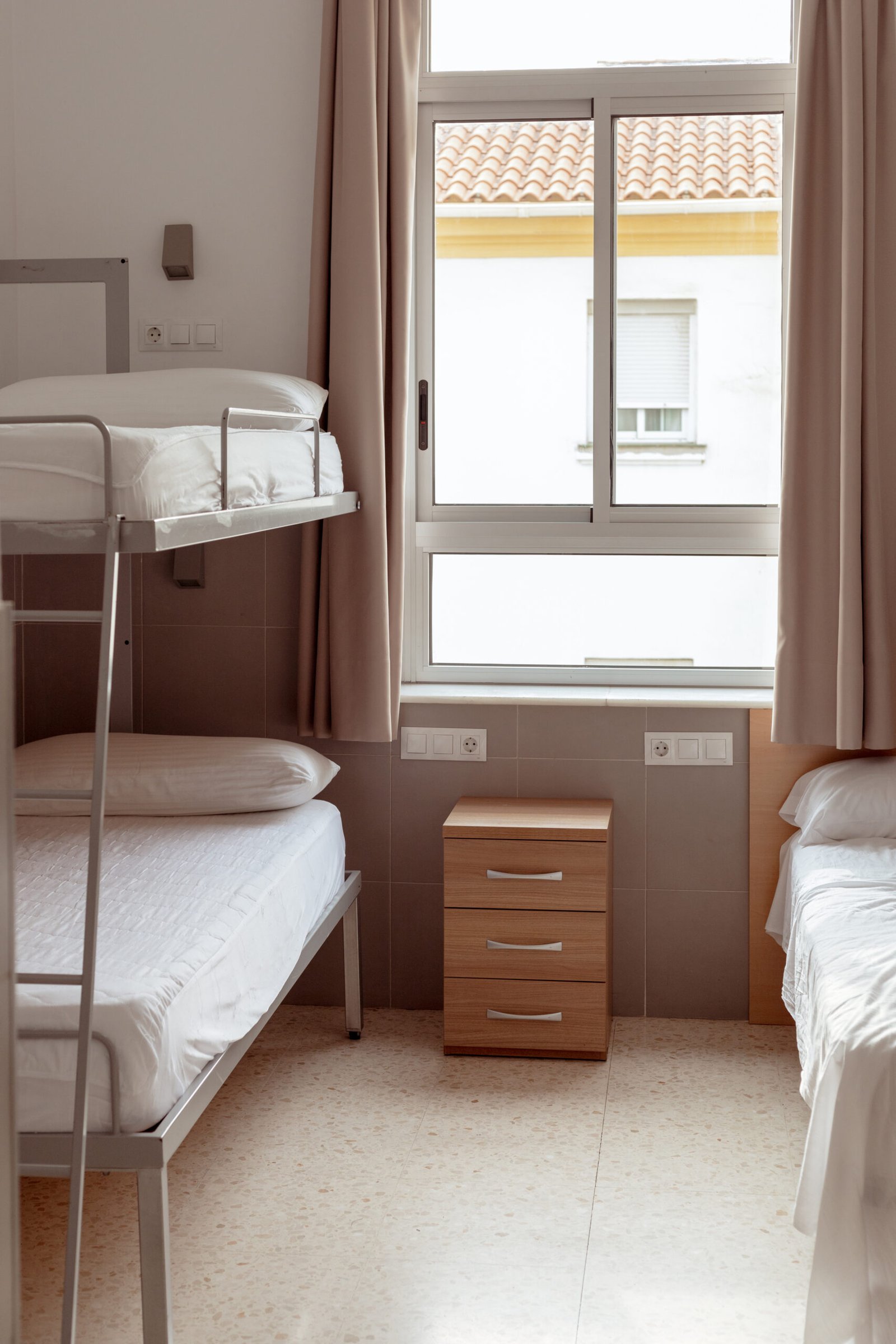
Private hostel rooms split the difference nicely if you want your own space without hotel prices. Expect $40-70 a night for a private room in a hostel versus $80+ for an equivalent budget hotel.
Airbnbs make sense for stays of four nights or longer, especially with a group splitting costs. For solo trips or short stops, hostels usually win on price and, honestly, on making friends too.

Booking directly through a hostel’s own website occasionally beats the big booking platforms once you factor in their service fees. It’s worth a quick price check before you commit through the app you already have open.
Getting Around: Trains, Buses, and Budget Flights
Trains are the classic way to move around Europe, but they’re not always the cheapest. Book 1-2 months ahead on routes like Paris to Amsterdam or Rome to Venice, since prices climb fast closer to departure.
Budget buses (FlixBus and BlaBlaCar Bus are the big names) often beat train prices by half, just at the cost of a couple extra hours. For overnight routes, this is honestly a win since you sleep through the boring part anyway.
Budget airlines like Ryanair and Wizz Air can beat both options for longer distances, sometimes for under $30 if you book early and pack light. Just watch the baggage fees. They add up fast and can erase the savings entirely.
IMO the real skill in European budget travel is mixing all three. Take the scenic train for the short, gorgeous routes, the overnight bus for the boring long hauls, and the budget flight for the one leg that would otherwise eat a whole travel day.
Food: How to Eat Well Without Overspending
Grocery stores are your best friend for breakfast and lunch. A sandwich and fruit from a local grocery costs a fraction of a café meal, and you’ll eat this way most days without feeling deprived.
Save restaurant meals for dinner, and look for spots a few blocks from major tourist attractions. Prices drop noticeably once you’re outside the immediate tourist radius, ngl – it’s one of the easiest wins in this whole budget.
Lunch specials (menu del día in Spain, plat du jour in France) are the best-kept secret in European budget travel. Multi-course meals at lunch prices that would cost double at dinner.
Street food and market stalls fill the gap between grocery meals and sit-down restaurants nicely. A good market lunch gets you real local flavor for a fraction of a restaurant tab, and it’s often better food anyway.
The Sneaky Costs Nobody Budgets For
A few expenses quietly wreck first-timer budgets more than anything else:
- City taxes – many European cities charge a small nightly fee on top of your accommodation, usually $2-5 per person
- ATM fees – foreign transaction fees stack up fast if you’re withdrawing cash frequently
- Baggage fees on budget airlines – these can double the cost of a “cheap” flight if you’re not careful
- Paid bathrooms – a small but constant drain, especially at train stations
- SIM cards or roaming – budget for a local eSIM instead of your home carrier’s roaming rates
Add a small daily buffer for these, and your budget will actually survive contact with reality.
How to Save Before You Even Land
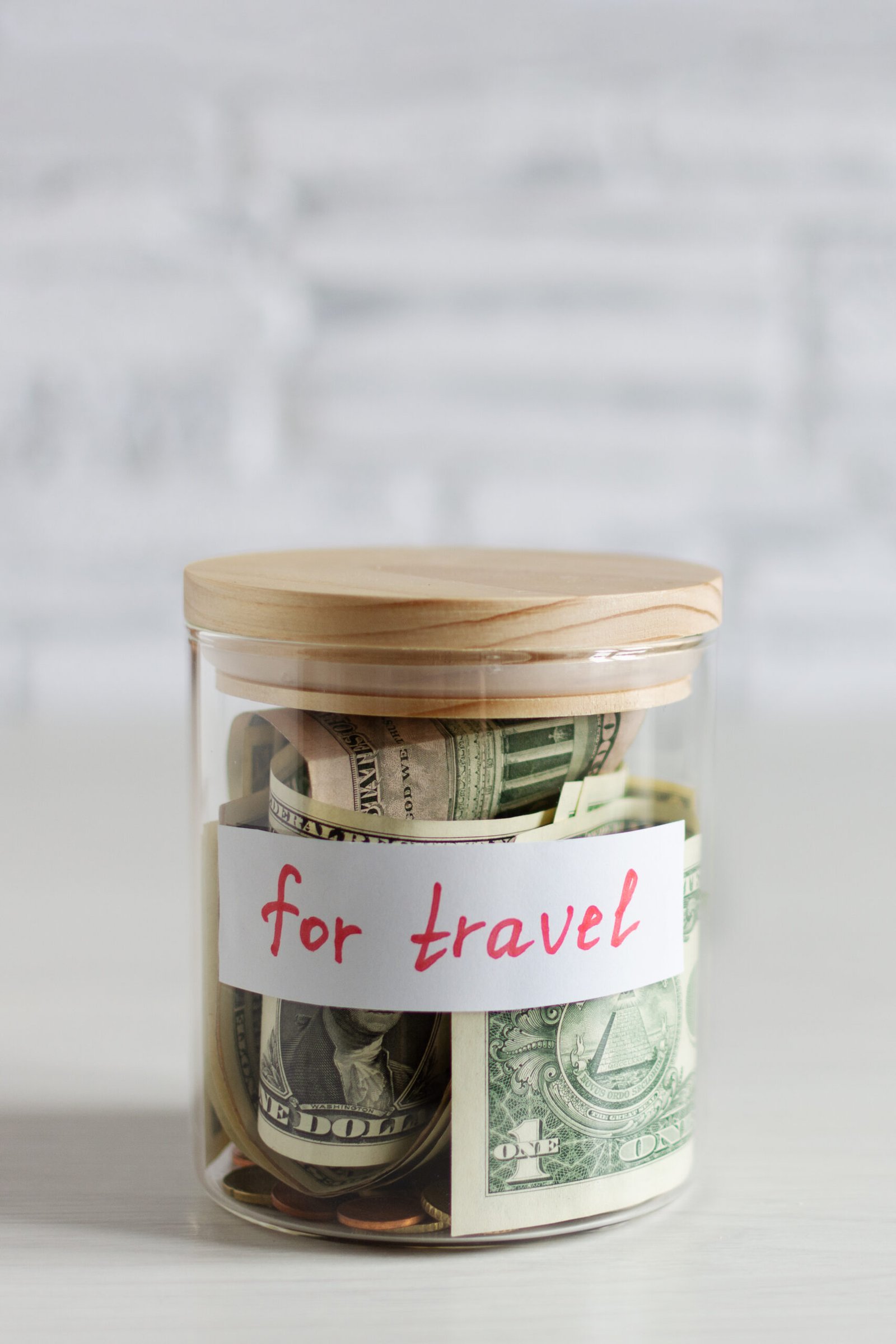
Set up a dedicated savings transfer the moment you decide on the trip. Even a small automatic transfer every payday adds up faster than you’d expect, and you won’t miss money you never see hit your main account.
A travel-specific credit card with no foreign transaction fees pays for itself within the first week abroad. Standard cards quietly charge 1-3% on every purchase you make overseas, and that adds up fast across a multi-week trip. Swap the card before you leave, not after you notice the charges on your statement.
Book flights and major trains as early as realistically possible. Is it annoying to commit to dates months out? Sure.
But the price difference between booking early and booking last-minute can fund several extra days of the trip. That’s not a small trade-off. 😅
Travel during shoulder season (April-May or September-October) instead of peak summer. Flights, hostels, and even museum lines all get noticeably cheaper and calmer.
Cheap Countries vs Expensive Countries in Europe
Portugal, Poland, Hungary, and most of the Balkans consistently rank as the most budget-friendly. You’ll get more for your money here than almost anywhere else on the continent.
Switzerland, Norway, and Iceland sit at the other extreme, and honestly, they can blow a budget trip’s math apart in a single weekend. Visit these on a separate, better-funded trip instead of squeezing them into a shoestring itinerary.
France, Italy, and Spain land in the middle. You can absolutely do them on a budget, but it takes more intentional choices around food and accommodation than the cheaper countries require.
A smart route mixes both tiers. Sandwich a few expensive must-see cities between longer stretches in cheaper countries, and your overall average comes down without cutting anything you actually wanted to see.
A Realistic Sample Week
Picture a week bouncing between Budapest and Vienna as a rough example. Four nights in Budapest at hostel prices, then three in Vienna where you spend a bit more, still averages out to a manageable total.
That kind of mixing is the actual secret behind those “did Europe cheap” trips you see online. It’s rarely one country the whole time. It’s smart sequencing.
Traveling Europe on a budget isn’t about denying yourself everything good. It’s about knowing where the real costs hide, planning around them, and spending your money on the parts of the trip that actually matter to you.